Table of Contents
- Introduction
- The Magic of the Toddler Egg Bites Recipe
- Kitchen STEM: The Science of Eggs
- Choosing the Best Ingredients for Little Learners
- The Step-by-Step Toddler Egg Bites Recipe
- The Secret Ingredient: Cottage Cheese and Quinoa
- Making Memories: Involving Kids in the Kitchen
- Storage and Meal Prep Hacks
- Pairing Suggestions for a Balanced Plate
- Troubleshooting Common Egg Bite Mishaps
- Educational Extensions: STEM at the Table
- Safety First in the Kitchen
- Why We Love This Recipe at I'm the Chef Too!
- Conclusion
- FAQs
Introduction
Does your morning routine ever feel like a high-speed race against the clock? Between finding matching socks and packing backpacks, the quest for a nutritious breakfast that your toddler will actually eat can feel like an impossible challenge. We have all been there—standing in the kitchen at 7:00 AM, hoping for a miracle that is both healthy and "toddler-approved." If you are looking for a solution that combines convenience, nutrition, and a dash of kitchen science, you have come to the right place.
In this post, we are going to share our favorite toddler egg bites recipe. These little protein-packed morsels are the ultimate "edutainment" for your morning. Not only are they delicious and easy for small hands to hold, but they also offer a fantastic opportunity to bring STEM (Science, Technology, Engineering, and Math) into your kitchen. At I'm the Chef Too!, we believe that every meal is an opportunity for discovery. By involving your children in the process of making these egg bites, you are sparking their curiosity about how ingredients change and blend together.
We will cover everything from the basic ingredients and step-by-step instructions to the science behind why eggs solidify when they bake. We will also dive into various ways you can customize these bites to please even the pickiest of eaters. Whether you have a budding scientist who loves to see "magic" happen in the oven or a little artist who wants to create a colorful mosaic of vegetables, these egg bites are the perfect canvas.
Our goal is to help you foster a love for learning and create joyful family memories, all while getting a healthy meal on the table. By the end of this guide, you will have a versatile recipe that saves you time and nourishes your little ones. Ready for a new adventure every month? Join The Chef's Club and enjoy free shipping on every box, where the learning continues long after breakfast is over.
The Magic of the Toddler Egg Bites Recipe
Why are egg bites taking over the breakfast world? For parents of toddlers, the answer is simple: they are the perfect finger food. When children reach the toddler stage, they are often eager to assert their independence. They want to "do it myself," especially when it comes to eating. This toddler egg bites recipe provides a soft, easy-to-grasp shape that fits perfectly in a small palm, allowing your child to lead the way during mealtime.
From a nutritional standpoint, eggs are often referred to as "nature’s multivitamin." They are a complete source of protein, meaning they contain all the essential amino acids your child needs for growth. They are also rich in choline, which is vital for brain development, and contain Vitamin D, which helps build strong bones. When you add vegetables like spinach, broccoli, or peppers to the mix, you are boosting the fiber and mineral content of the meal without making it overwhelming for a child who might be skeptical of a giant pile of greens on their plate.
At I'm the Chef Too!, we see the kitchen as a laboratory. When you make this toddler egg bites recipe, you aren't just cooking; you are performing an experiment in chemistry. You start with liquid eggs and, through the application of heat, you end up with a solid, springy muffin. This transformation is a great talking point for kids. You can ask them, "Where did the liquid go?" or "How did it get so fluffy?" These simple questions lay the groundwork for a lifetime of scientific inquiry.
Kitchen STEM: The Science of Eggs
Before we get to the mixing bowl, let’s take a moment to look at the "S" in STEM: Science! Eggs are fascinating biological structures. When you whisk an egg, you are actually unraveling long chains of proteins. Imagine these proteins as tiny, tangled balls of yarn. When you whisk them, you are pulling those strands out.
As the egg bites bake in the oven, heat causes those protein strands to vibrate and move. Eventually, they collide and bond together, trapping the water and air within a three-dimensional web. This process is called coagulation. It is the reason why your runny egg mixture turns into a firm, delicious bite. If you add a bit of milk or cottage cheese to your toddler egg bites recipe, you are introducing fats and extra liquids that interfere with the protein bonding just enough to keep the texture soft and creamy rather than rubbery.
Understanding these concepts helps children realize that cooking is a series of predictable reactions. For instance, if a child is fascinated by how heat creates change, they might also enjoy seeing a chemical reaction that makes our Erupting Volcano Cakes kit bubble over with deliciousness. Linking breakfast to these broader scientific concepts makes the meal more meaningful and engaging for everyone involved.
Choosing the Best Ingredients for Little Learners
The beauty of the toddler egg bites recipe is its versatility. You can tailor the ingredients to match your child's current preferences while gently introducing new flavors. When selecting your ingredients, think about color, texture, and nutrition.
The Egg Base
Most recipes call for large eggs. If you can, look for "pasture-raised" or "free-range" eggs, which often have a higher content of Omega-3 fatty acids. These are great for heart and brain health. For a creamier, "coffee-shop style" texture, many parents swear by adding a bit of full-fat cottage cheese or Greek yogurt to the egg base. This adds a boost of calcium and protein while creating a velvety mouthfeel that toddlers love.
The "Hidden" Veggies
Toddlers can be notoriously picky about textures. If your little one isn't a fan of "chunks," you can use a food processor to finely grate your vegetables. Carrots, zucchini, and spinach are excellent choices because they blend in easily. For a toddler who likes a bit of crunch or color, finely diced red bell peppers or steamed broccoli florets work beautifully. Find the perfect theme for your little learner by browsing our complete collection of one-time kits to see how we incorporate different colors and textures into our educational adventures.
Protein Add-ins
While eggs provide plenty of protein, you can increase the "staying power" of the meal by adding diced ham, cooked turkey sausage, or even a tablespoon of cooked quinoa. Quinoa is a fantastic addition because it is a whole grain that adds a slightly nutty flavor and a boost of iron, which is essential for preventing fatigue in active toddlers.
Cheesy Goodness
Cheese acts as the "glue" that holds everything together and adds a savory flavor that most kids can't resist. Mild cheddar, mozzarella, or even a sprinkle of parmesan are all great options. If your family is dairy-free, there are many excellent plant-based cheeses that melt well and provide a similar flavor profile.
The Step-by-Step Toddler Egg Bites Recipe
Now, let's get into the kitchen! Remember, this is a hands-on activity. While an adult must handle the oven and any sharp knives, your toddler can be the "Head Whisker" or the "Chief Sprinkler."
Ingredients Needed:
- 6 large eggs
- 1/4 cup milk (dairy or plant-based) OR 1/2 cup cottage cheese for a creamier texture
- 1/2 cup shredded cheese (cheddar or mozzarella)
- 1/2 cup finely chopped vegetables (spinach, broccoli, or bell peppers)
- A pinch of salt and a dash of garlic powder (optional)
- Optional: 1/4 cup cooked protein (ham, sausage, or quinoa)
Equipment:
- Mini muffin tin (silicone is best for easy removal!)
- Large mixing bowl
- Whisk
- Non-stick cooking spray
Instructions:
- Preheat and Prep: Preheat your oven to 350°F (175°C). This is a great time to explain to your child that the oven needs to be "just right" for the magic to happen. Generously spray your mini muffin tin with non-stick spray. Even if you are using silicone, a little spray ensures those bites pop right out.
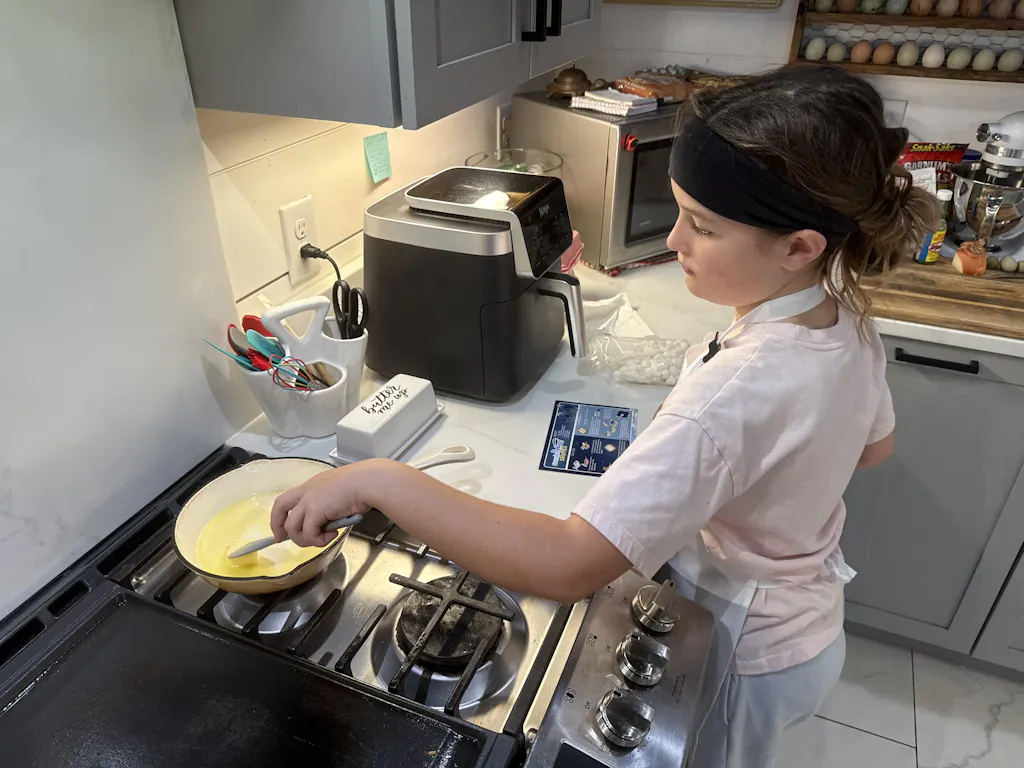
- The Great Whisk-Off: In your large bowl, crack the eggs. (If your toddler is helping, you might want to crack them into a separate small bowl first to check for shells!). Add the milk or cottage cheese, salt, and garlic powder. Let your child whisk the mixture until it is smooth and pale yellow.
- The Vegetable Mosaic: Add the chopped vegetables and your chosen protein to the egg mixture. Stir gently to combine. Talk about the different colors in the bowl—the green of the spinach, the orange of the carrots, the white of the cheese.
- Filling the Tins: Carefully pour the mixture into the muffin cups. You want to fill them about 3/4 of the way full. This gives them room to "grow" as the proteins coagulate and air expands inside the bites.
- The Cheese Topping: Let your toddler sprinkle a tiny bit of extra cheese on top of each cup. This creates a golden, delicious crust.
- Baking Time: Place the tin in the oven. Bake for 12-15 minutes (for mini muffins) or 18-20 minutes (for regular-sized muffins). You’ll know they are done when they look "set" and don't jiggle when you gently move the pan.
- Cooling and Serving: This is the hardest part for hungry toddlers! Let the egg bites cool in the pan for at least 5 minutes. This allows them to firm up so they don't fall apart when you remove them. Use a plastic knife or spatula to gently pop them out.
The Secret Ingredient: Cottage Cheese and Quinoa
If you want to take your toddler egg bites recipe to the next level of nutrition and texture, consider the "Power Duo": cottage cheese and quinoa.
Using cottage cheese isn't just about flavor; it's about the "T" in STEM—Technology. Specifically, the technology of food processing. When you blend cottage cheese into your egg base, you are creating an emulsion. The fats in the cheese surround the protein in the eggs, preventing them from bonding too tightly. This results in a texture that is incredibly soft and easy for young children to chew. It’s a great way to introduce a "fancy" culinary technique in a very simple way.
Quinoa, on the other hand, adds an "Engineering" element. Each tiny grain of quinoa adds structure to the egg bite. It creates little pockets of texture that make the bite more interesting to eat. Since quinoa is a complete protein and high in fiber, it turns a simple egg bite into a miniature, balanced meal. When we design our kits, like the one where kids explore astronomy by creating their own edible solar system with our Galaxy Donut Kit, we are always looking for ways to layer different textures and food groups to make the experience as rich as possible.
Key Takeaway: Don't be afraid to experiment with the "base" of your egg bites. Whether you want them light and airy or dense and filling, small adjustments to your liquid-to-egg ratio can make a big difference.
Making Memories: Involving Kids in the Kitchen
At I'm the Chef Too!, our mission is to blend food, STEM, and the arts into one-of-a-kind "edutainment" experiences. We are committed to sparking curiosity and creativity in children, and there is no better place to start than the breakfast table. Cooking with your toddler might take a little longer and be a bit messier, but the benefits are immeasurable.
Building Confidence
When a child helps prepare a meal, they feel a sense of pride and ownership. A toddler who helped "engineer" their egg bites is much more likely to actually eat them. This builds self-esteem and encourages them to try other new foods in the future.
Developing Fine Motor Skills
Whisking eggs, sprinkling cheese, and even helpfully "placing" (dropping) chopped veggies into the muffin tin are all activities that develop fine motor skills. These small movements strengthen the muscles in their hands and improve hand-eye coordination—skills that will eventually help them with writing and drawing.
Screen-Free Bonding
In a world full of tablets and televisions, the kitchen provides a rare, screen-free educational alternative. It is a place where you can talk, laugh, and learn together without distractions. Give the gift of learning that lasts all year with a 12-month subscription to our STEM cooking adventures to keep these special moments happening every single month.
Storage and Meal Prep Hacks
One of the biggest advantages of the toddler egg bites recipe is that it is a meal-prep dream. You can spend 20 minutes on a Sunday making a large batch, and you have breakfast sorted for the entire week.
In the Refrigerator
Once your egg bites have cooled completely, place them in an airtight container. They will stay fresh in the fridge for up to 4 or 5 days. This makes them perfect for those mornings when you have zero time to cook. Just grab two, pop them in the microwave for 20 seconds, and breakfast is served!
In the Freezer
Egg bites freeze surprisingly well. To prevent them from sticking together, place the cooled bites on a baking sheet and put them in the freezer for about an hour. Once they are "flash-frozen," you can transfer them to a freezer-safe bag. They will stay good for up to 2 months.
Reheating Tips
To reheat from frozen, you can use the microwave or a toaster oven. In the microwave, wrap the bite in a damp paper towel to keep it from drying out, and heat in 30-second intervals. In a toaster oven, heat at 350°F for about 5-8 minutes. This will give the outside a nice little crispness while keeping the inside soft.
Pairing Suggestions for a Balanced Plate
While a toddler egg bites recipe provides protein and some veggies, you can make the meal even more balanced by adding a few simple sides. We like to think of a plate as a "system" where different parts work together to provide energy and nutrients.
- Fruit Stars: Serve your egg bites with a side of sliced strawberries, blueberries, or banana coins. The natural sweetness of the fruit balances the savory flavor of the eggs.
- Complex Carbs: A small piece of whole-grain toast or a few sweet potato wedges provide the slow-burning carbohydrates your child needs to keep their energy levels steady until lunch.
- Healthy Fats: A few slices of avocado add creamy texture and heart-healthy fats. Avocado and eggs are a classic combination for a reason!
- Dipping Fun: Many toddlers love to dip. Try offering a small side of mild salsa, Greek yogurt, or even a tiny bit of ketchup. It adds an element of "play" to the meal.
Even beloved animals can make learning fun, like when kids make Wild Turtle Whoopie Pies. Just as we pair flavors and themes in our kits, you can pair foods at home to create a complete sensory experience for your child.
Troubleshooting Common Egg Bite Mishaps
Even the best chefs encounter a few "learning opportunities" in the kitchen. If your toddler egg bites recipe didn't turn out quite as expected, don't worry! Here is how to fix common issues:
"My egg bites are sticking to the pan!"
This is the most common complaint. Egg is a very effective "glue." To prevent sticking, make sure you are using a high-quality non-stick spray or, better yet, use a silicone muffin tin. Silicone is flexible, allowing you to "push" the bites out from the bottom. Also, make sure to let them cool for at least five minutes before trying to remove them.
"They are too rubbery."
Rubbery eggs are usually the result of overcooking or cooking at too high a temperature. When the protein strands bond too tightly, they squeeze out all the moisture. Next time, try reducing your oven temperature slightly or adding more "moisture-protectors" like cottage cheese or a splash of heavy cream.
"My toddler won't touch them because of the green bits."
If the "visible" vegetables are a deal-breaker, it's time to get sneaky with science. Puree your spinach or steamed broccoli with the eggs in a blender before baking. The egg bites will turn a fun, vibrant green color (you can call them "Incredible Hulk Bites" or "Green Monster Eggs"), but there won't be any leafy textures to worry about.
Educational Extensions: STEM at the Table
You can turn breakfast into a mini-lesson without your child even realizing they are "in school." Here are a few ways to extend the learning of your toddler egg bites recipe:
- Counting and Fractions: As you fill the muffin tin, count out loud with your toddler. If you have 12 cups and you've filled 6, you can explain that you are halfway done! This is a very early introduction to fractions and division.
- Biological Exploration: Talk about where eggs come from. If you have a book about chickens or farms, read it while the egg bites are in the oven. This helps children connect the food on their plate to the natural world.
- Measurement Skills: Let your child help you pour the milk into a measuring cup. Talk about "full," "half-full," and "empty." These are fundamental concepts in both math and physics.
Bring our hands-on STEM adventures to your classroom, camp, or homeschool co-op to see how we take these simple kitchen concepts and turn them into robust educational programs. Whether you are a parent or an educator, there is always a way to make learning delicious.
Safety First in the Kitchen
While we want children to be involved, safety is our top priority. When making this toddler egg bites recipe, always keep these rules in mind:
- Adult Supervision: An adult should always be present and in charge of the stove, oven, and any sharp utensils.
- Heat Safety: Teach your child that the oven is "hot" and that only "grown-ups" touch the oven mitts and the pans.
- Clean Hands: Make it a habit to wash hands before and after handling raw eggs. This is a great time to talk about "germs" and why hygiene is a part of the "Science" of cooking.
- Texture Check: Always ensure the egg bites are cut into age-appropriate pieces for your toddler to prevent choking. A mini muffin size is usually perfect, but you can always cut it into quarters for younger children.
Why We Love This Recipe at I'm the Chef Too!
At I'm the Chef Too!, we are more than just a subscription box service. We are a team of mothers and educators who understand the daily joys and challenges of raising curious kids. We developed our kits to provide practical, valuable advice and realistic expectations for parents.
We know that a toddler egg bites recipe won't solve every morning struggle, but it does provide a moment of connection. It's about fostering a love for learning, building confidence in the kitchen, and developing key skills that will serve your child for a lifetime. We focus on the benefits of the process, creating joyful family memories that last far longer than the meal itself.
Ready to take the next step in your culinary STEM journey? Ready for a new adventure every month? Join The Chef's Club and enjoy free shipping on every box. Each box is a complete experience, containing pre-measured dry ingredients and specialty supplies, delivered right to your door. It’s the ultimate way to keep the spirit of discovery alive in your home.
Conclusion
The toddler egg bites recipe is much more than just a quick breakfast solution. It is a versatile, nutrient-dense, and highly customizable tool for any parent's kitchen arsenal. By combining the science of coagulation with the art of culinary customization, you are providing your child with a meal that nourishes both their body and their mind.
We hope this guide has inspired you to see your morning routine as an opportunity for STEM exploration and family bonding. Remember, it doesn't have to be perfect—it just has to be fun. Whether your egg bites are perfectly round or a little bit lopsided, the time you spend together in the kitchen is what truly matters.
If you enjoyed this recipe and are looking for more ways to spark your child's creativity, we invite you to explore our world. Give the gift of learning that lasts all year with a 12-month subscription to our STEM cooking adventures and join a community of parents who believe that learning should always be a delicious adventure.
FAQs
Can I make these egg bites without milk? Yes! You can substitute the milk with water, or a dairy-free alternative like unsweetened almond or oat milk. You can also just use more eggs, though the texture might be slightly firmer.
What is the best way to reheat egg bites so they don't get rubbery? The secret is moisture! If using a microwave, wrap the egg bite in a damp paper towel. This creates steam that keeps the proteins hydrated. If using an oven, a lower temperature (around 300°F) for a longer time is better than a quick blast of high heat.
Are egg bites safe for babies starting solid foods? Yes, egg bites are excellent for Baby-Led Weaning (BLW) because they are soft and easy to gum. However, you should omit the salt for babies under 12 months and ensure all vegetables are very finely minced or pureed. Always consult your pediatrician before introducing new foods.
Can I use egg whites only? You can, but the yolk contains most of the nutrients like choline and Vitamin D. If you use only whites, the bites will be much lighter and airier but may lack the creamy richness of the full egg.
How do I stop the egg bites from deflating after I take them out of the oven? A little bit of deflation is normal as the air inside cools down. To minimize this, don't over-whisk the eggs (which adds too much air) and avoid opening the oven door frequently while they are baking.
What if I don't have a mini muffin tin? You can use a regular muffin tin; just increase the baking time to about 20-25 minutes. You can also use silicone cupcake liners placed on a regular baking sheet.
Ready for a new adventure every month? Join The Chef's Club and enjoy free shipping on every box and start making kitchen memories today!