Table of Contents
- Introduction to Unprocessed Snacking for Young Minds
- Understanding "Unprocessed": A Fresh Perspective on Kids' Snacks
- The Powerful Benefits of Unprocessed Snacks for Growing Bodies and Minds
- Fresh & Fabulous: The Core of Unprocessed Snacking
- Dairy Delights & Protein Power-Ups: Building Blocks for Growing Bodies
- Wholesome Grains & Crunchy Goodness: Smart Swaps and Homemade Wonders
- Beyond the Basics: Thoughtful Packaged Unprocessed Options
- Making Snacking a STEM Adventure: How I'm the Chef Too! Blends Food & Learning
- Tips for Success: Making Unprocessed Snacking a Habit
- Conclusion
- Frequently Asked Questions (FAQ)
The chaotic ballet of modern family life often leaves us searching for quick solutions, especially when those familiar pleas for "snacks!" echo through the house. It's a common dilemma: how do we provide nourishing fuel for our children's endless energy and growing bodies without resorting to the siren song of highly processed convenience foods? We all know the "middle aisles" of the grocery store are brimming with colorful packages designed to entice, but these often hide lengthy ingredient lists, added sugars, and artificial additives that offer little in the way of true nutrition.
But here’s the good news: fueling your child with wholesome, unprocessed snacks doesn't have to be a monumental task. It can be a joyful, engaging, and even educational journey that brings the whole family together. This comprehensive guide is designed to empower parents and caregivers with practical strategies, delicious ideas, and a deeper understanding of why choosing unprocessed matters. We'll explore the benefits, delve into simple snack ideas you can create at home, and even uncover how thoughtfully chosen, minimally processed store-bought options can fit into a healthy lifestyle. Most importantly, we'll discover how making and enjoying these snacks can become a fantastic opportunity for learning and connection, embodying the very spirit of what we champion at I'm the Chef Too! — blending food, STEM, and the arts into one-of-a-kind "edutainment" experiences. Ready for a new adventure every month that sparks curiosity and creativity? Join The Chef's Club and enjoy free shipping on every box.
Introduction to Unprocessed Snacking for Young Minds
Imagine a world where your child eagerly reaches for a vibrant apple slice over a sugary cookie, or delights in crunchy bell pepper strips dipped in homemade hummus. While this might sound like a dream, fostering a love for unprocessed foods starts with understanding what they are and why they are so beneficial. "Unprocessed" generally refers to foods in their natural state, or those that have undergone minimal processing without the addition of unhealthy fats, sugars, salt, or artificial ingredients. Think of an apple picked from a tree, or a carrot pulled from the garden. These are the nutritional powerhouses that provide sustained energy, essential vitamins, and crucial fiber for growing children.
For parents, the journey into unprocessed snacking is about more than just nutrition; it's about building healthy habits, encouraging exploration of tastes and textures, and creating positive associations with food. This post will walk you through defining processed foods, highlighting the incredible benefits of shifting towards more natural options, and providing a treasure trove of simple, delicious snack ideas. We'll also dive into how to wisely choose store-bought alternatives when time is short, and how to transform snack time into an exciting learning opportunity, just as we do with our unique cooking STEM kits.
Understanding "Unprocessed": A Fresh Perspective on Kids' Snacks
When we talk about "unprocessed snacks for kids," we're essentially advocating for foods that are as close to their natural state as possible. This contrasts sharply with highly processed items found frequently in the middle aisles of most grocery stores – those colorful, often character-laden packages with ingredient lists that read like a chemistry experiment. These "foods" are typically stripped of essential nutrients during manufacturing, then pumped full of additives, excessive sugar, unhealthy fats, and sodium to enhance flavor, texture, and shelf life. While convenient, their nutritional value is often minimal, contributing to energy crashes, mood swings, and long-term health concerns.
How to Spot a Processed Food:
- Long Ingredient Lists: A red flag is an ingredient list with more than five items, especially if many of them are unfamiliar chemical names.
- Added Sugars (in disguise!): Be vigilant for corn syrup, high-fructose corn syrup, dextrose, maltose, sucrose, and even seemingly "natural" sweeteners like rice syrup or agave nectar high up on the list.
- Unhealthy Fats: Hydrogenated oils, trans fats, and highly refined vegetable oils.
- Artificial Colors, Flavors, and Preservatives: These contribute nothing to nutrition and can sometimes cause adverse reactions in sensitive children.
- Lack of Whole Foods: If the primary ingredients aren't recognizable whole foods (like fruits, vegetables, whole grains, nuts, seeds, lean proteins), it's likely heavily processed.
In contrast, unprocessed snacks are vibrant, fresh, and simple. They are the foods found on the perimeter of the grocery store: fresh produce, dairy, and lean proteins. Even some packaged items can be considered minimally processed if their ingredient list is short and features identifiable whole foods. For example, a bag of plain frozen edamame, or a whole-wheat cracker made simply with whole-grain flour, water, and salt.
At I'm the Chef Too!, we believe in empowering families with the knowledge to make informed choices. Our mission is to blend food, STEM, and the arts, showing children not just what to eat, but why certain foods are good for them, and how to create them from scratch. This hands-on approach builds a foundational understanding of ingredients and healthy eating that lasts a lifetime.
The Powerful Benefits of Unprocessed Snacks for Growing Bodies and Minds
Shifting towards unprocessed snacks isn't just a trend; it's an investment in your child's immediate well-being and long-term health. The benefits extend far beyond just avoiding "bad" ingredients, impacting everything from their energy levels and mood to their cognitive development and physical health.
- Sustained Energy Levels: Complex carbohydrates found in fruits, vegetables, and whole grains release energy slowly, preventing the sugar spikes and crashes associated with processed, sugary snacks. This means more consistent energy for play, learning, and fewer meltdowns!
- Enhanced Focus and Learning: A steady supply of nutrients fuels brain function. Unprocessed foods are rich in vitamins, minerals, and antioxidants that support cognitive development, memory, and concentration, helping children thrive in their studies and creative endeavors.
- Stronger Immune System: Fresh, whole foods are packed with immunity-boosting vitamins (like Vitamin C in berries, Vitamin A in carrots) and antioxidants that help ward off illnesses, keeping kids healthy and active.
- Healthy Weight Management: Unprocessed snacks are typically higher in fiber and protein, which promote satiety and prevent overeating. They keep kids feeling fuller for longer, reducing the urge for constant snacking on empty calories.
- Improved Digestion: The natural fiber in fruits, vegetables, and whole grains is crucial for a healthy digestive system, preventing constipation and supporting a balanced gut microbiome.
- Reduced Risk of Chronic Diseases: A diet rich in unprocessed foods from an early age significantly lowers the risk of developing chronic conditions like type 2 diabetes, heart disease, and certain cancers later in life.
- Better Mood and Behavior: Stable blood sugar levels and adequate nutrient intake can positively influence mood and behavior, leading to happier, more emotionally regulated children.
- Exposure to Natural Flavors: By avoiding artificial flavors and excessive sugar, children learn to appreciate the subtle, natural sweetness of fruit and the diverse flavors of vegetables, broadening their palates.
Embracing unprocessed snacks is a tangible way to show children that taking care of their bodies is a delicious and rewarding experience. It's about nurturing their growth from the inside out, providing them with the best possible foundation for a healthy, vibrant life. And when these healthy snacks are prepared together, they become moments of connection, learning, and fun!
Fresh & Fabulous: The Core of Unprocessed Snacking
The cornerstone of unprocessed snacking is, without a doubt, fresh produce. Fruits and vegetables are nature's perfect snack – packed with vitamins, minerals, fiber, and hydration, all in a convenient, delicious package. They require minimal preparation and offer an endless variety of flavors and textures to explore.
Fruity Favorites (and Smart Prep Tips):
- Apples and Pears: Sliced thinly (especially for younger children) to reduce choking hazards. Pair with a dollop of unsweetened yogurt or a thin layer of nut butter for added protein and healthy fats.
- Bananas: A natural energy booster. Can be enjoyed as is, sliced into coins, or frozen for a cool treat.
- Berries (Blueberries, Strawberries, Raspberries, Blackberries): Bursting with antioxidants. Serve whole for older kids, or gently mash/halve larger ones like strawberries for toddlers.
- Citrus (Mandarins, Oranges, Clementines): Easy to peel and segment, offering a refreshing burst of Vitamin C.
- Grapes: Crucially, always slice grapes in half lengthwise (or even quarter them for very young children) to eliminate choking risks.
- Melon (Cantaloupe, Watermelon, Honeydew): Hydrating and sweet, cut into cubes or fun shapes.
- Kiwi: Peel and slice into rounds, a fun, tangy treat.
- Peaches/Nectarines: Sliced or cubed when in season. For a softer option, lightly stew them.
Vibrant Veggie Victories (and Dip Ideas):
Offering vegetables at snack time significantly boosts overall daily intake. Presentation and a yummy dip can make all the difference!
- Carrots: Thinly sliced into coins or matchsticks. Raw carrot sticks can be a choking hazard for young children; consider lightly steaming until tender-crisp or grating for an easier chew.
- Cucumber: Sliced rounds or sticks, perfect for dipping.
- Bell Peppers (various colors): Strips of red, yellow, or orange bell pepper add crunch and Vitamin C.
- Cherry Tomatoes: Always halve or quarter cherry tomatoes for younger children to prevent choking.
- Snap Peas / Edamame: Cooked and cooled snap peas or edamame (out of the pod for younger kids) are fun, finger-friendly options.
- Avocado: Cubed or mashed on whole-grain toast provides healthy fats.
- Roasted Sweet Potato: Cooked and cooled chunks or "fries" (lightly salted or with a sprinkle of cinnamon) are naturally sweet and nutritious.
Dipping Fun: Dips make veggies more appealing!
- Hummus: A protein-rich, savory dip.
- Guacamole: Healthy fats and vibrant flavor.
- Plain Yogurt-Based Dips: Mixed with a touch of herbs for a "ranch" alternative.
- Salsa: A zesty option for older kids.
Remember, when introducing new fruits and vegetables, patience is key. It can take multiple exposures before a child accepts a new food. Keep offering small portions without pressure, and try different preparations. Making these colorful snacks together can be an adventure, where children learn about colors, shapes, and even basic botany. It's all part of our approach to sparking curiosity and creativity! For more hands-on fun that lets kids literally dig into delicious science, our Erupting Volcano Cakes kit teaches about chemical reactions while creating an amazing treat!
Dairy Delights & Protein Power-Ups: Building Blocks for Growing Bodies
Beyond fruits and vegetables, incorporating dairy and lean protein sources into your child's snack routine is vital for their growth, development, and sustained energy. These food groups provide essential calcium for strong bones, protein for muscle repair and satiety, and various vitamins for overall health.
Dairy Delights:
When choosing dairy, opt for plain, unsweetened varieties whenever possible. You can always add natural sweetness with fresh fruit. Whole milk dairy products are often recommended for young children to ensure they get adequate healthy fats for brain development.
- Plain Yogurt: A fantastic source of probiotics and calcium. Serve with fresh berries, a drizzle of maple syrup, or blend into a smoothie. Look for whole-milk options.
- Cottage Cheese: High in protein and calcium. Enjoy plain, with fruit, or as a savory side.
- Cheese Sticks or Cubes: Convenient, portable, and a good source of calcium. Choose varieties with minimal ingredients.
- Kefir: A fermented milk drink similar to yogurt, packed with beneficial probiotics. Again, opt for plain or low-sugar versions.
- Milk (Dairy or Non-Dairy): A simple, classic snack or accompaniment. Ensure non-dairy milks are fortified with calcium and Vitamin D if chosen as a primary milk source.
Protein Power-Ups:
Protein is crucial for feeling full and for healthy growth. Including protein in snacks helps bridge the gap between meals and prevents those "hangry" moments.
- Hard-Boiled Eggs: A perfect portable protein source. Slice them for younger kids.
- Hummus: As mentioned before, hummus is a versatile, protein-rich dip made from chickpeas. Serve with veggie sticks, whole-grain crackers, or even on a mini whole-wheat pita.
- Beans (e.g., Black Beans, Edamame, Chickpeas): Lightly seasoned and slightly mashed, beans can be a nutritious finger food. Soft-roasted chickpeas also offer a great crunch!
- Mini Meatballs or Cubed Lean Meats: Small portions of cooked chicken, turkey, or lean beef can be excellent protein sources. Ensure they are cut into age-appropriate, non-choking sizes.
- Nut Butters/Seed Butters: Peanut, almond, or sunflower seed butter (for nut-free environments) spread thinly on apple slices, celery sticks, or whole-grain crackers. Always ensure thin layers to prevent choking hazards, especially for younger children.
- Quinoa Bites: Cooked quinoa mixed with cheese and finely chopped broccoli can be baked into savory, protein-packed bites.
These protein and dairy options can be paired with fruits or vegetables for a well-rounded snack that keeps kids energized and satisfied. Exploring new recipes with these ingredients can also be a wonderful family activity, fostering valuable life skills in the kitchen. Learning about different food groups and their benefits is a key part of our "edutainment" approach. To keep the learning and deliciousness coming, remember that a new adventure is delivered to your door every month with free shipping in the US when you join The Chef's Club.
Wholesome Grains & Crunchy Goodness: Smart Swaps and Homemade Wonders
Crunchy textures are often a favorite among kids, and whole grains offer a fantastic way to provide that satisfying crunch along with essential fiber and nutrients. Moving away from highly refined, sugary, or overly salted crunchy snacks towards wholesome grain options can significantly boost the nutritional value of snack time.
Smart Swaps for Crunchy Cravings:
- Whole-Grain Crackers: Look for crackers made with whole wheat, oats, or other whole grains, with short ingredient lists. Pair them with cheese, hummus, or a thin spread of nut butter.
- Air-Popped Popcorn (for older kids): A whole-grain snack that's fun to eat. Avoid pre-packaged microwave popcorn (often high in chemicals and unhealthy fats) and make your own with a hot air popper, lightly seasoned with a pinch of sea salt. Note: Popcorn is a choking hazard for children under 4 years old.
- Mini Rice Cakes: Choose plain, unsalted versions. Top with avocado, cream cheese, or a thin layer of fruit spread.
- Freeze-Dried Fruit: Offers an intense crunch and flavor. While it removes some water, it retains many nutrients. Check labels to ensure no added sugar.
- Roasted Chickpeas or Fava Beans: These can be homemade or found minimally processed in stores. Season with your child's favorite spices for a savory, crunchy, protein-packed bite.
- Vegetable "Straws" or Crisps (with caution): While marketed as veggie-based, many are still highly processed. Look for brands with real vegetable ingredients high on the list and minimal additives. Opt for those with lower sodium.
Homemade Wonders: Cooking as a Learning Adventure!
Making your own grain-based snacks is not only healthier but also a fantastic way to involve your children in the kitchen. At I'm the Chef Too!, we know that teaching complex subjects through tangible, hands-on, and delicious cooking adventures developed by mothers and educators is incredibly effective. These activities build confidence, foster a love for learning, and create joyful family memories.
- Whole-Grain Mini Muffins: Banana, blueberry, zucchini, or even chocolate chip muffins made with whole-wheat flour, less sugar, and healthier fats (like applesauce or olive oil) can be baked in batches and frozen for grab-and-go options. This is a perfect opportunity to learn about baking soda reactions and measurement!
- Homemade Granola Bars: Much healthier than many store-bought versions, you can control the ingredients – oats, nuts (if no allergies), seeds, dried fruit, a touch of honey or maple syrup. Press them into a pan, bake, and cut.
- Whole-Grain Waffles or Pancakes: Make a big batch on the weekend and freeze them. They can be toasted for a quick snack, topped with fruit and a little natural peanut butter.
- Homemade Cheese Crackers: Simple ingredients like whole-wheat flour, cheese, and butter can be transformed into crunchy, cheesy shapes. Kids love using cookie cutters!
- Oatmeal Energy Bites: No-bake options like oatmeal, nut butter, honey, and shredded coconut rolled into balls. These are fantastic for tiny hands to help make.
- Whole-Grain Pasta Salad (cold): Cooked whole-grain pasta, mixed with diced veggies, a little olive oil, and herbs, can be a surprisingly appealing cold snack. This is a chance to learn about different pasta shapes and textures.
These homemade options provide a wonderful canvas for creativity and skill-building. Imagine the pride your child feels eating a snack they helped prepare! This aligns perfectly with our mission to make learning fun and accessible. If you're looking for more exciting ways to explore, browse our complete collection of one-time kits and find the perfect theme for your little learner!
Beyond the Basics: Thoughtful Packaged Unprocessed Options
While homemade is ideal, we understand that life gets busy, and convenience is sometimes a necessity. The good news is that the market for healthier, minimally processed packaged snacks is growing. The key is to become a savvy label reader and make informed choices. The "they" who warn about the middle aisles also acknowledge that some boxed foods are perfectly appropriate, provided you know what to look for.
Decoding Food Labels for Healthier Choices:
When picking packaged snacks, remember these guidelines:
- Short Ingredient List: Aim for items with the fewest ingredients possible. If you can pronounce and understand most of the words, you're on the right track.
- Whole Foods First: Look for whole grains, fruits, vegetables, nuts, or seeds as the first few ingredients.
- Sugar Savvy: Check the "added sugars" line on the nutrition panel. The lower, the better. Be aware of hidden sugars like corn syrup, brown rice syrup, or fruit juice concentrate.
- Fat Facts: Focus on healthy fats like those from nuts, seeds, or olive oil. Avoid trans fats (partially hydrogenated oils) and excessive amounts of highly refined vegetable oils. Aim for less than 10g of total fat per 100g, but prioritize healthy sources.
- Fiber Power: More fiber is always a plus! Look for products with at least 3g of fiber per 100g to aid digestion and satiety.
- Sodium Sense: Choose options with less than 400mg of sodium per 100g.
- No Artificial Additives: Steer clear of artificial colors, flavors, sweeteners, and preservatives.
Smart Store-Bought Options (General Categories):
Based on these principles, here are general categories of minimally processed packaged snacks to consider:
- Single-Ingredient Fruit/Veggie Pouches: Many brands offer pureed fruit and vegetable pouches with no added sugar. These are great for on-the-go.
- Freeze-Dried or Dried Fruit: Again, ensure no added sugars. Chop larger dried fruits like apricots or mango for younger children to prevent choking.
- Plain, Unsweetened Applesauce Cups/Pouches: A classic, simple fruit option.
- Roasted Seaweed Snacks: Offer a unique savory flavor and some minerals. Check sodium content, but portion sizes are usually small.
- Minimally Processed Whole-Grain Crackers: As discussed, choose short ingredient lists and whole grains.
- Hard-Boiled Eggs: Many stores sell pre-cooked, peeled hard-boiled eggs – the ultimate convenience for protein!
- Individual Hummus Cups: Paired with a baggie of pre-cut veggies or whole-grain crackers, this is a winning combo.
- Plain Greek Yogurt Cups: High in protein. You can add your own fruit.
- Nut or Seed Butter Packets: Convenient for on-the-go, especially for older kids.
- Lupini Beans: A Mediterranean snack, often lightly seasoned, offering good protein and fiber. (Check sodium.)
While these options offer convenience, remember they are supplementary to fresh, whole foods. They're about making healthy choices easier when time is tight, not replacing the experience of preparing food together. Our goal at I'm the Chef Too! is to facilitate family bonding through screen-free, hands-on educational activities. We believe that shared kitchen experiences, whether making a quick snack or a full meal, create lasting memories and build essential life skills. Give the gift of learning that lasts all year with a 12-month subscription to our STEM cooking adventures, which deliver new culinary and educational explorations right to your door! Join The Chef's Club today!
Making Snacking a STEM Adventure: How I'm the Chef Too! Blends Food & Learning
At I'm the Chef Too!, we don't just see food as fuel; we see it as an incredible canvas for learning. Our unique approach blends culinary arts with STEM (Science, Technology, Engineering, and Math) and general education, transforming snack time and meal prep into captivating "edutainment." When you encourage children to participate in preparing unprocessed snacks, you're not just feeding them; you're nurturing their curiosity, creativity, and critical thinking skills.
Science in the Kitchen:
Every ingredient, every cooking step, is a mini science experiment waiting to be discovered.
- Chemical Reactions: Why do muffins rise? What happens when you mix baking soda and vinegar (or lemon juice) in a recipe? Our Erupting Volcano Cakes kit is a prime example, showing kids firsthand the exciting fizz and bubble of a chemical reaction while creating a delicious dessert. Making fruit salad can teach about oxidation (why apples turn brown).
- States of Matter: Freezing fruit for smoothies, melting chocolate, or boiling water for pasta all demonstrate changes in states of matter.
- Nutrition: Discussing why certain foods are "brain foods" or "muscle builders" introduces basic nutritional science in an accessible way.
- Botany/Biology: Learning where fruits and vegetables come from, identifying seeds, or understanding how yeast works in bread dough.
Technology & Engineering Through Cooking:
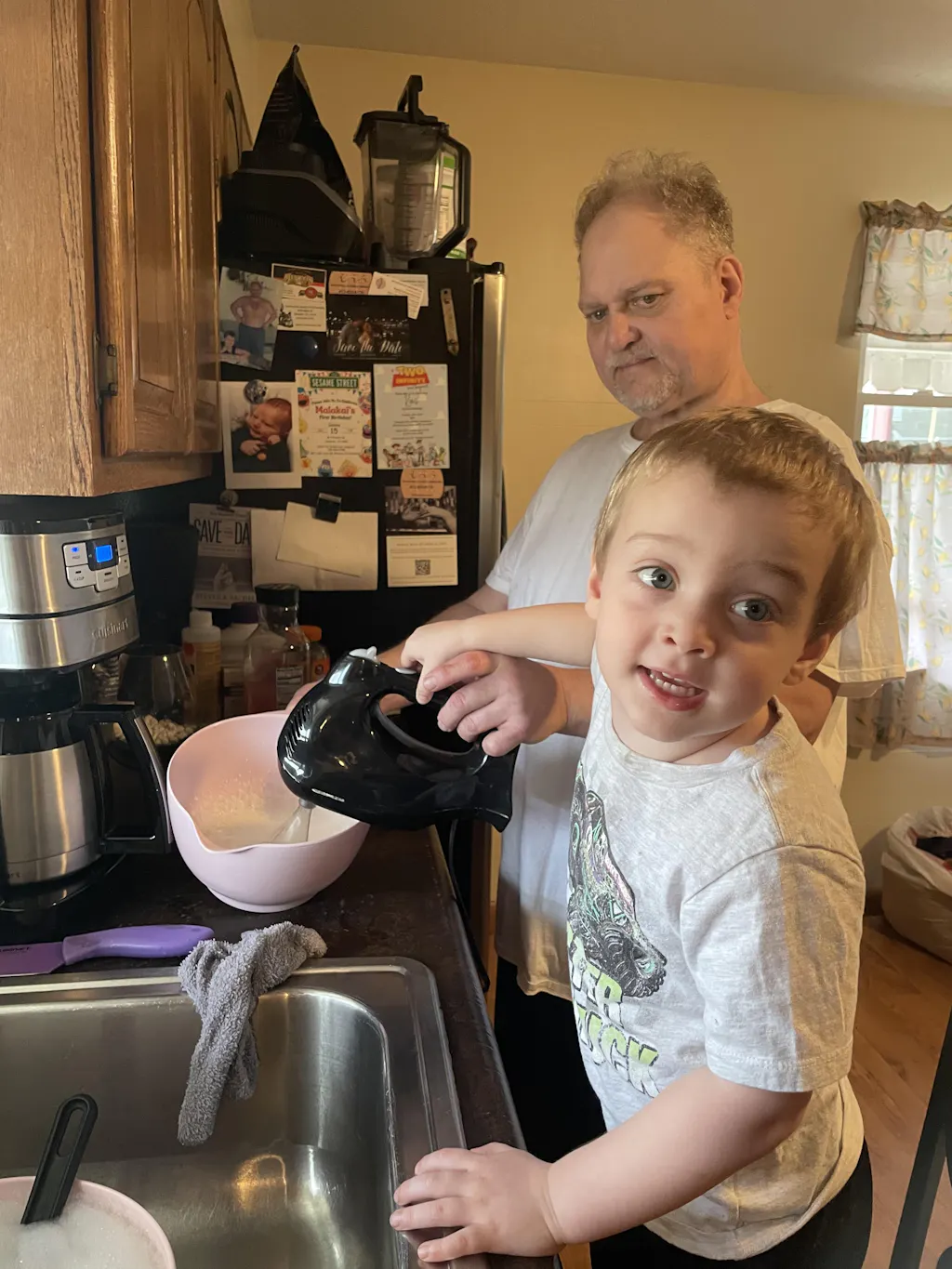
- Tools & Appliances: Using a whisk, a mixer, or even a simple food processor introduces children to basic tools and how they make tasks easier. This is foundational "technology."
- Recipe Following & Problem-Solving: Recipes are essentially engineering blueprints. Following steps, measuring ingredients precisely, and troubleshooting when something doesn't go as planned builds essential problem-solving skills.
- Design & Structure: Thinking about how to arrange fruit slices on a cracker, or how to build a mini sandwich, involves basic engineering principles.
Math Made Delicious:
- Measurement: Fractions, decimals, and basic arithmetic are used constantly when measuring ingredients. "If we double the recipe, how much flour do we need?"
- Counting & Sorting: Counting ingredients, sorting different types of berries, or dividing portions.
- Time & Sequencing: Understanding how long something needs to bake, or the order of steps in a recipe.
Art & Creativity in the Kitchen:
- Plating & Presentation: Arranging food beautifully, creating colorful fruit skewers, or decorating healthy muffins encourages artistic expression.
- Sensory Exploration: The vibrant colors, diverse textures, and enticing aromas of fresh ingredients engage all the senses, fostering a deeper appreciation for food.
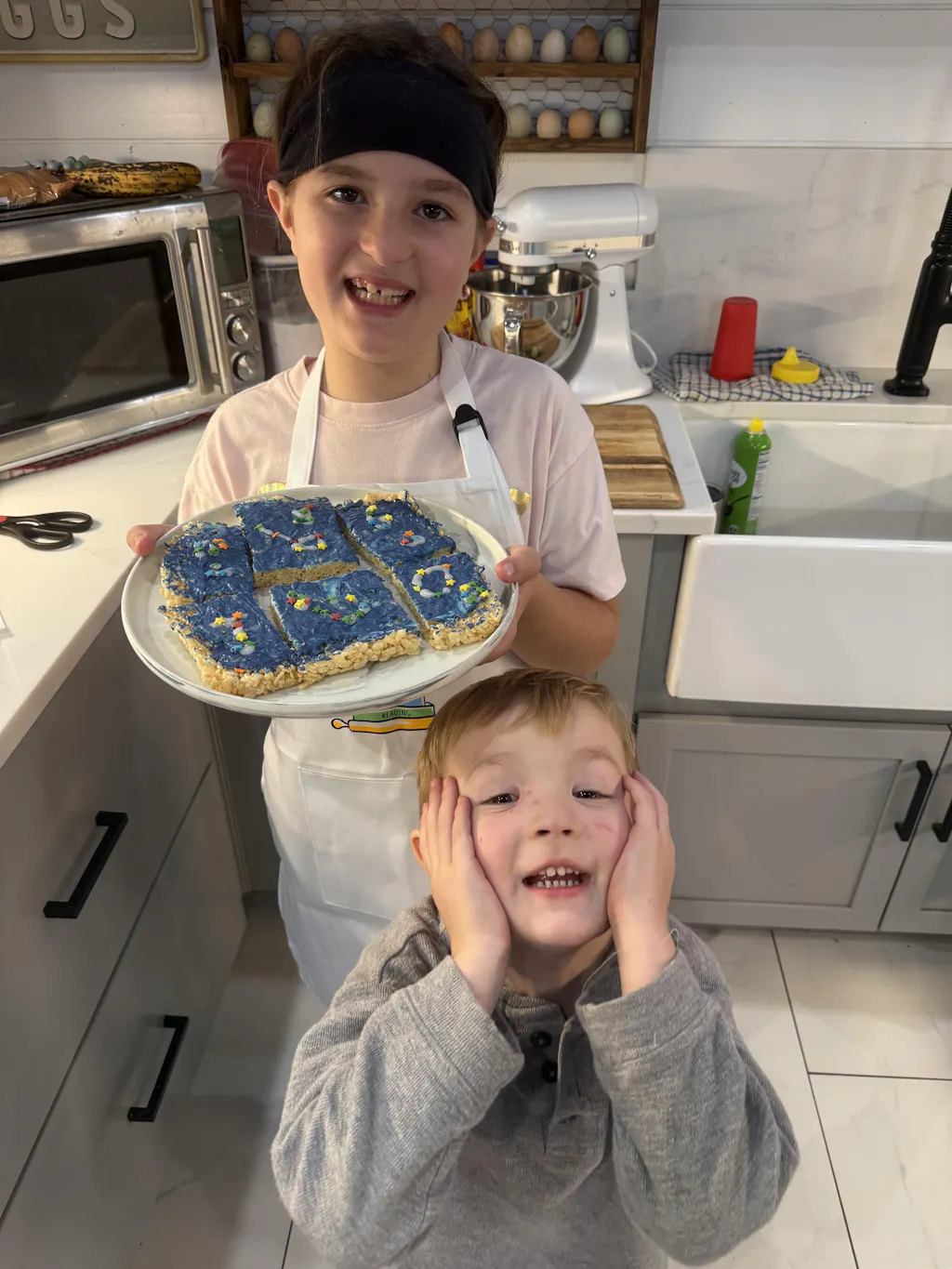
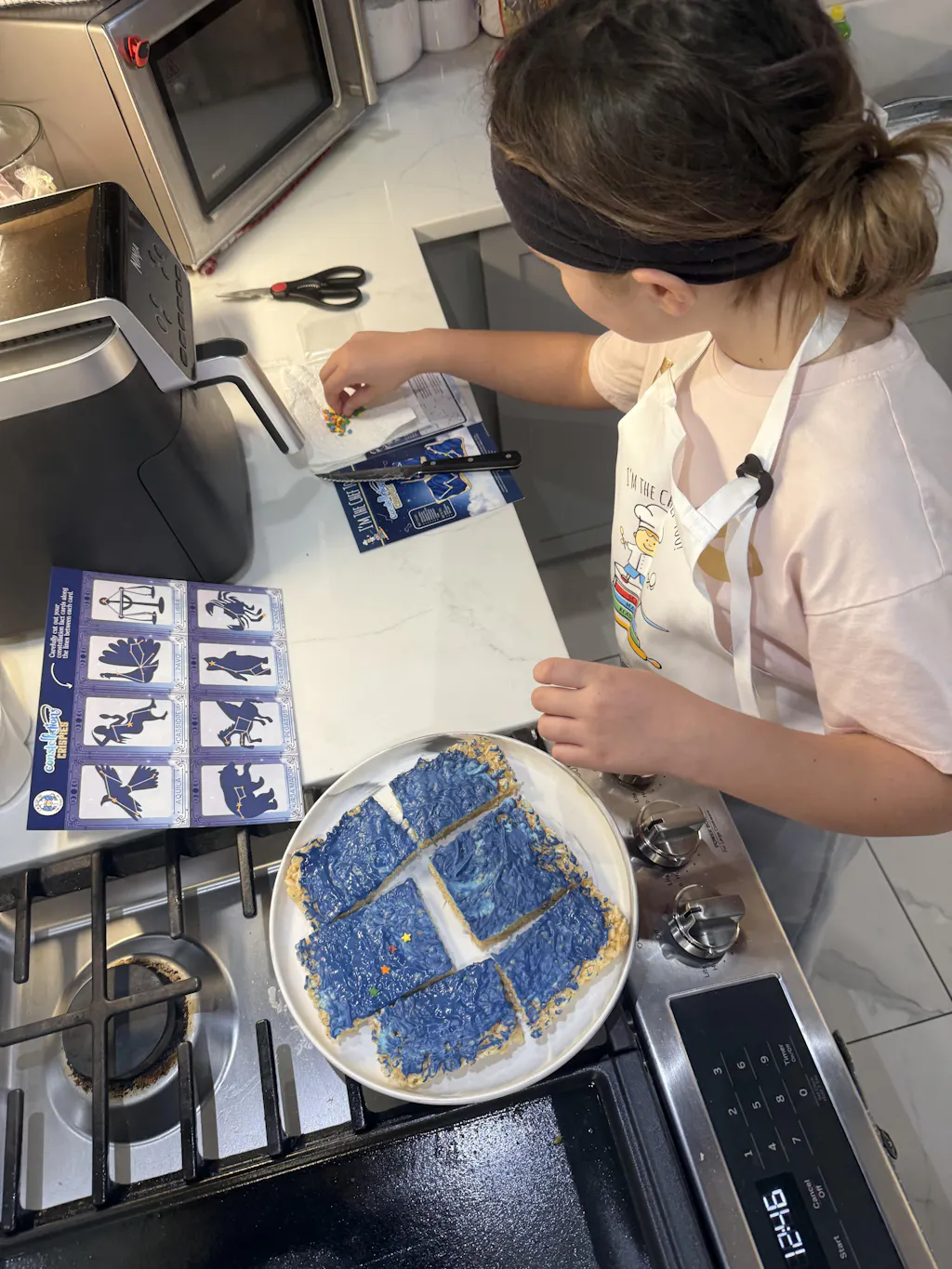
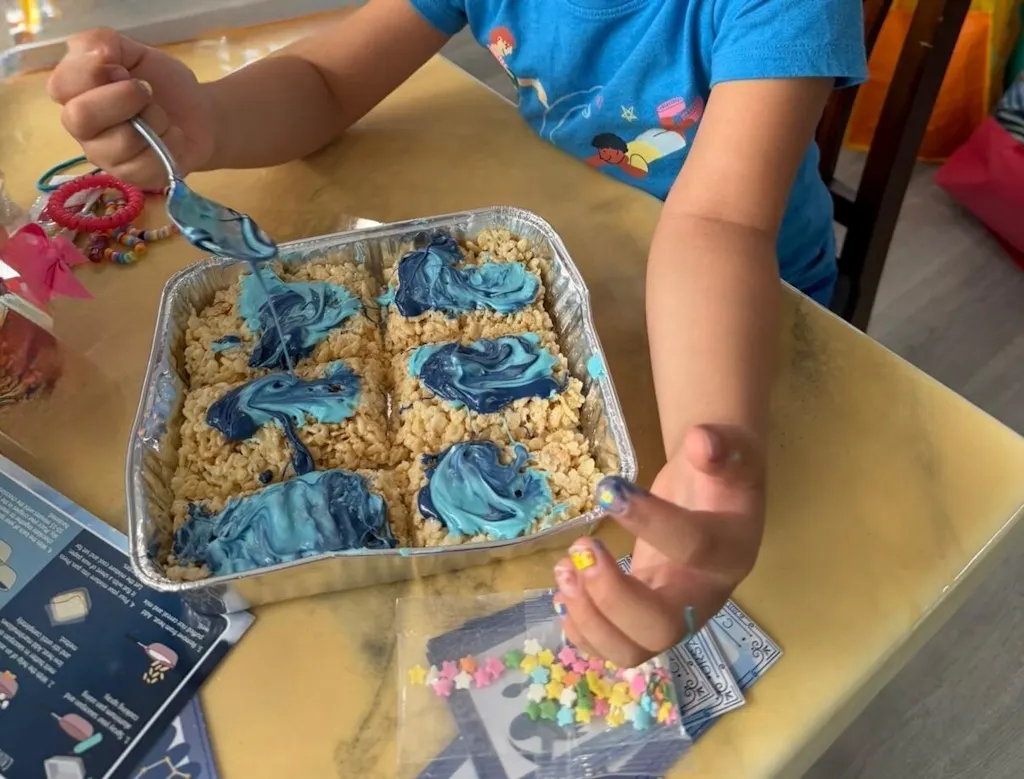
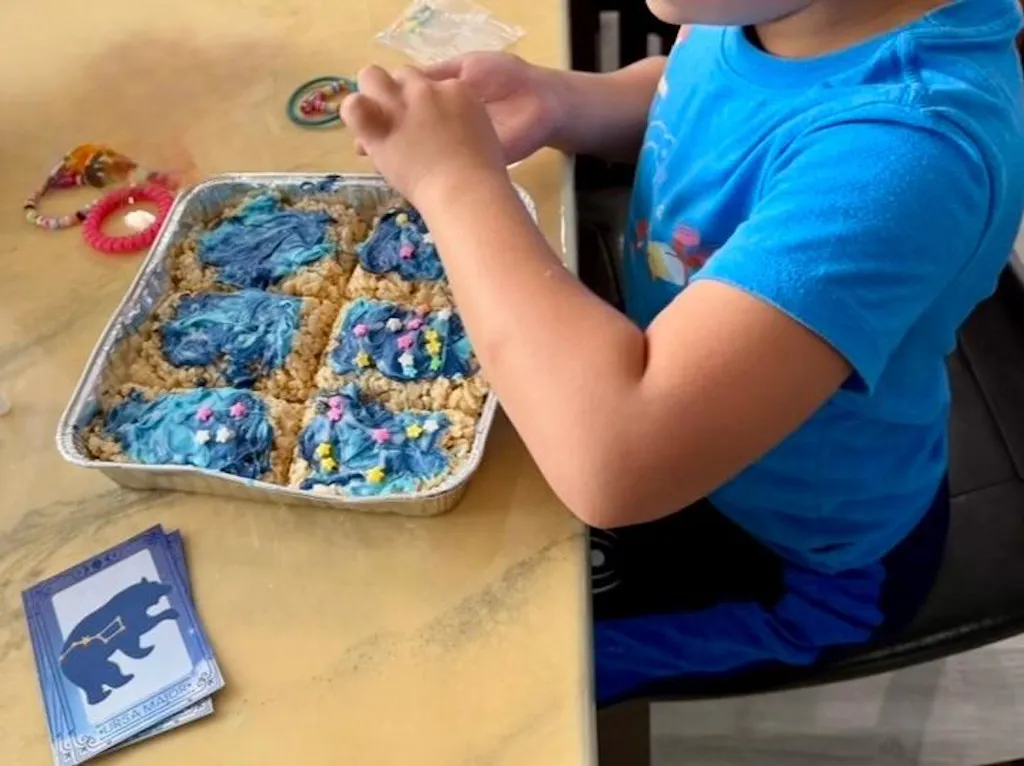
- Imagination: Turning a simple snack into a themed adventure. Our Galaxy Donut Kit transforms baking into an exploration of astronomy, where edible stars and planets come to life. Even beloved characters can make learning fun, like when kids make Peppa Pig Muddy Puddle Cookie Pies – a sweet way to combine imaginative play with culinary creation.
By engaging children in the preparation of unprocessed snacks, you’re not just providing them with healthy food; you're igniting their intellectual curiosity, building confidence in their abilities, and creating cherished memories. Our kits are designed by mothers and educators to make these experiences accessible and enjoyable for every family. They provide a wonderful screen-free educational alternative, making learning delicious and unforgettable.
Tips for Success: Making Unprocessed Snacking a Habit
Making the switch to more unprocessed snacks is a journey, not a sprint. Consistency, patience, and a positive attitude are your best allies. Here are some actionable tips to help establish healthy snacking habits in your home:
- Start Small and Gradually Transition: Don't overhaul everything overnight. Begin by swapping one processed snack for an unprocessed one each day or week. Small changes add up!
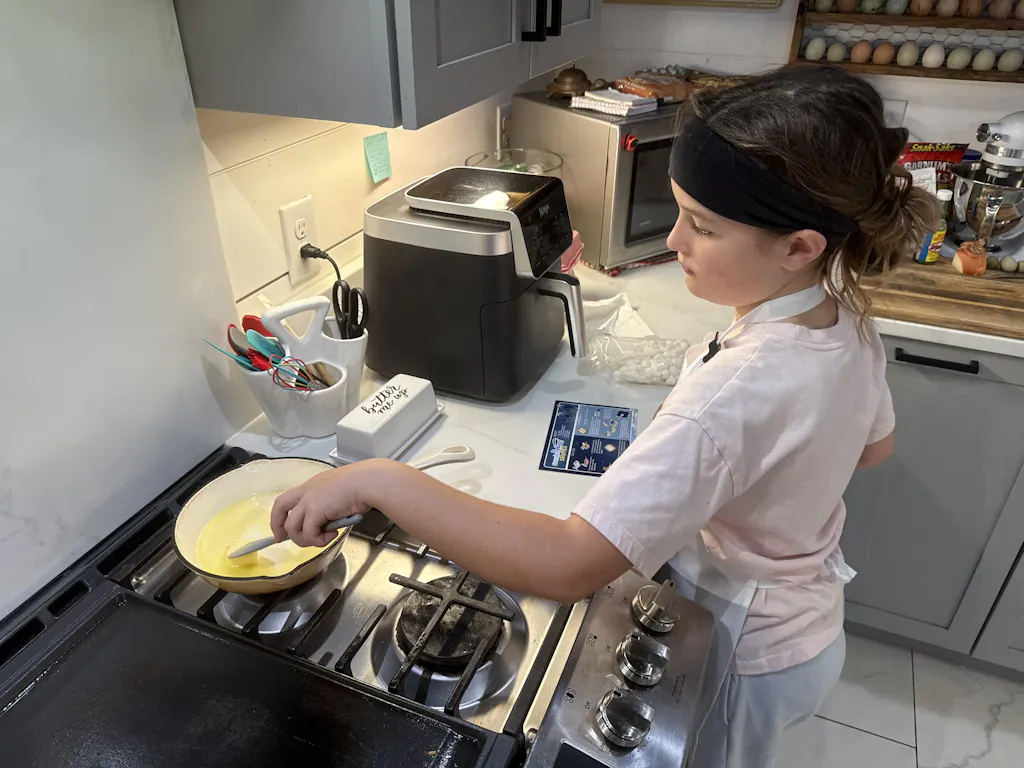
- Involve Your Kids: Children are far more likely to eat foods they've helped choose or prepare. Take them grocery shopping and let them pick out new fruits and vegetables. Involve them in washing, chopping (age-appropriately), and assembling snacks. This is the heart of I'm the Chef Too!'s philosophy!
- Make it Fun and Appealing: Use cookie cutters to make fun shapes out of cheese or whole-grain toast. Arrange fruit on skewers like "rainbow wands." Give snacks silly names. Presentation matters!
- Lead by Example: Kids are keen observers. When they see you enjoying fresh fruits, vegetables, and other unprocessed foods, they're more likely to try them too.
- Stock Your Kitchen Wisely: Fill your fridge and pantry with healthy, unprocessed options. If healthy choices are easily accessible, they're more likely to be chosen. Keep unhealthy temptations out of sight or out of the house.
- Prep Ahead: On weekends, wash and chop fruits and vegetables, portion out cheese, or bake a batch of whole-grain muffins. Having healthy snacks ready to grab makes it easy during busy weekdays.
- Offer Variety: Introduce new fruits, vegetables, and protein sources regularly. Exposure to a wide range of flavors and textures helps develop a broader palate. Remember it can take many exposures for a child to accept a new food.
- Pair Foods for Balance: Combine two items from different food groups (e.g., apple slices with nut butter, carrots with hummus, yogurt with berries) to create a more filling and nutritionally complete snack.
- Listen to Hunger Cues: Teach children to listen to their bodies. Offer snacks when genuinely hungry, rather than out of boredom or routine. Avoid tracking nutrition too closely; instead, zoom out and look at their intake over the course of a week for a more accurate picture.
- Don't Be Afraid of Leftovers: Yesterday's dinner can be today's delicious snack! Cold pasta, leftover roasted veggies, or a piece of lean chicken can all be great options.
- Set Realistic Expectations: Not every snack will be perfectly balanced, and not every attempt at a new food will be a success. That's perfectly normal! Focus on the process: fostering a love for learning, building confidence, developing key skills, and creating joyful family memories. Adult supervision is always implied and recommended for kitchen activities.
- Consider Convenient Educational Kits: For those times when you want a curated, educational, and delicious experience without the fuss of finding recipes and ingredients, remember our cooking STEM kits. They are designed to make healthy cooking and learning accessible. Not ready to subscribe? Explore our full library of adventure kits available for a single purchase in our shop. Browse our complete collection of one-time kits today!
By integrating these tips, you're not just providing snacks; you're nurturing a positive relationship with food, empowering your children with life skills, and creating a healthier, happier home environment.
Conclusion
Navigating the world of children's snacks can feel overwhelming, but by focusing on unprocessed foods, we can make informed choices that nourish both body and mind. We've journeyed through understanding what "unprocessed" truly means, explored the profound benefits for our children's health and development, and discovered a wealth of fresh, wholesome, and even thoughtfully packaged snack ideas. From vibrant fruits and crisp vegetables to protein-packed dairy and crunchy whole grains, the possibilities are endless and delicious.
At I'm the Chef Too!, our mission is to make this journey not just manageable, but truly enjoyable. We believe in blending food, STEM, and the arts to create "edutainment" experiences that spark curiosity, foster creativity, and strengthen family bonds. Preparing unprocessed snacks together is more than just cooking; it's a hands-on science lesson, a math exercise, an art project, and a cherished memory in the making. It's about providing screen-free educational alternatives that empower children and build their confidence in the kitchen and beyond.
Remember, every small step towards choosing unprocessed snacks contributes significantly to your child's well-being. It's about cultivating a love for wholesome foods and the joy of creating them together. Ready to embark on delicious learning adventures that simplify healthy eating and ignite your child's imagination?
Join The Chef's Club today! A new, exciting, and educational cooking STEM kit is delivered to your door every month with free shipping in the US, offering complete experiences with pre-measured dry ingredients and specialty supplies. Choose from flexible 3, 6, or 12-month pre-paid plans, perfect for gifting or long-term enrichment. Transform snack time into an unforgettable journey of discovery and flavor. Join The Chef's Club and let the culinary adventures begin!
Frequently Asked Questions (FAQ)
Q1: What exactly qualifies as an "unprocessed snack" for kids?
A1: An unprocessed snack is typically a food in its natural state or one that has undergone minimal processing without the addition of unhealthy fats, sugars, excessive sodium, or artificial ingredients. Examples include fresh fruits, vegetables, plain yogurt, hard-boiled eggs, nuts (for older kids), and minimally processed whole-grain crackers with short ingredient lists. The goal is to choose foods as close to their original form as possible.
Q2: My child is a picky eater. How can I get them to try unprocessed snacks?
A2: Patience and persistence are key! It can take multiple exposures (sometimes 10-15 times) for a child to accept a new food. Involve them in the process by letting them choose new fruits or veggies at the store, or helping with prep. Make it fun with creative shapes, colorful arrangements, or appealing dips. Lead by example by eating unprocessed snacks yourself. Don't pressure them; simply offer small portions alongside familiar favorites. Our I'm the Chef Too! kits are fantastic for picky eaters as they make the cooking process an exciting game, increasing their willingness to try the delicious results!
Q3: Are all store-bought snacks considered processed?
A3: No, not all store-bought snacks are highly processed. The key is to read ingredient labels carefully. Look for items with short ingredient lists, whole foods listed first, minimal added sugars, healthy fats, and no artificial colors, flavors, or preservatives. Examples include plain freeze-dried fruit, individual hummus cups, plain whole-grain crackers, or pre-cooked hard-boiled eggs. These can be convenient, healthy options when time is limited.
Q4: What are common choking hazards to be aware of when offering snacks to young children?
A4: For children under 4, be very cautious with small, round, or firm foods. Common choking hazards include whole grapes, cherry tomatoes, hot dogs (cut into rounds), large chunks of meat or cheese, whole nuts, seeds, popcorn, sticky candies, and large dollops of nut butter. Always slice grapes and cherry tomatoes lengthwise, cut meats and cheeses into small, thin strips, and spread nut butter very thinly. Supervise children closely during snack time.
Q5: How can I make healthy snacks more exciting and educational?
A5: Turn snack time into a hands-on learning adventure! Involve kids in washing and preparing fruits and vegetables, teaching them about colors, shapes, and textures. Talk about where food comes from or what nutrients different foods provide. Baking simple whole-grain muffins or energy bites together teaches math (measurement), science (chemical reactions), and fine motor skills. At I'm the Chef Too!, we specialize in making learning delicious. Our kits, like the Erupting Volcano Cakes or Galaxy Donut Kit, are designed to seamlessly blend STEM concepts with culinary fun, sparking curiosity and creativity.
Q6: I'm worried about the cost of buying all fresh, unprocessed ingredients. Any budget-friendly tips?
A6: Eating unprocessed doesn't have to break the bank. Buy fruits and vegetables in season when they are cheaper and at their peak flavor. Utilize frozen fruits and vegetables – they are just as nutritious and often more affordable. Buy in bulk when possible for staples like oats or nuts/seeds. Plan your snacks to avoid waste. Making snacks from scratch, like homemade muffins or granola bars, is often more cost-effective than buying pre-packaged "healthy" options.
Q7: My child is always asking for sugary treats. How do I manage their sweet tooth with unprocessed snacks?
A7: It's natural for kids to crave sweetness. The goal isn't to eliminate sugar entirely, but to shift towards natural sources. Offer naturally sweet unprocessed snacks like fresh berries, sliced apples with a sprinkle of cinnamon, banana "nice" cream (blended frozen bananas), or homemade fruit smoothies. Over time, as children's palates adjust to less added sugar, they will begin to appreciate the natural sweetness of whole foods more. Allowing occasional small, planned treats can also prevent feelings of deprivation.
Q8: How often should my child be snacking?
A8: The frequency of snacking can vary based on a child's age, activity level, and meal schedule. Generally, 1-2 snacks between meals are sufficient to bridge hunger gaps without interfering with appetite at meal times. Listen to your child's hunger cues, rather than sticking to a rigid schedule. Offer snacks when they express genuine hunger, and provide wholesome, unprocessed options to keep them satisfied until the next meal.
Q9: What's a good way to introduce cooking activities to my kids, especially for making healthy snacks?
A9: Start with simple tasks appropriate for their age, like washing vegetables, stirring ingredients, or using cookie cutters. Focus on the experience and fun, not perfection. Teach safety rules from the beginning. Our I'm the Chef Too! kits are specifically designed for this, offering age-appropriate recipes and tools that guide families through engaging culinary adventures, building confidence and fostering a love for cooking and learning from a young age.
Q10: How does I'm the Chef Too! support making healthy snack choices?
A10: At I'm the Chef Too!, our core mission is to blend food, STEM, and the arts into unique "edutainment" experiences. Many of our kits involve creating delicious, often healthier alternatives to processed treats, empowering kids to understand ingredients and the joy of cooking from scratch. We spark curiosity about food and science, making the process of preparing meals and snacks a hands-on, screen-free educational adventure that facilitates family bonding and encourages a love for wholesome ingredients. Explore the fun with our themed kits like Peppa Pig Muddy Puddle Cookie Pies for imaginative play and baking!