Table of Contents
- Understanding Peanut Allergies and School Policies
- Decoding Food Labels: Your Allergy-Safe Compass
- The Power of Homemade: DIY Peanut-Free Snacks
- Store-Bought Heroes: Trusted Peanut-Free Brands
- Creative Kitchen Adventures with I'm the Chef Too!
- Tips for Allergy-Safe Snacking Beyond the Plate
- Conclusion
- FAQ Section
The hum of a bustling school cafeteria, the quiet rustle of lunchboxes opening in a classroom, or the excited chatter at a summer camp – these are all familiar scenes in a child's life. But for many families, these moments also bring a unique set of challenges and anxieties, particularly when a peanut allergy is part of the picture. The prevalence of peanut allergies has notably risen, transforming how schools, camps, and even playdates approach snack time. What was once a simple grab-and-go decision now requires meticulous label-reading, careful planning, and an understanding of potential risks. It’s no longer just about avoiding a PB&J; it’s about navigating a world where peanuts can hide in unexpected places and cross-contamination is a constant concern.
This vital shift means that parents and caregivers are constantly on the lookout for truly safe, delicious, and engaging snack options that cater to peanut allergies. This isn't just about safety; it's about inclusivity, ensuring every child can enjoy their snacks without feeling singled out or at risk. At I'm the Chef Too!, our mission is to blend food, STEM, and the arts into one-of-a-kind "edutainment" experiences, and a huge part of that mission involves fostering a love for food and the science behind it, always with an eye toward safety and thoughtful preparation. We believe that understanding ingredients and making informed choices is a fundamental skill, as crucial as any math problem or art project. In this comprehensive guide, we'll dive deep into the world of peanut-free snacking, equipping you with the knowledge to confidently choose and create delightful treats for your children, ensuring their snack times are always safe, nutritious, and full of joy. We’ll explore everything from deciphering confusing labels and identifying reliable store-bought options to whipping up homemade masterpieces, all while keeping that adventurous, hands-on spirit alive!
Understanding Peanut Allergies and School Policies
A peanut allergy is far more than just an inconvenience; it's a serious immune system response that can range from mild skin reactions to life-threatening anaphylaxis. For many children, even a tiny trace of peanut protein can trigger a severe reaction, making vigilance an absolute necessity. It’s this gravity that has led to a significant increase in "peanut-free" or "nut-aware" policies in schools, daycares, and summer camps across the globe. These policies are put in place to protect all children, creating a safer environment where kids with allergies can participate fully without constant fear.
Understanding these policies is the first step in ensuring your child's safety. Many institutions prohibit peanuts and tree nuts entirely, while others have designated nut-free zones or require parents to provide allergen-free alternatives for classroom events. As a parent, familiarizing yourself with these specific guidelines is crucial. It’s not just about what you pack for your child, but also about educating them on the importance of not sharing food and understanding what foods are safe for them. This level of awareness helps foster an inclusive environment for every child.
The shift towards these policies also highlights a broader educational opportunity. When we teach children about food allergies, we're not just teaching them about what not to eat; we're teaching empathy, responsibility, and scientific literacy. We're showing them how understanding ingredients, reactions, and safe practices can protect themselves and their friends. This aligns perfectly with our philosophy at I'm the Chef Too!, where we believe in sparking curiosity and creativity in children by teaching complex subjects through tangible, hands-on, and delicious cooking adventures. Learning about food safety, allergens, and nutrition is a powerful "edutainment" experience that extends far beyond the kitchen.
The Importance of a Peanut-Free Environment
Imagine a child feeling anxious every time a snack bag rustles nearby, or having to sit separately during lunch. A peanut-free environment alleviates this emotional burden, fostering a sense of belonging and normalcy for children with allergies. It allows them to focus on learning, playing, and making friends, rather than constantly monitoring their surroundings for potential allergens. This isn't just a convenience; it's a fundamental aspect of their well-being and development.
Furthermore, these policies significantly reduce the risk of accidental exposure. In a busy classroom or playground, cross-contamination can happen in an instant – a shared surface, a rogue crumb, or even residual protein on hands. By removing peanuts from the equation, schools create a protective buffer, minimizing these often-unseen dangers. This collective effort by parents, educators, and institutions demonstrates a commitment to safeguarding every child, a value we deeply resonate with as mothers and educators dedicated to creating nurturing and enriching experiences.
Decoding Food Labels: Your Allergy-Safe Compass
Navigating the grocery store aisles when searching for peanut-free snacks can feel like solving a complex puzzle. Food labels, while legally mandated to provide allergen information, can often be confusing due to varying language and manufacturing practices. Becoming a label-reading expert is perhaps the most critical skill for any parent managing food allergies.
Key Phrases to Watch For
Here's what you need to look for when scrutinizing a package:
- "Contains Peanut": This is the most straightforward warning. If you see this, the product is off-limits.
- "May Contain Peanuts": This advisory statement indicates that while peanuts aren't an intentional ingredient, there's a risk of cross-contamination during manufacturing. This often means the product is made on shared equipment or in a facility that also processes peanuts. For severe allergies, these products are typically avoided.
- "Manufactured in a facility that also processes peanuts": Similar to "may contain," this indicates a risk of cross-contamination. Again, for severe allergies, it's generally best to steer clear.
- "Peanut-Free Facility" / "Dedicated Nut-Free Facility": This is the gold standard for allergy sufferers. Products explicitly stating they are made in a dedicated peanut-free (or nut-free) facility offer the highest level of assurance against cross-contamination.
- Ingredient List: Always, always read the full ingredient list. Peanuts can be disguised under terms like "arachis oil" (peanut oil), "hydrolyzed vegetable protein" (if the source isn't specified, it could be peanut), or "artificial flavors" (less common, but always a good idea to check if a product is certified allergy-friendly).
It's also important to remember that ingredient formulations can change without notice. A product that was safe last month might not be safe today. Make it a habit to re-read labels regularly, especially when repurchasing a familiar item. This diligent approach is a crucial form of scientific literacy – a practical application of observation and critical analysis that mirrors the kind of investigative learning we encourage in our Chef's Club subscription boxes. By empowering children (and ourselves!) with the ability to interpret information, we're building foundational life skills.
The Power of Homemade: DIY Peanut-Free Snacks
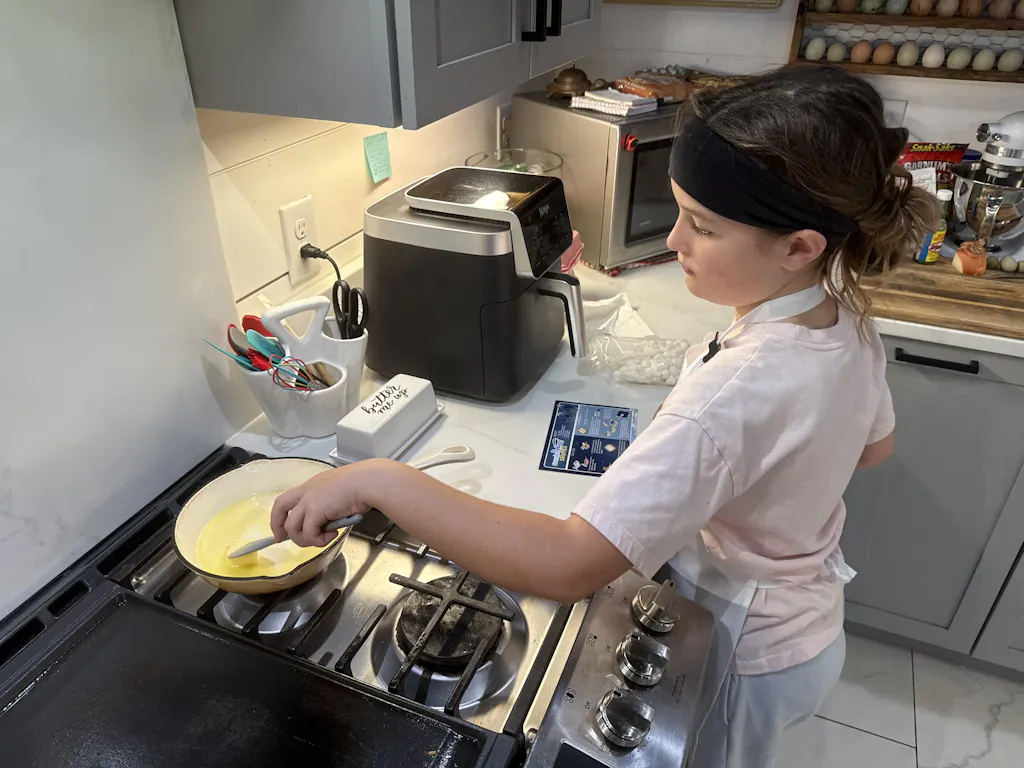
While store-bought options offer convenience, nothing quite compares to the peace of mind – and often superior nutrition – that comes with homemade snacks. Cooking at home gives you complete control over ingredients, eliminating the worry of hidden allergens or cross-contamination. Plus, involving your children in the cooking process transforms snack preparation into an exciting, hands-on learning adventure, much like our very own "edutainment" kits!
Making snacks from scratch is a fantastic way to develop culinary skills, explore scientific principles like leavening or emulsification, and foster creativity. It's a screen-free activity that brings families together, creating memories while building confidence in the kitchen. Here are some inspiring ideas for delicious, peanut-free homemade snacks:
1. Homemade Trail Mix (Nut-Free Power Blend)
Forget store-bought trail mix, which is often a nut fest! Create your own custom blend:
- Base: Whole-grain cereals (e.g., Rice Chex, Cheerios), mini pretzels.
- Dried Fruit: Raisins, dried cranberries, chopped dried apricots, apple chips, banana chips.
- Seeds: Roasted sunflower seeds, pumpkin seeds (pepitas), roasted edamame for protein.
- Optional Extras: Mini chocolate chips (ensure they are nut-free, like Enjoy Life brand), popcorn, small crackers.
Let your child pick their favorite ingredients, measure them out, and shake them all together in a zip-top bag. This teaches them about ratios, healthy choices, and gives them ownership over their snack!
2. Fruit Leathers (Nature's Candy)
Using leftover fruit, you can easily make delicious and portable fruit leathers.
- Process: Puree your favorite fruits (berries, apples, mangoes, peaches) until smooth. Spread thinly on a parchment-lined baking sheet. Dehydrate in a low oven (around 170°F or 75°C) for several hours until pliable but no longer sticky.
- Learning Moment: This is a great way to explore food preservation and the concept of evaporation! What happens to the water? Why does the fruit change texture?
3. Banana "Nice" Cream (Dairy-Free Delight)
A simple, healthy, and satisfying frozen treat.
- Process: Slice ripe bananas and freeze them. Once solid, blend them in a food processor until smooth and creamy, like soft-serve ice cream.
- Variations: Add cocoa powder for chocolate, a handful of berries for a fruity swirl, or a spoonful of sunflower seed butter for extra richness.
- Science Fun: Discuss how freezing changes the texture of the fruit and why blending creates a creamy consistency without dairy.
4. Roasted Chickpeas (Crunchy Protein Power)
A fantastic savory and crunchy snack packed with fiber and protein.
- Process: Drain and rinse canned chickpeas, pat them very dry. Toss with a little olive oil and your child's favorite seasonings (salt, pepper, garlic powder, paprika, cinnamon sugar for a sweet twist). Roast at 400°F (200°C) for 20-30 minutes until crispy.
- Skill Building: Kids can help season and spread the chickpeas on the baking sheet. They learn about different textures and flavor profiles.
5. Rice Cake Creations (Canvas for Creativity)
Plain rice cakes can be a bit bland, but they're a perfect base for creativity!
- Savory: Spread with hummus, top with sliced cucumber and bell peppers. Sprinkle with a little parmesan cheese.
- Sweet: Spread with sunflower seed butter, topped with banana slices and a drizzle of honey. Or cream cheese with strawberries.
- Art & Food: Let kids use cookie cutters to make shapes, arrange fruit and veggie slices like edible mosaics. This is where food meets art, a core element of the I'm the Chef Too! philosophy.
6. Homemade "Lunchables" Pizza (Build-Your-Own Fun)
Empower your child to assemble their own mini pizzas.
- Components: Whole-grain crackers or pita bread, a small container of nut-free pizza sauce, shredded mozzarella cheese, and favorite toppings like mini pepperoni or chopped bell peppers.
- Independence: This allows children to customize their snack and practices fine motor skills, all while having fun with food.
These homemade options not only provide safe and nutritious snacks but also turn the kitchen into a classroom. It’s an opportunity to teach critical thinking, problem-solving, and the joy of creating something delicious from scratch. If you love the idea of hands-on learning through food, you'll adore our Chef's Club subscription, where new "edutainment" adventures arrive at your door monthly!
Store-Bought Heroes: Trusted Peanut-Free Brands
Even with the best intentions, busy schedules often call for convenient, pre-packaged snacks. The good news is that many brands are stepping up to the plate, offering delicious and genuinely peanut-free options. Remember, always double-check labels as formulations and manufacturing practices can change. Here's a curated list of snack categories and reliable brands known for their commitment to allergy safety, based on current common practices.
Cheesy Snacks
Kids absolutely adore cheesy crackers, and thankfully, several popular brands are safe bets.
- Pepperidge Farm Goldfish Crackers: A classic favorite, widely available in single-serve packs.
- Annie's Homegrown Cheddar Bunnies: Organic and delicious, another great option for cheesy crunch.
- Pirate's Booty: A puffed rice and corn snack, famous for its cheesy flavor. Pirate Brands also offer other nut-free options like Veggie Booty and Smart Puffs.
- Kraft Handi-snacks: The pre-portioned crackers and cheese spread can be a fun and convenient option.
Chips
While moderation is key, sometimes only a salty chip will do. Many brands offer peanut-free varieties.
- Plain Potato Chips: Many varieties of Utz, Wise, Herr's, Cape Cod, Pringles, and Ruffles (original/plain and some BBQ flavors) are often peanut-free. Always check specific flavor labels.
- Beanfields Bean and Rice Tortilla Chips: A nutritious alternative, these chips are packed with protein and fiber. They come in various flavors and are very careful about cross-contamination.
- Vegetable Chips: Look for pre-packaged vegetable chips made from root veggies like sweet potato, turnip, or parsnip. Many brands offer these as a healthier, crunchy alternative to traditional potato chips. For an even more nutritious option, consider making your own following our homemade veggie chip recipe!
Applesauce and Packaged Fruit
Convenience meets health with these easy-to-pack options.
- Applesauce Pouches/Cups: Motts, GoGo Squeez, and DelMonte offer individual portions of applesauce and fruit cups that are generally peanut-free.
- Freeze-Dried Fruit: Brands like Crispy Green offer a delightful crunch and intense fruit flavor in a mess-free format, with interesting varieties like Asian pear and tangerine.
- Fresh Fruit & Veggies: Don't underestimate the power of simple, whole foods! Sliced apples, oranges, grapes (cut for younger children), carrots, cucumbers, and bell pepper strips are naturally peanut-free, nutritious, and easy to pack. They pair wonderfully with a small container of hummus or sunflower seed butter.
Pretzels
A reliable school snack staple, pretzels are almost universally peanut-free, but checking the label is still a good habit.
- Popular Brands: Newman's Own, Pepperidge Farm, Herr's, Utz, Bachman, and Rold Gold all offer various pretzel types, many in convenient snack-sized bags.
- Soft Pretzel Bites: Pretzilla soft pretzel bites are a fun twist, perfect on their own or with a nut-free dip.
Popcorn
Whole grain and fiber-rich, popcorn is a popular and generally safe snack.
- Individual Bags: Utz, Herr's, Smartfood, Divvies, and SkinnyPop offer individual-sized bags in various flavors.
- Popcorn Chips: Brands like Popcorners or My Super Pops offer air-popped corn chips, a crunchy, nut-free alternative.
Bars
This category can be tricky, as many granola and snack bars contain nuts or are made in shared facilities. However, several companies specialize in allergy-friendly options.
- Dedicated Nut-Free Brands: Don't Go Nuts, Enjoy Life, MadeGood, and Zego are excellent choices. Zego, in particular, is noteworthy for testing every batch for allergens and pesticides and providing QR codes for consumers to view results – a level of transparency that gives immense peace of mind.
- Other Options (Always Check Label): Some varieties from Cascadian Farm and Envirokidz are often peanut-free, but always verify packaging.
For parents seeking innovative ways to make healthy snacking an adventure, remember that our one-time kits from our main shop collection offer fantastic hands-on cooking experiences that can naturally foster a child's understanding of ingredients and food preparation – crucial for allergy management!
Dairy Snacks
Dairy products are a great source of calcium and protein and are typically peanut-free.
- String Cheese: Horizon Organic, Kraft, Organic Valley, Sargento, Sorrento, Land O Lakes, Tillamook, and Finlandia all offer safe string cheese options.
- Cheese Wheels: Laughing Cow and Mini Babybel cheese wheels are convenient and fun.
- Yogurt: Annie's Homegrown, Happy Family, Stonyfield Farms, Chobani, and Fage are known for their nut-free production. Stonyfield even offers new snack packs with yogurt and nut-free dippers.
- Smoothies: Bottled smoothies (check sugar content) are another quick dairy option.
Treats & Desserts
Yes, treats can be peanut-free too!
- Cookies: Enjoy Life Foods is a leader in the "free-from" category, with many soft-baked and crunchy cookie flavors. Fig Newtons, Nabisco Ginger Snaps, Oreos (in the US, always check), and Barnum's Animal Crackers are often safe.
- Crispy Rice Treats: Smashmallow's Smash Crispy treats are non-GMO and gluten-free.
- Cupcakes: School Safe and Divvies specialize in allergen-friendly baked goods.
- Candy: Black Forest gummies, Jelly Belly Jelly Beans, and Surf Sweets are good for gummy lovers. For chocolate, Tootsie Rolls, Tootsie Pops, and Junior Mints are generally peanut-free. Vermont Nut Free Chocolates and No Whey Chocolate are dedicated allergen-free brands offering various chocolate delights, including "Pea 'Not' Butter Cups" for a safe alternative.
Protein-Packed Options
For sustained energy, protein is key.
- Roasted Chickpeas: As mentioned in homemade, some brands also offer pre-roasted chickpeas.
- Chomps Meat Sticks: Made from grass-fed beef or free-range turkey, these individually wrapped sticks are free from artificial preservatives and gluten, offering a wholesome protein boost.
- SunButter: Made from sunflower seeds, SunButter is the leading peanut butter alternative. It smells, spreads, and tastes remarkably similar to peanut butter, making it a fantastic substitute for sandwiches, dips, or on crackers. Look for individual on-the-go cups.
Remember, this list is a starting point. Your diligent label reading and communication with manufacturers for specific concerns remain your best defense. The effort you put into understanding these choices is a testament to the love and care you provide, creating a safe and joyful environment for your children to thrive, much like we strive to do with every kit from I'm the Chef Too!
Creative Kitchen Adventures with I'm the Chef Too!
At I'm the Chef Too!, we believe that the kitchen is one of the most exciting classrooms on Earth. Our mission is to transform learning into an unforgettable adventure, blending food, STEM, and the arts into one-of-a-kind "edutainment" experiences. For families navigating peanut allergies, our approach offers a unique pathway to developing essential life skills, fostering curiosity, and creating delicious, safe memories.
While our kits are designed to be broadly appealing and explore various culinary themes, the underlying philosophy of hands-on exploration and understanding ingredients is perfectly suited for families managing allergies. When children learn to measure, mix, and understand how ingredients interact – the chemistry of baking, the biology of yeast, or the engineering of a sturdy cake structure – they gain a deeper appreciation for food. This knowledge empowers them to make informed decisions about what they eat, a vital skill for allergy management.
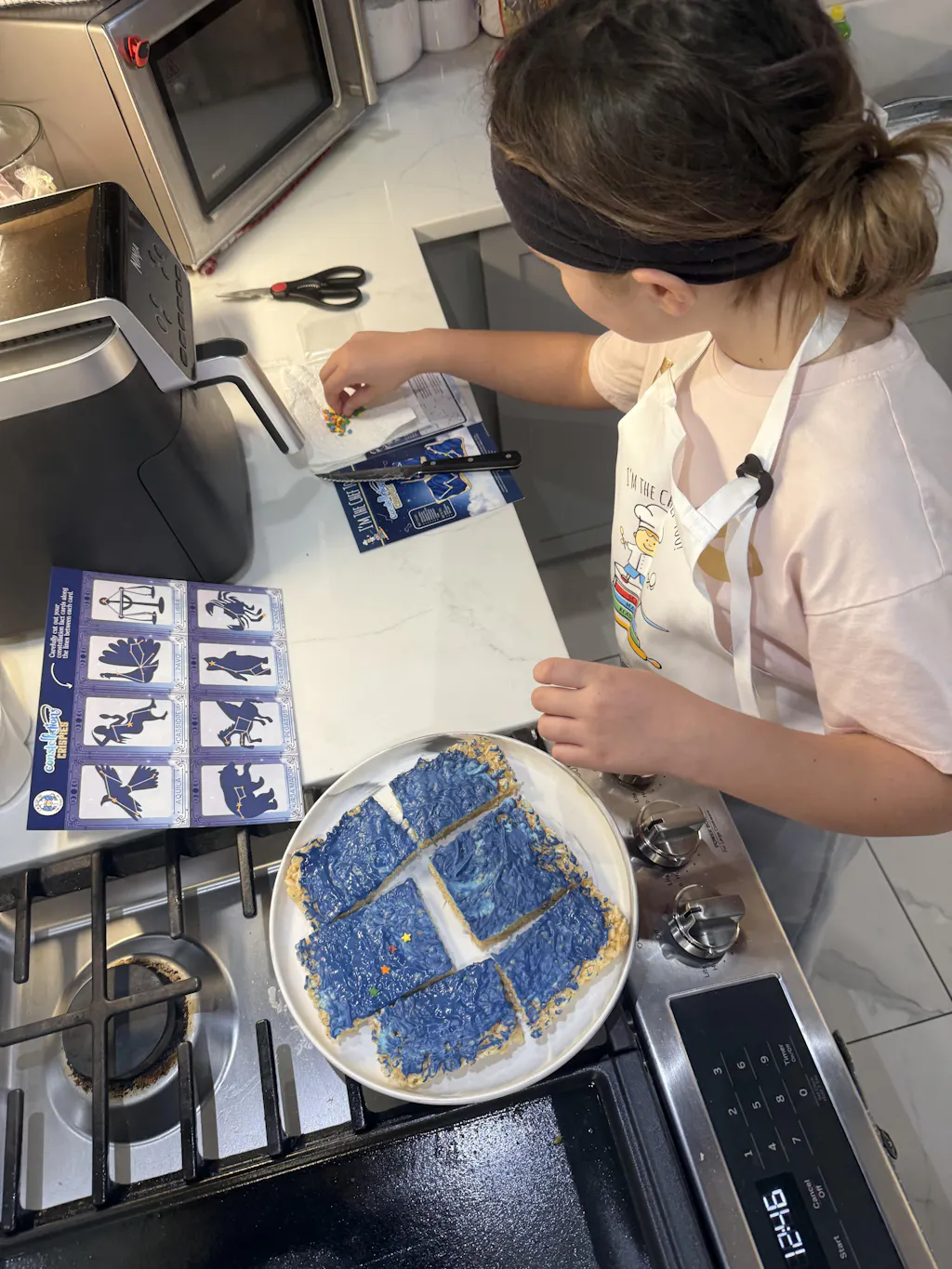
Imagine using our kits not just for the specific recipe, but as a springboard for allergy-aware modifications and explorations. For example, if your child is captivated by the idea of an edible eruption with our Erupting Volcano Cakes kit, you can discuss how the "lava" (a delicious, safe sauce) represents a chemical reaction, and how we carefully select ingredients to ensure everyone can enjoy the delicious outcome. Or when exploring the cosmos with our Galaxy Donut Kit, children learn about planetary formations through the art of decorating, while simultaneously reinforcing the importance of checking sprinkles and icing for hidden allergens if purchased separately.
Our cooking adventures, developed by mothers and educators, are inherently screen-free, encouraging children to engage with the tactile world of food. This direct interaction helps them recognize ingredients, understand their origins, and appreciate the transformations that occur during cooking. For a child with a peanut allergy, this builds confidence and a sense of control over their food environment. They learn to identify what goes into their meals, reducing anxiety around unknown ingredients.
Consider how our kits facilitate family bonding. Working together in the kitchen on a fun project, like making a movie-themed treat with our Peppa Pig Muddy Puddle Cookie Pies, offers a relaxed setting to discuss food safety and allergies in a positive, empowering way. It's not about restriction, but about smart choices and creative alternatives. You're not just baking; you're conducting a delicious science experiment, an art project, and a valuable lesson in one!
Our goal isn't to promise that your child will become a top scientist overnight, but rather to foster a love for learning, build confidence, and develop key skills that will serve them throughout life. The process of discovering, creating, and tasting is what truly matters. It’s about igniting that spark of curiosity that extends from understanding why a cake rises to knowing how to read a food label for allergen safety.
Ready to embark on these exciting culinary and educational journeys? Our diverse range of one-time kits from our main shop collection offers something for every interest, providing endless opportunities for hands-on learning and delicious discoveries.
Tips for Allergy-Safe Snacking Beyond the Plate
Managing peanut allergies extends beyond just choosing the right snacks. It involves creating a safe environment, teaching good habits, and maintaining open communication.
Preventing Cross-Contamination at Home
- Dedicated Utensils & Surfaces: If peanuts are present in your home (e.g., for other family members), consider having dedicated utensils, cutting boards, and even toasters for the peanut-allergic individual.
- Thorough Cleaning: Always clean surfaces, bowls, and utensils thoroughly with soap and water after preparing any peanut-containing foods.
- Storage: Store peanut-free foods in separate, clearly labeled containers or areas of the pantry/fridge to avoid accidental contact.
- Handwashing: Emphasize strict handwashing for everyone before and after eating, especially if different foods are being consumed.
Educating Your Child
- "No Thank You" Policy: Teach your child to politely decline food offered by others, unless it comes from a trusted adult (you, a teacher who knows their allergy).
- Reading Labels (Age-Appropriate): As they get older, involve them in label reading. Make it a game to spot allergens or "peanut-free" claims.
- Advocacy: Empower your child to communicate their allergy clearly and confidently to adults and friends. Practice phrases like, "I have a peanut allergy, so I can't eat that."
- Recognizing Symptoms: Teach them to recognize the symptoms of a reaction and to immediately alert an adult.
Communication is Key
- School/Daycare Staff: Provide detailed written instructions about your child's allergy, including emergency protocols and medication (e.g., epinephrine auto-injector). Review these annually.
- Friends' Parents: When your child is attending playdates or parties, communicate proactively with other parents about the allergy and offer to bring safe snacks.
- Family Members: Ensure all family members and regular caregivers are fully aware of the allergy, cross-contamination risks, and emergency procedures.
By adopting these practices, you're not just avoiding peanuts; you're building a robust system of safety and empowerment for your child. It's about giving them the tools and confidence to navigate the world safely, while still enjoying the simple pleasures of delicious food. And remember, cultivating these independent and critical thinking skills starts young, perhaps even with an exciting unboxing of a new Chef's Club subscription kit!
Conclusion
Navigating the world of peanut allergies requires vigilance, knowledge, and a commitment to creating safe and inclusive environments. We've explored the critical importance of understanding food labels, the immense value and joy of preparing homemade peanut-free snacks, and the growing availability of trusted store-bought options. From crunchy roasted chickpeas to delightful dairy-free treats, there's a world of delicious possibilities awaiting your child.
More than just a list of safe snacks, this journey is about empowering both you and your children. It's about fostering a deeper understanding of food, teaching vital life skills like critical label reading, and instilling confidence in the kitchen. These are the very principles that drive I'm the Chef Too! Our unique "edutainment" experiences, developed by mothers and educators, are designed to spark curiosity, facilitate family bonding, and provide engaging, screen-free alternatives that turn learning into an adventure.
By blending food, STEM, and the arts, we help children explore complex subjects in a tangible, hands-on way, naturally building awareness and understanding around what they eat. We hope this guide has provided you with valuable insights and practical strategies to ensure every snack time is not only safe but also filled with joy and discovery.
Ready to transform snack time and learning into an exciting monthly adventure? Join The Chef's Club subscription today! A new, delicious, and educational experience will be delivered right to your door every month with free shipping, offering a convenient, flexible, and value-packed way to spark your child's creativity and culinary passion. Give the gift of learning that lasts all year with our 3, 6, or 12-month pre-paid plans – perfect for ongoing enrichment and unforgettable family fun!
FAQ Section
Q1: What does "May Contain Peanut or Tree Nuts" really mean? Should I avoid these products?
A: "May Contain Peanut or Tree Nuts" is an advisory label used by manufacturers when there's a risk of cross-contamination in their facility or on shared equipment, even if peanuts are not an intentional ingredient. For individuals with severe peanut allergies, it is generally recommended to avoid these products. While the actual amount of allergen present might be trace, it could still be enough to trigger a reaction. Always prioritize your child's safety and consult with an allergist for personalized advice.
Q2: How can I talk to my child about their peanut allergy without scaring them?
A: Frame the conversation positively and empoweringly. Instead of focusing on fear, emphasize safety and smart choices. Explain that their body reacts differently to certain foods, and knowing what's safe helps them stay healthy and strong. Teach them clear, simple phrases to use (e.g., "I have a peanut allergy, so I need to check with a grown-up before I eat new foods"). Involve them in reading labels, making safe snacks, and communicating their needs to trusted adults. Make it a team effort, showing them they have a strong support system.
Q3: What are the best peanut butter substitutes for snacks and sandwiches?
A: The most popular and widely available peanut butter substitute is SunButter, made from sunflower seeds. It has a similar texture and taste, making it excellent for sandwiches, dips, and baking. Other great alternatives include:
- Seed Butters: Tahini (sesame seed butter – check for sesame allergies), pumpkin seed butter.
- Bean Spreads: Roasted chickpea spreads or homemade hummus.
- Cream Cheese or Avocado: For savory spreads on crackers or toast.
Always ensure any substitute you choose is explicitly labeled as peanut-free and made in a dedicated facility if your child's allergy is severe.
Q4: How do I handle cross-contamination risks when other family members eat peanuts?
A: Creating a safe zone is key. Designate certain areas (e.g., a specific shelf in the pantry, a section of the fridge) for peanut-free foods. Use separate, clearly marked cutting boards, utensils, and dishes for preparing peanut-containing items, or wash everything thoroughly immediately after use. Practice strict handwashing for everyone before and after eating. Consider a "peanut-free table" rule or limit peanut consumption to specific times and locations, followed by a thorough cleaning.
Q5: Can I trust products that claim to be "nut-free" but aren't certified?
A: The term "nut-free" can be interpreted differently by various manufacturers. Some may mean no nuts are intentionally added, but cross-contamination could still be a risk. A certified "peanut-free facility" or "dedicated nut-free facility" provides the highest level of assurance. Always look for specific certifications or contact the manufacturer directly to understand their exact processes and allergen control measures. When in doubt, it's safer to avoid.
Q6: What if my child accidentally eats something with peanuts? What should I do?
A: This is a critical question. You should always have an Emergency Action Plan developed with your child's allergist. This plan typically outlines:
- Recognizing Symptoms: Knowing what a reaction looks like for your child.
- Administering Medication: Knowing when and how to administer an epinephrine auto-injector (e.g., EpiPen) if prescribed.
- Calling for Help: Immediately calling emergency services (e.g., 911 in the US) after administering epinephrine, even if symptoms seem to improve, as a second reaction can occur.
- Informing Others: Alerting any caregivers, school staff, or those around you. Always carry your child's emergency medication with you, and ensure all caregivers are trained on its use.