Table of Contents
- Why Cold Snacks Are a Parent's Best Friend: More Than Just a Treat
- The STEM Behind the Chill: Unpacking the Science of Cold Snacks
- Category 1: Frozen Fruit Delights – Nature's Candy, Chilled to Perfection
- Category 2: Creamy & Dreamy Cold Treats – Smooth, Satisfying, and Secretly Healthy
- Category 3: Savory & Crunchy Cold Bites – Beyond Sweetness, Towards Wholesome Satisfaction
- Category 4: Innovative & Hands-On Cold Kitchen Adventures with I'm the Chef Too!
- Making Snack Time a Learning Opportunity: Beyond the Recipe
- Tips for Success: Making Cold Snacks a Breeze
- Conclusion: Chill Out, Learn On, and Make Memories!
- FAQ: Your Cold Snack Questions Answered
Does the mere mention of "snack time" send a shiver down your spine, not from the refreshing thought of a cold treat, but from the relentless demand for new, exciting, and healthy options? We get it. As parents and educators, we’re constantly navigating the snack-time labyrinth, striving for choices that satisfy little tummies, cool them down on warm days, and ideally, offer a sprinkle of learning too. Summer heat, after-school hunger, or simply the daily craving for something delicious means cold snacks for kids are not just a convenience; they’re a necessity.
But what if snack time could be more than just sustenance? What if it could be an adventure, a hands-on experiment, a moment of family bonding, all while being deliciously cool? That's precisely what we aim to uncover in this comprehensive guide. We'll dive deep into a world of refreshing cold snacks for kids, offering a treasure trove of ideas that are easy to prepare, bursting with flavor, and secret agents for learning. From icy fruit creations that teach about states of matter to savory delights that introduce healthy eating habits, we're here to transform your snack routine from a chore into a joyful, educational experience.
At I'm the Chef Too!, we believe that the kitchen is the ultimate classroom, a vibrant space where food, STEM (Science, Technology, Engineering, and Math), and the arts come together in one-of-a-kind "edutainment" experiences. Our mission is to spark curiosity and creativity in children, facilitating family bonding, and providing a screen-free educational alternative that's as fun as it is enriching. This guide isn't just about recipes; it’s about embracing the process, fostering a love for learning, building confidence, developing key skills, and creating joyful family memories with every delicious bite. So, let’s chill out and discover how to make snack time the coolest part of your day! Ready for a new adventure every month? Join The Chef's Club and enjoy free shipping on every box.
Why Cold Snacks Are a Parent's Best Friend: More Than Just a Treat
In the bustling rhythm of family life, convenience often reigns supreme. But when it comes to our children's nutrition and well-being, we also seek opportunities for growth and engagement. Cold snacks beautifully bridge this gap, offering a myriad of benefits that extend far beyond simply cooling down.
Practicality in a Pinch
Think about those frantic mornings, the rush to get out the door, or the afternoon slump when hunger strikes suddenly. Cold snacks are often the heroes of these moments. Many can be prepped in advance, stored in the refrigerator or freezer, and grabbed at a moment's notice. This forward-thinking approach not only saves precious time but also reduces stress, ensuring that healthy options are always within reach. Packing a lunchbox for camp or school? A frozen yogurt tube or fruit bar acts as a mini ice pack, keeping other items cool and thawing to perfection by snack time.
Nutritional Powerhouses
While the term "snack" can sometimes conjure images of sugary, empty calories, cold snacks offer a fantastic canvas for nutritional creativity. Fruits and vegetables shine when served chilled, retaining their crisp texture and vibrant flavors. Yogurt, cottage cheese, and lean proteins can be incorporated into creamy dips or refreshing parfaits, providing essential calcium, protein, and probiotics. Even whole grains can find their way into chilled overnight oats or savory roll-ups. By focusing on whole, unprocessed ingredients, cold snacks can be vital contributors to a child's daily intake of vitamins, minerals, and fiber. We, at I'm the Chef Too!, constantly explore ways to make nutritious eating exciting, believing that good-for-you food can also be incredibly fun and appealing.
A Sensory Adventure
From the satisfying crunch of a frozen grape to the smooth texture of a chilled smoothie, cold snacks engage multiple senses. The coolness itself is a unique sensation, particularly invigorating on a hot day. Vibrant colors, intriguing shapes, and varied textures transform a simple snack into an appealing mini-meal. This sensory engagement is crucial for children, especially picky eaters, encouraging them to explore new foods and develop a broader palate. What better way to introduce new textures and tastes than through an exciting kitchen adventure?
Hydration Heroes
Many cold snacks, especially those featuring fruits and vegetables, have a high water content. This makes them excellent for hydration, a critical factor often overlooked in busy schedules. Watermelon, cucumber, berries, and even milk-based smoothies contribute to a child's fluid intake, helping them stay energized and focused throughout the day, especially during active play or warmer weather.
By embracing cold snacks, we're not just offering our children a treat; we're providing practical, nutritious, sensory-rich, and hydrating options that support their overall health and development. It’s an easy win for busy families, perfectly aligning with our commitment at I'm the Chef Too! to make nourishing choices accessible and exciting. Not ready to subscribe? Explore our full library of adventure kits available for a single purchase in our shop.
The STEM Behind the Chill: Unpacking the Science of Cold Snacks
At I'm the Chef Too!, we see every kitchen as a laboratory and every recipe as an experiment. Cold snacks offer a fascinating entry point into fundamental STEM concepts, transforming everyday culinary tasks into captivating lessons in physics, chemistry, and even biology. When children help prepare these chilled delights, they're not just cooking; they're actively engaging with scientific principles in a tangible, delicious way.
States of Matter: From Liquid to Solid and Back Again
Making popsicles, freezing fruit, or chilling a smoothie provides a perfect demonstration of the states of matter. Kids can observe how liquids (juice, yogurt, milk) transform into solids (ice, frozen fruit bark) when exposed to cold temperatures. They learn about freezing points and how different ingredients behave under varying conditions.
- Observation: "Look how the juice turned into a solid when we put it in the freezer! What do you think made that happen?"
- Prediction: "If we leave this frozen yogurt out, what do you think will happen to it?"
This simple act of freezing is a basic physics lesson in phase changes, setting the stage for understanding more complex scientific phenomena.
Chemical Reactions: The Surprising Science of Texture and Taste
While many chemical reactions involve heat, cold also plays a crucial role in altering the structure and flavor of food. Think about how chilling cookie dough changes its texture when baked, or how freezing breaks down the cell walls of fruit, making it softer when thawed for smoothies.
- Emulsification: When making a creamy dip or smoothie, children are observing the science of emulsification – blending ingredients that don't usually mix easily, often with the help of a stabilizer or a high-speed blender.
- Enzymatic Browning: Chilling cut apples or bananas can slow down the enzymatic browning process, teaching kids about oxidation and how to preserve food's appearance.
For a truly exciting lesson in chemical reactions, imagine the delight as your child learns about the science that makes our Erupting Volcano Cakes bubble over with deliciousness! It’s a spectacular example of food science in action, turning a tasty treat into a memorable experiment.
Biology and Nutrition: Fueling Our Bodies
Preparing cold snacks is also an excellent opportunity to discuss biology and nutrition. Children learn about the different food groups and why our bodies need them.
- Vitamins and Minerals: "Why do we add these colorful berries? What good things do they give our bodies?"
- Bacteria and Fermentation: Yogurt, a staple in many cold snacks, introduces the concept of beneficial bacteria and fermentation. "Did you know there are tiny living things in yogurt that are good for your tummy?"
These discussions naturally lead to a better understanding of how food fuels our bodies and the importance of a balanced diet.
Engineering and Design: Building a Better Bite
Even the assembly of a snack involves engineering principles. Arranging fruit on a skewer requires planning and balance. Layering a parfait involves understanding how different textures and weights interact.
- Problem-solving: "How can we make sure these fruit pieces don't fall off the stick?"
- Design thinking: "What's the best way to arrange these ingredients so it looks appealing and is easy to eat?"
At I'm the Chef Too!, we purposefully design our kits to integrate these STEM principles. For example, exploring astronomy by creating your own edible solar system with our Galaxy Donut Kit isn’t just fun; it’s an immersive, multi-sensory journey into scientific concepts. These unique, hands-on cooking adventures, developed by mothers and educators, bring complex subjects to life in tangible, delicious ways. Every Chef's Club box delivers a new adventure designed to spark curiosity and creativity. Join The Chef's Club and let the learning begin!
Category 1: Frozen Fruit Delights – Nature's Candy, Chilled to Perfection
When it comes to refreshing cold snacks for kids, frozen fruit takes center stage. Naturally sweet, packed with vitamins, and incredibly versatile, these frosty treats are perfect for beating the heat and satisfying a sweet tooth without artificial additives. Plus, they offer fantastic opportunities for children to get involved in the kitchen, observing transformations and practicing fine motor skills.
1. Homemade Fruit Popsicles: Endless Possibilities
Forget store-bought sugary versions; homemade popsicles are a game-changer. They’re super easy to make, completely customizable, and a brilliant way to use up ripe fruit.
-
How to Make Them:
- Pureed Fruit Pops: Blend fresh or frozen fruits like berries, mango, pineapple, or peaches with a splash of water, coconut water, or a little yogurt until smooth. Pour into popsicle molds and freeze until solid.
- Chunky Fruit Pops: For added texture, chop small pieces of fruit (kiwi, strawberries, blueberries) and add them to the pureed mixture or layer them into the molds before freezing.
- Yogurt Swirl Pops: Swirl fruit puree with plain or vanilla yogurt for a creamier, protein-rich treat.
- STEM Connection: Discuss how the liquid fruit mixture changes into a solid (states of matter). Experiment with different fruit combinations to see how flavors blend (chemistry of taste).
- Pro Tip: Add a tiny squeeze of lemon or lime juice to brighten the flavors and help prevent browning in some fruits.
2. Frozen Yogurt Bark: A Creative Canvas
This visually appealing and delicious snack is incredibly simple to prepare and offers endless opportunities for creativity.
-
How to Make It:
- Spread plain or vanilla Greek yogurt (for extra protein) thinly onto a parchment-lined baking sheet.
- Let your kids sprinkle their favorite toppings: fresh berries, granola, mini chocolate chips, shredded coconut, or a drizzle of honey.
- Freeze until firm (usually 2-3 hours).
- Once frozen, break it into irregular pieces like "bark."
- STEM Connection: Children practice pattern recognition and fine motor skills by arranging toppings. Discuss how the liquid yogurt becomes solid and how different toppings retain their texture when frozen.
- Customization: Try adding a swirl of fruit puree or a tiny bit of natural food coloring for vibrant designs.
3. Frozen Grapes & Berries: Simple, Satisfying Crunch
Sometimes, the simplest snacks are the best. Frozen grapes and berries offer a delightful icy crunch that's surprisingly addictive.
-
How to Make Them:
- Wash and dry grapes (ensure they are seedless for young children and cut in half for toddlers to prevent choking hazards).
- Spread them, along with berries like blueberries or raspberries, in a single layer on a baking sheet.
- Freeze until firm (a few hours).
- Transfer to a freezer-safe bag or container.
- STEM Connection: Observe how the freezing changes the fruit's texture from soft to crunchy. Discuss the concept of temperature and its effect on food.
- Safety Note: Always supervise young children with whole grapes and be mindful of choking hazards.
4. Fruit Skewers: Edible Art
Fruit skewers are not just refreshing; they're miniature works of art that kids love to assemble and devour.
-
How to Make Them:
- Chop a variety of colorful fruits into bite-sized pieces (strawberries, melon, pineapple, kiwi, grapes).
- Let children thread the fruit onto blunt skewers or even pretzel sticks for an edible skewer.
- Serve immediately or chill for extra coolness. For an extra treat, drizzle with a little melted chocolate and then chill.
- STEM Connection: This activity hones fine motor skills, hand-eye coordination, and encourages pattern creation. Discuss different shapes and sizes of fruit (geometry).
- Pro Tip: Offer a side of yogurt dip for an added creamy element.
These frozen fruit delights embody our philosophy at I'm the Chef Too!: combining healthy eating with engaging, hands-on activities. They’re perfect for family bonding, reducing screen time, and fostering a love for creative exploration in the kitchen. Remember, a new adventure is delivered to your door every month with free shipping in the US when you join The Chef's Club!
Category 2: Creamy & Dreamy Cold Treats – Smooth, Satisfying, and Secretly Healthy
For kids who love something smooth, rich, and cool, this category of cold snacks hits all the right notes. From versatile smoothies to decadent puddings, these treats can be packed with hidden nutrients, making them a parent's secret weapon for picky eaters.
1. Super Smoothies: A Liquid Rainbow of Nutrition
Smoothies are perhaps the ultimate adaptable cold snack. They’re quick to make, easy to consume, and a fantastic way to sneak in fruits, vegetables, and protein.
-
How to Make Them:
- The Base: Start with a liquid base like milk (dairy or non-dairy), yogurt, or coconut water.
- The Fruit: Add a mix of fresh and frozen fruits. Frozen fruit is key for a thick, icy texture without needing extra ice. Berries, bananas, mangoes, and pineapple are excellent choices.
- The "Secret" Veggies: Spinach, kale, cucumber, or even cooked carrots can disappear seamlessly into a fruit-heavy smoothie, adding vitamins and fiber without altering the taste dramatically.
- Boosters: Enhance nutritional value with a scoop of chia seeds, flax seeds, nut butter (if no allergies), or a touch of protein powder.
- Blend until creamy and smooth.
- STEM Connection: Talk about how different ingredients change the color and consistency of the smoothie (chemistry of mixtures). Measuring ingredients practices early math skills.
- Pro Tip: Make large batches and pour into small reusable pouches or cups with lids for grab-and-go options throughout the week. Freeze individual portions of fruit and veggie combos in bags, ready to dump into the blender with liquid.
2. Chia Seed Pudding: A Textural Marvel
Chia seed pudding might sound fancy, but it's incredibly simple to prepare and offers a wonderful lesson in how tiny seeds can absorb liquid and create a gel-like texture. It's also packed with fiber and omega-3s.
-
How to Make It:
- Combine ½ cup dairy or non-dairy milk with 2 tablespoons of chia seeds, ½ teaspoon of vanilla extract, and a teaspoon of sweetener (honey, maple syrup, or a mashed banana for natural sweetness).
- Stir well, then let it sit for 10-15 minutes, stirring again to prevent clumping.
- Cover and refrigerate overnight (or at least 4 hours) until thick and gelatinous.
- Serve with fresh fruit, granola, or a sprinkle of cinnamon.
- STEM Connection: This is a fantastic demonstration of absorption and gel formation (basic chemistry). Children can observe the seeds swelling and changing texture.
- Customization: Layer with fruit purees or yogurt for colorful parfaits.
3. Yogurt Parfaits: Layered Goodness
Yogurt parfaits are not only delicious but also visually appealing, making them a fun and nutritious cold snack. The layering process itself is a simple engineering challenge.
-
How to Make Them:
- Grab clear cups or small jars.
- Layer Greek yogurt (plain or flavored) with fresh berries, sliced fruit, and a sprinkle of low-sugar granola.
- Repeat layers until the cup is full.
- STEM Connection: Discuss how layering different ingredients creates a balanced snack (food groups). Arranging the layers practices organization and planning skills.
- Pro Tip: For school lunches, pack the yogurt, fruit, and granola in separate containers, and let kids assemble their parfait at snack time to prevent the granola from getting soggy.
4. Overnight Oats: Breakfast Meets Snack Time
Often thought of as a breakfast item, overnight oats make an excellent, fiber-rich cold snack for kids, offering sustained energy.
-
How to Make Them:
- In a jar or container, combine ½ cup rolled oats, ½ cup milk (dairy or non-dairy), ¼ cup Greek yogurt, 1 tablespoon of honey or maple syrup, 1 tablespoon chia seeds, and ½ teaspoon vanilla extract.
- Stir everything together, cover, and refrigerate overnight.
- In the morning, stir and add toppings like fresh fruit, nut butter, or a sprinkle of cinnamon.
- STEM Connection: Similar to chia pudding, this illustrates absorption and how grains soften without cooking (chemistry of hydration). Kids can explore different texture preferences.
- Versatility: Experiment with flavor combinations like "apple pie" (diced apple, cinnamon) or "tropical" (mango, coconut flakes).
These creamy and dreamy options are proof that healthy eating can be exciting and incredibly satisfying. We believe that by teaching children how to create these delicious foods themselves, we empower them with lifelong skills and a love for culinary exploration. Every I'm the Chef Too! kit is designed to do just that, blending food, STEM, and the arts into unforgettable experiences. Give the gift of learning that lasts all year with a 12-month subscription to our STEM cooking adventures!
Category 3: Savory & Crunchy Cold Bites – Beyond Sweetness, Towards Wholesome Satisfaction
While sweet treats often dominate the cold snack landscape, savory and crunchy options are equally vital for a balanced diet and for satisfying different cravings. These snacks offer protein, healthy fats, and fiber, keeping kids full and focused. They also provide opportunities to introduce vegetables in appealing ways.
1. Veggie Sticks with Dip: The Irresistible Combo
The secret to getting kids to eat their veggies? A fantastic dip! Chilled, crisp vegetables paired with a creamy, flavorful dip are a classic for a reason.
-
How to Make Them:
- The Veggies: Wash and chop colorful vegetables into kid-friendly sticks or florets: cucumber, bell peppers (various colors), carrots, celery, snap peas, broccoli, cherry tomatoes.
-
The Dips:
- Hummus: A protein-packed, flavorful choice. Individual hummus cups are great for on-the-go.
- Ranch or Blue Cheese Dressing: A classic kid-favorite.
- Whipped Cottage Cheese Dip: Blend cottage cheese with a little milk and herbs for a high-protein, creamy dip.
- Guacamole: Healthy fats and a vibrant green color make this a hit, especially with blue corn chips for dipping!
- STEM Connection: Discuss plant parts (roots, stems, leaves, fruits) as you identify the vegetables. Practice measuring ingredients for homemade dips.
- Presentation Power: Arrange veggies in a rainbow pattern on a plate to make them more inviting.
2. Mini Sandwiches & Roll-Ups: Deconstructed Delights
Traditional sandwiches can get a cold-snack makeover by turning them into mini versions, roll-ups, or even deconstructed "lunchables." These are perfect for small hands and offer flexibility.
-
How to Make Them:
- Pita Sandwiches: Stuff mini pita pockets with favorite lunch meats (turkey, ham), cheese, and crisp lettuce.
- Sandwich Roll-Ups: Spread cream cheese, hummus, or a thin layer of nut butter (if no allergies) onto a whole-wheat tortilla. Layer with sliced turkey, cheese, and lettuce. Roll tightly and slice into pinwheels.
- Deconstructed Plate: Pack slices of cheese, deli meat, crackers, and cherry tomatoes separately in a bento-style box. Kids love to assemble their own "mini charcuterie."
- STEM Connection: Assembling roll-ups and mini sandwiches helps with fine motor skills and spatial reasoning. Discuss food groups and balanced combinations.
- Creative Fillings: Try cream cheese and cucumber, or even a mini cold chicken salad wrap.
3. Cheese & Crackers with Fruit: A Classic Combination
Simple, familiar, and always a hit, cheese and crackers provide calcium and a satisfying crunch. Pairing them with fruit adds natural sweetness and vitamins.
-
How to Make Them:
- Choose a variety of cheeses (string cheese, cheddar cubes, mozzarella balls) and whole-grain crackers.
- Add a side of grapes (cut in half for young children), apple slices, or berries.
- STEM Connection: Discuss different cheese textures (science of dairy). Counting crackers and cheese slices can reinforce early math.
- Pro Tip: Pack a small insulated lunch bag with an ice pack to keep cheese cool for school or outings.
4. Cold Pasta Salads: A Meal in a Snack
Leftover pasta can be transformed into a delicious cold snack, especially if you think beyond the traditional.
-
How to Make Them:
- Cook small pasta shapes (rotini, orecchiette, farfalle).
- Toss with a light dressing (pesto, olive oil and lemon, or a creamy yogurt-based dressing).
- Mix in finely chopped vegetables like cucumber, bell peppers, cherry tomatoes, and perhaps some cooked chicken or chickpeas for protein.
- Chill thoroughly before serving.
- STEM Connection: Understanding how pasta changes from hard to soft when cooked (physical change). Experimenting with flavor combinations for the dressing.
- Deconstructed Option: For picky eaters, pack cooked pasta, a small container of pesto, and separate compartments of veggies and protein, allowing them to mix and match.
These savory and crunchy options demonstrate that cold snacks don't have to be sweet to be appealing and nutritious. They encourage children to explore a wider range of flavors and textures, fostering adventurous eating habits. For even more ways to inspire adventurous palates and minds, browse our complete collection of one-time kits.
Category 4: Innovative & Hands-On Cold Kitchen Adventures with I'm the Chef Too!
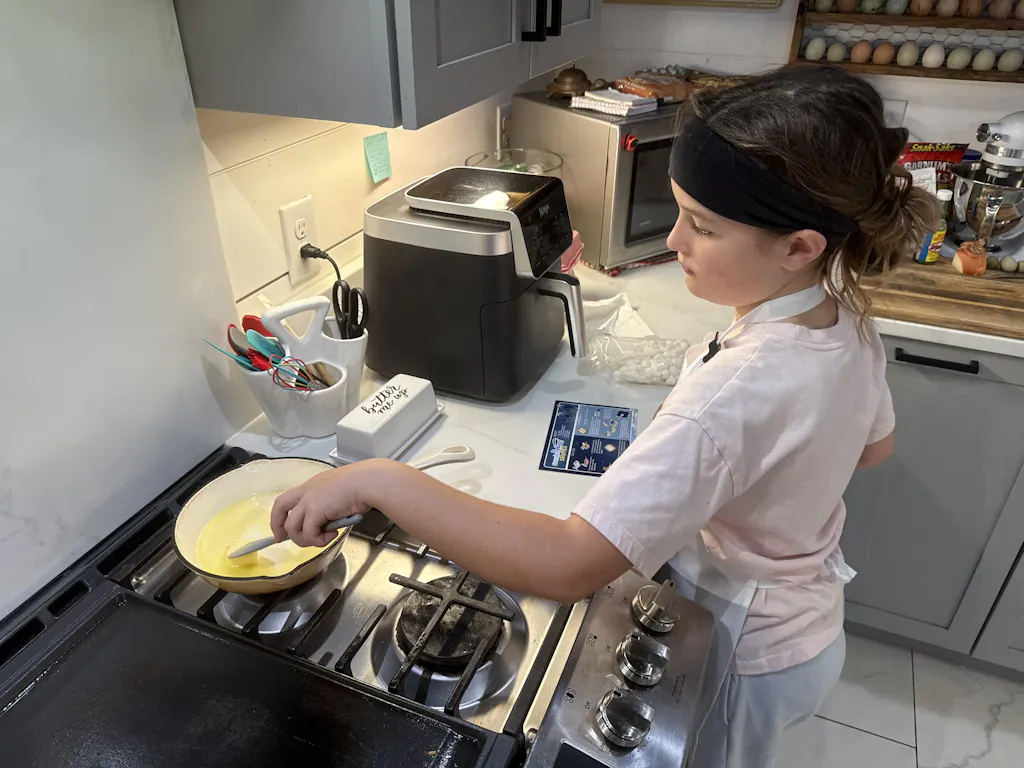
Beyond the classic recipes, there's a whole world of culinary exploration waiting to be discovered, especially when we intentionally blend cooking with STEM and the arts. At I'm the Chef Too!, this is our specialty. We provide parents and educators with unique "edutainment" experiences that make snack time not just delicious but deeply educational and incredibly fun. Our kits are designed by mothers and educators to be a screen-free alternative that sparks curiosity and creativity.
Imagine transforming your kitchen into a bustling science lab, an artist's studio, or an archaeological dig site, all centered around making delectable cold snacks! This is where our unique approach truly shines. We take complex subjects and make them tangible, hands-on, and delicious, perfect for cultivating a love for learning.
Bridging the Gap Between Concept and Creation
Many traditional cold snacks, while healthy, don't explicitly highlight the STEM principles at play. Our kits are different. They are meticulously crafted to ensure that every step, every ingredient, and every finished product is a learning opportunity.
- Chemistry in Action: Think about how different ingredients interact. When we blend a smoothie, what's happening to the fibers of the fruit? When we freeze a liquid, how does its molecular structure change? Our kits guide children through these observations with engaging narratives. For instance, creating a fizzy drink can turn into a lesson on acids and bases, or baking that requires chilling can highlight the importance of temperature in food science.
- Physics of Food: Understanding density is crucial when layering parfaits or making layered drinks. Measuring ingredients for recipes reinforces precision and basic mathematical concepts. These are not abstract lessons but tangible results seen in the creation of their cold snack.
- Engineering Edibles: Designing a "snack-e-tecture" project, like building a mini sandwich or a colorful skewer, involves engineering principles. How do you make it stable? How do you make it visually appealing? These are questions our kits prompt children to answer through playful experimentation.
- Artistic Expression: Beyond the scientific, the culinary arts are a powerful outlet for creativity. Decorating a chilled cookie, shaping a fruit bar, or arranging toppings on frozen yogurt bark allows children to express themselves, experiment with colors and textures, and appreciate the aesthetic appeal of food.
Our Kits: Where Learning and Laughter Freeze Together
Our specific kits are prime examples of how cold snacks, or recipes that involve chilling, can become profound learning experiences.
For example, when exploring the dynamic forces of our planet, what could be more thrilling than watching a delicious reaction unfold? Our Erupting Volcano Cakes Kit is not just about making yummy treats; it's a vibrant, hands-on chemistry lesson. Kids learn about acid-base reactions as their "lava" bubbles over, turning a simple baking activity into an unforgettable scientific discovery. This isn't a traditional cold snack in its final form, but the chilling of ingredients and the observation of reactions tie directly into the principles that make cold snacks fascinating.
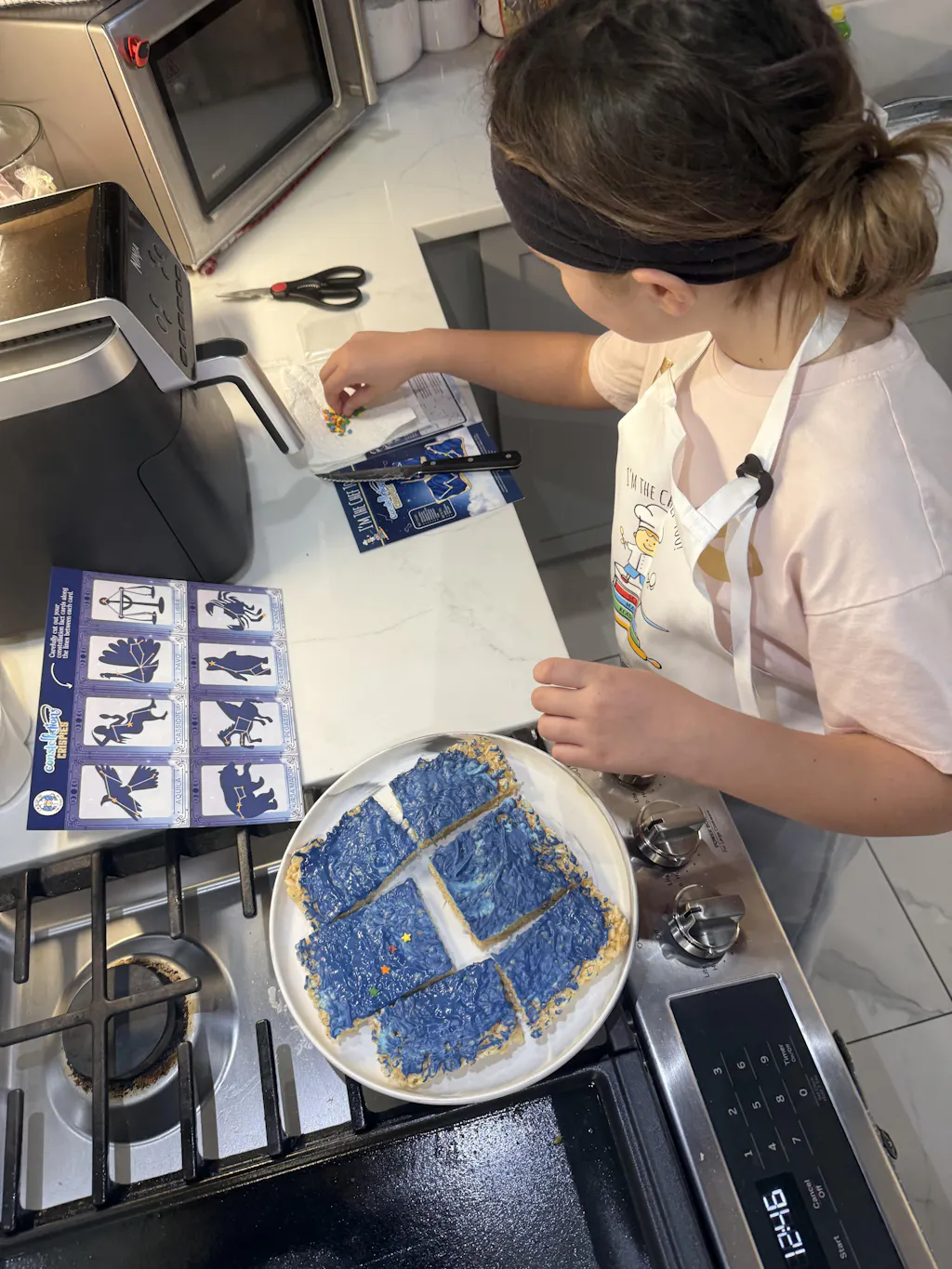
Or consider venturing into the cosmos right from your kitchen! Our Galaxy Donut Kit invites children to explore astronomy through edible creations. While the donuts themselves might be baked, the vibrant, space-themed glazes and decorations often involve chilling to set, turning the process into an artistic and scientific endeavor. Kids learn about planets and stars as they design their own edible solar system, combining creativity with cosmic learning.
These kits are more than just recipes; they are fully contained learning experiences. Each box provides:
- Pre-measured dry ingredients: Minimizing mess and maximizing focus on the fun.
- Specialty supplies: Everything needed to complete the culinary adventure.
- Step-by-step instructions: Easy for kids to follow with adult supervision, building confidence and independence.
- Educational content: Seamlessly woven into the activity, explaining the STEM concepts behind the delicious outcomes.
We believe in the power of shared experiences. These hands-on cooking adventures are designed to be enjoyed together, fostering invaluable family bonding moments. Instead of passive screen time, children are actively engaged, developing critical thinking, problem-solving, and fine motor skills. Every time a child measures an ingredient, observes a change, or decorates a treat, they’re practicing skills that will benefit them across all areas of learning. Ready for a new adventure every month? Join The Chef's Club and enjoy free shipping on every box.
Making Snack Time a Learning Opportunity: Beyond the Recipe
Every time a child steps into the kitchen, a world of learning unfolds. When we intentionally infuse snack preparation with educational elements, we transform a simple task into a powerful platform for skill development. Cold snacks, with their often simple assembly and dramatic transformations (like freezing), are particularly effective for this.
Math in the Mixing Bowl
Cooking is a natural math lesson. From measuring ingredients to calculating portions, children are constantly engaging with mathematical concepts.
- Fractions: "We need ½ cup of milk. How much is that compared to a full cup?"
- Counting & Number Recognition: Counting out fruit pieces for skewers or measuring scoops of yogurt.
- Estimation: "Do you think we have enough berries for two more parfaits?"
- Sequencing: Following recipe steps in order.
These practical applications make abstract math concepts tangible and relevant, showing children how math is used in the real world.
Science in Every Swirl
As we've explored, the kitchen is a dynamic laboratory.
- Observation: Noticing how liquids solidify when frozen, how colors blend in a smoothie, or how chia seeds absorb liquid.
- Hypothesis & Experimentation: "What do you think will happen if we add more banana to the smoothie? Let's try it!"
- Cause and Effect: Understanding that specific actions (like freezing or blending) lead to predictable outcomes.
- Sensory Exploration: Discussing textures (crunchy, smooth, slimy), temperatures (cold, frozen), and flavors (sweet, tart, savory).
These scientific inquiries build foundational critical thinking skills, nurturing a lifelong curiosity about how things work.
Developing Fine Motor Skills and Coordination
Many cold snack preparations involve tasks that refine crucial physical skills.
- Pouring & Scooping: Carefully transferring liquids and dry ingredients.
- Stirring & Mixing: Developing arm and hand strength and coordination.
- Chopping (with safe tools) & Slicing: Practicing precision and control.
- Spreading & Spreading: Butter knives for spreading cream cheese or nut butter on tortillas.
- Threading: Assembling fruit skewers.
These activities enhance hand-eye coordination, dexterity, and strength, which are essential for writing, drawing, and many other daily tasks.
Language and Literacy Skills
Cooking provides a rich context for language development.
- Vocabulary: Learning new food names, action verbs (blend, stir, chill), and descriptive adjectives (creamy, tart, crunchy).
- Following Instructions: Reading or listening to recipe steps, enhancing comprehension.
- Communication: Discussing preferences, asking questions, and explaining their process.
Fostering Independence and Confidence
Giving children age-appropriate tasks in the kitchen, from washing fruit to measuring ingredients, instills a sense of responsibility and capability.
- Decision-Making: Allowing them to choose between two types of fruit for a smoothie.
- Problem-Solving: Figuring out how to hold a wobbly skewer.
- Achieving Goals: The pride of creating something delicious from start to finish.
These experiences build self-esteem and encourage a "can-do" attitude, skills that translate far beyond the kitchen.
At I'm the Chef Too!, our unique approach is rooted in the belief that children learn best through doing. Our cooking STEM kits are thoughtfully designed to naturally integrate these educational benefits, making learning an irresistible, delicious journey. We're committed to providing a screen-free alternative that not only educates but also creates treasured family memories. Want to try a specific culinary adventure? Browse our complete collection of one-time kits and find the perfect theme for your little learner.
Tips for Success: Making Cold Snacks a Breeze
We know that even the most inspiring ideas need practical strategies to truly integrate into busy family life. Here are our top tips for making cold snacks for kids an enjoyable, stress-free, and successful part of your routine.
1. Meal Prepping is Your Superpower
- Wash & Chop Ahead: Dedicate a block of time once or twice a week to wash and chop fruits and vegetables. Store them in airtight containers in the fridge, ready to grab for skewers, dips, or smoothies.
- Batch Cook Dips: Prepare larger batches of hummus, yogurt dip, or even a homemade ranch dressing at the beginning of the week. Portion them into small, individual containers for easy access.
- Pre-portioned Smoothies: Freeze smoothie ingredients (chopped fruit, spinach) in individual bags. When it's snack time, just dump the bag into the blender, add liquid, and blend!
- Make & Freeze: Prepare a large batch of homemade popsicles, yogurt bark, or overnight oats. These items are freezer-friendly and provide a stock of healthy options.
2. Get the Kids Involved (Safely!)
-
Age-Appropriate Tasks:
- Toddlers (1-3 years): Washing fruits, stirring mixtures, adding pre-measured ingredients, tearing lettuce.
- Preschoolers (3-5 years): Spreading, mashing soft fruits (like bananas), pressing cookie cutters, assembling skewers with blunt sticks.
- School-Aged (6+ years): Measuring, pouring, chopping soft items with kid-safe knives, operating a blender (with supervision), reading simple recipe steps.
- Choice & Ownership: Offer choices ("Would you like apples or grapes with your cheese?") to give them a sense of control. Let them pick the flavor of their popsicle or the toppings for their yogurt bark. When children feel ownership over their food, they are more likely to eat and enjoy it.
- Safety First: Always supervise children in the kitchen. Teach knife safety, how to use appliances, and proper handwashing. Emphasize that certain tasks (like handling hot items or sharp knives) are for adults only.
3. Embrace Variety and Presentation
- Rotate Options: Don't get stuck in a rut. Offer a different cold snack each day or vary the combinations. This keeps things interesting and ensures a broader range of nutrients.
- Make it Visually Appealing: Kids eat with their eyes! Use colorful fruits and vegetables. Arrange snacks in fun shapes (e.g., cookie-cutter sandwiches), create rainbow fruit skewers, or use fun bento-box dividers.
- Fun Containers: Invest in small, colorful containers, silicone muffin cups, or bento boxes that keep foods separate and appealing. Reusable squeeze pouches are great for smoothies or yogurt on the go.
4. Set Realistic Expectations
- It Won't Always Be Perfect: There will be messes. There will be times they don't love what they helped make. That's okay! Focus on the process, the learning, and the bonding, not just the outcome.
- Patience is Key: Introducing new foods, especially healthy ones, often takes multiple exposures. Keep offering a variety of cold snacks without pressure.
- Adult Supervision is a Must: While we encourage independence, all kitchen activities with children require appropriate adult oversight for safety and guidance. Our kits are designed with this in mind, providing clear instructions for parents and kids to follow together.
By implementing these tips, you'll find that incorporating delicious and educational cold snacks into your family's routine becomes a seamless and joyful experience. At I'm the Chef Too!, we're here to support you on this journey, making every snack time an adventure. We are committed to sparking curiosity and creativity in children, facilitating family bonding, and providing a screen-free educational alternative that truly works. Ready for a new adventure every month? Join The Chef's Club and enjoy free shipping on every box.
Conclusion: Chill Out, Learn On, and Make Memories!
As we’ve journeyed through the vibrant world of cold snacks for kids, one truth becomes abundantly clear: snack time can be so much more than just a momentary pause for hunger. It’s a golden opportunity to nourish growing bodies, engage curious minds, and strengthen family bonds. From the simple delight of a frozen fruit pop to the intricate layers of a homemade parfait, each cold snack holds the potential for discovery, creativity, and delicious memories.
We've explored how these refreshing bites offer practicality for busy parents, pack a powerful nutritional punch, stimulate the senses, and even provide essential hydration. More importantly, we've seen how they serve as tangible gateways to STEM learning – teaching about states of matter, chemical reactions, basic biology, and even engineering principles, all within the joyful confines of your kitchen.
At I'm the Chef Too!, this fusion of food, STEM, and the arts is our passion. We believe that by transforming complex subjects into hands-on, edible adventures, we can spark a lifelong love for learning in children. Our unique kits, developed by mothers and educators, are crafted to inspire curiosity, foster confidence, and provide meaningful screen-free alternatives that bring families together.
So, let's embrace the cool side of snacking. Let’s turn measuring cups into math lessons, blenders into science experiments, and artful arrangements into creative expressions. With a little planning and a sprinkle of imagination, you can empower your children with invaluable skills, create cherished moments, and fill their days with healthy, exciting, and wonderfully cold treats.
Ready to embark on a delicious journey of discovery every month? Don't miss out on the fun, the learning, and the incredible family bonding experiences. Join The Chef's Club today and let us deliver a new, exciting culinary STEM adventure right to your door with free shipping!
FAQ: Your Cold Snack Questions Answered
Q1: How do I keep cold snacks cold in a lunchbox for school or camp?
A1: To keep cold snacks perfectly chilled, use an insulated lunchbox and at least two ice packs (one on top, one on the bottom). Freezing items like yogurt tubes, applesauce pouches, or even a partially filled water bottle can also act as additional ice packs, gradually thawing by snack time. Pre-chill the lunchbox in the fridge overnight for best results.
Q2: My child is a picky eater. How can I get them to try new cold snacks?
A2: The key is involvement and exposure without pressure. Let your child help prepare the snack – washing fruit, stirring ingredients, or choosing toppings. Offer choices between two healthy options. Present new foods alongside familiar favorites. Make it fun with colorful presentations or themed plates. Remember, it often takes multiple exposures for a child to accept a new food, so keep offering without force.
Q3: Are cold snacks healthy? What ingredients should I prioritize?
A3: Absolutely! Cold snacks can be incredibly healthy. Prioritize whole, unprocessed ingredients like fresh or frozen fruits, vegetables, Greek yogurt (for protein and probiotics), lean proteins (like deli turkey or chickpeas), whole grains (oats, whole-wheat crackers), and healthy fats (avocado, chia seeds, nut butters). Limit added sugars and artificial ingredients.
Q4: Can I meal prep cold snacks for the whole week?
A4: Yes, meal prepping is highly encouraged for cold snacks! You can wash and chop fruits and veggies, make large batches of dips, prepare overnight oats, or freeze homemade popsicles and yogurt bark. Store items in airtight containers in the fridge or freezer. This saves time and ensures healthy options are always available.
Q5: How do I make cold snacks educational or incorporate STEM learning?
A5: The kitchen is a natural laboratory!
- Math: Have kids measure ingredients, count items, or discuss fractions.
- Science: Observe how liquids freeze, how ingredients blend, or how textures change. Discuss where food comes from.
- Engineering: Plan how to layer a parfait or build a fruit skewer for stability.
- Art: Encourage creative decoration and presentation. At I'm the Chef Too!, our kits are specifically designed to blend these STEM concepts seamlessly into delicious cooking adventures, making learning tangible and fun.
Q6: What are some common choking hazards to be aware of with cold snacks for kids?
A6: Always supervise young children. Common choking hazards include whole grapes (cut them lengthwise into quarters), large chunks of fruit or vegetables, nuts, popcorn, and sticky foods like large dollops of nut butter. Ensure all foods are cut into small, age-appropriate pieces and encourage children to sit down while eating.
Q7: My child only wants sugary store-bought cold snacks. How do I transition them to healthier options?
A7: Gradual changes and homemade alternatives are best. Start by making healthier versions of their favorites – like homemade popsicles with real fruit instead of high-sugar varieties. Involve them in the process to build excitement. Slowly introduce new, healthy cold snacks. Consistency and setting a good example are key. Remember that healthy treats can be just as delicious and satisfying, especially when made with love!