Table of Contents
- Introduction
- Understanding the "Why": The Science Behind Post-Game Snacks
- The Golden Rules for Baseball Snack Duty
- Winning Snack Ideas: The MVP Lineup
- Snack Prep Made Easy: Assembling Your A-Team Bags
- Beyond the Game: Sustaining Learning & Fun
- Common Snack Pitfalls to Avoid
- Conclusion
- FAQ Section
The crack of the bat, the cheer of the crowd, the satisfying thud of a ball hitting the catcher's mitt – these are the sounds of a perfect baseball game. But as the last out is made and the high-fives are exchanged, a different sound often emerges: the rumble of hungry tummies. After hustling around the bases, fielding grounders, and throwing pitches, young athletes have expended a lot of energy. This is where the magic of a well-chosen post-game snack comes in. It's not just about curbing immediate hunger; it's about refueling tired muscles, rehydrating thirsty bodies, and ensuring our little champions have the sustained energy to tackle the rest of their day without hitting a wall.
As parents and coaches, we often find ourselves juggling schedules, gear, and the ever-present question: "What should I bring for snack duty?" The array of options can be overwhelming, from sugary treats that promise a quick energy spike (and an inevitable crash) to overly complicated homemade concoctions. But fear not! Our goal today is to provide you with a comprehensive, easy-to-follow guide to selecting and preparing the best snacks for kids after a baseball game. We'll dive into the science behind effective refueling, share practical tips for stress-free snack duty, and explore a winning lineup of delicious, nutritious, and kid-approved options that are sure to be a home run with the whole team. Get ready to turn post-game munchies into an opportunity for health, happiness, and even a little bit of learning!
Introduction
Picture this: the final inning just ended, your child's team gave it their all, and a wave of tired, triumphant (and very hungry!) kids descends upon the dugout. The energy and excitement from the game are still buzzing, but their bodies are signaling a need for replenishment. What you offer them in those crucial moments after play can make a significant difference in their recovery, mood, and overall well-being for the rest of the day. It’s more than just a treat; it’s an essential part of their athletic journey and a chance to instill healthy habits.
In this detailed guide, we're not just listing snacks; we're exploring the why behind them. We'll break down the nutritional needs of young athletes, uncover the best food groups for optimal recovery, and provide practical advice for hassle-free snack preparation. We’ll cover everything from hydration heroes to protein powerhouses, ensuring you’re equipped to make informed choices that benefit every player. Beyond simply nourishing their bodies, we believe snack time can also be an extension of family bonding and subtle, hands-on learning—a philosophy that truly resonates with us at I'm the Chef Too!. Let’s get ready to fuel our little champions the smart, fun, and delicious way!
Understanding the "Why": The Science Behind Post-Game Snacks
When kids play baseball, they're not just having fun; they're engaging in a physically demanding activity that uses a lot of energy. Their growing bodies need proper fuel to perform, recover, and develop. Understanding the basic science behind post-game nutrition can empower us to make choices that truly support their health and athletic potential. It's much like understanding the chemical reactions that make our Erupting Volcano Cakes bubble over with deliciousness – knowing the "ingredients" and "processes" makes the outcome even better!
Carbohydrates: The Quick Energy Recharge
Think of carbohydrates as the primary fuel source for your child's body, especially during physical activity. When kids run, throw, and bat, they burn through glycogen stores in their muscles and liver. Glycogen is simply stored glucose, derived from the carbohydrates they eat. After a game, these stores are depleted, and replenishing them quickly is crucial.
- Why they're essential: Carbs provide the energy needed for immediate recovery and prevent that "crash" feeling many kids experience post-activity. They help restore blood sugar levels, which can dip after prolonged exertion.
- Best sources: Fruits (nature's candy, packed with simple sugars for quick energy), whole-grain crackers, pretzels, rice cakes, and even small portions of air-popped popcorn. These options offer both simple and complex carbohydrates, providing both immediate and sustained energy.
Protein: The Muscle Builder and Repairer
While carbs give immediate energy, protein is the architect of recovery. Physical activity, particularly the stop-and-start movements and powerful throws in baseball, causes microscopic tears in muscle fibers. Protein provides the amino acids, the "building blocks," needed to repair these tears and rebuild stronger muscles.
- Why it's essential: Adequate protein intake after exercise aids in muscle recovery, reduces soreness, and supports overall growth and development. It also helps kids feel fuller for longer, preventing the urge to overeat less nutritious options.
- Best sources: String cheese, yogurt, lean meat sticks, hard-boiled eggs (if easy to manage), and nut-free protein bars. Even a small amount of protein can kickstart the recovery process.
Electrolytes and Hydration: The Body's Balancing Act
Sweating is the body's natural cooling mechanism. During a baseball game, especially on a warm day, kids can lose a significant amount of fluid and essential electrolytes like sodium and potassium through sweat. Electrolytes are crucial for nerve and muscle function, and maintaining fluid balance in the body.
- Why they're essential: Dehydration can lead to fatigue, headaches, and impaired physical and mental performance. Replenishing fluids and electrolytes is just as important as replenishing energy and protein.
- Best sources: Water, water, and more water! It's the ultimate hydrator. For longer or more intense games, natural electrolyte sources like bananas (potassium), oranges (potassium, natural sugars), and lightly salted pretzels (sodium) can be beneficial. Some natural electrolyte drinks (like coconut water or specially formulated kids' hydration pouches with low sugar) can also be helpful, but often plain water and a balanced snack are sufficient.
Avoiding the Sugar Crash: The Pitfall of Processed Sweets
While a sweet treat might seem like a good reward, snacks high in refined sugars and artificial ingredients often lead to a rapid spike in blood sugar followed by an equally rapid crash. This can leave kids feeling irritable, lethargic, and even more tired than before. Our mission at I'm the Chef Too! is to blend food, STEM, and the arts into one-of-a-kind "edutainment" experiences, encouraging a love for learning through tangible, hands-on, and delicious adventures. This also extends to understanding how different foods affect our bodies, teaching kids to make smart choices.
By focusing on a balanced combination of carbohydrates, protein, and plenty of fluids, we provide our young athletes with the sustained energy and nutrients they need to recover effectively and continue their day feeling strong and happy. Just as our kits make complex subjects accessible and fun, understanding snack science empowers parents to make nourishing choices for their budding sports stars. Ready for a new adventure every month, discovering how delicious learning can be? Join The Chef's Club and enjoy free shipping on every box! It’s all about continuous growth, whether in the kitchen or on the field.
The Golden Rules for Baseball Snack Duty
Snack duty can feel like a high-pressure situation, but with a few simple guidelines, you can hit it out of the park every time. These rules ensure that the snacks you provide are not only nutritious but also convenient, safe, and appealing to a diverse group of young athletes.
1. Individual Portions: Hygiene and Fairness First
In a team setting, sharing can be caring, but when it comes to post-game snacks, individual portions are paramount.
- Why it works: Individual packaging or pre-portioned bags minimize the spread of germs, especially important in a group setting where hands might not always be perfectly clean. It also ensures that every child receives an equitable share, preventing squabbles and making distribution quick and easy.
- Practical tip: Look for snacks that come in single-serving packages, or take a few minutes at home to bag up larger items like pretzels, grapes, or air-popped popcorn into separate resealable bags.
2. Allergy Awareness: Safety for Every Player
Food allergies are a serious concern, and they're increasingly common. It’s absolutely critical to be mindful of potential allergens to keep every child safe.
- Why it's crucial: An allergic reaction can range from uncomfortable to life-threatening. Always check with the coach or team manager beforehand for any known allergies on the team.
- Practical tip: When in doubt, opt for widely recognized allergen-free snacks, especially avoiding common culprits like peanuts, tree nuts, and sometimes dairy or gluten. If you can't confirm, bring a few universally safe options as backups. Clearly labeled prepackaged items are often the safest bet as they list all ingredients.
3. Hydration is Key: More Than Just Water
While snacks provide fuel, drinks provide essential hydration. After sweating, kids need to replace lost fluids and electrolytes.
- Why it's crucial: Dehydration can quickly diminish energy levels and impact recovery. Water is always the best choice, but for longer or hotter games, natural electrolyte-rich drinks or foods can be beneficial.
- Practical tip: Bring plenty of water bottles (pre-chilled if possible!). For an added twist, consider making your own fruit-infused water at home – it’s a fun, subtle science experiment, much like the engaging activities we promote at I'm the Chef Too!. This way, kids get flavor without added sugars or artificial colors.
4. Easy to Eat: Keep the Mess to a Minimum
Post-game snack time is rarely a sit-down, formal affair. Kids are often on the go, heading to the car, or still buzzing with energy.
- Why it works: Choose snacks that are easy to handle, don't require utensils, and won't create a huge mess in the dugout or car. This makes cleanup easier for parents and allows kids to enjoy their snack without interruption.
- Practical tip: Think bananas (their own wrapper!), clementines (easy to peel), pre-sliced apples, string cheese, and pouches of applesauce or yogurt. Avoid anything too crumbly, sticky, or saucy.
5. Temperature Stability: Beat the Heat
Baseball season often means warm, sunny days. Snacks that spoil or melt easily can quickly become unappetizing or unsafe.
- Why it's crucial: Food safety is paramount. Dairy products, certain fruits, and chocolate can degrade quickly in heat.
- Practical tip: Pack snacks in a well-insulated cooler with ice packs. Choose items that can withstand warmer temperatures for a reasonable amount of time, such as pretzels, dried fruit, fruit leathers, and individually wrapped meat sticks. If bringing items like yogurt or cheese, make sure they stay cold until serving.
6. Balance is Best: Carbs and Protein for Optimal Recovery
The ideal post-game snack provides a mix of quick-release carbohydrates for immediate energy and protein for muscle repair.
- Why it works: This combination helps stabilize blood sugar, replenishes glycogen stores, and kickstarts muscle recovery, ensuring kids feel energized and satisfied.
- Practical tip: Aim for a snack bag that includes one carbohydrate item (e.g., a small banana, a handful of pretzels) and one protein item (e.g., a stick of string cheese, a meat stick). This balanced approach helps our young athletes recover effectively and builds good nutritional habits.
Following these golden rules makes snack duty less stressful and more effective, ensuring that every player is properly fueled and ready for their next adventure, whether it's another game or an exciting, hands-on learning experience at home. This focus on practical, valuable advice and realistic expectations is something we embody at I'm the Chef Too!, where we develop our cooking adventures with mothers and educators to be both fun and incredibly beneficial.
Winning Snack Ideas: The MVP Lineup
Now that we understand the science and the golden rules, let’s explore a diverse and delicious lineup of snacks that will make you the MVP of snack duty. We've grouped these options to help you easily mix and match for a perfectly balanced and appealing post-game treat.
Hydration Heroes: Quenching Thirst and Replenishing Electrolytes
Proper hydration is the foundation of recovery. These options help replace fluids and vital electrolytes lost during play.
-
Water, Glorious Water: This is always the #1 choice. Simple, pure, and essential. Provide plenty of pre-chilled bottled water. You can encourage kids to drink by offering fun, reusable bottles or letting them choose their own color.
- Why it's great: Zero sugar, no artificial ingredients, and perfectly hydrates every cell in the body.
-
Fruit-Infused Water: A fun twist on plain water! Add slices of lemon, lime, cucumber, strawberries, or mint leaves to water.
- Why it's great: Offers a hint of natural flavor without added sugar, encouraging kids to drink more. It's also a fantastic, low-key "kitchen experiment" for kids to help prepare, much like the hands-on fun and learning in our Chef's Club Subscription where children explore ingredients and create delicious outcomes.
-
Caliwater Cactus Water Kids Pouches: These naturally hydrating pouches are packed with electrolytes from real prickly pear fruit and have only 3 grams of sugar. They are a smart alternative to sugary juice boxes or traditional sports drinks.
- Why it's great: Mess-free, kid-friendly flavors, and a great way to replenish electrolytes without artificial additives. Freezing them can turn them into a refreshing slushie!
-
Chocolate Milk: A classic recovery drink that’s surprisingly effective. It delivers a great blend of carbohydrates, protein, and fluids, making it ideal for muscle repair and energy replenishment.
- Why it's great: The protein and carbs work synergistically for optimal recovery, and kids love the taste! Just be mindful of dairy allergies on the team.
-
Coconut Water (Unsweetened or Lightly Sweetened): A natural source of electrolytes, including potassium, which is great for muscle function.
- Why it's great: A natural, lower-sugar alternative to many sports drinks, with a distinct, refreshing taste. Look for individual cartons for easy distribution.
Carb Commanders: Rapid Energy Replenishment
Carbohydrates are crucial for restocking glycogen stores and giving kids the quick energy boost they need after exertion.
-
Bananas: The ultimate portable energy source. Rich in potassium, which helps prevent muscle cramps.
- Why it's great: Nature's perfect packaging, easy to peel and eat, and packed with vital nutrients. A true MVP snack!
-
Oranges/Clementines/Mandarin Oranges: Bursting with Vitamin C and natural sugars, these citrus delights are hydrating and provide a quick energy lift.
- Why it's great: Easy to peel (especially clementines), refreshing, and an excellent source of vitamins. The bright citrus scent can also be a nice pick-me-up!
-
Apple Slices: Crisp, refreshing, and a good source of fiber.
- Why it's great: Can be paired with other snacks easily. To prevent browning, buy pre-sliced or spritz with a little lemon juice.
-
Grapes & Berries: Small, bite-sized, and packed with natural sugars and antioxidants.
- Why it's great: Easy to pop in the mouth, hydrating, and generally a kid favorite. Pre-wash and portion into small bags.
-
Whole-Grain Crackers: Provide sustained energy and a satisfying crunch.
- Why it's great: A healthier alternative to chips, offering fiber. Pair them with string cheese for a balanced carb-protein combo.
-
Pretzels: Salty and crunchy, pretzels offer simple carbohydrates and a boost of sodium, an important electrolyte.
- Why it's great: Popular with kids, easy to digest, and can help replenish lost salt. Individual bags are ideal for team snacks.
-
Air-Popped Popcorn: A whole-grain, high-fiber snack that's surprisingly filling.
- Why it's great: A lighter, healthier alternative to many chips. Pop it at home and portion into individual bags, or buy pre-packaged, lightly salted versions.
-
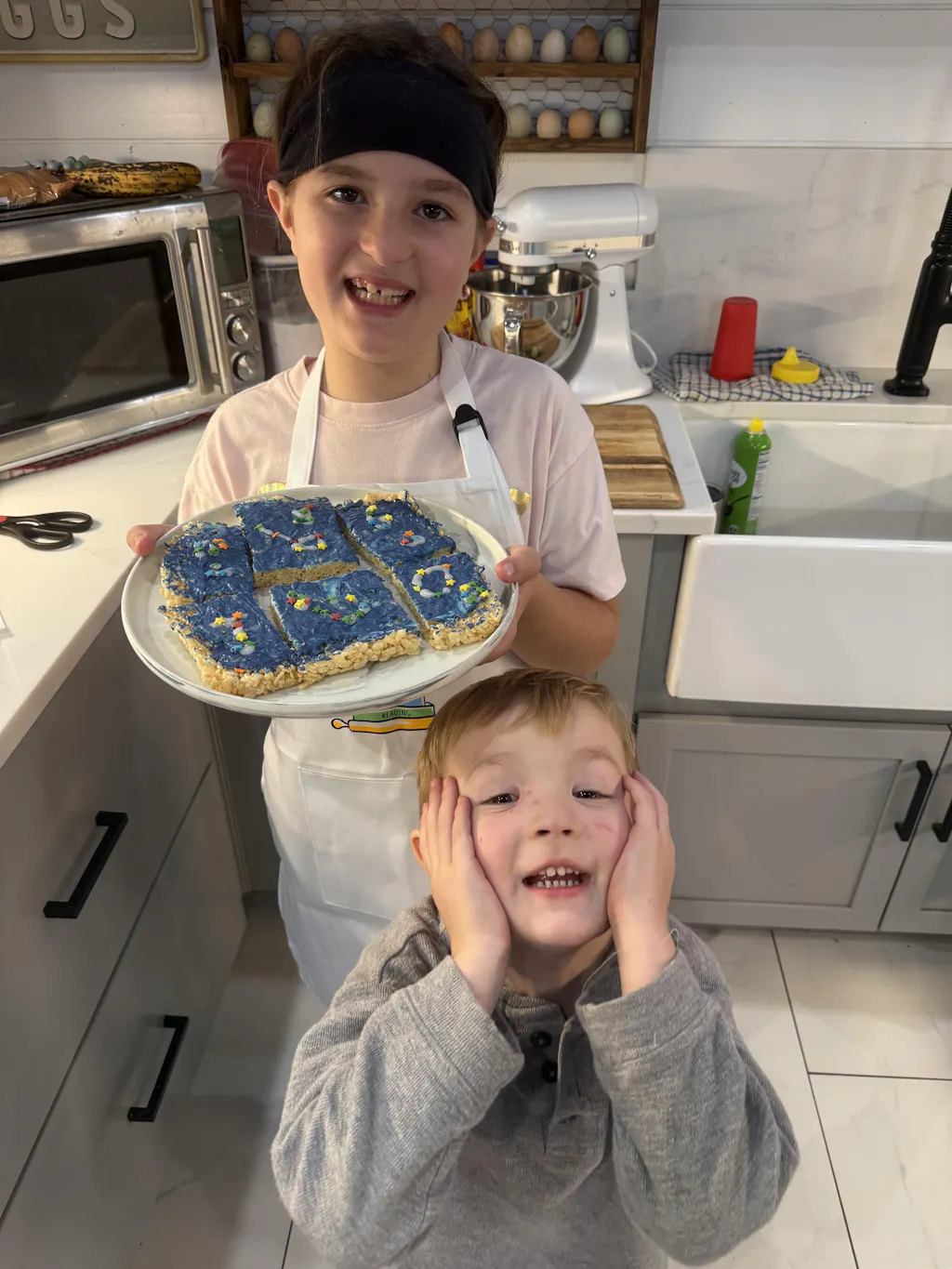
Rice Krispies Treats (Homemade or Lower Sugar): While often seen as a sweet treat, they provide simple carbohydrates for quick energy. Opt for homemade versions where you can control sugar levels, or look for lower-sugar pre-packaged options.
- Why it's great: A classic kid-friendly treat that offers a quick carb boost.
-
Dried Fruit (Raisins, Apricots, Cranberries): A concentrated source of natural sugars and fiber for a quick energy pick-me-up.
- Why it's great: Portable, non-perishable, and naturally sweet. Portion control is key due to concentrated sugars.
-
Fruit Leathers/Fruit Chews (Real Fruit, No Added Sugar): A less-messy alternative to fresh fruit, offering fiber and natural sweetness.
- Why it's great: Convenient, portable, and satisfyingly chewy. Always check labels for real fruit ingredients and minimal added sugar.
Protein Powerhouses: Muscle Repair and Lasting Satiety
Protein is essential for rebuilding muscles and helping kids feel full and satisfied after their game.
-
String Cheese/Cheese Sticks: A reliable favorite packed with protein and calcium for strong bones.
- Why it's great: Easy to eat, individually wrapped, and a good source of sustained energy. Remember to keep them chilled!
-
Meat Sticks (Lean, Low Sodium): Portable and filling, these offer a savory protein boost.
- Why it's great: A good alternative to nuts for protein. Look for brands made with simple ingredients and no nitrates or excessive sodium.
-
Yogurt Pouches/Squeeze Yogurt (Low Sugar, High Protein): Convenient packaging makes these perfect for on-the-go snacking. They provide protein and calcium.
- Why it's great: Easy to eat without a spoon, and can be frozen beforehand to keep them cold and create a refreshing slushie texture.
-
Hard-Boiled Eggs: An excellent source of high-quality protein, vitamins, and minerals.
- Why it's great: Naturally packaged and very nutrient-dense. If bringing, ensure they are kept cold and distributed quickly.
-
Nut-Free Granola Bars: Many brands now offer allergen-friendly granola bars that provide a mix of carbs and protein.
- Why it's great: Convenient and satisfying. Crucially, always double-check labels for "nut-free" or "allergy-friendly" certifications if allergies are a concern.
-
Edamame (Shelled): A plant-based protein powerhouse that's also fun to eat.
- Why it's great: High in protein and fiber. Look for pre-cooked, shelled edamame that can be kept chilled.
Themed & Fun Treats (with a Healthy Twist): Sparking Joy and Curiosity
At I'm the Chef Too!, our mission is to spark curiosity and creativity, turning everyday activities into "edutainment." Even snack time can be an opportunity for fun and imaginative engagement!
-
Baseball-Themed Fruit Skewers: Alternate red (strawberries/raspberries), white (banana slices/marshmallows), and blue (blueberries) fruits for a patriotic or team-color theme. Use small cookie cutters to make star shapes from melon or cheese.
- Why it's great: Visually appealing, customizable, and a fantastic way to encourage fruit consumption. It's a creative outlet, similar to how our kits blend food and art! For more creative adventures that bring STEM to life, explore our full library of adventure kits available for a single purchase in our shop.
-
"Ants on a Log" (Celery with Sunbutter and Raisins): A classic, fun, and nutritious snack. Use sunflower seed butter (Sunbutter) for a nut-free option.
- Why it's great: Combines carbs, protein, and fiber in a playful presentation. Kids love building their own!
-
Homemade Energy Bites (Nut-Free): Blend oats, sunflower seed butter, honey/maple syrup, chia seeds, and dried fruit, then roll into bite-sized balls.
- Why it's great: Customizable, nutrient-dense, and a great activity to involve kids in making. These little powerhouses pack a punch, much like the exciting learning experiences in our kits, such as exploring astronomy by creating your own edible solar system with our Galaxy Donut Kit.
-
Mini Whole-Wheat Sandwiches/Roll-ups: Small portions of whole-wheat bread or tortillas with lean turkey, chicken, or cheese. Cut into fun shapes with cookie cutters.
- Why it's great: Offers a more substantial snack with both carbs and protein. Easy to customize and make appealing.
-
Veggie Sticks with Hummus (Individual Cups): Carrots, celery, cucumber, and bell pepper sticks with single-serving hummus cups.
- Why it's great: Introduces vegetables in a palatable way, offering fiber and additional nutrients.
Remember, the key is to choose snacks that are easy for kids to eat on the go, provide a good balance of nutrients, and above all, are enjoyable! By offering thoughtful, wholesome options, you’re not just feeding hungry bellies; you’re supporting their recovery, fostering healthy habits, and showing them that nutritious food can also be exciting and delicious. At I'm the Chef Too!, we believe in these tangible, hands-on cooking adventures, developed by mothers and educators, that spark a lifelong love for learning.
Snack Prep Made Easy: Assembling Your A-Team Bags
The game's over, the kids are buzzing, and efficiency is your best friend when it comes to snack distribution. A little preparation goes a long way in turning potential chaos into a smooth, enjoyable snack time. Think of it like a well-oiled machine, much like the careful assembly of ingredients that comes in our I'm the Chef Too! kits.
1. The Power of Pre-Portioning
Before you even leave for the game, dedicate a short time to getting your snacks ready.
- Why it works: It saves immense time and stress at the field. No fumbling with large bags, no worries about uneven distribution.
- How-to: Purchase individual snack bags (like small Ziploc or paper lunch bags) or small reusable containers. Fill each with the chosen snacks – one fruit, one carb, one protein. For example, a small bag of pretzels, a string cheese stick, and a clementine. This thoughtful preparation mirrors the convenience of our Chef's Club Subscription, where you receive pre-measured dry ingredients and specialty supplies, making complex cooking adventures manageable and fun.
2. Smart Cooler Packing for Optimal Freshness
Your cooler isn't just for keeping drinks cold; it's a vital tool for preserving the freshness and safety of your snacks.
- Why it works: Prevents spoilage, keeps everything refreshing, and ensures perishable items remain safe to eat, especially on warm days.
- How-to: Layer ice packs at the bottom of your cooler. Place drinks (water bottles, chocolate milk, yogurt tubes) directly on the ice. Then, add your individually packed snacks. For items that don't need to be super cold but benefit from coolness (like fruit leathers or crackers), place them on top or in a separate pocket. Consider freezing individual fruit pouches or yogurt tubes to act as extra ice packs that become slushy treats by game end.
3. Labeling for Allergy Safety
Even if you’ve checked with the coach, visible labels provide an extra layer of safety and reassurance.
- Why it works: Clearly identifies contents and highlights allergen-free options, making it easy for parents and kids to choose safely.
- How-to: If you're bringing specific allergen-free options, label them clearly (e.g., "Nut-Free," "Dairy-Free"). If you've prepared snack bags, a simple sticker or marker indicating the contents can be helpful, especially if some items are homemade.
4. Involving Kids in the Prep: A Mini STEM/Art Lesson
Getting your children involved in preparing the snack bags turns it into a fun, educational activity that fosters responsibility and ownership.
- Why it works: This hands-on experience develops fine motor skills (like peeling bananas or bagging pretzels), introduces basic math concepts (counting items for each bag), and encourages healthy eating choices. It’s a wonderful opportunity for family bonding, teaching valuable life skills in a fun, pressure-free environment.
- How-to: Let your child help count out snacks, place them in bags, or choose the specific fruit. Discuss why certain snacks are good for their bodies after playing. This aligns perfectly with our philosophy at I'm the Chef Too!: we believe in facilitating family bonding and providing screen-free educational alternatives that spark curiosity and creativity through tangible, hands-on, and delicious cooking adventures. This kind of engagement empowers children in the kitchen and beyond.
By investing a little time in thoughtful snack preparation, you’ll not only streamline snack duty but also provide nutritious, safe, and enjoyable treats for the entire team, making you a true all-star in the eyes of parents and players alike. Looking for more ways to make learning fun and encourage hands-on discovery? Give the gift of learning that lasts all year with a 12-month subscription to our STEM cooking adventures – join The Chef's Club today!
Beyond the Game: Sustaining Learning & Fun
Post-game snacks are just one piece of a larger puzzle: fostering a healthy, active lifestyle and a love for learning in our children. The choices we make about what they eat and how they spend their time contribute significantly to their physical, emotional, and intellectual development. At I'm the Chef Too!, we recognize that the spirit of curiosity and engagement doesn't end when the game does; it extends into every aspect of a child's day.
Our mission is to seamlessly blend food, STEM, and the arts into one-of-a-kind "edutainment" experiences. Just as a balanced snack fuels a child's body, engaging, hands-on activities fuel their minds and spirits. We are committed to sparking curiosity and creativity in children, facilitating family bonding, and providing a screen-free educational alternative that makes learning an adventure.
Think about the lessons embedded in a simple snack. When a child helps you measure ingredients for homemade energy bites, they’re practicing math. When they observe how an orange segment offers a burst of energy, they’re subtly learning about nutrition and the body’s fuel system. These small, everyday moments are rich with learning potential, echoing our unique approach of teaching complex subjects through tangible, hands-on, and delicious cooking adventures developed by mothers and educators.
Beyond the field, nurturing creativity and critical thinking is paramount. Rather than immediately turning to screens after a game or on a free weekend, consider activities that continue the physical and mental engagement. Our kits offer perfect opportunities for this, transforming your kitchen into a science lab or an art studio. Whether it’s understanding the chemistry of baking or the geometry of frosting, we make learning an exciting, edible journey. This not only builds confidence and develops key skills but also creates joyful family memories that last a lifetime.
To keep the learning and family fun going strong, consider how you can integrate more screen-free, hands-on activities into your routine. From gardening to craft projects, or exploring new recipes together, every shared experience can be a valuable lesson. And for those times when you want a complete, ready-to-go educational adventure that delivers on our promise of "edutainment," we're here to help. Browse our complete collection of one-time kits and find the perfect theme for your little learner, ensuring that the exploration and discovery never have to stop. These activities, much like carefully chosen post-game snacks, contribute to a holistic approach to child development, nurturing well-rounded, curious, and confident individuals.
Common Snack Pitfalls to Avoid
Even with the best intentions, it's easy to fall into certain snack traps when planning for a team. Knowing what to steer clear of can be just as important as knowing what to bring. Avoiding these common pitfalls ensures every player gets the most beneficial and safest post-game snack experience.
1. Excessive Sugar: The Energy Rollercoaster
- The Problem: Sugary sodas, full-sugar sports drinks, large candy bars, and highly processed fruit snacks might provide a quick burst of energy, but it's invariably followed by a rapid crash. This leaves kids feeling more tired and irritable, not rejuvenated. It can also contribute to an upset stomach.
- Why to avoid: These items offer minimal nutritional value and can disrupt blood sugar levels, counteracting the goal of stable energy replenishment and sustained recovery. They also often contain artificial colors and flavors that can be counterproductive to a child's health.
- Better Alternatives: Stick to water, unsweetened or lightly sweetened natural juices (in moderation), coconut water, or the low-sugar Caliwater Kids Pouches we mentioned earlier. Opt for whole fruits for natural sweetness and fiber.
2. High-Fat, Low-Nutrient Items: Empty Calories
- The Problem: Greasy potato chips, snack cakes, and many fast-food items are high in unhealthy fats and calories but offer very little in terms of essential nutrients like vitamins, minerals, fiber, or quality protein.
- Why to avoid: These snacks can sit heavily in the stomach, causing discomfort after physical activity, and don't provide the building blocks needed for muscle repair or sustained energy. They can also contribute to general lethargy and do not support healthy growth.
- Better Alternatives: Choose air-popped popcorn, whole-grain pretzels, baked veggie sticks, or lean protein sources for a more satisfying and nutritious option.
3. Common Allergens (Without Prior Check): A Safety Hazard
- The Problem: Bringing snacks containing common allergens like peanuts, tree nuts, or even dairy and gluten without prior knowledge of the team's allergies can put children at serious risk.
- Why to avoid: An allergic reaction can range from mild discomfort to a severe, life-threatening anaphylactic shock. It's a non-negotiable safety concern.
- Better Alternatives: Always confirm with the coach or team parents about any allergies. If unsure, default to universally allergen-free options or clearly labeled pre-packaged snacks that state their allergen status. Offering a variety of options, including clearly labeled "nut-free" snacks, ensures everyone can safely enjoy.
4. Messy or Hard-to-Eat Items: Cleanup Headaches
- The Problem: Snacks that require forks, create excessive crumbs, drip sticky sauces, or stain uniforms can be a nightmare for parents and coaches. Think yogurt parfaits, heavily frosted cupcakes, or peanut butter and jelly sandwiches that can easily become squished.
- Why to avoid: They create unnecessary cleanup tasks, can lead to sticky hands and faces, and might even make kids reluctant to eat for fear of making a mess.
- Better Alternatives: Opt for grab-and-go options like whole fruits with natural wrappers (bananas, oranges), string cheese, individually wrapped granola bars, or pre-portioned dry snacks like pretzels or popcorn.
5. Snacks That Melt or Spoil Easily: Food Safety Risks
- The Problem: Chocolate-covered items, dairy-based dips, and certain delicate fruits (like sliced melon exposed to sun) can quickly melt, spoil, or become unsafe to eat when exposed to heat.
- Why to avoid: Food safety is paramount. Consuming spoiled food can lead to food poisoning, which is the last thing a child needs after a game.
- Better Alternatives: Rely on robust cooler packing with plenty of ice packs for any perishable items. Prioritize snacks that are naturally more shelf-stable or can withstand temperature fluctuations, such as dried fruit, fruit leathers, whole apples, or individually wrapped meat sticks.
By being mindful of these common pitfalls, you can ensure that your snack duty is not only appreciated but also contributes positively to the health and well-being of every young player. It’s all part of our commitment to providing practical, valuable advice and setting realistic expectations for families.
Conclusion
As the final whistle blows or the last out is called, the cheers of a baseball game fade, giving way to the gentle hum of satisfied, yet tired, young athletes. The post-game snack isn't merely a reward; it's a critical component of their recovery, a vital opportunity to refuel their bodies, and a chance to reinforce healthy habits. By understanding the simple science of carbohydrates for energy, protein for muscle repair, and the indispensable role of hydration, we can transform snack duty from a chore into a thoughtful act of nourishment and care.
We've explored a winning lineup of snacks – from hydrating waters and fresh fruits to muscle-building proteins and creative, fun treats. We’ve also armed you with golden rules for hassle-free prep, emphasizing individual portions, allergy awareness, and the importance of involving your kids in the process. These small efforts create big impacts, fostering not just physical health but also a deeper connection to food, family, and lifelong learning.
At I'm the Chef Too!, our mission is rooted in the belief that learning should be an adventure, blending food, STEM, and the arts into unique "edutainment" experiences. Just as a well-chosen snack fuels a child's body for their next adventure, our hands-on cooking kits fuel their minds with curiosity and creativity, providing a cherished screen-free alternative for family bonding and skill development. We are committed to making complex subjects tangible, delicious, and deeply engaging, all developed by mothers and educators who understand the magic of learning through doing.
So, the next time it's your turn for snack duty, step up to the plate with confidence. Choose wisely, prepare thoughtfully, and watch your little champions recover, thrive, and shine. And when you're ready to extend that spirit of exploration and delicious learning into even more exciting adventures at home, we're here to help.
Ready to make every month an educational culinary journey? Don't just fuel their bodies after a game; fuel their minds with ongoing curiosity and creativity. Join The Chef's Club today and enjoy the convenience of a new adventure delivered to your door every month with free shipping in the US. Choose from our flexible 3, 6, or 12-month pre-paid plans – perfect for gifting or long-term enrichment, providing a complete experience with pre-measured dry ingredients and specialty supplies. Let's cook up some learning and memories together!
FAQ Section
Q1: Why are post-game snacks so important for kids after baseball?
A1: After a baseball game, kids' bodies have used a lot of energy (carbohydrates) and put stress on their muscles (requiring protein for repair). They've also lost fluids and electrolytes through sweat. Post-game snacks are crucial for replenishing these lost nutrients, rehydrating, stabilizing blood sugar levels, aiding in muscle recovery, and preventing a "crash" in energy or mood. They help kids feel better, reduce soreness, and prepare their bodies for their next activity or even the next day's game.
Q2: What's the ideal balance of nutrients in a post-game snack?
A2: The ideal post-game snack should include a combination of carbohydrates and protein, along with plenty of fluids. Carbohydrates help replenish immediate energy stores, while protein aids in muscle repair and growth. A good rule of thumb is to aim for a 3:1 or 4:1 ratio of carbohydrates to protein, especially for more intense activities. For example, a banana (carbs) with a string cheese (protein) or whole-grain crackers (carbs) with a meat stick (protein). And don't forget water for hydration!
Q3: How soon after the game should kids eat their snack?
A3: Ideally, kids should have their post-game snack within 30-60 minutes after the game ends. This "window of opportunity" is when their bodies are most efficient at absorbing nutrients and beginning the recovery process. While missing this window isn't the end of the world, providing a snack promptly helps kickstart recovery more effectively.
Q4: Are sports drinks necessary for young baseball players?
A4: For most youth baseball games, which are typically less than 60-90 minutes of continuous high-intensity activity, plain water is usually sufficient for hydration. A balanced snack will provide any necessary electrolytes and carbohydrates. Sports drinks often contain a lot of added sugar, which isn't always beneficial and can lead to a sugar crash. Natural alternatives like coconut water or lightly sweetened, low-sugar kids' hydration pouches are better options if you feel more than water is needed.
Q5: How can I handle food allergies on a team when it's my turn for snack duty?
A5: Always communicate with the coach or team manager ahead of time to ask about any known food allergies. If allergies are present, it's best to either bring universally allergen-free snacks (like plain fruit, specific nut-free granola bars, or individual bags of pretzels from a known safe brand) or provide a variety of options with clear labels. Always opt for pre-packaged items that clearly list ingredients, and avoid homemade treats unless you are absolutely certain about every ingredient and the preparation environment. When in doubt, plain water and whole, unpeeled fruit like bananas are usually safe bets.
Q6: Can I make snacks fun and educational at the same time?
A6: Absolutely! At I'm the Chef Too!, we believe every culinary adventure is an opportunity for "edutainment." Involving kids in snack prep, like measuring ingredients for energy bites (math skills), arranging fruit skewers (art and fine motor skills), or discussing why certain foods are good for their bodies (science and nutrition), turns snack time into a hands-on learning experience. Our unique kits are designed to extend this fun, blending food, STEM, and the arts into delicious educational adventures that spark curiosity and creativity.
Q7: What are some good non-perishable snack options for hot days?
A7: For hot days, focus on snacks that don't require refrigeration or can withstand heat for a while, in addition to bringing a well-packed cooler for drinks. Good non-perishable options include: individually packaged whole-grain crackers or pretzels, dried fruit (raisins, fruit leathers), individually wrapped meat sticks, and small bags of air-popped popcorn. These items are generally safe and maintain their quality even if exposed to some warmth.