Table of Contents
- Introduction
- Understanding Food Allergies: The "Big Nine" and Beyond
- Navigating Allergy-Free Snacking: Practical Strategies for Parents
- The Joy of Creative & Safe Snacking: Beyond Basic Fruits and Veggies
- I'm the Chef Too! Approach to Inclusive Culinary Adventures
- Inspiring Creativity: Fun Allergy-Free Snack Ideas & Activities
- Creating a Family Culture of Allergy Awareness and Culinary Exploration
- Conclusion
- FAQ: Allergy Free Snacks for Kids
Introduction
Imagine the scene: school lunchboxes being packed, after-school hunger pangs striking, or a playdate unfolding. For many families, these everyday moments are filled with simple joy. But for others, the shadow of food allergies can turn them into a minefield of anxiety. With an estimated 1 in 13 children affected by food allergies – that’s roughly two children in every classroom – ensuring safe and delicious allergy free snacks for kids has become a paramount concern for parents and educators alike. It's not just about avoiding allergens; it's about fostering an inclusive environment where every child can enjoy a snack without fear, feel included, and still discover the wonder of food.
This blog post is dedicated to empowering you with comprehensive knowledge and practical strategies for navigating the world of allergy-free snacking. We'll delve into understanding common allergens, demystify label reading, and most importantly, unleash a wealth of creative, engaging, and genuinely delicious snack ideas that are safe for a wide range of dietary needs. From convenient pre-packaged options to fun, hands-on recipes you can make at home, we'll equip you to turn snack time into a moment of discovery and delight, rather than stress. At I'm the Chef Too!, we believe that every child deserves the opportunity to explore, create, and learn through food, and that includes building confidence around dietary considerations. Let's transform allergy-aware snacking from a challenge into an exciting culinary adventure!
Understanding Food Allergies: The "Big Nine" and Beyond
Navigating the world of food allergies begins with a clear understanding of what they are and which foods are most commonly involved. A food allergy is a serious immune system response to a food protein that the body mistakenly believes is harmful. This reaction can range from mild discomfort to a life-threatening condition called anaphylaxis. It's crucial to distinguish allergies from intolerances; while both can cause digestive upset, only an allergy triggers an immune response that can be severe.
The Big Nine Major Food Allergens
In the United States, federal regulations require food manufacturers to clearly label the "Big Nine" major food allergens because they account for about 90% of allergic reactions. These are:
- Milk: Found in dairy products like cheese, yogurt, butter, and many baked goods.
- Eggs: Common in baked goods, mayonnaise, and certain pastas.
- Fish: Including fin fish like salmon, tuna, and cod.
- Crustacean Shellfish: Such as shrimp, crab, lobster, and crayfish.
- Peanuts: A legume often found in peanut butter, snacks, and some Asian cuisines.
- Tree Nuts: A broad category including almonds, walnuts, pecans, cashews, pistachios, hazelnuts, and Brazil nuts.
- Soy: Present in many processed foods, soy milk, tofu, and soy sauce.
- Wheat: A primary ingredient in bread, pasta, cereals, and many baked goods.
- Sesame: Recently added to the Big Nine, sesame is found in tahini, hummus, bread products (like bagels), and some seasonings.
It's important to note that while these are the most common, a child can be allergic to virtually any food. Additionally, gluten is often discussed alongside allergens, though it's technically a protein found in wheat, barley, and rye that triggers an autoimmune response in individuals with celiac disease or a sensitivity in others. Many families seek out "gluten-free" options, and many allergy-friendly snacks are also gluten-free.
Symptoms and Severity
The symptoms of an allergic reaction can vary widely, appearing within minutes to a few hours after consumption. They might include:
- Skin reactions: Hives, swelling, flushing, eczema.
- Digestive issues: Nausea, vomiting, diarrhea, abdominal cramps.
- Respiratory problems: Wheezing, shortness of breath, coughing, difficulty swallowing.
- Cardiovascular symptoms: Dizziness, lightheadedness, loss of consciousness.
- Oral symptoms: Tingling or itching in the mouth, swelling of the lips, tongue, or face.
Anaphylaxis is the most severe form of allergic reaction, involving multiple body systems and requiring immediate medical attention, often with an epinephrine auto-injector. Understanding these symptoms is critical for quick response.
The Silent Threat: Cross-Contamination
Beyond simply avoiding a specific ingredient, cross-contamination poses a significant risk. This occurs when an allergen is accidentally transferred from a food containing it to a food that does not. This can happen in various settings:
- Manufacturing Facilities: Foods processed on shared equipment with allergens.
- Home Kitchens: Using the same cutting board, utensils, or toaster for both allergen-containing and allergy-free foods.
- Restaurants/Schools: Shared surfaces, serving spoons, or inadequate cleaning practices.
Even trace amounts of an allergen can trigger a severe reaction in highly sensitive individuals. This is why vigilance in reading labels and preparing food is so paramount.
Key Takeaway:
Understanding the "Big Nine" allergens and the potential for cross-contamination is the foundation of safe allergy-free snacking. Always be prepared to identify symptoms and respond appropriately.
Navigating Allergy-Free Snacking: Practical Strategies for Parents
Making snack time safe and enjoyable for kids with allergies requires a proactive and informed approach. It’s a journey of continuous learning, but with the right strategies, it becomes a natural part of daily life, full of exciting culinary discoveries.
Decoding Food Labels: Your First Line of Defense
Reading food labels meticulously is arguably the most critical skill for parents managing food allergies. Here's what to look for:
- Ingredients List: Always scrutinize every ingredient. Manufacturers must declare the "Big Nine" allergens by their common names in the ingredients list. For example, "whey" for milk, "albumen" for egg, or specific tree nut names.
- "Contains" Statement: This statement, usually found immediately after or near the ingredients list, clearly lists any of the Big Nine allergens present in the product (e.g., "Contains: Milk, Soy, Wheat"). This is a quick and essential check.
- Advisory Statements ("May Contain"): Phrases like "May contain traces of peanuts," "Manufactured in a facility that also processes tree nuts," or "Produced on shared equipment" are voluntary disclosures by manufacturers. These indicate a risk of cross-contamination, even if the allergen isn't an intentional ingredient. For highly sensitive individuals, these warnings should be taken seriously. The absence of such a warning, however, does not guarantee a product is allergen-free. Some manufacturers are more transparent than others.
- "Free From" Claims: Look for certifications like "Certified Gluten-Free," "Peanut-Free," or "Dairy-Free." While helpful, always back this up by checking the ingredients list, as standards can vary.
Pro-Tip: Remember the recent change regarding sesame. As of January 1, 2023, sesame must be declared as a major allergen. However, some manufacturers have responded by intentionally adding sesame to products that previously did not contain it, or by rebranding to include sesame where cross-contact previously occurred, simply to avoid extensive cleaning practices. This means foods that were once safe for sesame-allergic individuals might no longer be, so re-checking labels on familiar products is essential.
Communicating with Schools, Caregivers, and Friends
An open line of communication is vital when your child spends time outside your home.
- School Policies: Inquire about your school district's and individual classroom's allergy policies. Many schools are "peanut-free" or "nut-aware," and some ask for a list of all classroom allergies. Provide a detailed allergy action plan from your doctor.
- Teachers and Staff: Educate your child's teacher, school nurse, and any relevant staff about their specific allergies, symptoms, and emergency protocols. Provide safe snack options for shared classroom activities or birthday celebrations.
- Caregivers and Family: Ensure grandparents, babysitters, and other caregivers are fully aware of allergies and know how to read labels and respond in an emergency.
- Playdates: Discuss allergies with other parents before playdates. Offer to send along safe snacks or prepare a meal at their home.
- Empower Your Child: As children get older, teach them about their allergies, how to advocate for themselves, and the importance of never accepting food from others without checking with an adult.
The Power of the Homemade vs. Pre-Packaged Balance
While there's a growing market for allergy free snacks for kids, nothing offers more control than making snacks at home.
- Homemade Benefits: You control every single ingredient, eliminating hidden allergens and cross-contamination risks from unknown sources. This is where our mission at I'm the Chef Too! truly shines. We encourage families to get into the kitchen, learning to create delicious food from scratch, building essential life skills, and fostering a deep understanding of ingredients. When you're familiar with the basics, adapting recipes to be allergy-friendly becomes much more approachable.
- Pre-Packaged Convenience: For busy schedules, travel, or school lunches, pre-packaged allergy-friendly options are a lifesaver. Keep a list of trusted brands and products that you've vetted thoroughly. Always double-check labels, as ingredients can change.
Creating an "Allergy-Safe Zone" at Home
Designate specific areas, utensils, or even appliances in your kitchen for allergy-safe food preparation.
- Dedicated Utensils/Cutting Boards: Use different colored cutting boards or utensils to prevent cross-contact.
- Separate Storage: Store allergy-safe ingredients and snacks in clearly labeled bins or on separate shelves to avoid accidental mixing.
- Strict Handwashing: Insist on thorough handwashing before and after handling any food, especially if both allergen-containing and allergy-free foods are present in the home.
These strategies, while seemingly extensive, become second nature over time, transforming the kitchen into a hub of creativity and safety. Ready to dive into more delicious adventures? Why not discover new ways to bring STEM-infused culinary fun into your home? Join The Chef's Club today and a new, exciting kit will be delivered to your door every month, packed with pre-measured dry ingredients and specialty supplies for a complete, screen-free "edutainment" experience!
The Joy of Creative & Safe Snacking: Beyond Basic Fruits and Veggies
While whole fruits and vegetables are the ultimate allergy free snacks for kids, relying solely on them can lead to snack fatigue. The good news is that with a little creativity, you can broaden your repertoire significantly, offering variety, excitement, and crucial nutrients without compromising safety. Our philosophy at I'm the Chef Too! is all about making learning fun and engaging, and the same principle applies to allergy-friendly cooking. It’s not about restriction; it’s about innovative exploration!
Making Whole Foods Exciting
Presentation can make all the difference. Kids are drawn to colorful, fun shapes and interactive experiences.
- Fun Shapes: Use cookie cutters to transform apple slices, watermelon, cucumber, or cheese (if dairy is safe) into stars, hearts, or animals.
- Rainbow Skewers: Thread different colored fruits (strawberries, melon, kiwi, blueberries, grapes) or vegetables (cherry tomatoes, cucumber, bell peppers) onto small skewers for an appealing visual and easy-to-eat snack. This is a simple yet effective way to get kids excited about healthy eating.
- Dipping Adventures: Pair vegetable sticks (carrots, celery, bell peppers) or apple slices with allergen-free dips. Think homemade sesame-free hummus, dairy-free ranch dressing, or a simple salsa. The act of dipping adds an element of play!
- Frozen Delights: Freeze grapes or make homemade fruit popsicles by blending favorite fruits with a splash of water or fruit juice and pouring into molds. These are perfect for warm days and a fun alternative to sugary store-bought treats.
Simple Swaps for Common Allergens
Many favorite snacks can be adapted with smart substitutions.
- Nut-Free Spreads: Instead of peanut or tree nut butter, opt for sunflower seed butter (like SunButter) or tahini-free hummus for dipping or spreading on rice cakes and celery sticks.
- Dairy-Free Milk & Yogurt: Replace cow's milk with fortified plant-based alternatives such as oat, almond (if tree nuts are safe), soy (if soy is safe), or rice milk. Dairy-free yogurts made from coconut, oat, or almond milk are also widely available.
- Egg Replacements: In baking, flax eggs (1 tbsp ground flaxseed + 3 tbsp water, let sit for 5 minutes), mashed banana, applesauce, or commercial egg replacers can often substitute for eggs.
- Gluten-Free Flours: For baking, a 1:1 gluten-free flour blend (often made from rice flour, potato starch, tapioca flour) can replace wheat flour in many recipes. Always ensure the blend is also free from any other relevant allergens.
- Soy-Free Alternatives: Look for coconut aminos instead of soy sauce, and be mindful of hidden soy in processed foods.
Allergy-Friendly Ingredients to Stock
Keeping a well-stocked pantry is key to spontaneous, safe snacking.
- Naturally Allergen-Free Staples: Fresh fruits and vegetables, rice, oats (certified gluten-free), quinoa, corn tortillas, unsweetened applesauce, fruit cups (in juice).
- Seed Butters: Sunflower seed butter, pumpkin seed butter.
- Specialty Flours: Gluten-free flour blends, rice flour, oat flour.
- Plant-Based Milks: Oat milk, rice milk, coconut milk.
- Snack Essentials: Plain rice cakes, certified gluten-free crackers, popcorn kernels (for air popping), allergen-free fruit snacks, safe jerky (check labels for soy/gluten).
- Baking Aids: Flaxseed meal, xanthan gum (often needed in gluten-free baking), baking powder/soda, allergen-free chocolate chips.
By embracing these creative approaches and stocking your kitchen with versatile, safe ingredients, you can transform snack time into a vibrant and delicious experience that caters to every child's needs. If you’re looking for even more innovative ways to engage your children in the kitchen and build these essential skills, explore our full library of adventure kits available for a single purchase in our shop. Browse our complete collection of one-time kits to find the perfect theme for your little learner!
I'm the Chef Too! Approach to Inclusive Culinary Adventures
At I'm the Chef Too!, our core mission is to blend food, STEM, and the arts into one-of-a-kind "edutainment" experiences. We are deeply committed to sparking curiosity and creativity in children, facilitating family bonding, and providing a screen-free educational alternative. This philosophy extends naturally to supporting families navigating food allergies. While our kits are designed to be broadly appealing, the skills and understanding they impart are universally beneficial, especially for allergy-conscious cooking.
Teaching Adaptability and Ingredient Awareness
Our unique approach focuses on teaching complex subjects through tangible, hands-on, and delicious cooking adventures. This means children learn about chemical reactions, measurement, and the properties of ingredients directly. When a child learns how different ingredients interact – how leavening agents make cakes rise or how liquids transform solids – they gain a foundational understanding that empowers them to adapt recipes.
For instance, understanding the role of eggs as a binder and leavening agent allows a child (with adult guidance, of course!) to think critically about potential substitutes like flax eggs or applesauce. Similarly, learning about different flour types for our baking projects helps them grasp why a 1:1 gluten-free blend might behave differently than wheat flour, and how to adjust. This isn't just about following a recipe; it's about culinary literacy.
Fostering Confidence in the Kitchen
For children with allergies, the kitchen can sometimes feel like a place of restriction. Our kits aim to flip that narrative. By engaging in joyful, successful cooking experiences, children build immense confidence. They learn that they can create delicious treats, they can follow instructions, and they can understand what goes into their food. This sense of agency is incredibly empowering, especially when it comes to managing their own dietary needs responsibly. When children are involved in preparing their own snacks, they are more likely to understand the ingredients and make safe choices.
Imagine a child proudly declaring, "I made this, and I know exactly what's in it!" That's the kind of confidence we strive to build. Our kits, developed by mothers and educators, are designed to make the cooking process accessible and fun, encouraging active participation from start to finish.
Screen-Free Bonding and Learning
In a world saturated with screens, we offer a refreshing alternative: quality family time centered around a shared activity. Cooking together provides a unique opportunity for parents and children to connect, communicate, and learn side-by-side. These moments create lasting memories and strengthen family bonds, moving beyond the challenges of allergies to focus on shared joy and culinary exploration.
Case Study: A parent looking for a screen-free weekend activity for their 7-year-old who has a dairy allergy might choose our Erupting Volcano Cakes kit. While the original recipe calls for milk, the core STEM lesson about acid-base reactions can still be explored! By substituting a dairy-free milk (like oat milk) and ensuring all other ingredients (like chocolate chips) are dairy-free, the child can still experience the thrilling "eruption" and enjoy a delicious, safe treat. This adaptation teaches not just science, but also the practical application of allergy awareness. Discover the science of baking with our Erupting Volcano Cakes kit – a perfect example of a kit that can inspire safe and exciting adaptations with adult supervision.
Our Commitment to "Edutainment"
Every I'm the Chef Too! kit is a carefully curated blend of education and entertainment. We believe that learning is most effective when it's fun, hands-on, and leads to a delicious reward. This philosophy helps families approach allergy-free cooking not as a chore, but as an exciting scientific experiment or an artistic creation. It encourages a growth mindset, where challenges (like finding an allergen-free substitute) become opportunities for innovation and discovery.
By fostering a love for learning through culinary arts, we equip children with skills that extend far beyond the kitchen – critical thinking, problem-solving, attention to detail, and a deeper appreciation for where their food comes from. These are invaluable traits for navigating dietary needs and for life in general.
Ready to bring more fun, learning, and delicious safe cooking into your home every month? Join The Chef's Club for a new, exciting adventure delivered right to your door with free shipping in the US! It’s the perfect way to build confidence, skills, and joyful family memories around food.
Inspiring Creativity: Fun Allergy-Free Snack Ideas & Activities
Now, let's get down to the delicious details! Here are some categories of fun and safe allergy free snacks for kids, with tips on how to make them engaging and adaptable for various allergies. Remember to always double-check all ingredient labels for your specific allergen needs.
Category 1: Fruit & Veggie Fun
These are naturally compliant for most allergies and can be easily dressed up.
- "Ants on a Log" Reimagined: Celery sticks filled with sunflower seed butter (nut-free) or tahini-free hummus, topped with raisins or other dried fruit. This classic gets a safe twist!
- Frozen "Banana Bites" or "Berry Yoghurt Drops": Slice bananas, spread with sunflower seed butter, and freeze. Or, dollop allergen-free yogurt (coconut, oat, or soy-based, depending on your child's allergies) onto parchment paper, top with berries, and freeze until solid. A cool, creamy treat!
- Fruit and Veggie "Art": Arrange fruit slices (apple, kiwi, orange segments) and veggie sticks (cucumber, carrots, bell peppers) into fun shapes like butterflies, flowers, or even letters of the alphabet. Our kits often encourage this kind of creative presentation, making mealtime an artistic endeavor.
- Homemade Applesauce or Fruit Purees: Blend cooked apples (with a hint of cinnamon!) or other soft fruits. Serve warm or cold, plain or with a safe sprinkle of gluten-free granola.
- Fruit "Sushi" Rolls: Spread sunflower seed butter on a rice cake (ensure it's wheat/gluten-free), top with fruit slices (banana, strawberries), roll up, and slice into "sushi" pieces.
Category 2: Savory Sensations
Beyond just chips, there are many satisfying savory options.
- Homemade Popcorn: Air-popped popcorn seasoned with a sprinkle of nutritional yeast (for a cheesy flavor), garlic powder, or cinnamon sugar. This is a whole grain, naturally gluten-free and dairy-free snack. Just be sure to use a safe oil if adding any.
- Rice Cakes with Savory Toppings: Plain rice cakes can be topped with mashed avocado, a sprinkle of "everything bagel" seasoning (check for sesame if allergic), or a thin layer of tahini-free hummus and cucumber slices.
- Gluten-Free Pretzels or Crackers: Serve with safe dips like salsa, guacamole, or homemade allergen-free cream cheese spread.
- Roasted Chickpeas: Toss canned chickpeas (drained, rinsed, and dried) with a little olive oil and your child's favorite spices (paprika, cumin, salt) and roast until crispy. A great source of plant-based protein and fiber.
- Allergen-Friendly Jerky: If your child enjoys it, many brands of beef or turkey jerky are free from the Big Nine allergens. Always check labels carefully for soy, wheat, or other hidden ingredients.
Category 3: Sweet Treats & Baked Goods (Adaptable)
Making delicious sweet treats at home provides ultimate control. This is where the skills learned through I'm the Chef Too! kits truly come into play, enabling you to adapt recipes confidently.
- Allergen-Free Cookies/Brownies: Many recipes are available online for cookies or brownies that are free from common allergens. Look for recipes using gluten-free flour blends, flax eggs, and dairy-free butter alternatives. Our kits, like the Peppa Pig Muddy Puddle Cookie Pies, teach fundamental baking techniques that can be applied to these adapted recipes. Even beloved characters can make learning fun, like when kids make Peppa Pig Muddy Puddle Cookie Pies! With simple swaps, these can be made allergy-friendly.
- Chia Seed Pudding: Combine chia seeds with your choice of safe plant-based milk (oat, rice, coconut), a touch of sweetener (maple syrup), and vanilla extract. Let it sit in the fridge overnight. Top with fresh fruit or safe chocolate chips.
- Fruit Leathers: Puree fruit (strawberries, apples, mango), spread thinly on a parchment-lined baking sheet, and bake at a low temperature until leathery. A homemade, natural sweet treat.
- "Energy Balls" or "No-Bake Bites": Combine rolled oats (certified gluten-free), sunflower seed butter, shredded coconut, safe chocolate chips, and a sticky binder like maple syrup or honey. Roll into balls and chill. These are quick, nutritious, and incredibly customizable.
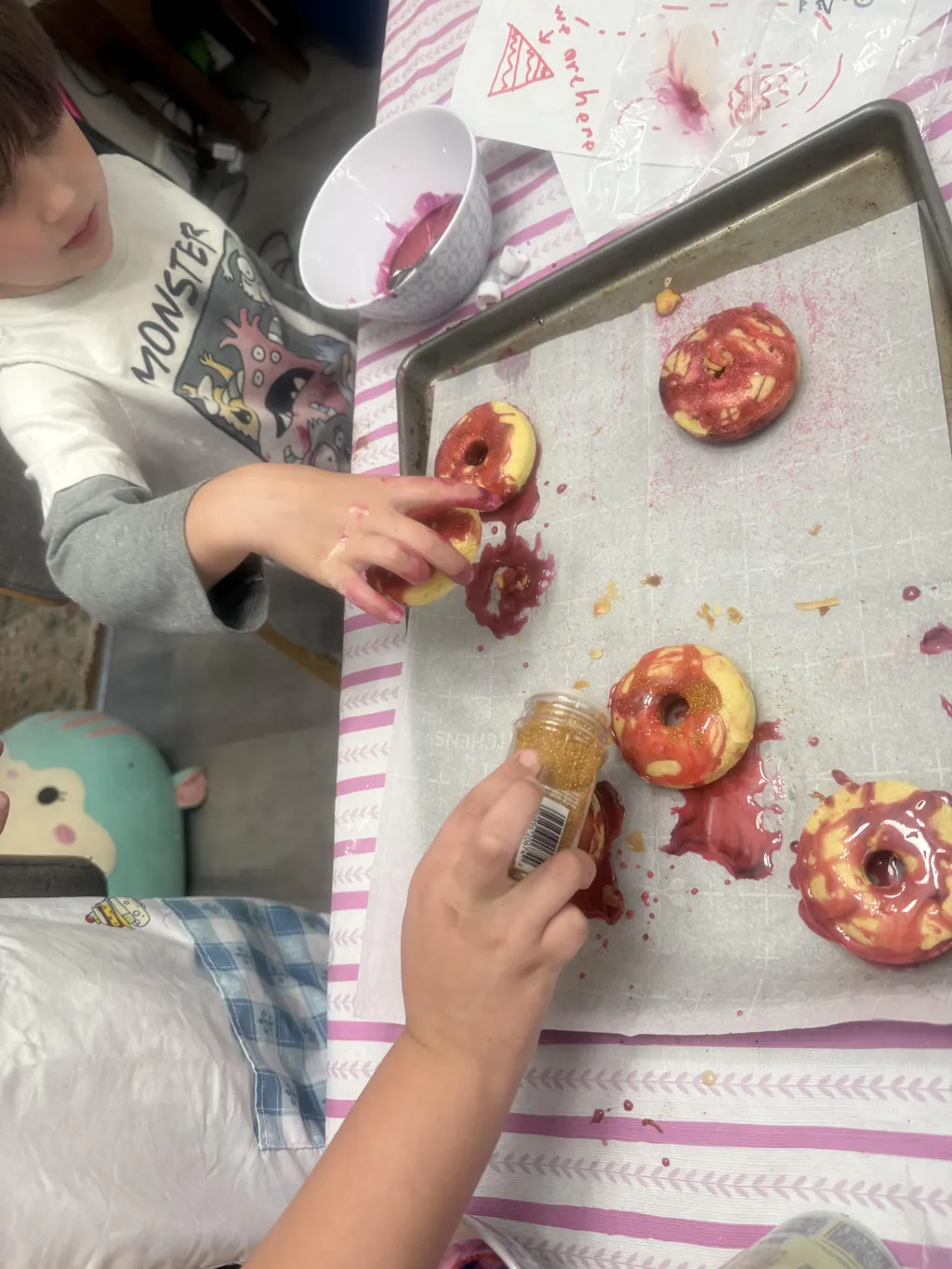
- Edible Solar System with our Galaxy Donut Kit (with adaptations!): Explore astronomy by creating your own edible solar system. Our Galaxy Donut Kit provides a fantastic foundation for baking and decorating, allowing for creative adaptations using allergy-friendly ingredients for the donuts and glazes, making space exploration deliciously safe!
Category 4: Empowering Kids in the Kitchen
The most powerful "snack activity" is involving your child in the process.
- Menu Planning: Let them help choose the snacks for the week, researching allergy-friendly options together.
- Grocery Shopping Detectives: Turn label reading into a game at the grocery store. "Can you find the milk-free yogurt?" "Does this cracker have wheat?"
- Cooking & Baking Assistants: Even young children can help wash fruits, stir ingredients, or use cookie cutters. Older children can take on more responsibility, practicing their measuring and mixing skills. This hands-on experience not only teaches practical skills but also demystifies ingredients, making them more confident about what they're eating. Our kits are designed to make this an effortless, integrated experience.
- Snack Packing Station: Create a designated spot with pre-portioned safe snacks that your child can grab for school or playdates, fostering independence and responsibility.
By embracing these creative ideas and involving your children in the culinary journey, you transform allergy-free snacking from a restriction into an exciting opportunity for learning, creativity, and delicious discovery. These are the life skills and joyful memories that I'm the Chef Too! is dedicated to helping families build. Our mission is to inspire, and we believe every child deserves the chance to be a chef!
Creating a Family Culture of Allergy Awareness and Culinary Exploration
Living with food allergies is a family affair. It extends beyond just preparing safe snacks; it’s about cultivating an environment of understanding, empathy, and positive culinary exploration that benefits everyone. This approach not only keeps the allergic child safe but also fosters a stronger, more supportive family unit.
Educating the Whole Family
For successful allergy management, every member of the household needs to be on board and knowledgeable.
- Age-Appropriate Education: Explain food allergies to siblings and other family members in a way they can understand. Emphasize that it’s not the allergic person’s fault, and it’s important to help keep them safe. Teach them about cross-contamination and why it’s important to wash hands and not share food.
- Empathy and Inclusion: Encourage empathy for the allergic child. Instead of focusing on what they can't eat, celebrate the delicious and safe foods they can enjoy. Make a point of offering allergy-friendly options at family gatherings so no one feels left out. For example, if you're having a birthday party, ensure there's an allergy-safe cupcake for everyone, or at least a special one for the allergic child.
- Shared Responsibility: Frame allergy awareness as a team effort. Everyone has a role to play in ensuring safety, from double-checking labels to preventing cross-contact in the kitchen.
Making It a Positive Experience, Not a Restriction
It’s easy for food allergies to become a source of anxiety or resentment. Shifting the narrative towards creativity and discovery can make a profound difference.
- Focus on Abundance: Instead of dwelling on what’s restricted, explore the vast world of foods that are naturally allergy-friendly or easily adaptable. This opens up new culinary horizons and can introduce your family to exciting new ingredients and cuisines.
- Creative Problem-Solving: View the need for substitutions as a fun challenge. "How can we make this cookie dairy-free and delicious?" This mindset aligns perfectly with the STEM principles we champion at I'm the Chef Too!, where problem-solving is at the heart of discovery.
- "Safe Food" Is Delicious Food: Demonstrate through your cooking that allergy-friendly food is not "lesser" food. Make it tasty, beautiful, and exciting, and your children will be more enthusiastic about it.
Family Bonding Through Shared Cooking Adventures
The kitchen is a powerful space for connection, creativity, and learning. Our mission at I'm the Chef Too! is centered on this very idea: using food as a vehicle for family bonding and educational "edutainment."
- Cooking Together: Involve your children in preparing allergy-friendly meals and snacks. This is more than just meal prep; it's a shared activity that builds communication, teamwork, and precious memories. From measuring ingredients to stirring mixtures, every step is an opportunity to connect.
- Exploring New Recipes: Turn recipe hunting into a family project. Discover new allergy-friendly cookbooks or online resources together. This encourages culinary curiosity and teaches children how to adapt and innovate.
- Celebration of Creation: Celebrate your culinary successes! When you create a delicious, safe snack or meal together, take pride in your teamwork and the skills you've learned. This positive reinforcement encourages continued engagement and a love for cooking.
Key Takeaway:
By embracing allergy awareness as a family journey of learning and creativity, you transform potential challenges into opportunities for growth, bonding, and delicious discoveries. This proactive and positive approach empowers everyone to navigate food allergies with confidence and joy.
Our commitment at I'm the Chef Too! is to facilitate this kind of enriching family experience. We provide the tools and inspiration, making it easier for busy parents to deliver high-quality, screen-free educational fun. Whether you’re experimenting with a one-time kit from our shop or enjoying the continuous discovery of a monthly subscription, we’re here to support your family's culinary and educational journey.
Conclusion
Navigating the world of allergy free snacks for kids can initially feel daunting, but as we've explored, it's a journey rich with opportunities for learning, creativity, and profound family bonding. By understanding the "Big Nine" allergens, mastering label reading, and adopting practical strategies for avoiding cross-contamination, parents can confidently create a safe and inclusive environment for their children.
Beyond safety, we've seen how simple swaps, creative presentations, and active involvement in the kitchen can transform snack time into a joyful culinary adventure. This isn't just about feeding children; it's about empowering them with knowledge, building their confidence, and fostering a lifelong love for learning through the tangible, delicious experiences of cooking. At I'm the Chef Too!, we wholeheartedly believe in this philosophy: that food is a powerful tool for education, sparking curiosity in STEM and the arts, all while bringing families closer together, screen-free.
The journey of allergy-aware eating is a continuous one, but it doesn't have to be a lonely or restrictive path. Instead, it can be a vibrant exploration of new flavors, innovative recipes, and shared moments in the kitchen.
Are you ready to embark on this delicious journey with your family? To spark curiosity, build confidence, and create unforgettable memories, all while exploring the fascinating world where food meets STEM and art?
Make every month an exciting new adventure! Join The Chef's Club today and discover the convenience of a new, unique culinary "edutainment" kit delivered directly to your door with free shipping in the US. With flexible 3, 6, and 12-month pre-paid plans, it’s the perfect way to give the gift of learning that truly lasts, ensuring endless fun, safe, and educational cooking experiences for your child.
FAQ: Allergy Free Snacks for Kids
Q1: What are the "Big Nine" food allergens I should be most aware of for kids' snacks?
The "Big Nine" major food allergens that must be declared on food labels in the U.S. are milk, eggs, fish, crustacean shellfish, tree nuts, peanuts, soy, wheat, and sesame. These account for about 90% of all food allergic reactions. Always check food labels diligently for these ingredients.
Q2: How can I tell if a pre-packaged snack is truly allergy-free for my child?
Always read the full ingredient list first. Then look for a "Contains" statement, which will clearly list any of the Big Nine allergens present. Also, pay attention to advisory statements like "May contain" or "Produced on shared equipment," as these indicate a risk of cross-contamination. If your child has a severe allergy, it's often safest to avoid products with these warnings. Some products also carry third-party certifications (e.g., "Certified Gluten-Free," "Peanut-Free") which can add an extra layer of confidence, but still verify the ingredients.
Q3: My child is allergic to multiple foods. Is it even possible to find safe, convenient snacks?
Absolutely! While it requires more careful planning, many snacks are naturally free from common allergens, such as whole fruits and vegetables. Additionally, a growing number of brands specialize in "free-from" products, catering to multiple allergies simultaneously. Focusing on single-ingredient foods and making snacks at home gives you the most control. Don't forget that building fundamental cooking skills, as taught by our I'm the Chef Too! kits, can empower you to adapt almost any recipe to be safe and delicious!
Q4: What's the difference between a food allergy and a food intolerance?
A food allergy is an immune system response that can be severe and life-threatening, even from trace amounts of the food. Symptoms can include hives, swelling, breathing difficulties, or anaphylaxis. A food intolerance, on the other hand, is a digestive system response, usually less severe and not life-threatening. Symptoms typically involve digestive discomfort like bloating, gas, or diarrhea. For example, lactose intolerance is common, but it's not a milk allergy.
Q5: What are some good alternatives to peanut butter for nut-free schools?
Sunflower seed butter (like SunButter) is a popular and delicious alternative that is widely available and free from peanuts and most tree nuts. You can also use tahini-free hummus, cream cheese (if dairy is safe), or even mashed avocado as spreads for sandwiches, rice cakes, or celery sticks.
Q6: How can I prevent cross-contamination in my home kitchen?
To minimize cross-contamination, designate separate cutting boards and utensils for allergy-safe food preparation. Store allergen-free foods on separate shelves or in clearly labeled containers away from allergenic foods. Implement strict handwashing rules for everyone in the household, especially before and after handling any food. Cleaning surfaces thoroughly with soap and water after preparing allergenic foods is also crucial.
Q7: My child is a picky eater, and now with allergies, it's even harder. How can I encourage them to try new allergy-free snacks?
Patience, positive reinforcement, and creative presentation are key! Involve your child in the process of choosing and preparing snacks. Use fun cookie cutters, arrange foods into appealing shapes, or turn snack time into a game. Offer new foods alongside familiar favorites. Our I'm the Chef Too! kits are designed to make food fun and engaging, helping children develop a positive relationship with cooking and eating, which can naturally encourage them to try new things in a safe and exciting context.
Q8: What should I do if my child has an allergic reaction to a snack?
If your child experiences symptoms of an allergic reaction, administer any prescribed emergency medication (like an epinephrine auto-injector) immediately if the reaction is severe. Call emergency services (911 in the U.S.) even if the symptoms improve after medication. For milder reactions, contact your child's allergist or doctor for guidance. Always have a written allergy action plan from your doctor readily accessible.
Q9: Are there any specific I'm the Chef Too! kits that are particularly good for allergy-conscious families?
While our kits are not exclusively "allergy-free" by default due to diverse ingredient needs, they are fantastic for teaching the foundational culinary skills that empower families to adapt recipes. Kits like our Erupting Volcano Cakes kit or Galaxy Donut Kit teach baking and science principles, and with adult supervision, many ingredients (like milk, eggs, or flour) can be swapped with appropriate allergy-friendly alternatives. This teaches children adaptability and ingredient awareness, crucial skills for managing allergies creatively and safely.