Table of Contents
- The Unsung Hero: Why Iron is Vital for Our Little Ones
- Heme vs. Non-Heme: Decoding Iron Sources
- Daily Iron Needs: A Guide for Different Ages
- Deliciously Disguised: Iron-Rich Snacks for Every Child
- Iron-Rich Powerhouse Snacks: Practical Ideas & Recipes
- Creative Kitchen Adventures with I'm the Chef Too!
- Iron Hacks for Busy Parents: Making it Easy
- When to Talk to Your Pediatrician
- Conclusion
- FAQ
Ever found yourself staring into the pantry, wondering if your little one is truly getting all the nutrients they need, especially iron? It's a common concern for parents, particularly as our children grow at incredible speeds, their bodies and minds demanding a constant supply of essential building blocks. From their very first steps to their blossoming curiosity, iron plays an unsung but incredibly vital role in powering their adventures. But how do we ensure our picky eaters, our energetic toddlers, or our busy school-aged children actually consume enough of this critical mineral?
At I'm the Chef Too!, we understand that nourishing our children goes beyond simply serving food; it's about sparking joy, curiosity, and a love for learning – often right in the kitchen. We believe that incorporating essential nutrients like iron can be a fun, engaging, and delicious part of this journey. Our mission is to blend food, STEM, and the arts into one-of-a-kind "edutainment" experiences, making even complex nutritional needs feel approachable and exciting for families.
This comprehensive guide will dive deep into the world of iron for kids. We'll explore why this mineral is so crucial for development, demystify the different types of iron, outline daily requirements for various age groups, and, most importantly, provide a treasure trove of practical, delicious, and easy-to-make snacks high in iron for kids of all ages. Get ready to transform your kitchen into a hub of nutritional discovery, where every bite is a step towards healthier, happier growth.
The Unsung Hero: Why Iron is Vital for Our Little Ones
Imagine a tiny, invisible workforce inside your child’s body, tirelessly delivering oxygen to every cell, fueling their boundless energy, sharp minds, and strong immune systems. That workforce is largely dependent on iron. This essential mineral is far more than just a number on a nutrition label; it's a cornerstone of healthy childhood development.
What Exactly Is Iron?
Simply put, iron is a mineral that our bodies need for many crucial functions. Its most famous role is in creating hemoglobin, a protein found in red blood cells. Think of hemoglobin as the ultimate oxygen delivery truck, picking up oxygen from the lungs and transporting it to every corner of the body – muscles, brain, organs, everywhere! Without enough iron, this delivery system breaks down, and oxygen struggles to reach where it needs to go.
Beyond oxygen transport, iron is also essential for:
- Energy Production: It plays a key part in metabolism, helping convert the food your child eats into usable energy.
- Brain Development: Especially critical in early childhood, iron supports cognitive function, learning, and memory.
- Immune System Strength: A healthy supply of iron helps the body fight off infections, keeping those sniffles and coughs at bay.
- Growth: Iron is fundamental for normal cell growth and differentiation, meaning it's literally building your child from the inside out.
Why Babies, Toddlers, and Kids Need It
From the moment they're born, and even before, iron is vital. Newborns typically arrive with a store of iron built up during the last few months of pregnancy. This supply usually lasts them for their first 4 to 6 months. After this period, their rapidly growing bodies need an external source. This is precisely why introducing iron-rich solid foods around 6 months of age is so important.
As babies transition into active toddlers and curious older children, their iron needs remain high. They're not just growing physically; their brains are developing at an incredible pace, and their immune systems are constantly battling new exposures. Adequate iron intake supports their endless energy for play, their focus in learning, and their overall resilience. It’s about more than just preventing deficiency; it’s about optimizing their potential.
Understanding Iron Deficiency and Its Impact
When a child doesn't get enough iron, their body can't produce enough healthy red blood cells, leading to a condition called iron deficiency. If severe enough, it progresses to iron deficiency anemia. This is the most common nutritional deficiency worldwide, and its effects on children can be significant, sometimes subtle, but always impactful.
Symptoms of iron deficiency in children can include:
- Fatigue and Lack of Energy: Your child might seem unusually tired, listless, or less enthusiastic about play.
- Pale Skin: Especially noticeable around the eyelids, nails, and inside the mouth.
- Irritability or Fussiness: Changes in mood or increased crankiness.
- Cold Hands and Feet: Poor circulation due to inadequate oxygen transport.
- Slowed Growth and Development: Iron deficiency can affect overall physical and cognitive development.
- Poor Appetite: A frustrating symptom that can perpetuate the problem.
- Frequent Infections: A weakened immune system can mean more colds and illnesses.
- Unusual Cravings (Pica): A rare but notable symptom where children crave non-food items like dirt or ice.
Recognizing these signs is important, but preventing them through a diet rich in iron is our primary goal. And this is where our philosophy at I'm the Chef Too! comes in handy – turning nutritious eating into an exciting discovery.
Heme vs. Non-Heme: Decoding Iron Sources
Navigating the world of iron-rich foods can sometimes feel like learning a new language. You might hear terms like "heme" and "non-heme" iron. Understanding the difference between these two types is key to maximizing iron absorption in your child's diet.
Explanation of Heme Iron
Heme iron is the superstar of iron absorption. It comes directly from hemoglobin and myoglobin in animal proteins. This type of iron is highly bioavailable, meaning the body can absorb and utilize it much more efficiently than non-heme iron – sometimes up to three times better!
Sources of heme iron include:
- Red Meats: Beef, lamb, venison, lean pork.
- Poultry: Chicken, turkey (especially dark meat).
- Seafood: Fish like salmon and tuna, shellfish like clams, oysters, and shrimp.
Incorporating these foods into your child's diet, even in small, kid-friendly portions, can make a significant impact on their iron intake.
Explanation of Non-Heme Iron
Non-heme iron is found in plant-based foods, as well as eggs and iron-fortified products. While it's still an important source of iron, its absorption rate is lower and can be influenced by various dietary factors.
Sources of non-heme iron include:
- Legumes: Beans (kidney, black, cannellini), lentils, peas, chickpeas.
- Nuts and Seeds: Almonds, cashews, pumpkin seeds, sesame seeds, flax seeds, nut butters.
- Dark Leafy Greens: Spinach, kale, collard greens.
- Cruciferous Vegetables: Broccoli, Brussels sprouts, cabbage.
- Dried Fruits: Raisins, apricots, prunes, dates (in moderation due to sugar content).
- Fortified Grains: Iron-fortified cereals, breads, pasta, oatmeal.
- Tofu and Tempeh: Excellent plant-based protein and iron sources.
- Eggs: A good source of non-heme iron.
For vegetarian or vegan families, understanding non-heme iron and how to optimize its absorption is even more critical.
The Vitamin C Connection: Boosting Non-Heme Absorption
Here's a fantastic hack for maximizing non-heme iron intake: pair it with vitamin C! Vitamin C acts like a powerful little helper, transforming non-heme iron into a form that's much easier for the body to absorb. This can increase absorption by up to six times! This synergy is why we love blending nutrition with practical kitchen science here at I'm the Chef Too!.
Foods high in vitamin C include:
- Citrus Fruits: Oranges, grapefruits, kiwi, lemons, strawberries.
- Bell Peppers: Especially red and yellow.
- Broccoli and Cauliflower.
- Tomatoes and Tomato Juice.
- Melons: Cantaloupe, watermelon.
- Berries: Blueberries, raspberries.
- Cabbage and Brussels Sprouts.
Good Combinations for Kids:
- Oatmeal (fortified non-heme iron) with strawberries (vitamin C).
- Hummus (non-heme iron from chickpeas) with bell pepper strips (vitamin C).
- Spinach (non-heme iron) blended into a smoothie with orange juice (vitamin C).
- Lentil soup (non-heme iron) served with a small glass of orange juice.
- Fortified pasta with a tomato-based sauce (vitamin C).
Iron Inhibitors: What to Watch Out For
While we want to maximize iron absorption, it's also good to be aware of certain compounds that can inhibit it, particularly with non-heme iron.
- Phytates: Found in whole grains, legumes, nuts, and seeds. Phytates can bind to non-heme iron and reduce its absorption. However, methods like soaking, sprouting, or cooking these foods can reduce phytate levels. Plus, as we discussed, pairing them with vitamin C largely counteracts this effect. For most kids eating a varied diet, phytates aren't a major concern.
- Calcium: Calcium can inhibit the absorption of both heme and non-heme iron. This is why there's often concern about serving milk with iron-fortified cereal. However, research suggests that the calcium from dairy products, when consumed as part of a whole diet, has little overall effect on iron absorption. The bigger concern with milk is that it can be very filling, displacing iron-rich foods from a child's diet. For children over 12 months, cow's milk should be limited to no more than 2-3 cups (about 500-750mL) per day to ensure they have enough appetite for other nutrient-dense foods. If you're looking for an alternative for enriching your child's diet with fun and learning beyond daily meals, remember to explore our engaging Chef's Club subscription for monthly culinary adventures!
The takeaway? Don't stress too much about inhibitors in isolation. Focus on variety, balanced meals, and the powerful vitamin C pairing.
Daily Iron Needs: A Guide for Different Ages
Understanding how much iron your child needs daily is crucial, as these requirements change significantly with age, particularly during rapid growth phases. It's truly impressive how much iron tiny bodies demand!
Here’s a general guide to daily iron requirements for children:
- Birth – 6 months: Approximately 0.27 mg per day. At this stage, babies typically rely on their iron stores from birth and the iron found in breast milk or iron-fortified formula.
- 7 – 12 months: A significant jump to 11 mg per day. This is a crucial period for introducing iron-rich solid foods, as their initial iron stores are depleting. It's more iron than even many young adults need!
- 1 – 3 years (Toddlers): Around 7 mg per day. While slightly less than the 7-12 month range, this is still a substantial amount for their small stomachs.
- 4 – 8 years (Preschool & Early School Age): About 10 mg per day. As their activity levels increase and their bodies continue to grow, consistent iron intake is vital.
- 9 – 13 years (Pre-teens): Approximately 8 mg per day. Growth spurts often begin around this age, increasing nutrient demands.
- 14 – 18 years (Teens): Females need about 15 mg per day, while males need about 11 mg per day. Adolescent growth spurts and, for females, the onset of menstruation, significantly increase iron requirements.
It’s important to remember these are daily targets. It’s not about hitting the exact number every single day, but rather offering a variety of iron-rich foods consistently across meals and snacks. Our goal at I'm the Chef Too! is to make this process enjoyable and educational, fostering healthy habits that last a lifetime. For a continuous stream of creative ways to engage your child in the kitchen and explore diverse ingredients, consider joining The Chef's Club subscription. Each month, a new adventure arrives, making nutrition a hands-on delight!
Deliciously Disguised: Iron-Rich Snacks for Every Child
Making sure kids get enough iron doesn't have to be a battle. The key is creativity, consistency, and making food fun! Here, we'll break down age-appropriate snack ideas, focusing on how to integrate iron into their daily bites.
For Babies (6-12 months): First Bites of Iron
When babies start solids, every spoonful counts. Focus on soft textures, single ingredients initially, and pairing non-heme iron with vitamin C.
- Iron-Fortified Infant Cereal with Fruit Puree: This classic first food is a powerhouse. Mix iron-fortified rice or oat cereal with a puree of vitamin C-rich fruits like peaches, mangoes, or strawberries.
- Pureed Meats: Introduce pureed beef, chicken, or turkey. These are excellent sources of heme iron. Start with very small amounts mixed with breast milk or formula.
- Mashed Beans or Lentils: Soft-cooked and mashed black beans, kidney beans, or lentils. Mix with a little pureed bell pepper or tomato for vitamin C.
- Egg Yolk (Mashed): A great source of non-heme iron. Mash with a little breast milk/formula or avocado.
- Pureed Spinach or Kale (with fruit): Blend cooked spinach or kale into a fruit puree (like apple or pear) to make it palatable and benefit from the vitamin C.
For Toddlers (1-3 years): Exploring Textures and Tastes
Toddlers are all about exploration, and their palates are developing. They need finger foods that are safe (avoid choking hazards!) and offer a range of textures.
- Mini Meatballs or Meat Patties: Made from ground beef or turkey, these are perfect bite-sized heme iron sources. Serve with a little tomato sauce for added vitamin C.
- Hummus with Veggie Sticks or Whole-Grain Pita: Chickpeas are rich in non-heme iron. Pair with bell pepper strips, cucumber, or even small broccoli florets (cooked soft) for vitamin C.
- Nut Butter on Apple Slices or Whole-Wheat Toast: Peanut butter or almond butter (smooth, thin layer) on thinly sliced apples (vitamin C) or fortified whole-wheat bread. Remember to spread thinly to avoid choking hazards.
- Fortified Cereal with Berries: A handful of Cheerios or other iron-fortified dry cereal with sliced strawberries or blueberries.
- Baked Beans (Low-Sodium): A surprisingly popular non-heme iron snack. Offer a small portion with a side of diced tomatoes.
- Hard-Boiled Egg Halves: Cut into quarters or small pieces for safe eating.
- Sardines (Canned in Water) on Crackers: A heme iron superstar, mashed and served on a whole-grain cracker. Surprisingly tasty for some toddlers!
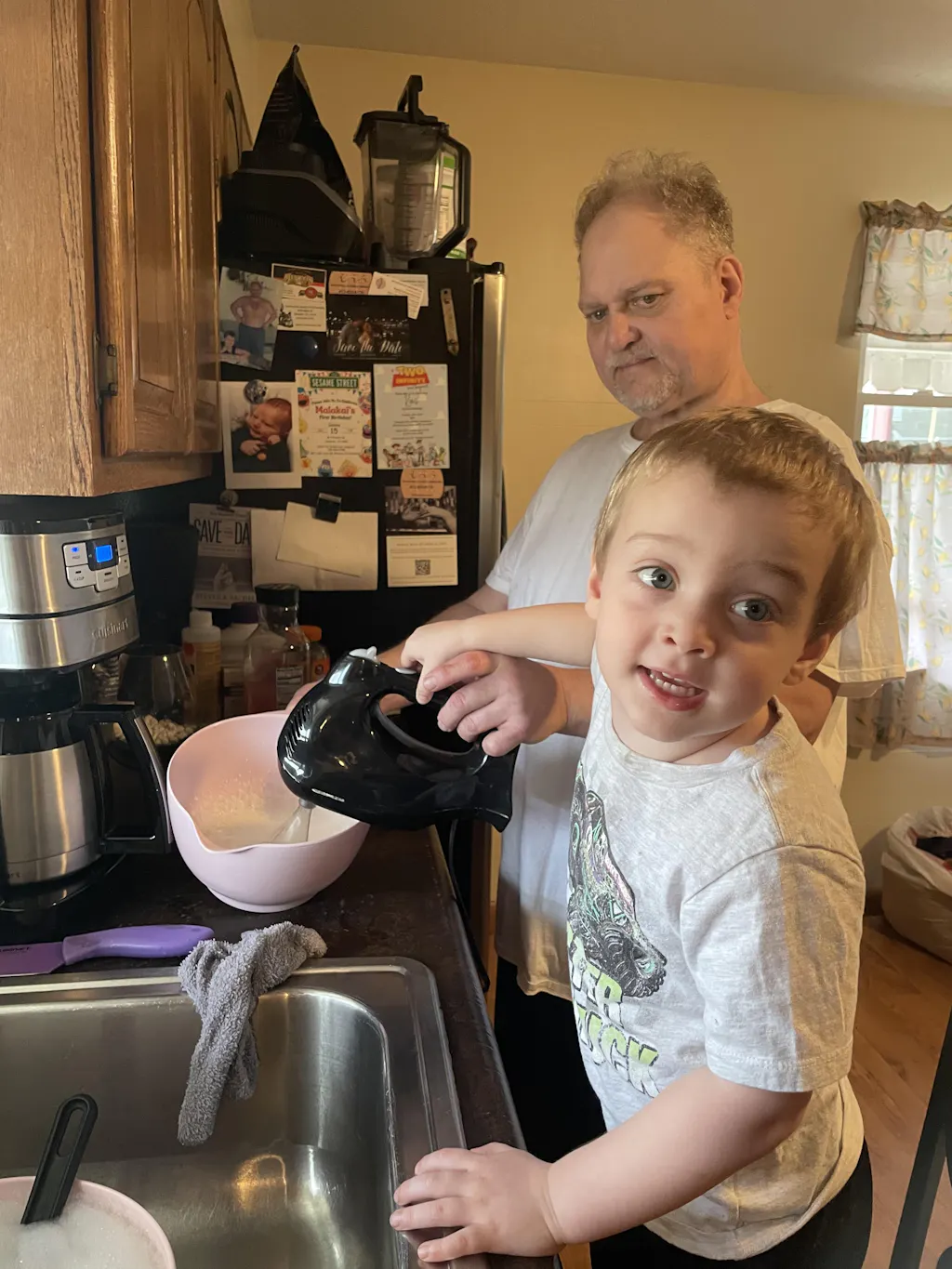
At I'm the Chef Too!, we encourage families to involve their toddlers in simple kitchen tasks, like stirring ingredients or adding pre-measured items. This hands-on involvement not only builds fine motor skills but also makes them more likely to try the foods they helped create. Imagine them helping you measure ingredients for delicious, iron-packed muffins, fostering a love for culinary science early on!
For Older Kids (4+ years): Beyond the Basics
Older kids are often more adventurous eaters, but they still need delicious and convenient iron-rich options to fuel their busy days.
- Smoothie Power-Up: Blend spinach (you won't taste it!), berries (vitamin C), a scoop of nut butter, and a fortified milk alternative or yogurt. A quick, delicious, and iron-packed drink.
- Roasted Chickpeas: Toss chickpeas with a little olive oil and spices, then roast until crispy. A crunchy, savory, non-heme iron snack that kids love. Pair with some carrot sticks for vitamin C.
- Trail Mix: A homemade mix of fortified cereal, pumpkin seeds, almonds (if age-appropriate and no allergies), and a few dried apricots or raisins. Remember to supervise for choking hazards with younger children.
- Lentil "Meatballs" or Mini Burgers: A vegetarian twist on a classic, these can be made ahead and reheated for a quick snack. Serve with ketchup (tomatoes for vitamin C).
- Orange Chocolate Date Balls: Blend dates, cocoa powder, a handful of spinach (seriously, you won't taste it!), and a splash of orange juice. Roll into balls for a sweet treat with hidden iron and vitamin C.
- Edamame Pods (Steamed): Fun to pop open and a good source of non-heme iron and protein.
- Leftover Dinner Boosters: Don't forget that many dinner foods can be great snacks! A small portion of spaghetti with meat sauce, chili with beans, or chicken and veggie stir-fry.
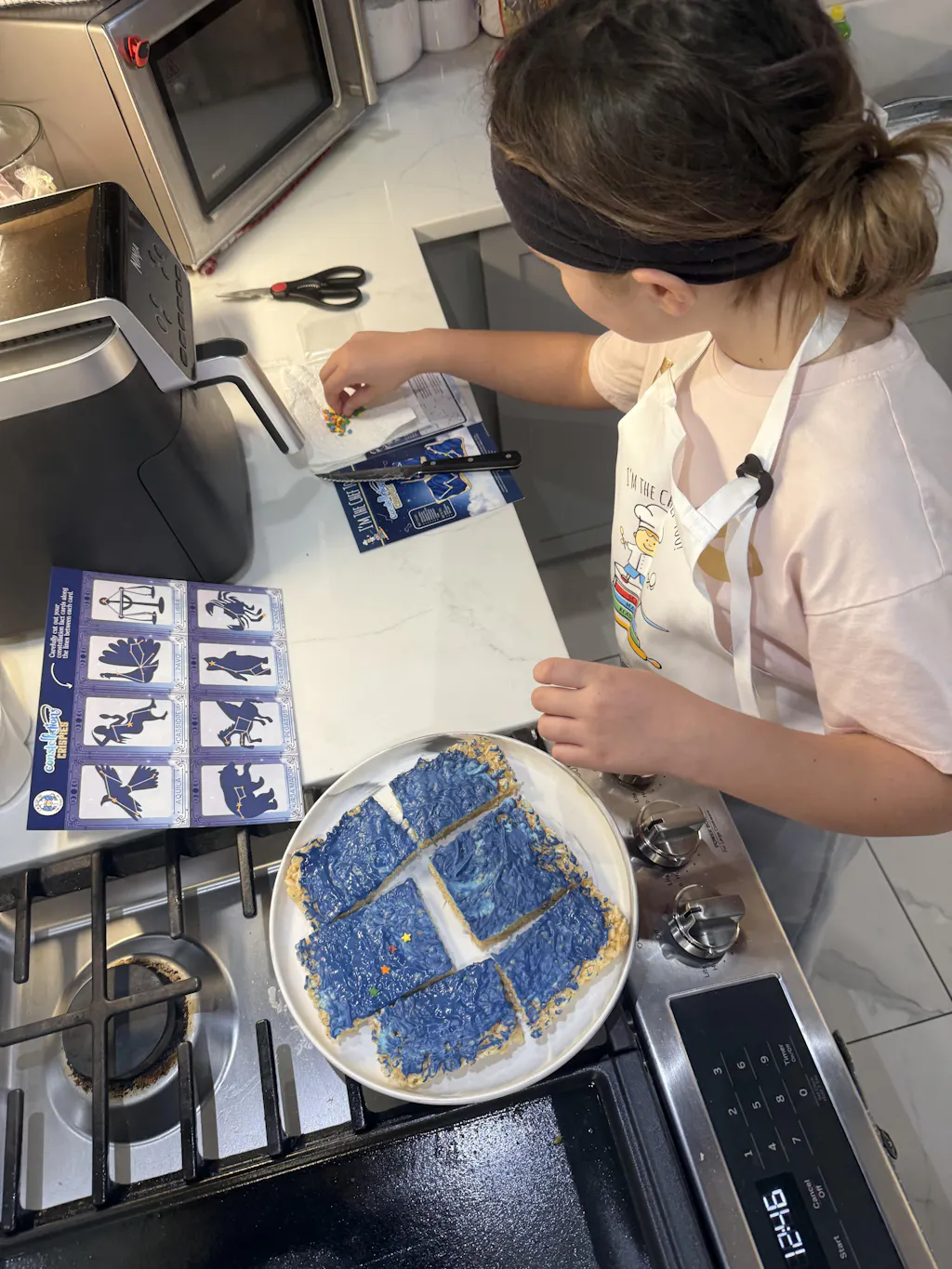
These snack ideas aren't just about nutrition; they're about engagement. Imagine your child proudly making their own "galaxy donuts" with iron-fortified sprinkles! Our Galaxy Donut Kit provides all the ingredients and instructions to create stunning, out-of-this-world treats, and you can easily add iron-rich toppings like sesame seeds or finely chopped dried apricots to boost the nutritional value. It's a fantastic way to explore astronomy while also getting a little nutritional boost.
Iron-Rich Powerhouse Snacks: Practical Ideas & Recipes
Now that we understand the types of iron and age-appropriate options, let's dive into some specific, actionable snack ideas. Remember the "Vitamin C Connection" for non-heme iron – it’s a game-changer!
Animal-Based Options (Heme Iron Superstars)
These snacks offer the most readily absorbed form of iron, making them highly efficient.
- Mini Meatball Skewers: Cook small meatballs (ground beef or turkey) and thread them onto short skewers with cherry tomatoes and mozzarella balls for an appealing and easy-to-eat snack. The tomatoes add a vitamin C boost!
- Tuna or Salmon Salad Bites: Mix canned tuna or salmon (packed in water) with a little mashed avocado or Greek yogurt, and serve on whole-grain crackers or cucumber slices. Fish is a great source of heme iron, and avocado provides healthy fats.
- Chicken and Veggie Patties: Finely chop cooked chicken (dark meat has more iron), mix with shredded carrots, spinach, and an egg, form into small patties, and pan-fry. Serve with a side of bell pepper strips.
- Lean Beef Strips (slow-cooked): For older kids, thinly sliced, slow-cooked beef can be a tender and delicious snack. Pair with orange segments.
Plant-Based Options (Non-Heme Iron Champions – Always Pair with Vitamin C!)
These options are fantastic for vegetarian families or simply for adding variety to any diet. The key is that powerful vitamin C pairing!
- Fortified Cereal and Berry Parfait: Layer iron-fortified whole-grain cereal (like Cheerios or shredded wheat), plain yogurt, and fresh berries (strawberries, blueberries, raspberries) for a delicious and iron-boosting treat.
- Hummus and Dippers: Serve creamy hummus (made from iron-rich chickpeas) with a colorful array of dippers like red and yellow bell pepper strips, broccoli florets, or carrot sticks.
- Nut Butter "Ants on a Log": Spread a thin layer of peanut butter or almond butter on celery sticks, then top with raisins (non-heme iron). Remember to spread nut butter thinly and supervise young children.
- Lentil Sloppy Joe Sliders: Cook lentils in a savory tomato-based sauce, then serve small portions on whole-grain slider buns. The tomato sauce provides the essential vitamin C.
- Pumpkin Seed Trail Mix: Create a custom trail mix with pumpkin seeds (iron), fortified cereal, and dried apricots (iron). Add some dark chocolate chips for a treat, and a handful of orange zest for extra vitamin C power!
- Spinach and Fruit Smoothies: Don't let the green color deter you! Blend a handful of fresh spinach with banana, mango, and orange juice. The fruit sweetness and vitamin C completely mask the spinach flavor, making it a powerful iron and vitamin C punch.
- Baked Sweet Potato Fries with Dip: Sweet potatoes offer some non-heme iron. Cut into fries, bake, and serve with a bean-based dip (like black bean dip) for extra iron, and a side of salsa (vitamin C).
- "Cheesy" Broccoli Bites: Steam broccoli florets until tender-crisp. Serve with a sprinkle of nutritional yeast (which can add a cheesy flavor) and a squeeze of lemon juice (vitamin C). Broccoli itself contains both iron and vitamin C!
- Homemade Black Bean Brownies: While technically a dessert, black beans are packed with iron. You can find recipes that incorporate pureed black beans into brownies for a stealthy iron boost. Serve with a few fresh raspberries for vitamin C.
- Fortified Whole Wheat Pancakes or Waffles: Whip up a batch using iron-fortified flour or infant cereal. Top with sliced bananas, a drizzle of nut butter, and a side of fresh orange slices. This turns a breakfast favorite into an iron-packed snack!
Making these snacks doesn't have to be a chore. In fact, it can be a fantastic opportunity for family bonding and hands-on learning, which is at the heart of what we do at I'm the Chef Too! Our kits are designed to turn your kitchen into a science lab or an art studio, making every cooking session an adventure.
Creative Kitchen Adventures with I'm the Chef Too!
At I'm the Chef Too!, our mission is deeply rooted in the belief that learning should be an exciting journey, not a rigid task. We seamlessly blend food, STEM, and the arts into one-of-a-kind "edutainment" experiences, transforming your kitchen into a classroom where curiosity and creativity can truly flourish. When we talk about snacks high in iron for kids, we're not just thinking about ingredients; we're thinking about the entire process – from discovery to creation to delicious consumption.
Our unique approach involves teaching complex subjects through tangible, hands-on, and utterly delicious cooking adventures. Developed by mothers and educators, our kits provide a screen-free educational alternative that promotes family bonding and sparks a lifelong love for learning. While we empower children to become confident little chefs, we also subtly introduce them to the science of ingredients and the art of healthy eating.
Think about how our kits can subtly encourage healthier eating habits and expose children to new ingredients, even those that are iron-rich. For instance, when children are engaged in a project that involves mixing, measuring, and decorating, they are far more likely to try the final product, regardless of the ingredients. This curiosity is a powerful tool in introducing foods they might otherwise shy away from.
Consider the excitement of a chemical reaction that makes our Erupting Volcano Cakes bubble over with deliciousness. While the kit provides the core ingredients, imagine taking the opportunity to discuss how even everyday foods contribute to our health. Perhaps you can suggest adding a pinch of iron-fortified cereal to the cake batter (it won't affect the taste!) or serving the cake with a side of berries (vitamin C!) to talk about healthy pairings. It transforms a fun baking activity into a subtle nutrition lesson.
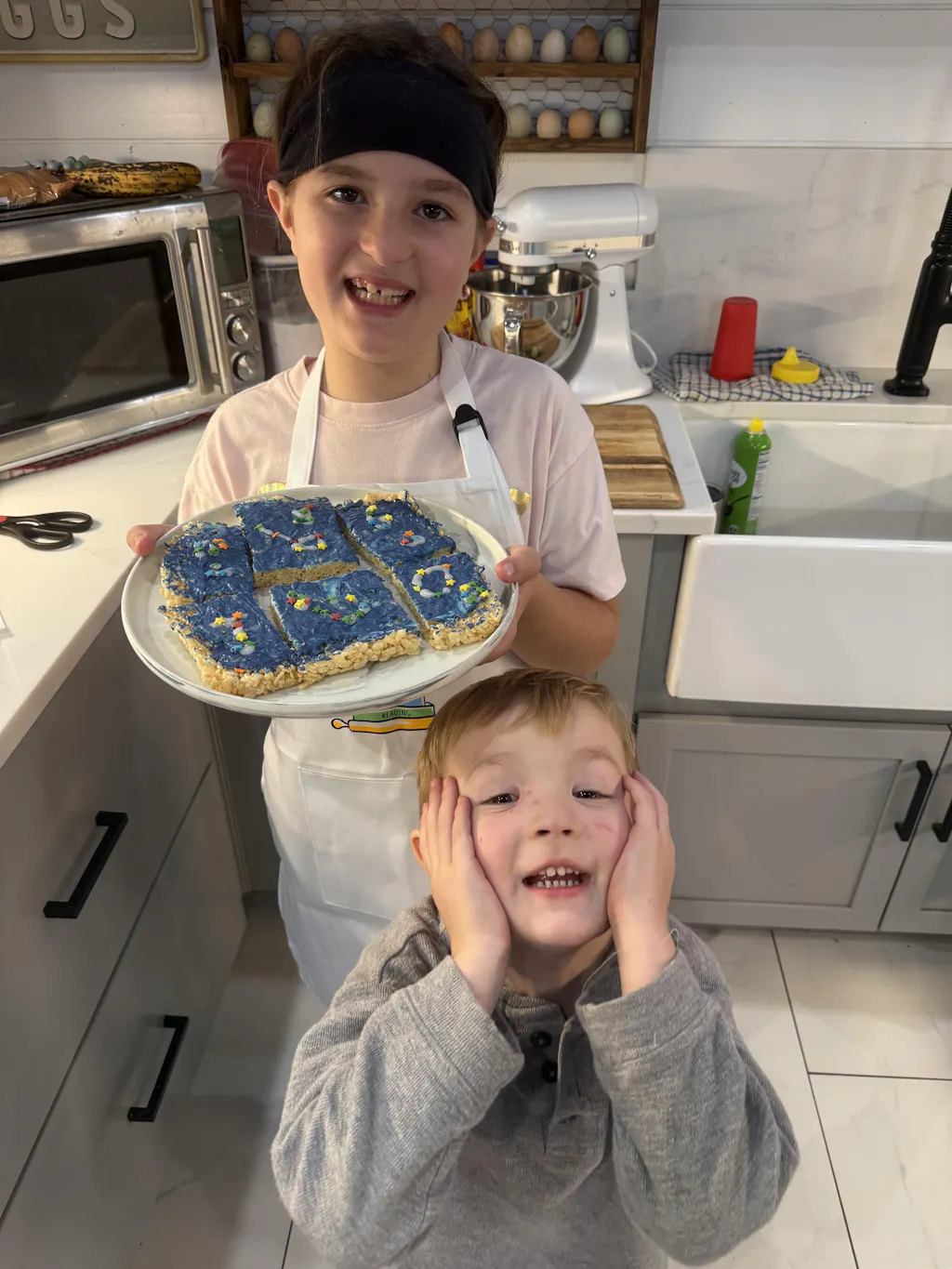
Similarly, our Galaxy Donut Kit invites children to explore astronomy by creating their own edible solar system. As they decorate, you can encourage them to use iron-rich toppings like sesame seeds, pumpkin seeds, or finely chopped dried apricots as "stars" or "planets." It’s an imaginative way to introduce new textures and flavors while boosting that essential iron intake. These playful additions become part of the adventure, not a chore.
We design our kits to foster a love for learning, build confidence, develop key skills, and create joyful family memories. These experiences naturally encourage children to be more adventurous with food, making the journey to incorporate snacks high in iron for kids a collaborative and exciting one.
Ready to embark on a new culinary adventure every month and discover how fun and educational cooking can be? Join The Chef's Club subscription and enjoy free shipping on every box. It’s the perfect way to bring continuous edutainment right to your doorstep, making healthy eating and STEM learning a joyful part of your family's routine.
Iron Hacks for Busy Parents: Making it Easy
Life with kids is a beautiful whirlwind, and finding time to meticulously plan every meal and snack can feel like an Olympic sport. But ensuring your child gets enough iron doesn't have to add more stress to your plate. Here are some "iron hacks" for busy parents, designed to make healthy eating both convenient and enjoyable.
- Batch Cooking is Your Best Friend: Dedicate a short block of time on a weekend to prepare iron-rich components you can use throughout the week. Cook a large batch of lentils or black beans to add to tacos, soups, or even purees. Make a big pot of chili with beans and ground meat, then portion it out for quick snacks or easy dinners. Bake a tray of mini meatloaf muffins or chicken patties. This foresight significantly cuts down on daily cooking time.
- Fortified Foods as Convenient Boosters: Don't underestimate the power of fortified cereals, breads, and pasta. They are specifically designed to help meet nutritional gaps. A bowl of fortified oatmeal with some berries or a sandwich on iron-fortified bread can be a quick and easy way to boost iron intake. Look for labels that clearly state "iron-fortified" or show a high percentage of daily value for iron.
- The Freezer is Your Ally: Many iron-rich snacks freeze beautifully. Make a double batch of those black bean brownies, lentil meatballs, or spinach-packed muffins, and freeze individual portions. Thaw as needed for a convenient, nutritious snack on demand.
- Keep It Simple and Visible: Have pre-cut bell pepper strips, grapes (cut lengthwise for safety), and small bowls of hummus or nut butter readily available in the fridge. When kids see healthy options, they're more likely to grab them. A clear snack drawer or shelf can be a game-changer.
- Think Beyond the Plate (and Spoon): Iron-rich foods don't always have to be eaten in traditional ways. Offer a "snack board" with small portions of different iron-rich foods for grazing. A mini charcuterie board with cheese, a few slices of turkey, some pumpkin seeds, and a handful of berries can be an exciting way to present iron.
- Consistency, Not Perfection: It’s okay if every snack isn’t perfectly balanced or if your child doesn’t eat a large quantity every time. The goal is consistent exposure and a variety of iron-rich foods over the course of a week. Focus on making incremental changes rather than striving for unattainable perfection.
- Involve Your Kids in the Process: This is where I'm the Chef Too! truly shines! Children are much more invested in eating foods they helped prepare. Even simple tasks like washing vegetables, stirring ingredients, or arranging snacks on a plate can make a huge difference. Our unique approach of teaching complex subjects through tangible, hands-on cooking adventures makes this involvement natural and fun. From choosing ingredients to the final taste test, every step is a learning opportunity.
If you're not quite ready for a monthly subscription but want to try out our unique blend of STEM and culinary fun, you can always browse our complete collection of one-time kits. Discover a theme that sparks your child's interest and kickstart your journey of delicious learning! These individual kits offer a taste of the magic we create, helping you build confidence in the kitchen and in nurturing adventurous eaters.
When to Talk to Your Pediatrician
While diet is the primary way to ensure your child gets enough iron, there are times when it’s essential to consult with a healthcare professional. Recognizing the signs of iron deficiency and understanding when medical intervention might be necessary is an important part of responsible parenting.
Signs of Deficiency
If you observe any of the persistent symptoms mentioned earlier – such as unusual fatigue, pale skin, frequent infections, irritability, cold hands/feet, or poor appetite – it's a good idea to bring these concerns to your child's pediatrician. They can perform a simple blood test to check your child’s iron levels and diagnose iron deficiency or anemia. Early detection and intervention are key to preventing more serious developmental impacts.
Supplements: When and Why, Always Doctor-Directed
For most healthy children consuming a varied, iron-rich diet, supplements are not necessary. However, certain factors can increase a child’s risk of iron deficiency, making supplementation a consideration:
- Premature birth or low birth weight: These babies may have lower iron stores from birth.
- Exclusive breastfeeding beyond 6 months without iron-rich solids: Breast milk is not a good source of iron after initial stores deplete.
- High cow's milk intake in toddlers: As discussed, too much milk can displace iron-rich foods and inhibit absorption.
- Vegetarian or vegan diets that are not carefully planned: While achievable, these diets require intentional iron and vitamin C pairing.
- Certain medical conditions: Conditions that affect nutrient absorption or cause blood loss.
It is crucial that iron supplements are only given under the direction of a pediatrician or dietitian. Iron can be toxic in high doses, and overdosing from supplements is a serious risk. Pediatricians can recommend the appropriate dosage and type of supplement (e.g., iron drops for infants, chewable tablets for older children) based on your child's specific needs and iron levels.
Avoiding Too Much Iron from Supplements
While iron deficiency is a concern, getting too much iron from supplements can also be harmful. This is especially true for young children who might be attracted to flavored chewable vitamins. Always store iron supplements and multivitamins containing iron out of reach of children, treating them like medication, not candy. Iron toxicity can lead to severe health issues, including stomach pain, nausea, vomiting, and in severe cases, organ damage.
When you partner with us at I'm the Chef Too!, we aim to equip you with the knowledge and tools to provide a nutrient-rich diet through engaging, educational experiences. We focus on fostering a love for healthy foods and the joy of creating in the kitchen, making snacks high in iron for kids a natural and delicious part of their growth. This approach reduces the reliance on supplements by building strong dietary habits from a young age, aligning with our commitment to sparking curiosity and creativity through wholesome, hands-on learning.
Conclusion
Ensuring our children receive adequate nutrition, especially essential minerals like iron, is a cornerstone of their healthy development. From fueling their vibrant energy to supporting their rapidly growing brains and robust immune systems, iron truly is an unsung hero in childhood. We've explored why iron is so vital, delved into the differences between heme and non-heme sources, and learned how the magic of vitamin C can significantly boost absorption. Most importantly, we've armed you with a treasure trove of practical, delicious, and age-appropriate snacks high in iron for kids – proving that healthy eating can indeed be an exciting adventure.
Remember, the journey of nourishing your child is less about perfection and more about consistency, creativity, and connection. By involving your children in the cooking process, transforming meal preparation into an engaging activity, and embracing the "edutainment" philosophy, you’re not just feeding their bodies; you’re nurturing their minds and spirits. These hands-on culinary experiences, like those offered by I'm the Chef Too!, lay the groundwork for lifelong healthy habits and a joyful relationship with food.
So, go ahead, get messy in the kitchen, experiment with new ingredients, and celebrate every delicious, iron-rich bite! Your child's growth, curiosity, and boundless energy are the most rewarding outcomes of these efforts.
Ready to infuse more learning and laughter into your kitchen routine? Make healthy eating an exciting family tradition with I'm the Chef Too! Join The Chef's Club subscription today and receive a new, unique STEM cooking kit delivered right to your door every month. It’s the perfect way to spark curiosity, facilitate family bonding, and provide a screen-free educational alternative that everyone will love!
FAQ
Q1: What are the best iron-rich snacks for picky eaters?
A1: For picky eaters, disguise iron in foods they already love. Good options include iron-fortified breakfast cereals mixed with berries, baked beans (low sodium), nut butters spread thinly on fortified toast or apple slices (ensure no allergies and spread thinly for safety), mini meatballs or burgers, and smoothies with hidden spinach and fruit. Iron-fortified bread used for sandwiches can also be a discreet way to add iron.
Q2: How can I increase iron absorption from plant-based foods?
A2: The most effective way to boost non-heme iron (from plant sources, eggs, fortified foods) absorption is to pair it with foods rich in vitamin C. For example, serve hummus with bell pepper strips, oatmeal with strawberries, or a spinach smoothie with orange juice. Vitamin C significantly enhances the body's ability to absorb this type of iron.
Q3: What should I avoid when trying to maximize my child's iron intake?
A3: Limit excessive cow's milk intake in toddlers (aim for no more than 2-3 cups per day for children over 12 months), as it can be very filling and displace iron-rich foods, and its calcium content can slightly inhibit iron absorption. Also, avoid giving iron supplements unless specifically directed by a pediatrician, as too much iron can be harmful.
Q4: My child is vegetarian. How can I ensure they get enough iron?
A4: A well-planned vegetarian diet can provide sufficient iron. Focus on a variety of non-heme iron sources such as legumes (beans, lentils, chickpeas), nuts and seeds (and their butters), dark leafy greens, tofu, and iron-fortified grains. Always pair these with a good source of vitamin C at each meal or snack to maximize absorption. Consulting a pediatric dietitian can provide tailored guidance.
Q5: When should I be concerned about my child's iron levels and talk to a doctor?
A5: You should consult your pediatrician if you notice persistent signs of low iron, such as unusual fatigue, pale skin, frequent infections, irritability, cold hands or feet, or a significantly poor appetite. A simple blood test can diagnose iron deficiency. Always speak to a doctor before starting any iron supplements.
Q6: Can children get too much iron from food?
A6: It is highly unlikely for children to get too much iron from food alone. The body naturally regulates iron absorption from dietary sources. The risk of iron overload primarily comes from inappropriate or unsupervised iron supplementation.
Q7: Are iron-fortified cereals a good source of iron for babies?
A7: Yes, iron-fortified infant cereals are an excellent and commonly recommended first food for babies around 6 months of age, as they provide a significant amount of easily digestible non-heme iron to replenish dwindling iron stores. Pairing them with fruit purees rich in vitamin C further enhances iron absorption.
Q8: What kind of snacks can I give my older child that is both iron-rich and convenient for school?
A8: For older kids, convenient iron-rich snacks include pumpkin seeds, roasted chickpeas, a small thermos of lentil soup, a homemade trail mix with fortified cereal and dried fruit (if school permits nuts), or a mini wrap with sliced turkey and bell pepper strips. Iron-fortified fruit bars or oatmeal with added nuts can also be good options.
Q9: How can I make cooking with my child a learning experience that also focuses on nutrition?
A9: Involve your child in every step: reading recipes, measuring ingredients (introduces math!), identifying different foods (science and vocabulary!), and discussing where foods come from. When preparing snacks high in iron for kids, talk about why certain foods are good for strong bodies, clear minds, and energy. At I'm the Chef Too!, our kits are specifically designed to blend food, STEM, and art, turning every cooking session into a fun, educational adventure that naturally promotes curiosity about nutrition.
Q10: What are some quick, no-cook iron-rich snack ideas for busy days?
A10: Try apple slices with a thin layer of nut butter, fortified dry cereal with milk and berries, a handful of pumpkin seeds, dried apricots (in moderation), a small container of hummus with pre-cut bell pepper strips, or a hard-boiled egg. These options are quick to grab and pack an iron punch.