Table of Contents
- Introduction
- Why Healthy Snacks Matter for Young Athletes
- The Science of Snacking: Carbohydrates, Protein, and Hydration
- Planning for Success: Smart Snack Strategies
- Game-Day Timing: Tailoring Snacks to the Clock
- Top 25+ Easy & Delicious Kids Sports Snack Ideas
- What to Avoid: Snack Pitfalls
- Turning Snacking into STEM Fun with I'm the Chef Too!
- Conclusion
- FAQ Section
Picture this: the final whistle blows, your child’s team is celebrating a hard-fought game, and suddenly, a chorus of "I'm hungry!" erupts from every direction. As parents, we often find ourselves juggling carpools, practice schedules, and the ever-present question: what's the best snack to refuel these energetic young athletes? It’s not just about curbing hunger; it's about providing the right kind of fuel to support their growing bodies, aid recovery, and keep their spirits high. This post isn't just a list of snack suggestions; it's your comprehensive guide to understanding why certain foods are game-changers for young athletes, how to make snack time both nutritious and fun, and how to seamlessly integrate healthy habits into your family's busy sports schedule. Ultimately, we aim to transform snack duty from a daunting task into another opportunity to nurture your child's health and love for an active lifestyle, helping them build confidence on and off the field.
Introduction
The cheers have faded, the cleats are muddy, and your young athlete is buzzing with energy – or perhaps completely wiped out. Youth sports are an incredible avenue for children to develop physical skills, learn teamwork, build character, and forge lasting friendships. But behind every triumphant goal or perfectly executed play is a body that needs proper nourishment. Far too often, the post-game snack becomes an afterthought, a quick grab for convenience that might not truly serve your child's needs. Think about it: our kids are expending immense energy, pushing their bodies, and relying on quality fuel to perform their best and recover effectively.
We know the challenge well. Life moves fast, and finding healthy, appealing, and easy-to-prepare snacks that meet the demands of growing athletes can feel like an Olympic sport in itself. That's why we’re diving deep into the world of kids sports snack ideas. This isn't just about avoiding sugary pitfalls; it's about embracing foods that actively support muscle repair, replenish energy stores, and keep hydration levels optimal. We'll explore the science behind effective snacking, offer practical tips for busy families, and provide a wealth of delicious, kid-approved options. By the end of this guide, you'll be armed with the knowledge and inspiration to make every snack a strategic win, ensuring your young champions are well-fueled for every sprint, jump, and victory celebration.
Why Healthy Snacks Matter for Young Athletes
When it comes to children involved in sports, snacks are far more than just a momentary distraction from hunger. They are crucial components of a young athlete's overall health, performance, and development. Imagine a high-performance sports car: it wouldn't run optimally on cheap, low-grade fuel. Similarly, our children's bodies, especially when engaged in physical activity, require premium sustenance.
Energy for Performance and Endurance: Active kids burn a significant amount of calories. Snacks provide the immediate energy needed to sustain them through practices and games. Without adequate fuel, children can experience fatigue, reduced concentration, and even irritability, impacting their ability to learn and enjoy the sport. Quality carbohydrates, for instance, are the body's primary source of energy, ensuring muscles have the glycogen stores they need to power through.
Muscle Repair and Growth: Physical activity, particularly sports, puts stress on muscles. Protein-rich snacks are essential for repairing the tiny tears that occur in muscle fibers during exercise and for building new muscle tissue. This repair and growth process is vital for development and for reducing the risk of injury. Young bodies are constantly growing, and adequate protein intake supports this fundamental process.
Optimal Hydration: Staying hydrated is often overlooked but profoundly impacts performance and health. Water and electrolyte-rich snacks and drinks are critical for regulating body temperature, transporting nutrients, and maintaining proper bodily functions. Dehydration can lead to cramping, dizziness, and a significant drop in energy.
Nutrient Delivery for Overall Health: Beyond macronutrients (carbs, protein, fats), snacks can deliver essential vitamins and minerals that support immunity, bone health, and cognitive function. A balanced intake of fruits, vegetables, and whole grains ensures children receive a broad spectrum of nutrients vital for their overall well-being, not just their athletic endeavors.
Preventing "Sugar Crashes": While tempting, sugary snacks and drinks provide a quick burst of energy followed by an inevitable crash. This rollercoaster of blood sugar levels can negatively affect mood, concentration, and sustained physical output. Healthy snacks, by contrast, offer sustained energy release, keeping kids focused and stable.
Teaching Healthy Habits: Snack time is a fantastic opportunity to model and teach good nutrition. When parents and coaches prioritize healthy fuel, children learn to associate food with strength, energy, and well-being. This early education can lay the groundwork for a lifetime of healthy eating choices, moving beyond the idea of food as just a treat and instead viewing it as essential fuel. At I'm the Chef Too!, our mission is to blend food, STEM, and the arts into one-of-a-kind "edutainment" experiences, and understanding nutrition, the role of ingredients, and how they fuel our bodies is a fantastic example of a practical STEM concept our children can grasp through hands-on learning.
Boosting Confidence and Focus: When a child feels physically good—energized, hydrated, and free from hunger pangs—they are more likely to be engaged, confident, and focused during their activities. This holistic approach to well-being translates directly to their performance and enjoyment of sports. By fueling them properly, we're not just supporting their bodies; we're nurturing their potential.
The Science of Snacking: Carbohydrates, Protein, and Hydration
Understanding the basics of what different nutrients do for the body can transform how you approach snack planning for your young athlete. It’s like learning the secret recipe for success in the kitchen – knowing the role of each ingredient helps you create a masterpiece. At I'm the Chef Too!, we believe that learning how ingredients interact and contribute to the final product, whether it's a delicious dessert or a healthy snack, is a tangible way to teach scientific principles.
Carbohydrates: The Primary Energy Source
Think of carbohydrates as the gasoline for your child's engine. They are the body's preferred and most efficient source of energy, especially during physical activity. When your child runs, jumps, or kicks, their muscles are primarily fueled by glucose, which comes from the breakdown of carbohydrates.
- Fuel and Focus: Carbohydrates are stored as glycogen in muscles and the liver. During exercise, these glycogen stores are tapped into for energy. Keeping these stores replenished is crucial for sustained performance and preventing fatigue. They also provide fuel for the brain, helping young athletes stay focused on the game and make quick decisions.
-
Good Sources: Opt for complex carbohydrates and natural sugars found in fruits, vegetables, and whole grains.
- Fruits: Bananas, apples, oranges, berries, grapes, dried fruit. These provide quick energy alongside essential vitamins and antioxidants.
- Vegetables: Carrots, celery, bell peppers. While not as carb-dense as fruits, they offer fiber and micronutrients.
- Whole Grains: Whole wheat crackers, pretzels, oatmeal, whole grain bread. These provide sustained energy and fiber.
Protein: The Builder and Repairer
If carbohydrates are the fuel, then protein is the building material and the repair crew for your child's body. After a strenuous game or practice, muscles experience microscopic tears. Protein steps in to repair these tissues and build new ones, which is critical for growth and strength development.
- Recover and Build: Protein aids in muscle recovery, reducing soreness and speeding up the repair process. It's also vital for the growth of new tissues, healthy bones, and a strong immune system. For growing children, a consistent intake of protein is non-negotiable.
-
Good Sources: Focus on lean protein sources that are easy to digest.
- Dairy: Greek yogurt, string cheese, milk (including chocolate milk for post-exercise recovery). These also offer calcium for bone health.
- Lean Meats: Turkey slices, small amounts of lean ham (often found in mini sandwiches or roll-ups).
- Plant-Based Options: Nuts and seeds (if no allergies), hummus, edamame, nut butters (peanut, almond, sunflower seed butter).
- Eggs: Hard-boiled eggs are a complete protein source and very portable.
Hydration: The Performance Enabler
Hydration is arguably the most critical component, often underestimated in its impact on a young athlete’s performance and health. Water is involved in almost every bodily function, from regulating body temperature to transporting nutrients and lubricating joints.
- Performance and Health: Even mild dehydration can significantly impair athletic performance, leading to fatigue, reduced endurance, muscle cramps, and difficulty concentrating. Kids often don’t recognize they're thirsty until they're already somewhat dehydrated, so proactive hydration is key.
-
Good Sources:
- Water: Always the best choice. Encourage sips before, during, and after activity. Keep a reusable water bottle handy at all times.
- Fruits and Vegetables: Many fruits and vegetables, like watermelon, oranges, and cucumbers, have a high water content, contributing to overall hydration.
- Milk: Excellent for rehydration and providing electrolytes, especially chocolate milk post-exercise due to its carb and protein content.
- Electrolyte Drinks: Sports drinks can be beneficial for prolonged and intense activity (typically over 60 minutes) in hot conditions, as they replenish sodium and potassium. However, for most youth sports, water is perfectly sufficient, and many sports drinks are laden with excessive sugar and artificial ingredients. Choose wisely and sparingly, or consider natural alternatives like coconut water or lightly flavored water with fruit slices.
Understanding these roles empowers you to create balanced snacks that truly fuel your child's adventures. Just as our I'm the Chef Too! kits guide children through the exciting world of culinary science, knowing the 'why' behind healthy eating helps them connect with their food choices and feel the tangible benefits in their own bodies. Ready for a new adventure every month that blends delicious treats with real learning? Join The Chef's Club and discover how easy and fun it is to spark curiosity and creativity through food!
Planning for Success: Smart Snack Strategies
Navigating the world of sports snacks can feel like a logistical puzzle, especially when you're a busy parent juggling multiple schedules. However, with a few smart strategies, you can transform snack duty from a stressful chore into a seamless part of your family's routine. Think of it as preparing for a culinary expedition; a little planning goes a long way.
Be Prepared: The Cooler is Your Best Friend
A well-packed cooler is the MVP of snack duty. It keeps perishable items fresh and drinks cold, ensuring your efforts don't go to waste. Invest in a good quality cooler or insulated bag, along with reusable ice packs.
- Stock Up: Keep a pantry stocked with non-perishable healthy snack components (like whole grain crackers, dried fruit, nut-free granola bars) and a fridge with fresh items (cheese sticks, yogurt, pre-cut veggies).
- Pre-Pack: On a less hectic day, pre-portion snacks into individual baggies or containers. This saves valuable time on game day mornings or before rushing out the door.
- Hydration Hub: Always pack more water than you think you’ll need. Consider bringing a large jug of water and individual reusable bottles for each child.
Individual Portions: Hygiene, Ease, and Portion Control
Individual packaging isn’t just about convenience; it’s a smart choice for hygiene, especially in group settings. It also simplifies distribution and helps with portion control.
- Grab-and-Go: Pre-portioned snacks allow kids to quickly grab their share and minimize lingering at the snack table, getting them hydrated and fueled faster.
- Sanitary Solution: Especially important during cold and flu season, individual servings reduce the spread of germs that can happen with shared bags or platters.
- Smart Choices: Use small containers or sandwich bags for fruit, veggie sticks, trail mix, or cheese cubes.
Allergy Awareness: Always Check, Nut-Free Options
Food allergies are a serious concern, and being mindful of them is an act of care for all team members. Always ask coaches or other parents if there are any known allergies on the team before planning snacks.
- Communicate: A quick email or chat with the team organizer can save a lot of worry and ensure everyone's safety.
- Nut-Free Zone: If there's any uncertainty, it's safest to assume a nut allergy might be present and opt for entirely nut-free snacks. Many schools and sports leagues have strict nut-free policies. Sunflower seed butter is a great alternative to peanut butter.
- Label Reading: When buying pre-packaged items, always read labels carefully for allergen information. "May contain..." warnings are important to heed.
- Homemade Caution: While homemade snacks are wonderful, for team snacks, pre-packaged items with clear ingredient lists are often preferred by parents of children with allergies. If you do bring homemade, list all ingredients clearly.
Kid-Approved, Parent-Approved: Balance Taste and Nutrition
The best healthy snack is one that children will actually eat! Finding that sweet spot between nutritious and delicious is key.
- Familiar Favorites: Stick to generally well-liked items. Introducing brand-new, adventurous snacks to a hungry, post-game crowd might not be the best strategy.
- Fun Factor: Presentation matters! Cut fruit into fun shapes, use colorful skewers for fruit kabobs, or add a silly drawing to a snack bag. Making food appealing can encourage even picky eaters to try new things.
- Offer Choices: If possible, offer a couple of different options (e.g., fruit and a protein source) so kids can pick what appeals most to them.
Involve the Kids: Hands-On Learning and Ownership
Getting your children involved in snack preparation isn't just about extra hands in the kitchen; it's a powerful way to teach them about nutrition, responsibility, and even some basic STEM skills!
- Chores as Learning: Have them help wash fruit, peel oranges, put grapes into small bags, or arrange cheese cubes. These simple tasks build fine motor skills and instill a sense of ownership over their food choices.
- Decorate and Personalize: Let them draw on snack bags for teammates or help pick out which fruits to include. This personalization makes the experience more engaging.
- Understanding Fuel: Explain why certain snacks are good for their bodies and how they help them play better. "This banana gives you energy for running," or "The cheese helps your muscles get strong." This demystifies nutrition and makes it relatable.
- This hands-on approach perfectly aligns with our philosophy at I'm the Chef Too! We are committed to sparking curiosity and creativity in children, facilitating family bonding, and providing a screen-free educational alternative. Our unique approach teaches complex subjects through tangible, hands-on, and delicious cooking adventures developed by mothers and educators. It’s all about learning by doing, and that extends wonderfully to everyday snack preparation.
Timing is Key: Pre-Game, Mid-Game, Post-Game
Different times call for different fuels. Tailoring snacks to the timing of activity optimizes their benefits.
- Pre-Game: Focus on easily digestible carbohydrates for quick energy.
- During Game: Primarily water for hydration; small, quick energy boosts (like orange slices) for longer events.
- Post-Game: A combination of carbohydrates (to replenish glycogen) and protein (for muscle repair) to kickstart recovery.
By implementing these smart strategies, you'll not only provide excellent fuel for your young athletes but also streamline your own busy life. And remember, learning in the kitchen can be just as exciting as learning on the field! If you’re looking for more ways to engage your children in fun, educational, and delicious hands-on activities, Explore our full library of adventure kits available for a single purchase.
Game-Day Timing: Tailoring Snacks to the Clock
Just like a well-coached team knows when to switch up its strategy, savvy parents understand that not all snacks are created equal for every moment of a sports day. The timing of a snack profoundly impacts its effectiveness, whether it's providing sustained energy before kickoff, a quick boost during a long tournament, or essential recovery after the final whistle. Let's break down the ideal snack strategies for different points in the game-day schedule.
Pre-Game Power-Ups (1-2 hours before activity)
The goal of a pre-game snack is to top off energy stores without causing stomach upset. This means focusing on easily digestible carbohydrates that provide sustained energy, while avoiding foods high in fat or excessive fiber, which can slow digestion and cause discomfort during activity.
- Focus: Complex carbohydrates for sustained energy; minimal fat, fiber, and protein.
-
Examples:
- Banana or Apple Slices: Quick, natural sugars and easy to digest.
- Small Whole-Wheat Bagel or Toast: Provides steady carbohydrate release.
- Plain Low-Fat Yogurt (small serving): Offers a little protein and carbs without being too heavy.
- A Few Whole-Grain Crackers: Simple and effective.
- Small bowl of Oatmeal (with water or low-fat milk): Excellent source of complex carbs.
- Why it works: These snacks provide the body with readily available glucose to fuel muscles, preventing early fatigue. They are light enough not to sit heavily in the stomach, minimizing the risk of cramps or nausea during play. Always pair with plenty of water!
Mid-Game Refreshers (for longer events or tournaments)
For typical youth sports practices or games (under an hour), water is usually the only necessary "mid-game" refreshment. However, for longer tournaments, multi-game days, or particularly intense activities lasting over 60 minutes, a small, quick energy boost can be beneficial.
- Focus: Immediate, easily absorbed carbohydrates; critical hydration.
-
Examples:
- Orange Slices: Juicy, refreshing, and provide a quick hit of natural sugar and Vitamin C.
- Grapes: Small, sweet, and hydrating.
- Small Piece of Fruit Leather (100% fruit): A convenient way to get fruit sugars.
- Small Handful of Pretzels: Quick carbs and a bit of salt to replenish electrolytes lost through sweat.
- Why it works: These options offer a rapid energy source to combat fatigue during extended play. Their high water content also aids in hydration. Portions should be small to avoid a full stomach. Water, of course, should be offered frequently.
Post-Game Recovery Champions
This is arguably the most critical snack window. After a game or intense practice, your child's muscles are depleted of glycogen (their energy reserves) and may have microscopic tears. The goal here is to quickly replenish carbohydrates and provide protein for muscle repair and growth. This "recovery window" (ideally within 30-60 minutes after activity) is when the body is most efficient at absorbing nutrients.
- Focus: A balanced combination of carbohydrates (to refuel) and protein (to rebuild and repair); ample fluids for rehydration.
-
Examples:
- Chocolate Milk: Often hailed as a "super recovery drink." It provides an ideal ratio of carbohydrates to protein, plus essential fluids and electrolytes.
- Banana and Peanut Butter (or Sunflower Seed Butter) Sandwich/Wrap: Carbs from the banana and bread/wrap, protein and healthy fats from the butter.
- Trail Mix (nut-free if needed): A customizable mix of dried fruit (carbs), seeds/nuts (protein/fats), and whole-grain cereal/pretzels (carbs).
- Yogurt Parfait: Layers of Greek yogurt (high protein), granola (carbs), and berries (carbs, antioxidants).
- Cheese Sticks with Whole-Grain Crackers: Protein and calcium from cheese, carbs from crackers.
- Turkey and Cheese Mini Sandwiches/Roll-ups: Lean protein and carbs.
- Hard-Boiled Eggs: Excellent portable protein.
- Why it works: This combination helps restore glycogen stores, initiates muscle repair, and rehydrates the body, setting the stage for optimal recovery and readiness for the next activity. This is also a perfect time to integrate those essential nutrients that contribute to overall growth and well-being.
By strategically timing your child's snacks, you're not just feeding them; you're actively supporting their athletic development and ensuring they recover effectively. This thoughtful approach teaches them the importance of listening to their bodies and making smart food choices, a life skill as valuable as any on the field. For parents and educators looking to expand on these themes, consider our offerings for group learning. Bring our hands-on STEM adventures to your classroom, camp, or homeschool co-op. Learn more about our versatile programs for schools and groups, available with or without food components, to empower even more young minds!
Top 25+ Easy & Delicious Kids Sports Snack Ideas
Now that we understand the "why" and "when" of sports snacking, let's dive into the delicious "what!" Here’s a comprehensive list of kid-friendly, parent-approved snack ideas, categorized to help you mix and match for optimal nutrition and enjoyment. Remember, the key is balance, convenience, and making it appealing to young palates.
Fruit-Forward Favorites (Carbs & Vitamins)
Fruits are nature’s candy – packed with natural sugars for quick energy, essential vitamins, and hydrating water content. They’re usually a crowd-pleaser and easy to prepare.
- Orange Slices / Clementines: Bursting with Vitamin C, hydrating, and easy to peel. For a fun twist on hot days, freeze them!
- Bananas: A fantastic source of potassium for muscle function and quick-digesting carbohydrates. Comes in its own natural, easy-to-dispose packaging.
- Apple Slices: Crisp, refreshing, and high in fiber. Pair with a dollop of sunflower seed butter for added protein (if no allergies). To prevent browning, toss with a little lemon juice or use pre-sliced packs.
- Grapes: Small, sweet, and perfectly pop-able. Wash and pack in individual baggies. Freezing grapes makes for a delightful, cooling treat!
- Fruit Salad / Kabobs: A colorful medley of melon, berries, and grapes. Cut into bite-sized pieces and serve with a spoon, or thread onto skewers for a fun, less-messy option.
- Applesauce Pouches: The ultimate mess-free fruit snack. Choose unsweetened varieties made with 100% fruit.
- 100% Fruit Leather: A healthier alternative to sugary fruit roll-ups. Look for brands with no added sugar or artificial colors.
- Watermelon Wedges: Super hydrating and refreshing, especially on hot days. Cut into manageable wedges or cubes. For a truly innovative idea, you can make a small slit in the rind and insert a popsicle stick for an easy holder – less mess, more fun!
Protein Powerhouses (Muscle Repair & Satiety)
Protein is crucial for repairing muscles and keeping kids feeling full and satisfied, preventing those post-game hunger pangs that lead to less healthy choices.
- String Cheese / Cheese Cubes: Convenient, calcium-rich, and a good source of protein. Keep them chilled in a cooler.
- Hard-Boiled Eggs: A complete protein source, easy to prepare in advance, and very portable. Make a batch on Sunday for the week's activities.
- Turkey / Ham Roll-ups or Mini Sandwiches: Use whole-grain bread or wraps. Roll up slices of lean turkey or ham with a piece of cheese for a protein-packed bite.
- Nut-Free Trail Mix: Create your own custom mix with whole-grain cereal, pretzels, dried fruit (raisins, cranberries), sunflower seeds, pumpkin seeds, and a few mini chocolate chips for a treat. This avoids common allergens and allows for personalization.
- Squeeze Yogurt: Convenient, calcium-rich, and provides probiotics. Freeze them beforehand to keep them cold and turn them into a delightful yogurt slushie. Opt for lower-sugar varieties.
- Hummus with Veggie Sticks: A fantastic plant-based protein. Pack individual hummus cups with pre-cut carrots, cucumber slices, bell pepper strips, or celery sticks.
- Edamame (shelled): A great source of plant protein and fiber. Lightly steamed and salted, it’s a fun and healthy finger food.
Energizing Carb Combos (Sustained Fuel)
Combining carbohydrates with a touch of protein or healthy fats helps provide more sustained energy and keeps blood sugar levels stable.
- Whole-Grain Crackers with Cheese or Sunflower Seed Butter: A classic combo that offers both carbs and protein.
- Mini Bagels with Cream Cheese or Lean Meat: Perfect for morning games, providing a hearty, yet manageable, boost.
- Popcorn: A whole-grain, high-fiber snack that's surprisingly light. Opt for lightly salted, air-popped versions without excessive butter. You can even pop your own at home and portion it into fun, sports-themed bags.
- Granola Bars: Choose wisely! Look for bars with simple ingredients, whole grains, lower sugar content, and some protein. Avoid those with chocolate coatings that melt easily.
- Pretzels: Salty and crunchy, pretzels offer quick carbohydrates and help replenish some sodium lost through sweat. Great paired with hummus or a cheese stick.
- Cereal in Baggies: A handful of whole-grain cereal (like Cheerios or Chex) is a simple carb source. Mix with a few dried cranberries for added flavor.
- No-Bake Energy Bites: A homemade hero! Combine oats, a nut-free butter (like sunflower seed butter), a touch of honey or maple syrup, and optional add-ins like shredded coconut or mini chocolate chips. Roll into balls and chill. These are packed with protein and carbs and don't crumble.
- Mini Deli Sandwiches: Small whole wheat rolls or bread, a slice of cheese, and 1-2 pieces of turkey or ham. Perfect grab-and-go option.
- Butterfly Snack Bags: A creative way to package two or three different snacks. Use a sandwich-size plastic bag, fill each side with a different food (e.g., cheese cubes on one side, grapes on the other), then twist a pipe cleaner in the middle to create "wings." It makes snacking fun and visually appealing.
Hydration Heroes
Never underestimate the power of proper hydration. Water is paramount, but these options can add flavor and electrolytes.
- Water, Water, Water: The undeniable champion. Always pack plenty of it. Encourage sips before, during, and after activity.
- Milk / Chocolate Milk: Excellent for rehydration and providing a fantastic carb-to-protein ratio for post-exercise recovery. Horizon Organic makes convenient shelf-stable packs.
- Lightly Flavored Water: Add slices of cucumber, lemon, lime, or berries to water for a natural, refreshing flavor boost without added sugar.
- Natural Electrolyte Drinks (for intense, prolonged activity): For activities over an hour, especially in heat, a sports drink can help. Look for options with lower sugar, or consider natural choices like coconut water, or specific kid-friendly brands with minimal sugar and real fruit flavors, like Caliwater Cactus Water Kids Pouches mentioned in some expert resources.
By thoughtfully combining items from these categories, you can craft balanced, appealing, and effective snacks for any young athlete. Remember, it’s about providing quality fuel that supports their energy, growth, and love for staying active. And if your kids love getting creative with food, why not take it up a notch? Our kits, like making Erupting Volcano Cakes (hello, chemical reactions!) or exploring astronomy with our Galaxy Donut Kit, turn everyday baking into incredible STEM adventures.
What to Avoid: Snack Pitfalls
While focusing on healthy choices is paramount, it's equally important to know what snacks might actually hinder your young athlete's performance and recovery. Not all appealing foods are beneficial, especially when it comes to fueling a body that's working hard. Steering clear of these snack pitfalls can save your child from sugar crashes, stomach upset, and unnecessary exposure to artificial ingredients.
-
Sugary Overload (Candies, Soda, Artificial Fruit Snacks): This is perhaps the biggest culprit. While a quick sugar rush might seem appealing, it's invariably followed by a crash, leaving kids feeling lethargic, irritable, and unfocused. Sodas, high-sugar fruit juices, and many processed fruit snacks are packed with empty calories, artificial colors, and sweeteners that offer little to no nutritional value. They can also cause stomach distress during or after activity. Stick to water or naturally sweetened options.
-
Heavy, Greasy, or Fried Foods (Chips, Doughnuts, Fast Food): These types of snacks are difficult to digest, especially before or immediately after physical activity. High fat content slows digestion significantly, meaning the food sits in the stomach longer, potentially leading to cramps, nausea, or a general feeling of sluggishness. They offer very little in terms of sustained energy or muscle recovery. Think grab-and-go, not grab-a-napkin for grease.
-
Snacks with Unclear Ingredients or Potential Allergens (Unlabeled Homemade Baked Goods): While a homemade batch of cookies from a well-meaning parent is sweet, it poses a significant risk for children with food allergies. Unless you are absolutely certain of every ingredient and have clearly labeled your item, it's best to avoid bringing homemade goods for team snacks. Pre-packaged items with clear ingredient labels are a safer choice when allergies are a concern.
-
Melty or Messy Items (Chocolate-Covered Bars, Creamy Dips without a Cooler): Imagine a chocolate-covered granola bar melting in the sun or a creamy dip spoiling without refrigeration. These create unnecessary mess, can be unsanitary, and lose their appeal quickly. Opt for snacks that can withstand varying temperatures or ensure you have a robust cooler for anything perishable. Save the extra-messy items for home.
-
Excessive Fiber Immediately Before Activity: While fiber is generally excellent for digestive health, a large amount right before a game can lead to stomach discomfort, bloating, or even emergency bathroom breaks. Focus on moderate fiber intake for pre-game, saving high-fiber, bulky snacks for post-activity recovery.
-
Caffeine (Energy Drinks, Caffeinated Sodas): Caffeine is a stimulant and is not recommended for young athletes. Energy drinks, in particular, can contain dangerously high levels of caffeine and other stimulants, which can lead to heart palpitations, anxiety, and sleep disturbances in children. Stick to water, milk, or natural fruit-based drinks.
By thoughtfully choosing what not to bring, you empower your young athletes with the best chance for sustained energy, optimal recovery, and overall well-being. It's about providing mindful nourishment that truly supports their active lifestyle, avoiding items that detract from their performance and health.
Turning Snacking into STEM Fun with I'm the Chef Too!
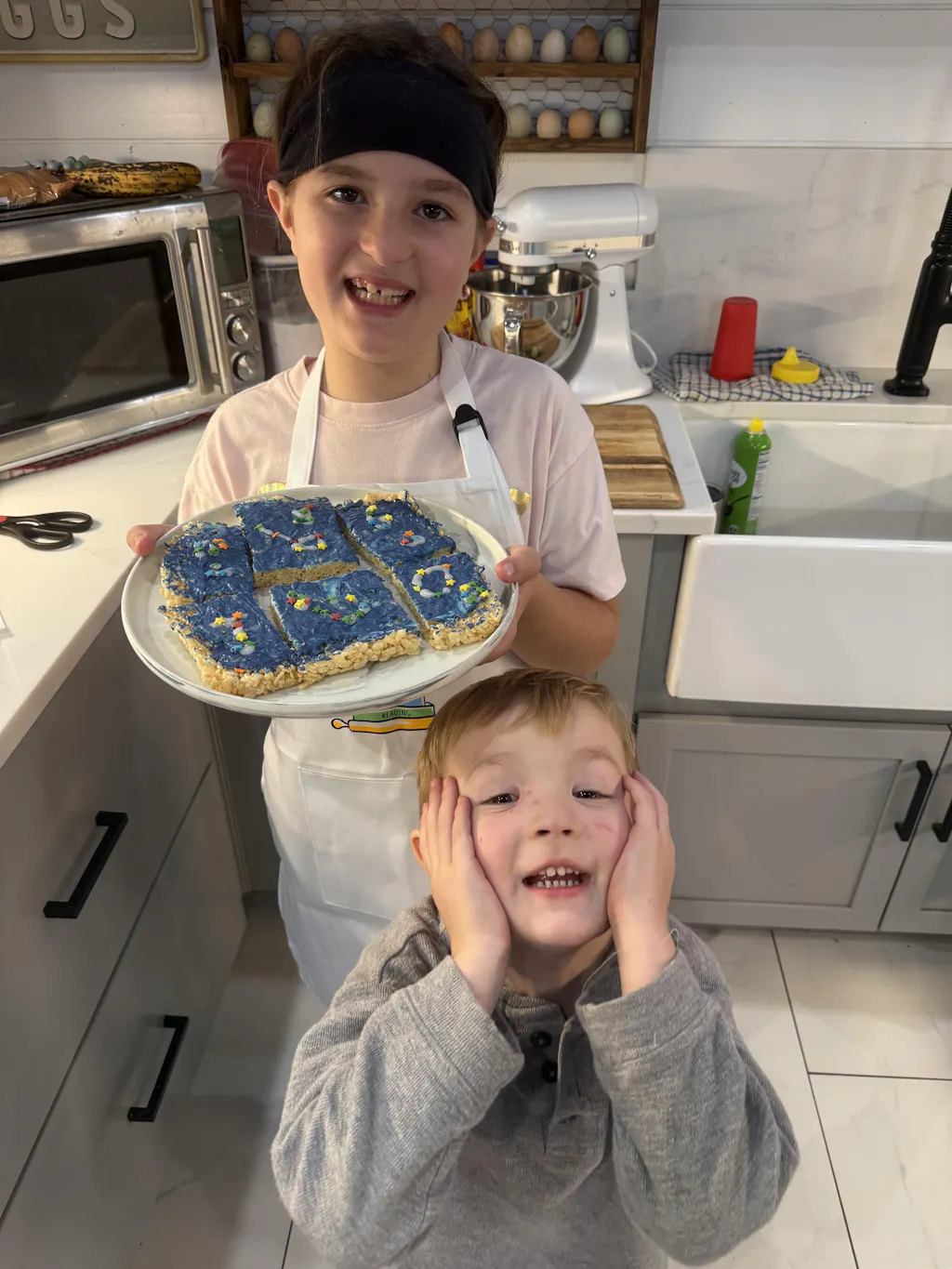
At I'm the Chef Too!, we believe every kitchen is a laboratory, and every recipe is an experiment waiting to happen. The same thoughtful approach you apply to choosing healthy sports snacks can be extended to an incredible world of "edutainment" right in your home. Our unique mission is to seamlessly blend food, STEM (Science, Technology, Engineering, and Math), and the arts into one-of-a-kind experiences that spark curiosity and creativity in children.
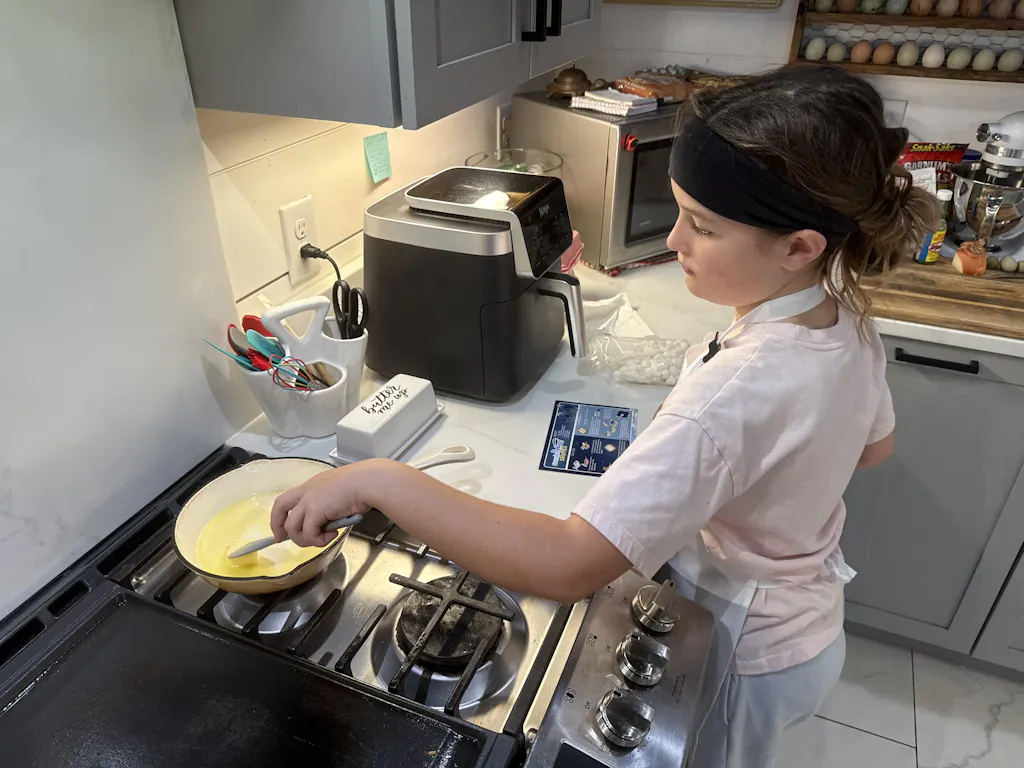
Think about it: when you're preparing those nutritious snacks, your child is already engaging with STEM principles. Measuring ingredients teaches basic math and fractions. Observing fruit ripeness is a biology lesson. Understanding why apples turn brown (oxidation!) is chemistry in action. Our hands-on, tangible, and delicious cooking adventures take this everyday learning to a whole new level.
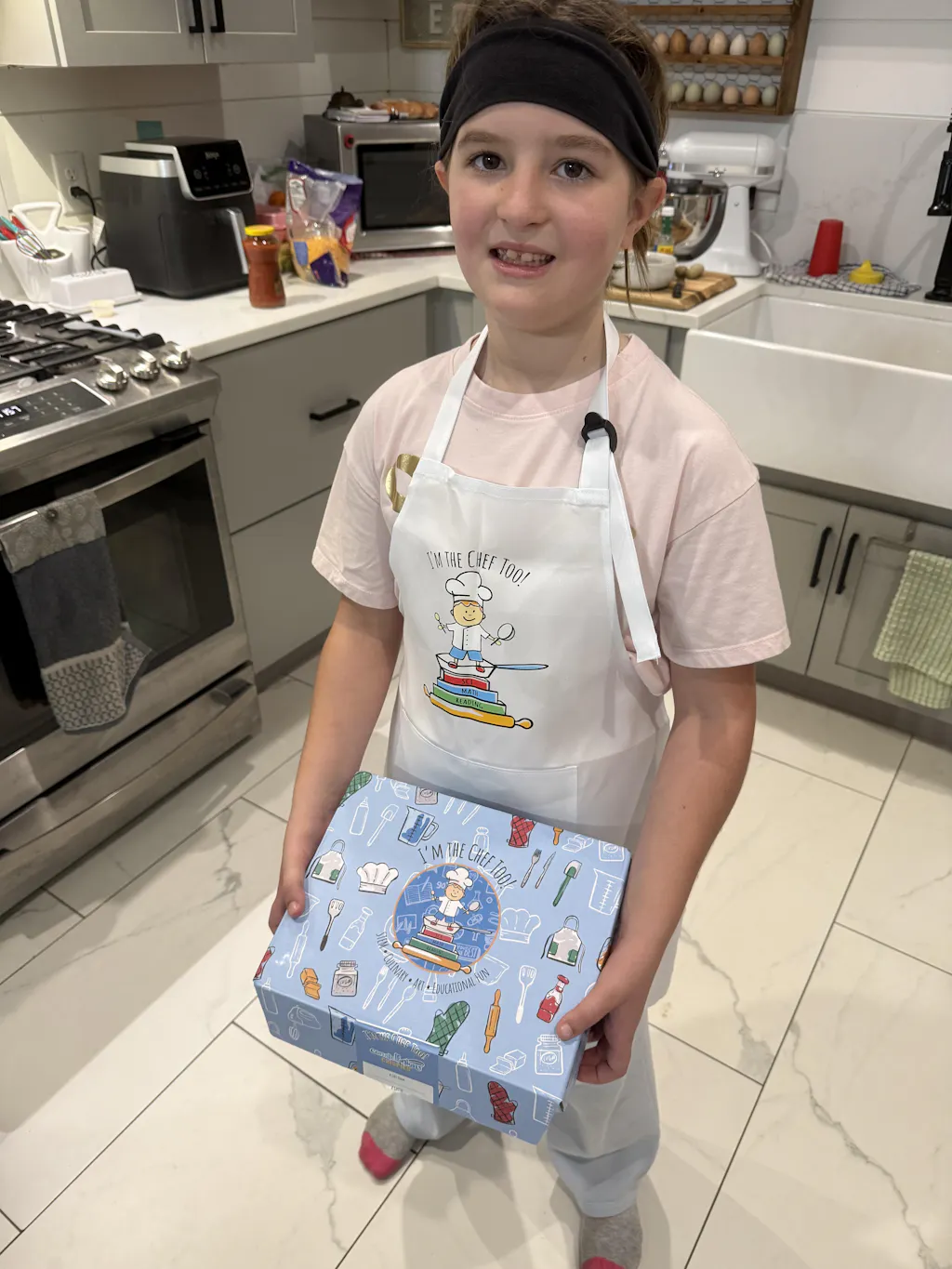
We know how busy life can be, especially with sports schedules. That's why our kits are designed to provide a convenient, screen-free educational alternative. Developed by mothers and educators, each box delivers not just pre-measured dry ingredients and specialty supplies, but a complete, themed adventure that makes learning complex subjects accessible and fun.
Consider how our kits can turn snack-making or dessert-making into an unforgettable educational journey:
- Chemistry in Action: Just like understanding how carbohydrates provide energy, baking involves fascinating chemical reactions. Our Erupting Volcano Cakes kit, for example, isn't just about delicious treats; it’s a hands-on geology lesson where kids observe a chemical reaction that makes their cakes bubble over with deliciousness. They learn about acids and bases while having a blast!
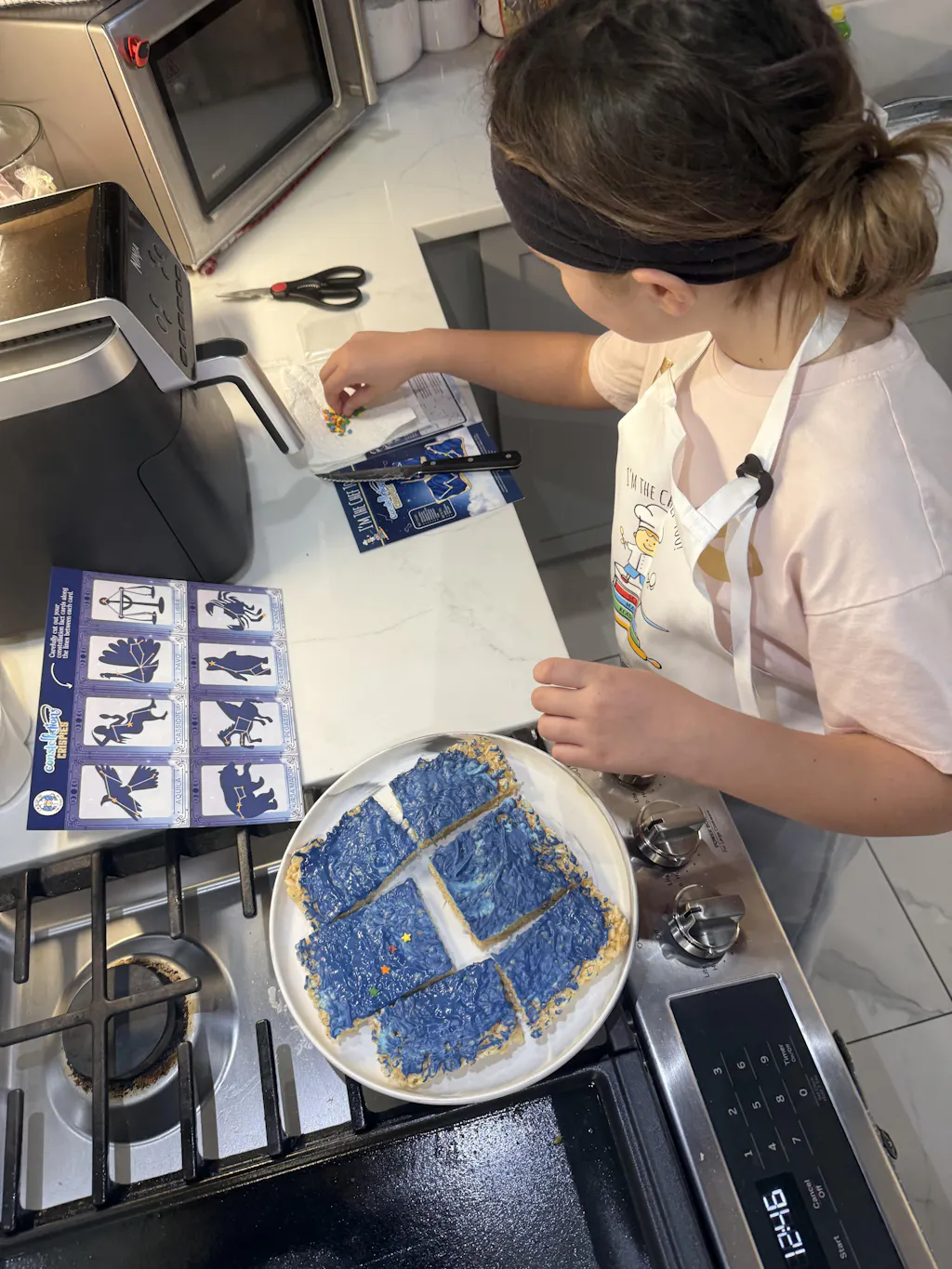
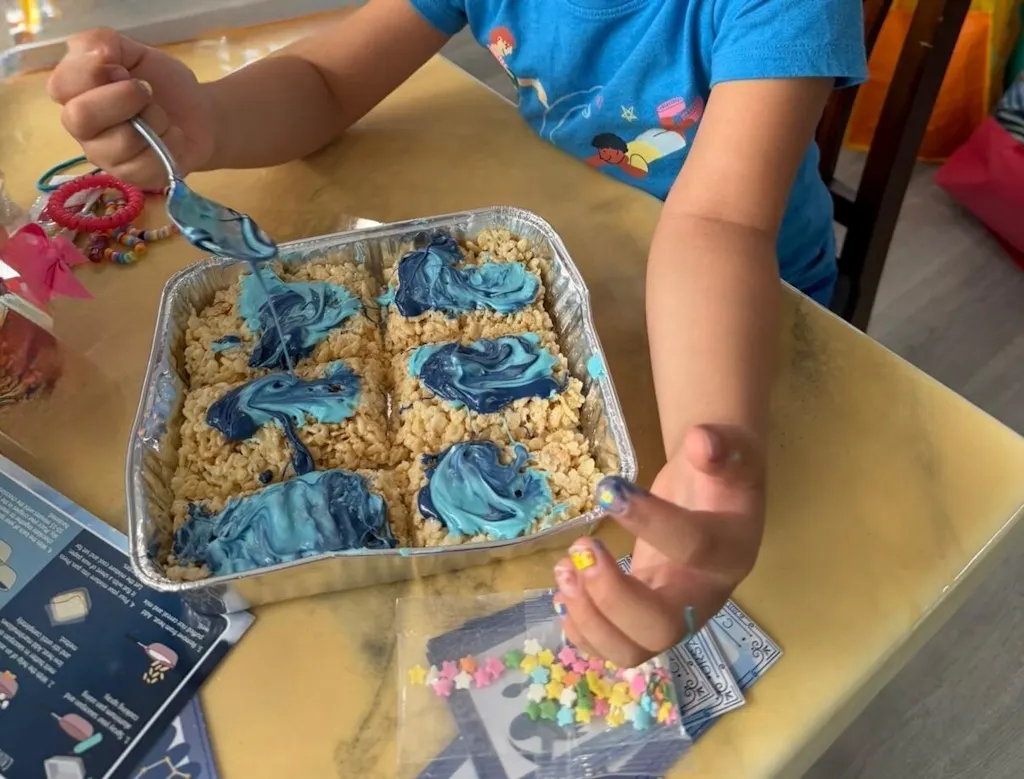
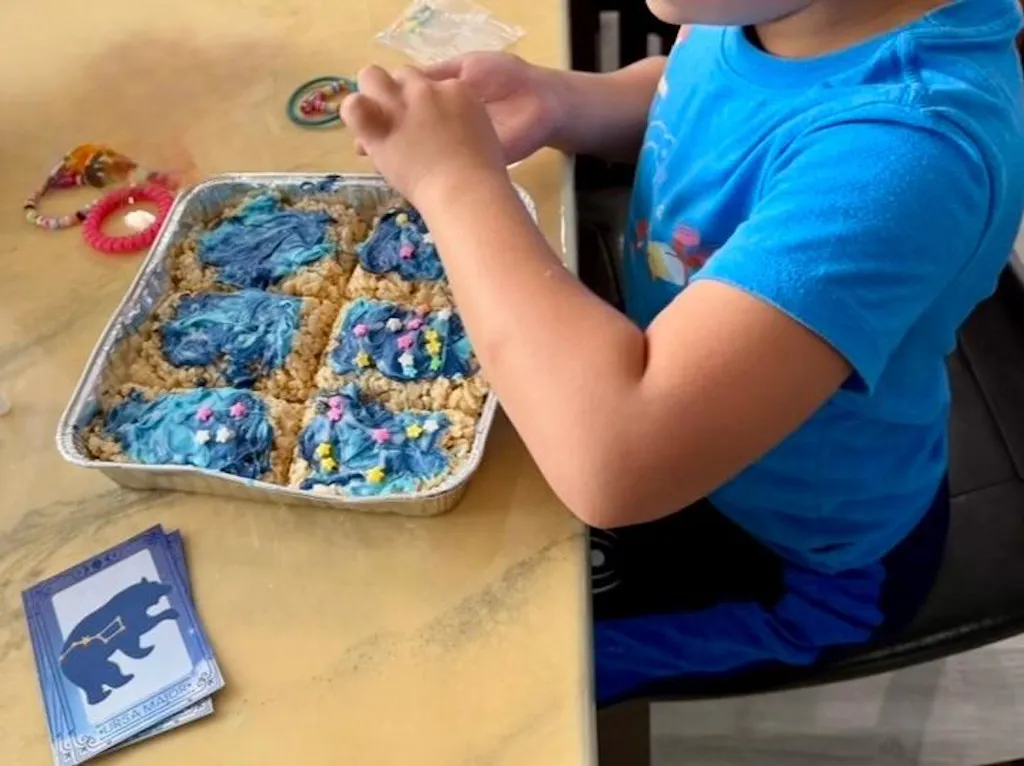
- Exploring the Cosmos: While you might be packing an apple for an athlete, our Galaxy Donut Kit invites children to explore astronomy by creating their own edible solar system. They'll learn about planets and stars while decorating out-of-this-world donuts, turning a sweet treat into a celestial adventure.
- Storytelling and Culinary Skills: Even beloved characters can make learning fun. With our Peppa Pig Muddy Puddle Cookie Pies kit, children follow instructions, practice fine motor skills, and engage their imagination, all while creating a themed snack that's perfect for a playdate or after-school treat. It’s a wonderful way to connect culinary arts with imaginative play.
Our commitment is to facilitating family bonding through shared experiences in the kitchen. We focus on providing practical, valuable advice and realistic expectations. While we can’t promise your child will become a top scientist overnight, we can assure you that our kits foster a love for learning, build confidence in the kitchen, develop key skills, and create joyful family memories that last a lifetime.
Ready to bring a new adventure to your home every month? Join The Chef's Club and enjoy free shipping on every box delivered right to your door. Our flexible 3, 6, and 12-month pre-paid plans are perfect for gifting or long-term enrichment, ensuring a steady stream of hands-on learning and delicious fun.
Not ready to subscribe just yet? No problem! You can still experience the magic. Explore our full library of adventure kits available for a single purchase in our shop. Find the perfect theme for your little learner and embark on a culinary journey today. And for educators, coaches, or homeschool groups looking for engaging group activities, remember we offer versatile options. Learn more about our versatile programs for schools and groups, available with or without food components, to bring this unique blend of cooking and STEM education to a larger audience.
Conclusion
Fueling young athletes is a privilege and a responsibility that goes far beyond simply handing them something to eat. It's about empowering their bodies, nurturing their minds, and instilling habits that will serve them well throughout their lives. By making informed, thoughtful choices about kids sports snack ideas, you're not just supporting their performance on the field; you're contributing to their overall health, growth, and love for an active lifestyle.
We've explored the essential roles of carbohydrates, protein, and hydration, debunked common snack myths, and provided a treasure trove of delicious, easy-to-prepare ideas for every game-day scenario. From pre-game power-ups to crucial post-game recovery champions, the power to make a positive impact lies in your snack choices. Remember the importance of preparation, allergy awareness, and, most importantly, involving your children in the process. When kids understand why certain foods are good for them and actively participate in preparing them, they develop a deeper connection to healthy eating.
Just as a successful game plan requires strategy and teamwork, so too does a balanced approach to nutrition. By prioritizing smart snacking, you're not just ensuring your young champions are well-fueled for their next sprint or jump, but also teaching them invaluable lessons in self-care, science, and the joy of wholesome food.
Ready to continue the journey of discovery, creativity, and delicious learning? We invite you to make every day an adventure. Join The Chef's Club and let us deliver unique "edutainment" experiences directly to your door every month. Spark curiosity, foster family bonding, and turn your kitchen into a hub of scientific exploration and culinary delight with I'm the Chef Too! Your child’s next big learning adventure (and delicious snack inspiration) is just a click away.
FAQ Section
Q1: What's the best snack for a pre-game boost?
A: For a pre-game boost, focus on easily digestible carbohydrates about 1-2 hours before activity. Good options include a banana, apple slices, a small handful of whole-grain crackers, or a small plain yogurt. Avoid heavy, fatty, or high-fiber foods that can cause stomach upset.
Q2: Should my child drink sports drinks during or after sports?
A: For most youth sports activities (under 60 minutes), water is the best and only necessary hydration source. Sports drinks are typically only beneficial for prolonged, intense activity (over 60 minutes) or in very hot conditions, as they replenish electrolytes and carbohydrates. Many sports drinks contain high amounts of sugar and artificial ingredients. For general hydration, stick to water, and for post-game recovery, chocolate milk is often a better choice due to its ideal carb-to-protein ratio.
Q3: How can I make healthy snacks fun for picky eaters?
A: Presentation and involvement are key!
- Fun Shapes: Cut fruits, cheese, or sandwiches into fun shapes.
- Colorful Kabobs: Thread colorful fruits or veggies onto skewers.
- "Dipping" Fun: Offer healthy dips like hummus or a small amount of nut-free butter with veggie sticks or apple slices.
- Involve Them: Let your child help wash, cut (safely!), or package snacks. When they help make it, they're often more likely to eat it.
- Theme It: Connect snacks to their favorite characters or activities, much like our I'm the Chef Too! kits turn cooking into a themed adventure!
Q4: What about food allergies on the team?
A: Always prioritize allergy awareness for team snacks. The safest approach is to:
- Ask First: Communicate with coaches or team organizers to learn about any allergies on the team.
- Go Nut-Free: When in doubt, always choose nut-free snacks, as nut allergies are common and can be severe.
- Read Labels: Carefully check all pre-packaged items for allergen warnings.
- Provide Options: If you're unsure, bring a few different options, ensuring at least one is clearly allergen-friendly (e.g., fruit, pre-packaged allergen-free bars).
Q5: How can I involve my child in making their own snacks?
A: Involving children in the kitchen is fantastic for teaching life skills, encouraging healthy eating, and even sneaking in some STEM learning!
- Simple Tasks: Start with age-appropriate tasks like washing fruits, peeling bananas, stirring ingredients, or using cookie cutters for sandwiches.
- Measure and Pour: Let them measure ingredients for trail mix or pour water into bottles. This teaches math and fine motor skills.
- Explain the "Why": Talk about why certain foods are good for their bodies (e.g., "The carrots give you Vitamin A for your eyes!").
- Creative Freedom: Let them pick out fruits for a fruit salad or decorate their snack bags.
- Try a Kit: Our I'm the Chef Too! kits are specifically designed for hands-on, guided cooking experiences that make learning fun and accessible for kids, providing all the pre-measured ingredients and specialty tools needed for a delicious and educational adventure.