Table of Contents
- Introduction
- The Unofficial MVP: Why Game Day Snacks Matter for Young Athletes
- Hitting a Home Run with Healthy Choices: Fueling Young Champions
- Strategic Snacking: When to Serve What
- The All-Star Lineup: Categories of Kids Baseball Snack Ideas
- Beyond the Basics: Creative & Themed Baseball Snack Ideas
- Mastering Snack Duty: Practical Tips for Parents & Coaches
- I'm the Chef Too!: Where Culinary Fun Meets STEM Learning
- Conclusion
- FAQ Section
The crack of the bat, the roar of the crowd (even if it's just proud parents), and the sheer joy on a child's face as they round the bases – youth baseball truly captures the essence of childhood summers. But let's be honest, for many parents, game day also comes with its own unique challenge: snack duty. You've just watched your little slugger sprint, throw, and perhaps even strike out with valiant effort. Now, as the final whistle blows, a chorus of "I'm hungry!" inevitably rises from the dugout. Providing the right post-game snack isn't just about curbing hunger; it's about refueling tired bodies, celebrating effort, and ensuring your young athletes have the energy they need to bounce back for whatever comes next.
But what exactly constitutes a "good" baseball snack? Is it the classic peanuts and Cracker Jacks of stadium lore? Or something healthier, more practical, and easier to manage for a whole team of energetic kids? Navigating the world of team snacks can feel like a maze, especially when you factor in allergies, dietary preferences, and the ever-present desire to make snack time both fun and beneficial. That's where we come in! At I'm the Chef Too!, our mission is to blend food, STEM, and the arts into one-of-a-kind "edutainment" experiences, and we believe that even snack time can be an opportunity for thoughtful preparation and healthy habits.
This comprehensive guide is your ultimate playbook for mastering kids' baseball snack ideas. We'll dive deep into the science behind fueling young athletes, explore a variety of delicious and practical options for every palate and dietary need, share creative themed ideas, and equip you with essential tips for seamless snack duty. Get ready to hit a grand slam with your snack game, ensuring your team is well-fed, happy, and ready for their next adventure, both on and off the field.
Introduction
Imagine the scene: a sunny afternoon at the local baseball field, dirt flying, laughter echoing, and the determined faces of young players giving their all. For many of us, these moments evoke a powerful sense of nostalgia and community. Baseball, like many youth sports, isn't just about the game itself; it's about teamwork, discipline, physical activity, and making memories that last a lifetime. And intertwined with these cherished experiences is the age-old tradition of the post-game snack. What started perhaps as a simple orange slice has evolved into an anticipated part of game day, often involving thoughtful planning to ensure every young athlete gets a little something special after giving their best.
However, the reality of snack duty can sometimes be less idyllic. Parents juggle busy schedules, differing nutritional advice, the need for convenience, and the all-important consideration of food allergies. It’s a delicate balance to strike between providing something kids will eagerly devour and something that genuinely supports their bodies after physical exertion. Our purpose today is to transform snack duty from a daunting task into an exciting opportunity. We’re here to provide an in-depth exploration of the best kids baseball snack ideas, covering everything from nutritional considerations to practical preparation tips.
We believe that food is not only fuel but also a powerful tool for learning and connection. Just as we at I'm the Chef Too! advocate for hands-on culinary adventures that teach complex subjects through tangible, delicious experiences, we also champion thoughtful approaches to everyday eating. This post will serve as your definitive resource, offering a wealth of ideas – healthy, fun, themed, and convenient – alongside expert advice to help you select, prepare, and deliver the perfect snacks that will make every game day a true home run. By the end, you'll feel confident and inspired, ready to nourish your little champions and elevate their game-day experience, fostering not just physical well-being but also a love for wholesome, joyful eating.
The Unofficial MVP: Why Game Day Snacks Matter for Young Athletes
When we think about sports, we often focus on physical training, skill development, and team strategy. But there’s an unsung hero in every young athlete’s routine: nutrition. Specifically, well-chosen snacks play an incredibly vital role, acting as the "unofficial MVP" for kids participating in high-energy activities like baseball. It’s far more than just "eating something" after the game; it's about strategically replenishing, rebuilding, and rewarding.
First and foremost, active children have unique energy requirements. Running, batting, throwing, and fielding all demand significant caloric expenditure. Without proper refueling, young bodies can experience fatigue, a dip in concentration, and a slower recovery process. A thoughtful snack after a game provides the necessary carbohydrates to replenish glycogen stores (the body's primary energy source) and proteins to aid in muscle repair and growth. This isn't just about immediate recovery; it's about setting the stage for optimal performance in future practices and games, promoting consistent energy levels, and preventing burnout.
Beyond the purely physiological, game day snacks also play a crucial psychological and social role. For kids, receiving a snack after a game can feel like a well-deserved reward, a tangible acknowledgement of their hard work and effort. This positive reinforcement can boost morale, build confidence, and deepen their enjoyment of the sport. It transforms the end of the game into a mini-celebration, a moment of shared joy and camaraderie among teammates. This social bonding over food is something we deeply value at I'm the Chef Too! – fostering connections and creating memorable family moments around delicious creations. It's an opportunity for kids to connect, laugh, and wind down together, reinforcing team spirit outside of competitive play.
Furthermore, introducing kids to balanced snack options on game day subtly teaches them about healthy eating habits. When parents consistently provide nutritious choices, children learn to associate these foods with feeling good, performing well, and recovering effectively. This practical education about food as fuel is invaluable, laying the groundwork for lifelong healthy choices. At I'm the Chef Too!, we believe in hands-on learning, showing kids how ingredients work together to create something amazing and nutritious. This same philosophy can be applied to game day snacks, turning a simple bite into a lesson on energy and well-being. By making informed choices about snacks, parents become vital coaches in their children's overall health and athletic journey, going beyond just managing hunger to actively supporting their physical development and fostering a positive relationship with food.
Hitting a Home Run with Healthy Choices: Fueling Young Champions
Just as a baseball team needs a strategic lineup, young athletes need a strategic nutritional plan to perform at their best. Fueling young champions goes beyond simply handing them something sweet; it involves a thoughtful combination of macronutrients that support energy, recovery, and overall well-being. At I'm the Chef Too!, we emphasize the power of understanding ingredients and their roles, and this principle applies perfectly to game day snacks.
Carbohydrates for Energy: Carbohydrates are the body's preferred and most efficient source of energy, especially during physical activity. When kids run, jump, and throw, their bodies tap into glycogen stores built from the carbs they've eaten.
- Complex Carbs: These provide sustained energy and fiber. Think whole-grain crackers, whole wheat pretzels, or even air-popped popcorn. They break down slowly, offering a steady release of glucose into the bloodstream, which is crucial for endurance and preventing energy crashes.
- Simple Carbs (Natural): Found in fruits, these provide a quick burst of energy, along with essential vitamins, minerals, and natural hydration. Mandarin oranges, bananas, and apple slices are perfect examples. They’re easily digestible and immediately available for recovery.
Proteins for Muscle Repair and Satiety: Protein is vital for muscle growth, repair, and recovery, especially after strenuous activity. It also helps kids feel full and satisfied, preventing them from reaching for less nutritious options later.
- Good sources for snacks include string cheese, yogurt (especially Greek yogurt for higher protein content), lean meat sticks, and small portions of nuts or seeds (if there are no allergies on the team).
- Incorporating protein into post-game snacks helps kickstart the muscle repair process, ensuring that those tired muscles are rebuilt stronger for the next game.
Healthy Fats for Sustained Energy and Overall Health: While fats are less of an immediate energy source for short bursts of activity, healthy fats are crucial for overall health, brain development, and providing a feeling of satiety.
- Sources like avocado (though less practical for game day), seeds (sunflower or pumpkin seeds for nut-free teams), or a small amount of nut butter (again, allergy-dependent) can be excellent additions to a snack.
- For game day, focusing on the fats naturally present in options like cheese or meat sticks is often sufficient, ensuring they complement the carbs and proteins without being too heavy.
Hydration: The Unsung Hero: Often overlooked, proper hydration is absolutely critical for young athletes. Even mild dehydration can significantly impair performance, concentration, and energy levels.
- Water should always be the primary choice. Encouraging kids to drink water before, during (if breaks allow), and after the game is paramount.
- For longer, hotter games, natural electrolyte-rich options like coconut water or lightly diluted fruit juice can help replenish lost minerals, but always prioritize low-sugar choices. Avoid sugary sports drinks which often contain excessive sugar and artificial ingredients that can lead to energy crashes.
At I'm the Chef Too!, we believe in empowering children through tangible experiences. Learning to measure ingredients in a recipe, understanding how yeast makes bread rise, or observing the transformation of ingredients into a delicious meal are all practical lessons in STEM. Similarly, choosing and preparing game day snacks can be a hands-on lesson in personal nutrition. Children who understand why certain foods are good for them are more likely to make those choices themselves. This holistic approach to food and learning is at the heart of what we do, sparking curiosity and creativity in every child we reach. For ongoing educational fun that naturally incorporates these lessons, consider exploring our unique "edutainment" experiences by checking out our Chef's Club subscription. A new adventure is delivered right to your door every month, making learning about food and science a delicious journey!
Strategic Snacking: When to Serve What
Timing is everything in baseball – from a perfectly timed steal to a clutch hit. The same precision applies to fueling young athletes. Understanding when to serve certain types of snacks can significantly impact a child's energy, focus, and recovery. It’s not just about what they eat, but also the timing of their intake relative to their physical activity.
Pre-Game Snacks: The goal before a game is to provide easily digestible energy without causing any stomach upset. Heavy, fatty, or overly fibrous foods should be avoided as they can sit in the stomach and lead to discomfort.
- Focus: Light, simple carbohydrates are ideal. These provide quick energy without taxing the digestive system.
- Examples: A small banana, a few whole-grain crackers, a handful of dried fruit (like raisins), or a small fruit pouch. These can be eaten about 30-60 minutes before the game starts.
- Why it works: These snacks top off energy stores, ensuring kids start the game ready to go without feeling sluggish or overly full. They also contribute to initial hydration.
During-Game Snacks (If Applicable): For typical youth baseball games, which usually last around 1-2 hours, mid-game snacks are often not necessary, especially if a good pre-game snack was consumed. Breaks are usually short, and the focus is on hydration.
- Focus: Hydration is paramount. If any solid food is offered, it should be minimal and extremely easy to consume and digest.
- Examples: Water is the best option. If there’s a longer break (e.g., between doubleheaders or a very long tournament game), a few slices of orange or watermelon can offer both hydration and a quick sugar boost.
- Why it works: Prevents dehydration and provides very quick energy without disrupting play or causing digestive issues.
Post-Game Snacks: This is where the traditional "snack duty" comes in, and it's perhaps the most crucial window for nutritional impact. After exertion, muscles need to recover, and energy stores need replenishing.
-
Focus: A combination of carbohydrates and protein is the golden standard.
- Carbohydrates: To replenish glycogen stores used during the game. This helps prevent next-day fatigue.
- Protein: To kickstart muscle repair and growth, and to promote satiety.
-
Examples:
- Banana + String Cheese: Carbs from the banana, protein from the cheese.
- Whole-grain crackers + Lean Meat Stick: Carbs from crackers, protein from the stick.
- Apple Slices + Yogurt Pouch: Natural sugars and fiber from the apple, protein and calcium from the yogurt.
- Trail Mix (nut-free): A mix of dried fruit (carbs), seeds (protein, healthy fats), and maybe a few whole-grain cereal pieces.
- Why it works: This combination provides immediate energy recovery and supports the long-term repair process, ensuring young athletes are ready for their next challenge. It’s also a time to celebrate their efforts with a satisfying treat.
Understanding this strategic approach to snacking ensures that every bite serves a purpose, optimizing children's physical recovery and enjoyment of the game. It transforms snack time into an intentional part of their athletic development. Want to extend the fun beyond the field and into your kitchen, teaching your children these valuable lessons firsthand? Our monthly Chef's Club subscription delivers all the ingredients for a new learning adventure right to your door, offering flexibility with 3, 6, and 12-month pre-paid plans perfect for gifting or long-term enrichment.
The All-Star Lineup: Categories of Kids Baseball Snack Ideas
Creating the perfect snack bag involves variety, balance, and knowing what works best for energetic kids on the go. We've broken down an "all-star lineup" of kids baseball snack ideas into categories, making it easier for you to mix and match for the ultimate game-day fuel. Remember, the goal is often to include something for hydration, energy (carbs), muscle support (protein), and maybe a small, fun treat.
Hydration Heroes
After running around under the sun, hydration is paramount. Skip sugary sodas and sports drinks, which often have excessive sugar and artificial ingredients.
- Water Bottles: Always the best and simplest choice. Consider freezing them partially so they stay cold longer.
- Fruit-Infused Water: Add slices of lemon, lime, cucumber, or berries to water for a natural, refreshing flavor without added sugar.
- Coconut Water: A natural source of electrolytes like potassium. Look for brands with no added sugar.
- Low-Sugar Juice Boxes or Pouches: Opt for 100% fruit juice, or even better, diluted juice or fruit-and-veggie blends with lower sugar content.
- Frozen Fruit Pops (Homemade): Blend fruit and a little water or coconut water, then freeze in popsicle molds. A wonderfully refreshing treat on a hot day (requires a cooler).
Energy Boosters (Carbohydrates)
These provide the quick and sustained energy young bodies need after activity.
- Mandarin Oranges or Orange Slices: Portable, hydrating, packed with Vitamin C, and easy for kids to peel and eat.
- Bananas: A fantastic source of potassium and easily digestible carbohydrates, making them ideal for muscle recovery.
- Apple Slices: Crisp, refreshing, and full of fiber. To prevent browning, you can buy pre-packaged slices or toss them with a little lemon juice.
- Grapes: Small, sweet, and hydrating. Wash them beforehand and consider freezing them for a delightful cool treat.
- Fruit Pouches/Fruit Leather: Convenient, mess-free, and made from real fruit. Look for varieties with no added sugars or artificial colors.
- Whole-Grain Crackers: Provide complex carbohydrates for sustained energy. Pair with cheese or a nut-free spread.
- Air-Popped Popcorn: A whole-grain, high-fiber option. Keep it lightly salted or unsalted to avoid excessive sodium.
- Pretzels (Mini or Sticks): A classic salty and crunchy snack that offers simple carbohydrates. Look for whole-grain versions for added fiber.
- Granola Bars (Nut-Free): Check labels carefully for allergens. Many brands now offer school-friendly, nut-free options that provide a good balance of carbs and sometimes protein.
Muscle Builders (Protein)
Essential for muscle repair, growth, and keeping kids feeling full longer.
- String Cheese or Cheese Sticks: Convenient, packed with protein and calcium, and a perennial kid favorite. Just remember they need to be kept cool.
- Lean Meat Sticks: Options made from beef, turkey, or chicken can be a great source of savory protein. Look for brands with simple ingredients and no nitrates.
- Yogurt Squeeze Pouches or Drinkable Yogurt: Excellent sources of protein and calcium. Greek yogurt varieties offer even more protein. Freezing them can help keep them cold longer and create a slushy texture.
- Hard-Boiled Eggs: A protein powerhouse! If you have a cooler, these are a fantastic option, though some kids might find them less appealing than other choices.
- Trail Mix (Nut-Free Version): Combine seeds (pumpkin, sunflower), dried fruit, whole-grain cereal, and perhaps some small pretzels for a balanced mix of protein, carbs, and healthy fats. This is a great customizable option!
- Roasted Chickpeas: Crunchy, savory, and packed with plant-based protein and fiber. You can roast them at home with various seasonings.
Sweet Treats (in Moderation)
A small sweet treat can be a wonderful reward and a fun part of game day, especially if balanced with healthier options.
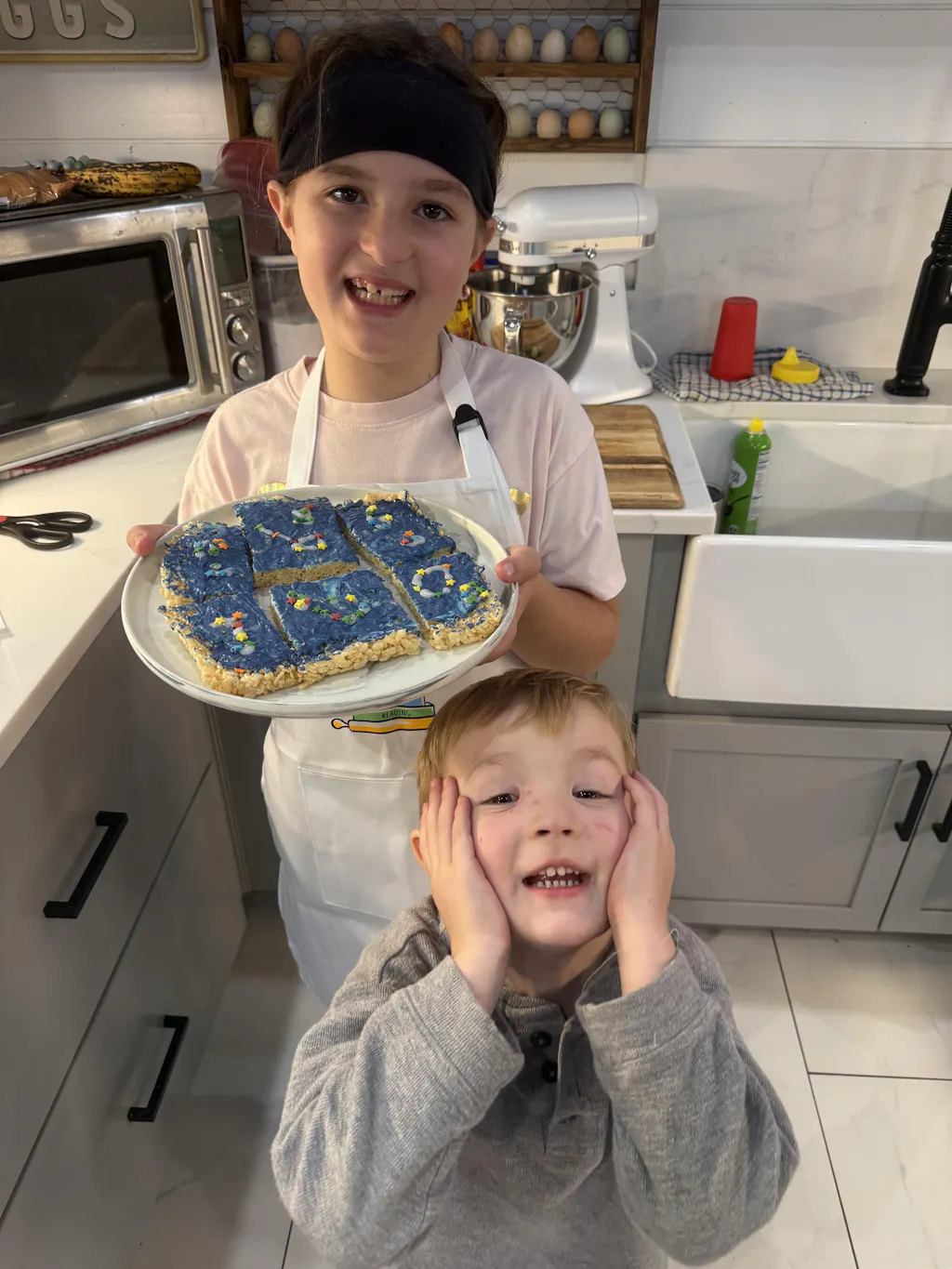
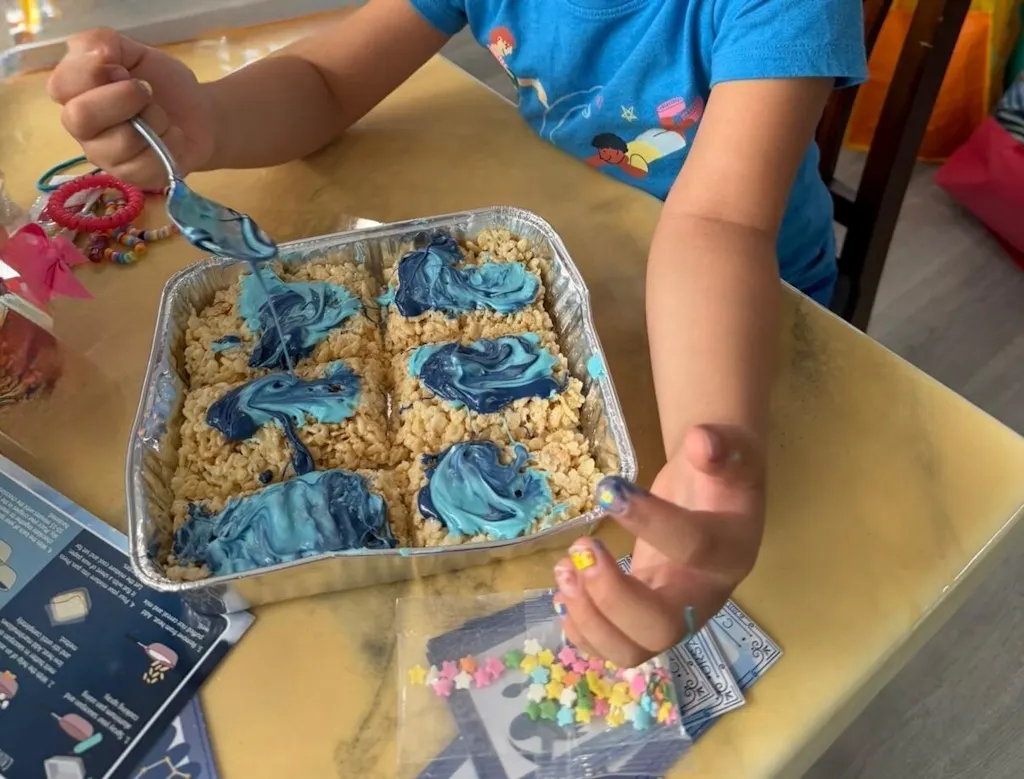
- Rice Krispies Treats: Easy to make at home or buy pre-packaged. They offer a quick carb boost and are generally allergen-friendly (check ingredients for specifics).
- Fruit Snacks (Real Fruit Options): Look for brands made with actual fruit juice and fewer artificial ingredients.
- Popsicles: A refreshing cool-down treat on a hot day. These definitely require a cooler but are always a hit.
- Mini Cookies/Brownie Bites: Small portions of a favorite baked good can be a delightful post-game indulgence. Consider baking them yourself for portion control and ingredient awareness.
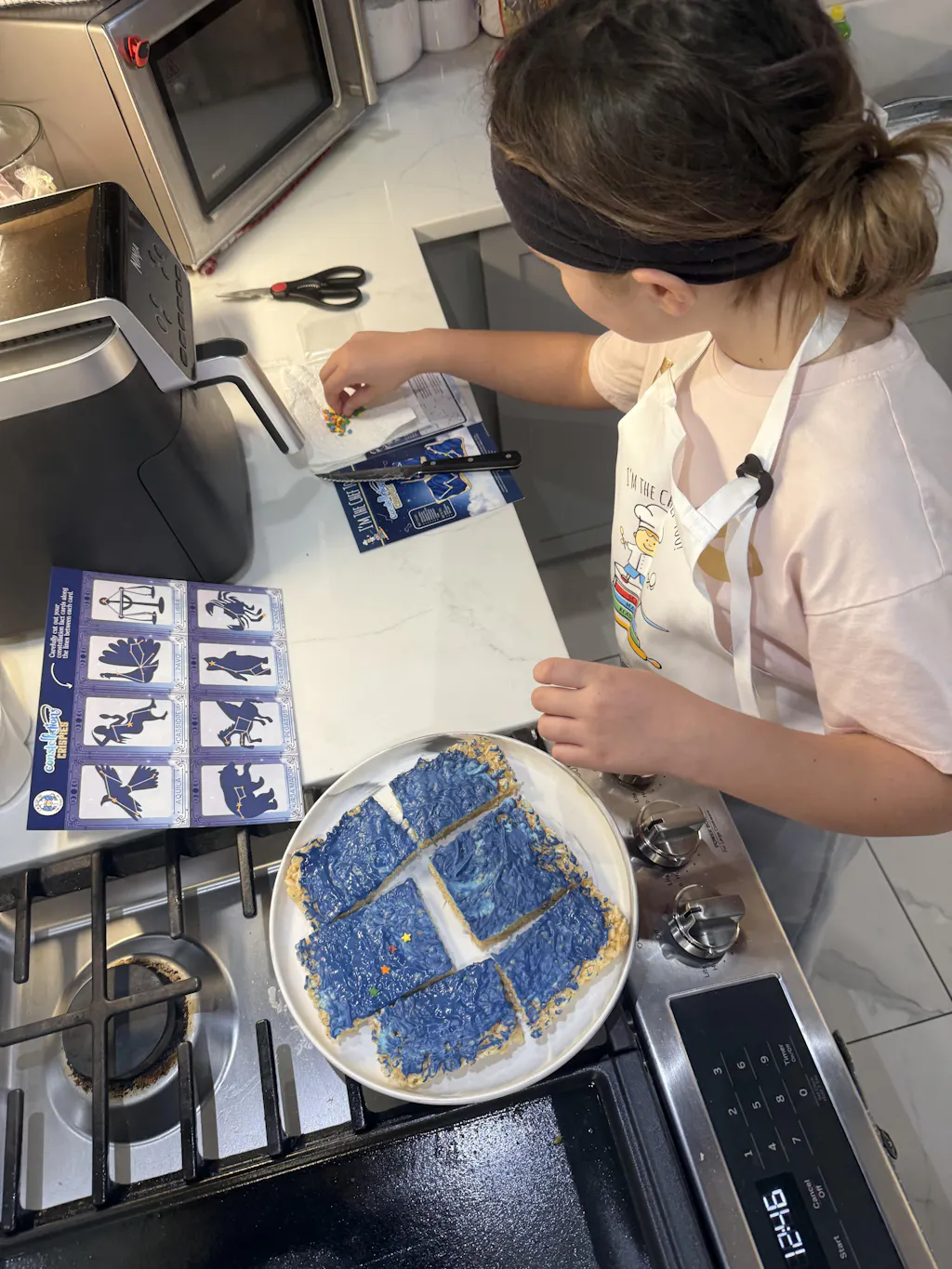
Just as a scientist observes reactions in the lab, your child can see how ingredients transform in the kitchen, much like the exciting chemical reaction that makes our Erupting Volcano Cakes bubble over with deliciousness. While our volcano cakes are more of an at-home adventure than a field snack, they exemplify how we blend deliciousness with discovery. Similarly, exploring astronomy by creating your own edible solar system with our Galaxy Donut Kit shows how even treats can become a canvas for learning. We love helping families create these memorable, educational experiences, proving that learning can be incredibly delicious.
Beyond the Basics: Creative & Themed Baseball Snack Ideas
Sometimes, you want to go beyond the standard snack and add a touch of fun and creativity to game day. Themed snacks are a fantastic way to celebrate the sport, delight the kids, and make your snack duty truly memorable. At I'm the Chef Too!, we're all about blending the arts with food and STEM, so we appreciate how a little creativity can transform a simple snack into an exciting experience.
Here are some creative and baseball-themed snack ideas that are sure to be a home run:
- Baseball Pretzel Bites: These are as adorable as they are delicious. Dip pretzel snaps or mini pretzels in melted white chocolate (or candy melts). Once set, use a red food-safe marker or a tiny line of red icing to draw baseball stitches. They offer a perfect salty-sweet crunch!
- Fruit Skewers – Baseball Edition: Load skewers with red (strawberries, raspberries, watermelon cubes), white (banana slices – dip in lemon juice to prevent browning, marshmallows for a treat), and blue (blueberries) fruits for a patriotic or team-color theme. You can even cut some fruit into star shapes.
- "Dirt" Cups (Individual Portions): Layer chocolate pudding, crushed Oreo cookies (for the "dirt"), and maybe a few green gummy worms (for "grass" or "slugs"). You can even add a small toy baseball player or a mini plastic bat for extra flair. Serve in individual clear cups with lids.
- Baseball Sandwiches/Sliders: Use a round cookie cutter on bread to make mini circular sandwiches. Fill with turkey and cheese, and then draw red "stitches" on top with food-safe marker or a thin line of ketchup. These are heartier and require a cooler.
- Edible "Baseball" Fruit Dippers: Cut apples into thick slices or use large strawberries. Decorate them with white icing (or cream cheese frosting) as the base, then add red icing stitches. Serve with a small container of peanut butter (if no allergies) or yogurt dip.
- Home Plate Brownies or Blondies: Bake a batch of brownies or blondies in a square pan. Once cooled, cut them into home plate shapes (a square with two corners cut off diagonally at the top) and decorate with white icing and red stitches.
- Cracker Jack Popcorn Balls: A twist on the classic! Make homemade caramel popcorn (or use store-bought Cracker Jack) and form it into balls. You can even drizzle with white chocolate and add red stitches for a baseball theme.
- Baseball Cap Fruit Cups: Serve fruit salad in small, clean baseball caps (new, of course!) or in cups decorated with baseball stickers. This adds an immediate thematic touch without extra prep.
These themed ideas not only provide nourishment but also add an element of surprise and delight, making game day even more special. Our unique approach often involves transforming everyday ingredients into exciting, themed creations, much like how a simple pretzel can become a baseball bite! We see these kinds of activities as perfect opportunities for families to connect and explore together. And speaking of playful learning, even beloved characters can make learning fun, like when kids make Peppa Pig Muddy Puddle Cookie Pies – demonstrating how simple ingredients can be transformed into playful creations. These are the moments of shared discovery that we love to foster at I'm the Chef Too! through our hands-on kits.
Mastering Snack Duty: Practical Tips for Parents & Coaches
Taking on snack duty can feel like a big responsibility, but with a few practical strategies, you can master it with ease and confidence. It's about preparedness, safety, and making the experience enjoyable for everyone. These tips are drawn from the collective wisdom of parents and educators, just like the mothers and educators who develop our I'm the Chef Too! kits.
Allergy Awareness is Non-Negotiable
This is arguably the most critical tip. Always, always inquire about food allergies on the team before planning your snacks. Common allergens include peanuts, tree nuts, dairy, gluten, soy, and eggs.
- Check with the Coach/Team Manager: They usually have a list of allergies or can help you circulate a request for information.
- Go Nut-Free if in Doubt: If even one child has a nut allergy, it's safest to make all snacks nut-free to prevent accidental exposure. Cross-contamination is a serious concern.
- Read Labels Carefully: Many seemingly innocent snacks can contain hidden allergens or be processed on shared equipment.
- Consider Allergen-Friendly Alternatives: There are many great products available now that cater to various allergies, such as gluten-free pretzels or dairy-free yogurt pouches.
Opt for Individual Portions
Individual portions are a game-changer for convenience, hygiene, and efficiency.
- Hygiene: Reduces germ spread, especially important in a team setting.
- Ease of Distribution: Kids can grab their bag and go, avoiding a chaotic scramble.
- Portion Control: Ensures everyone gets a fair share and helps manage waste.
- Packaging Ideas: Brown paper bags, small cellophane bags, or even reusable drawstring bags (for the eco-conscious) work great. You can pre-pack a drink, a carb, a protein, and a small treat into each bag.
Portability & Storage are Key
Baseball fields often lack refrigeration, so think smart about transport.
- Coolers are Your Friend: For anything that needs to stay cold (string cheese, yogurt, fruit, cold drinks, homemade items), a well-packed cooler with ice packs is essential.
- Non-Perishable Backups: Always have a few non-perishable options on hand in case your cooler-dependent snacks don't work out.
- Pre-Cut & Washed: Do all the prep work at home. Wash fruit, slice veggies, and portion out snacks so they are ready to eat immediately.
Budget-Friendly Options
Snack duty doesn't have to break the bank.
- Buy in Bulk: For items like pretzels, crackers, or individual drink pouches, buying larger multi-packs or from warehouse stores can save money.
- DIY Where Possible: Making your own Rice Krispies Treats, air-popped popcorn, or fruit skewers can be more cost-effective than buying pre-packaged individual servings.
- Seasonal Fruits: Choose fruits that are in season for better prices and freshness.
Involve the Kids
Turn snack duty into a mini-project for your child.
- Choice & Ownership: Let them help choose the snacks (within your approved healthy options) or help pack the individual bags. This fosters a sense of responsibility and excitement.
- Learning Opportunity: Discuss why certain snacks are good for energy or muscle repair. This ties perfectly into our I'm the Chef Too! philosophy of hands-on learning, showing kids the science and artistry behind food.
- Creative Input: Encourage them to help decorate snack bags or come up with a fun theme.
Setting Realistic Expectations
Remember, you're not running a gourmet kitchen; you're fueling a team of energetic kids.
- Simplicity is Fine: A balanced snack of water, an orange, and a cheese stick is perfectly adequate and often appreciated.
- Focus on the Fun: The primary goal is to provide a safe, satisfying, and enjoyable post-game treat that contributes to the positive team experience.
- Adult Supervision: As with any kitchen activity, adult supervision for snack prep is key to ensuring safety and helping children develop their skills.
By following these tips, you can confidently take on snack duty, knowing you’re providing nourishing, safe, and fun options for the entire team. And if you’re looking for more ways to engage your children in hands-on learning through food, beyond game day, remember to Browse our complete collection of one-time kits in our shop. Each kit is a curated adventure designed to spark curiosity and creativity!
I'm the Chef Too!: Where Culinary Fun Meets STEM Learning
At I'm the Chef Too!, we believe that learning should be as exciting and delicious as a perfectly executed recipe. Our core mission is to seamlessly blend food, STEM (Science, Technology, Engineering, and Math), and the arts into one-of-a-kind "edutainment" experiences that ignite curiosity and creativity in children. We understand that parents and educators are constantly seeking engaging, screen-free alternatives that not only educate but also foster precious family bonding moments. This is precisely what our unique kits are designed to do.
Imagine your child discovering the science of yeast while baking a delicious bread, or exploring geometry as they decorate a perfectly symmetrical cake. These aren't just cooking lessons; they're hands-on explorations of complex subjects made tangible and incredibly fun. Our approach transforms the kitchen into a vibrant laboratory and art studio, where learning is an immersive, multi-sensory adventure. Each kit is developed by a team of mothers and educators, ensuring that every activity is not only deliciously fun but also developmentally appropriate and rich in educational value. We focus on teaching critical thinking, problem-solving, and creativity through tangible, hands-on, and utterly delicious cooking adventures.
We aim to make learning accessible and exciting for every child. From understanding chemical reactions in baking to exploring cultural geography through global cuisines, our kits provide a unique pathway to knowledge. They are designed to bring families together, creating shared experiences and lasting memories around the joy of creation and discovery. We want to empower children to explore, experiment, and develop a love for learning that extends far beyond the kitchen.
Ready to embark on a new adventure every month with your child? Join The Chef's Club and experience the ultimate convenience of educational fun delivered right to your door with free shipping in the US. Our flexible 3, 6, and 12-month pre-paid plans are perfect for gifting or providing long-term enrichment, ensuring a steady stream of exciting, screen-free learning experiences. Each box is a complete adventure, containing pre-measured dry ingredients and specialty supplies, making it easy to dive right into the fun. Join The Chef's Club today!
Not ready for a monthly subscription? No problem! You can still experience the magic of I'm the Chef Too! by exploring our full library of adventure kits available for a single purchase. Browse our complete collection of one-time kits in our shop and find the perfect theme to spark your little learner's imagination.
And for educators, homeschool groups, or anyone planning large group activities, we haven't forgotten you! Bring our hands-on STEM adventures to your classroom, camp, or homeschool co-op. Learn more about our versatile programs for schools and groups, available with or without food components, designed to fit various needs and settings. Let us help you transform group learning into an unforgettable culinary and scientific journey!
Conclusion
Navigating the world of kids' baseball snack ideas doesn't have to be a stressful endeavor. By understanding the importance of balanced nutrition, embracing practicality, and infusing a little creativity, parents can hit a home run every time it's their turn for snack duty. We've explored why thoughtful snacks are crucial for young athletes – for energy, muscle recovery, and overall well-being – and how they contribute to the invaluable social and celebratory aspects of youth sports. From hydration heroes and energy-boosting carbs to muscle-building proteins and delightful themed treats, the options are as varied as the players on the field.
Remember the key takeaways: always prioritize allergy awareness, opt for convenient individual portions, plan for portability and proper storage, and consider involving your child in the process to foster healthy habits and a love for food education. The goal isn't perfection, but rather providing safe, nourishing, and fun options that celebrate effort and build team spirit. These thoughtful gestures not only fuel young bodies but also nurture their growing minds and create lasting, joyful memories.
Just as a well-prepared snack fuels the body for play, engaging in hands-on activities fuels the mind for learning. At I'm the Chef Too!, we champion this holistic approach, creating unique experiences that blend culinary arts with STEM education. We believe that every moment, even snack time, can be an opportunity for discovery, creativity, and connection.
Ready to bring more delicious learning adventures into your home? Don't miss out on the joy of discovery that our kits provide. Give your child the gift of hands-on "edutainment" and make every month an exciting journey of culinary exploration and scientific wonder. Join The Chef's Club today and watch your little chef and scientist thrive!
FAQ Section
Q1: What are the most important things to consider when choosing baseball snacks for a team? A1: The most critical considerations are allergy awareness (always check with the coach/team manager), providing a balance of carbohydrates and protein for energy and recovery, ensuring adequate hydration, and opting for individually portioned, non-messy items for convenience and hygiene.
Q2: How can I make sure the snacks are healthy but still appealing to kids? A2: Focus on natural sugars from fruits (mandarin oranges, bananas), whole grains (pretzels, whole-grain crackers), and lean proteins (string cheese, meat sticks). You can make healthy options more appealing by presenting them creatively (e.g., fruit skewers), choosing fun packaging, or including a small, balanced treat alongside the healthier items.
Q3: What are good nut-free snack options for teams with allergies? A3: Excellent nut-free options include string cheese, fruit (apples, oranges, bananas, grapes), fruit pouches, sunflower seed butter (often labeled "sunbutter") on crackers, pretzels, roasted chickpeas, meat sticks, and many granola bars specifically labeled "nut-free" or "school-friendly." Always double-check labels for cross-contamination warnings.
Q4: Do I need a cooler for game day snacks? A4: If your snacks include perishable items like string cheese, yogurt, sliced fruits, or any homemade items that require refrigeration, then yes, a cooler with ice packs is essential to keep them safe and fresh. For non-perishable snacks like individually packaged crackers, pretzels, or fruit leather, a cooler might not be strictly necessary, but it's always good for keeping drinks cold.
Q5: What's the best way to distribute snacks to an entire team efficiently? A5: Preparing individual snack bags beforehand is the most efficient method. Fill each bag with a balanced selection (e.g., a drink, a carb, a protein, and a small treat). This allows kids to quickly grab their bag, minimizes mess, and ensures everyone gets an equal share without confusion.
Q6: Should I include a drink with the snacks? What kind? A6: Yes, always include a drink, as hydration is crucial after physical activity. Water is the best and most recommended option. You can also offer low-sugar juice boxes, diluted fruit juice, or natural electrolyte drinks like coconut water, but avoid high-sugar sports drinks or sodas.
Q7: How can I involve my child in snack duty preparation? A7: Let your child help choose snacks from a pre-approved list, wash fruits, count out portions, pack the individual snack bags, or even decorate the bags with baseball themes. This gives them ownership, teaches them about healthy choices, and turns snack duty into a fun, hands-on activity. This aligns perfectly with the I'm the Chef Too! mission of engaging children in the kitchen and fostering a love for learning.
Q8: Are "sweet treats" ever okay for baseball snacks? A8: In moderation, a small sweet treat can be a fun and rewarding part of the post-game snack. The key is balance. Pair a small treat (like a mini cookie or a few fruit snacks made with real fruit) with healthier options like fruit, protein, and water to ensure overall nutritional needs are met.
Q9: How can I find more engaging, screen-free educational activities like these? A9: For ongoing educational fun that blends food, STEM, and the arts, consider joining our monthly Chef's Club subscription. Each box provides a new, unique, hands-on cooking adventure with all the necessary ingredients and supplies delivered right to your door. You can also Browse our complete collection of one-time kits in our shop for specific themes!