Table of Contents
- Introduction
- Why Brain-Boosting Nutrition Matters for Growing Children
- The Science Behind Brain Food: Key Nutrients Explained
- Top Brain Food Categories for Kids
- Making Brain Food Snacks Fun and Accessible
- Beyond Snacks: Cultivating a Lifestyle for Brain Health
- I'm the Chef Too!'s Approach to Edutainment: Where Food Meets STEM and Art
- Conclusion
- FAQ Section
Imagine a world where your child’s laughter is mixed with the excited chatter of discovery, where curiosity is sparked not by a screen, but by the tangible magic of creation. A world where they’re not just passively consuming information, but actively building, experimenting, and tasting their way to understanding complex concepts. This isn't just a dream; it's the everyday reality we champion at I'm the Chef Too!, and it begins with nurturing both mind and body. Just as an artist needs quality paints and a canvas, a child's developing brain needs premium fuel to imagine, learn, and grow.
As parents and educators, we dedicate countless hours to fostering an environment where our children can thrive academically, emotionally, and creatively. We invest in educational toys, engaging books, and enriching experiences. But sometimes, we overlook one of the most fundamental building blocks for their success: the food they eat. What if we told you that the snacks you offer your child could be powerful allies in their journey of discovery, sharpening their focus, boosting their memory, and even enhancing their mood?
This post will delve into the fascinating connection between nutrition and cognitive development, exploring how specific "brain food snacks" can significantly impact your child's ability to learn, concentrate, and express their innate creativity. We’ll uncover the science behind these superfoods, provide a treasure trove of practical, kid-friendly snack ideas, and share how you can seamlessly weave them into your family's routine, turning everyday eating into an adventure. From vibrant berries that brighten their minds to crunchy nuts that build powerful neural pathways, get ready to discover how to nourish your child’s potential, one delicious bite at a time.
Introduction
Ever found yourself wondering if there's a secret ingredient to helping your child focus better during homework, recall details more easily, or simply have more sustained energy throughout their busy day? While there's no single magic bullet, decades of research point to a powerful, often underestimated, factor: nutrition. Specifically, the right "brain food snacks" can make a profound difference in a child's cognitive function, emotional well-being, and overall capacity for learning.
In a world brimming with processed temptations, guiding our children towards choices that truly fuel their incredible growth can feel like an uphill battle. But it doesn't have to be. At I'm the Chef Too!, we understand the delicate balance between making food fun and ensuring it's genuinely beneficial. Our mission is to blend food, STEM, and the arts into one-of-a-kind "edutainment" experiences, recognizing that a well-nourished body and mind are foundational to sparking curiosity and creativity. We believe that by providing children with tangible, hands-on, and delicious cooking adventures, we're not just teaching them about science or art; we're empowering them to understand the ingredients that literally build their brains.
This comprehensive guide is crafted to demystify the world of brain-boosting foods. We’ll break down the essential nutrients, spotlight the top contenders in the brain food arena, and offer a wealth of practical tips and creative snack ideas that your kids will genuinely love. You’ll learn how to transform snack time from a routine pit stop into an opportunity for growth, a chance to deepen family bonding, and a powerful step towards unlocking your child's full potential – all while keeping those screens off and imaginations on. By the end of this journey, you'll be equipped to turn your kitchen into a hub of healthy, brain-powered creativity, preparing your young ones not just for their next meal, but for a lifetime of learning and discovery.
Why Brain-Boosting Nutrition Matters for Growing Children
The human brain is an astonishing organ, and in children, it's a super-powered learning machine that is constantly developing, forming billions of connections every second. From the rapid growth during infancy to the significant structural changes occurring throughout childhood and adolescence, this period is a critical window for brain development. Think of it as constructing a magnificent skyscraper: without the right high-quality materials, the structure might stand, but it won't be as resilient, functional, or capable of reaching its full potential. For our children's brains, those "high-quality materials" come directly from the food they eat.
The link between nutrition and cognitive function is undeniable. What our children consume directly impacts their:
- Focus and Concentration: Essential for learning in school, following instructions, and engaging in activities. A brain running on empty or fueled by sugary crashes struggles to maintain attention.
- Memory and Recall: Crucial for retaining information, whether it's multiplication tables, a new vocabulary word, or the steps to a fun recipe.
- Problem-Solving Abilities: The capacity to think critically, analyze situations, and find creative solutions.
- Mood and Behavior Regulation: Certain nutrients play a vital role in neurotransmitter production, which directly influences emotional stability and temperament.
- Sustained Energy Levels: Unlike quick sugar fixes, brain-boosting foods provide a steady supply of energy, preventing midday slumps and supporting continued activity and learning.
At I'm the Chef Too!, we often see this connection firsthand. When children engage in our hands-on cooking and STEM adventures, they're not just following a recipe; they're actively using their brains in multiple ways – measuring (math), observing chemical reactions (science), decorating (art), and following sequential steps (critical thinking). Just as we carefully design our kits to foster these skills, we also encourage parents to consider the fuel that makes this "edutainment" possible. When children are well-nourished, they come to these activities with greater enthusiasm, better focus, and a more robust capacity for absorbing new information and expressing their creativity. Providing the right brain food snacks isn't about guaranteeing they become top scientists; it's about fostering an environment where their natural curiosity and potential can truly blossom.
The Science Behind Brain Food: Key Nutrients Explained
Understanding why certain foods are good for the brain helps us make more informed choices. It's not just about eating "healthy"; it's about targeting specific nutrients that support distinct brain functions. Let's break down the essential macronutrients and micronutrients that are crucial for your child's developing mind:
Macronutrients: The Big Builders and Energy Sources
-
Carbohydrates (Complex Carbs are Key):
- Why they're important: Glucose, derived from carbohydrates, is the brain's primary and preferred fuel source. Complex carbohydrates, found in whole grains, fruits, and vegetables, provide a slow, steady release of glucose, ensuring consistent energy for optimal brain function. Simple sugars, on the other hand, lead to rapid spikes and crashes, impacting focus and mood.
- In simple terms: Think of complex carbs as a long-lasting battery for the brain, while simple sugars are like a quick, but fleeting, jolt.
-
Proteins (The Building Blocks):
- Why they're important: Proteins are made of amino acids, which are the building blocks for brain cells, neurotransmitters (the chemical messengers of the brain), and enzymes that carry out essential brain functions. Adequate protein intake supports brain structure, communication, and development.
- In simple terms: Proteins are like the LEGO bricks that build and connect all the different parts of the brain, allowing it to communicate smoothly.
-
Healthy Fats (Especially Omega-3 Fatty Acids):
- Why they're important: The brain is nearly 60% fat, and much of this is omega-3 fatty acids, particularly DHA. These fats are vital for building brain cell membranes, supporting nerve function, and reducing inflammation. They are crucial for memory, learning, and overall cognitive health.
- In simple terms: Healthy fats are the essential "grease" and structural components that keep brain cells flexible, strong, and able to send messages efficiently.
Micronutrients: The Essential Workers
-
Choline:
- Why it's important: Critical for brain development, memory, and the production of acetylcholine, a neurotransmitter vital for learning and memory.
- Found in: Eggs, certain meats, cruciferous vegetables like cauliflower and broccoli.
-
Iron:
- Why it's important: Essential for oxygen transport to the brain and for neurotransmitter synthesis. Iron deficiency can lead to fatigue, poor concentration, and impaired cognitive function.
- Found in: Lean meats, beans, lentils, spinach, fortified cereals.
-
Zinc:
- Why it's important: Plays a role in nerve signaling and brain plasticity (the brain's ability to adapt and learn). It's crucial for memory and thinking skills.
- Found in: Nuts, seeds (especially pumpkin seeds), beans, meat, dairy.
-
B Vitamins (B6, B9/Folate, B12):
- Why they're important: These vitamins are a powerhouse for brain health, involved in energy production, DNA synthesis, nerve function, and neurotransmitter creation. B12 and folate are particularly important for mood regulation and cognitive function.
- Found in: Eggs, lean meats, fish, leafy greens, legumes, whole grains, dairy.
-
Vitamin C:
- Why it's important: A powerful antioxidant that protects the brain from oxidative stress and plays a role in neurotransmitter synthesis. It also supports overall immunity.
- Found in: Citrus fruits, berries, bell peppers, broccoli.
-
Vitamin D:
- Why it's important: Emerging research suggests Vitamin D plays a significant role in brain development and function, including mood regulation and cognitive performance.
- Found in: Fatty fish, fortified dairy/plant milks, sunlight exposure.
-
Antioxidants (Flavonoids, Anthocyanins):
- Why they're important: These compounds protect brain cells from damage caused by free radicals, which can contribute to cognitive decline. They also improve blood flow to the brain, enhancing cognitive performance.
- Found in: Berries, dark chocolate, citrus fruits, colorful vegetables.
By integrating foods rich in these specific nutrients, we can actively support the complex processes happening within our children's brains, setting them up for better learning, improved mood, and sustained energy for all their adventures, whether it's conquering a new school subject or creating an Erupting Volcano Cake with one of our kits!
Top Brain Food Categories for Kids
Now that we understand the science, let’s explore the delicious foods that pack these brain-boosting nutrients and how you can incorporate them into your child's daily routine, especially as snacks.
1. Berries: Nature's Little Brain Boosters
Blueberries, strawberries, raspberries, and blackberries are not just sweet and delicious; they're tiny powerhouses of nutrition. They are exceptionally rich in anthocyanins and other antioxidants, which protect brain cells from damage and can improve blood flow to the brain. This translates to enhanced memory, quicker thinking, and improved cognitive performance.
- Why they're great: Antioxidants, Vitamin C, fiber.
-
Snack ideas:
- A handful of fresh or frozen berries on their own.
- Mixed into yogurt or oatmeal.
- Blended into smoothies with a touch of spinach (for extra hidden greens!).
- As part of a colorful fruit salad.
- Frozen berries make a refreshing, healthy treat on a hot day.
2. Citrus Fruits: Zesty Zaps for Clarity
Oranges, grapefruits, mandarins, and lemons are bursting with Vitamin C and flavonoids. Vitamin C is a crucial antioxidant for brain health, helping to protect brain cells and supporting the production of neurotransmitters. Flavonoids have been linked to improved cognitive function and memory.
- Why they're great: Vitamin C, antioxidants.
-
Snack ideas:
- Orange segments or mandarin slices.
- Grapefruit halves (for older kids who appreciate the tang).
- A squeeze of lemon or lime in water for a refreshing, brain-hydrating drink.
- Added to fruit salads for a burst of flavor.
3. Eggs: The Incredible, Edible Brain Fuel
Often called "nature's multivitamin," eggs are superstars for brain development. They are an excellent source of choline, vital for memory and learning, as well as Vitamin B12 and selenium, which support neurological health and cognitive function. The protein in eggs also provides sustained energy.
- Why they're great: Choline, B12, selenium, protein, healthy fats.
-
Snack ideas:
- Hard-boiled eggs (easy to prep ahead and grab).
- Mini frittatas or egg muffins with finely chopped veggies.
- Deviled eggs (a fun twist!).
- Scrambled eggs served in a whole-wheat pita pocket.
4. Nuts & Seeds: Crunchy Brain Powerhouses
Almonds, walnuts, cashews, pumpkin seeds, chia seeds, and flax seeds are packed with an impressive array of brain-boosting nutrients. They provide healthy fats (including omega-3s in walnuts, chia, and flax), Vitamin E (an antioxidant), zinc, magnesium, and protein. These nutrients support nerve function, protect brain cells, and improve memory and mood.
- Why they're great: Omega-3s, healthy fats, Vitamin E, zinc, magnesium, protein, fiber.
-
Snack ideas:
- A small handful of mixed nuts (ensure appropriate for age to prevent choking hazards).
- Nut butter (peanut, almond, cashew) on apple slices, celery sticks, or whole-grain crackers.
- Sprinkle chia or flax seeds into yogurt, oatmeal, or smoothies.
- Roasted pumpkin seeds (seasoned simply or with a touch of cinnamon).
- Homemade trail mix with nuts, seeds, and a few dried berries.
- Always be mindful of nut allergies in school or group settings.
5. Whole Grains: Sustained Energy for Learning
Oats, whole-wheat bread, quinoa, and brown rice provide complex carbohydrates, offering a steady supply of glucose to the brain. They also contain B vitamins and fiber. The fiber helps regulate blood sugar, preventing energy crashes, while B vitamins support nerve function and energy metabolism.
- Why they're great: Complex carbs, B vitamins, fiber.
-
Snack ideas:
- Whole-grain toast with avocado or nut butter.
- Oatmeal (sweetened naturally with fruit) or overnight oats.
- Whole-grain crackers with cheese or hummus.
- Air-popped popcorn (a whole grain!) for a fun, fiber-rich snack.
6. Dark Leafy Greens & Colorful Vegetables: Hidden Superheroes
Spinach, kale, broccoli, cauliflower, and bell peppers are bursting with vitamins (K, C, A, B vitamins), minerals (iron, zinc), and powerful antioxidants. These nutrients protect brain cells, support cognitive function, and contribute to overall well-being. Getting kids to eat their veggies can be a challenge, but creative presentation and fun dips can make a big difference.
- Why they're great: Vitamins, minerals, antioxidants, fiber.
-
Snack ideas:
- Veggies sticks (carrots, cucumber, bell peppers) with hummus or a healthy dip.
- Mini "trees" (broccoli or cauliflower florets) with a sprinkle of cheese.
- Sneak spinach into smoothies – the fruit often masks the flavor!
- Roasted vegetable chips (sweet potato, zucchini).
- Our "Peppa Pig Muddy Puddle Cookie Pies" kit, while a treat, offers a fun way to engage with the idea of healthy ingredients in the kitchen, fostering positive associations.
7. Dark Chocolate & Cocoa Products: A Sweet Treat with Brain Benefits
Yes, you read that right! In moderation, dark chocolate (with a high cocoa content, 70% or more) and cocoa products are rich in flavonoids, which are antioxidants that can improve blood flow to the brain, enhancing cognitive performance and memory. They can also have a positive impact on mood.
- Why they're great: Flavonoids, antioxidants.
-
Snack ideas:
- A small square of dark chocolate (70%+ cocoa).
- Dark chocolate-covered strawberries or banana slices.
- A sprinkle of cocoa powder in smoothies or oatmeal.
- Emphasize moderation due to sugar content.
8. Legumes: Plant-Powered Protein and Minerals
Chickpeas, black beans, lentils, and kidney beans are excellent sources of protein, fiber, iron, and zinc. These nutrients provide sustained energy, support oxygen delivery to the brain, and play roles in memory and overall cognitive function.
- Why they're great: Protein, fiber, iron, zinc.
-
Snack ideas:
- Roasted chickpeas (seasoned with salt, paprika, or cinnamon).
- Hummus with veggie sticks or whole-grain crackers.
- Mini bean and cheese quesadillas on whole-wheat tortillas.
- Lentil soup as a hearty, brain-boosting mini-meal.
9. Dairy (or Alternatives): Strong Bones, Sharp Minds
Milk, yogurt, and cheese provide protein, calcium, Vitamin D, and B vitamins. These are essential for bone health, but also contribute to brain tissue growth, nerve communication, and overall brain function. For children with dairy sensitivities, fortified plant-based alternatives (like almond or soy milk) can offer similar benefits.
- Why they're great: Protein, calcium, Vitamin D, B vitamins.
-
Snack ideas:
- Yogurt parfaits with berries and a sprinkle of nuts/seeds.
- Cheese sticks or cubes.
- Smoothies made with milk or yogurt.
- Cottage cheese with fruit.
By incorporating a diverse range of these brain-boosting foods into your child's diet, especially during snack times, you're giving their developing brains the best possible foundation for learning, creativity, and overall well-being. And if you're looking for even more ways to blend learning and deliciousness, remember to explore our full library of adventure kits available for a single purchase in our shop – each designed to turn snack time into a STEM exploration!
Making Brain Food Snacks Fun and Accessible
Knowing what to feed our kids is one thing; getting them to eat it is another! At I'm the Chef Too!, we believe that learning and enjoyment go hand-in-hand, and the same principle applies to healthy eating. Here are our top tips for making brain food snacks appealing and easily integrated into your family's busy life.
Tips for Parents: Cultivating Positive Eating Habits
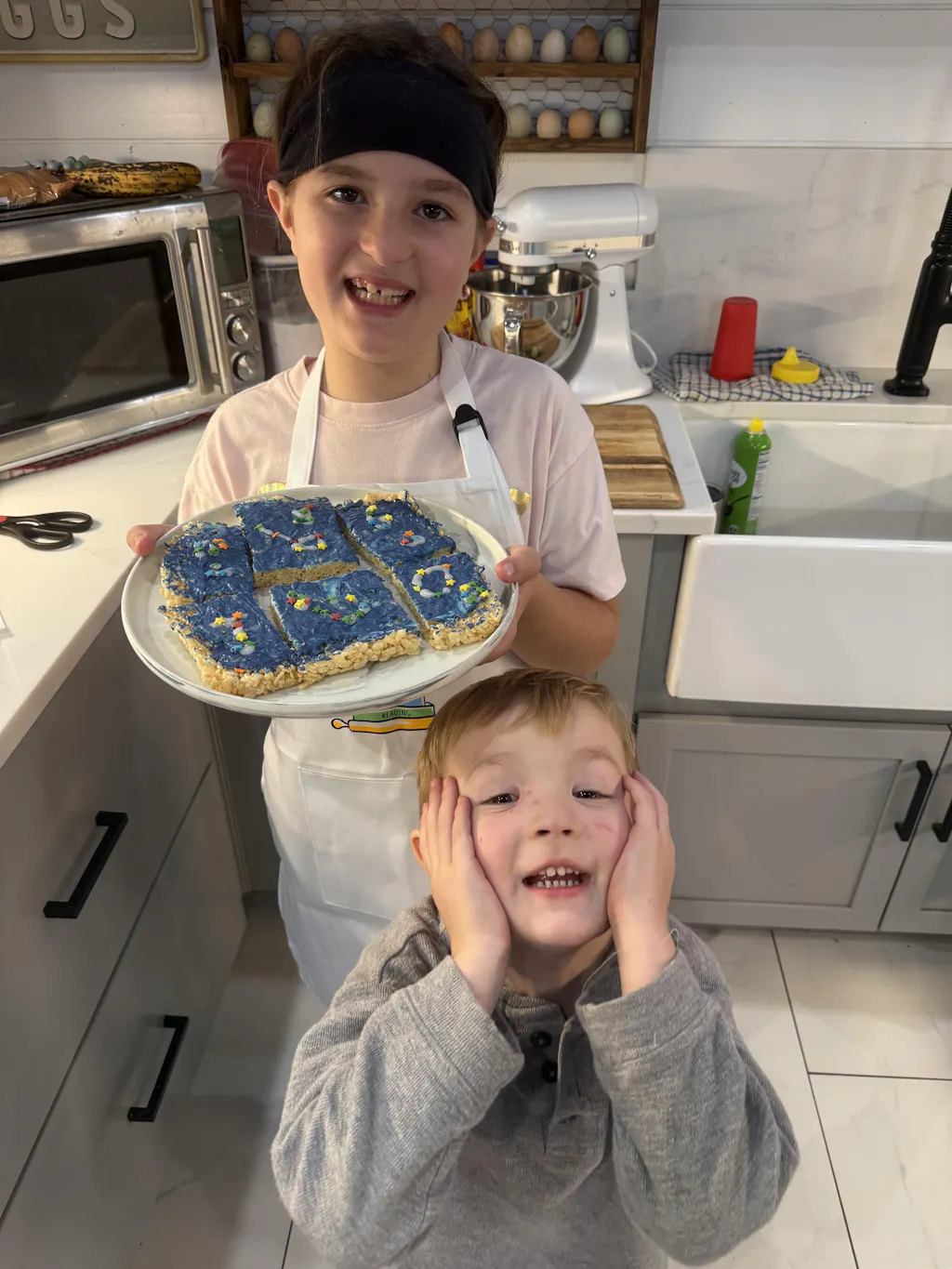
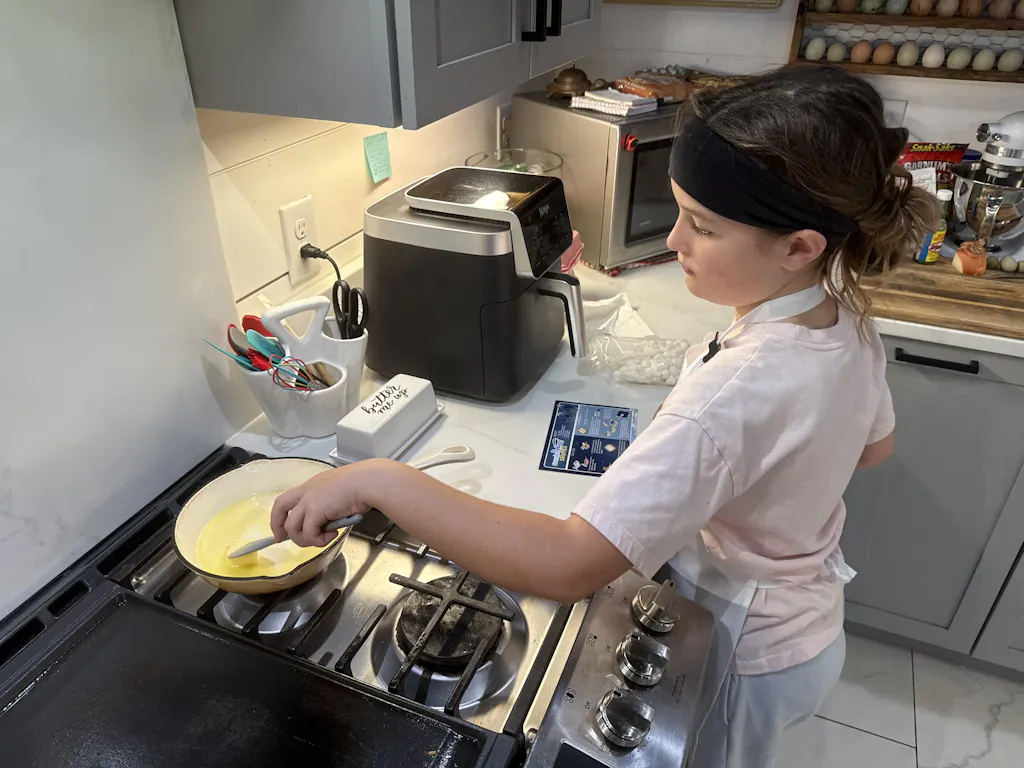
- Involve Kids in the Process: This is where our I'm the Chef Too! philosophy truly shines. When children help select ingredients at the grocery store, wash fruits and vegetables, or even participate in simple prep (like stirring or arranging), they're more invested in trying the final product. Cooking is a fantastic way to teach them about food origins, nutrition, and even basic kitchen safety. Our kits, like the Galaxy Donut Kit, make this involvement even more exciting by tying cooking to larger STEM concepts.
-
Creative Presentation Matters: Food that looks fun is more likely to be eaten.
- Colors: Arrange colorful fruits and veggies in a rainbow pattern.
- Shapes: Use cookie cutters to make fun shapes out of cheese, whole-wheat toast, or fruit slices.
- Dips: Offer healthy dips like hummus, guacamole, or Greek yogurt-based dips. Everything is more fun to dip!
- "Deconstructed" Snacks: Instead of a sandwich, offer components separately: a slice of whole-wheat bread, a small pile of turkey, a slice of cheese, and a few cucumber rounds. Let them build their own!
-
Make Healthy Options Easily Accessible: If nutritious snacks are visible and easy to grab, kids are more likely to choose them.
- Keep pre-washed and cut veggies and fruits in clear containers in the fridge at eye level.
- Have a designated "healthy snack basket" in the pantry with things like individual portions of nuts (if no allergies), whole-grain crackers, or dried fruit.
- Use snack containers with different compartments to make a mini "snack plate" with variety.
- Lead by Example: Children are incredible imitators. If they see you enjoying fresh fruits, crunchy vegetables, and healthy proteins, they are far more likely to try and enjoy them too. Make healthy eating a family affair.
- Don't Forbid, Offer Alternatives: Instead of saying "no" to unhealthy treats, try saying, "That's a fun treat, but let's try this delicious brain-boosting snack first!" Offering choices empowers them and helps them learn self-regulation. Sometimes, a healthy substitute (like dark chocolate instead of milk chocolate) can satisfy a craving without derailing nutrition goals.
- Patience and Persistence: It can take multiple exposures for a child to accept a new food. Don't give up after the first try! Continue offering a variety of brain foods in different preparations.
Brain-Boosting Snack Ideas: Simple, Delicious, and Educational
Here are some practical snack combinations that kids often love, integrating many of the brain-boosting foods we've discussed:
- Berry & Yogurt Parfait: Layers of Greek yogurt (protein, B vitamins), mixed berries (antioxidants, Vitamin C), and a sprinkle of granola (whole grains, fiber) or chia seeds (omega-3s).
- Apple "Sandwiches": Apple slices as "bread" filled with a thin layer of almond or peanut butter (healthy fats, protein) and a sprinkle of hemp or pumpkin seeds (zinc, protein).
- Veggies & Hummus: Carrot sticks, cucumber slices, bell pepper strips (vitamins, fiber) with a creamy hummus dip (chickpeas: protein, iron, zinc).
- Hard-Boiled Egg Boats: Cut a hard-boiled egg in half, scoop out the yolk, mix with a tiny bit of mayo and a dash of turmeric, then refill (choline, B12, protein).
- Homemade Trail Mix: A mix of walnuts, almonds, dried cranberries (antioxidants), pumpkin seeds, and a few dark chocolate chips (healthy fats, zinc, flavonoids).
- Green Smoothie Adventures: Blend spinach (hidden veggies!), banana, mixed berries, a spoonful of chia seeds, and milk (dairy or plant-based). Kids love the vibrant color, especially if they helped make it!
- Cheese & Whole-Grain Crackers: A classic for a reason! Pair cheddar or mozzarella (protein, calcium, B vitamins) with fiber-rich whole-grain crackers (complex carbs).
- Avocado Toast Stars: Use a star-shaped cookie cutter on whole-wheat toast, then top with mashed avocado (healthy fats, B vitamins) and a tiny sprinkle of everything bagel seasoning or red pepper flakes (for older kids).
- Fruity Frozen Bites: Skewer pieces of banana, strawberries, and blueberries, then freeze them. A naturally sweet and refreshing treat.
- Edible STEM Experiments: While not an everyday snack, consider activities that bring the brain food concepts to life. Our Erupting Volcano Cakes kit is a fantastic way to introduce chemical reactions in the kitchen, blending science with delicious fun. Or our Peppa Pig Muddy Puddle Cookie Pies can make healthy ingredients seem more appealing through creative storytelling.
Integrating these fun and accessible brain food snacks doesn't have to be a chore; it can be another avenue for creative expression and learning, perfectly aligned with our philosophy at I'm the Chef Too!. Ready to spark even more curiosity? A new adventure is delivered to your door every month with free shipping in the US when you Join The Chef's Club!
Beyond Snacks: Cultivating a Lifestyle for Brain Health
While brain-boosting snacks are incredibly important, they are just one piece of a larger puzzle. A child's cognitive development and overall well-being are a holistic endeavor, influenced by a combination of factors that work synergistically to create the optimal environment for growth and learning. At I'm the Chef Too!, we recognize that "edutainment" extends beyond the kitchen, encompassing a lifestyle that nourishes both mind and body.
The Pillars of Holistic Brain Health:
- Adequate Sleep: This is non-negotiable for brain function. During sleep, the brain consolidates memories, processes information, and clears out metabolic waste. Children need significantly more sleep than adults, and chronic sleep deprivation can severely impact concentration, mood, and learning abilities. Establish consistent bedtimes and create a calm sleep environment.
- Regular Physical Activity: Exercise isn't just for muscles; it's a powerful brain booster. Physical activity increases blood flow to the brain, promotes the growth of new brain cells, and enhances the production of brain-derived neurotrophic factor (BDNF), a protein that supports brain health and plasticity. Whether it’s playing at the park, riding a bike, or dancing, encourage at least 60 minutes of moderate-to-vigorous activity daily.
- Hydration: Water is vital for every bodily function, including brain health. Even mild dehydration can lead to reduced concentration, impaired memory, and fatigue. Encourage consistent water intake throughout the day, making water readily available. A fun water bottle can often be a great motivator!
- Limited Screen Time: While digital tools have their place, excessive screen time can displace other crucial activities like creative play, reading, physical activity, and social interaction. It can also disrupt sleep patterns and impact attention spans. We advocate for screen-free educational alternatives, and our I'm the Chef Too! kits are designed specifically to provide engaging, hands-on activities that pull children away from screens and into tangible experiences.
- Stress Management: Children experience stress too, and chronic stress can negatively impact brain development and function. Providing a supportive, loving home environment, teaching coping mechanisms, and ensuring plenty of downtime for unstructured play can help manage stress.
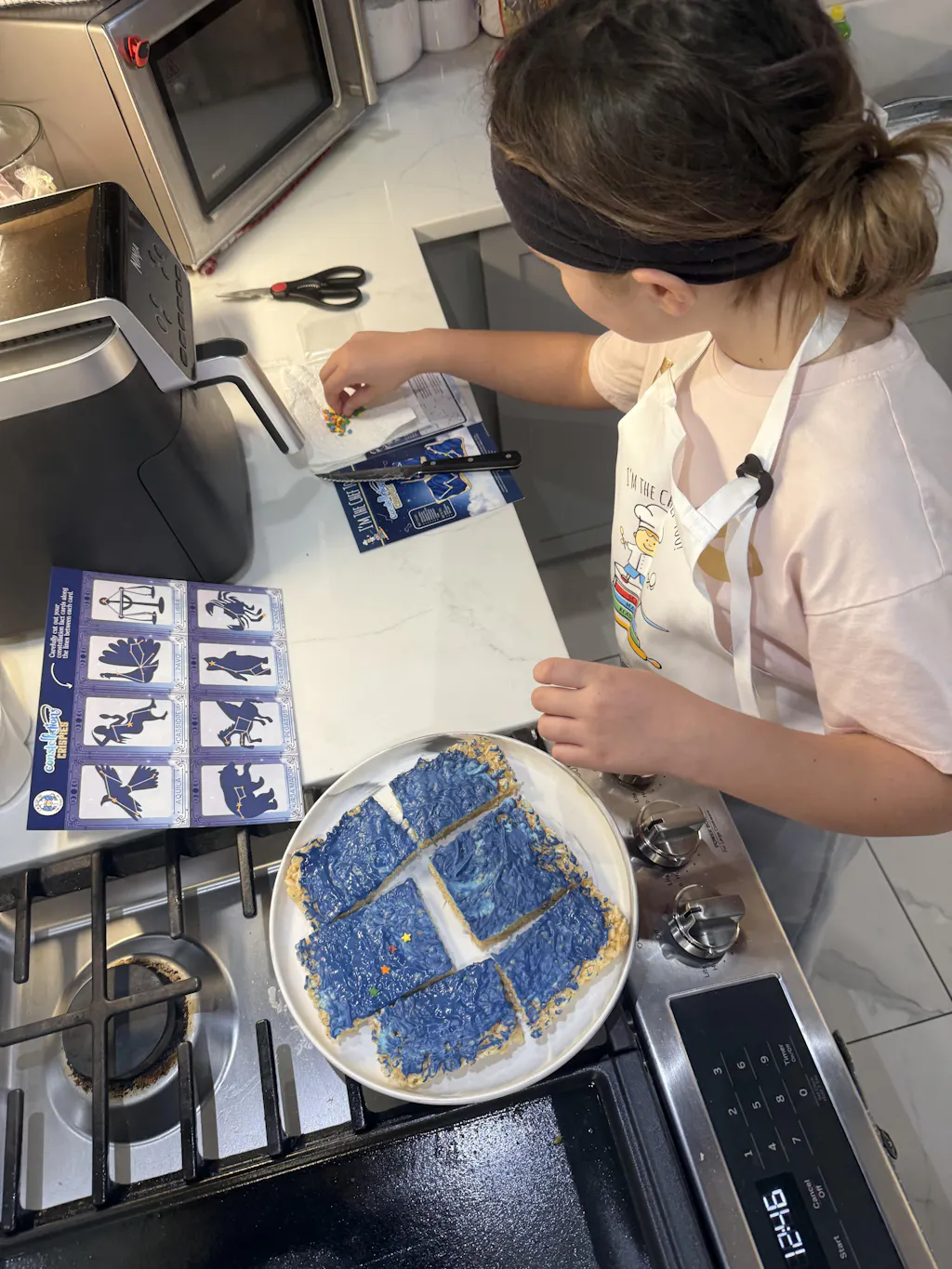
- Engaging, Hands-On Learning: This is at the very core of our I'm the Chef Too! philosophy. Passive learning has its limits. When children actively participate, explore, and experiment, their brains form stronger, more complex neural connections. Our unique approach of teaching complex subjects through tangible, hands-on, and delicious cooking adventures developed by mothers and educators is specifically designed to spark curiosity, build confidence, and foster a love for learning. Whether they're exploring geology while making volcano cakes or astronomy with a Galaxy Donut Kit, these activities encourage critical thinking, problem-solving, and creative expression.
- Family Bonding and Connection: Strong social-emotional connections are fundamental for a child's brain health. Shared experiences, like cooking together, reading, or simply talking and listening, build secure attachments and foster emotional intelligence, which is intrinsically linked to cognitive well-being.
By embracing this holistic view, we're not just providing children with brain food snacks; we're cultivating a rich, nurturing environment that allows their minds to truly flourish. It's about empowering them with the tools and habits that will serve them throughout their lives, fostering a love for learning, building confidence, and creating joyful family memories that go far beyond any single educational outcome.
I'm the Chef Too!'s Approach to Edutainment: Where Food Meets STEM and Art
At I'm the Chef Too!, our commitment goes beyond just providing ingredients; it's about delivering a complete, enriching experience. We are founded on the profound belief that learning should be an adventure – exciting, delicious, and deeply engaging. That's why our mission is to seamlessly blend food, STEM (Science, Technology, Engineering, and Math), and the arts into one-of-a-kind "edutainment" experiences that captivate children's imaginations and ignite their natural curiosity.
We understand the challenges modern families face – the constant pull of screens, the quest for meaningful activities, and the desire to create lasting family memories. Our unique approach offers a refreshing, screen-free educational alternative, empowering children to learn through tangible, hands-on, and utterly delicious cooking adventures. Imagine your child discovering the principles of chemistry as they watch a dough rise, or exploring geometry as they shape ingredients, all while developing fine motor skills and creative expression.
Each I'm the Chef Too! kit is a testament to this philosophy. Developed by mothers and educators, our kits are thoughtfully designed to provide:
- Sparking Curiosity and Creativity: We introduce complex subjects through captivating themes that kids adore, encouraging them to ask "why?" and "how?" and to express themselves artistically through their culinary creations.
- Facilitating Family Bonding: Our kits are crafted for families to enjoy together, transforming kitchen time into cherished moments of collaboration, laughter, and shared discovery. It's about making memories as much as making a meal.
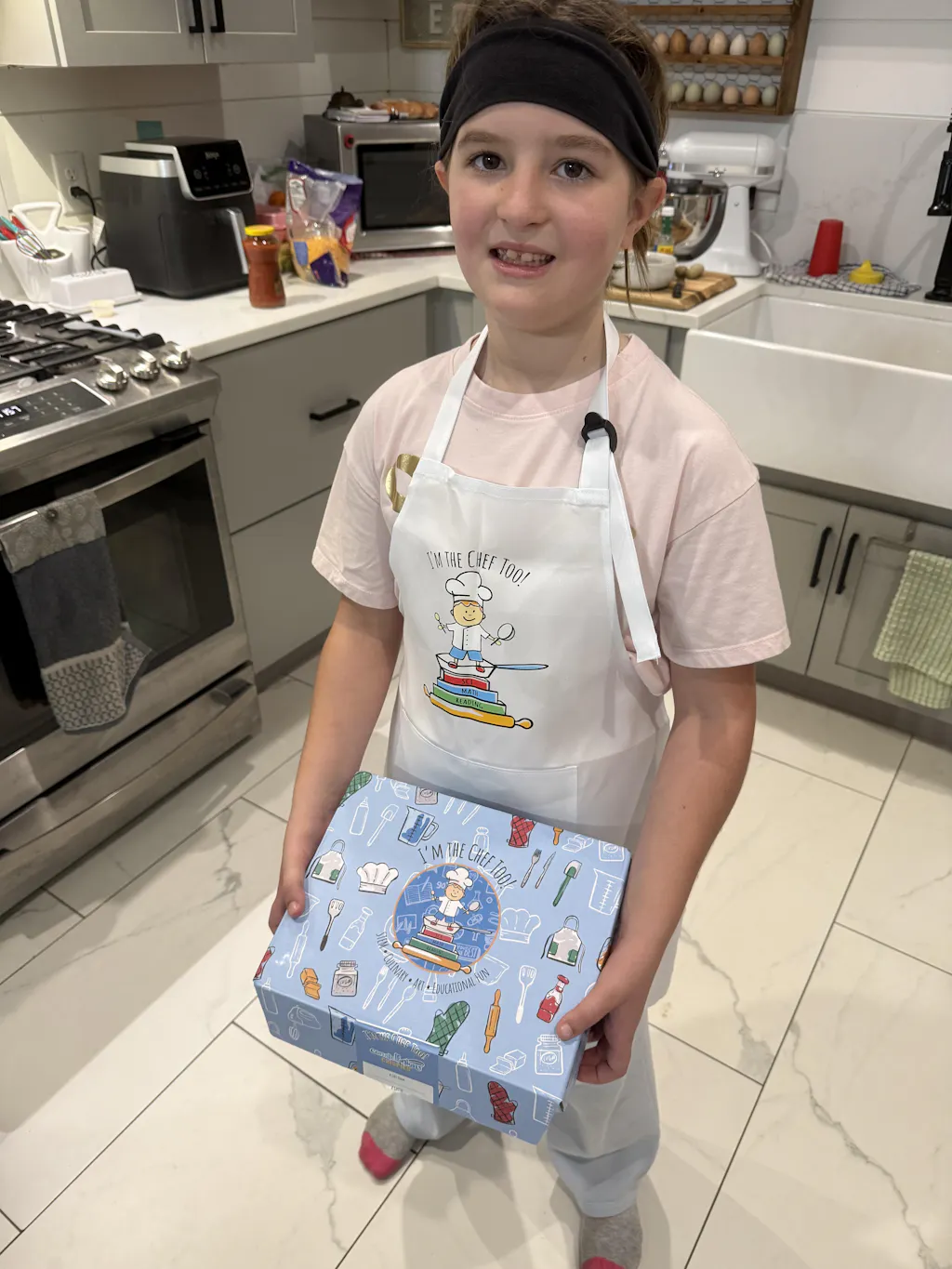
- Convenience and Value: We know parents are busy. That's why our kits come with pre-measured dry ingredients and specialty supplies, taking the hassle out of preparation and allowing you to jump straight into the fun. Every box is a complete experience, delivered right to your door.
Whether your child is a budding scientist, a curious artist, or an aspiring chef, our kits offer something truly special. They encourage critical thinking, problem-solving, and a deeper understanding of the world around them, all through the joyous medium of food. We focus on the benefits of the process: fostering a love for learning, building confidence, developing key skills, and creating those irreplaceable joyful family memories.
Ready to bring this blend of education and entertainment into your home? Discover the convenience and excitement of a new adventure delivered monthly when you Join The Chef's Club. We offer flexible 3, 6, and 12-month pre-paid plans, perfect for ongoing enrichment or as a truly unique gift. Not quite ready for a subscription? No problem! You can always explore our full library of adventure kits available for a single purchase in our shop to find the perfect theme for your little learner. And for educators or group leaders, we also offer versatile School & Group Programs, available with or without food components, to bring our hands-on STEM adventures to classrooms, camps, or homeschool co-ops.
Conclusion
The journey of childhood is one of constant discovery, where every experience shapes the developing mind. As parents and educators, we hold a profound influence over the environments and nourishment we provide. By understanding the incredible power of brain food snacks, we can intentionally fuel our children's cognitive engines, equipping them with the focus, memory, and energy needed to navigate their world with curiosity and confidence.
We've explored the scientific underpinnings, delving into how essential macronutrients like complex carbohydrates, proteins, and healthy fats, alongside crucial micronutrients such as choline, iron, zinc, and B vitamins, work in concert to build and maintain a resilient, capable brain. From the antioxidant burst of berries to the memory-boosting power of eggs and nuts, the array of delicious options available is both varied and accessible. More than just listing foods, we've discussed how to make these nutritious choices exciting and integral to your family's routine, encouraging participation and creative presentation to foster a positive relationship with healthy eating.
But remember, the journey to a sharp mind extends beyond the snack plate. It’s woven into the fabric of a holistic lifestyle that includes adequate sleep, regular physical activity, proper hydration, and engaging, hands-on learning experiences. At I'm the Chef Too!, we wholeheartedly embrace this comprehensive view. Our mission to blend food, STEM, and the arts into unique "edutainment" experiences is a direct reflection of our commitment to nurturing the whole child – fostering their love for learning, building their confidence, and sparking their creativity through memorable, screen-free cooking adventures.
By making conscious choices about what our children eat and how they learn, we're not just providing temporary boosts; we're laying down a robust foundation for lifelong health, intellectual growth, and joyful discovery. Let's empower our children to be the best versions of themselves, both in and out of the kitchen.
Ready to embark on a delicious journey of discovery every month? Fuel your child's brain and imagination with endless possibilities. Join The Chef's Club today and watch their curiosity soar with a new adventure delivered right to your door!
FAQ Section
Q1: What are the absolute best brain food snacks for kids on a daily basis? A1: While variety is key, some top daily contenders include fresh berries, hard-boiled eggs, small portions of nuts and seeds (if no allergies), whole-grain crackers with cheese or nut butter, and colorful veggie sticks with hummus. These offer a great balance of healthy fats, protein, complex carbs, vitamins, and antioxidants essential for sustained brain power.
Q2: How much dark chocolate is okay for kids for brain benefits? A2: For brain benefits from flavonoids, opt for dark chocolate with at least 70% cocoa content. A small square (about 1/4 ounce) a few times a week is generally sufficient. It's important to remember that even dark chocolate contains sugar, so moderation is key, especially as a "snack."
Q3: My child is a picky eater. How can I get them to try brain-boosting foods? A3: Patience and persistence are vital! Start by involving them in the food preparation process – children are more likely to eat what they help make, a principle central to our I'm the Chef Too! kits. Present foods creatively (fun shapes, colorful arrangements), offer healthy dips, and don't force them. Continue to offer new foods regularly in small amounts, and lead by example by eating these foods yourself. Sometimes, "hiding" veggies in smoothies or sauces can also work.
Q4: Are there any brain foods I should avoid or limit for kids? A4: Focus on limiting highly processed foods, sugary drinks, and snacks high in unhealthy saturated and trans fats. These can lead to energy crashes, poor concentration, and offer minimal nutritional value for brain development. Occasional treats are fine, but they shouldn't form the basis of their diet.
Q5: What's the role of hydration in brain health for kids? A5: Hydration is critical! The brain relies heavily on water for optimal function. Even mild dehydration can lead to fatigue, reduced concentration, headaches, and impaired cognitive performance. Encourage your child to drink water consistently throughout the day, especially before and during school or activities. Water is the best choice, perhaps with a squeeze of citrus for flavor.
Q6: Can I'm the Chef Too! kits help my child learn about brain foods? A6: Absolutely! While our kits focus on blending food, STEM, and arts, they naturally teach children about ingredients, how they interact, and the joy of creating something delicious from scratch. This hands-on experience demystifies food and fosters a positive relationship with cooking and eating. You can easily extend the learning by discussing the nutritional benefits of the ingredients included or similar brain-boosting foods you use at home. It's all about making learning tangible and fun! If you’re ready for even more culinary and scientific exploration, don’t forget to check out our exciting options and Join The Chef's Club.