Table of Contents
- Why Healthy Snacking Matters for Growing Kids
- The Power of Dry Snacks: Convenience Meets Nutrition
- Homemade Healthy Dry Snacks: Cooking Up Creativity
- Smart Store-Bought Healthy Dry Snacks: Your Go-To List for Busy Days
- Making Snack Time an "Edutainment" Opportunity
- Practical Tips for Snack Success
- Conclusion
- FAQ Section
The sun is barely up, yet you can almost hear the tiny stomachs rumbling. "Mom, Dad, I'm hungry!" calls echo through the house, even if breakfast was just an hour ago. Sound familiar? If you're a parent or caregiver, you know the insatiable, never-ending demand for snacks is a universal truth. From the moment children wake until they close their eyes at night, snack time feels like a continuous event. This constant need for fuel, while sometimes challenging to manage amidst busy schedules, presents a wonderful opportunity. It's a chance not just to silence the "I'm hungry" chorus but to nourish growing bodies and minds, infuse a little joy, and even sprinkle in some unexpected learning.
At I'm the Chef Too!, we believe that every bite can be an adventure, and every cooking experience a lesson in disguise. We understand the daily juggle of providing nutritious food that kids will actually eat, especially when it comes to those crucial in-between meal moments. That’s why we're diving deep into the world of healthy dry snacks for kids. These aren't just convenient bites; they're versatile, often mess-free power-ups perfect for lunchboxes, after-school fuel, car rides, or simply warding off the dreaded "hangry" monster. In this comprehensive guide, we'll explore why healthy snacking is so vital, unpack a treasure trove of homemade and store-bought dry snack ideas, and show you how to turn snack preparation into a fun, educational experience that fosters creativity and family bonding. Our goal is to empower you with practical, delicious, and engaging ways to keep your little ones fueled, curious, and happy, all while making snack time a breeze.
Why Healthy Snacking Matters for Growing Kids
Children's bodies and brains are constantly in motion, undergoing rapid development and expending incredible amounts of energy. Unlike adults, their smaller stomachs mean they can't consume enough food in three main meals to meet their daily nutritional requirements. This is where snacks step in, playing a crucial, almost heroic role in their overall health and well-being. Thinking of snacks as mini-meals, rather than mere treats, helps us prioritize choices that genuinely benefit our kids.
One of the primary benefits of well-chosen snacks is their ability to stabilize blood sugar levels. When kids go too long between meals, their blood sugar can dip, leading to irritability, difficulty concentrating, and a noticeable drop in energy. A balanced snack, rich in protein, fiber, and complex carbohydrates, provides a steady release of energy, keeping them focused and their moods more even. Imagine a child attempting to focus on their homework or engage in creative play when their tummy is rumbling and their energy is low – it’s a recipe for frustration! Thoughtful snacks prevent this dip, empowering them to learn and explore with vigor.
Beyond immediate energy, healthy snacks are vital for bridging nutritional gaps. Even with balanced meals, it can be challenging for children to get all the vitamins, minerals, and macronutrients they need each day. Snacks offer an excellent opportunity to introduce additional servings of fruits, vegetables, whole grains, and healthy fats that might be missed at mealtimes. For example, pairing apple slices with a tablespoon of nut butter or serving veggie sticks with hummus adds protein and healthy fats, increasing satiety and nutrient absorption. These additions contribute to stronger bones, a robust immune system, and optimal cognitive function, laying the foundation for lifelong health.
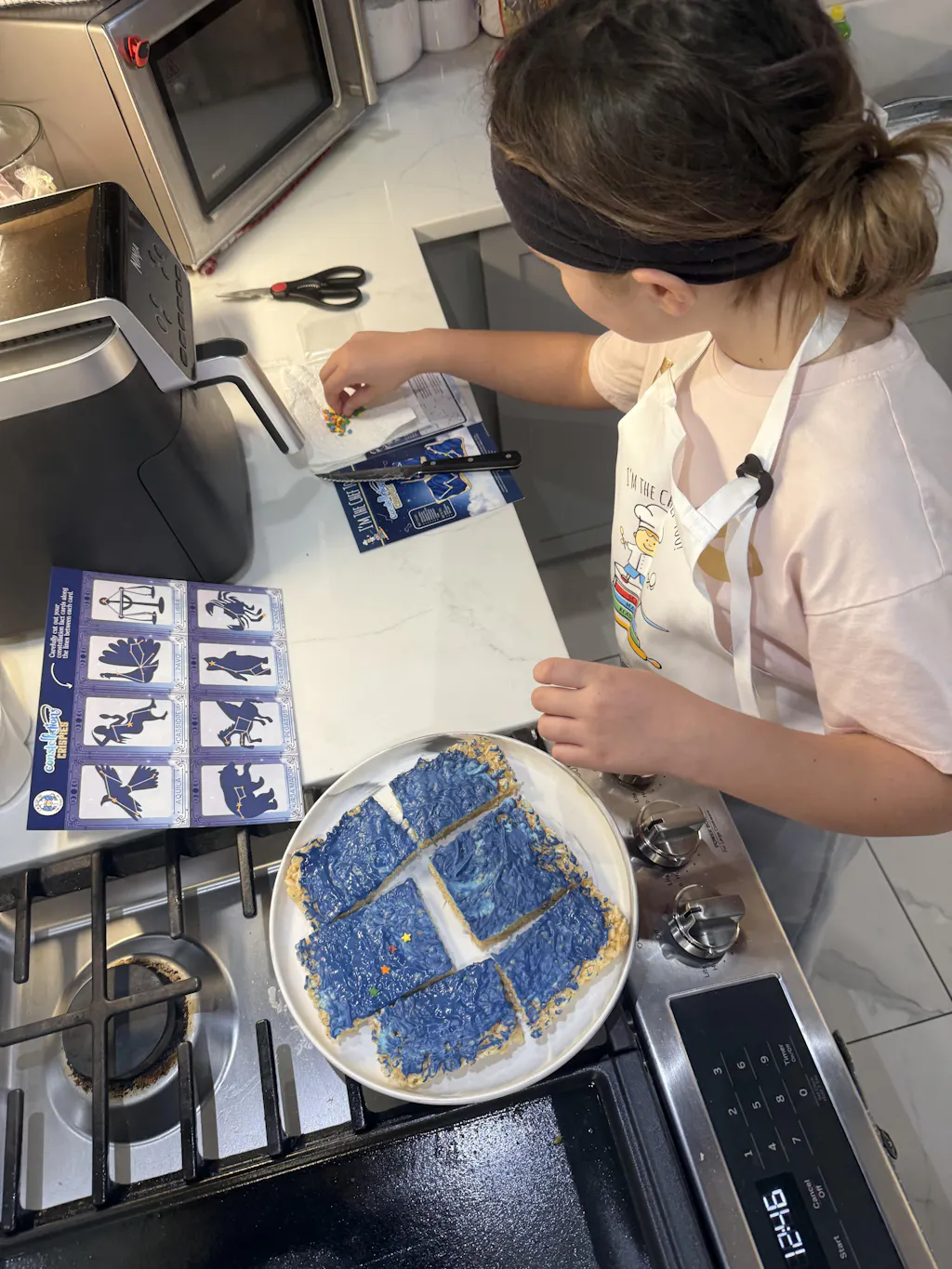
Moreover, healthy eating habits are learned behaviors. By consistently offering nutritious snack options and involving children in their selection and preparation, we teach them about good food choices from an early age. This positive relationship with food, where "always foods" are celebrated for making their bodies grow strong and healthy, avoids the pitfalls of restrictive or guilt-ridden eating. At I'm the Chef Too!, our mission is rooted in this philosophy. We believe that by blending food, STEM, and the arts, we can transform healthy eating into an "edutainment" experience. When kids actively participate in making a delicious, wholesome snack, they're not just consuming nutrients; they're sparking curiosity, building confidence, and learning valuable life skills, all without even realizing it's an educational moment.
The Power of Dry Snacks: Convenience Meets Nutrition
In the busy rhythm of family life, convenience is king. We need solutions that fit into hurried mornings, spontaneous outings, and the inevitable "I'm starving!" declarations. This is precisely where healthy dry snacks shine. By "dry snacks," we're referring to items that are shelf-stable, easily portable, and generally less prone to creating a mess than their fresh or refrigerated counterparts. Think beyond just crackers and chips; this category encompasses a vast array of possibilities, from homemade granola to dehydrated fruit and savory roasted chickpeas.
The benefits of incorporating healthy dry snacks into your routine are multifaceted. First and foremost is their unparalleled portability. Packed lunchboxes, sports bags, diaper bags, or even a child's backpack become instant snack hubs, ready to stave off hunger wherever you go. This means fewer emergency stops for less healthy, impulse buys, and more controlled, nutritious choices. Whether it's a long car ride, a trip to the park, or simply a busy afternoon at home, dry snacks minimize fuss and maximize ease.
Beyond convenience, many dry snacks naturally lend themselves to being highly nutritious. Whole grains, nuts, seeds, and dried fruits are powerhouses of fiber, protein, and essential vitamins and minerals. These components contribute to prolonged satiety, preventing those energy crashes often associated with sugary, processed alternatives. A handful of trail mix, for example, provides a complex blend of carbohydrates, healthy fats, and protein, offering sustained energy for active play or focused learning.
Furthermore, dry snacks are fantastic for reducing food waste. Fresh fruits and vegetables can spoil quickly, especially when forgotten in a lunchbox or left out too long. Dried versions, when stored properly, have a significantly longer shelf life, making them excellent staples to keep on hand. This also makes meal prepping easier; a batch of homemade granola or fruit leather can last for weeks, providing grab-and-go options for countless snack times.
At I'm the Chef Too!, we champion screen-free educational alternatives that foster creativity and family bonding. Preparing and enjoying healthy dry snacks together embodies this philosophy perfectly. From measuring ingredients for homemade granola (a great math lesson!) to observing the transformation of fruit in a dehydrator (hello, science!), these activities are tangible, hands-on experiences that engage children in a meaningful way. Rather than passively consuming pre-packaged items, they become active participants in their nourishment, building a connection to their food that transcends mere consumption. Ready to infuse your kitchen with more "edutainment"? Discover how our Chef's Club subscription delivers these unique, delicious learning adventures right to your door every month.
Homemade Healthy Dry Snacks: Cooking Up Creativity
There's something incredibly satisfying about preparing snacks from scratch. Not only do you have complete control over the ingredients, ensuring less sugar and fewer artificial additives, but you also create a wonderful opportunity for "edutainment" in your kitchen. At I'm the Chef Too!, our mission is to blend food, STEM, and the arts into one-of-a-kind experiences. Making homemade dry snacks is a perfect example of this, transforming simple ingredients into delicious creations through tangible, hands-on cooking adventures. These activities spark curiosity, facilitate family bonding, and provide a screen-free educational alternative that's both fun and incredibly rewarding.
Granola & Cereal Adventures
Homemade granola is a classic for a reason. It's infinitely customizable, typically healthier than store-bought varieties, and fills your home with an inviting aroma.
- Customizable Granola: Start with a base of rolled oats. This is where the STEM magic begins! Discuss different grain types, the role of liquids like maple syrup or honey (a natural binder and sweetener), and the process of heat in creating a crunchy texture. Kids can choose their favorite mix-ins: sunflower seeds, pumpkin seeds, chia seeds (discuss their superfood properties!), unsweetened coconut flakes, and a sprinkle of cinnamon or nutmeg for warmth. Melt a little coconut oil with your sweetener, mix thoroughly with the dry ingredients, and bake at a low temperature until golden and crispy. Once cooled, add dried fruits like raisins, cranberries, or chopped apricots. This isn't just baking; it’s a chemistry lesson on proportions and reactions, and an engineering challenge in achieving the perfect texture. Store it in an airtight container for weeks of deliciousness.
- Homemade Crunchy Cereals: Get creative with puffed rice or oat cereals. Lightly toast them with a drizzle of maple syrup and a pinch of cinnamon, then let them cool completely until crisp. You can also make a simple batch of baked oat clusters using oats, a mashed banana, and a touch of vanilla extract. These offer a wholesome, lower-sugar alternative to many commercial cereals, perfect for snacking straight from the bowl or topping yogurt.
Fruity Fun: Dried Fruit Focus
Drying fruit concentrates its natural sweetness and flavor, making it a chewy, delightful snack. It’s also an excellent way to preserve seasonal produce.
- Dehydrated Fruit: If you have a food dehydrator, you're in for a treat. Apples, bananas, kiwis, mangoes, and even berries transform into delightful, nutrient-dense snacks. Slice fruits thinly and uniformly (a great lesson in precision!). For apples, a quick soak in lemon water prevents browning. Arrange slices on dehydrator trays, ensuring good airflow. Explain how the process of dehydration removes water, a science concept fundamental to food preservation. This simple act of removing moisture extends shelf life and creates a chewy, satisfying texture. The resulting apple rings or kiwi slices are perfect for lunchboxes or a quick energy boost.
- Fruit Leather: This is a fantastic way to use up overripe fruit and create a naturally sweet, chewy treat without added sugars or artificial colors. Blend any fruit or combination of fruits (berries, apples, peaches work wonderfully) until smooth. You can add a tiny bit of honey or maple syrup if your fruit isn't very sweet, but often it's not needed. Spread the puree thinly and evenly on a silicone-lined dehydrator tray or a baking sheet with parchment paper. Dry at a low temperature until pliable but no longer sticky. Once dry, cut into strips and roll them up in parchment paper – kids love to help with this! It’s a culinary art project where they can experiment with different flavor combinations and see the physical transformation of fruit.
Savory & Crunchy Creations
Who says healthy dry snacks have to be sweet? Savory options are equally satisfying and often pack a protein punch.
- Veggie Chips: Forget greasy potato chips. Make your own kale, zucchini, or sweet potato chips! Thinly slice vegetables (a great opportunity to talk about geometry in slicing). Toss with a tiny bit of olive oil and seasonings like sea salt, garlic powder, or a sprinkle of nutritional yeast for a "cheesy" flavor. Bake at a low temperature until crispy, or use a dehydrator for a more intense crunch. Kids might be surprised how much they love these flavorful, crunchy alternatives. It’s a wonderful way to introduce them to different vegetables in an appealing format.
- Roasted Nuts, Seeds, and Legumes: These are protein powerhouses. Roast chickpeas with olive oil and spices (paprika, cumin, salt) until crunchy. Similarly, seasoned roasted edamame offers a satisfying crunch and a boost of plant-based protein. For older children, a homemade trail mix with roasted almonds, walnuts, pumpkin seeds, and a few dried cranberries or dark chocolate chips is excellent. Always be mindful of allergies and adjust ingredients as needed, perhaps opting for sunflower seeds or pumpkin seeds for nut-free options.
- Homemade Crackers: Elevate snack time with crackers made from wholesome ingredients. Carrot crackers, for instance, blend carrot pulp with whole-wheat flour and seeds like chia or sesame, baked until crisp. This is a practical way to "hide" vegetables in a kid-friendly format, encouraging them to try new flavors and textures. It's a simple baking project that involves measuring, mixing, and shaping – all fundamental STEM skills.
Energy Bites & Bars: No-Bake Wonders
For quick, wholesome, and often no-bake options, energy bites and homemade bars are incredibly versatile.
- Protein Balls/Energy Bites: These bite-sized powerhouses are perfect for a sustained energy release. Combine rolled oats, a nut butter (or seed butter like sunflower seed butter for allergy-friendly versions), a touch of honey or maple syrup, and mix-ins like flax seeds, chia seeds, shredded coconut, or mini chocolate chips. Roll them into balls and chill. This is a fantastic lesson in binding agents and how different ingredients contribute to texture and nutrition. The "no-bake" aspect means less heat, more kid-friendly involvement!
- Homemade Granola Bars: Much like granola, these offer incredible versatility. A common base includes oats, a binding agent (mashed banana, nut butter, honey/maple syrup), and various add-ins. Press the mixture into a pan, chill, and then cut into bars. These are often softer than commercial bars and much lower in added sugar. It's a great opportunity to discuss how different binders create different textures – a real-world example of material science!
These homemade dry snack ideas are more than just recipes; they are invitations for discovery and connection. They provide endless opportunities for children to engage their senses, learn practical skills, and appreciate the delicious results of their efforts. For even more exciting hands-on "edutainment" adventures that blend cooking with science and art, browse our complete collection of one-time kits. You'll find a world of engaging projects perfect for sparking curiosity any day of the week!
Smart Store-Bought Healthy Dry Snacks: Your Go-To List for Busy Days
Let's be real: as much as we love the idea of making every snack from scratch, life happens. There are days when time is short, energy is low, and convenience is paramount. That's why having a curated list of smart, healthy store-bought dry snacks is just as crucial as having a repertoire of homemade recipes. The key is knowing what to look for and what to avoid in the vast, often overwhelming, snack aisle.
When selecting packaged snacks, we at I'm the Chef Too! recommend a few simple criteria to guide your choices:
- Look for at least 3 grams of protein and/or fiber per serving: These nutrients contribute to satiety and sustained energy.
- Prioritize options with less than 5-6 grams of added sugar per serving: Naturally occurring sugars in fruit are fine, but excessive added sugars can lead to energy crashes.
- Opt for whole ingredients: The shorter and more recognizable the ingredient list, the better.
Here's a breakdown of excellent store-bought healthy dry snacks, categorized for easy browsing:
Crunchy & Savory Staples
Everyone loves a satisfying crunch! These options deliver flavor and texture without overdoing it on unhealthy fats or artificial ingredients.
- Whole-Grain Crackers: Look for varieties made with 100% whole grains and minimal added sugars. Brands like Triscuits Thin Crisps (for easier chewing) or Simple Mills crackers (often almond or seed-based) are great. They're excellent on their own or paired with a slice of cheese, a dollop of hummus, or even a smear of nut butter for added protein and healthy fats.
- Veggie-Based Puffs & Chips: These have come a long way! Brands like Hippeas (chickpea puffs) or Harvest Snaps (lentil or pea crisps) offer fun shapes and satisfying crunch with plant-based protein and fiber. They're a great way to introduce alternative savory flavors and textures.
- Roasted Nuts & Seeds: Unsalted or lightly salted roasted almonds, cashews, pistachios, sunflower seeds, or pumpkin seeds are fantastic sources of healthy fats, protein, and fiber. They are excellent for older children (due to choking hazards for very young kids) and offer sustained energy. Portion control is key with these calorie-dense options.
- Popcorn: Air-popped popcorn is a whole grain that can be a surprisingly healthy snack when lightly seasoned. Look for brands that offer sea salt or plain options, avoiding excessive butter or artificial flavorings. For younger children, ensure it's fully popped and they can chew it safely, or consider popcorn cakes if choking risk is a concern.
- Seaweed Snacks: These thin, crispy sheets offer a unique savory flavor and trace minerals. While not for everyone, many kids enjoy the delicate crunch. Look for varieties with minimal oil and salt.
Bars & Bites for On-the-Go
Granola and fruit bars are incredibly convenient, but checking labels is crucial to avoid hidden sugars.
- Lower-Sugar Granola Bars: Seek out brands that prioritize whole ingredients and keep added sugar low. Options like 88 Acres Seed & Oat Bars, Kind Mini's (for older kids due to nuts), or Simple Mills Soft Baked Bars often fit the bill, providing a good balance of fiber and protein. They're perfect for lunchboxes or a quick grab-and-go when heading out the door.
- Fruit Bars: Brands like That's It or Larabar (check ingredients carefully, as some have added sugar) offer simple bars made primarily from dried fruit and sometimes nuts. These are often just fruit compressed into a bar, providing natural sweetness and fiber. They’re excellent for pairing with a protein source like a cheese stick to ensure more staying power.
Fruity & Sweet (Naturally)
When kids crave something sweet, these fruit-based dry snacks are excellent, naturally occurring options.
- Freeze-Dried Fruit: Unlike traditional dried fruit, freeze-dried fruit retains its original shape, has an airy, crunchy texture, and often a more intense flavor. It's 100% fruit with no added sugars. Bare Apple Chips or Brothers Freeze-Dried Strawberries are popular choices. They're less sticky than regular dried fruit, making them a cleaner snack.
- Plain Dried Fruit: Raisins, dried cranberries (opt for lower sugar versions), dried apricots, and mango slices are excellent sources of fiber and natural sugars for quick energy. Remember that dried fruit is concentrated, so portion control is important. Pairing it with a protein source like a handful of nuts or seeds, or a cheese stick, helps balance the sugar content.
- Peeled Snacks or Bear Fruit Rolls: These are often just pureed fruit formed into rolls or shapes, with no added sugars or artificial ingredients. They offer a chewy, fun texture that kids often love as an alternative to candy.
Protein Boosters
Protein is essential for muscle growth and satiety. Incorporating these dry protein-rich snacks helps keep kids feeling full and energized.
- Meat Sticks/Jerky: Look for brands like Chomps or Vermont Smoke & Cure that use high-quality, lean meats with no added nitrites/nitrates, artificial ingredients, or excessive sugars. These provide a convenient source of protein on the go.
- Dry Roasted Edamame/Chickpeas: These crunchy legumes are packed with plant-based protein and fiber. They're a fantastic savory snack for kids who enjoy a bit of crunch and offer a great alternative to nuts.
- Cheese Sticks/Wrapped Cheese: While technically refrigerated, individually wrapped cheese sticks or mini Babybel cheeses are surprisingly robust for short periods outside the fridge and make a fantastic dry snack component when packed with an ice pack. They provide calcium and protein, making them an excellent complement to crackers or fruit.
Navigating the snack aisle can be a challenge, but with these guidelines, you can make informed choices that support your child's health and development. Remember, the goal is balance and variety. Don't be afraid to experiment with different options to see what your kids enjoy. And if you're looking to explore a wide range of fun and engaging activities, whether you're ready to subscribe to a monthly adventure or just want to try a new theme, remember you can always browse our complete collection of one-time kits to find the perfect blend of food, STEM, and art for your little chef!
Making Snack Time an "Edutainment" Opportunity
At I'm the Chef Too!, we firmly believe that learning doesn't have to be confined to textbooks or screens. It can happen in the most delicious and unexpected places – like your kitchen, during snack time! Our core mission is to blend food, STEM (Science, Technology, Engineering, and Math), and the arts into one-of-a-kind "edutainment" experiences that spark curiosity and creativity in children. Every single homemade healthy dry snack, and even the thoughtful selection of store-bought ones, presents a golden opportunity to integrate this philosophy into your daily routine.
STEM in the Kitchen: Everyday Discoveries
Cooking is, at its heart, a hands-on science experiment, an applied math problem, and an exercise in engineering. When children help prepare dry snacks, they're not just stirring ingredients; they're engaging with fundamental STEM concepts:
- Science: What makes dough rise (yeast, chemical reactions)? Why does fruit change color when dried (oxidation, water removal)? How do different ingredients bind together (chemistry of textures)? Watching dough transform as it's baked into homemade crackers or observing fruit change texture in a dehydrator are real-time science lessons.
- Technology: Even simple kitchen tools are technology! Using a food processor to blend ingredients for fruit leather, or a kitchen scale to accurately measure for granola, introduces children to practical applications of technology in everyday life.
- Engineering: Designing a balanced granola bar (structural integrity!), layering ingredients, or precisely slicing vegetables for chips involves basic engineering principles. How do we ensure even cooking or drying? How do we make sure a protein ball holds its shape? These are all engineering challenges!
- Math: Measuring cups, spoons, counting ingredients, timing baking – the kitchen is a math classroom in disguise. Doubling a recipe for a larger batch of energy bites introduces fractions and multiplication in a practical context.
Art & Creativity: Edible Masterpieces
Cooking is also an art form. From the vibrant colors of fresh fruit being pureed for fruit leather to the arrangement of different seeds and nuts in a trail mix, the visual appeal of food plays a huge role in enjoyment.
- Color & Texture: Encourage kids to think about the colors in their fruit leather or veggie chips. How can they make their granola visually appealing with different seeds and dried fruits?
- Shaping & Decorating: Rolling energy bites, cutting fruit leather into fun shapes, or arranging vegetable slices on a tray – these are all artistic expressions. Let them experiment with different cookie cutters for crackers or use sprinkles (sparingly!) on homemade granola for a special touch.
Family Bonding: Creating Lasting Memories
Beyond the academics, involving children in snack preparation fosters invaluable family bonding. Shared experiences in the kitchen build communication skills, encourage teamwork, and create joyful memories that last a lifetime. It’s a dedicated screen-free time where conversations flow naturally, laughter fills the air, and everyone contributes to a common, delicious goal.
This is the essence of what we do at I'm the Chef Too!. Our meticulously designed kits are developed by mothers and educators, ensuring that each cooking adventure is packed with these integrated learning opportunities. We aim to take the guesswork out of mealtime learning, providing everything you need for a complete, enriching experience.
Screen-Free Engagement: A Positive Alternative
In an age dominated by screens, providing engaging, hands-on, screen-free alternatives is more important than ever. Cooking and baking offer just that – a chance for children to use their hands, engage their senses, and connect with the tangible world around them. It's a mindful activity that develops focus and patience, contrasting sharply with the passive consumption of digital content.
Whether you're making a batch of "Erupting Volcano Cakes" that bubble over with scientific wonder, or creating an edible solar system with our "Galaxy Donut Kit," our approach ensures learning is always fun and delicious. These types of projects are not just for your home kitchen; we extend this unique learning experience to various settings. Bring our hands-on STEM adventures to your classroom, camp, or homeschool co-op. Learn more about our versatile programs for schools and groups, available with or without food components, to inspire a love of learning in larger groups!
Our monthly Chef's Club subscription is specifically designed to bring these enriching, screen-free "edutainment" experiences right to your kitchen door, month after month. Each box contains pre-measured dry ingredients and specialty supplies, making it easy to dive into a new adventure without the hassle of shopping. It’s a commitment to ongoing educational fun, facilitating family bonding and sparking endless curiosity.
Practical Tips for Snack Success
Making healthy dry snacks a consistent part of your family's routine doesn't have to be complicated. With a few practical strategies, you can streamline the process, reduce stress, and ensure your kids are always fueled with nutritious options.
1. Involve the Kids from Start to Finish
This is perhaps the most powerful tip. When children are involved in choosing, preparing, and even packing their snacks, they're far more likely to eat them.
- Choice & Selection: Take them to the grocery store or farmer's market to pick out fruits and vegetables for drying or ingredients for granola. Let them choose which healthy dry snacks they want to try from your pre-approved list.
- Simple Prep Tasks: Even young children can help. They can wash fruit, tear kale for chips, stir granola mixtures, press out fruit leather, or roll energy bites. Older children can slice softer fruits (with supervision), measure ingredients, and help with baking.
- Packing Their Own: Give them designated snack containers and let them pack their own daily dry snacks for school or outings. This fosters independence and teaches them about portion control.
2. Prep Ahead: The Power of Batch Cooking
Batch cooking isn't just for main meals; it's a game-changer for snacks.
- Weekly Batch: Dedicate a block of time once a week (perhaps on a weekend) to prepare several batches of dry snacks. Make a large quantity of granola, a few sheets of fruit leather, or a big bowl of energy bites.
- Portioning: Once prepared and cooled, immediately portion out dry snacks into individual servings. Small reusable containers or snack bags make grab-and-go incredibly easy during busy mornings.
- Freeze for Later: Many dry snacks, like granola bars, energy bites, and even some homemade crackers, freeze beautifully. Store them in freezer-safe bags or containers and pull them out as needed.
3. Smart Storage: Keep it Fresh and Convenient
Proper storage ensures your hard work lasts and prevents spoilage.
- Airtight Containers: Invest in good quality, airtight containers to keep homemade granola, crackers, and dried fruit fresh and crisp. Exposure to air can make them stale or chewy.
- Cool, Dry Place: Store most dry snacks in a pantry or cupboard away from direct sunlight and heat.
- Label and Date: Especially for freezer items or larger batches, label containers with the contents and date of preparation. This helps you track freshness and rotate your stock.
4. Positive Food Language: Cultivating a Healthy Relationship with Food
The way we talk about food significantly influences how children perceive it.
- "Always Foods" vs. "Sometimes Foods": Instead of labeling foods as "good" or "bad," use positive, empowering language. "Always foods" (like healthy dry snacks) help their bodies grow strong and energetic, while "sometimes foods" are treats to enjoy in moderation.
- Focus on Benefits: Instead of "Eat your kale chips because they're good for you," try "These kale chips help your eyes see all the amazing things you want to build!" or "This granola gives you the energy to play outside."
- Avoid Food as Reward/Punishment: Don't use snacks to bribe or punish. This can create unhealthy associations with food.
5. Balance and Variety: Keep it Interesting
Kids (and adults!) can get stuck in a snack rut. Offer a rotating selection to keep things exciting and ensure a wider range of nutrients.
- Mix it Up: Don't offer the same snack every day. Rotate between savory and sweet, crunchy and chewy, homemade and store-bought.
- Pairing for Power: Combine different food groups for maximum nutrition and satiety. Pair a carbohydrate-rich dry snack (like a fruit bar) with a protein source (like a cheese stick) or healthy fat (like a handful of nuts).
6. Safety First: Adult Supervision is Key
Always prioritize safety, especially with young children.
- Choking Hazards: Be mindful of choking hazards for toddlers and preschoolers. Whole nuts, large seeds, popcorn, and sticky dried fruits can pose risks. Offer these in appropriate forms (e.g., ground nuts in energy bites, freeze-dried fruit rather than sticky dried fruit, fully popped popcorn for older kids).
- Supervision: Always supervise young children during snack time, especially when they are learning to chew and swallow different textures.
By integrating these practical tips, you can transform snack time from a daily challenge into a joyful, nourishing, and engaging part of your family's routine. Remember, it's about progress, not perfection. Every small step towards healthier choices makes a big difference in your child's development and well-being. And if you're looking for even more ways to bring engaging, educational experiences right to your home or classroom, remember our School & Group Programs offer flexible options with or without food components, designed to spark curiosity in any learning environment.
Conclusion
The journey of raising healthy, happy children is filled with countless decisions, and what to feed them for snacks is a recurring one. As we've explored, healthy dry snacks for kids are far more than just convenient bites; they are powerful tools for providing essential nutrients, stabilizing energy levels, and fostering a positive relationship with food. From the satisfaction of creating homemade granola and fruit leather to the strategic selection of nutritious store-bought options, embracing these versatile snacks means equipping your children with the fuel they need for growth, learning, and endless adventures.
At I'm the Chef Too!, our commitment is to make this journey not just manageable, but truly enriching. We believe that blending food, STEM, and the arts into unique "edutainment" experiences transforms everyday cooking into extraordinary moments of discovery. By involving children in the kitchen – measuring, mixing, observing, and creating – we spark their curiosity, build confidence, and cultivate valuable life skills. These hands-on, screen-free activities are designed by mothers and educators to be fun, engaging, and delicious, turning every snack-making session into a memorable family bonding experience.
So, let's embrace the power of the healthy dry snack. Let's make every munch count, turning simple hunger cues into opportunities for growth, learning, and connection. Ready to transform your kitchen into a hub of culinary creativity and scientific exploration?
Join The Chef's Club today! Our monthly Chef's Club subscription delivers a new, exciting adventure right to your door every month with free shipping in the US. Each box is a complete experience, containing pre-measured dry ingredients and specialty supplies, ready to ignite your child's imagination and taste buds. With flexible 3, 6, and 12-month pre-paid plans, it’s the perfect way to give the gift of learning that lasts all year, ensuring ongoing educational fun and delicious discoveries for the whole family.
FAQ Section
Q1: What makes a snack "healthy" for kids?
A: A healthy snack for kids is typically one that provides nutrients beyond just empty calories. Look for options rich in protein (to build and repair tissues), fiber (for digestive health and satiety), and complex carbohydrates (for sustained energy). Aim for minimal added sugars, unhealthy fats, and artificial ingredients. Whole foods like fruits, vegetables, whole grains, nuts, and seeds are generally excellent choices.
Q2: How can I get my picky eater to try new healthy dry snacks?
A: Patience and persistence are key!
- Involve them: Let them help choose ingredients or prepare the snack. Kids are more likely to try something they helped make.
- Presentation: Make snacks fun and visually appealing. Cut fruit leather into fun shapes or arrange veggie chips on a "snack board."
- Dip it: Offer a healthy dip alongside new savory dry snacks, like hummus or a yogurt-based dip, to make them more appealing.
- Pair with favorites: Introduce new items alongside a familiar, loved snack.
- Repeated exposure: Don't give up after one try. It can take multiple exposures (sometimes 10-15 times!) for a child to accept a new food.
- Lead by example: Let them see you enjoying the healthy dry snacks.
Q3: Are all dried fruits healthy?
A: While dried fruits are packed with fiber, vitamins, and minerals, they are also concentrated in natural sugars. Some commercially dried fruits may also contain added sugars (like cranberry products) or sulfites as preservatives. For the healthiest option, choose dried fruits with no added sugar or sulfur dioxide. Due to their concentrated sugar content, it's best to enjoy dried fruits in moderation and ideally paired with a source of protein or healthy fat (like nuts or seeds) to help balance blood sugar and increase satiety.
Q4: How long do homemade dry snacks last, and what's the best way to store them?
A: The shelf life of homemade dry snacks varies depending on the ingredients and how thoroughly they are dried.
- Granola & Energy Bites: Up to 2-3 weeks in an airtight container at room temperature, or up to 3 months in the freezer.
- Dried Fruit & Fruit Leather: If thoroughly dried (no moisture), they can last for several weeks to a few months in an airtight container in a cool, dark place. For longer storage, refrigeration or freezing is recommended.
- Veggie Chips & Crackers: Typically 1-2 weeks in an airtight container at room temperature. They can absorb moisture and lose crispness. Always store all homemade dry snacks in airtight containers to prevent staleness and moisture absorption. Labeling with the date of preparation is a good practice.
Q5: Can I'm the Chef Too! kits help with healthy eating habits?
A: Absolutely! Our mission at I'm the Chef Too! is to blend food, STEM, and the arts, creating "edutainment" experiences that naturally encourage healthy eating habits. By making exciting, delicious recipes that incorporate wholesome ingredients, children learn about food in a fun, hands-on way. They become more familiar and comfortable with ingredients like fruits, vegetables, and whole grains, making them more likely to try and enjoy healthy foods. Our kits are developed by mothers and educators to spark curiosity, build confidence, and foster a love for learning – and eating well – through engaging culinary adventures.