Table of Contents
- Understanding the "Why": More Than Just Age
- The Fruit Snack Dilemma: A Deep Dive into What's Really in the Box
- Age-by-Age Guide: When and How to Introduce Fruit Snacks (and Alternatives)
- Beyond Fruit Snacks: The I'm the Chef Too! Approach to Healthy Eating & Fun Learning
- Practical Tips for Parents: Beyond the Fruit Snack Debate
- The Role of I'm the Chef Too! in Fostering a Healthy Relationship with Food
- Conclusion
- Frequently Asked Questions (FAQ)
The snack aisle at the grocery store can be a vibrant, colorful wonderland for kids, and often, a puzzling maze for parents. Among the endless options, fruit snacks often catch our eye – they sound healthy, they’re convenient, and let’s be honest, kids love them. But beneath their fruity appeal lies a common dilemma: what age can kids have fruit snacks safely, and are they really a healthy choice?
As mothers and educators ourselves, we at I'm the Chef Too! understand the daily juggle of trying to nourish our children, spark their curiosity, and create meaningful family moments. Our mission is to blend food, STEM, and the arts into one-of-a-kind "edutainment" experiences, but we also know that informed choices about everyday foods are fundamental. This comprehensive guide will help you navigate the world of fruit snacks, offering clear age recommendations, safety considerations, and delicious alternatives. We'll explore not just when it's generally safe to introduce these chewy treats, but also why certain ages are more appropriate than others, focusing on choking hazards, sugar content, and the broader picture of your child's developing palate and skills. By the end, you'll have a clearer understanding of how to approach fruit snacks, or perhaps even discover new ways to make snack time both safe and wonderfully educational through hands-on food exploration.
Understanding the "Why": More Than Just Age
Before we dive into specific age guidelines, it’s crucial to understand the underlying reasons behind these recommendations. When it comes to introducing new foods, especially those with unique textures like fruit snacks, we’re looking at several interconnected factors concerning a child's development and overall health.
One of the primary concerns is choking hazards. Young children, particularly infants and toddlers, are still developing their chewing and swallowing capabilities. Their airways are smaller, and their molars, essential for grinding tougher foods, may not be fully in yet. Fruit snacks, especially the chewier, stickier varieties, can be difficult for little ones to break down effectively. They can easily get lodged in the throat, creating a dangerous situation. Think about the texture: sticky, gooey, rubbery – these are all qualities that make a food high-risk for an underdeveloped chewing system.
Another significant factor is added sugars. Many commercial fruit snacks, despite their name, are more akin to candy than actual fruit. They often contain high amounts of added sugars, artificial colors, and minimal actual fruit content. The American Academy of Pediatrics (AAP) and the Dietary Guidelines for Americans recommend avoiding added sugars for children under the age of two, and limiting them significantly for older children. Consuming too much added sugar, especially from a young age, can lead to several health issues, including dental cavities, an increased risk of obesity, and the development of a preference for overly sweet foods, making it harder to appreciate naturally less sweet, nutrient-dense options. It's about setting a foundation for healthy eating habits from the start.
Beyond these immediate concerns, we also consider digestive development and the overall nutritional impact. Infants and very young toddlers have delicate digestive systems that are still maturing. While fruit snacks might not cause acute digestive distress in the way some other foods might, their lack of fiber and high sugar content don't contribute positively to a balanced diet that supports healthy growth. Our goal at I'm the Chef Too! is to inspire a love for wholesome ingredients and the joy of creating food from scratch. This hands-on approach naturally teaches children about diverse textures, flavors, and the benefits of real, unprocessed foods – a stark contrast to the often-processed nature of fruit snacks.
The Fruit Snack Dilemma: A Deep Dive into What's Really in the Box
When we talk about "fruit snacks," we're often conjuring images of colorful, chewy, bite-sized treats. But what exactly are these popular items, and how do they differ from actual fruit? The truth is, the term "fruit snack" can be quite misleading, and understanding what's inside the package is crucial for making informed decisions for our children.
Most commercial fruit snacks are essentially glorified candies. While they might boast "real fruit juice" or "made with real fruit," a closer look at the ingredient list often reveals that fruit puree concentrates are mixed with various sugars (corn syrup, sugar, dextrose), starches, artificial flavors, and artificial colors. The actual nutritional value from the "fruit" component is often negligible after processing. The fiber and vitamins naturally present in whole fruit are typically stripped away or added back in synthetic forms, which aren't absorbed by the body as effectively as naturally occurring nutrients.
There's a wide spectrum within the fruit snack category:
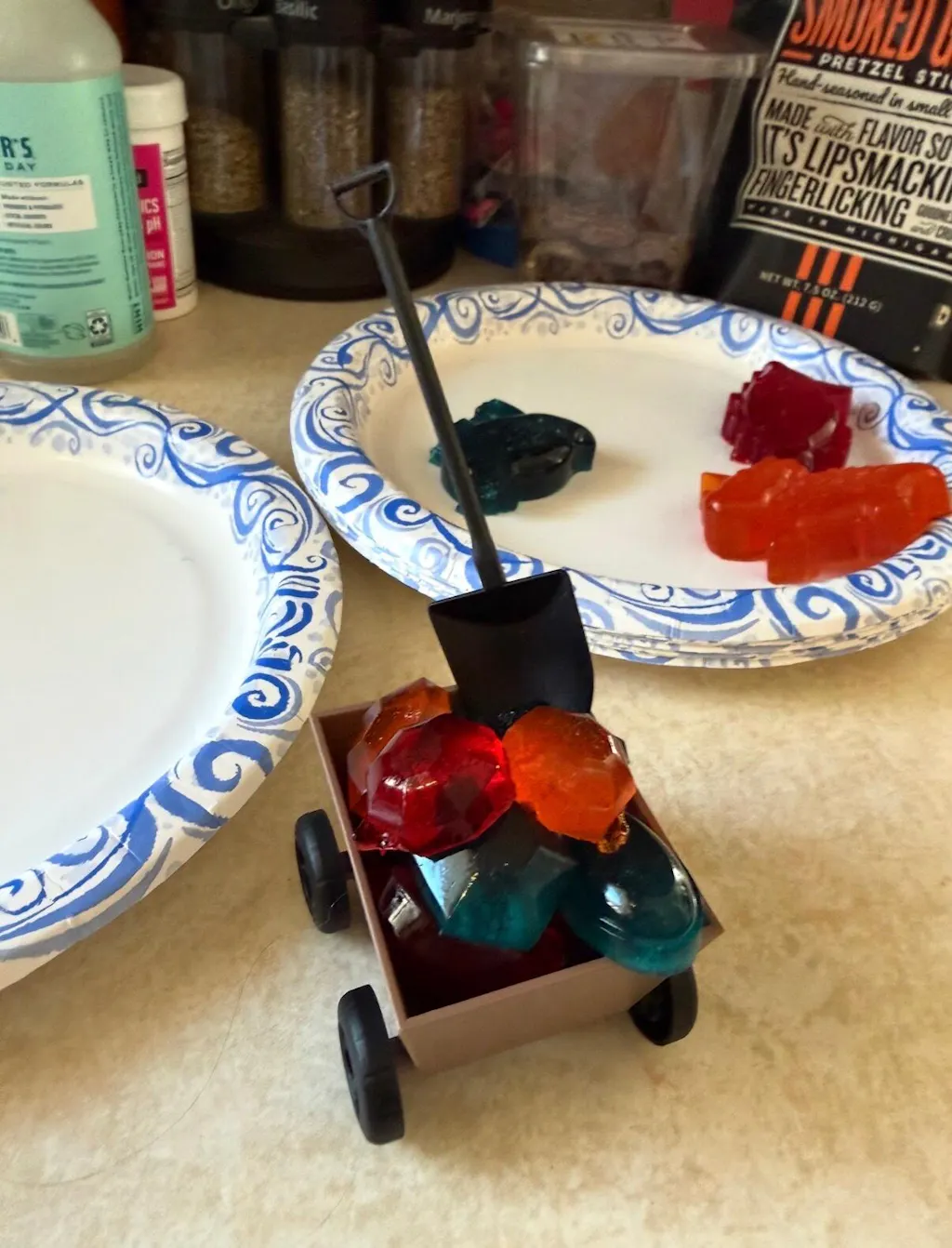
- Traditional Gummy Fruit Snacks: These are often the most prevalent and problematic. They tend to be very chewy, sticky, and high in sugar, making them both a choking hazard and a dental concern. Their texture can easily get stuck in teeth, promoting cavities.
- Softer, Melt-in-Your-Mouth Varieties: Some brands have developed fruit snacks that are designed to dissolve more readily or have a softer chew. These might be slightly less of a choking risk for older toddlers and preschoolers, but they still typically carry a significant sugar load.
- "Natural" or "Organic" Fruit Snacks: These might avoid artificial colors and flavors, sometimes using vegetable extracts for color and more "natural" sugars like cane sugar or honey (though honey is still an added sugar and should be avoided for children under one). However, "natural" doesn't automatically mean "low sugar" or "not a choking hazard." Their texture can still be sticky and chewy, and their sugar content remains high.
- Fruit Leathers/Strikes: These are usually made from concentrated fruit purees that are dried into a sheet. While some can be quite healthy if made from 100% fruit with no added sugars, others still contain significant amounts of added sweeteners and can be very sticky, posing a dental risk and sometimes a choking risk if large pieces are torn off.
Reading Labels: Your Best Defense To truly understand what you're offering your child, becoming a label detective is essential. Here's what to look for and what to be wary of:
- Ingredients List: Ingredients are listed in order of predominance. If sugar (or any of its many aliases like corn syrup, high-fructose corn syrup, glucose, dextrose, sucrose, maltodextrin, fruit juice concentrate) is among the first few ingredients, you know sugar is a primary component. Look for "whole fruit" or "fruit puree" as the first ingredient, and ideally, the only ingredient besides natural flavors if possible.
- Sugar Content: Check the "Added Sugars" line on the Nutrition Facts panel. This will tell you how much sugar has been added, separate from naturally occurring sugars in fruit. Remember the American Heart Association (AHA) recommendation: children aged 2-18 should consume no more than 25 grams (about 6 teaspoons) of added sugar per day. Many fruit snack pouches can contain a significant portion of this allowance in a single serving.
- Fiber Content: Whole fruits are rich in fiber, which is crucial for digestive health and satiety. Fruit snacks often have very little to no fiber. If a "fruit" snack lacks fiber, it's a good indicator that it's highly processed.
- Artificial Colors and Flavors: Look for "color added," "artificial flavor," or specific names of dyes (e.g., Red 40, Yellow 5, Blue 1). Many parents prefer to avoid these due to potential sensitivities in some children.
At I'm the Chef Too!, we advocate for children to understand where their food comes from and how real ingredients transform through cooking. Our kits are designed to teach children about tangible ingredients – the vibrant colors of fresh fruits, the scent of vanilla, the texture of flour. This hands-on experience demystifies food and empowers them to make healthier choices, far more effectively than any pre-packaged "fruit" snack ever could. Why give a child an imitation when they can create the real deal, exploring science and art along the way? If you're looking for delightful screen-free activities that encourage a love for real ingredients, we invite you to browse our complete collection of [One-Time Kits].
Age-by-Age Guide: When and How to Introduce Fruit Snacks (and Alternatives)
Navigating the introduction of new foods requires careful consideration of a child's developmental stage, especially concerning safety and nutrition. Here’s a detailed, age-by-age breakdown for fruit snacks and healthier alternatives, emphasizing our I'm the Chef Too! philosophy of hands-on learning with real ingredients.
Infants (Under 1 Year): A Firm No to Fruit Snacks
For infants under one year, fruit snacks are a definite no-go. This recommendation is firm and for crucial reasons:
- Choking Hazard: Infants do not have the developed chewing and swallowing skills necessary to safely manage the sticky, chewy texture of fruit snacks. Their airways are small, and a lodged fruit snack can be extremely dangerous.
- Added Sugars: Both the American Academy of Pediatrics (AAP) and the Centers for Disease Control and Prevention (CDC) strongly advise avoiding any added sugars for children under two years of age. Fruit snacks are typically packed with them, which offers no nutritional benefit and can contribute to dental decay and an early preference for overly sweet foods.
- Digestive System: An infant’s digestive system is still maturing. While fruit snacks aren't necessarily "hard to digest," they offer none of the fiber or essential nutrients found in whole foods that support healthy gut development.
Safe & Delicious Alternatives for Infants: Instead of highly processed fruit snacks, focus on naturally sweet, whole foods. These introduce infants to true fruit flavors and textures while providing vital nutrients.
- Mashed Bananas: Soft, naturally sweet, and easy to digest.
- Unsweetened Applesauce: Pureed apples offer a gentle, familiar taste.
- Soft Cooked Fruit Purees: Pears, peaches, berries (strained to remove seeds), or melons, cooked until very tender and pureed.
- Soft, Ripe Avocado: While not sweet, its creamy texture and healthy fats are excellent for infants.
At I'm the Chef Too!, we believe in building a foundation for a lifetime of healthy eating through early sensory exploration. While our kits are designed for slightly older children, the principle of hands-on engagement with real food starts at this foundational stage, fostering a positive relationship with diverse flavors and textures. Ready to discover how our monthly STEM cooking adventures can spark creativity and teach children about real ingredients? [Join The Chef's Club] and receive a new adventure delivered every month!
Toddlers (1-2 Years): Extreme Caution and Prioritize Real Fruit
As children transition into toddlerhood, their motor skills, including chewing, begin to improve. However, between 1 and 2 years of age, fruit snacks still pose significant risks and should be approached with extreme caution, ideally avoided.
- Continued Choking Risk: Toddlers are still mastering their chewing and swallowing. Sticky, chewy, and hard candies, including many fruit snacks, remain a high risk for choking. They can easily get stuck in a toddler’s throat or even their teeth, which can lead to dental issues.
- Added Sugars: The recommendation to avoid added sugars persists up to age two. While occasional, accidental exposure might happen, intentionally offering fruit snacks regularly goes against current expert guidelines for healthy development.
- Nutritional Void: Fruit snacks take up valuable space in a toddler’s small stomach that could otherwise be filled with nutrient-dense foods crucial for their rapid growth and development.
Safe & Delicious Alternatives for Toddlers: This is a fantastic age to introduce a wider variety of real fruits, focusing on preparations that eliminate choking hazards.
- Soft, Diced Fruits: Offer small, diced pieces of ripe melon, berries (halved or quartered), very ripe peaches, or steamed apples. Always ensure pieces are no larger than a pea and can be easily mashed between your fingers.
- Thinly Sliced Raw Apple (16/18+ months): Once chewing is more developed, thinly sliced raw apple can be introduced, but large chunks of raw apple remain a choking hazard until much later.
- Homemade Fruit Leathers: If you're inclined to DIY, fruit leathers made from 100% pureed fruit (no added sugar) can be a safer, albeit still sticky, option. Supervise closely.
- Yogurt with Fruit: Plain whole milk yogurt mixed with fresh, pureed, or finely diced fruit offers a sweet treat with nutritional benefits.
At I'm the Chef Too!, we believe in teaching complex subjects through tangible, hands-on, and delicious cooking adventures. For instance, our [Peppa Pig Muddy Puddle Cookie Pies] kit encourages children to explore different textures and flavors, potentially incorporating real fruit elements into a fun, edible creation. This teaches them about ingredients and the joy of making food, rather than simply consuming processed treats. For parents looking for fun, hands-on learning that uses real ingredients and builds foundational skills, explore our full library of adventure kits available for a single purchase in our shop. Browse our complete collection of [One-Time Kits].
Preschoolers (2-3 Years): Soft, Supervised, and Very Limited
By ages 2-3, children have significantly improved their chewing abilities and are becoming more adept at handling various food textures. However, fruit snacks should still be offered sparingly, with careful selection, and always under supervision.
- Reduced but Present Choking Risk: While their skills are better, sticky and excessively chewy candies, including many fruit snacks, can still pose a choking hazard. Choose only very soft, easily dissolved varieties if you choose to offer them at all.
- Moderation is Key: The focus shifts from outright avoidance to teaching moderation. If introduced, fruit snacks should be an occasional treat, not a daily staple. The American Heart Association (AHA) recommends limiting added sugars to no more than 25 grams per day for children aged 2-18. A single fruit snack pouch can quickly eat into this allowance.
- Dental Health: Sticky sweets cling to teeth, increasing the risk of cavities. Always offer water alongside fruit snacks and ensure immediate brushing afterwards.
Safe & Delicious Alternatives for Preschoolers: This age is perfect for encouraging greater independence in food choices, with parental guidance.
- Whole Berries: Blueberries, raspberries, and sliced strawberries are excellent.
- Orange Segments: Peeled and deseeded.
- Grape Halves (lengthwise): Whole grapes are a choking hazard; halving them lengthwise significantly reduces the risk.
- Baked Apples/Pears: Soft, sweet, and comforting.
- I'm the Chef Too! Creations: Our cooking kits are perfect for this age group, engaging them in the entire process from mixing to baking, and then enjoying their delicious creations. This helps them understand that treats can be made from scratch with real ingredients.
Preschoolers thrive on exploration and hands-on activities. Our unique approach at I'm the Chef Too! facilitates family bonding and provides a screen-free educational alternative. Ready to spark curiosity and creativity in your child with tangible, hands-on cooking adventures that teach valuable STEM skills? [Join The Chef's Club] today and experience the convenience of a new adventure delivered to your door every month with free shipping in the US.
Young Children (4-5 Years): More Options, But Moderation and Education are Crucial
At this age, most children have well-developed chewing and swallowing skills, meaning the choking risk from fruit snacks is significantly reduced, though not entirely eliminated for hard or unusually sticky types. The focus here shifts to ongoing education about healthy choices and practicing moderation.
- Choose Wisely: While more varieties might be acceptable, continue to prioritize softer fruit snacks and those with minimal added sugars. Avoid very hard candies or extremely sticky options like traditional gummy bears, taffy, or lollipops.
- Teach Context: Explain that fruit snacks are "treats" and not a substitute for actual fruit. Encourage them to understand that these foods should be enjoyed in moderation, perhaps with a meal or as an occasional special snack, rather than constantly throughout the day.
- Dental Vigilance: Continue to emphasize good dental hygiene, brushing regularly, especially after consuming sticky sweets.
Safe & Delicious Alternatives for Young Children: Empower children at this age to help prepare snacks, connecting them more deeply to their food.
- Fruit Skewers: Fun to assemble with various fruits.
- Apple Slices with Nut Butter: A classic, nutritious snack (ensure no nut allergies).
- Homemade Smoothies: Kids can help blend their favorite fruits and a touch of yogurt or milk.
- Our Edible STEM Adventures: This is an ideal age for I'm the Chef Too! kits! Children can actively participate in measuring, mixing, and observing the science behind their edible creations. For example, our [Erupting Volcano Cakes] kit not only creates a delicious treat but also provides a fantastic visual demonstration of a chemical reaction, making science tangible and exciting. This fosters a love for learning and confidence in the kitchen. Dive into delicious discoveries and make learning an adventure. Browse our complete collection of [One-Time Kits].
School-Aged Children (6 Years and Older): Education, Empowerment, and Balanced Choices
By school age, children are generally capable of handling a broad range of food textures, and the primary concern with fruit snacks shifts entirely to nutritional content, sugar intake, and fostering a balanced relationship with food.
- Empower Choices: Involve them in reading labels. Teach them how to spot added sugars and understand the difference between a "fruit snack" and a piece of real fruit. This is about giving them the knowledge to make informed decisions for themselves.
- Continued Moderation: While they may have more access to such treats through friends or school, consistent messaging about moderation and balance from home is vital. Allow them some autonomy in choosing when to enjoy a treat, but within established family guidelines.
- Healthy Habits: Reinforce the importance of a diverse diet rich in whole fruits, vegetables, and proteins, with treats as an occasional enjoyment rather than a dietary staple.
Safe & Delicious Alternatives for School-Aged Children: Encourage them to get even more involved in the kitchen!
- Whole Fruits: Keep a fruit bowl accessible for easy grabbing.
- Yogurt Parfaits: Layered with fruit and granola.
- Homemade Trail Mix: Kids can customize their own with nuts, seeds, dried fruit, and a few chocolate chips.
- I'm the Chef Too! Kits for Advanced Skills: Our kits challenge older children with more complex recipes and scientific concepts, making learning truly engaging. They develop critical thinking, problem-solving, and fine motor skills. For ongoing STEM and culinary exploration that fosters independence and a love for real food, [Join The Chef's Club] and receive a new adventure delivered every month with free shipping in the US!
Beyond Fruit Snacks: The I'm the Chef Too! Approach to Healthy Eating & Fun Learning
At I'm the Chef Too!, our commitment goes far beyond simply avoiding certain foods. We believe in proactive, positive engagement with food that sparks curiosity, fosters creativity, and strengthens family bonds. Our unique approach blends food, STEM, and the arts into captivating "edutainment" experiences that offer a truly enriching alternative to processed snacks and endless screen time.
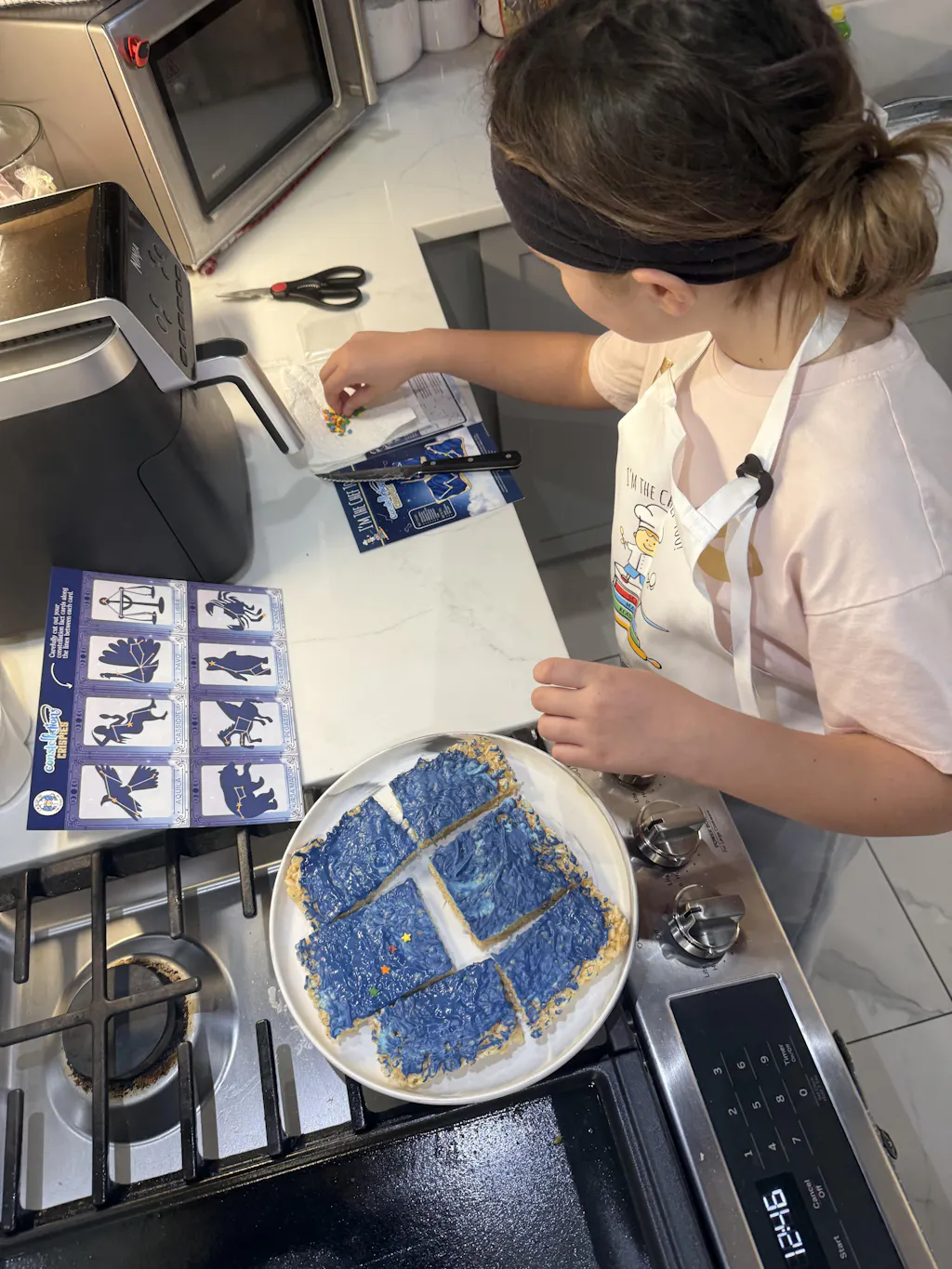
Imagine your child not just eating a snack, but making it. Imagine them understanding the magic behind a chemical reaction because they watched their own cake bubble and rise, or learning about astronomy by creating an edible solar system with vibrant, real ingredients. That’s the heart of what we do. We understand that cooking is more than just following a recipe; it’s a powerful educational tool that naturally teaches:
- Science: Observing ingredients change state, understanding chemical reactions (like baking soda and vinegar in our [Erupting Volcano Cakes] kit!), exploring solubility, and the physics of mixing.
- Math: Measuring ingredients, understanding fractions, counting, and following sequences.
- Art: Decorating their creations, understanding color theory, and expressing their creativity through edible masterpieces.
- Reading & Comprehension: Following recipe instructions, understanding new vocabulary.
- Life Skills: Problem-solving, patience, fine motor skill development, and the satisfaction of a job well done.
Our kits, developed by mothers and educators, are designed to make learning tangible and delicious. We provide pre-measured dry ingredients and specialty supplies, taking the stress out of meal prep and allowing families to jump straight into the fun. By involving children in the process of creating their own treats, we're not just making a snack; we're cultivating a deeper appreciation for real ingredients, empowering them with kitchen confidence, and building positive associations with healthy eating.
When children actively participate in cooking, they are more likely to try new foods, understand where food comes from, and make healthier choices down the line. They learn to value the effort and love that goes into preparing meals, moving away from the passive consumption of pre-packaged items like fruit snacks. This hands-on experience transforms "snack time" into a powerful learning opportunity and "treats" into memorable, educational adventures. For example, exploring astronomy by creating your own edible solar system with our [Galaxy Donut Kit] provides a delightful and educational alternative to conventional snacks, blending science with a delicious outcome.
Practical Tips for Parents: Beyond the Fruit Snack Debate
Navigating children's nutrition is an ongoing journey, and our goal at I'm the Chef Too! is to empower you with practical, positive strategies that extend beyond the fruit snack discussion.
-
Read Labels Diligently: This cannot be stressed enough. Become a savvy consumer. Understand that marketing can be misleading. Always check the ingredient list and the "added sugars" content. Prioritize whole, recognizable ingredients.
-
Prioritize Real Fruit: The best "fruit snack" is always real fruit. It offers fiber, vitamins, and antioxidants in their natural, most beneficial forms. Keep a variety of washed, ready-to-eat fruits easily accessible.
-
Offer Water with Snacks (and meals!): Water is essential, especially when consuming anything sticky or sugary. It helps rinse the mouth, reducing the risk of dental decay, and keeps children hydrated.
-
Model Healthy Eating Habits: Children learn by example. When they see you enjoying whole fruits and vegetables and making balanced choices, they are more likely to do the same. Make healthy eating a family affair.
-
Make Snack Time a Supervised, Seated Activity: This is crucial for preventing choking, especially with younger children or when introducing new textures. Eating on the go or while distracted increases choking risk significantly.
-
Creative Alternatives to Fruit Snacks:
- Homemade Fruit Pops: Blend favorite fruits with a splash of water or yogurt, pour into molds, and freeze.
- Dried Fruit (with caution): While naturally sweet, dried fruits like raisins, cranberries, or apricots are still sticky and chewy. For younger children (1+), cut larger dried fruits into tiny pieces and offer only a few at a time. For ages 4+, supervise closely. Avoid for infants.
- Fruit and Veggie Smoothies: A great way to pack in nutrients. Kids can help choose ingredients and blend them!
- Yogurt Bites: Small dollops of yogurt frozen on parchment paper.
- Our I'm the Chef Too! Kits: Our kits are fantastic for creating delicious, often healthier, homemade treats. They turn baking into an educational adventure, teaching kids about real ingredients and the joy of creation.
-
Don't Demonize Foods, Teach Balance: It's important to foster a healthy relationship with food, free from guilt or shame. Completely banning treats can sometimes backfire, making them even more desirable. Instead, teach children about balance – enjoying all foods in moderation as part of a varied diet. This aligns perfectly with our philosophy at I'm the Chef Too! – we believe in the joy of food, celebration, and the occasional delicious indulgence, especially when it's something you've made yourself!
The Role of I'm the Chef Too! in Fostering a Healthy Relationship with Food
At I'm the Chef Too!, we recognize that developing a healthy relationship with food is a cornerstone of a child's overall well-being. Our unique "edutainment" approach is designed not just to teach STEM concepts, but also to instill a positive and informed perspective on what we eat.
By engaging children in the entire cooking process – from mixing to baking, and finally, tasting their creations – we're building more than just culinary skills. We're fostering:
- Positive Associations: When children cook, food becomes an adventure, a source of pride, and a joyful family activity. This positive connection helps them appreciate food beyond mere sustenance or a quick sugar fix.
- Understanding Ingredients: Our kits allow children to see, touch, and smell real ingredients. They learn about the transformation of raw components into delicious dishes, gaining an intrinsic understanding of what goes into their food, rather than simply accepting a pre-packaged label. This knowledge is crucial for making informed choices later in life.
- Empowerment and Confidence: Mastering a recipe, even with pre-measured ingredients, gives children a tremendous sense of accomplishment. This empowerment extends to feeling more in control of their food choices and less reliant on external sources for their treats.
- Mindful Eating: When you've put effort into creating something, you tend to savor it more. Our cooking adventures encourage mindful eating, appreciating flavors and textures, rather than rushed, mindless snacking.
- Family Bonding: In an increasingly busy and screen-dominated world, our kits provide a wonderful opportunity for families to connect, laugh, and learn together in the kitchen. These shared experiences create lasting memories and lay the groundwork for a lifetime of positive family traditions centered around food.
We are committed to providing a screen-free educational alternative that blends fun with learning, and delicious outcomes with valuable life skills. We don't promise your child will become a top chef or scientist overnight, but we do promise to spark curiosity, build confidence, and create joyful family memories through the magic of cooking and discovery. Our unique approach, developed by mothers and educators, is all about the process: the joy of learning, the thrill of creation, and the delicious satisfaction of a homemade treat.
Conclusion
Navigating the world of children's snacks, especially the colorful and tempting fruit snack aisle, can feel like a minefield for parents. We've explored that the question of "what age can kids have fruit snacks" is layered with considerations of safety, nutrition, and developmental readiness. From the firm "no" for infants under one due to choking hazards and added sugars, to the cautious and limited introduction for toddlers and preschoolers, and finally, the emphasis on education and moderation for school-aged children, the journey is one of gradual progression and informed choices.
Ultimately, while an occasional, age-appropriate, and carefully selected fruit snack might not be detrimental for older children, prioritizing whole, real fruits remains the gold standard for nutrition and developing healthy eating habits. The key takeaways are clear: prioritize safety by avoiding choking hazards, limit added sugars to protect dental and overall health, and always supervise snack time.
At I'm the Chef Too!, we wholeheartedly believe that the most valuable "snack" or "treat" is one that your child helps create. Our mission is to transform everyday kitchen activities into extraordinary learning adventures, blending food, STEM, and the arts into one-of-a-kind experiences. We invite you to move beyond the dilemma of processed fruit snacks and embrace the joy of hands-on cooking, where every delicious outcome is also a lesson learned and a memory made.
Ready to embark on a delicious journey of discovery with your child, fostering curiosity, creativity, and a love for real food? [Join The Chef's Club] today and experience the convenience of a new, exciting "edutainment" adventure delivered right to your door every month with free shipping in the US! Give the gift of learning that lasts all year with our flexible subscription plans, perfect for sparking joy and knowledge.
Frequently Asked Questions (FAQ)
Q1: When can kids have fruit snacks?
A1: Generally, it's recommended to avoid fruit snacks entirely for infants under 1 year old due to significant choking hazards and high added sugar content. For toddlers (1-2 years), they should still be largely avoided; if offered very rarely, choose extremely soft, easily dissolved varieties and supervise closely. For preschoolers (2-3 years), soft, less chewy fruit snacks can be introduced in very limited moderation and always with supervision. For children aged 4 and older, the choking risk significantly decreases, but the focus shifts to moderation and educating them about distinguishing real fruit from processed "fruit snacks" due to high sugar content and lack of nutritional value.
Q2: Are fruit snacks healthy for toddlers?
A2: No, most commercial fruit snacks are generally not considered healthy for toddlers. Despite their name, they are often high in added sugars and lack the fiber, vitamins, and other nutrients found in whole fruits. Experts recommend avoiding added sugars for children under two. Consuming fruit snacks can also contribute to dental cavities and the development of a preference for overly sweet foods. Real, whole fruits are always the healthier and safer alternative for toddlers.
Q3: What are good alternatives to fruit snacks for kids?
A3: Excellent alternatives that are both nutritious and safe include:
- Whole, fresh fruits: Such as berries (halved or quartered), diced melon, sliced peaches, or small pieces of banana.
- Homemade fruit purees or smoothies: Blended with yogurt or milk.
- Soft-cooked fruits: Like baked apples or pears.
- Homemade fruit leathers (no added sugar): Ensure they are made from 100% fruit puree.
- Yogurt-based treats: Plain yogurt with fresh fruit.
- I'm the Chef Too! cooking kits: These offer engaging, hands-on experiences where kids can make their own delicious, often healthier, treats from real ingredients, turning snack time into a fun learning adventure.
Q4: How can I prevent choking hazards with chewy foods like fruit snacks?
A4: To minimize choking hazards with any chewy or sticky foods:
- Age-appropriateness: Ensure the food is suitable for your child's developmental stage.
- Texture modification: For younger children, always modify texture (e.g., dice, mash, cook until soft, quarter grapes lengthwise).
- Supervision: Always supervise children while they are eating, especially when introducing new or potentially hazardous foods.
- Seated eating: Children should always be seated at a table, not running, playing, or lying down, while eating.
- Avoid certain shapes/textures: Until age 4, avoid small, round, or coin-shaped foods, or those that are very sticky, chewy, or hard (e.g., whole grapes, hot dog rounds, hard candies, chewing gum).
Q5: What should I look for on fruit snack labels?
A5: When scrutinizing fruit snack labels:
- Check the ingredients list: Look for whole fruit or fruit puree as the first ingredient. Be wary if sugar (or its many aliases like corn syrup, dextrose, glucose) is among the first few ingredients.
- "Added Sugars" content: Refer to the Nutrition Facts panel and aim for fruit snacks with minimal to no added sugars. The American Heart Association recommends children aged 2-18 consume no more than 25 grams of added sugar per day.
- Fiber content: Real fruit is rich in fiber; processed fruit snacks often have very little. Look for some fiber content if possible, but real fruit will always be superior.
- Avoid artificial colors and flavors: Many parents prefer to steer clear of these.