Table of Contents
- Introduction
- Why No-Bake Snacks Are a Parent's Best Friend
- The STEM & Art Magic in Every No-Bake Bite
- Getting Started: Essential Tips for No-Bake Success
- Beyond the Basics: Creative No-Bake Snack Categories
- Making it an "Edutainment" Experience with I'm the Chef Too!
- Beyond the Kitchen: Family Bonding and Screen-Free Fun
- Choosing the Perfect No-Bake Adventure
- Conclusion
- FAQ Section
Imagine a busy afternoon: homework is done, the sun is still shining, and a chorus of "I'm hungry!" echoes through the house. The thought of pulling out baking sheets, preheating an oven, and waiting for something to cool can feel daunting. What if we told you there's a world of delicious, nutritious, and incredibly fun snacks that require no oven, no stove, and minimal fuss? A world where kitchen adventures are safe, swift, and endlessly creative?
This isn't just about feeding hungry tummies; it's about igniting curiosity, building confidence, and creating cherished family memories, all without the need for heat. At I'm the Chef Too!, our mission is to blend food, STEM, and the arts into one-of-a-kind "edutainment" experiences. We believe that some of the most profound learning happens through tangible, hands-on activities, and no-bake kids snacks are a perfect example. They offer a fantastic opportunity to explore basic science, practice math skills, unleash artistic flair, and enjoy a delicious treat – all screen-free!
This comprehensive guide will empower you with a wealth of no-bake recipes and creative ideas, transforming snack time from a daily chore into an exciting opportunity for family bonding and educational discovery. Get ready to stir, roll, dip, and decorate your way to a happier, healthier, and more imaginative kitchen.
Introduction
In the whirlwind of daily family life, finding healthy, engaging activities that also satisfy those inevitable hunger pangs can feel like a constant juggle. Many parents and educators seek ways to minimize screen time, encourage independent play, and foster a love for learning – often all at once! This is precisely where the magic of no-bake kids snacks steps in. These delightful concoctions aren't just about their ease and speed; they represent a fantastic pathway to nurturing essential developmental skills in children of all ages.
Forget the stress of elaborate preparations or the worry of hot ovens. No-bake snacks open up the kitchen as a safe and accessible laboratory for young minds. From the simplest stirring to the most imaginative decorating, every step in a no-bake recipe is an opportunity for a child to engage their senses, practice fine motor skills, and witness edible transformations. We believe that sparking curiosity and creativity in children is paramount, and what better way than through delicious cooking adventures?
At I'm the Chef Too!, we understand the desire for screen-free educational alternatives that are both fun and meaningful. Our unique approach, developed by mothers and educators, focuses on teaching complex subjects through tangible, hands-on, and utterly delicious cooking projects. This post delves deep into the world of no-bake snacks, providing you with practical advice, inspiring ideas, and a clear understanding of how these simple culinary projects can become powerful tools for learning and connection. From healthy energy bites to playful fruity creations, we'll explore how these convenient treats can enrich your child's development, foster family bonding, and bring a sprinkle of "edutainment" to your snack time routine.
Why No-Bake Snacks Are a Parent's Best Friend
The appeal of no-bake snacks for busy parents is multifaceted, extending far beyond mere convenience. They represent a fundamental shift in how we can approach children's involvement in the kitchen, offering a wealth of benefits that resonate with modern family needs.
Firstly, safety is a paramount concern. The absence of hot ovens, sizzling stovetops, and sharp knives in most no-bake preparations immediately makes the kitchen a less intimidating and more accessible space for children. This enhanced safety allows kids to take a more active, hands-on role in the cooking process, boosting their confidence without constant parental worry. Parents can supervise with greater ease, knowing that the primary tools involved are mixing bowls, spatulas, and their children's own enthusiastic hands.
Secondly, convenience is undeniable. In a world where time is a precious commodity, no-bake recipes are superstars. They often require minimal ingredients, quick assembly, and simply a chill period in the refrigerator or freezer. This means snack prep can seamlessly fit into tight schedules, making healthy options a reality even on the busiest days. Imagine whipping up a batch of delicious, nutritious snacks in less than 15 minutes, ready to fuel after-school activities or impromptu playdates. This speed is invaluable for maintaining energy levels and avoiding the temptation of less wholesome, store-bought alternatives.
Beyond safety and speed, no-bake snacks offer incredible flexibility and adaptability. They are often highly customizable, allowing for easy substitutions based on dietary needs, allergies, or simply what you have on hand. Peanut butter can become almond butter, dried fruit can swap for fresh, and different cereals can be interchanged. This adaptability encourages experimentation and reduces food waste, making them a sustainable choice for environmentally conscious families. Moreover, many no-bake options are perfect for making ahead, ensuring you always have a healthy, homemade option ready to grab and go.
This combination of safety, convenience, and flexibility makes no-bake snacks an indispensable tool for parents seeking to provide nutritious food while simultaneously fostering independence and a positive relationship with cooking in their children. It's about empowering kids to create, explore, and enjoy the fruits of their labor, quite literally! Ready for a new adventure every month? Join The Chef's Club and enjoy free shipping on every box.
The STEM & Art Magic in Every No-Bake Bite
At I'm the Chef Too!, we wholeheartedly believe that the kitchen is one of the most dynamic classrooms imaginable. No-bake snacks, in particular, are powerful vehicles for "edutainment," seamlessly blending science, technology, engineering, and math (STEM) with the creative expression of art. Far from being just simple recipes, each no-bake creation is a mini-lesson waiting to unfold.
Science in the Kitchen: Observable Transformations
Children are natural scientists, constantly observing, questioning, and experimenting. No-bake snacks provide fantastic, tangible examples of scientific principles:
- States of Matter: Witnessing chocolate melt from a solid to a liquid, then solidify again in the refrigerator, is a basic but profound lesson in phase changes. Similarly, freezing fruit or yogurt demonstrates how temperature affects consistency.
- Chemical Reactions (subtle ones!): While less dramatic than baking soda volcanoes, the way ingredients combine and sometimes firm up without heat (like setting with coconut oil or gelatin) offers an early glimpse into chemistry. The emulsification of nut butters with sweeteners, or the way chia seeds absorb liquid to create pudding, are all simple chemical and physical processes children can observe.
- Emulsification: When making puddings or creamy dips, kids can observe how different liquids and solids (like avocado and cocoa in a chocolate avocado pudding) are blended together to create a smooth, unified mixture.
Math Made Delicious: Counting, Measuring, and More
Every scoop, pour, and pinch in a no-bake recipe is a hands-on math lesson:
- Counting: "How many dates do we need? Let's count them out!" or "How many scoops of oats are going into our energy balls?"
- Measuring: Using measuring cups and spoons for ingredients like oats, nut butter, and honey introduces fractions and volume in a practical, understandable way. "We need half a cup of peanut butter," becomes a concrete concept.
- Ratios and Proportions: Understanding that a certain amount of liquid is needed for chia seeds to set, or how changing the ratio of wet to dry ingredients affects the texture of energy bites, introduces early concepts of ratios.
- Time: Setting a timer for chilling or freezing the snacks teaches about duration and sequence.
Engineering & Design: Building Edible Structures
Engineering is all about designing and building, and no-bake snacks are miniature construction projects:
- Structure and Stability: Rolling ingredients into balls, pressing crusts into pans, or layering parfaits teaches about how different components fit together and how consistency affects structure. "Will this fruit stick to the chocolate if it's too warm?"
- Problem-Solving: If a mixture is too sticky, what can we add? If it's too crumbly, what will help it bind? These questions encourage critical thinking and adaptation.
- Tool Usage: Learning to use spatulas, spoons, and even a rolling pin (for flattening ingredients) develops dexterity and an understanding of tool function.
Artful Creations: Aesthetics and Expression
The artistic component of no-bake snacks is where children can truly let their imaginations soar:
- Color Theory: Choosing vibrant fruits for parfaits or sprinkles for dipped bananas introduces children to color combinations and visual appeal.
- Texture and Form: The smooth creaminess of a pudding, the crunch of granola, the chewiness of an oat bar – exploring these textures enhances sensory awareness. Shaping dough into different forms or using cookie cutters for bars fosters creativity.
- Presentation: Arranging fruit skewers, drizzling chocolate, or adding decorative toppings teaches the importance of aesthetics and how presentation can enhance the enjoyment of food.
When children participate in these activities, they're not just making a snack; they're engaging in a holistic learning experience. They're developing fine motor skills, enhancing problem-solving abilities, fostering independence, and boosting their confidence as they watch something they've created come to life. This is the heart of what we do at I'm the Chef Too!: transforming everyday activities into extraordinary learning adventures. For those times when you want a complete, ready-to-go experience that teaches these concepts, don't forget to explore our full library of adventure kits available for a single purchase in our shop. Browse our complete collection of one-time kits.
Getting Started: Essential Tips for No-Bake Success
Embarking on no-bake adventures with kids is exciting, but a little preparation can make all the difference in ensuring a smooth, enjoyable, and mess-minimizing experience for everyone. Remember, the goal is not perfection, but participation, learning, and fun!
1. Gather Your Ingredients and Tools First: Before little hands get restless, lay out everything you need. Pre-measure where possible, especially for younger children, to reduce spills and simplify steps. This is a great way to introduce the concept of "mise en place" – everything in its place – a fundamental cooking principle. Think bowls, spatulas, measuring cups, and any fun decorating items.
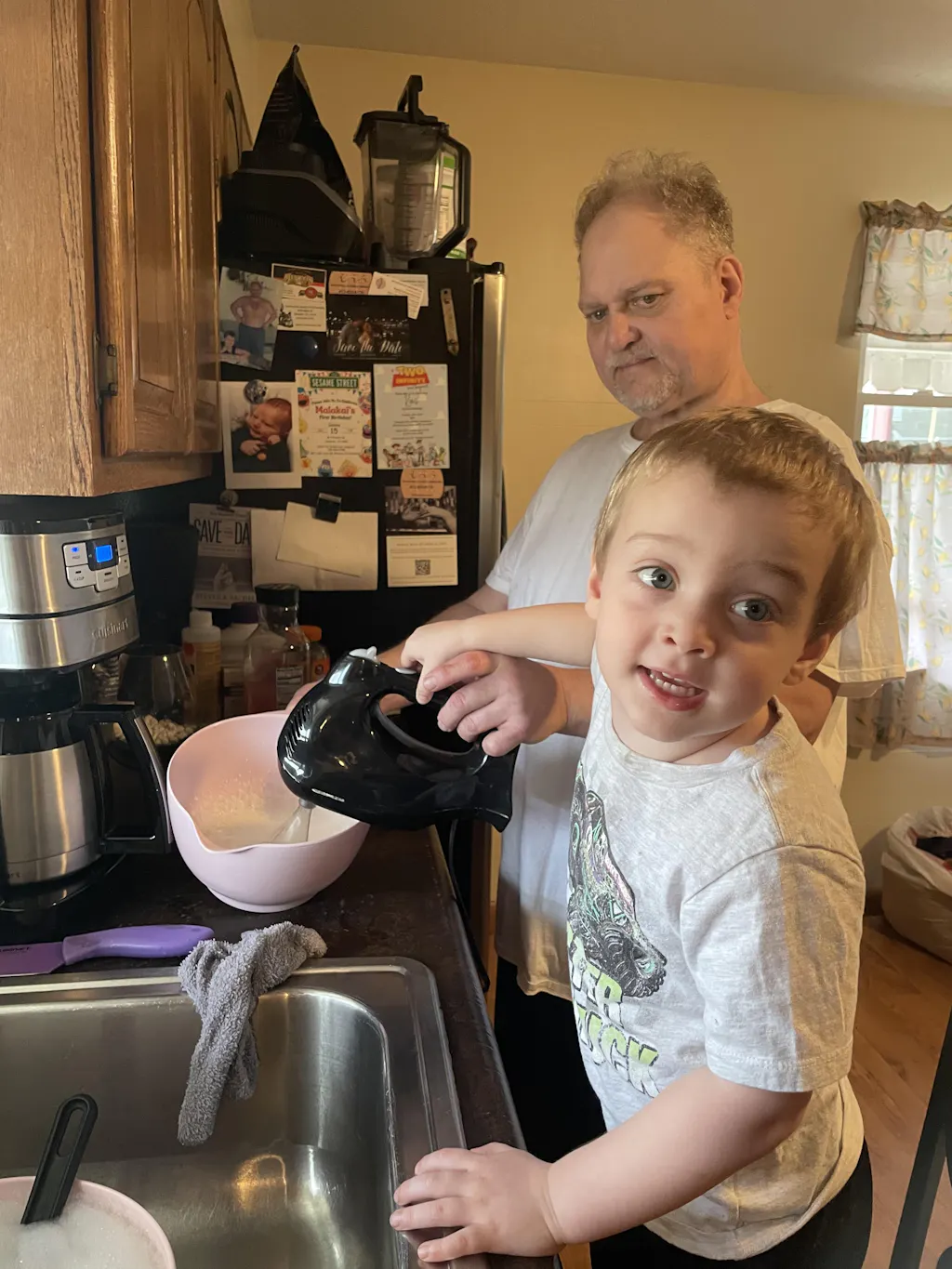
2. Involve Kids in Age-Appropriate Tasks: The beauty of no-bake recipes is their versatility. Even toddlers can help: * Toddlers (1-3 years): Washing fruits, stirring (with supervision), pouring pre-measured ingredients, tearing soft greens, mashing bananas, and decorating with sprinkles. * Preschoolers (3-5 years): Scooping, spreading, mixing, pressing crusts, kneading soft doughs, and counting ingredients. * School-Aged Kids (6+ years): Reading simple recipes, measuring ingredients accurately, operating food processors (with close supervision), rolling, cutting with blunt knives, and taking more lead in assembly.
3. Emphasize Safety (Even Without Heat): While no-bake means no hot surfaces, other safety considerations remain: * Handwashing: Always start with clean hands! * Allergens: Be mindful of food allergies, both within your family and for anyone who might be sharing the snacks. Clearly label ingredients if serving to a group. * Choking Hazards: For very young children, ensure ingredients are cut into small, manageable pieces, especially nuts and whole grapes. * Adult Supervision: Even with simple tasks, adult presence is key to guide, assist, and ensure safety.
4. Set Realistic Expectations: The kitchen will likely get messy – and that's perfectly okay! Embrace the chaos as part of the learning process. The finished product might not look like a magazine photo, but the pride on your child's face will be priceless. Focus on the joy of creating together, the skills being learned, and the quality time spent. Remember, we aim to foster a love for learning, build confidence, and create joyful family memories, not to churn out Michelin-star meals.
5. Smart Storage is Key: Most no-bake snacks rely on refrigeration or freezing to set and maintain their freshness. Use airtight containers to keep them delicious and prevent them from absorbing other fridge odors. Labeling with the date is also a good practice for food safety.
By keeping these tips in mind, you're not just preparing food; you're setting the stage for engaging, educational, and genuinely fun experiences that will leave your kids feeling accomplished and eager for their next culinary adventure.
Beyond the Basics: Creative No-Bake Snack Categories
The world of no-bake kids snacks is incredibly diverse, offering something for every palate and every skill level. Let's dive into some exciting categories, complete with ideas and how they integrate learning and fun.
Energy Bites & Balls: Power-Packed Portability
These versatile, bite-sized wonders are a staple in the no-bake repertoire. Packed with healthy fats, fiber, and often protein, they're perfect for sustained energy and can easily be customized.
-
Classic Peanut Butter Oat Bites: A blend of rolled oats, peanut butter, a touch of honey or maple syrup, and mini chocolate chips. Kids can measure, mix, and roll them into balls. This is excellent for fine motor development and understanding how sticky ingredients bind.
- Learning Link: Discuss why oats give us energy and how peanut butter helps us feel full.
-
Carrot Cake Bites: Finely grated carrots, oats, dates, cinnamon, and a hint of ginger processed together. The vibrant color and sweet taste make it a hit, often sneaking in a veggie!
- Learning Link: Talk about where carrots come from and why they're good for us.
-
Pumpkin Spice Energy Bites: Similar to carrot cake bites but with pumpkin puree, oats, and pumpkin pie spice. Perfect for fall!
- Learning Link: Explore seasonal ingredients and the spices used.
-
Bliss Balls (Date & Nut Based): Dates, cashews or almonds, cocoa powder, and shredded coconut pulsed in a food processor. Roll in extra coconut for a delightful finish. This is where a food processor can introduce basic technology, with adult supervision.
- Learning Link: Observe how the food processor transforms ingredients and discuss different types of nuts.
-
Chickpea Cookie Dough: A clever way to hide a nutritious legume! Canned chickpeas, a sweetener, nut butter, vanilla, and chocolate chips blended smooth. Kids will love tasting "cookie dough" without the raw egg worry.
- Learning Link: Discuss plant-based proteins and surprising ingredients.
These bites are not only delicious but also fantastic for teaching about balanced nutrition and the importance of whole ingredients. Plus, rolling them develops essential hand-eye coordination. Ready for endless culinary creativity delivered right to your door? Join The Chef's Club today!
Fruity & Refreshing Treats: Naturally Sweet and Hydrating
Fruits are nature's candy, and no-bake preparations make them even more enticing. These recipes often focus on natural sweetness and hydrating properties.
-
Fruit Skewers with Yogurt Dip: A rainbow of cut fruit (strawberries, blueberries, melon, grapes) threaded onto blunt skewers. Serve with a simple dip of Greek yogurt and a touch of honey.
- Learning Link: Practice pattern recognition by creating fruit color sequences. Discuss the different textures and tastes of fruits.
-
Chocolate-Dipped Bananas: Sliced bananas frozen on sticks, then dipped in melted chocolate and decorated with sprinkles or chopped nuts.
- Learning Link: Observe the chocolate hardening and the effect of freezing on bananas.
-
Frozen Yogurt Bark: Spread plain yogurt (sweetened with honey or maple syrup) onto a parchment-lined tray, top with mixed berries and granola, then freeze and break into pieces.
- Learning Link: Talk about temperature and how liquids become solids.
-
Berry and Cream Pops: Blend Greek yogurt, berry puree, and honey, then pour into popsicle molds and freeze.
- Learning Link: Explore the concept of pureeing and how blending changes texture.
-
Frozen Chocolate-Covered Grapes/Strawberries: Simple yet elegant. Dip grapes or strawberries in melted chocolate, then freeze.
- Learning Link: A quick lesson in tempering chocolate (or just melting it!) and the joy of simple transformations.
These fruity snacks are fantastic for introducing kids to healthy eating habits, promoting a love for natural sugars, and encouraging creativity through colorful presentations. They are also wonderful for warm weather and hydrating little bodies.
Crunchy & Chewy Delights: Textural Explorations
For kids who love a good crunch or a satisfying chew, these no-bake options hit the spot. They often involve cereals, oats, or crackers, combined with binding agents.
-
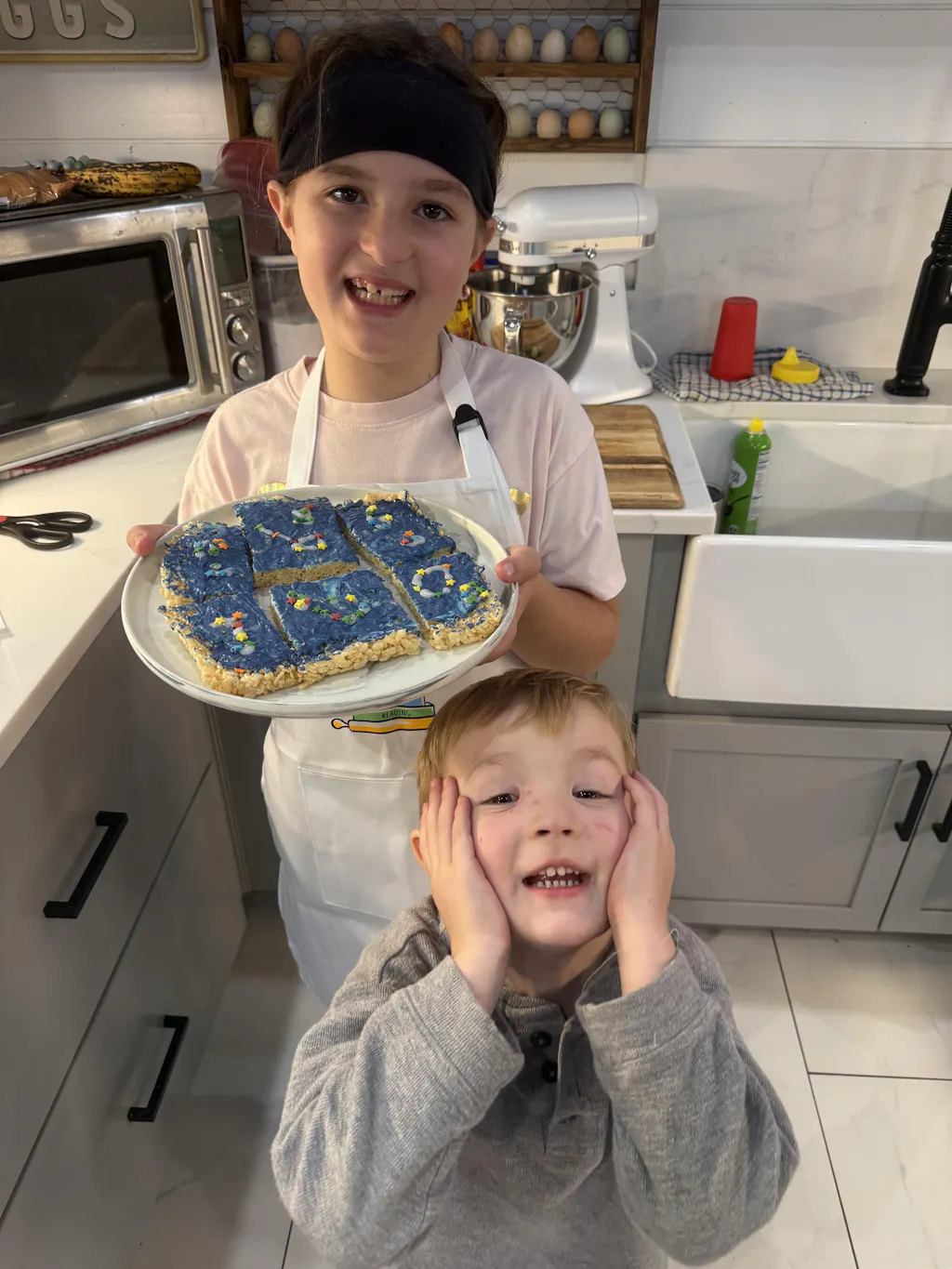
Healthy Rice Krispie Treats: Instead of marshmallows, try a mixture of nut butter, honey, and a touch of coconut oil melted together, then mixed with rice cereal. Press into a pan and chill.
- Learning Link: Discuss different kinds of cereals and the science of "stickiness."
-
No-Bake Granola Bars: Rolled oats, nut butter, honey, and optional additions like dried fruit, seeds, or chocolate chips. Press firmly into a pan and chill.
- Learning Link: Talk about different grains and seeds, and their nutritional benefits.
-
Peanut Butter Popcorn Bars: Popcorn combined with a melted mixture of peanut butter, honey, and perhaps a little butter. Press into bars.
- Learning Link: Explore the magic of popcorn kernels and how they expand.
-
No-Bake Cereal Cookie Bars: A fun way to use various cereals. Combine a melted mix of butter, sugar (or honey), and peanut butter, then stir in your favorite crunchy cereals.
- Learning Link: Experiment with different cereal shapes and textures.
-
Graham Cracker Sandwiches: Spread whipped cream or a thin layer of cream cheese between graham crackers, and roll the edges in mini chocolate chips or sprinkles.
- Learning Link: Discuss the structure of a sandwich and different filling possibilities.
These recipes are excellent for introducing various textures and demonstrating how different ingredients contribute to the overall mouthfeel of a snack. They are also robust enough for lunchboxes and on-the-go snacking.
Creamy & Indulgent Moments (with Healthier Twists): Satisfying Sweet Cravings
Who says indulgent treats can't be healthier? These no-bake options offer creamy textures and rich flavors, often with clever nutritional boosts.
-
Mini Cheesecakes: A simple graham cracker crust pressed into muffin liners, topped with a whisked mixture of cream cheese, Greek yogurt, and a sweetener. Chill until firm, then top with fresh berries.
- Learning Link: Discuss dairy products and the process of chilling to set.
-
Chocolate Avocado Pudding: Blended ripe avocados, cocoa powder, a sweetener (dates or maple syrup), and a splash of milk for a silky smooth, nutrient-dense pudding. Kids won't believe it's made with avocado!
- Learning Link: A fantastic opportunity to introduce "hidden" healthy ingredients and the power of blending.
-
Chocolate Tofu Pudding: Silken tofu blended with cocoa powder, sweetener, and vanilla for a protein-packed, dairy-free chocolate delight.
- Learning Link: Explore plant-based alternatives and the versatility of ingredients like tofu.
-
Brownie Batter Dip: Cream cheese, cocoa powder, powdered sugar (or a healthier alternative like blended dates), and a splash of milk whipped together. Serve with fruit, pretzels, or graham crackers for dipping.
- Learning Link: Discuss different types of dips and the concept of healthy pairings.
-
No-Bake Almond Fudge: Almond butter, coconut oil, cocoa powder, and a sweetener melted and mixed, then chilled until firm.
- Learning Link: Observe how the mixture sets in the cold and discuss the properties of coconut oil.
These creamy concoctions demonstrate how healthier ingredients can be transformed into incredibly satisfying treats. They are perfect for introducing concepts of substitution and creating delicious alternatives to traditional desserts.
Savory Surprises: Quick & Fun Alternatives
While many no-bake snacks lean sweet, there are also quick and enjoyable savory options that engage different taste buds.
-
Rice Cake Pizzas: Rice cakes as the "crust," spread with cream cheese or hummus, and topped with sliced cucumbers, shredded carrots, bell peppers, or cherry tomato halves.
- Learning Link: A fun way to encourage vegetable consumption and practice building/decorating skills. Discuss different colors of vegetables and what nutrients they provide.
This variety ensures that you can always find a no-bake option to suit your child's preferences and your family's needs, turning every snack time into a chance for exploration and discovery.
Making it an "Edutainment" Experience with I'm the Chef Too!
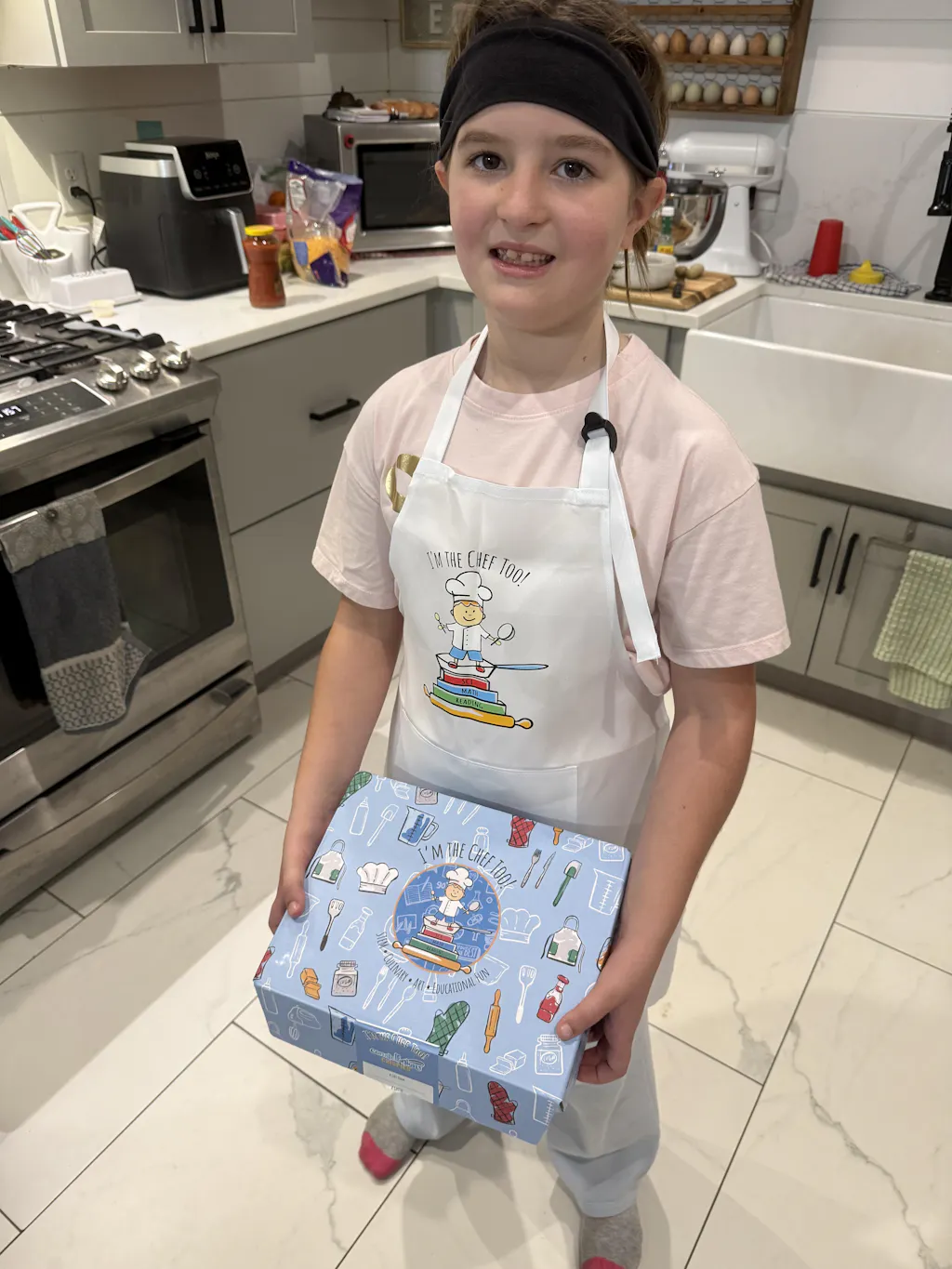
At I'm the Chef Too!, we're passionate about transforming ordinary kitchen time into extraordinary learning adventures. While the basic no-bake recipes provide a fantastic foundation, our unique kits elevate this experience, truly blending food, STEM, and the arts into one-of-a-kind "edutainment."
Our kits are designed by mothers and educators who understand how children learn best – through hands-on engagement, imaginative play, and, of course, delicious results! We take the guesswork out of planning and prepping, delivering pre-measured dry ingredients and specialty supplies directly to your door, making it even easier to facilitate family bonding and provide a screen-free educational alternative.
Consider how some of our popular kits exemplify the "edutainment" philosophy within a no-bake context:
- Erupting Volcano Cakes: While typically baked, a variation could be a no-bake "lava flow" experiment. Even in its baked form, this kit introduces children to basic chemical reactions as they witness the "lava" bubbling and overflowing. Imagine designing a no-bake version where a delicious, gooey "lava" (perhaps a fruit puree or chocolate ganache) is poured over pre-formed edible "volcano" peaks made from crushed cookies and nut butter. This makes the science tangible and exciting. Our Erupting Volcano Cakes kit is a fantastic way to explore these scientific principles firsthand.
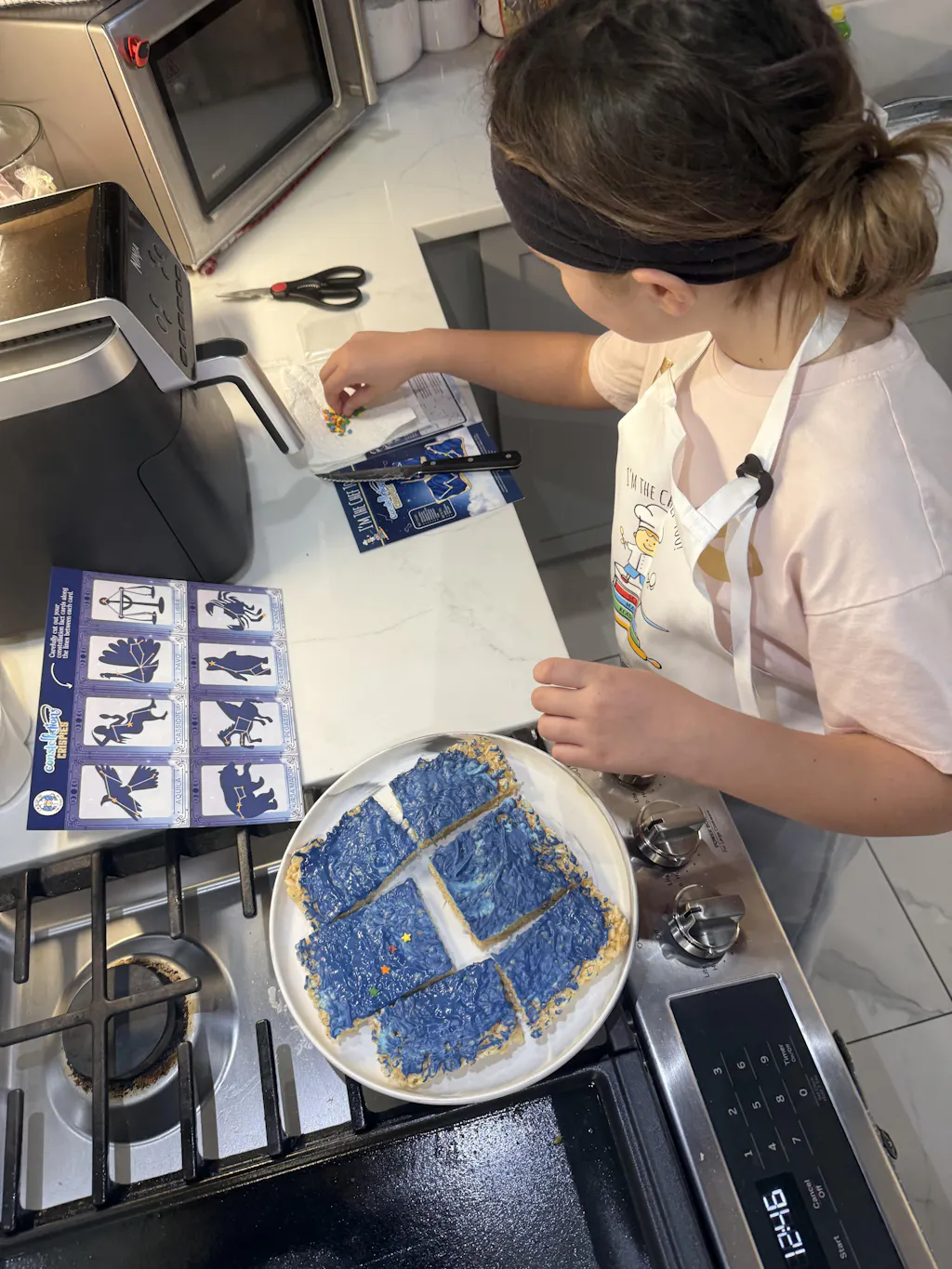
- Galaxy Donut Kit: This kit inspires awe and wonder about astronomy and space. While our traditional kit involves baking, the artistic decorating aspects translate perfectly to no-bake. Imagine a base of a no-bake "donut" (perhaps an oat and nut butter ring) that children can then frost and decorate with edible glitter, star sprinkles, and vibrant food coloring to create their own edible solar systems and galaxies. This activity fosters creativity, introduces concepts of color mixing, and sparks conversations about planets and stars. Explore astronomy by creating your own edible solar system with our Galaxy Donut Kit.
- Peppa Pig Muddy Puddle Cookie Pies: This kit, centered around beloved characters, makes learning fun and relatable for younger children. The act of creating "muddy puddles" (a delicious chocolate-based filling) and adding edible elements develops fine motor skills, encourages imaginative play, and connects food with storytelling. A no-bake version could involve a simple cookie crust filled with a chocolate pudding and topped with fun "muddy" elements, teaching kids how to follow instructions and achieve a specific, delightful outcome. Even beloved characters can make learning fun, like when kids make Peppa Pig Muddy Puddle Cookie Pies.
Our approach is all about teaching complex subjects through these tangible, hands-on, and delicious cooking adventures. We don't just provide recipes; we craft experiences that ignite curiosity, facilitate family bonding, and offer enriching, screen-free alternatives. When you choose an I'm the Chef Too! kit, you're not just buying ingredients; you're investing in an educational journey that builds confidence and creates lasting happy memories. Not ready to subscribe? Explore our full library of adventure kits available for a single purchase in our shop. Browse our complete collection of one-time kits.
Beyond the Kitchen: Family Bonding and Screen-Free Fun
In an increasingly digital world, the value of dedicated, screen-free family time has never been higher. No-bake snack creation, whether from a simple recipe or one of our themed kits, offers a golden opportunity for genuine connection and shared experience. It's about more than just the food; it's about the moments.
When you invite children into the kitchen for a no-bake project, you're creating an environment rich with possibilities for:
- Collaborative Play: Working together on a recipe fosters teamwork, communication, and a sense of shared accomplishment. Children learn to take turns, follow directions, and celebrate collective success.
- Conversation Starters: The kitchen becomes a natural hub for talking about the day, sharing ideas, and simply enjoying each other's company. Discussing ingredients, predicting outcomes, or reminiscing about past food adventures all strengthen family bonds.
- Sensory Engagement: Away from glowing screens, children are fully immersed in their senses – the smell of vanilla, the feel of sticky peanut butter, the vibrant colors of fruit, the sound of stirring, and, of course, the taste of their creations. This holistic sensory experience is deeply enriching for development.
- Building Independence and Life Skills: Each step a child takes in the kitchen, from measuring to rolling to decorating, contributes to their sense of capability. These are practical life skills that foster self-reliance and confidence, extending far beyond the realm of snack time.
- Creating Lasting Memories: The "giggling about spilled milk, wiping cheeks with flour, and licking chocolatey spoons" moments are the ones that truly stick. These are the joyful, imperfect memories that families cherish for years to come, long after the snacks are gone.
At I'm the Chef Too!, we are committed to facilitating these precious family bonding moments and providing valuable screen-free educational alternatives. Our kits are meticulously designed to make these experiences accessible and engaging, providing a pathway to meaningful interactions and a deeper connection within the family unit. Giving your child the gift of a delicious, hands-on, no-bake adventure is not just about a treat; it's about investing in their growth, happiness, and your shared family legacy.
Choosing the Perfect No-Bake Adventure
With so many tempting no-bake kids snacks to choose from, how do you pick the right one for your little chef? It's about finding the sweet spot where enjoyment, learning, and feasibility meet.
1. Consider Age and Skill Level:
- Younger Children (Toddlers & Preschoolers): Focus on recipes with minimal steps, lots of stirring, mashing, pouring (pre-measured), and decorating. Energy balls, fruit skewers, and simple puddings are excellent choices. Tasks should be largely mess-friendly and low-risk.
- Older Children (School-Aged): These kids can handle more complex instructions, precise measuring, and tasks that involve assembly or layering. They might enjoy making mini cheesecakes, granola bars, or more intricate dipped fruits. They can also take on more responsibility, like gathering ingredients or helping with cleanup.
2. Tune into Taste Preferences:
- Start with Favorites: If your child loves chocolate, begin with chocolatey energy balls or chocolate-dipped fruit. If they adore fruit, a vibrant parfait or fruit pops will be a winner. Introducing new ingredients through familiar flavors can increase acceptance.
- Offer Choices: Let your child pick between two or three recipes you've pre-selected as suitable. This gives them a sense of ownership and increases their enthusiasm for the project.
3. Address Dietary Needs and Allergies:
- Substitutions are Your Friend: The beauty of many no-bake recipes is how easily ingredients can be swapped. Almond butter for peanut butter (or sunflower seed butter for nut allergies), gluten-free oats, dairy-free yogurts, or alternative sweeteners can make recipes accessible to everyone. Always double-check ingredient labels for hidden allergens.
- Hidden Veggies: No-bake treats are fantastic for sneaking in nutrient-rich ingredients like grated carrots, pumpkin puree, or even avocado, especially when combined with flavors kids love.
4. Assess the Time Commitment:
- Quick Fixes: Need something ready in under 15 minutes (plus chilling time)? Energy balls, fruit and yogurt parfaits, or chocolate-dipped fruit are your go-to.
- Leisurely Projects: If you have more time on a rainy afternoon or weekend, consider recipes with more components or decorating steps, like mini cheesecakes or elaborate layered bars.
5. Leverage "Edutainment" Potential:
- STEM Themes: If you want to focus on science, choose recipes with observable transformations (melting/freezing). For math, anything with lots of measuring.
- Artistic Expression: Recipes that allow for ample decorating, like frosted cookies or colorful parfaits, encourage creativity.
By thoughtfully considering these factors, you can select no-bake kids snacks that are not only delicious but also perfectly aligned with your family's needs, turning every culinary endeavor into a positive and enriching experience. For continued inspiration and expertly designed kits that take all the planning out of your hands, remember to check out our I'm the Chef Too! offerings! Give the gift of learning that lasts all year with a 12-month subscription to our STEM cooking adventures.
Conclusion
From the simple joy of rolling a peanut butter oat ball to the exciting transformation of frozen yogurt bark, no-bake kids snacks offer a treasure trove of opportunities for fun, learning, and connection. They demystify the kitchen, making it a safe and accessible space where children can experiment, create, and build confidence without the complexities of heat or intricate techniques. We've seen how these easy recipes are not just about feeding hungry bellies, but about nurturing essential STEM skills, fostering artistic expression, and, most importantly, creating invaluable moments of family bonding away from screens.
At I'm the Chef Too!, our mission is rooted in these very principles: blending food, STEM, and the arts into unique "edutainment" experiences. We believe that empowering children with hands-on cooking adventures ignites a lifelong love for learning and creates delicious memories that last a lifetime. The journey of making no-bake snacks is a perfect reflection of our values – it's about sparking curiosity, developing practical skills, and savoring the simple pleasure of creating something wonderful together.
So, gather your little chefs, pick a recipe from the many ideas we've explored, and embark on your next culinary adventure. The benefits extend far beyond the plate, nurturing a love for learning and strengthening family ties with every delightful bite.
Ready to bring the magic of "edutainment" to your kitchen every month, with new themes and delicious experiments delivered right to your door? Discover the joy and convenience of ongoing learning and family fun. Join The Chef's Club today and ignite your child's inner scientist and artist!
FAQ Section
Q1: Are no-bake snacks truly safe for young children to make independently?
A1: While no-bake recipes eliminate the risks associated with ovens and stovetops, adult supervision is always recommended, especially for very young children. Tasks like measuring, pouring, stirring, and decorating are safe and beneficial for kids to do on their own or with minimal help. However, adult assistance may be needed for using food processors, grating, or slicing harder ingredients. Always prioritize proper handwashing and be mindful of any potential choking hazards for toddlers.
Q2: How long do no-bake snacks typically last?
A2: The shelf life of no-bake snacks varies depending on their ingredients. Most no-bake treats that contain dairy, fresh fruit, or nut butters should be stored in an airtight container in the refrigerator and consumed within 3-5 days. Many energy balls or bars can also be frozen for 1-2 months, making them excellent for meal prepping. Always check the specific recipe guidelines and use your best judgment.
Q3: Can I make no-bake snacks healthier?
A3: Absolutely! Many no-bake recipes are inherently healthy, focusing on whole ingredients like oats, nuts, seeds, and fruits. To make them even healthier, you can: * Reduce added sugars by using natural sweeteners like dates, mashed bananas, or a minimal amount of honey or maple syrup. * Incorporate "hidden" vegetables like grated carrots, zucchini, or pumpkin puree. * Boost protein and fiber with ingredients like chia seeds, flaxseeds, or protein powder (for older children/adults). * Use wholesome binders like nut butters instead of butter. * Choose dark chocolate with a higher cocoa content when using chocolate.
Q4: My child is a picky eater. Can no-bake snacks help?
A4: Yes, no-bake snacks can be a fantastic tool for picky eaters! When children are involved in preparing their food, they are often more likely to try new ingredients and be open to tasting the final product. The tactile experience of mixing and shaping can make food less intimidating. Start with recipes that include familiar flavors and gradually introduce small amounts of new ingredients. The fun, colorful nature of many no-bake treats can also make them more appealing.
Q5: What are some good substitutions for nut allergies in no-bake recipes?
A5: For nut allergies, sunbutter (sunflower seed butter) is an excellent substitute for peanut or almond butter in most recipes. Ensure that the sunbutter you choose is produced in a nut-free facility if the allergy is severe. You can also use tahini (sesame seed paste) in some recipes, though it has a distinct flavor. Always read ingredient labels carefully and consider using seeds (like pumpkin or sunflower seeds) instead of nuts for crunch.
Q6: How can I make cleanup easier after a no-bake session with kids?
A6: Embrace the mess as part of the fun, but strategic planning can help! * Designate a Work Zone: Cover the table with an old shower curtain, newspaper, or a large silicone mat. * Pre-measure: Reduce spills by having ingredients pre-measured for younger kids. * One-Bowl Wonders: Many no-bake recipes can be made in a single bowl, minimizing dishes. * Involve Kids in Cleanup: Teach them to put spoons in the sink, wipe down surfaces, and throw away trash. Make it a team effort! * Use Tools: Spatulas are great for scraping bowls clean, reducing food waste and making washing easier.