Table of Contents
- The Hidden Hues: Why Artificial Dyes Are a Concern
- Beyond the Box: Embracing Naturally Colorful Foods
- Dye-Free Delights: Homemade Snack Adventures
- Navigating the Aisles: Smart Choices for Store-Bought Dye-Free Snacks
- Making it a Family Affair: Fun, Learning, and Dye-Free Snacking
- Our Commitment at I'm the Chef Too!
- Conclusion
- FAQ Section
Has your child ever bounced off the walls after a handful of seemingly innocent, brightly colored candies? Or perhaps you've felt that nagging concern as you scan an ingredient list packed with "Red 40," "Yellow 5," and other numbers that sound more like chemical formulas than food components? You are definitely not alone. Many parents and educators are increasingly questioning the impact of artificial food dyes on children's health and behavior, driving a widespread search for better, more natural alternatives.
In a world where vibrant colors often signal fun and flavor, it can be a real challenge to navigate grocery store aisles. Artificial colors are practically ubiquitous, turning up in everything from cereals and yogurts to seemingly healthy packaged snacks. But what if we told you that making the switch to dye-free snacks doesn't mean sacrificing fun, flavor, or convenience? In fact, it opens up a world of colorful, delicious, and genuinely healthy possibilities that can transform snack time into an adventure in nutrition and discovery.
This post will dive deep into why so many families are choosing to go dye-free, explore the science behind common artificial colorings, and, most excitingly, provide a comprehensive guide to crafting and finding healthy snacks for kids without dyes. We'll share practical tips for label reading, offer a bounty of creative homemade snack ideas, and highlight how choosing natural, wholesome foods aligns perfectly with fostering curiosity, creativity, and a love for learning. Get ready to embark on a flavorful journey that prioritizes your child's well-being and sparks joy in every bite!
The Hidden Hues: Why Artificial Dyes Are a Concern
The allure of brightly colored foods is undeniable, especially for children. Food manufacturers have long capitalized on this, using synthetic dyes to make products visually appealing and, seemingly, more enticing. But what exactly are these artificial dyes, and why are a growing number of parents and health professionals raising red flags?
Most artificial food dyes used today are chemically produced substances, primarily derived from petroleum or coal tar. Yes, you read that right – the same source as gasoline and other industrial products. These dyes are synthesized in laboratories to create stable, vibrant colors at a low cost, giving foods an appearance that nature simply can't replicate with such intensity.
The Common Culprits: Dyes to Watch Out For
While there's a rainbow of artificial dyes out there, a few stand out as the most commonly used in the U.S. and, consequently, the most discussed in terms of potential health implications. These include:
- Red 40 (Allura Red AC): Perhaps the most notorious, Red 40 is found in a vast array of products, from fruit snacks and candies to cereals and soft drinks. It's often responsible for those eye-catching reds and oranges.
- Yellow 5 (Tartrazine): This lemony-yellow dye frequently appears in chips, crackers, snack cakes, and "cheesy" flavored snacks.
- Yellow 6 (Sunset Yellow FCF): Giving an orange hue, Yellow 6 is common in candies, baked goods, and even some salad dressings.
- Blue 1 (Brilliant Blue FCF): The source of those intense blues in candies, frostings, and beverages.
- Blue 2 (Indigo Carmine): Often combined with Blue 1 to create deeper blues and purples.
- Green 3 (Fast Green FCF): Less common but still found in some candies and processed foods.
- Red 3 (Erythrosine): This dye, historically used in candies and maraschino cherries, recently garnered significant attention. As of January 2025, the FDA announced a ban on Red 3 in foods, citing carcinogenic concerns, though manufacturers have a two-year grace period to reformulate products. This ban is a significant step, but it also highlights that other commonly used dyes remain on the market.
Potential Concerns: What Research Suggests
For years, regulatory bodies like the FDA have maintained that these dyes are safe in small amounts. However, concerns persist, fueled by scientific studies and the experiences of countless families. Here’s a closer look at the primary issues:
- Behavioral Effects, Especially in Children: This is perhaps the most widely cited concern. Multiple studies, including the well-known "Southampton Study," have indicated a link between artificial food dyes and increased hyperactivity and attention issues, particularly in children sensitive to these additives or those with conditions like ADHD. While more research is always needed, the evidence is compelling enough for many parents to seek alternatives.
- Allergic Reactions and Sensitivities: Artificial dyes can trigger allergic reactions or sensitivities in some individuals. Symptoms can range from hives and itching to more severe responses like swelling, difficulty breathing, or migraines.
- Carcinogenic Potential: Certain dyes have raised concerns regarding their potential to promote cancer. For example, Red 40 contains benzidine, a known human carcinogen, albeit in small amounts. Animal studies have also hinted at tumor formation linked to Yellow 6 and Blue 2 in high doses, and Red 3 was banned due to its link to thyroid tumors in rats.
- International Discrepancies: A significant point of concern for many is the stark difference in regulations between the U.S. and other parts of the world. Several artificial dyes, including Red 40, Yellow 5, and Yellow 6, are either banned outright or require warning labels in many European countries. This regulatory disparity prompts questions about why these dyes are treated differently and what that means for our children's health.
At I'm the Chef Too!, our mission is to blend food, STEM, and the arts into one-of-a-kind "edutainment" experiences. Part of that means empowering children and families with knowledge about what goes into their food. Understanding the potential impact of artificial dyes is a critical step in making informed dietary choices. We believe that learning about ingredients and their origins, just like understanding a chemical reaction or a historical event, contributes to a more holistic and informed perspective on the world around us. By exploring natural ingredients, children not only avoid potential downsides but also develop a deeper appreciation for the simple, wholesome goodness of real food.
Beyond the Box: Embracing Naturally Colorful Foods
While the idea of meticulously scrutinizing every ingredient label can feel daunting, the simplest and most effective strategy for going dye-free is to lean into nature's original snack hack: fresh, whole foods. Fruits and vegetables are the ultimate healthy snacks for kids without dyes, offering a vibrant spectrum of colors, flavors, and textures, all packaged perfectly by Mother Nature herself.
The Power of Whole Foods
Choosing fresh fruits and vegetables as the cornerstone of your family's snack strategy offers a multitude of benefits that extend far beyond simply avoiding artificial dyes:
- Nutrient Powerhouses: Unlike processed snacks that often provide empty calories, whole fruits and veggies are packed with essential vitamins, minerals, fiber, and antioxidants crucial for growing bodies and minds. From the Vitamin C in strawberries to the beta-carotene in carrots, each bite contributes to overall health and development.
- Natural Sweetness and Flavor: Kids naturally gravitate towards sweet tastes, and fruits offer a healthier way to satisfy this craving. The natural sugars in fruits come bundled with fiber, which helps regulate blood sugar levels, preventing the sugar crashes often associated with highly processed, artificially sweetened treats.
- Sensory Exploration: The sheer variety of natural colors, shapes, and textures in produce can be a fantastic sensory experience for children. A crunchy apple, a juicy grape, the earthy scent of a sweet potato – these engage multiple senses, making eating a more enriching experience.
- Simplicity and Purity: With whole foods, there's no need to decipher complex ingredient lists. What you see is what you get: pure, unadulterated goodness, free from preservatives, artificial flavors, and, of course, synthetic dyes.
Eating with the Seasons: A Delicious Discovery
Embracing seasonal produce not only guarantees the freshest, most flavorful options but can also be more budget-friendly. It also introduces variety, which is key to keeping snack time interesting and ensuring a wide range of nutrients. Imagine the excitement of discovering the first sweet berries of summer or the crisp apples of autumn!
Connecting with the seasons through food is also a wonderful way to foster an understanding of agriculture, nature, and the cycles of life. It’s a tangible lesson in biology and ecology, right in your kitchen.
At I'm the Chef Too!, we wholeheartedly believe in the power of hands-on learning, and that includes understanding where our food comes from and how it nourishes us. Just like when kids explore the science of baking with our kits, discovering the natural colors in ingredients like beets for a pink frosting or turmeric for a golden hue reveals the beauty and wonder of nature's own palette. These are tangible, delicious cooking adventures that spark curiosity and creativity, much like the process of creating a delicious, dye-free snack from scratch.
Ready to explore even more delicious and educational experiences? Browse our complete collection of one-time kits for a taste of the learning adventures we offer, from edible chemistry to culinary geography!
Dye-Free Delights: Homemade Snack Adventures
While convenience foods have their place, nothing quite compares to the joy, flavor, and nutritional control of homemade snacks. Preparing snacks with your children isn't just about avoiding artificial dyes; it's a fantastic opportunity for family bonding, skill development, and creating positive associations with healthy eating.
At I'm the Chef Too!, our mission is to provide screen-free educational alternatives that spark curiosity and creativity, and the kitchen is truly one of the best classrooms. When kids participate in making their food, they're not just cooking; they're engaging in science (understanding ingredients and reactions), math (measuring), reading (following recipes), and art (presenting food beautifully).
Here are some practical, delicious, and naturally dye-free homemade snack ideas that are sure to become family favorites:
1. Fruit Kabobs
Why settle for one fruit when you can have a colorful medley? Fruit kabobs are not only visually appealing but also a fantastic way to introduce a variety of vitamins, minerals, fiber, and antioxidants.
- The Fun: Let kids pick their favorite fruits – strawberries, blueberries, grapes, melon chunks, orange segments, pineapple pieces. Thread them onto child-safe skewers.
- The Learning: Discuss colors, shapes, and the different tastes (sweet, tart). This simple activity enhances fine motor skills and encourages adventurous eating.
2. Yogurt Parfaits
A delicious and nutritious layering of goodness! Many store-bought yogurts, especially those marketed to kids, contain artificial dyes and excessive sugar. Making your own puts you in control.
- The Fun: Start with plain, unsweetened yogurt (dairy or plant-based). Layer it in a clear cup with fresh berries, sliced bananas, and a sprinkle of dye-free granola.
- The Learning: Talk about healthy bacteria in yogurt, the importance of calcium for strong bones, and the fiber from fruit and granola. Kids can practice sequencing and measurement.
3. Ants on a Log
A playful and timeless classic that gets kids excited about healthy eating.
- The Fun: Slice celery sticks, spread them with peanut butter (or sun butter for nut allergies), and top with a line of raisins.
- The Learning: Discuss protein (nut butter), fiber (celery, raisins), and the crunch/smooth texture contrast. It's a great way to encourage eating vegetables.
4. Homemade Trail Mix
Customizable, energy-boosting, and perfect for on-the-go adventures.
- The Fun: Set out bowls of dye-free ingredients: various nuts (almonds, cashews, walnuts), seeds (pumpkin, sunflower), dried fruits (raisins, cranberries, apple rings – check labels for added dyes), dye-free chocolate chips, pretzels, or whole-grain cereal. Let kids create their own mix.
- The Learning: Discuss healthy fats, protein, and sustained energy. It’s a practical lesson in portion control and food groups.
5. Mini Pita Pizzas
Kids love building their own food, and these mini pizzas are a fun, easy, and nutritious option.
- The Fun: Provide whole-wheat pita bread or small tortillas, a bowl of dye-free tomato sauce, shredded mozzarella cheese, and a colorful array of chopped veggies like bell peppers, spinach, mushrooms, and olives. For a protein boost, add slices of clean-label turkey pepperoni or even bits from Chomps meat sticks (checking their ingredient list, of course!).
- The Learning: This is a fantastic opportunity to discuss the food groups and the importance of "eating the rainbow." Kids develop fine motor skills chopping (with child-safe tools) and assembling.
6. Apple Nachos
A delightful twist on fruit that feels like a treat.
- The Fun: Slice apples thinly and arrange them on a plate. Drizzle with melted dye-free chocolate or a nut butter, then sprinkle with a touch of cinnamon, some dye-free sprinkles, or shredded coconut.
- The Learning: Talk about healthy fats, fiber, and natural sweetness. It’s a creative way to make fruit exciting.
7. Baked Sweet Potato Fries
A naturally sweet and savory alternative to traditional fries.
- The Fun: Help kids peel and cut sweet potatoes into fry shapes. Toss with a little olive oil, a pinch of salt, and perhaps some cinnamon or paprika. Bake until crispy.
- The Learning: Discuss root vegetables, different ways to cook food, and the nutritional benefits of sweet potatoes (Vitamin A!).
8. Smoothie Pops
A refreshing and secretly healthy treat, perfect for warmer days.
- The Fun: Blend a mix of your child's favorite fruits (berries, bananas, mangoes) with plain yogurt or a dairy-free milk. Pour into popsicle molds and freeze.
- The Learning: Experiment with different fruit combinations. Talk about freezing as a way to preserve food and the healthy hydration benefits.
9. Homemade Popcorn
Skip the chemical-laden microwave bags and enjoy wholesome, homemade popcorn.
- The Fun: Air-pop plain popcorn kernels. Let kids help with seasoning – a little nutritional yeast for a cheesy flavor, cinnamon sugar, or just a touch of sea salt.
- The Learning: Discuss whole grains and fiber. It's also a fun science experiment to watch the kernels pop!
These homemade snack adventures provide not only healthy snacks for kids without dyes but also invaluable learning experiences. Just as our Erupting Volcano Cakes Kit bubbles over with deliciousness and discovery, making these snacks reveals the natural science and artistry of food, fostering confidence and joy in the kitchen.
Ready for a new adventure every month? Join The Chef's Club and enjoy free shipping on every box. Our unique approach of teaching complex subjects through tangible, hands-on, and delicious cooking adventures developed by mothers and educators aligns perfectly with this philosophy of wholesome, engaging fun.
Navigating the Aisles: Smart Choices for Store-Bought Dye-Free Snacks
Even with the best intentions, busy schedules often call for convenient, ready-to-eat options. The good news is that as consumer awareness grows, more and more food manufacturers are offering healthy snacks for kids without dyes. The key is knowing how to read labels and what to look for.
Your Essential Guide to Label Reading
Becoming a savvy label reader is your superpower in the quest for dye-free foods. Here’s what to keep in mind:
- Scan the Ingredients List: This is where artificial dyes hide. Look specifically for the dye names and numbers we discussed earlier: Red 40, Yellow 5 (Tartrazine), Yellow 6 (Sunset Yellow), Blue 1 (Brilliant Blue), Blue 2 (Indigotine), Green 3 (Fast Green). While Red 3 is being phased out, it may still appear on labels for a couple of years.
- Look for "No Artificial Colors/Flavors": Many brands now proudly highlight this on their packaging. This is a quick and easy indicator that you're likely on the right track.
- Prioritize Natural Color Sources: Instead of synthetic dyes, look for ingredients that naturally provide color, such as beet juice, turmeric, spirulina extract, paprika, annatto, and fruit/vegetable juices.
- Be Wary of General Terms: Phrases like "artificial colors added" or "color added" without specifying the source should be a red flag, prompting a closer look at the full ingredient list.
Categories of Dye-Free Packaged Snacks
While we always recommend checking individual product labels as ingredients can change, here are general categories and examples of types of store-bought snacks that commonly offer dye-free options:
-
Bars & Bites:
- Fruit/Nut Bars: Many brands focus on simple, whole-food ingredients like dates, nuts, and dried fruit. Look for those clearly stating "no artificial colors or flavors."
- Oat Bars & Granola Bars: Opt for organic varieties or those made with ingredients like whole oats, dried fruit, and natural sweeteners.
-
Fruit-Based Snacks:
- Applesauce & Fruit Pouches: Choose varieties that are 100% fruit with no added sugar or artificial colors.
- Dried & Freeze-Dried Fruit: These are excellent options, but always check for added sugar or sulfites. Look for single-ingredient products.
- Fruit Leathers/Strips: Some brands are now making these with real fruit purees and natural colors.
-
Dairy & Dairy Alternatives:
- Plain Yogurt & Cottage Cheese: You can add your own fresh fruit to these to control sweetness and avoid dyes.
- Organic Yogurt Tubes/Cups: A few organic brands use natural fruit and vegetable juices for color. Always check the label.
- Cheese Sticks/Slices: Generally dye-free, these are a great source of protein and calcium.
-
Crackers & Crisps:
- Simple Ingredient Crackers: Look for crackers made with whole grains, seeds, and minimal additives.
- Veggie Puffs/Chips: Several brands offer alternatives to traditional chips that use real vegetables and natural seasonings, avoiding artificial colors.
- Pretzels: Most standard pretzels are dye-free, but always double-check flavored varieties.
-
Savory & Protein Snacks:
- Meat Sticks: Brands focusing on "clean" ingredients often offer grass-fed beef or turkey sticks without artificial colors, flavors, or preservatives.
- Roasted Chickpeas/Edamame: These provide protein and fiber and are typically simply seasoned.
- Nut Butter Packs: Convenient single-serving packs of almond, peanut, or cashew butter are great for dipping fruit or celery.
Making Baking and Special Occasions Dye-Free
Even for special treats, going dye-free is becoming easier!
- Natural Food Colorings: Brands like ColorKitchen and Whole Foods Market offer plant-based food coloring packs made from ingredients like beet juice, turmeric, spirulina, and paprika. While the colors might be slightly less intense than synthetic dyes, they are a fantastic, healthy alternative for frostings and baked goods.
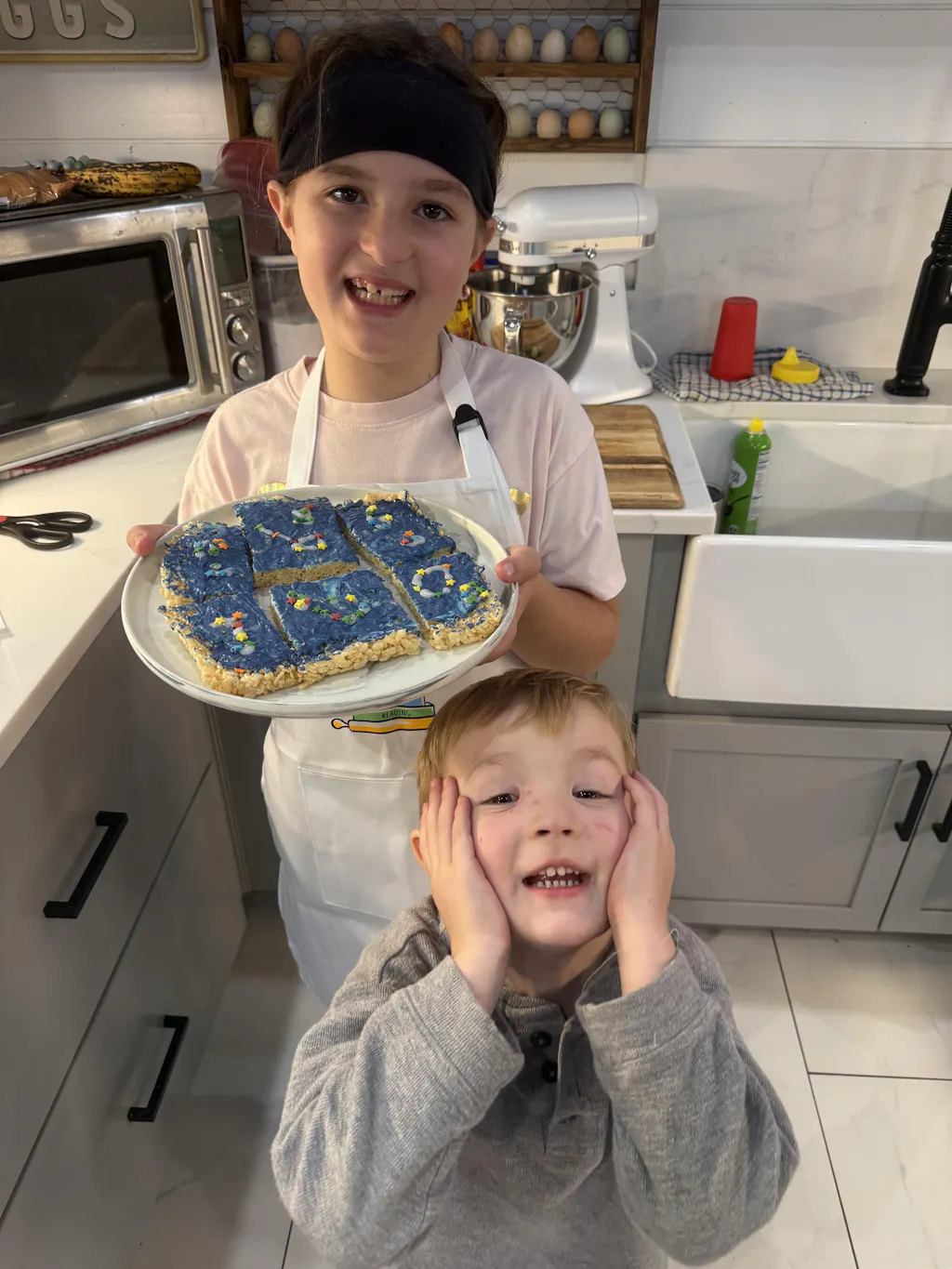
- Dye-Free Sprinkles: You can also find dye-free sprinkles made with natural colors to add that festive touch to cookies and cakes.
For busy families looking to integrate more learning and wholesome choices into their routine, our Chef's Club subscription delivers all the ingredients for a new, exciting culinary adventure right to your door. Each box is a complete experience, containing pre-measured dry ingredients and specialty supplies, making it easy to create delicious, dye-free-friendly treats right at home. It’s perfect for gifting or long-term enrichment, with flexible 3, 6, and 12-month pre-paid plans.
Making it a Family Affair: Fun, Learning, and Dye-Free Snacking
Transitioning to healthy snacks for kids without dyes is more than just a dietary change; it's an opportunity for rich family engagement and holistic learning. At I'm the Chef Too!, our core philosophy revolves around blending food, STEM, and the arts into unique "edutainment" experiences that foster family bonding and provide screen-free educational alternatives. This approach is perfectly embodied when you involve children in the process of choosing, preparing, and enjoying dye-free snacks.
Involve Kids in the Process: From Shopping to Snacking
When children have a hand in their food, they are much more likely to try new things and appreciate what they eat. Make it a collaborative adventure:
- Grocery Store Explorers: Turn grocery shopping into a treasure hunt for naturally colorful foods. Challenge kids to find the reddest apple, the greenest pepper, or the brightest orange. Let them pick out new fruits or vegetables to try. Discuss where these foods come from and how they grow.
-
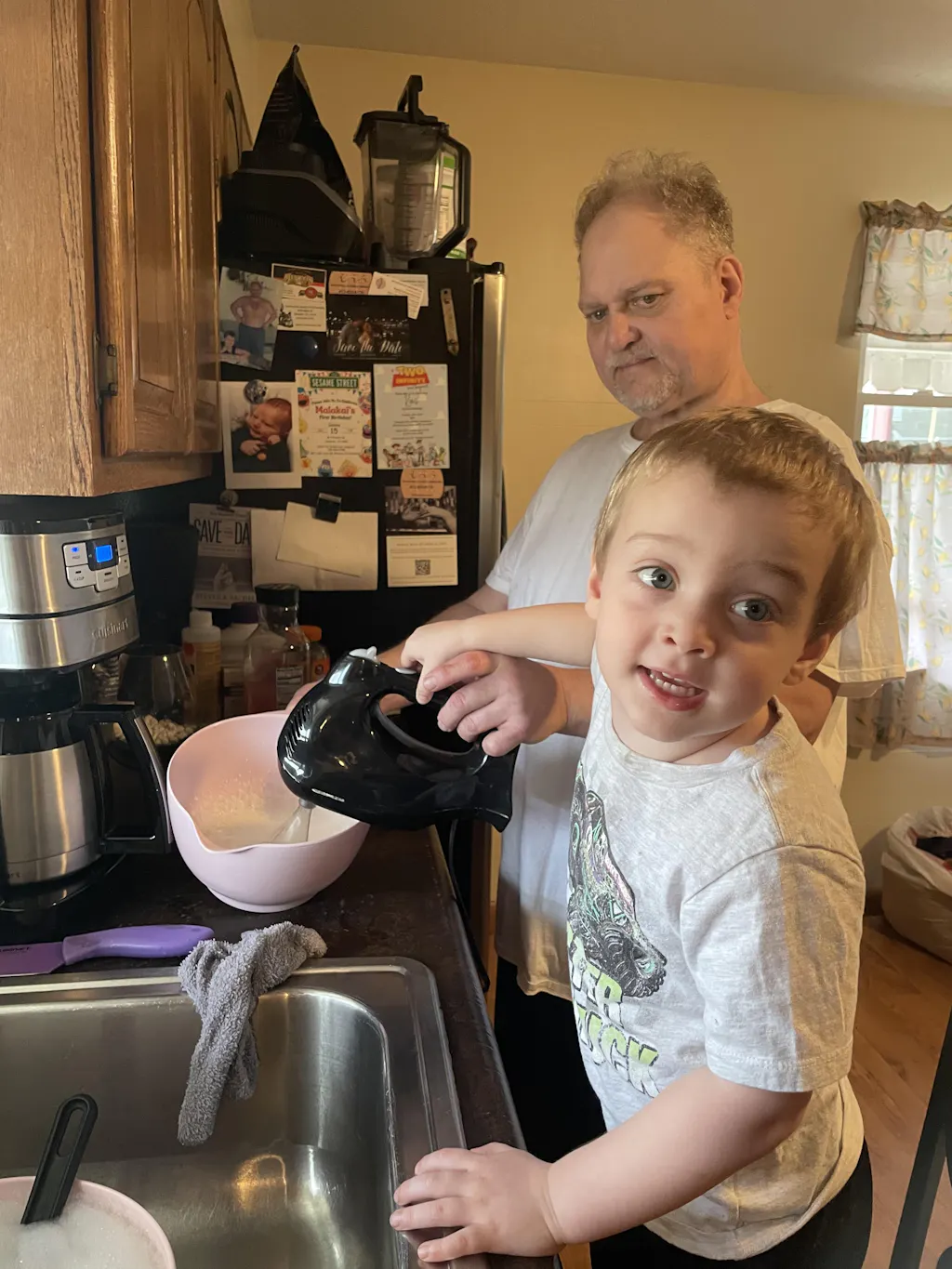
Kitchen Scientists & Artists: Involve them in food preparation. Even toddlers can help wash fruits and vegetables, stir ingredients, or use cookie cutters on fruit slices. Older children can measure, chop (with appropriate supervision and tools), and assemble snacks.
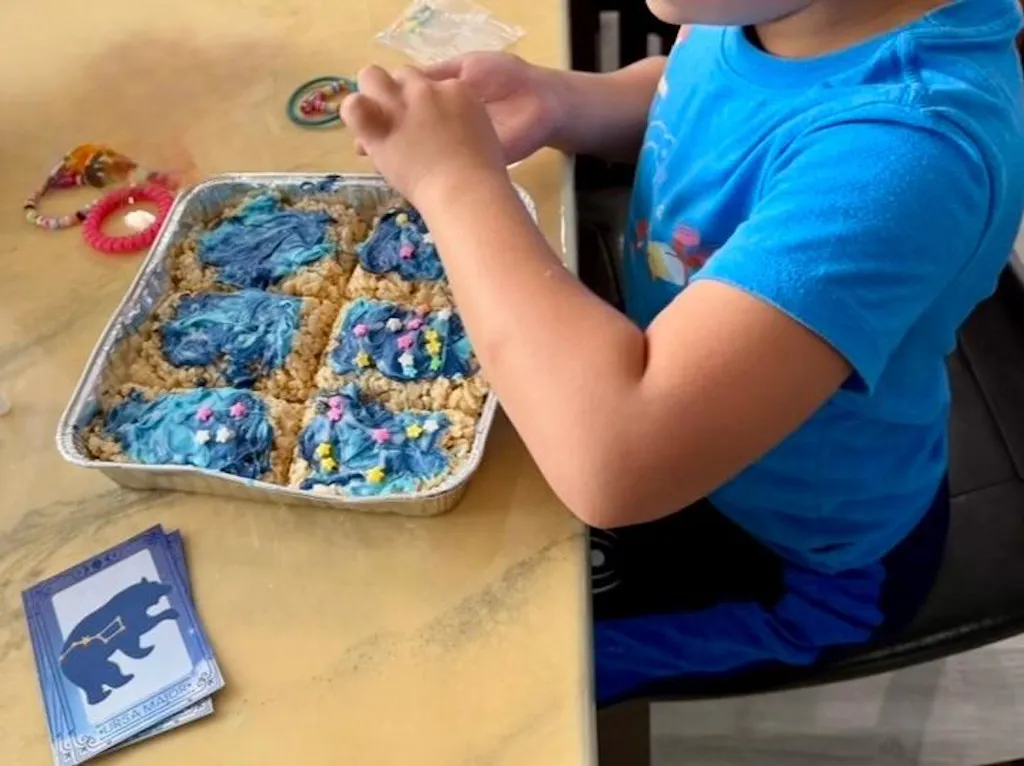
- Science in Action: Explain how ingredients combine or change. For instance, creating vibrant green smoothie pops by blending spinach and fruit can be a simple lesson in color mixing and healthy hidden ingredients. Just as our Galaxy Donut Kit transforms a kitchen into a celestial laboratory, making dye-free snacks turns meal prep into a colorful chemistry lesson.
- Culinary Artistry: Encourage children to arrange their snacks creatively. A plate of colorful fruit and veggie sticks can be a "rainbow," "smiley face," or an "animal." This sparks creativity and makes healthy eating more appealing.
- Taste Test Adventures: Hold regular "taste tests" with new dye-free fruits, vegetables, or homemade snack combinations. Talk about flavors, textures, and what everyone likes or dislikes. This helps broaden their palates and reduce pickiness over time.
Connecting Food to STEM and the Arts
The kitchen is a natural laboratory and art studio:
-
STEM Skills:
- Math: Measuring ingredients, counting fruit pieces, understanding fractions.
- Science: Observing how fruits ripen, how vegetables grow, the chemical reactions in baking, the nutritional components of different foods.
- Engineering: Designing a fruit kabob, building a mini pizza, or assembling a parfait.
-
Artistic Expression:
- Color Theory: Exploring the natural palette of fruits and vegetables.
- Presentation: Learning about plating, garnishing, and making food visually appealing.
- Creativity: Experimenting with new flavor combinations and snack ideas.
Benefits Beyond the Plate
By actively engaging in dye-free snack preparation, children gain so much more than just a healthy meal:
- Building Confidence: Successfully creating a snack, even a simple one, boosts self-esteem and a sense of accomplishment.
- Developing Key Skills: Fine motor skills, problem-solving, following instructions, and critical thinking are all honed in the kitchen.
- Fostering a Love for Learning: When learning is integrated into fun, tangible activities like cooking, children develop a lifelong curiosity.
- Creating Joyful Family Memories: These shared moments in the kitchen become cherished memories, strengthening family bonds.
We believe in fostering a love for learning, building confidence, developing key skills, and creating joyful family memories. Opting for healthy, dye-free snacks fits perfectly into this philosophy, offering a delicious pathway to a healthier, more engaged childhood.
For educators, homeschool groups, or those looking to expand this kind of mindful cooking education to a larger audience, we offer versatile School & Group Programs available with or without food components. Bring our hands-on STEM adventures to your classroom, camp, or homeschool co-op and inspire a new generation of curious chefs and scientists!
Our Commitment at I'm the Chef Too!
At I'm the Chef Too!, we are passionate about nourishing young minds and bodies through the power of culinary exploration. Our entire mission is built on the foundation of blending food, STEM, and the arts into one-of-a-kind "edutainment" experiences. When we talk about healthy snacks for kids without dyes, we're speaking directly to the heart of our values.
Our unique approach, developed by mothers and educators, focuses on teaching complex subjects through tangible, hands-on, and delicious cooking adventures. This naturally aligns with the principles of dye-free eating, even if it's not our explicit focus in every kit. Here’s how:
- Emphasis on Real Ingredients: Our kits are designed to work with wholesome, accessible ingredients. By encouraging kids to measure, mix, and transform these basic components, we inherently promote an understanding and appreciation for real food, which naturally steers away from heavily processed items laden with artificial dyes.
- Hands-On Discovery: We believe that the best learning happens through doing. When children actively participate in preparing food, they build a direct connection to what they eat. They see the vibrant colors of natural fruits, the earthy tones of spices, and the pure goodness of basic pantry staples. This direct experience empowers them to make more informed choices about their diet, naturally favoring foods that are appealing in their natural state.
- Sparking Curiosity and Creativity: Our kits are crafted to spark curiosity about the science behind baking, the geography of ingredients, and the artistry of presentation. This curiosity extends to understanding the composition of food – recognizing ingredients, discerning natural colors, and questioning artificial additives. By making cooking an adventure, we help children develop palates that appreciate authentic flavors and natural beauty.
- Facilitating Family Bonding: Our kits are designed for families to experience together. Cooking together, especially when focusing on wholesome, dye-free options, creates invaluable moments of connection, conversation, and shared accomplishment. These screen-free activities build not just culinary skills but also stronger family relationships and positive memories around healthy eating.
- Screen-Free Educational Alternatives: In an increasingly digital world, we are committed to providing engaging, hands-on activities that pull kids away from screens and into meaningful, educational play. Preparing healthy, dye-free snacks is a perfect example of this – it’s immersive, creative, and deeply satisfying.
While we don't explicitly market "dye-free kits" for every offering, our foundational approach champions the use of real, delicious ingredients and empowers children to understand food from the ground up. We empower children to become confident little chefs who understand what they are putting into their bodies, fostering a love for learning that extends far beyond the kitchen.
Ready to dive into a world where learning is delicious and screen-free? Join The Chef's Club today and get exciting STEM cooking kits delivered monthly! A new adventure is delivered to your door every month with free shipping in the US, making it easier than ever to spark curiosity and creativity in your child.
Conclusion
The journey to providing healthy snacks for kids without dyes is a rewarding one, filled with delicious discoveries, educational moments, and the profound satisfaction of nurturing your child's well-being. By understanding the potential concerns associated with artificial food dyes and embracing the vibrant bounty of nature's own palette, we can transform snack time from a battle of wills into an exciting adventure.
Remember, this transition doesn't have to be perfect overnight. Every small step towards replacing a dyed snack with a natural alternative is a victory. Focus on incorporating more whole fruits, vegetables, and homemade delights, and become a discerning label reader when choosing packaged options. By involving your children in the process, you're not just changing their diet; you're sparking their curiosity, building essential life skills, fostering a deeper connection to food, and creating cherished family memories.
At I'm the Chef Too!, we are committed to supporting families in this journey by providing engaging, educational, and delicious cooking experiences that celebrate wholesome ingredients and hands-on learning. We believe that when children understand their food, they are empowered to make healthier choices for life.
Give the gift of learning that lasts all year with a 12-month subscription to our STEM cooking adventures! Transform your kitchen into a classroom where learning is always fun and delicious. Join The Chef's Club today and start your family's next flavorful adventure!
FAQ Section
Q1: What are the main artificial food dyes I should watch out for?
A1: The most common artificial food dyes to look for on ingredient labels are Red 40 (Allura Red), Yellow 5 (Tartrazine), Yellow 6 (Sunset Yellow), Blue 1 (Brilliant Blue), Blue 2 (Indigotine), and Green 3 (Fast Green). Red 3 (Erythrosine) is being phased out, but may still appear for a short while. Always look for these specific names or numbers.
Q2: Why are artificial dyes a concern for kids' health?
A2: Concerns primarily revolve around potential links to hyperactivity and attention issues (especially in sensitive children or those with ADHD), allergic reactions and sensitivities (like hives or migraines), and possible carcinogenic properties in some dyes (though research is ongoing and the FDA generally considers them safe in small amounts). Many parents also choose to avoid them due to the fact that they are often derived from petroleum and are banned or require warning labels in many other countries.
Q3: How can I tell if a packaged snack has artificial dyes?
A3: The best way is to read the ingredient list thoroughly. Look for the specific dye names (e.g., Red 40, Yellow 5) or phrases like "artificial colors added" or "color added" without specifying a natural source. Many brands committed to being dye-free will explicitly state "no artificial colors or flavors" on their packaging.
Q4: What are some natural alternatives to artificial food coloring for baking?
A4: You can use natural ingredients to color homemade treats! Beet juice or pureed beets can create pinks and reds. Turmeric or carrot juice can give a yellow or orange hue. Spirulina powder can make a vibrant green or blue. Spinach juice can also yield green. Many specialty stores and online retailers also offer plant-based food coloring packs made from these natural sources.
Q5: Will my kids really eat dye-free snacks if they're used to brightly colored ones?
A5: Absolutely! While there might be an initial adjustment, kids often adapt quickly. Focus on natural vibrancy from fruits and vegetables, and make snack preparation a fun, interactive activity. When children help prepare food, they are more likely to try it. Emphasize delicious flavors and appealing textures over artificial brightness. It’s also important to set realistic expectations – it's a journey, not a switch, and consistency is key.
Q6: How does I'm the Chef Too! support dye-free eating?
A6: At I'm the Chef Too!, our mission is to teach kids about food, STEM, and the arts through hands-on cooking. By focusing on real ingredients, encouraging active participation in the kitchen, and fostering curiosity about food's origins and composition, we inherently promote an understanding and appreciation for wholesome, naturally delicious foods. While not every kit is explicitly "dye-free," our philosophy empowers children to make informed choices and appreciate the natural beauty and flavors of real ingredients, moving away from heavily processed items. Our kits spark creativity and encourage family bonding over wholesome culinary adventures.
Q7: Where can I find more educational cooking activities for my children?
A7: We offer a variety of engaging cooking STEM kits designed to spark curiosity and creativity! You can explore our full range of single-purchase options by Browsing our complete collection of one-time kits. For ongoing adventures, consider joining The Chef's Club for monthly deliveries of unique "edutainment" experiences right to your door. If you're an educator or run a group, check out our flexible School & Group Programs.