Table of Contents
- Introduction
- Why Healthy Organic Snacks? More Than Just Fuel
- The Snack Time Challenge: Balancing Convenience and Nutrition
- Decoding "Healthy Organic": What to Look For and What to Avoid
- Homemade vs. Store-Bought: A Balanced Approach to Organic Snacking
- Top Categories of Healthy Organic Snacks Kids Love
- Making Snack Time an Adventure: Learning with I'm the Chef Too!
- Practical Tips for Parents: Establishing Healthy Snacking Habits
- Beyond the Kitchen: Healthy Organic Snacks for On-the-Go Lifestyles
- The Long-Term Benefits of Mindful Snacking
- Conclusion
- FAQ Section
The afternoon slump can hit hard, not just for adults, but for our little ones too. You know the feeling: the post-lunch energy dip, the sudden declaration of "I'm hungry!" just an hour before dinner, or the relentless rummaging through the pantry for something to nibble on. In these moments, it's easy to reach for the quickest, most convenient option, often leading to a cycle of sugary highs and subsequent energy crashes. But what if snack time could be more than just a quick fix? What if it could be an opportunity to nourish growing bodies, spark curiosity, and even lay the groundwork for a lifelong love of healthy eating?
At I'm the Chef Too!, we believe that every interaction with food is a chance for "edutainment." This blog post is dedicated to exploring the vibrant world of healthy organic snacks for kids, offering practical advice, creative ideas, and actionable strategies for parents and educators. We'll dive into why organic matters, how to make smart choices for packaged snacks, and how to transform snack preparation into an engaging, educational adventure. Our goal is to empower you to make informed decisions that support your child's health and development, turning snack time from a challenge into a delightful part of your family's routine.
Introduction
Picture this: your child, buzzing with energy after a day of learning and play, announces, "Mom/Dad, I'm starving!" It's a universal parenting moment, often met with a quick scramble for whatever is on hand. But have you ever paused to consider the immense power held within that small, seemingly insignificant snack? It's not just about silencing a rumbling tummy; it's about fueling their boundless energy, supporting their developing minds, and even shaping their future relationship with food.
In a world filled with endless choices, navigating the supermarket aisles for healthy options can feel overwhelming. Add the "organic" label into the mix, and it can become even more confusing. This comprehensive guide aims to demystify healthy organic snacks for kids. We're here to help you understand the benefits of choosing organic, identify truly nutritious options, and discover creative ways to make snack time both exciting and educational. By the end of this post, you'll be equipped with the knowledge and inspiration to transform your family's snacking habits, fostering a love for wholesome foods and turning every bite into a mini-adventure.
Why Healthy Organic Snacks? More Than Just Fuel
The food we offer our children is more than just sustenance; it's the building blocks for their growth, learning, and overall well-being. Opting for healthy, organic snacks takes this foundational principle a step further, offering distinct advantages that resonate with a holistic approach to child development.
The Growing Concern for Children's Nutrition
Childhood obesity rates, the rise in food allergies, and the increasing prevalence of diet-related health issues underscore a critical need for mindful nutrition. Many conventional snacks are laden with added sugars, artificial colors, unhealthy fats, and preservatives that can contribute to energy crashes, mood swings, and long-term health problems. Shifting towards healthier options isn't just a trend; it's a proactive step towards safeguarding our children's future health. It’s about instilling habits that will serve them well into adulthood, encouraging them to see food as a source of vitality and enjoyment, rather than just empty calories.
What "Organic" Truly Means for Kids' Snacks
The term "organic" isn't just a buzzword; it represents a set of rigorous standards applied to how food is grown and processed. For fruits, vegetables, and grains, organic certification means they are cultivated without synthetic pesticides, herbicides, GMOs (genetically modified organisms), or chemical fertilizers. For animal products, it implies that animals are raised without growth hormones or antibiotics, and have access to the outdoors.
Choosing organic snacks for kids can reduce their exposure to these potentially harmful residues and substances. While the long-term effects of low-level pesticide exposure are still being studied, many parents feel a sense of peace knowing they are minimizing these risks for their vulnerable little ones. Furthermore, organic farming practices often contribute to healthier soil, biodiversity, and environmental sustainability, teaching our children about interconnectedness from plate to planet. It's about a cleaner, more natural profile for the foods they consume daily, helping their bodies function optimally without unnecessary burdens.
The Benefits of Healthy, Whole-Food Snacking for Development
Healthy snacks, particularly those made from whole, unprocessed organic ingredients, provide a wealth of essential nutrients crucial for growing bodies and active minds.
- Sustained Energy: Complex carbohydrates from whole grains and fruits provide steady energy, preventing the "sugar rush and crash" cycle.
- Brain Power: Healthy fats (like those found in avocados or nuts) and essential vitamins and minerals support cognitive function, memory, and concentration.
- Strong Bones and Muscles: Protein from sources like organic yogurt or cheese, along with calcium and vitamin D, are vital for physical development.
- Digestive Health: Fiber from fruits, vegetables, and whole grains promotes a healthy gut, which is increasingly linked to overall immunity and even mood.
- Immune System Support: A diverse range of nutrients strengthens the immune system, helping kids ward off illnesses.
At I'm the Chef Too!, we wholeheartedly embrace the philosophy that well-nourished children are better learners. Our mission is to blend food, STEM, and the arts into one-of-a-kind "edutainment" experiences. When kids learn about the "science" of healthy ingredients – how yeast makes bread rise, or how different fruits create vibrant colors – they gain a deeper appreciation for nutritious food. We're committed to sparking curiosity and creativity in children, understanding that a foundational love for healthy ingredients starts with engagement and understanding. By making food fun and accessible, we help build positive associations with eating well, encouraging children to explore and enjoy a wide variety of wholesome options.
The Snack Time Challenge: Balancing Convenience and Nutrition
Let's face it, parenting in today's world often feels like a constant juggling act. Between school runs, extracurricular activities, work commitments, and trying to squeeze in some family time, the clock seems to spin faster than ever. This fast pace frequently clashes with the desire to provide children with the healthiest possible food choices, especially when hunger strikes outside of meal times.
Busy Parent Struggles and the Need for Easy Solutions
The reality for many busy parents is that homemade, perfectly portioned, organic snacks aren't always feasible. We've all been there: rushing out the door, only to realize there's no pre-cut fruit or vegetable sticks ready. In these moments, the allure of highly processed, shelf-stable snacks is strong. They're quick, they're easy, and they often appeal directly to kids with colorful packaging and sweet flavors. However, consistently relying on these options can detract from a balanced diet and miss opportunities for genuine nutritional intake. The challenge lies in finding that sweet spot where convenience meets quality, allowing us to nourish our children without adding unnecessary stress to our already packed schedules.
Dispelling Myths About Healthy Eating Being Time-Consuming
One of the biggest misconceptions about healthy eating, particularly organic eating, is that it demands hours in the kitchen or significant financial outlay. While meal prepping certainly helps, it's not the only path. Healthy organic snacks can be incredibly simple and quick. An organic apple, a handful of organic nuts (for appropriate ages), a container of organic yogurt, or a piece of organic string cheese requires no preparation time. The key is strategic shopping and having these nutritious staples readily available.
Furthermore, involving children in the process, even for simple tasks, can transform "time-consuming" into "family bonding." A child who helps wash berries or peel an orange is not only learning practical skills but also developing a sense of ownership over their food choices. This is where the magic of "edutainment" truly shines.
The Role of "Edutainment" in Making Food Fun and Educational
At I'm the Chef Too!, we firmly believe that learning should be an adventure, and food provides an incredible platform for discovery. Our unique approach is about teaching complex subjects through tangible, hands-on, and delicious cooking adventures developed by mothers and educators. When kids are engaged in making their own snacks, they're not just eating; they're experimenting, problem-solving, and exploring.
Imagine your child learning about chemical reactions by watching our Erupting Volcano Cakes bubble over with deliciousness. This isn't just a snack; it's a science lesson disguised as dessert! Or exploring astronomy by creating their own edible solar system with our Galaxy Donut Kit. These experiences transcend mere nutrition; they foster a love for learning, build confidence, and create lasting family memories. Our commitment is to providing a screen-free educational alternative that blends food, STEM, and the arts, turning everyday activities like snacking into extraordinary learning opportunities. It’s about making the healthy choice the exciting choice, where curiosity about ingredients and processes naturally leads to better food habits.
Ready for a new adventure every month? Join The Chef's Club and enjoy free shipping on every box. A new experience is delivered to your door, making healthy, educational fun a regular part of your family's routine!
Decoding "Healthy Organic": What to Look For and What to Avoid
Making truly healthy choices for your children, especially when it comes to packaged organic snacks, requires a little detective work. It’s not enough for a label to simply say "organic"; we need to dig a little deeper to ensure we're providing the most nutritious options.
Understanding Food Labels: Organic Certifications, Ingredients Lists
The first step in decoding "healthy organic" is to understand what to look for on food labels:
- Organic Certification Seal: In the United States, look for the USDA Organic seal. This guarantees that the product has been produced according to strict federal guidelines, from farm to table. For multi-ingredient products, "organic" typically means at least 95% of the ingredients are organic.
-
Ingredients List: This is your most powerful tool. Ingredients are listed in descending order by weight, so the first few ingredients make up the bulk of the product.
- Prioritize whole foods: Look for ingredients you recognize and can pronounce, like "oats," "apples," "carrots," "almonds," "whole wheat flour."
- Be wary of long lists: Generally, shorter, simpler ingredient lists are better.
-
Nutritional Information Panel: Pay attention to:
- Serving Size: Often misleadingly small.
- Added Sugars: This is crucial. Even organic products can be high in added sugars. The American Academy of Pediatrics recommends limiting added sugars for children to less than 25 grams (about 6 teaspoons) per day for children aged 2 and older, and avoiding them entirely for children under 2. Look for options with 5 grams or less of added sugar per serving.
- Fiber: Aim for snacks with a good source of fiber, typically 3 grams or more per serving, to support digestion and satiety.
- Protein: Protein helps kids feel full and supports muscle growth. Look for snacks with at least 3-5 grams of protein per serving.
- Healthy Fats: Don't fear fats, but focus on healthy unsaturated fats (from nuts, seeds, avocados) and limit saturated and trans fats.
Key Nutrients for Growing Bodies: Protein, Fiber, Healthy Fats, Vitamins
When selecting snacks, consider what vital nutrients they bring to the table:
- Protein: Essential for growth and repair of tissues. Sources include organic yogurt, cheese, eggs, nuts/seeds (if no allergies), and beans.
- Fiber: Promotes digestive health, helps regulate blood sugar, and keeps kids feeling full. Found abundantly in fruits, vegetables, whole grains, and legumes.
- Healthy Fats: Crucial for brain development, hormone production, and nutrient absorption. Avocados, nuts, seeds, and certain organic oils are great sources.
- Vitamins and Minerals: A rainbow of fruits and vegetables provides a wide spectrum of vitamins (like Vitamin C for immunity, Vitamin A for vision) and minerals (like potassium, magnesium, iron).
Sugars, Artificial Additives, and Unwanted Ingredients
Even in the organic aisle, vigilance is key. Here's what to limit or avoid:
- Excess Added Sugars: Look for hidden sugars under various names like corn syrup, high-fructose corn syrup, dextrose, maltose, sucrose, fruit juice concentrate, agave nectar, rice syrup, and even "natural" sweeteners like honey or maple syrup if they are high on the ingredient list. While naturally occurring sugars in fruit are fine, added sugars should be minimized.
- Artificial Colors and Flavors: These are typically absent from certified organic products, but it’s still good practice to check. They have been linked to behavioral issues in some children.
- Preservatives: While organic products avoid synthetic preservatives, some might use natural ones. Again, simpler is usually better.
- "Junk-free" Claims: Be critical of marketing claims. A product might boast "no artificial flavors" but still be packed with sugar. Always read the ingredient list.
By becoming a label-reading expert, you can confidently choose organic snacks that truly contribute to your child's health and development. It’s an investment in their well-being, ensuring they get the cleanest, most nutrient-dense fuel possible.
Not ready to subscribe? Explore our full library of adventure kits available for a single purchase in our shop. You can pick and choose from a wide variety of themed cooking kits designed to make learning fun and delicious!
Homemade vs. Store-Bought: A Balanced Approach to Organic Snacking
The debate between homemade and store-bought often sparks strong opinions among parents. In the realm of healthy organic snacks for kids, the most pragmatic and beneficial approach is a balanced one. There's immense value in both, and understanding when to lean on each can optimize nutrition, convenience, and educational opportunities.
The Joy and Learning in Making Snacks at Home
There’s a special magic that happens in the kitchen when children are involved. Preparing snacks from scratch isn't just about the end product; it's a sensory, hands-on learning experience.
- Sensory Exploration: Kids get to touch, smell, taste, and see ingredients in their raw form, fostering an adventurous palate.
- Practical Skills: They learn measurement, mixing, following instructions – foundational skills that translate far beyond the kitchen.
- Science & Math in Action: Watching ingredients transform (e.g., yogurt freezing into pops, fruit blending into a smoothie) is a real-time science lesson. Measuring cups and spoons are perfect for early math concepts.
- Ownership & Acceptance: Children are often more willing to try foods they’ve helped prepare. The pride of accomplishment can be a powerful motivator for healthy eating.
- Family Bonding: Cooking together creates cherished memories and strengthens family connections.
At I'm the Chef Too!, our mission is rooted in this belief. We provide kits that facilitate family bonding and provide a screen-free educational alternative. For example, making an organic fruit salsa with homemade cinnamon sugar pita chips could teach about different fruit textures and flavors, as well as the concept of blending. Or imagine crafting our Erupting Volcano Cakes, where the dramatic chemical reaction makes the cakes bubble over – it’s a memorable, delicious science experiment right in your kitchen!
Simple, Quick Homemade Organic Snack Ideas
You don't need to be a gourmet chef to whip up healthy organic snacks. Many are incredibly simple and quick:
- Organic Fruit & Veggie Sticks: Apples, bananas, berries, grapes, carrot sticks, cucumber slices, bell pepper strips. Serve with organic hummus or nut butter.
- Organic Yogurt Parfaits: Layers of organic plain yogurt, fresh organic berries, and a sprinkle of organic granola.
- Hard-Boiled Organic Eggs: A protein powerhouse that can be made in advance.
- Homemade Organic Popcorn: Made on the stovetop or in an air popper with a touch of organic coconut oil and sea salt (for older kids, due to choking hazard).
- Organic Smoothies: Blend organic milk (dairy or plant-based) with organic fruits (like bananas, berries), a handful of organic spinach, and maybe a scoop of organic Greek yogurt for protein.
Embracing Convenient, Pre-Packaged Organic Options for Busy Times
Despite the benefits of homemade, the reality of busy family life means that convenient, pre-packaged organic snacks are indispensable. The key is to choose wisely. Look for options that:
- Feature Whole Ingredients: Dried organic fruits (without added sugar), organic fruit and veggie pouches (check for no added sugar), organic whole-grain crackers, organic cheese sticks, organic roasted seaweed snacks.
- Minimize Added Sugars: Even organic snack bars can be sugar bombs. Opt for those with very low or no added sugar, relying on natural fruit sweetness.
- Provide Fiber and Protein: These nutrients help keep kids full and energized. Organic chickpea snacks, organic oat bars with real fruit, or organic protein-rich puffs are good examples.
- Are Allergy-Friendly: If allergies are a concern, always double-check labels for common allergens like nuts, dairy, soy, and gluten.
Remember, our mission at I'm the Chef Too! is to provide engaging "edutainment" experiences, and that extends to recognizing the need for practical solutions for busy families. While we encourage hands-on cooking, we also know that having reliable, healthy store-bought options in the pantry makes life easier and helps maintain a nutritious diet. It’s all about balance and making choices that genuinely nourish and support your child's growth.
Give the gift of learning that lasts all year with a 12-month subscription to our STEM cooking adventures! With The Chef's Club, a new adventure is delivered monthly, perfectly curated for engaging, educational fun.
Top Categories of Healthy Organic Snacks Kids Love
Finding snacks that are both nutritious and appealing to children can sometimes feel like a culinary quest. The good news is that the market for healthy organic options has expanded tremendously, offering a diverse array of choices that cater to various tastes and textures. Let's explore some top categories that consistently win over kids and parents alike.
Fruits & Veggies (Fresh & Prepared): The Foundation of Healthy Snacking
It's no surprise that fruits and vegetables top the list. They are naturally packed with vitamins, minerals, fiber, and antioxidants, and when organic, you're minimizing exposure to synthetic pesticides.
-
Fresh & Raw: Simple, vibrant, and always a winner.
- Organic Berries: Strawberries, blueberries, raspberries – fantastic on their own, or as toppers for yogurt.
- Organic Apples & Bananas: Portable and universally loved. Sliced apples with organic nut butter make a satisfying, protein-packed treat.
- Organic Grapes: A sweet, juicy burst of flavor (halve for younger children to prevent choking).
- Organic Carrots, Cucumbers, Bell Peppers: Crunchy, refreshing, and great for dipping in organic hummus or guacamole.
-
Prepared Options:
- Organic Fruit and Veggie Pouches: A convenient on-the-go option. Always check for "no added sugar" and a high percentage of fruit/veg.
- Organic Freeze-Dried Fruit: Offers an appealing crunch and intense flavor, often with no added ingredients. Great for lunchboxes.
- Organic Unsweetened Applesauce Cups: A classic, easy-to-eat snack.
Whole Grains & Fiber-Rich Options: Sustained Energy
Whole grains provide essential fiber and complex carbohydrates, delivering sustained energy without the sugar crash.
- Organic Whole-Grain Crackers: Look for varieties made with simple ingredients, low sodium, and no added sugars. Pair with organic cheese or avocado slices.
- Organic Popcorn: An excellent whole-grain snack for older children (generally 4+ due to choking risk). Choose air-popped or light varieties with minimal oil and salt.
- Organic Oat Bars/Granola Bars: These can be hit or miss with sugar content. Seek out brands with whole oats, real fruit, and very low or no added sugars. Many now come with hidden veggies!
- Organic Whole-Grain Cereal: Dry, low-sugar organic cereals can make a fantastic crunchy snack. Look for those with higher fiber content.
Proteins & Healthy Fats: For Growth and Satiety
Protein and healthy fats are crucial for growth, brain development, and keeping kids feeling full and satisfied between meals.
- Organic Yogurt: Plain organic Greek yogurt offers a fantastic protein boost. Sweeten naturally with fresh organic fruit or a tiny drizzle of maple syrup. Organic yogurt tubes are a popular, convenient option, but again, check sugar content.
- Organic Cheese: Organic string cheese, cheese cubes, or slices are easy, protein-rich snacks.
- Organic Nuts and Seeds (Age-Appropriate): Almonds, walnuts, cashews, pumpkin seeds, sunflower seeds (ensure no allergies and suitable for chewing). Organic nut butters (almond, cashew, peanut) on fruit or whole-grain crackers are excellent.
- Organic Lupini Beans: A Mediterranean secret! These beans are high in protein and fiber, a great alternative to edamame (without soy concerns) and often come pre-cooked and seasoned.
- Organic Hard-Boiled Eggs: A simple, complete protein source.
DIY Snack Creations with an Educational Twist
This is where snack time truly transcends simple eating and becomes an "edutainment" opportunity, especially with our approach at I'm the Chef Too!
- Edible Soil Layers (Geology): Create "dirt cups" using organic plain yogurt for the "earth," crushed organic chocolate cookies for "soil," and organic berries or gummy worms for "treasures" or "critters." This can spark conversations about soil composition and ecosystems.
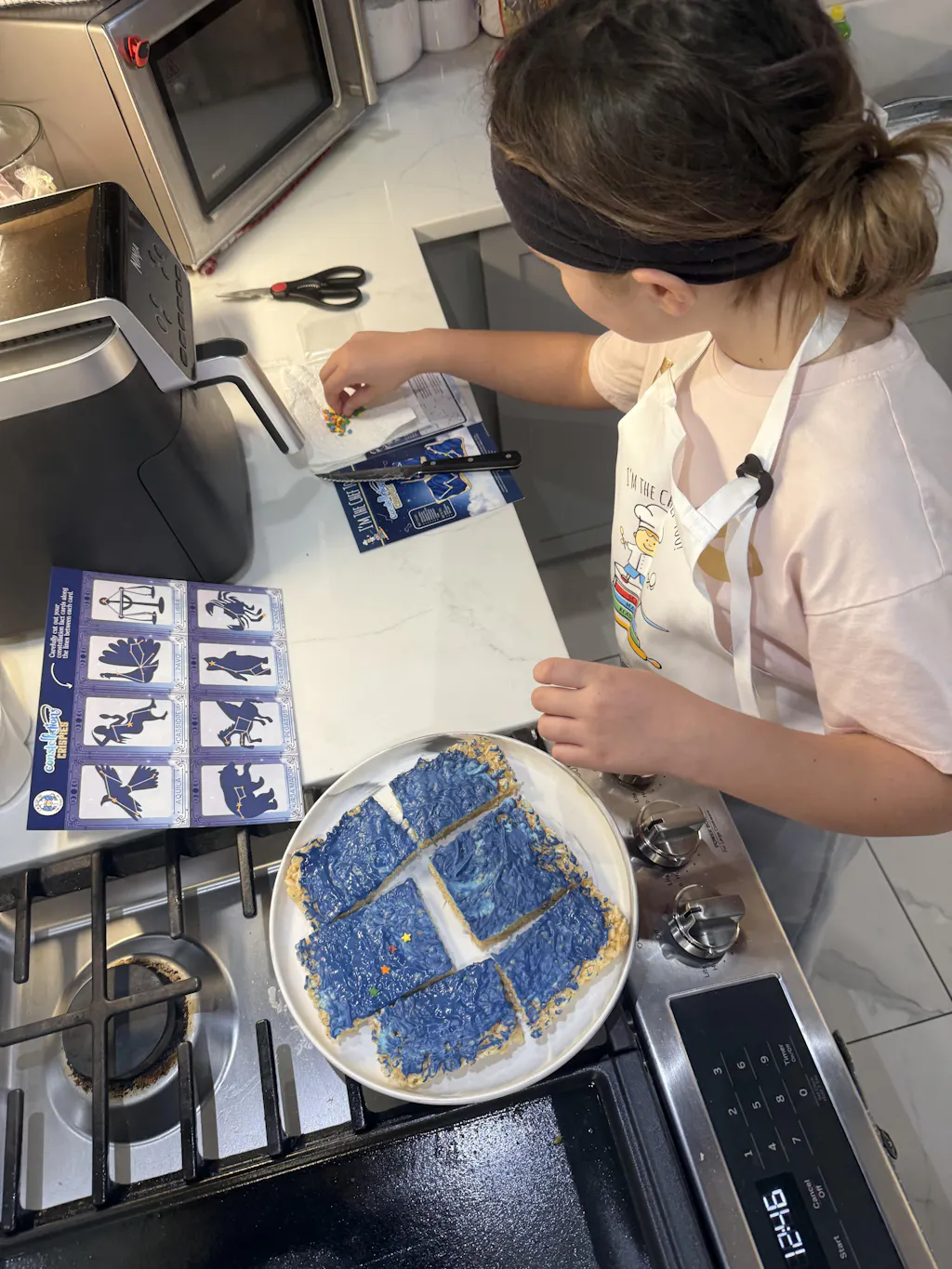
- Edible Solar System (Astronomy): Use different sized organic fruits (grapes, melon balls, blueberries) or small cheese balls to represent planets. Arrange them on a whole-grain cracker for a delicious, educational model. Our Galaxy Donut Kit is a perfect example of turning astronomy into an edible adventure, decorating "planets" with delicious glazes and sprinkles.
- Rainbow Skewers (Nutrition & Art): Thread organic fruits and veggies of different colors onto skewers. Talk about the colors and the different vitamins each brings. This is a visual feast that encourages trying a variety.
- Mini Pizza Bagels (Culinary Skills): Use organic whole-wheat mini bagels, organic tomato sauce, and organic shredded cheese. Let kids add their favorite organic veggie toppings. This teaches simple assembly and cooking skills.
These interactive activities, like those found in our Chef's Club subscription boxes, help children understand ingredients, develop fine motor skills, and apply STEM concepts in a fun, tangible way. They aren't just making a snack; they're conducting an experiment, designing a creation, or learning about the world around them – all while creating something delicious to eat!
Ready to transform snack time into an engaging learning adventure every month? Join The Chef's Club and discover how our unique blend of food, STEM, and the arts sparks curiosity and creativity in children, one delicious box at a time.
Making Snack Time an Adventure: Learning with I'm the Chef Too!
At I'm the Chef Too!, we believe that the kitchen is one of the most exciting classrooms. It's a place where imagination takes flight, where scientific principles come to life, and where the joy of creation leads to delicious rewards. Our entire philosophy is built around making food an adventure, turning snack time (and meal time!) into an opportunity for deep, hands-on learning.
Our Unique "Edutainment" Philosophy
We coined the term "edutainment" because we're not just about cooking; we're about a seamless blend of education and entertainment. We understand that children learn best when they are engaged, curious, and having fun. Our kits are meticulously designed by mothers and educators who recognize the power of play-based learning. Every recipe, every craft, every lesson is crafted to be a captivating experience that holds children's attention, much more effectively than passive screen time.
Instead of just telling a child about chemistry, we let them see it happen when our Erupting Volcano Cakes foam with a delightful reaction. Rather than simply discussing astronomy, we invite them to build their own cosmic treats with our Galaxy Donut Kit. This approach makes abstract concepts concrete, memorable, and incredibly tasty.
How Cooking Fosters STEM Skills: Measurement, Chemistry, Biology, Math, Art
The kitchen is a natural laboratory for STEM (Science, Technology, Engineering, and Mathematics) education, seamlessly integrating these subjects into everyday activities:
- Science: Understanding chemical reactions (baking soda and vinegar, yeast activation), phase changes (melting chocolate, freezing ice cream), and biological processes (fermentation in bread). Learning about ingredients, their properties, and how they interact.
- Technology: While not overtly digital, using kitchen tools (mixers, scales, ovens) introduces children to practical technology and its application.
- Engineering: Following recipe instructions is like following an engineering blueprint. Children learn about structure (how to build a cookie house), problem-solving (what if the dough is too sticky?), and design.
- Mathematics: Measurement is fundamental to cooking. Kids learn fractions (1/2 cup, 1/4 teaspoon), counting, ratios, and time. Doubling or halving a recipe involves practical multiplication and division.
- Art: The presentation of food is an art form. Decorating cookies, arranging ingredients, and creating visually appealing dishes foster creativity, color recognition, and aesthetic appreciation.
The Importance of Hands-on Learning for Concept Retention and Creativity
Research consistently shows that hands-on learning leads to deeper understanding and better retention of concepts. When children actively participate, they use multiple senses, strengthening neural pathways and making learning more meaningful. At I'm the Chef Too!, we've seen firsthand how this translates into:
- Sparking Curiosity: Children become naturally inquisitive about why things happen in the kitchen.
- Building Confidence: Successfully creating a dish, from mixing to baking to tasting, provides a powerful sense of accomplishment and boosts self-esteem.
- Developing Problem-Solving Skills: Recipes don't always go perfectly, and children learn to adapt and troubleshoot.
- Encouraging Creativity: While recipes provide structure, there's always room for personalization and artistic expression, such as decorating their Peppa Pig Muddy Puddle Cookie Pies with their own imaginative flair.
Our commitment at I'm the Chef Too! is to facilitate family bonding and provide a screen-free educational alternative. We understand that busy parents are looking for meaningful ways to connect with their children and foster their development. Our unique approach of teaching complex subjects through tangible, hands-on, and delicious cooking adventures developed by mothers and educators is designed to do just that. We believe that by making learning an enjoyable, interactive experience, we can help cultivate not just healthy eaters, but also confident, creative, and curious lifelong learners.
Ready for a new adventure every month? Join The Chef's Club and enjoy free shipping on every box. A new experience is delivered to your door, making healthy, educational fun a regular part of your family's routine!
Practical Tips for Parents: Establishing Healthy Snacking Habits
Creating a positive and healthy relationship with food starts early, and snack time offers a perfect opportunity to instill good habits. It's not about strict rules, but rather about creating an environment where healthy choices become natural and enjoyable.
Routine and Structure for Snack Times
Children thrive on routine, and snack times are no exception. Instead of allowing grazing throughout the day, establishing designated snack times can be incredibly beneficial.
- Predictable Schedule: Offer 1-2 snacks between meals, typically mid-morning and mid-afternoon. This helps regulate hunger, prevents overeating at meals, and ensures kids aren't "starving" before their next meal.
- Eat at the Table: Encourage children to eat snacks at a table, rather than on the go or in front of screens. This promotes mindful eating, reduces choking hazards, and signals that snack time is a deliberate activity.
- Avoid "Food Rewards": While it might be tempting, try not to use food as a reward or punishment. This can create unhealthy emotional associations with eating.
Involving Kids in Snack Preparation and Choices
Empowering children in the snack process significantly increases their willingness to try and enjoy healthy foods.
- "Chef's Choice" Options: Offer a limited choice of two healthy organic snacks ("Would you like apple slices or organic cheese sticks today?"). This gives them autonomy without overwhelming them with too many options or allowing unhealthy choices.
- Hands-On Prep: Even young children can help. They can wash fruits, tear lettuce, stir ingredients, or use cookie cutters on sandwiches or cheese slices. As they get older, they can measure, chop (with supervision), and assemble.
- Grocery Store Adventures: Take them to the store and involve them in selecting organic fruits, vegetables, and other healthy snack items. Let them pick out a new organic vegetable to try. This engagement sparks curiosity and makes them more invested in the food they eat.
- I'm the Chef Too! Kits: Our kits are specifically designed for this! They turn snack and meal prep into a captivating experience, blending cooking with STEM and art. Children aren't just consumers; they become creators, fostering a deeper appreciation for food and the skills involved. Building confidence in the kitchen often leads to children being more adventurous eaters and more likely to try new foods.
Modeling Healthy Eating Behavior
Children are keen observers, and they learn more from what you do than what you say.
- Eat Together: Share snacks with your child when possible, demonstrating enjoyment of healthy foods.
- Positive Language: Talk about food in a positive way, focusing on how it makes your body strong and gives you energy, rather than labeling foods as "good" or "bad."
- Balance and Moderation: Show that all foods can fit into a healthy diet in moderation. Don't forbid treats entirely, but emphasize their role as occasional indulgences.
Dealing with Picky Eaters and Food Aversions
Picky eating is a normal phase for many children, but there are strategies to navigate it:
- Repeated Exposure: It can take 10-15 exposures for a child to accept a new food. Keep offering it without pressure.
- Deconstruct Foods: Serve components separately (e.g., cheese, crackers, and fruit rather than a pre-made sandwich).
- "Sneaky" Nutrition: Blend vegetables into smoothies or sauces (e.g., spinach in a fruit smoothie, pureed carrots in a tomato sauce).
- Make it Fun: Use cookie cutters to make fun shapes out of sandwiches, cheese, or fruit. Create edible art. This is exactly what our Peppa Pig Muddy Puddle Cookie Pies are all about—making food playful and appealing, even to the pickiest eaters.
- Reduce Pressure: Avoid power struggles over food. Offer the healthy options and allow your child to decide how much they will eat.
- Focus on the Process: Our I'm the Chef Too! kits shift the focus from "eating this healthy thing" to "creating this amazing, delicious thing." The process of cooking together can be the bridge to trying new flavors without the pressure of a traditional mealtime.
Establishing healthy snacking habits is a journey, not a destination. It requires patience, consistency, and a playful approach. By providing structure, involving your children, modeling good habits, and making food fun through activities like our cooking kits, you’re setting them up for a lifetime of healthy choices and a positive relationship with food.
Find the perfect theme for your little learner by browsing our complete collection of one-time kits. Whether they dream of space, dinosaurs, or fantastical creatures, there's an adventure waiting for them!
Beyond the Kitchen: Healthy Organic Snacks for On-the-Go Lifestyles
Life with kids is often a whirlwind of activities, appointments, and spontaneous outings. This fast-paced rhythm doesn't diminish the need for nutritious fuel; if anything, it amplifies it. Preparing healthy organic snacks for on-the-go ensures that energy levels stay high and mood remains stable, preventing the dreaded "hangry" meltdown. It’s about being prepared, making smart choices, and extending your commitment to healthy eating beyond the kitchen table.
Packing Snacks for School, Outings, Travel
Thoughtful planning is your best friend when it comes to on-the-go snacking.
- School Lunchboxes: Pack a mix of fresh organic fruit (berries, apple slices), organic veggie sticks (carrots, bell peppers) with a small container of organic hummus, organic cheese sticks, or a small handful of organic whole-grain crackers.
- Park Playdates & Errands: Keep a small insulated bag with reusable ice packs. This allows for more perishable items like organic yogurt tubes, sliced organic cucumber, or a small thermos of organic smoothie. Non-perishables like organic fruit leathers (no added sugar), organic roasted chickpeas, or organic whole-grain dry cereal are also excellent.
- Longer Travel (Road Trips/Flights): Think about mess-free options. Organic dried fruit, organic granola bars (low sugar), organic apple slices (pre-spritzed with lemon juice to prevent browning), and small bags of organic crackers or puffs are ideal. Hydration is also key; pack a reusable water bottle.
Storage and Safety Considerations
When packing snacks, especially for extended periods, safety is paramount.
- Temperature Control: Perishable items (yogurt, cheese, hummus, fresh cut fruit) must be kept cold. Use insulated bags with frozen gel packs.
- Container Choices: Opt for BPA-free, leak-proof containers that are easy for little hands to open and close. Reusable silicone bags are also great for reducing waste.
- Avoid Cross-Contamination: If packing items for children with allergies, ensure they are stored separately and clearly labeled.
- Choking Hazards: Always consider your child's age and developmental stage. Whole grapes, nuts, large chunks of meat or cheese, and popcorn are choking hazards for very young children. Cut these items appropriately.
Making Smart Choices When Outside the Home
Sometimes, despite our best efforts, we find ourselves without pre-packed snacks, facing limited options. This is where knowing how to make quick, smart decisions comes in.
- Coffee Shops/Cafes: Look for fresh organic fruit (bananas, apples), small containers of organic yogurt, or simple organic oatmeals (ask for no added sugar).
- Grocery Stores/Convenience Stores: Many stores now carry single-serving organic fruit pouches, organic cheese sticks, organic whole-grain crackers, or even individual organic salads (for older kids).
- Be Prepared for "No": It's okay to say no to unhealthy impulse buys. Having a conversation with your child beforehand about healthier snack choices can help manage expectations.
At I'm the Chef Too!, our mission is to facilitate family bonding and provide a screen-free educational alternative that blends food, STEM, and the arts. This commitment extends to empowering families to make healthy choices in all aspects of life, including on-the-go snacking. While our kits provide delightful hands-on experiences at home, the knowledge and appreciation for wholesome ingredients that children gain through our "edutainment" approach can influence their choices even when faced with external options. By understanding the value of good nutrition, they are better equipped to navigate the world of snacks, making thoughtful decisions that fuel their adventures.
Ready for a new adventure every month? Join The Chef's Club and enjoy free shipping on every box. Discover the convenience and joy of having engaging, educational, and delicious cooking kits delivered right to your door!
The Long-Term Benefits of Mindful Snacking
Focusing on healthy organic snacks for our children isn't just about managing immediate hunger or providing necessary nutrients; it's an investment in their long-term health, happiness, and overall development. The habits and attitudes towards food that we cultivate during childhood can have profound and lasting impacts throughout their lives.
Developing a Healthy Relationship with Food
When children are exposed to a variety of wholesome, organic snacks in a positive and pressure-free environment, they learn to appreciate natural flavors and textures. They begin to understand that food is fuel for their bodies, a source of comfort, and a means of connecting with others. This mindful approach helps prevent unhealthy eating patterns, emotional eating, and struggles with body image later in life. By making snack time an enjoyable and educational experience, we help them build a foundation of intuitive eating, where they listen to their body's hunger and fullness cues.
Impact on Physical Health, Concentration, and Mood
The direct link between nutrition and well-being is undeniable. A diet rich in healthy organic snacks contributes significantly to:
- Stable Energy Levels: Consistent intake of complex carbohydrates, protein, and healthy fats prevents energy dips and sugar crashes, leading to more sustained play and learning.
- Improved Concentration and Cognitive Function: The brain requires steady glucose and essential nutrients to function optimally. Well-nourished children tend to have better focus, memory, and problem-solving skills, supporting their academic and developmental progress.
- Enhanced Mood and Behavior: Research increasingly connects gut health and nutrition to mood regulation. A balanced diet can contribute to reduced irritability, improved emotional resilience, and overall better behavioral outcomes.
- Stronger Immunity: A diverse, nutrient-rich diet, particularly from organic whole foods, provides the vitamins, minerals, and antioxidants needed to bolster the immune system, helping children resist common illnesses.
Creating Lasting Family Memories Around Food
Beyond the nutritional and developmental benefits, healthy organic snacking, especially when prepared together, creates invaluable family memories. The laughter over a spilled ingredient, the shared excitement of a baking experiment, the pride in creating something delicious – these moments are priceless. Cooking and eating together fosters communication, teaches cooperation, and strengthens family bonds.
At I'm the Chef Too!, our kits are designed to be catalysts for these very memories. Our unique approach of teaching complex subjects through tangible, hands-on, and delicious cooking adventures developed by mothers and educators isn't just about a single snack or meal; it's about building a foundation for lifelong learning, healthy habits, and joyful family experiences. We aim to spark curiosity and creativity, not just about food, but about the world itself, using the kitchen as our vibrant starting point. These shared adventures in "edutainment" are what our children will remember and cherish, long after the last bite of their organic treat.
Find the perfect theme for your little learner by browsing our complete collection of one-time kits. Each kit offers a unique adventure, perfect for a special occasion or just a fun afternoon of discovery!
Conclusion
Navigating the world of children's nutrition, particularly when aiming for healthy organic snacks, can initially seem like a complex task. However, as we've explored, it's a deeply rewarding journey that holds immense benefits for our children's physical health, mental development, and emotional well-being. By understanding the true meaning of "organic," decoding food labels, and strategically balancing homemade delights with carefully chosen store-bought options, we empower ourselves to make choices that truly nourish.
Remember, every snack is an opportunity – an opportunity to fuel their incredible energy, to spark their boundless curiosity, and to create meaningful connections. It’s about building habits, fostering a love for real food, and turning everyday moments into engaging, educational adventures. At I'm the Chef Too!, we are committed to making this journey fun, accessible, and utterly delicious. Our unique "edutainment" approach seamlessly blends food, STEM, and the arts, proving that learning can be as delightful as a freshly baked cookie.
Don't let the quest for healthy organic snacks be a source of stress. Instead, embrace it as an exciting part of your family's story, filled with discovery, creativity, and delicious outcomes. We invite you to make health and learning a consistent, joyous part of your family's routine.
Ready to embark on a new culinary and educational adventure every month, delivered right to your door? Join The Chef's Club today! Experience the convenience of pre-measured organic dry ingredients and specialty supplies, all while creating lasting memories and sparking your child's curiosity. It's the perfect screen-free, educational alternative that brings science, math, and art to life, one delicious bite at a time.
FAQ Section
Q: Why choose organic snacks specifically for kids? A: Choosing organic snacks for kids minimizes their exposure to synthetic pesticides, herbicides, GMOs, and artificial additives often found in conventional foods. Children's developing bodies can be more vulnerable to these substances. Organic choices support cleaner eating and often healthier farming practices.
Q: Are all organic snacks automatically healthy? A: Not necessarily. While "organic" refers to how food is grown and processed, some organic products can still be high in added sugars, unhealthy fats, or be overly processed. Always check the ingredients list and nutrition facts, even on organic products, to ensure they align with healthy eating guidelines. Look for whole, minimally processed ingredients and low added sugar content.
Q: How can I encourage my picky eater to try new organic snacks? A: Patience and persistence are key! Involve them in the selection and preparation process (e.g., helping wash fruit, mixing ingredients). Offer choices between two healthy options, serve foods in fun shapes, and present new foods alongside familiar favorites. Avoid pressure and celebrate small victories. Our I'm the Chef Too! kits can be particularly helpful, as the novelty and fun of creating something often makes kids more willing to try it.
Q: What are some quick, no-prep organic snack ideas for busy days? A: Organic fruit (apples, bananas, berries), organic cheese sticks, organic hard-boiled eggs, organic fruit/veggie pouches (no added sugar), organic plain yogurt cups, and small handfuls of organic nuts or seeds (for age-appropriate children) are excellent, easy options.
Q: How do I store organic snacks safely for on-the-go? A: For perishable items like yogurt, cheese, or cut fruits/vegetables, use an insulated bag with an ice pack. Non-perishables like dried fruit, organic crackers, or low-sugar granola bars can be stored in airtight containers or reusable silicone bags at room temperature. Always check best-by dates and ensure containers are clean.
Q: My child loves sweets. How can I transition them to healthier organic snack options? A: Gradually reduce added sugar by offering naturally sweet organic fruits first. You can also make "healthier versions" of favorite treats, like homemade organic oatmeal cookies with less sugar, or blend fruits into organic plain yogurt instead of buying pre-sweetened versions. Our I'm the Chef Too! kits often provide delicious, kid-friendly treats that are made with wholesome ingredients, allowing you to control the sugar content and incorporate educational fun.
Q: What are some common "hidden" ingredients to watch out for, even in organic snacks? A: Beyond obvious added sugars, watch for highly refined organic flours (e.g., organic white flour as the main ingredient), natural flavors (which can sometimes mask unhealthy components or processes), and overly processed oils (even if organic, like certain highly refined vegetable oils) if they are high on the ingredient list. Prioritize whole, recognizable ingredients.
Q: Can I use I'm the Chef Too! kits to teach about organic ingredients? A: Absolutely! While our kits contain pre-measured dry ingredients and specialty supplies, many of these are organic or can be supplemented with fresh organic produce you source. Our kits are fantastic conversation starters about where ingredients come from, how they grow, and the different forms they take, providing a perfect opportunity to discuss the benefits of organic foods with your child.