Table of Contents
- Understanding Gluten: A Quick Primer for Parents
- Why Go Gluten-Free? Benefits for Your Child
- Navigating the Grocery Aisle: How to Spot Gluten-Free Snacks
- The Best Store-Bought Gluten-Free Kids Snacks: Our Top Picks for Convenience
- Naturally Gluten-Free Foods: Simple, Wholesome Choices
- Beyond the Box: Making Gluten-Free Snacking a Family Adventure with I'm the Chef Too!
- Making it Easy: The I'm the Chef Too! Difference
- Tips for Success: Navigating the Gluten-Free Journey
- Conclusion
- FAQ Section
The aroma of freshly baked cookies wafts through the kitchen, a symphony of giggles erupts as little hands mix ingredients, and suddenly, a quiet afternoon transforms into a vibrant learning laboratory. But what if those precious moments are overshadowed by dietary concerns? For many families, navigating the world of gluten-free eating can feel like deciphering a secret code, especially when it comes to finding delicious and engaging snacks for kids. You're not alone if you've found yourself staring at grocery store shelves, wondering which options are truly safe, nutritious, and appealing to a child who needs to avoid gluten.
This journey, however, doesn't have to be a chore. In fact, it can open up a wonderful world of culinary exploration and creativity! Whether your child has Celiac disease, a gluten sensitivity, or you're simply looking for inclusive options for friends and family, understanding gluten-free snacks is key to fostering happy, healthy, and worry-free mealtimes and playdates. This comprehensive guide will equip you with everything you need to confidently choose, prepare, and even craft delightful gluten-free treats, transforming snack time into an adventure for the whole family. We’ll dive into what gluten is, how to identify gluten-free foods, explore a variety of store-bought and naturally gluten-free options, and most excitingly, discover how to turn snack preparation into an enriching, hands-on learning experience that sparks curiosity and creativity – a core part of our mission at I'm the Chef Too!.
Understanding Gluten: A Quick Primer for Parents
Before we dive into delicious snacks, let's demystify gluten itself. Simply put, gluten is a family of proteins found primarily in wheat, barley, rye, and a wheat-rye hybrid called triticale. It’s what gives dough its elasticity, helps baked goods rise, and contributes to the chewy texture we often associate with bread and pasta. For most people, gluten is a harmless and everyday part of their diet. However, for an increasing number of children and adults, gluten can cause a range of uncomfortable and even damaging health issues.
There are a few main reasons why a child might need to avoid gluten:
- Celiac Disease: This is an autoimmune disorder where ingesting gluten triggers an immune response that damages the small intestine. This damage can lead to nutrient malabsorption and a host of symptoms, including bloating, diarrhea, constipation, fatigue, moodiness, skin rashes, and unintentional weight loss. For children with Celiac disease, even a tiny amount of gluten can be harmful, making strict avoidance crucial for their health and well-being. Celiac disease can manifest as early as 6 to 9 months of age, making vigilant label reading essential from infancy.
- Non-Celiac Gluten Sensitivity (NCGS): Also known as gluten intolerance, this condition presents symptoms similar to Celiac disease when gluten is consumed (such as gastrointestinal upset, headaches, and fatigue), but without the autoimmune damage to the small intestine. While not as severe as Celiac disease, avoiding gluten can significantly improve the quality of life for children with NCGS.
- Wheat Allergy: This is an allergic reaction to proteins found in wheat, which can range from mild symptoms like hives to severe, life-threatening anaphylaxis. While a wheat allergy specifically targets wheat, a gluten-free diet often naturally excludes wheat products, making it a common pathway for families managing this allergy.
Understanding these distinctions is important, as the level of strictness required for gluten avoidance can vary. For instance, someone with a wheat allergy might tolerate barley or rye, whereas those with Celiac disease must avoid all sources of gluten. Always consult with your pediatrician or a registered dietitian to understand your child's specific needs and to develop a tailored dietary plan.
Why Go Gluten-Free? Benefits for Your Child
Deciding to go gluten-free for your child is a significant step, often prompted by medical necessity, but the benefits extend far beyond symptom management. For children with Celiac disease or gluten sensitivity, the most immediate and profound benefit is the reduction or elimination of painful symptoms. Imagine a child who once struggled with chronic stomachaches, bloating, or fatigue, now experiencing newfound energy and comfort. This physical relief directly translates into an improved quality of life, allowing them to participate more fully in school, play, and family activities.
Beyond immediate comfort, a gluten-free diet, when properly managed, can lead to:
- Better Nutrient Absorption: For children with Celiac disease, healing the small intestine allows for better absorption of vital nutrients, supporting healthy growth and development.
- Increased Energy and Focus: Many parents report that their children experience improved energy levels and greater concentration after removing gluten from their diet, which can positively impact academic performance and overall mood.
- Reduced Inflammation: Gluten can be an inflammatory trigger for sensitive individuals. Removing it can help reduce systemic inflammation, potentially alleviating other symptoms like skin rashes or joint pain.
- Empowerment and Confidence: Learning to manage a special diet can be a journey, but it also empowers children with self-advocacy skills. They learn to ask questions about food, understand their body's needs, and feel more confident in social situations when they know safe options are available.
- Inclusive Social Experiences: By understanding and preparing gluten-free snacks, you ensure your child can fully enjoy playdates, school events, and parties without feeling left out. This inclusivity is vital for their social and emotional development.
The journey of adopting a gluten-free lifestyle, while initially challenging, becomes a pathway to better health and well-being. It also fosters a deeper connection to food and an appreciation for what nourishes our bodies. At I'm the Chef Too!, we believe that understanding the science behind food, including how different ingredients impact us, is a crucial part of a child's educational journey. Our mission is to blend food, STEM, and the arts into one-of-a-kind "edutainment" experiences, encouraging kids to explore and understand the world around them – starting with their plate. Ready to spark your child's curiosity with new kitchen adventures every month? Join The Chef's Club and enjoy free shipping on every box delivered right to your door!
Navigating the Grocery Aisle: How to Spot Gluten-Free Snacks
The good news is that going gluten-free is significantly easier today than it was even a decade ago. Food manufacturers are increasingly aware of the demand for gluten-free products, and regulations have made it simpler for consumers to identify safe options. However, becoming a savvy label reader is still your most powerful tool.
Here's how to navigate the grocery store with confidence:
- Look for "Gluten-Free" Labels: The FDA has established clear standards for what it means to label a food "gluten-free." This means that the product must contain less than 20 parts per million (ppm) of gluten, a level generally recognized as safe for individuals with Celiac disease. When you see this label, you can trust it.
-
Check Ingredient Lists Carefully: If a product doesn't have an explicit "gluten-free" label, you'll need to scrutinize the ingredient list. Gluten-containing grains like wheat, barley, and rye are usually clearly listed. However, gluten can hide in less obvious forms. Be on the lookout for:
- Wheat derivatives: Durum, semolina, graham, spelt, einkorn, emmer, kamut, wheat starch, wheat bran, wheat germ, cracked wheat, hydrolyzed wheat protein.
- Barley derivatives: Malt extract, malt syrup, malt vinegar, brewer's yeast.
- Rye derivatives.
- Other potential culprits: Some emulsifiers, monoglycerides, diglycerides, dextrin, certain seasonings, and caramel colors can sometimes contain gluten, though this is less common with clear labeling.
- Understand Cross-Contact Warnings: You might see statements like "produced in a facility that also processes wheat" or "may contain wheat." For those with severe gluten allergies or Celiac disease, these warnings indicate a risk of cross-contact during manufacturing. The decision to consume such products is personal and should be made in consultation with your physician, considering your child's specific sensitivities. For individuals with high sensitivity, it’s prudent to err on the side of caution.
- Oats and Gluten: While oats are naturally gluten-free, they are often processed in facilities that also handle wheat, leading to cross-contamination. Always look for oats or oat-containing products explicitly labeled "certified gluten-free" to ensure they are safe.
Becoming a label-reading expert takes practice, but it's an essential skill for ensuring your child's health and safety. It also fosters a deeper understanding of food components, a vital STEM skill we love to cultivate through our hands-on cooking kits. If you're looking for more guidance or want to browse our collection of exciting culinary adventures, you can always Browse our complete collection of one-time kits for inspiration that combines learning with delicious fun.
The Best Store-Bought Gluten-Free Kids Snacks: Our Top Picks for Convenience
Life with kids is busy, and sometimes, even with the best intentions, there’s simply no time to whip up a homemade snack. That’s where a well-stocked pantry of convenient, store-bought gluten-free options becomes a lifesaver. These are perfect for school lunches (especially if schools require pre-packaged items), travel, quick grab-and-go moments, or when a gluten-free friend comes over for a playdate.
Here are some of our favorite readily available gluten-free snacks:
- Applesauce Pouches & Fruit Cups: These are universally loved for a reason! They’re convenient, shelf-stable, and typically allergy-friendly. Brands like GoGo Squeeze are popular, but any variety of pureed fruit pouches or fruit cups packed in 100% juice (like mandarin oranges or peaches) make an excellent, simple choice.
- Fruit Leather + Dried Fruit: Naturally gluten-free, fruit leathers (often 100% fruit) and dried fruits like raisins, dried mangoes, cranberries, or apple chips are fantastic options. They’re easy to store, travel well, and offer a natural sweetness. Look for brands like That's It fruit bars for thicker, multi-fruit options.
-
Gluten-Free Crackers: The world of gluten-free crackers has vastly improved! While some can be disappointing, many excellent crunchy options exist now.
- Simple Mills Almond Flour Crackers: Available in various flavors, these are also grain-free and paleo-approved.
- Trader Joe’s 3-Seed Sweet Potato Crackers: Great with dips like hummus or dairy-free cheese.
- Hu Kitchen Crackers: Grain-free with impressive ingredients, their sea salt and pizza flavors are often kid favorites.
- Mary’s Gone Crackers Thins: A good alternative to traditional wheat thins.
- Milton’s Gluten-Free Crackers: Often found in larger bags, perfect for families.
- Schar: Offers a range of crackers, including those similar to traditional Ritz or saltines, making them familiar and appealing.
-
Trail Mix: A classic for a reason, trail mix can satisfy a variety of cravings.
- Orchard Valley Harvest: Offers delicious chocolate raisin mixes and honey-roasted nuts.
- Enjoy Life Seed + Fruit Mix: A fantastic option for those needing a NUT-FREE, school-safe choice, with combinations like Mountain Mambo. Always double-check labels for any hidden gluten in seasoned varieties.
-
Veggie Straws + Puffed Snacks: While not a health food, these offer a fun, crunchy texture that kids love, mimicking popular "regular" snacks.
- Veggie Straws: Most brands are gluten-free and satisfy that salty-crunchy craving.
- Hippeas Snacks: Made from chickpeas, they offer a little extra fiber and protein. Their vegan white cheddar flavor is a crowd-pleaser and safe for dairy-free diets too.
- Pirate's Booty: Another popular puffed snack that is generally gluten-free and comes in various flavors.
- Bean Puffs: Made from chickpeas, lentils, or other beans, these offer a nutritious crunch. Snapea Crisps are another great option.
-
Rice Cakes & Plantain Chips:
- Rice Cakes: A long-standing gluten-free staple, made with whole grains and available in many flavors.
- Plantain Chips: Crunchy, savory, and usually made with just plantains, salt, and oil, making them naturally gluten-free.
- Gluten-Free Cereal & Granola: Many cereals made with oats (certified GF), corn, or rice are naturally gluten-free and make great dry snacks. Gluten-free granolas are perfect for adding to yogurt or enjoying on their own.
- Seaweed Snacks: These thin, crispy roasted seaweed sheets are gaining popularity and come in single-serving packs, perfect for lunchboxes or on-the-go.
- Gluten-Free Bars: Brands like CLIF Kid Zbar Protein offer delicious, whole-grain snack bars crafted for kids, providing protein and often organic oats in various appealing flavors. These are excellent for fueling active kids.
Remember, even when buying packaged goods, it’s always wise to glance at the label to ensure no new ingredients have been introduced or to check for cross-contact warnings, especially for highly sensitive children. These store-bought options provide convenience without compromising on safety or taste, ensuring your child always has a delicious gluten-free snack at hand.
Naturally Gluten-Free Foods: Simple, Wholesome Choices
Beyond the specifically labeled products, nature provides a bountiful array of foods that are inherently gluten-free. These whole foods are often the most nutritious choices, packed with vitamins, minerals, and fiber, and they form the cornerstone of a healthy gluten-free diet. Integrating these into your child's snack routine is simple, versatile, and often requires minimal preparation.
Here are some naturally gluten-free foods that make excellent snacks:
-
Fresh Fruits and Vegetables: The ultimate gluten-free snack! All fruits and vegetables are naturally gluten-free (as long as they aren't coated with gluten-containing sauces or seasonings).
- Fruits: Apple slices, bananas, berries (strawberries, blueberries, raspberries), grapes, orange segments, melon chunks, kiwi, mango, and avocado slices are all fantastic.
- Vegetables: Carrot sticks, celery sticks, cucumber slices, cherry tomatoes, bell pepper strips, snap peas, and jicama offer crunch and essential nutrients. Serve them with naturally gluten-free dips like hummus or guacamole for extra flavor and healthy fats.
-
Dairy Products: Most dairy items are naturally gluten-free and provide calcium, vitamin D, and protein.
- Cheese: Cheese sticks, mini BabyBel cheeses, Laughing Cow wedges, and freeze-dried cheese crisps are convenient and kid-friendly.
- Yogurt: A great source of probiotics and protein. Choose plain varieties and sweeten with fresh fruit, or select flavored yogurts (always check the label for any hidden gluten in flavorings or mix-ins).
- Cottage Cheese: Mix with fruit for a balanced snack, or use as a dip for veggies. Again, confirm the label to ensure no "food starch" made from wheat is present.
-
Proteins and Healthy Fats: These are crucial for keeping kids full and energized.
- Nuts and Seeds: All nuts (almonds, walnuts, cashews) and seeds (sunflower, pumpkin, chia) are naturally gluten-free. They are excellent sources of protein, fiber, and healthy fats. Always check for additives or seasonings that might contain gluten, and remember to be mindful of nut allergies in school settings.
- Nut Butters: Peanut butter, almond butter, or sunflower seed butter (for nut-free options) are incredibly versatile. Spread them on apple slices, celery ("ants on a log" with raisins!), bananas, or gluten-free crackers.
- Hard-Boiled Eggs: A protein powerhouse, easy to prepare in advance and grab for a quick, satisfying snack. Deviled eggs are also a fun variation!
- Edamame: Steamed edamame (in the pod or shelled) is a fun, protein-rich snack. Roasted edamame varieties offer a convenient, crunchy option for on-the-go.
-
Corn-Based Products: Corn is naturally gluten-free.
- Popcorn: A whole grain and a fun snack! Make it at home or choose pre-popped varieties (checking for gluten-containing flavorings).
- Corn Tortillas: Can be used to make mini quesadillas, topped with nut butter and banana, or cut and baked into chips for a quick snack.
Incorporating these naturally gluten-free foods ensures a diverse and nutrient-rich diet for your child. They are often the simplest and most cost-effective gluten-free choices, providing foundational goodness for growing bodies and minds. And what better way to introduce these wholesome ingredients than through interactive cooking? Our approach at I'm the Chef Too! emphasizes learning about ingredients, understanding nutrition, and developing fine motor skills, all while having a blast. If you're ready for more innovative cooking projects that make learning an adventure, Join The Chef's Club and get a new themed kit delivered to your door every month!
Beyond the Box: Making Gluten-Free Snacking a Family Adventure with I'm the Chef Too!
While store-bought options are fantastic for convenience, there's an undeniable magic in creating snacks together in the kitchen. Homemade gluten-free snacks offer several unique advantages: you have complete control over the ingredients, ensuring purity for allergies and dietary needs, you can tailor flavors to your child's preferences, and most importantly, you create invaluable memories and foster a love for cooking and learning. This hands-on experience perfectly aligns with the I'm the Chef Too! philosophy.
At I'm the Chef Too!, our mission is to blend food, STEM, and the arts into one-of-a-kind "edutainment" experiences. We are committed to sparking curiosity and creativity in children, facilitating family bonding, and providing a screen-free educational alternative. We believe that teaching complex subjects through tangible, hands-on, and delicious cooking adventures developed by mothers and educators offers a unique and impactful way to learn. Cooking gluten-free provides an excellent opportunity to put this into practice!
Here are some homemade gluten-free snack ideas that transform the kitchen into a classroom:
- Smoothie Science: Smoothies are wonderfully customizable and naturally gluten-free. Challenge your child to create a "rainbow smoothie" by combining different colored fruits and veggies. This is a fantastic way to introduce concepts like density (which ingredients sink or float?), color mixing, and the importance of balanced nutrition. A good rule of thumb: include at least one vegetable (spinach, carrots, frozen cauliflower rice), one fruit (berries, bananas, mangoes), and a protein source (milk, Greek yogurt, silken tofu, or pea protein powder). Our kits might not specifically focus on smoothies, but they teach the fundamental skills that make these culinary experiments possible!
- Chia Seed Pudding Explorations: This ridiculously easy and nutritious snack is perfect for young chefs. Puree fresh or frozen fruit, stir in chia seeds, and add liquid if needed. As it chills, observe how the chia seeds absorb the liquid and create a pudding-like texture – a simple lesson in absorption and gelling! Kids can choose their favorite fruits and watch the "magic" happen.
- Energy Ball Engineering: Energy balls are incredibly versatile and a great way to introduce basic "recipe engineering." Provide bowls of gluten-free rolled oats, nut or seed butter, dried fruit, shredded coconut, mini chocolate chips, and a sweetener like maple syrup. Let your child experiment with ratios to create their perfect-textured and flavored energy balls. This teaches measurement, mixing, and encourages problem-solving.
- Yogurt Parfait Art: Layering yogurt, gluten-free granola, and fresh fruit into a parfait glass is an exercise in edible art and design. Discuss patterns, textures, and why certain layers hold their shape. It's a balanced snack that powers through afternoons and looks beautiful too!
- Ants on a Log & Apple Pizzas: These timeless classics are simple yet powerful. Spreading nut butter on celery or apple slices, then topping with raisins, teaches basic assembly and healthy food combinations. For apple "pizzas," thick apple slices become the base for various toppings like nut butter, sprinkles, seeds, or small berries – a creative exercise in healthy decorating.
- DIY Gluten-Free Snack Mix Station: Set out bowls of various naturally gluten-free ingredients: gluten-free pretzels, certified gluten-free cereal, dried fruit, nuts/seeds, mini rice cakes, plantain chips, and chocolate chips. Let your child create their own unique snack mix. This activity fosters independence, teaches portion control, and allows for personalized creations.
Engaging your child in the kitchen with these activities not only provides delicious gluten-free snacks but also builds crucial life skills: following instructions, measuring ingredients (math!), understanding chemical reactions (science!), and expressing creativity (art!). These are the very principles we champion at I'm the Chef Too!. For instance, imagine the wonder in their eyes as they make our Erupting Volcano Cakes, a chemical reaction that makes them bubble over with deliciousness – a gluten-free friendly baking adventure! Or explore astronomy by creating your own edible solar system with our Galaxy Donut Kit, where the art of decorating meets scientific imagination. Even beloved characters can make learning fun, like when kids make Peppa Pig Muddy Puddle Cookie Pies, combining storytelling with simple, joyful baking. Each of these kits can be adapted for gluten-free households or already use naturally gluten-free ingredients, ensuring everyone can participate in the fun. These hands-on activities are designed to foster a love for learning, build confidence, and create joyful family memories, without the pressure of guaranteed scientific breakthroughs, but with the certainty of an enriching experience.
Making it Easy: The I'm the Chef Too! Difference
At I'm the Chef Too!, we understand the challenges and joys of raising curious, active children. Our unique approach of teaching complex subjects through tangible, hands-on, and delicious cooking adventures is designed to make learning fun, accessible, and meaningful. For parents navigating gluten-free diets, our kits offer a perfect solution for educational entertainment.
We meticulously develop our kits with several key principles in mind:
- Edutainment Focused: Every kit is a carefully crafted blend of food, STEM, and the arts. From the chemistry of baking to the geometry of decorating, children learn without even realizing it.
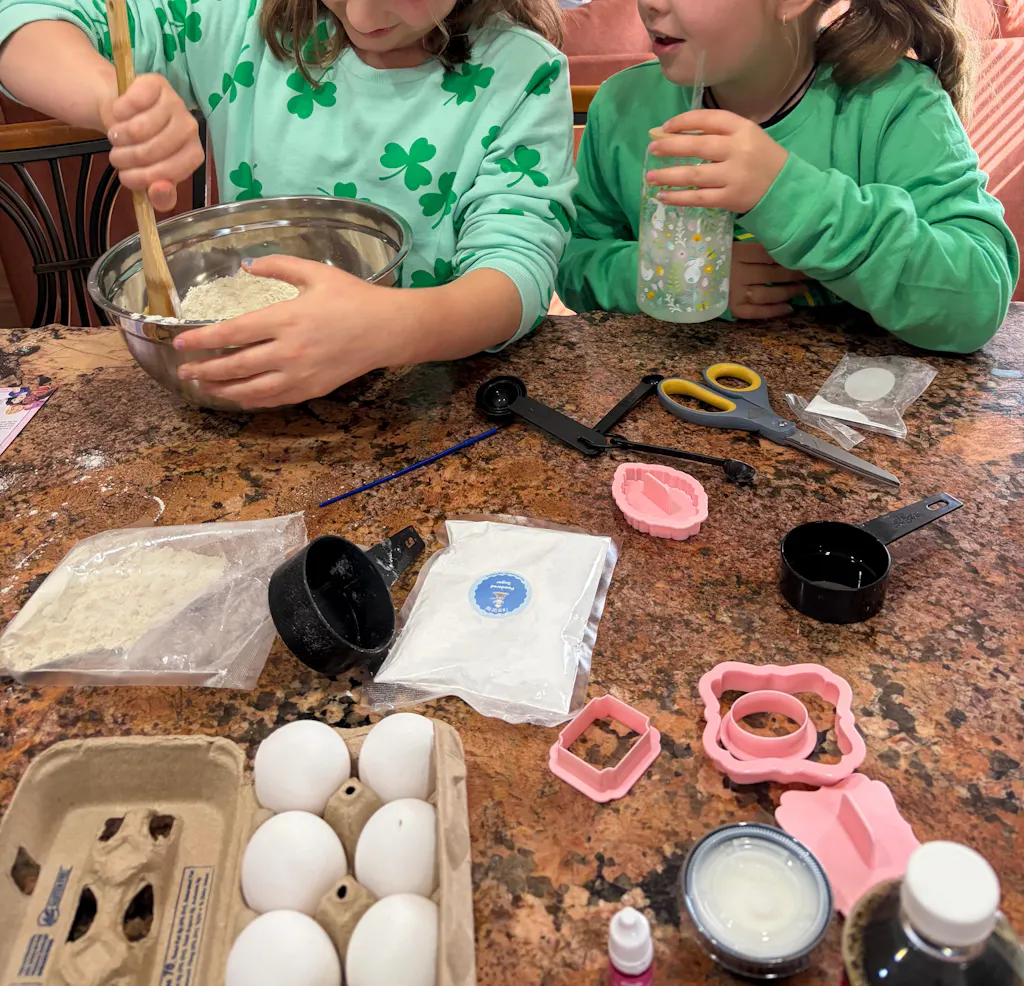
- Convenience for Parents: We know your time is precious. That's why our kits come with pre-measured dry ingredients and specialty supplies, saving you trips to the store and reducing prep time. You supply the fresh ingredients (like eggs or milk) and the supervision, and we provide the adventure!
- Screen-Free Engagement: In an increasingly digital world, we offer a refreshing screen-free alternative that encourages interactive play, critical thinking, and real-world skill development.
- Family Bonding: Our kits are designed to be enjoyed together, fostering communication, teamwork, and laughter in the kitchen. They provide an opportunity for parents and children to connect over a shared, delicious activity.
- Developed by Experts: As mothers and educators ourselves, we pour our passion and expertise into creating experiences that are not only fun but also genuinely educational and safe for children.
Whether you're looking for an ongoing source of culinary creativity or a special project for a rainy afternoon, I'm the Chef Too! has you covered. Not ready to subscribe? Explore our full library of adventure kits available for a single purchase in our shop and find the perfect theme for your little learner. And for those who want a continuous stream of exciting gluten-free-friendly cooking challenges, our monthly subscription boxes are an absolute delight. A new adventure is delivered to your door every month with free shipping in the US, offering flexibility with 3, 6, and 12-month pre-paid plans, perfect for gifting or long-term enrichment.
Tips for Success: Navigating the Gluten-Free Journey
Embarking on a gluten-free journey with your child is a learning process, but with a few strategies, it can become second nature.
- Patience with Picky Eaters: If your child is new to gluten-free foods, remember that tastes and textures can be different. Researchers suggest that children often need about 15 exposures to a new food before they trust it, and a few more before they truly like it. Keep offering new options without pressure, and let them help in the preparation process to increase their buy-in.
- Preventing Cross-Contamination: For severe allergies or Celiac disease, cross-contamination is a serious concern. Dedicate separate cutting boards, toasters, and utensils for gluten-free foods if possible. Clean surfaces thoroughly before preparing gluten-free meals. Store gluten-free items in separate, clearly marked containers.
- Educate and Empower Your Child: Teach your child about their dietary needs in an age-appropriate way. Help them understand what gluten is, why they need to avoid it, and how to confidently ask about ingredients when eating outside the home. This empowerment builds self-advocacy skills that will serve them throughout their lives.
- Plan Ahead: Always have safe snacks on hand for outings, school, or playdates. This reduces anxiety and the likelihood of accidental gluten exposure.
- Consult Professionals: Your pediatrician or a registered dietitian specializing in Celiac disease or gluten sensitivities can provide personalized advice, help ensure nutritional adequacy, and offer ongoing support.
The world of gluten-free eating for kids is constantly evolving, offering more options and support than ever before. By focusing on whole foods, being diligent with labels, and embracing the joy of cooking together, you can ensure your child enjoys a diverse, delicious, and worry-free diet.
Conclusion
Navigating the world of gluten-free snacks for children, whether for medical reasons or dietary preference, can initially seem daunting. However, as we've explored, it's a journey rich with opportunity for discovery, creativity, and incredible taste. From understanding the nuances of gluten to identifying reliable store-bought options and embracing the joy of homemade culinary adventures, parents now have a wealth of resources at their fingertips. The benefits of providing delicious, safe gluten-free snacks extend far beyond physical health, fostering confidence, inclusivity, and a deep appreciation for nutritious food.
At I'm the Chef Too!, we believe every kitchen moment is a chance to learn and bond. Our unique blend of food, STEM, and the arts transforms snack time into an enriching "edutainment" experience, igniting curiosity and creativity in your child. We're dedicated to helping you create those priceless, screen-free memories, knowing that each stirring, mixing, and baking moment contributes to their growth and love for learning.
Don't let dietary needs limit your family's culinary adventures. Embrace the possibilities, experiment with new flavors, and most importantly, have fun creating delicious memories together. Ready to infuse your home with delightful learning experiences and delicious gluten-free friendly creations?
Transform snack time, ignite curiosity, and build lasting family memories. Join The Chef's Club today and let us deliver a world of edible adventures right to your door every month!
FAQ Section
Q1: What is the main difference between Celiac disease and gluten sensitivity? A1: Celiac disease is an autoimmune disorder where gluten ingestion damages the small intestine, leading to nutrient malabsorption and various symptoms. Gluten sensitivity (non-Celiac gluten sensitivity) causes similar symptoms to Celiac disease but without the intestinal damage or autoimmune response. Both require avoiding gluten, but the strictness can vary based on individual needs, with Celiac disease requiring absolute avoidance to prevent long-term health complications.
Q2: How can I tell if a packaged snack is truly gluten-free? A2: The most reliable way is to look for a "Gluten-Free" label on the packaging. The FDA has regulated this term to mean the product contains less than 20 parts per million of gluten. If there's no label, meticulously check the ingredient list for wheat, barley, rye, and their derivatives (like malt, semolina). Also, be aware of "may contain wheat" warnings, which indicate a risk of cross-contamination during manufacturing.
Q3: Are oats always gluten-free? A3: Oats are naturally gluten-free, but they are frequently cross-contaminated with wheat, barley, or rye during growing, harvesting, or processing. For this reason, it's crucial to purchase only oats or oat products that are specifically labeled "certified gluten-free" to ensure they are safe for someone with Celiac disease or severe gluten sensitivity.
Q4: My child is a picky eater and needs to go gluten-free. How can I introduce new gluten-free snacks? A4: Patience is key. Start by finding gluten-free versions of foods they already enjoy, like gluten-free crackers or puffs. Involve them in the kitchen by letting them choose ingredients or help with simple tasks – this increases their willingness to try new foods. Present new items alongside familiar favorites, and remember that children often need multiple exposures (sometimes 15 or more!) before accepting a new food. Making it fun and playful, like with our I'm the Chef Too! kits, can also greatly help!
Q5: What are some naturally gluten-free and healthy snack ideas for kids? A5: Many wholesome foods are naturally gluten-free! Excellent choices include fresh fruits (apples, berries, bananas), vegetables (carrots, celery, bell peppers) often paired with naturally gluten-free dips like hummus or guacamole, dairy products (cheese sticks, yogurt, cottage cheese), lean proteins (hard-boiled eggs, edamame), and nuts/seeds (if no allergies). Popcorn and corn tortillas are also great grain-based options.
Q6: Can I make I'm the Chef Too! kits gluten-free? A6: Many of our I'm the Chef Too! kits can be adapted to be gluten-free by substituting gluten-free flour blends and ensuring any other fresh ingredients you add (like milk or eggs) are naturally gluten-free. While our kits are not explicitly certified gluten-free, our focus is on hands-on learning, and the principles of baking and culinary science apply regardless of dietary adjustments. We encourage creativity and adaptation to suit your family's needs, turning each kit into a personalized learning experience. You can always check specific kit ingredients on our product pages or contact our customer service for more guidance on adaptations.