Table of Contents
- Introduction
- Understanding Dairy-Free Needs: Allergies vs. Intolerances
- The "Why" Behind Dairy-Free Snacking for Kids
- Navigating the Dairy-Free Aisle: What to Look For
- Homemade Dairy-Free Snack Adventures: Sparking Curiosity
- Convenient Store-Bought Dairy-Free Snacks
- Making Snack Time a STEM & Art Experience
- Smart Snacking Strategies for Busy Families
- Conclusion
- FAQ Section
Imagine a child's face lighting up, not at the glow of a screen, but at the sight of a vibrant, delicious, and engaging snack they helped create. For many families, this picture is complicated by dietary restrictions, especially when dairy is involved. A significant number of children navigate daily life with dairy allergies or intolerances, transforming what might seem like simple snack decisions into a quest for safe, nutritious, and appealing options. The good news? Far from being a limitation, a dairy-free approach opens a world of culinary creativity, fostering healthier habits and a deeper appreciation for diverse foods.
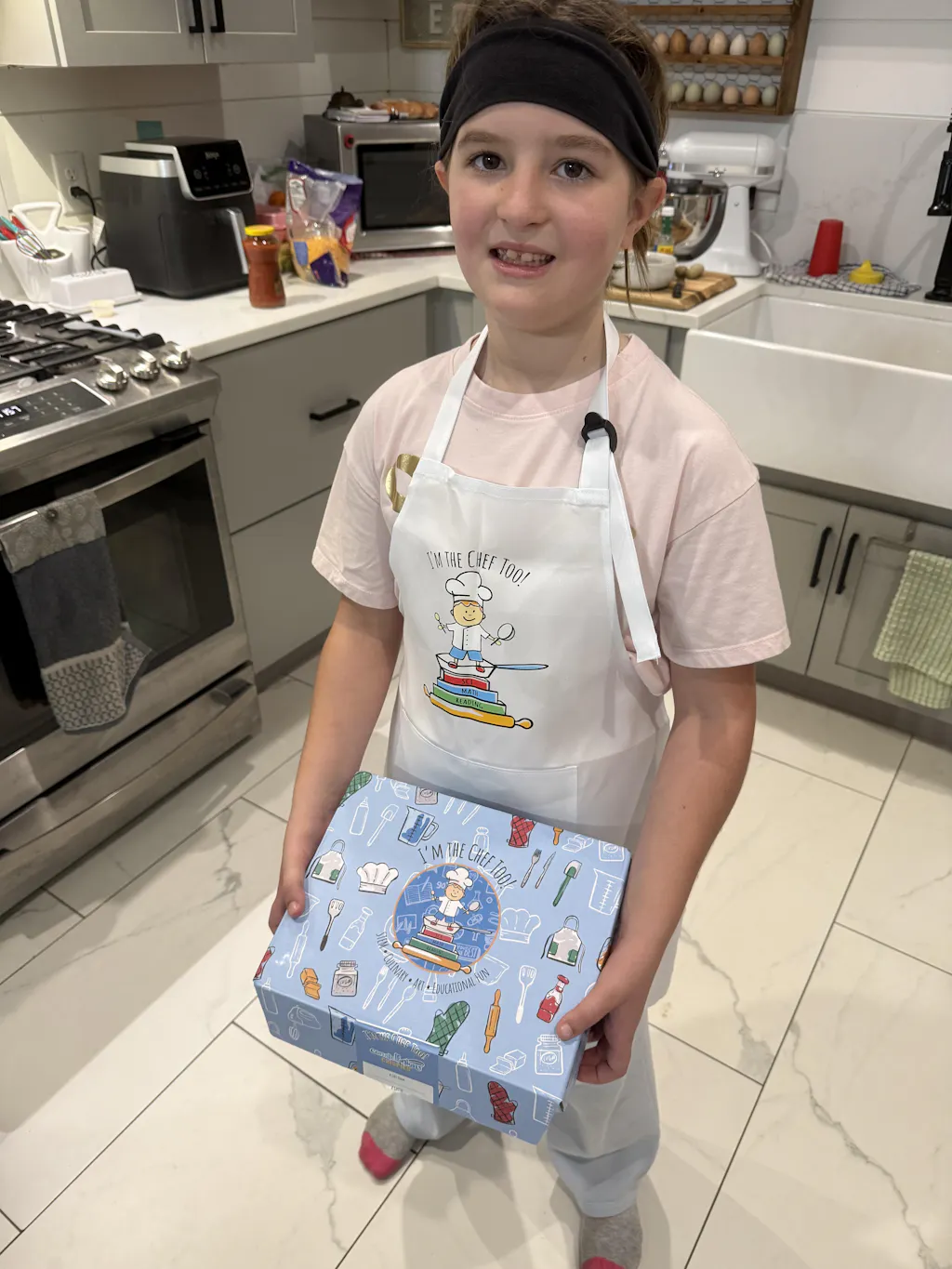
This comprehensive guide is crafted to empower parents and caregivers with the knowledge and inspiration needed to confidently choose and prepare fantastic dairy-free kids snacks. We'll delve into understanding dairy sensitivities, decoding confusing labels, and exploring a vast array of both homemade and convenient store-bought options. We’ll also discover how snack time can be transformed into an exciting learning opportunity, blending culinary arts with fundamental STEM principles, all while strengthening family bonds. Our mission at I'm the Chef Too! is to offer unique "edutainment" experiences that spark curiosity and creativity, turning everyday activities like cooking into unforgettable adventures.
Join us as we embark on a flavorful journey, ensuring every snack break is not just safe and delicious, but also a moment of discovery and joyful learning.
Introduction
Does the thought of finding truly delicious and dairy-free snacks for your children often feel like an uphill battle? You’re not alone. Many parents navigate the intricate world of food allergies and intolerances, constantly checking labels and searching for alternatives that don't compromise on taste or nutrition. While dairy products are a common staple in many diets, providing essential nutrients like calcium and Vitamin D, a growing number of children require a dairy-free diet. This can be due to various reasons, from confirmed medical conditions like cow’s milk protein allergy or lactose intolerance, to personal dietary choices made by families. The challenge lies in ensuring these snacks are not only safe but also appealing to picky eaters, packed with essential nutrients, and convenient for busy schedules.
This article aims to be your definitive resource for everything dairy-free snacks for kids. We'll clarify the distinctions between dairy allergy and intolerance, provide crucial tips for reading ingredient labels, and offer an extensive collection of imaginative homemade and readily available store-bought options. More than just a list, we’ll explore how these snack choices can become exciting learning opportunities, fostering an early love for healthy eating and even foundational STEM concepts. From understanding the 'why' behind dairy-free choices to practical strategies for preparing wholesome and engaging treats, we are here to help you make snack time a moment of joy, discovery, and nourishment.
Understanding Dairy-Free Needs: Allergies vs. Intolerances
Before diving into a world of delicious dairy-free snacks, it's essential to understand why a child might need to avoid dairy. The terms "dairy allergy" and "lactose intolerance" are often used interchangeably, but they represent distinct conditions with different implications for a child's health and diet. Clarifying these differences is the first step toward making informed snack choices.
Cow's Milk Protein Allergy (CMPA)
A cow's milk protein allergy is an immune system reaction to the proteins found in cow's milk. Even tiny amounts of dairy protein can trigger symptoms, which can range from mild to severe and even life-threatening. This type of allergy is common in infants and young children, often presenting within the first year of life.
-
Symptoms: Reactions can affect various body systems.
- Skin: Hives, eczema, itchy rashes, swelling of the lips and face.
- Gastrointestinal: Vomiting, diarrhea, abdominal pain, irritability (colic), gas, constipation.
- Respiratory: Runny nose, congestion, wheezing, coughing, shortness of breath.
- Severe reactions (Anaphylaxis): Swelling in the mouth or throat, difficulty breathing, a sudden drop in blood pressure. This is a medical emergency requiring immediate attention.
- Management: Complete avoidance of all dairy products is crucial. This includes not just obvious milk and cheese, but also hidden dairy ingredients like whey, casein, or lactose (which can be derived from milk).
Lactose Intolerance
Lactose intolerance, on the other hand, is not an allergic reaction but a digestive issue. It occurs when the body lacks sufficient amounts of lactase, the enzyme needed to break down lactose, the sugar naturally found in milk and dairy products. Undigested lactose ferments in the gut, leading to uncomfortable symptoms.
-
Symptoms: Primarily gastrointestinal.
- Bloating, gas, abdominal cramps, diarrhea, nausea.
- Symptoms typically appear hours after consuming dairy.
- Management: Children with lactose intolerance may be able to tolerate small amounts of lactose, or do well with lactose-free dairy products, which have the lactase enzyme added. They may also benefit from enzyme supplements. Unlike an allergy, it generally doesn't require complete avoidance of all dairy, but rather managing the amount consumed. Lactose intolerance is rare in very young children and often develops later in childhood or adolescence.
The Importance of Professional Guidance
If you suspect your child has a dairy allergy or intolerance, it is paramount to consult a healthcare professional, such as a pediatrician or a registered dietitian. Self-diagnosing and eliminating essential food groups can lead to nutritional deficiencies. A medical expert can provide an accurate diagnosis, guide you on how to safely eliminate dairy if necessary, and help ensure your child receives all the vital nutrients for healthy growth and development. They can also differentiate between transient lactose intolerance (which might occur after a stomach bug) and a persistent condition.
For families navigating these dietary needs, I'm the Chef Too! understands the desire to provide engaging and safe experiences. Our kits are designed to be adaptable, and while many recipes use dairy, we consistently encourage substitutions and highlight the science behind ingredients, making it easier for children with dietary restrictions to participate and learn. Every child deserves the joy of creating and eating delicious food.
The "Why" Behind Dairy-Free Snacking for Kids
Beyond medical necessities, the choice to embrace dairy-free snacking for kids can stem from various philosophies, all contributing to a child's holistic well-being. Understanding these broader benefits reinforces the value of mindful snack choices for every family.
Nutritional Enrichment and Diversity
One of the most compelling reasons to explore dairy-free snacks is the opportunity for nutritional diversity. When dairy is off the table, parents naturally seek out other sources for calcium, protein, and vitamins. This often leads to incorporating a wider array of plant-based foods such as nuts, seeds, fruits, vegetables, and legumes, which are rich in fiber, antioxidants, and a spectrum of micronutrients that might otherwise be underrepresented in a dairy-heavy diet. This expanded palate can help children develop a taste for a broader range of healthy foods from an early age.
Promoting Gut Health
A diet rich in diverse plant-based foods inherently supports a healthy gut microbiome. Fiber, found abundantly in fruits, vegetables, whole grains, and legumes, acts as a prebiotic, feeding beneficial gut bacteria. Many dairy-free alternatives, such as plant-based yogurts and kefirs, also contain live and active cultures, further contributing to digestive health. A healthy gut is linked to improved immunity, better mood, and overall wellness, making diverse dairy-free snacks a powerful tool for promoting long-term health.
Sustained Energy and Focus
Processed snacks, often laden with sugar and refined carbohydrates, can lead to energy spikes and crashes, impacting a child’s mood, concentration, and behavior. Dairy-free snacks, particularly those focusing on whole ingredients and balanced macronutrients (protein, healthy fats, and complex carbohydrates), provide sustained energy. Foods like almond butter on apple slices, veggie sticks with hummus, or a fruit smoothie made with plant milk, offer a steady release of glucose, keeping children feeling full, focused, and ready for play or learning.
Developing Mindful Eating Habits
Choosing dairy-free options often requires more attention to ingredients and food preparation. This process can be a fantastic way to teach children about what goes into their food, where it comes from, and how different ingredients nourish their bodies. Involving kids in selecting and preparing their snacks, which is at the heart of our mission at I'm the Chef Too!, transforms eating from a passive act into an active, educational experience. They learn about food groups, textures, flavors, and the importance of balanced nutrition, fostering mindful eating habits that can last a lifetime.
Environmental and Ethical Considerations
For some families, the choice to go dairy-free extends beyond health to encompass environmental and ethical concerns. Reducing dairy consumption can align with sustainable living practices and animal welfare values. By offering dairy-free snacks, parents can introduce these broader concepts to children in an age-appropriate way, helping them understand the impact of their food choices on the world around them. This holistic approach to food is deeply intertwined with the values we uphold at I'm the Chef Too!, where we believe in educating children about the world through the engaging lens of food and science.
Whether driven by medical necessity or a desire for broader nutritional, ethical, or environmental benefits, embracing dairy-free kids snacks is a positive and enriching journey for the entire family. It's an invitation to experiment, learn, and grow together, creating delicious memories along the way. Ready to explore a world of new flavors and experiences? Join The Chef's Club and discover a new adventure every month, delivered right to your door with free US shipping!
Navigating the Dairy-Free Aisle: What to Look For
The supermarket shelves can be overwhelming, even more so when you're searching for specific dietary needs. Making informed choices about dairy-free kids snacks requires a discerning eye, especially when it comes to reading labels and prioritizing nutrient-dense options.
Decoding Ingredient Labels: The Dairy Detective
Becoming a "dairy detective" is a crucial skill for any parent managing a dairy-free diet. Dairy can hide in unexpected places and under various names. Food labeling laws in many countries require allergens to be clearly identified, but vigilance is still key.
- Look for "Dairy-Free" or "Vegan" Certifications: The easiest indicator is often a clear "dairy-free," "lactose-free," or "vegan" label or certification symbol on the packaging.
- The Allergen Statement: In regions like the US, EU, Canada, and Australia, food manufacturers must declare major allergens. Look for a "Contains: Milk" statement near the ingredient list, or for milk derivatives highlighted in bold or a different font within the list.
-
Common Dairy Aliases to Watch For:
- Milk-derived proteins: Casein, caseinates (calcium caseinate, sodium caseinate), whey, whey protein concentrate, whey protein isolate, lactalbumin, lactoferrin.
- Milk sugars: Lactose (though lactose can also be plant-derived, assume milk-derived unless specified otherwise for allergy purposes).
- Fats: Butter, butterfat, ghee (clarified butter), butter oil.
- Other: Yogurt, sour cream, cheese, cream, half-and-half, milk solids.
- Note on "Non-Dairy": This term can be misleading. In some contexts, "non-dairy" might still contain casein (a milk protein) if it's not truly milk-free. Always check the full ingredient list for casein if a milk allergy is present. "Dairy-free" is a stronger assurance.
- Cross-Contamination Warnings: Be aware of "may contain milk" statements. For severe allergies, even trace amounts can be problematic, and these warnings indicate shared production lines or facilities.
Remember, ingredients can change, so it’s a good practice to check labels regularly, even for familiar products.
Nutrient Powerhouses: Calcium, Vitamin D, Protein, and Fiber
When dairy is removed from the diet, it’s important to ensure children are still receiving crucial nutrients for growth and development. Snacks are an excellent opportunity to fortify their intake.
-
Calcium: Essential for strong bones and teeth.
- Dairy-free sources: Calcium-fortified plant milks (almond, soy, oat, rice), calcium-fortified orange juice, fortified cereals, leafy green vegetables (kale, spinach), broccoli, calcium-set tofu, sesame seeds (tahini), almonds, dried figs.
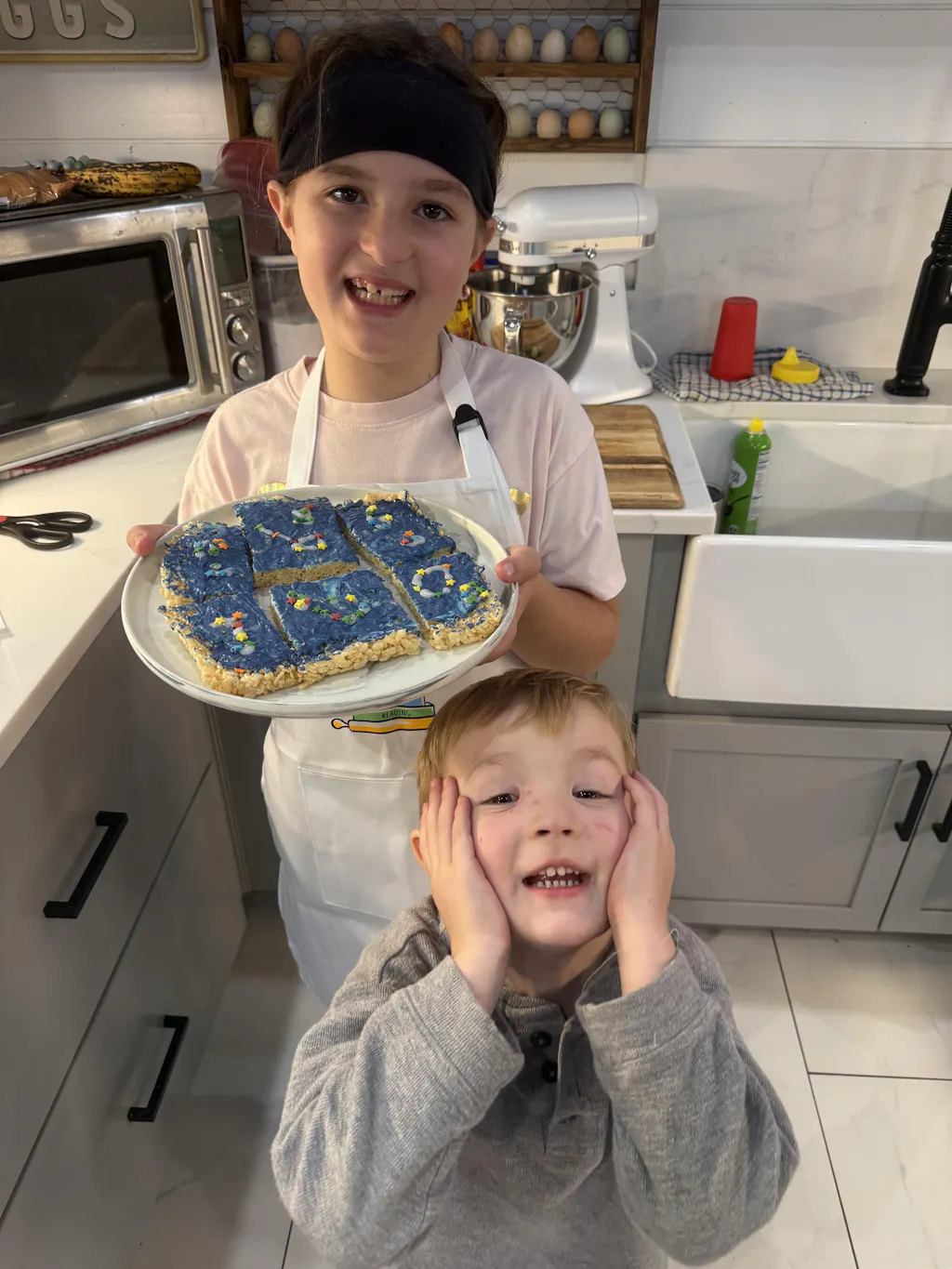
- Snack ideas: Smoothies with fortified plant milk, almond butter on celery, kale chips, fortified cereal with fruit, Galaxy Donut Kit edible solar systems made with calcium-rich dairy-free frosting.
-
Vitamin D: Crucial for calcium absorption and immune function.
- Dairy-free sources: Fortified plant milks and cereals, some mushrooms (exposed to UV light), fatty fish (if consuming fish), and importantly, sunlight exposure.
- Snack ideas: Pairing fortified plant milk with a snack, or ensuring children spend time outdoors.
-
Protein: Vital for growth, repair, and feeling full.
- Dairy-free sources: Nuts and seeds (and their butters), legumes (chickpeas, lentils, beans), tofu, edamame, whole grains, lean meats (if non-vegetarian).
- Snack ideas: Hummus with veggie sticks, roasted edamame, trail mix with nuts and seeds, sunflower seed butter on apple slices. If you're looking for a fun, hands-on activity that incorporates healthy fats and proteins, browse our complete collection of one-time kits for inspiring cooking adventures!
-
Fiber: Important for digestive health, satiety, and blood sugar regulation.
- Dairy-free sources: All fruits and vegetables, whole grains, nuts, seeds, legumes.
- Snack ideas: Fresh fruit, whole-grain crackers, sweet potato fries, chia seed pudding.
Aim to combine at least two food groups in a snack (e.g., fruit + protein like apple slices with nut butter) to provide a balanced nutrient profile and help kids feel satisfied longer.
Mindful Sugar Content
Many snacks marketed to children are loaded with added sugars, which can contribute to dental problems, energy crashes, and other health issues. Prioritize snacks that are naturally sweet from fruits or contain minimal added sugar.
- Check the Nutrition Facts Panel: Look at the "Added Sugars" line. Aim for snacks with low or no added sugars.
- Natural Sweeteners are Best: Opt for snacks sweetened with whole fruits, dates, or small amounts of maple syrup or agave nectar.
- Balance is Key: Occasional treats are fine, but the majority of snacks should be low in added sugar.
Texture and Appeal for Picky Eaters
Kids can be notoriously particular about food textures. Some prefer crunchy, others soft and chewy. Experimenting with different textures and presentations can significantly increase the likelihood of a snack being accepted.
- Crunchy: Apple chips, roasted chickpeas, veggie sticks, rice cakes, popcorn, freeze-dried fruit.
- Soft/Chewy: Sliced bananas, berries, soft baked cookies, energy bites, dried fruit.
- Creamy: Smoothies, dairy-free yogurts, avocado dips, hummus.
- Engaging Presentation: At I'm the Chef Too!, we know presentation matters! Cutting foods into fun shapes, arranging fruit on skewers, or making "ants on a log" can make even the simplest snack irresistible. This blend of food and art is central to our "edutainment" philosophy.
By becoming a savvy label reader and focusing on nutrient density, parents can ensure their dairy-free children enjoy a wide variety of healthy, delicious, and engaging snacks.
Homemade Dairy-Free Snack Adventures: Sparking Curiosity
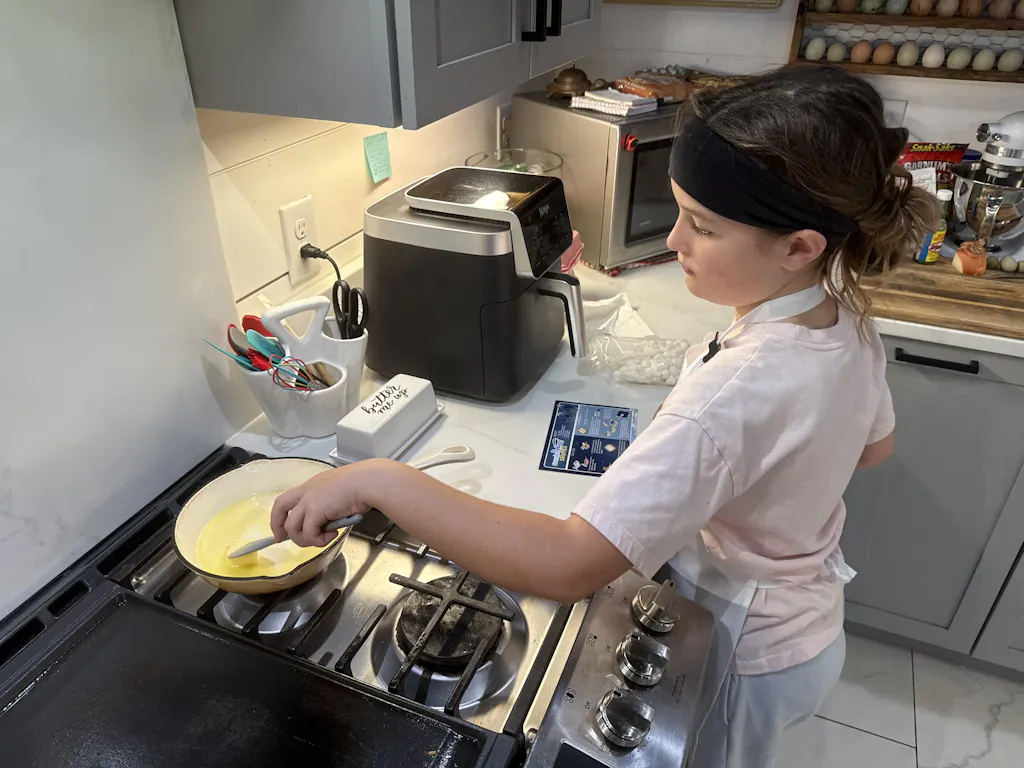
Creating dairy-free snacks at home isn't just about controlling ingredients; it's an incredible opportunity to turn snack time into a fun, educational, and bonding experience. At I'm the Chef Too!, we believe the kitchen is a fantastic classroom, where kids learn practical skills, explore scientific concepts, and unleash their creativity. Here are some homemade dairy-free snack ideas, enhanced with tips to spark even more curiosity.
Sweet & Fruity Creations
Fruits are nature's candy, offering natural sweetness, vitamins, and fiber, making them perfect dairy-free bases.
-
Rainbow Fruit Skewers:
- The Snack: Cut up a variety of colorful fruits (strawberries, oranges, pineapple, kiwi, blueberries, grapes) and thread them onto skewers.
- Why it's great: Visually appealing, packed with vitamins and antioxidants. Kids love assembling these.
- Sparking Curiosity: Talk about the colors of the rainbow, the different parts of the fruits (seeds, skin, pulp), and how different fruits taste. Discuss why some fruits are sweet and others tart – a basic chemistry lesson!
- I'm the Chef Too! Connection: This activity is a perfect example of how art and food combine. We teach kids to make Galaxy Donut Kit where the edible solar system becomes a canvas for creative expression.
-
Frozen Fruit Pops:
- The Snack: Blend your child's favorite fruits (berries, bananas, mango, pineapple) with a splash of dairy-free milk or juice, pour into popsicle molds, and freeze.
- Why it's great: Refreshing, healthy, and a fantastic way to use overripe fruit.
- Sparking Curiosity: Explore the concept of states of matter – liquid transforming into solid. Discuss how different sugar contents in fruit affect the freezing point. Experiment with layering different fruit purees.
-
Apple "Nachos":
- The Snack: Thinly slice apples and arrange them on a plate. Drizzle with dairy-free nut or seed butter (like almond butter or sunflower seed butter). Top with dairy-free chocolate chips, shredded coconut, or a sprinkle of cinnamon.
- Why it's great: A balanced snack with carbohydrates, healthy fats, and protein. Customizable and fun.
- Sparking Curiosity: Discuss the process of oxidation (why apples turn brown) and how lemon juice can prevent it. Talk about the origins of different toppings.
-
Date or Coconut Energy Bites:
- The Snack: Blend pitted dates with oats, shredded coconut, and a dairy-free nut or seed butter until a dough forms. Roll into small balls. Add-ins could include dairy-free chocolate chips, chia seeds, or flax meal.
- Why it's great: No-bake, naturally sweet, and full of fiber and healthy fats.
- Sparking Curiosity: Explore how different ingredients bind together. Discuss "good energy" from whole foods versus refined sugars.
-
Fruit Smoothies:
- The Snack: Blend a variety of fruits (fresh or frozen) with dairy-free milk (almond, oat, soy, coconut) or dairy-free yogurt. Add a handful of spinach for an extra nutritional boost, often undetectable in taste!
- Why it's great: Highly customizable, quick, and a fantastic way to sneak in veggies.
- Sparking Curiosity: Talk about the power of blenders and how they break down food. Discuss the different vitamins found in each fruit and why they are important. Kids can experiment with different ratios to find their perfect consistency and flavor.
Savory Sensations
Beyond sweet treats, savory dairy-free snacks can be equally exciting and often provide more sustained energy.
-
Sweet Potato Fries:
- The Snack: Cut sweet potatoes into fry shapes, toss with olive oil and seasonings (salt, paprika, garlic powder), and bake until crispy.
- Why it's great: A healthier alternative to regular fries, packed with Vitamin A and fiber.
- Sparking Curiosity: Discuss the transformation of raw potato to cooked (chemical change). Explore different seasonings and their origins.
-
Edamame:
- The Snack: Steam some edamame pods and sprinkle with sea salt.
- Why it's great: High in protein and fiber, and fun to pop out of the pods.
- Sparking Curiosity: Talk about where edamame comes from (soybeans). Discuss different plant-based proteins.
-
Veggie Sticks with Hummus/Avocado Dip:
- The Snack: Offer a colorful array of cut-up vegetables (carrots, bell peppers, cucumber, celery, broccoli florets) with a dairy-free hummus or a simple mashed avocado dip (guacamole).
- Why it's great: Excellent source of vitamins, minerals, and fiber.
- Sparking Curiosity: Learn about different vegetable varieties and their textures. Discuss how hummus is made from chickpeas – a great lesson in legumes!
-
Popcorn:
- The Snack: Air-popped popcorn, lightly seasoned with salt or nutritional yeast for a "cheesy" flavor.
- Why it's great: Whole grain, good source of fiber, and a satisfying crunch.
- Sparking Curiosity: Observe the physics of popcorn popping – the water inside the kernel turning to steam!
-
Rice Cakes with Toppings:
- The Snack: Spread dairy-free cream cheese, nut/seed butter, or avocado on rice cakes. Top with sliced fruit, veggies, or a sprinkle of Everything Bagel seasoning.
- Why it's great: Versatile, crunchy, and a blank canvas for various flavors.
- Sparking Curiosity: Discuss different grains and how rice cakes are made. Experiment with flavor combinations.
Building Blocks for Little Chefs
At I'm the Chef Too!, we recognize that every cooking adventure is a chance for "edutainment." Our kits are designed by mothers and educators to blend food, STEM, and the arts, and you can bring that same philosophy to your homemade snacks.
- Kitchen Chemistry: When kids make a smoothie, they're seeing liquids blend into a new concoction. When they bake sweet potato fries, they're observing how heat transforms food. Our Erupting Volcano Cakes kit is a fantastic example, teaching kids about chemical reactions as they watch their cakes bubble over with deliciousness – imagine applying that same scientific curiosity to a homemade "volcano dip" with veggie sticks!
- Math in the Mix: Measuring ingredients, counting fruit pieces for skewers, or dividing energy bites teaches fundamental math skills in a tangible, real-world context.
- Artful Plates: Encouraging kids to arrange their snacks creatively – making a "face" on a rice cake, or a "muddy puddle" with Peppa Pig Muddy Puddle Cookie Pies using a dairy-free chocolate pudding – transforms eating into an artistic endeavor. This helps engage even the pickiest eaters.
- Family Bonding: Preparing snacks together is precious screen-free time, fostering communication, cooperation, and lasting memories.
For ongoing inspiration and pre-measured ingredients that simplify these engaging experiences, consider the convenience and fun of The Chef's Club Subscription. A new culinary adventure delivered monthly makes it easy to keep the learning and the deliciousness coming!
Convenient Store-Bought Dairy-Free Snacks
While homemade snacks are wonderful, the reality of busy family life often calls for convenient, store-bought options. Fortunately, the market for dairy-free products has exploded, offering a wide array of delicious and nutritious choices that cater to kids' tastes. Remember to always double-check labels for hidden dairy and cross-contamination warnings, especially for allergies.
Fruits & Veggies: Nature's Fast Food
These are the simplest and often the healthiest go-to options.
- Fresh Fruit: Apples, bananas, oranges, berries, grapes, mandarins, pre-sliced melon or pineapple. Nature's perfect snack, ready to eat.
- Fruit Pouches: Brands like GoGo SqueeZ offer 100% fruit pouches with no added sugar or preservatives, perfect for on-the-go.
- Dried Fruit: Raisins, dried cranberries, apricots, mango slices. Look for varieties with no added sugar.
- Apple Chips / Banana Chips: Bare Snacks are a popular choice, made with minimal ingredients (often just fruit and cinnamon), offering a satisfying crunch.
- Edamame (Frozen or Roasted): Many brands offer pre-steamed, frozen edamame pods or crunchy, dry-roasted edamame beans (like The Only Bean), which are great for protein and fiber.
- Pre-Cut Veggie Sticks: Carrots, celery, cucumber, bell pepper strips are readily available and pair well with individual hummus cups.
Puffs, Crisps & Bars: On-the-Go Options
These options are great for lunchboxes or quick snacks, but check sugar and ingredient lists carefully.
- Chickpea Puffs: Brands like HIPPEAS offer delicious, crunchy puffs made from chickpeas, often in flavors like "Groovy White Cheddar" (dairy-free!). They provide protein and fiber.
- Fruit Snacks: Annie's Organic Bunny Fruit Snacks are often dairy-free and made with real fruit juice, though they can be higher in sugar. Read labels carefully.
- KIND Kids Chewy Bars: Many of their varieties are dairy-free, made with whole grains, and contain protein and fiber. Look for specific dairy-free certifications.
- Enjoy Life Foods Soft Baked Cookies/Mini Chips: This brand specializes in allergen-free products, making their soft-baked cookies and chocolate chips a safe and tasty treat.
- SmartSweets Fruity Gummy Bears: A good option for a candy-like treat with significantly less sugar, made with plant-based ingredients.
- Graham Crackers: Many brands are dairy-free (always check ingredients!), perfect for pairing with a nut/seed butter.
Dairy-Free Milks & Yogurts
These provide excellent dairy substitutes, often fortified with calcium and Vitamin D.
- Individual Plant Milk Cartons: Small cartons of almond, oat, soy, or coconut milk are convenient for lunchboxes or a quick drink. Choose unsweetened or lightly sweetened versions.
- Dairy-Free Yogurt Cups: Brands like So Delicious Dairy Free (coconut-based), Silk (almond or soy-based), or Forager Project (cashew-based) offer single-serving yogurts. They often contain live and active cultures.
Baked Goods & Treats
Treats can be part of a balanced diet, even for dairy-free kids.
- Rice Cakes: Available in various flavors, they're a versatile base for toppings. Many popular brands are naturally dairy-free.
- Dairy-Free Baked Goods: Look for dedicated dairy-free bakeries or brands that specifically cater to allergen-free diets. Enjoy Life Foods offers a range of allergen-free products, for instance.
- Dairy-Free Mac & Cheese: Daiya Cheezy Mac is a popular choice for a quick, comforting meal or substantial snack, offering a vegan cheese sauce.
Exploring these store-bought options can simplify dairy-free living for busy families. To make the search for the perfect treat even easier, explore our full library of adventure kits available for a single purchase in our shop, perfect for finding new favorites and sparking culinary creativity at home!
Making Snack Time a STEM & Art Experience
At I'm the Chef Too!, we firmly believe that the most powerful learning happens through hands-on engagement, and there's no better place for this than the kitchen. Snack time, especially when dairy-free choices open up a world of new ingredients and methods, offers a unique opportunity to blend food, STEM (Science, Technology, Engineering, and Math), and the arts into unforgettable "edutainment."
Kitchen Chemistry with Edible Experiments
Every time you combine ingredients, you're conducting a chemical experiment. Dairy-free snacks provide fantastic opportunities to observe these transformations.
- Acids and Bases: Make a dairy-free "buttermilk" by adding lemon juice or vinegar to plant milk and observing it curdle. Use this in dairy-free pancakes or muffins. Discuss how the acid reacts with the protein in the plant milk.
- States of Matter: Freezing fruit purees into popsicles or making homemade "nice cream" (blended frozen bananas) demonstrates the transition from liquid to solid. Talk about temperature and its effects.
- Emulsification: Making a dairy-free salad dressing or a creamy avocado dip involves emulsification – combining oil and water into a stable mixture.
- Baking Reactions: Even simple dairy-free cookies or muffins involve the reaction of baking soda/powder with an acid (often from plant milk, vinegar, or brown sugar) to create carbon dioxide, making them rise. This is the same principle that makes our Erupting Volcano Cakes kit so exciting, where kids witness a delightful chemical reaction firsthand!
Math in the Mix: Measuring & Portions
Cooking is inherently mathematical. Dairy-free snack prep can strengthen these skills in a practical, fun way.
- Measuring: Learning to measure ingredients (cups, spoons, fractions) for a trail mix or energy bites. Discuss why precise measurements are important in baking.
- Counting & Sorting: Counting out fruit for skewers, or sorting different types of nuts and seeds for a custom mix.
- Fractions: Dividing a recipe in half, doubling it, or cutting a dairy-free pizza into equal slices introduces fractions and ratios.
- Estimation: Asking "how much" or "how many" helps develop estimation skills before actual measuring.
Artful Plates: Encouraging Creativity
Food is a sensory experience, and presentation plays a huge role in appeal, especially for kids.
- Color & Design: Arranging colorful fruit on a plate like a rainbow, creating faces on rice cakes with different toppings, or building a "forest" of veggie sticks with a dip "lake."
- Texture Play: Combining crunchy elements (nuts, seeds) with smooth (hummus, avocado) and soft (fruit) creates an interesting mouthfeel.
- Theme Integration: Making "star-gazing" fruit tarts for our Galaxy Donut Kit, or designing "muddy puddles" with dairy-free chocolate pudding for Peppa Pig Muddy Puddle Cookie Pies transforms a simple snack into an imaginative adventure.
- Sensory Exploration: Encouraging children to taste, smell, and touch ingredients, describing what they experience, expands their vocabulary and appreciation for food.
Family Bonding Over Bites
Beyond the academic benefits, preparing dairy-free snacks together fosters invaluable family time.
- Screen-Free Connection: The kitchen becomes a space for conversation, laughter, and shared accomplishment, away from digital distractions.
- Confidence Building: Children gain confidence as they master new skills, follow instructions, and see their efforts result in a delicious outcome.
- Responsibility & Independence: Assigning age-appropriate tasks teaches responsibility and moves them towards greater independence in the kitchen.
- Cultivating a Love for Learning: By integrating STEM and art, snack preparation naturally becomes an exciting learning environment, fostering a love for discovery that extends far beyond the kitchen. This is the heart of I'm the Chef Too!'s educational philosophy. We aim to spark a lifelong love for learning through hands-on, tangible, and delicious cooking adventures.
To seamlessly integrate these enriching experiences into your family's routine, consider the convenience and expertly curated lessons offered by The Chef's Club Subscription. Each month, a new adventure arrives with pre-measured dry ingredients and specialty supplies, making it easy to create delicious memories and learning moments.
Smart Snacking Strategies for Busy Families
Even with an abundance of dairy-free ideas, implementing them consistently requires smart strategies, especially for busy families. The goal isn't just to provide safe and nutritious snacks, but to do so in a way that minimizes stress, encourages healthy habits, and keeps the kitchen a place of joy, not chore.
Prep Ahead for Success: The Power of Proactivity
The secret weapon of many successful snack providers is advanced preparation. A little effort on the weekend or the evening before can save immense time and reduce decision fatigue during chaotic weekdays.
-
Batch Cooking: Dedicate a block of time to make larger quantities of items that can be portioned out later.
- Homemade energy bites: Make a big batch and store in an airtight container for quick grab-and-go.
- Roasted chickpeas or sweet potato fries: Cook extra and store in the fridge for easy reheating or cold snacking.
- Dairy-free muffins or breads: Bake a batch and freeze individual portions.
- Wash and Cut: Pre-wash and chop fruits and vegetables (carrots, celery, bell peppers, cucumber, melon chunks) and store them in airtight containers in the fridge. This makes them instantly accessible for dipping or adding to lunchboxes.
- Portion Control: Use small containers or snack bags to pre-portion items like trail mix, nuts, seeds, or dried fruit. This not only saves time but also helps manage portion sizes for kids.
- Smoothie Packs: Prepare bags of pre-portioned frozen fruit and spinach for smoothies. In the morning, just dump into a blender with dairy-free milk and blend.
The Power of Routines: Structured Snacking
Grazing throughout the day can lead to overeating and reduced appetite at mealtimes. Establishing a flexible snack routine can help children understand hunger cues and maintain energy levels.
- Consistent Schedule: Offer snacks at predictable times, typically mid-morning and mid-afternoon, allowing 2-3 hours between snacks and main meals.
- "Snack Station": Designate a specific shelf in the fridge or pantry where prepped, dairy-free snack options are readily available for kids to choose from (with parental guidance, of course!). This fosters independence while ensuring healthy choices.
- Pair with Water: Encourage children to drink water with their snacks to stay hydrated and help distinguish between thirst and hunger.
- Mindful Eating Environment: Encourage eating snacks at a table, rather than in front of a screen. This helps kids focus on their food and recognize satiety signals.
Empowering Kids in the Kitchen: Fostering Ownership
Involving children in the selection and preparation of their dairy-free snacks is one of the most effective ways to encourage healthy eating habits and reduce pickiness.
- Choice within Limits: Offer two or three pre-approved dairy-free snack options and let your child choose. This gives them a sense of control and increases the likelihood they’ll eat what’s offered.
-
Age-Appropriate Tasks:
- Younger kids (2-5): Washing fruits/veggies, stirring, pouring pre-measured ingredients, tearing lettuce, mashing soft ingredients (like avocado), pressing cookie cutters.
- Older kids (6-10+): Peeling vegetables (with a peeler), measuring ingredients, spreading nut butter, making simple mixes, using kid-safe knives for chopping soft foods, reading simple recipes.
- The "Why": Explain why certain foods are good for their bodies. "This apple gives you energy for playing!" or "These nuts help your muscles grow strong!" This creates a positive association with healthy food.
- Celebrate Their Efforts: Acknowledge their help and praise their creations. This positive reinforcement encourages continued participation. At I'm the Chef Too!, we see this unfold with every kit, as children proudly showcase their edible masterpieces, building confidence one delicious creation at a time.
Remember, the journey of finding and preparing dairy-free kids snacks is an evolving one. What works one week might need adjustment the next. The key is flexibility, creativity, and a consistent commitment to nourishing your child in a safe and engaging way. If you're looking for an effortless way to keep the culinary fun and learning going, consider gifting a long-term enrichment experience with our 3, 6, or 12-month pre-paid plans to The Chef's Club Subscription – a complete experience delivered monthly with free US shipping!
Conclusion
Navigating the world of dairy-free kids snacks doesn't have to be a daunting task. As we've explored, it’s an incredible opportunity to introduce a diverse array of nutritious, delicious, and engaging foods that cater to specific dietary needs while fostering a love for healthy eating and hands-on learning. From understanding the nuances of dairy allergies versus intolerances to decoding ingredient labels and strategically planning snack times, empowering yourself with knowledge is the first step toward confident and joyful feeding.
We've delved into a treasure trove of homemade creations, from vibrant fruit skewers and energizing date bites to savory sweet potato fries and crunchy edamame. We've also highlighted the convenience of thoughtfully chosen store-bought options that fit seamlessly into busy family routines. Crucially, we've seen how every snack preparation can be transformed into a thrilling STEM and art adventure – a kitchen chemistry experiment, a math lesson in measuring, or an artistic endeavor in plate presentation. These experiences are not just about food; they're about sparking curiosity, building confidence, developing essential life skills, and creating cherished family memories, all in a screen-free environment. This "edutainment" philosophy is at the core of I'm the Chef Too!
The journey of dairy-free snacking is a testament to creativity, resilience, and the endless possibilities that open up when we embrace dietary diversity. It's a chance to nourish both body and mind, making every bite a step toward a healthier, happier, and more inquisitive child.
Ready to embark on a continuous journey of culinary discovery and educational fun? Let I'm the Chef Too! bring the adventure right to your kitchen. Join The Chef's Club today and enjoy free shipping on every box. Give the gift of learning that lasts all year with a 12-month subscription to our STEM cooking adventures, meticulously developed by mothers and educators to spark joy and curiosity in every child!
FAQ Section
Q1: What's the biggest difference between a dairy allergy and lactose intolerance?
A1: The biggest difference lies in the body's reaction. A dairy allergy is an immune system response to proteins in cow's milk, which can cause reactions ranging from hives and digestive upset to severe, life-threatening anaphylaxis. Even tiny traces of dairy protein can trigger symptoms. Lactose intolerance, on the other hand, is a digestive issue where the body lacks the enzyme lactase needed to break down lactose (milk sugar). This leads to gastrointestinal symptoms like bloating, gas, and diarrhea, but it doesn't involve the immune system and is typically not life-threatening.
Q2: How can I ensure my dairy-free child is getting enough calcium and Vitamin D?
A2: It's absolutely possible to meet these nutritional needs without dairy! Focus on calcium-fortified plant milks (like almond, oat, soy), fortified cereals, calcium-set tofu, leafy greens (kale, spinach), sesame seeds (tahini), and almonds. For Vitamin D, look for fortified plant milks and cereals, and encourage safe sun exposure. Always consult with a pediatrician or registered dietitian to ensure your child's specific dietary needs are met, and they may recommend supplements if necessary.
Q3: My child is a picky eater. How can I get them to try new dairy-free snacks?
A3: Patience and creativity are key!
- Involve them: Let them help prepare the snack, from washing fruit to stirring ingredients.
- Offer choices: Give them 2-3 approved options to pick from.
- Make it fun: Use cookie cutters, arrange food in fun shapes, or serve "deconstructed" versions where they dip components.
- Repeat exposure: It can take multiple exposures for a child to accept a new food. Keep offering small portions without pressure.
- Lead by example: Eat the healthy dairy-free snacks yourself!
Q4: Are "lactose-free" products safe for a child with a dairy allergy?
A4: No, generally they are not. Lactose-free products (like lactose-free milk or cheese) have the enzyme lactase added to break down lactose, but they still contain milk proteins. For a child with a cow's milk protein allergy, even these lactose-free options can trigger an allergic reaction. Always choose products explicitly labeled "dairy-free" or "vegan" for allergies.
Q5: What are some common "hidden" dairy ingredients I should watch out for on labels?
A5: Dairy can be sneaky! Beyond obvious terms like "milk," "cheese," or "yogurt," look out for:
- Proteins: Casein, caseinates (calcium caseinate, sodium caseinate), whey, whey protein concentrate, lactalbumin, lactoferrin.
- Fats: Butter, butterfat, ghee, butter oil.
- Other: Diacetyl, curds, recaldent, cream, half-and-half, milk solids. Always check the allergen statement (e.g., "Contains: Milk") as required by food labeling laws in many countries.
Q6: How can I make dairy-free snacks more exciting and engaging for my child?
A6: Turn snack time into an "edutainment" experience!
- Theme it: Make "galaxy donuts" with edible stars, or "volcano" fruit dips.
- Incorporate STEM: Talk about why fruits freeze (states of matter), measure ingredients for a "kitchen chemistry" lesson, or count pieces for math.
- Get artistic: Encourage children to arrange their snacks into pictures or patterns on the plate.
- Use our kits! I'm the Chef Too! kits blend food, STEM, and art into one-of-a-kind adventures. While many recipes use dairy, our unique approach helps you adapt and substitute ingredients, making every child feel included in the culinary fun.
Q7: Can a child outgrow a dairy allergy or intolerance?
A7: Many children do outgrow cow's milk protein allergies, often by the age of 5. Lactose intolerance, however, is less likely to be outgrown and can sometimes develop or worsen with age. It's crucial to have regular check-ups with a healthcare professional to monitor the condition and determine if reintroduction of dairy is possible under medical supervision. Never attempt reintroduction without professional guidance.