Table of Contents
- Introduction
- The Transformative Power of Snack Trays: More Than Just Food
- Essential Tools for Snack Tray Success
- Building a Balanced Snack Tray: The Categories for Nutritional Success
- I'm the Chef Too! Connection: Blending STEM and Art into Snack Time
- Themed Snack Trays for Extra Fun
- Tips for Making Snack Trays a Seamless Success
- Beyond the Tray: Expanding the Learning and Fun
- Conclusion
- FAQ: Your Snack Tray Questions Answered
The moment children burst through the door after school, or perhaps just before lunch on a weekend, a familiar chorus often begins: "I'm hungry!" This seemingly simple plea can sometimes throw even the most organized household into a scramble. How do we provide nourishing, exciting snacks without turning our kitchens into a constant whirlwind of cooking and cleaning? The answer lies in the magic of well-planned, creative snack tray ideas for kids.
Introduction
Imagine a world where snack time isn't a battle of wills or a race against a rumbling tummy, but an opportunity for discovery, independence, and even a bit of quiet learning. This isn't a far-off dream; it's the everyday reality many families are discovering with the simple, yet profound, concept of a kids' snack tray. This innovative approach to feeding offers far more than just sustenance; it transforms ordinary ingredients into an engaging, interactive experience that benefits both children and parents. In this comprehensive guide, we'll dive deep into the world of snack trays, exploring why they are a game-changer for picky eaters and adventurous palates alike, the best tools to use, what to include for balanced nutrition, and how to infuse every bite with educational value. We'll show you how to prepare delightful, easy snack tray ideas for kids that spark curiosity, foster creativity, and pave the way for joyful family memories, all while embracing the hands-on learning philosophy we champion at I'm the Chef Too!.
The Transformative Power of Snack Trays: More Than Just Food
At its heart, a snack tray is a deconstructed meal, an edible canvas offering an array of choices. But its impact extends far beyond the plate. For many families, snack trays have become an invaluable tool for promoting healthy eating habits, fostering independence, and even weaving in subtle lessons in subjects like science, math, and art.
Encouraging Variety and Reducing Pickiness
One of the most common challenges parents face is encouraging children to try new foods. The pressure of a full plate of unfamiliar items can be overwhelming. Snack trays, however, offer a low-pressure environment. By presenting a small assortment of familiar favorites alongside a tiny portion of something new, children feel in control. They can choose what they want, and often, out of sheer curiosity, they'll be more inclined to sample an unknown fruit or vegetable when it's just one small option among many. This exposure, even without immediate consumption, builds familiarity and can gradually lead to acceptance. It’s all about making food exploration an inviting adventure, much like how we at I'm the Chef Too! blend food, STEM, and the arts into one-of-a-kind "edutainment" experiences, designed to spark curiosity and creativity without overt pressure.
Fostering Independence and Confidence
When kids get to choose what goes on their plate from a curated selection, they develop a sense of agency. This autonomy is crucial for building self-confidence and decision-making skills. Even young toddlers can point to what they'd like, while older children can actively help assemble the tray. This involvement makes them feel like active participants in their own nutrition, rather than passive recipients. From washing fruits to arranging items, every step contributes to their growing independence. This hands-on approach mirrors our mission at I'm the Chef Too!, where we believe in teaching complex subjects through tangible, delicious cooking adventures.
A Time-Saving Solution for Busy Families
Let's face it, parenting is busy. The idea of preparing multiple, elaborate snacks throughout the day can feel daunting. This is where snack trays truly shine as a practical, valuable solution. The "prep once, snack all week" method is a game-changer. Dedicate 15-30 minutes on a Sunday to wash, chop, and portion fruits, veggies, cheeses, and proteins into clear containers. Then, throughout the week, simply pull out a selection and arrange it on a tray. This minimizes frantic mealtime prep and ensures healthy options are always readily available. It’s about making healthy choices convenient, so parents can enjoy more screen-free educational alternatives and family bonding moments. For an effortless way to keep the culinary adventures coming, consider subscribing to The Chef's Club. A new adventure is delivered to your door every month with free shipping in the US, making healthy, educational fun incredibly convenient.
Promoting Screen-Free Engagement and Family Bonding
In an increasingly digital world, finding meaningful screen-free activities can be a challenge. Snack trays naturally encourage connection. Gather around the table, chat about the colors, textures, and tastes of the food. Let children help arrange their own plates. This simple act creates a shared experience, facilitating family bonding over healthy eating. These are the precious moments that our cooking STEM kits are designed to create, turning snack time into an opportunity for quality time and engaging interaction.
Essential Tools for Snack Tray Success
You don't need fancy equipment to create amazing snack trays, but a few key tools can elevate the experience, making it more fun for kids and easier for parents.
The Foundation: Platters and Boards
- Large Cutting Board/Platter: A simple wooden cutting board or a large ceramic platter serves as an excellent base. Its expansive surface allows for a visually appealing spread, making the food more enticing.
- Muffin Pan: These are incredibly versatile, especially for younger children. The individual cups naturally portion out different items, preventing foods from touching (a common preference for some picky eaters) and creating a fun, segmented presentation. A 6-cup pan is often ideal for individual servings, but larger ones work for a group. We’ve even seen parents use mini muffin trays for even tinier portions, perfect for babies or very young toddlers.
- Ice Cube Tray: Similar to muffin pans but with smaller compartments, ice cube trays are another fantastic way to offer tiny, diverse portions. It adds a novel element to snack time.
- Bento-Style Lunch Boxes: These aren't just for school! Using a multi-compartment lunch box at home can make snack time feel like a special treat. Kids love opening them up and discovering what's inside.
Adding Whimsy: Fun Utensils and Cutters
At I'm the Chef Too!, we understand the power of play in learning. The same principle applies to snack trays!
- Food Cutters: Cookie cutters or specific veggie cutters can transform ordinary slices of cheese, fruit, or vegetables into stars, hearts, dinosaurs, or animals. This simple trick can make even the most reluctant eater eager to try a "dinosaur cucumber" or a "star-shaped apple."
- Food Picks: Reusable, colorful food picks can be stuck into fruit, cheese, or meatballs, making them easy and fun to grab. This also helps develop fine motor skills.
- Tongs: Offering small tongs for children to pick up their food encourages dexterity and hand-eye coordination. It's a playful way to practice practical life skills.
- Kid-Sized Spoons and Forks: Sometimes, just using a spoon that's "just right" or even an oversized one can make eating more engaging.
These tools aren't just about presentation; they are about engaging children's senses and minds. They turn snack preparation into an early engineering challenge (how to fit everything on the tray!) and the eating itself into an artistic exploration of shapes and colors. If you're looking for more ways to make learning delicious and hands-on, be sure to explore our full library of adventure kits available for a single purchase in our shop. Browse our complete collection of one-time kits and find the perfect theme for your little learner!
Building a Balanced Snack Tray: The Categories for Nutritional Success
The key to a truly successful snack tray is balance. By including a variety of food groups, you ensure your child gets a range of nutrients, tastes, and textures, keeping them satisfied and engaged. We recommend aiming for at least one item from each of the following categories, though flexibility is always key.
Protein Powerhouses
Proteins are essential for growth, sustained energy, and helping kids feel full longer.
- Cheese: Cubed cheddar, mozzarella sticks, string cheese, or even small cheese balls. Cheese is a beloved and wonderful addition to snack trays. It’s a great source of protein and calcium and can easily elevate any meal or snack.
- Eggs: Hard-boiled eggs, cut into halves or quarters, are a fantastic, easy protein source.
- Yogurt: Small portions of plain Greek yogurt (for dipping or eating with a spoon) or flavored yogurt. You can even make your own simple fruit-flavored yogurt.
- Nut Butters/Seed Butters: Peanut butter, almond butter, or sunflower seed butter (check for allergies!) served with apple slices or celery sticks.
- Legumes: Edamame (shelled), roasted chickpeas, or a small scoop of cooked beans.
- Lean Meats: Slices of turkey or ham, or small pieces of cooked chicken.
- Nuts and Seeds: Almonds, cashews, pumpkin seeds, sunflower seeds (ensure they are age-appropriate to avoid choking hazards).
Fruit Fiesta
Fruits provide natural sweetness, vitamins, and fiber. Aim for a rainbow of colors!
- Berries: Strawberries, blueberries, raspberries, blackberries are bursting with flavor and antioxidants.
- Apples & Pears: Sliced apples (tossed in a little lemon juice to prevent browning) or pears.
- Citrus: Clementine segments, orange slices, or grapefruit sections.
- Melons: Cubes of watermelon, cantaloupe, or honeydew.
- Grapes & Cherries: Halved or quartered for younger children to prevent choking.
- Dried Fruit: Raisins, dried cranberries, apricots, or apple chips for a chewy texture.
- Avocado: Sliced or mashed with a squeeze of lime for healthy fats.
Veggie Victory
Vegetables offer crucial vitamins, minerals, and fiber. Raw or lightly steamed, they are wonderful on a tray.
- Carrots: Baby carrots, carrot sticks, or rainbow carrots for visual appeal.
- Cucumbers: Sliced rounds or sticks.
- Bell Peppers: Colorful strips of red, yellow, orange, or green bell peppers.
- Cherry Tomatoes: Whole for older children, halved for younger ones.
- Broccoli & Cauliflower Florets: Raw or lightly steamed for easier chewing.
- Sugar Snap Peas: Crisp and naturally sweet.
- Celery: Sticks, perhaps with a dollop of nut butter.
Carbohydrate Corner
Carbohydrates provide quick energy and satisfying crunch.
- Crackers: Whole-grain crackers, rice cakes (mini versions work well), or even fun shaped animal crackers.
- Bread/Tortilla: Small pieces of pita bread, naan dippers, whole wheat toast cut into shapes, or tortilla chips.
- Cereal/Granola: A small handful of low-sugar dry cereal or granola.
- Muffins: Mini muffins (homemade are great for controlling sugar content), or even slices of banana bread. Our commitment at I'm the Chef Too! is to provide easy-to-follow, kid-friendly recipes that teach fundamental baking skills.
Dips & Spreads: The Flavor Boosters
Dips make vegetables and crackers much more appealing and add extra nutrients.
- Hummus: Classic or flavored hummus (e.g., beet hummus).
- Guacamole: Freshly made or store-bought.
- Ranch Dip: A healthier homemade version or a favorite brand.
- Yogurt Dips: Plain yogurt mixed with a little honey and cinnamon, or a fruit puree.
- Nut Butters/Seed Butters: Again, great for dipping fruits and veggies.
- Salsa: Mild salsa for older children who enjoy a little zest.
The "Something Fun" Factor (Optional)
It’s okay for snack trays not to be perfectly healthy every single time. Sometimes, a small, delightful treat can make the whole experience feel more special, especially on holidays, Fridays, or for a movie night.
- Energy Bites: Homemade energy balls made with oats, nut butter, and a touch of honey or dates are nutritious and delicious.
- Chocolate Chips/Mini Marshmallows: A tiny sprinkle for a sweet surprise.
- Chocolate-Dipped Pretzels: A simple homemade treat.
- Fruit Snacks/Fruit Leather: Small portions for a chewy, sweet treat.
Remember, the goal is balance over time, not perfection in every single snack. Our approach at I'm the Chef Too! emphasizes that learning and enjoyment are intertwined. We encourage parents to focus on the process of discovery, building confidence, and creating joyful family memories, rather than strict adherence to every nutritional rule. For an ongoing source of creative "edutainment" and delicious learning experiences, consider our flexible subscription options. You can choose from our 3, 6, and 12-month pre-paid plans, perfect for gifting or long-term enrichment. Join The Chef's Club today!
I'm the Chef Too! Connection: Blending STEM and Art into Snack Time
At I'm the Chef Too!, our mission is to blend food, STEM, and the arts into one-of-a-kind "edutainment" experiences. Preparing and enjoying snack trays is a perfect, informal extension of this philosophy, turning an everyday activity into a learning opportunity.
Science in Every Bite (Chemistry & Biology)
- Chemical Reactions: Discuss how apples turn brown (oxidation!) when exposed to air and how a squeeze of lemon juice (citric acid) can slow this process. This is a real-world example of chemistry. Similarly, think about how our Erupting Volcano Cakes kit makes geology and chemistry come alive with delicious, bubbly reactions!
- Nutrition & Biology: Talk about where different foods come from. "This carrot is a root vegetable!" "These blueberries grew on a bush!" Discuss how proteins help our muscles grow, carbohydrates give us energy, and vitamins keep us healthy. This simple dialogue lays the groundwork for understanding biology and healthy eating.
- States of Matter: Observe how cheese can be solid, but yogurt is a liquid. What happens if you freeze fruit? It changes state!
Math Skills on the Board
- Counting and Sorting: "How many carrot sticks do you have?" "Let's count the blueberries!" Sorting by color, shape, or food type introduces early categorization skills.
- Measurement and Portioning: When preparing the tray, children can help measure out scoops of dips or estimate how many slices of fruit each person might get, introducing concepts of quantity and distribution. "If there are 8 crackers and 4 of us, how many can each person have?" This is basic division in action.
- Geometry: Cutting food into different shapes (squares of cheese, triangles of pita, circles of cucumber) naturally introduces geometric concepts. Our Galaxy Donut Kit provides a fantastic way to explore astronomy by creating your own edible solar system, combining circular planets with delicious learning.
Engineering the Perfect Plate
- Design and Structure: Arranging the snack tray is an exercise in engineering design. How do you fit all the items attractively? How do you prevent wet foods from soaking dry ones? Kids learn about spatial reasoning and practical problem-solving.
- Balance and Stability: Building a mini "stack" of cheese and crackers requires understanding balance and structure.
Artistic Expression
- Color Theory: "Look at all the beautiful colors on our tray! Which colors do you like best together?" Encouraging children to think about how different colors enhance the visual appeal of their food is a wonderful art lesson.
- Texture and Form: Discussing the different textures—crunchy carrots, smooth yogurt, chewy dried fruit—enhances sensory awareness.
- Creative Presentation: Using food cutters and arranging items in fun patterns turns the snack tray into an edible work of art. Even beloved characters can make learning fun, like when kids make Peppa Pig Muddy Puddle Cookie Pies, transforming a simple snack into a storytelling opportunity.
By engaging with snack trays in this multi-faceted way, we're not just feeding our children; we're providing them with a holistic learning experience that aligns perfectly with our philosophy of making learning fun, delicious, and deeply engaging. This screen-free educational alternative helps kids build confidence and develop key skills in a tangible, hands-on manner. For even more structured learning experiences that blend food, STEM, and the arts, check out our Chef's Club subscription for monthly culinary adventures!
Themed Snack Trays for Extra Fun
Injecting a theme into your snack tray takes the excitement to another level, transforming an ordinary snack into a memorable occasion. This is where creativity truly shines, connecting food with imagination.
Rainbow Revelry
One of the simplest yet most visually stunning themes is the rainbow.
- Red: Strawberries, raspberries, cherry tomatoes, red bell pepper strips.
- Orange: Mandarin segments, carrot sticks, orange bell pepper.
- Yellow: Pineapple chunks, corn, yellow bell pepper, banana slices.
- Green: Cucumber slices, snap peas, kiwi, broccoli florets, green grapes.
- Blue/Purple: Blueberries, purple grapes, blackberries.
- Bonus "Clouds": Small dollops of Greek yogurt or cottage cheese. Encourage your child to "eat the rainbow" and see how many colors they can find on their plate!
Adventure and Exploration
Spark their imagination with snack trays inspired by their favorite adventures.
- Jungle Safari: Animal crackers, "tree" broccoli florets, "river" green dip (guacamole or pesto), "vine" celery sticks, "jungle fruit" like mango or kiwi.
- Ocean Deep: "Fish" shaped crackers, blue jello cubes, "seaweed" cucumber ribbons, "coral" carrot sticks, "pearls" (blueberries), "starfish" cheese cutouts.
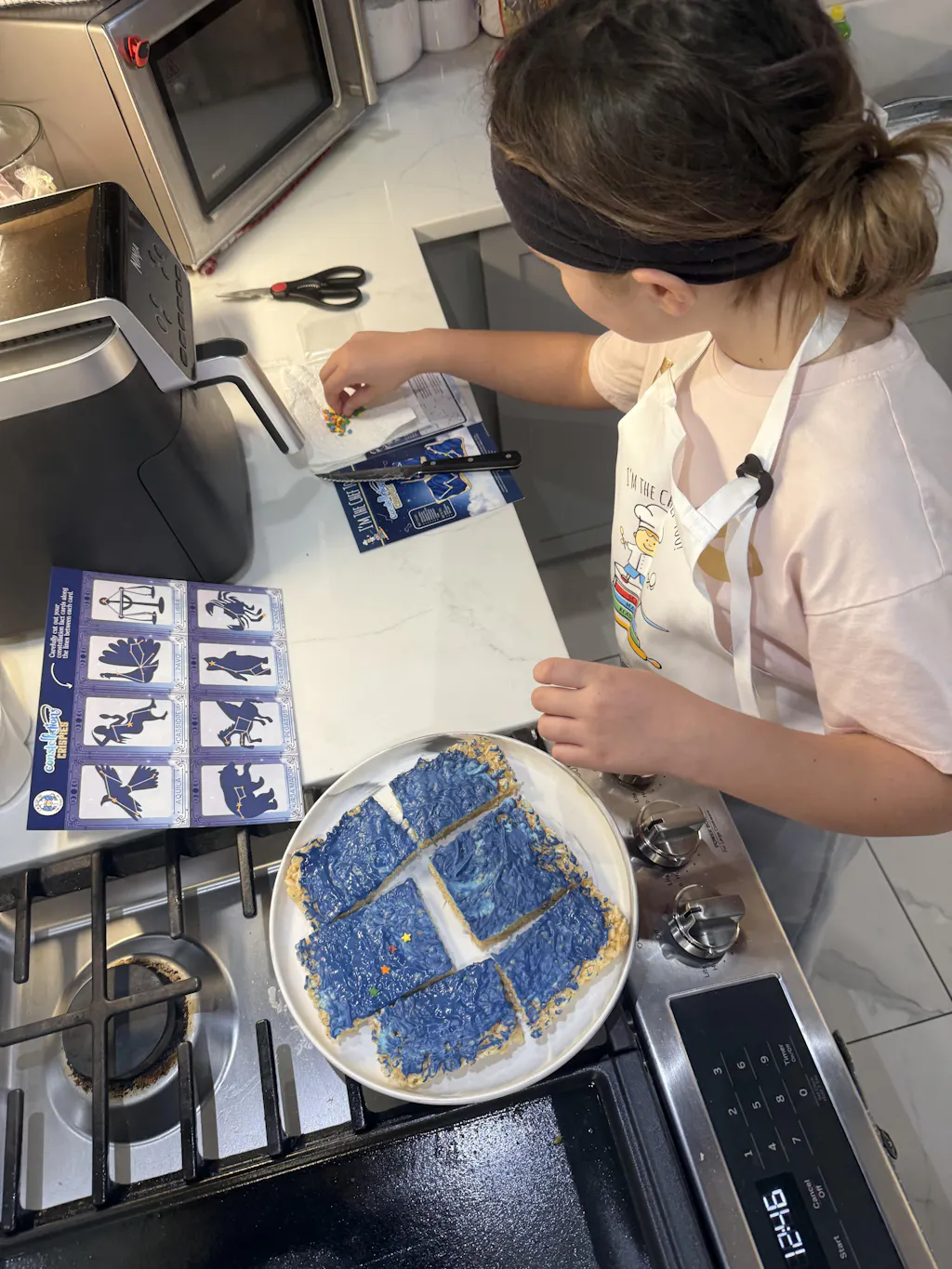
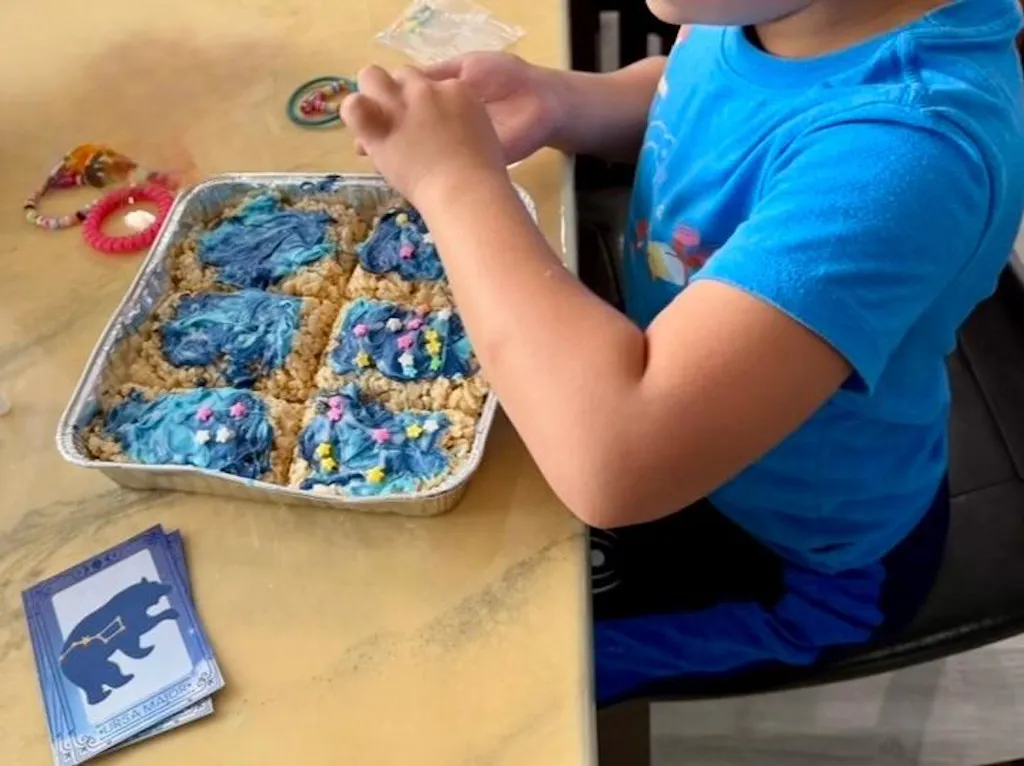
- Space Odyssey: This theme pairs wonderfully with our hands-on kits! Create a "galaxy" with dark fruits like blueberries and blackberries, "planets" with round cheese slices or clementine segments, and "stars" with star-shaped crackers or yellow bell pepper cutouts. For an even deeper dive into the cosmos, our Galaxy Donut Kit lets kids bake and decorate their own edible solar system, making learning about astronomy truly delicious.
- Dinosaur Dig: Pretzel stick "bones," cheese "fossils" (cut with dinosaur cookie cutters), "lava" (red bell pepper strips), "swamp" dip (guacamole), and "dinosaur eggs" (grapes or melon balls). A parent looking for a screen-free weekend activity for their 7-year-old who loves dinosaurs could pair this snack tray with a science experiment like our Erupting Volcano Cakes for a truly immersive, educational adventure.
Seasonal Sensations
Align your snack trays with the seasons for fresh, readily available produce and thematic fun.
- Spring Blooms: Fresh berries, edible flowers (if safe), sugar snap peas, mini sandwiches cut into flower shapes.
- Summer Picnic: Watermelon cubes, corn on the cob (mini versions), peaches, pineapple, cherry tomatoes.
- Fall Harvest: Apple slices with caramel dip, pumpkin-shaped cheese, roasted sweet potato cubes, pear slices, cinnamon-dusted crackers.
- Winter Wonderland: "Snowball" mozzarella, white cheese cubes, "ice" cucumber slices, "frosty" yogurt dip, blue and white berries.
Themed snack trays are a fantastic way to blend imagination with nutrition, sparking curiosity and creativity in children. They show kids that healthy eating can be playful and exciting, much like all the unique "edutainment" experiences developed by mothers and educators at I'm the Chef Too!. To explore a wide variety of themed culinary adventures, remember to Browse our complete collection of one-time kits.
Tips for Making Snack Trays a Seamless Success
Even with the best intentions, introducing new routines can have its bumps. Here are some practical tips to ensure your snack tray endeavors are consistently successful and enjoyable.
Involve Kids in the Process (Age-Appropriately)
This is perhaps the most crucial tip. When children feel ownership, they are more likely to participate and less likely to resist.
- Choosing: Let them help pick what goes on the tray from a selection of healthy options. "Would you like apples or grapes today?"
- Washing & Prepping: Even toddlers can help wash fruits and vegetables in a colander. Older children can use child-safe knives to cut softer foods or cube cheese.
- Arranging: Give them the freedom to arrange items on the tray or their individual plate. It might not be Pinterest-perfect, but it's their creation!
- Cleaning Up: Make cleanup part of the routine, teaching responsibility.
Think Color, Texture, and Variety
Presentation truly matters. We eat with our eyes first!
- Color: Aim for a rainbow. The more colorful the tray, the more appealing and nutrient-dense it likely is.
- Texture: Include a mix of crunchy (carrots, crackers), soft (berries, cheese), chewy (dried fruit), and smooth (dips) textures to keep things interesting.
- Variety: Offer 3-5 different items at a time. Too many can be overwhelming, too few can be boring. Rotate items daily or weekly to maintain interest.
The "Prep Once, Snack All Week" Strategy
This is the ultimate time-saver for busy parents.
- Dedicated Prep Time: On a Sunday or a free evening, spend 15-30 minutes prepping. Wash and chop fruits and veggies. Cube cheese. Portion out dips into small containers.
- Clear Storage: Store prepped items in clear, airtight containers in the fridge, ideally at your child's eye level if they're old enough to self-serve from a designated "snack station."
- Grab & Go: When hunger strikes, simply pull out a few containers and arrange them on a tray or in a muffin tin. Minimal fuss, maximum impact.
Create a Low-Pressure Environment
Especially for picky eaters, pressure can backfire.
- No Force-Feeding: Don't force them to try something new. The goal is exposure.
- Model Good Eating: Children learn by example. Sit and enjoy the snack tray with them, showing enthusiasm for all the different options.
- Positive Reinforcement: Praise them for exploring, even if they just touch or smell a new food, rather than focusing solely on consumption.
- "Deconstructed" Approach: If your child dislikes certain foods touching, the compartments of a muffin tin or ice cube tray are perfect!
Always Prioritize Safety and Supervision
While encouraging independence, adult supervision is always paramount, especially with young children.
- Choking Hazards: Always modify foods for young children. Halve grapes and cherry tomatoes. Cut hot dogs lengthwise and then into small pieces. Avoid whole nuts, large seeds, popcorn, and sticky candies for toddlers.
- Allergies: Be hyper-aware of allergies, especially if you're serving snack trays to friends or groups. Clearly label items or keep known allergens separate.
- Food Freshness: Keep perishable items properly chilled. Don't leave snack trays out for extended periods.
By following these tips, you'll find that implementing snack tray ideas for kids becomes not just easy, but a genuinely enjoyable part of your family's routine. It's a testament to our philosophy at I'm the Chef Too!, which focuses on practical, valuable advice and realistic expectations. We believe in fostering a love for learning, building confidence, developing key skills, and creating joyful family memories through our delicious cooking adventures. For an effortless supply of these enriching experiences, consider joining The Chef's Club, with free shipping on every monthly box!
Beyond the Tray: Expanding the Learning and Fun
While snack trays themselves are a fantastic educational tool, the principles they embody—hands-on learning, creativity, and engagement—can extend far beyond individual snack times.
Cooking Together with Purpose
Snack trays can be a stepping stone to more involved culinary projects. Getting children actively involved in cooking is one of the most powerful ways to teach them about food, science, and life skills.
- Recipe Reading: Following a recipe teaches literacy, sequence, and comprehension.
- Ingredient Knowledge: Understanding where ingredients come from, their nutritional value, and how they transform through cooking.
- Kitchen Safety: Learning to handle tools safely, understanding heat, and maintaining hygiene. This is precisely the core of I'm the Chef Too! Our kits are developed by mothers and educators to provide a complete experience, containing pre-measured dry ingredients and specialty supplies, turning every recipe into a learning adventure. From our Erupting Volcano Cakes that fizz with scientific discovery to our Galaxy Donut Kit that takes you on an edible journey through space, we make learning irresistible.
Creating a "Snack Station" for Independence
Empower children further by creating a dedicated "snack station" in your fridge and pantry.
- Kid-Friendly Access: Place prepped fruits, veggies, and healthy snacks on a low shelf in the fridge or in clearly labeled bins in the pantry.
- "Build Your Own" Concept: Encourage them to choose a certain number of items from different categories (e.g., "one fruit, one veggie, one protein") to build their own balanced snack plate. This not only frees up your time but also instills valuable decision-making and self-care skills.
Bridging to School and Group Programs
The benefits of hands-on food education aren't limited to home. Schools, camps, and homeschool co-ops can also benefit immensely from integrating these concepts.
- Classroom Engagement: Snack preparation can be part of a science lesson on nutrition or a math lesson on fractions.
- Life Skills Programs: Teaching children practical cooking skills from an early age builds confidence and prepares them for future independence. At I'm the Chef Too!, we extend our unique "edutainment" experiences to larger settings. We believe in providing versatile options to suit diverse needs, making our programs accessible and impactful. Bring our hands-on STEM adventures to your classroom, camp, or homeschool co-op. Learn more about our versatile programs for schools and groups, available with or without food components.
Ultimately, the humble snack tray is a powerful reminder that education is everywhere, even in our kitchens. It's about seeing opportunities for growth and discovery in everyday moments, fostering a love for learning that extends far beyond textbooks.
Conclusion
The journey to providing nutritious, engaging, and fuss-free snacks for children doesn't have to be complicated. By embracing creative snack tray ideas for kids, parents can transform snack time from a mundane chore into an exciting opportunity for discovery, independence, and valuable learning. We've explored how these versatile trays encourage adventurous eating, foster crucial life skills, save precious time, and offer precious screen-free moments for family bonding. More than just a meal, a well-curated snack tray is an edible classroom, brimming with lessons in science, math, and art, aligning perfectly with our mission at I'm the Chef Too! to blend these disciplines into delicious, hands-on adventures.
From colorful fruit rainbows to imaginative dinosaur digs, the possibilities are endless for sparking curiosity and creativity in your child. Remember to involve them in the process, prioritize balance over perfection, and utilize simple tools to make every snack an experience. By integrating these practices into your routine, you're not just feeding hungry tummies; you're nurturing lifelong learners and creating cherished family memories.
Ready to bring even more culinary curiosity and STEM education into your home? Discover the joy of learning that lasts all year. With The Chef's Club subscription, a new, exciting adventure is delivered to your door every month with free shipping in the US. It's the perfect way to keep the "edutainment" flowing, facilitate family bonding, and provide a screen-free educational alternative developed by mothers and educators. Give the gift of learning that lasts all year with a 12-month subscription to our STEM cooking adventures, or explore our flexible 3 and 6-month plans. Join The Chef's Club today and start your next delicious adventure!
FAQ: Your Snack Tray Questions Answered
Q1: How often should I offer a snack tray?
A1: Snack trays can be offered as often as your child needs a snack, whether it's an after-school pick-me-up, a mid-morning bite, or even a "snack dinner" on a busy night. The beauty is their flexibility. For most children, 1-2 structured snacks between meals is a good rhythm, but adjust based on their age, activity level, and hunger cues.
Q2: What's a good portion size for a snack tray?
A2: Portion sizes should be appropriate for your child's age and appetite. For toddlers, think "tasting" portions – 1-2 small pieces of each item. For older children, slightly larger amounts. The idea is to offer variety, not to fill them up completely before their next meal. One of the benefits of muffin tins is that they naturally encourage smaller, manageable portions.
Q3: How do I handle a picky eater who only wants one thing from the tray?
A3: It's common for picky eaters to gravitate towards familiar favorites. The key is consistent exposure in a low-pressure environment. Always include a small portion of a new or less-preferred item alongside beloved foods. Don't force them to eat it. Simply having it on the tray, seeing you or siblings eat it, and having repeated exposure without pressure can gradually lead to acceptance over time. Celebrate any interaction with the new food, even just a touch or a sniff!
Q4: Can I prepare snack trays ahead of time for the whole week?
A4: Absolutely! This is one of the biggest benefits. Dedicate 15-30 minutes on a weekend to wash, chop, and portion fruits, vegetables, cheeses, and proteins into individual airtight containers. Store these components in the fridge. Then, daily, you can quickly assemble a fresh snack tray using the prepped ingredients. This minimizes daily effort and maximizes convenience.
Q5: What are some safety considerations for snack trays, especially for younger children?
A5: Safety is paramount. Always supervise young children during snack time. For toddlers and preschoolers, ensure foods are cut into age-appropriate sizes to prevent choking. This means halving or quartering round foods like grapes and cherry tomatoes, cutting string cheese into small pieces, and avoiding whole nuts, large seeds, popcorn, and sticky candies. Ensure all fruits and vegetables are thoroughly washed.
Q6: How can I make snack trays more educational?
A6: Turn snack time into a game! Ask your child to identify colors, count items, or sort foods by type (fruit, veggie, protein). Discuss where foods come from ("This apple grew on a tree!"). Use cookie cutters to make fun shapes and talk about geometry. Involve them in the preparation—washing, arranging—to develop fine motor skills and independence. These simple interactions align perfectly with our mission at I'm the Chef Too! to blend food, STEM, and the arts.
Q7: My child wastes a lot of food when I put out too many options. Any tips?
A7: To minimize waste, start with smaller portions of each item. You can always replenish if your child is still hungry. Also, engage them in the selection process. Let them choose 3-5 items from a prepared selection, making them more likely to eat what they've chosen. The muffin tin approach is also excellent for portion control.