Table of Contents
- Introduction
- The Importance of Nutritious Snacking for Toddlers
- Decoding the Nutrition Label: What to Look For
- Reviewing Popular Store-Bought Snack Bars
- The Case for Homemade: Why We Love Baking with Kids
- Recipe: Easy Homemade Healthy Toddler Snack Bars
- Customizing Your Bars for Different Needs
- The STEM Behind the Snack: Why We Cook
- Tips for Managing Snack Time Stress
- Building Confidence Through Healthy Choices
- Seasonal Snacking: Keeping it Fresh
- Frequently Asked Questions (FAQ)
- Conclusion
Introduction
Have you ever been halfway through a grocery store run or stuck in a long car ride when your toddler suddenly decides they are "starving," despite having finished a full meal just twenty minutes prior? We have all been there. That moment of "hanger" can turn a pleasant afternoon into a frantic search for anything edible. For many of us, the quickest solution is a pre-packaged snack bar. They are portable, shelf-stable, and usually designed to be held by tiny hands. But as we stand in the snack aisle, faced with dozens of colorful boxes and confusing health claims, a big question arises: which of these options are actually healthy toddler snack bars, and which are just cookies in disguise?
At I'm the Chef Too!, we believe that every interaction with food is an opportunity for discovery. Our mission is to blend food, STEM, and the arts into one-of-a-kind "edutainment" experiences that spark curiosity in children. While we love a good kitchen adventure, we also understand the practical needs of busy parents. In this post, we are going to dive deep into the world of toddler snacks. We will explore what makes a snack bar nutritionally sound, review some of the most popular store-bought options, and even share how you can make your own nutrient-dense bars at home.
We will cover the "X’s and O’s" of snack bar nutrition—specifically focusing on protein, fiber, and the often-hidden added sugars. We will also discuss how to turn snack time into a learning moment, fostering a love for healthy choices through hands-on involvement. Our goal is to provide you with the tools to make informed decisions for your little learners, ensuring they have the energy they need for all their daily adventures. Whether you are prepping for a park playdate or looking for a screen-free educational alternative during a rainy afternoon, understanding what goes into your child’s snacks is a great place to start. Ready for a new adventure every month? Join The Chef's Club and enjoy free shipping on every box.
The Importance of Nutritious Snacking for Toddlers
Toddlers are high-energy individuals. Between the constant running, climbing, and the rapid brain development occurring at this age, their bodies require a consistent supply of fuel. However, because their stomachs are relatively small, they cannot always get all the calories and nutrients they need from just three meals a day. This makes snacks an essential part of their diet, rather than just an "extra" treat.
When we talk about healthy toddler snack bars, we aren't just looking for something to stop the crying. We are looking for snacks that contribute to their overall growth. A good snack should provide a balance of macronutrients—carbohydrates for immediate energy, and fats and proteins to keep them feeling full until the next meal. Without this balance, a snack that is purely sugar-based can lead to a quick energy spike followed by a "crash," leaving your toddler cranky and hungry again in fifteen minutes.
At I'm the Chef Too!, we see the kitchen as a laboratory where kids can learn about these very concepts. When children understand that certain foods give them "superpower energy" to play longer, they start to build a positive relationship with nutrition. By choosing snacks that pack a nutrient-dense punch, we are helping them build confidence in their bodies and their ability to learn and explore.
Decoding the Nutrition Label: What to Look For
Before we look at specific brands, it is helpful to know how to read the back of the box. Marketing on the front can be misleading, often using words like "natural" or "made with real fruit" to distract from a high sugar content. Here is our guide to the most important metrics for healthy toddler snack bars:
Calories and Serving Sizes
For a toddler, a snack should ideally fall between 90 and 100 calories to be satisfying. For older children, this might jump to 150 or more. One common trap in the snack bar world is the "double serving" box. Some brands package a large bar but list the nutrition facts for only half the bar. If your child is likely to eat the whole thing, you need to double all the numbers on that label to get the true picture.
Protein: The Building Block
Protein is vital for muscle growth and tissue repair. In a snack bar, we look for at least 2 grams of protein. This helps slow down the digestion of sugars and keeps the child satisfied for longer. Ingredients like nuts, seeds, and even certain whole grains are excellent natural sources of protein.
Fiber: The Digestive Helper
Fiber is another "must-have." It aids in digestion and, like protein, helps maintain steady blood sugar levels. We recommend looking for bars that offer at least 2 grams of fiber. Oats and dried fruits are common ingredients that boost fiber levels in healthy toddler snack bars.
The Added Sugar Dilemma
This is perhaps the most important category. There is a big difference between "total sugar" and "added sugar."
- Naturally Occurring Sugar: Found in fruits like dates, raisins, and applesauce. These come with vitamins and fiber.
- Added Sugar: Refined sugars, syrups, or honey added during processing to make the bar taste sweeter.
For children aged one to three, we suggest aiming for 6 grams or less of added sugar per snack. While a little bit of sweetness is fine, bars that rely heavily on added syrups are more akin to desserts than snacks.
Reviewing Popular Store-Bought Snack Bars
To help you navigate the grocery store, we have analyzed some of the most common bars found on shelves today. This analysis is based on nutritional density and how well they satisfy a toddler’s needs.
RXBAR Minis
These are a smaller version of the popular adult bars. They are known for their simple ingredient lists, often prominently displayed on the front.
- Pros: High protein (usually around 6 grams) and zero added sugar. They use egg whites for protein and dates for sweetness.
- Cons: They are very chewy. For younger toddlers, this can be a choking hazard or just frustrating to eat. They also often contain large pieces of nuts.
- Verdict: Great for older kids who have strong chewing skills, but maybe skip these for the youngest toddlers.
Nature’s Bakery Fig Bars
These are a staple in many households because they taste great and feel "wholesome."
- Pros: They contain some fiber (3g) and protein (3g).
- Cons: The sugar content is very high. One serving can contain up to 14 grams of added sugar.
- Verdict: We view these more as a "treat" than an everyday snack. If your child loves them, try pairing them with a piece of cheese or some plain yogurt to balance the sugar hit.
Yumi Bars
Yumi has made a name for itself in the baby food world by focusing on nutrition.
- Pros: Excellent fiber content (5g) and no added sugar. They are also allergy-friendly, which is a huge plus for school settings.
- Cons: The taste and texture can be "hit or miss" for picky eaters. They often incorporate vegetable powders, which is great for nutrition but can affect the flavor profile.
- Verdict: A nutritionally superior choice if your child enjoys the taste!
GoMacro Kids Bars
These are often found in the health food aisle and are known for being vegan and organic.
- Pros: Good protein levels (4g) and a relatively clean ingredient list.
- Cons: They are quite sticky. They also have about 6 grams of added sugar, which is right at our limit.
- Verdict: A solid middle-of-the-road option for older toddlers.
Bobo’s Oat Bites
These look like little muffins and are very appealing to children.
- Pros: They are made with whole-grain oats.
- Cons: Be careful with the label! One "bar" is often two servings. Eating the whole thing can result in a massive amount of added sugar (up to 20 grams).
- Verdict: Fine as an occasional snack, but keep an eye on those serving sizes.
Dino Bars
These are specifically designed for toddlers and often come with edible paper on the outside to keep hands clean.
- Pros: They are usually made with fruit, nuts, and seeds with no added sugar.
- Cons: They can be expensive compared to standard granola bars.
- Verdict: A fantastic, mess-free option for on-the-go snacking. Find the perfect theme for your little learner by browsing our complete collection of one-time kits for more fun ways to explore food!
The Case for Homemade: Why We Love Baking with Kids
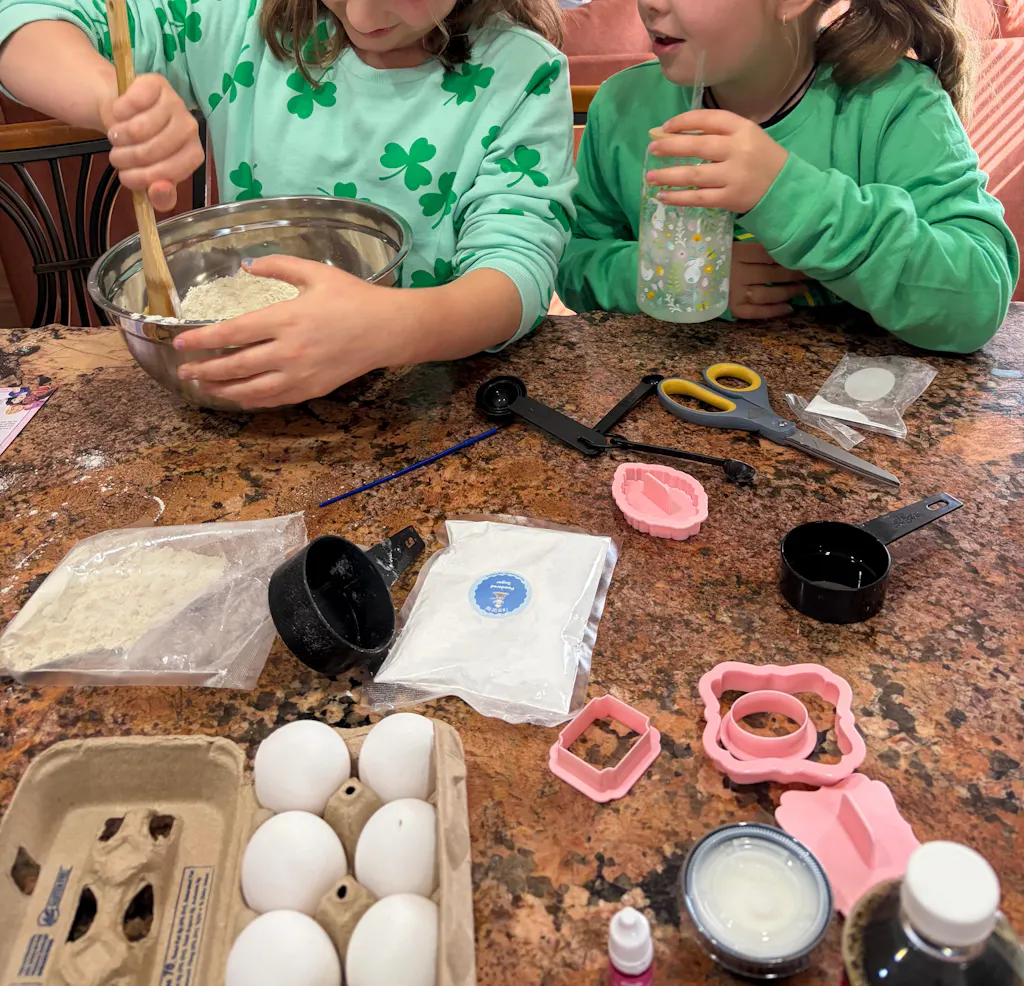
While store-bought bars are convenient, there is something truly special about making your own healthy toddler snack bars. At I'm the Chef Too!, we are committed to providing screen-free educational alternatives that bring families together. When you bake at home, you have total control over the ingredients. You can reduce the sugar, boost the protein with your favorite nut butters, and sneak in extra nutrition like chia seeds or flax meal.
Beyond the nutrition, the process of making these bars is a fantastic STEM learning opportunity.
- Math: Measuring out 1 ½ cups of oats or ¼ cup of honey teaches fractions and volume.
- Science: Observing how the sticky honey and peanut butter act as "glue" to hold the dry oats together is a lesson in physics and chemistry.
- Fine Motor Skills: Pressing the dough into the pan and "scoring" the bars with a dull knife helps develop hand-eye coordination.
We believe that when kids are involved in the process, they are much more likely to try—and enjoy—the final product. It builds their confidence in the kitchen and creates joyful family memories that last far longer than the snack itself. If you're looking to expand these kitchen adventures, you might want to give the gift of learning that lasts all year with a 12-month subscription to our STEM cooking adventures.
Recipe: Easy Homemade Healthy Toddler Snack Bars
This recipe is a favorite because it is versatile, easy to chew, and stores beautifully. It’s also a great way to use up that half-eaten jar of peanut butter or the extra oats in your pantry.
Ingredients:
- 1 ½ cups rolled oats: These provide the complex carbohydrates and fiber.
- ½ cup shredded unsweetened coconut: Adds healthy fats and texture (or just use more oats if you prefer).
- ¼ cup whole-wheat flour: Helps bind everything together.
- 2 tablespoons chia seeds: A powerhouse of Omega-3s and extra fiber.
- ¼ cup honey (or maple syrup): Our natural "glue." Note: Use only for children over one year old.
- 3 tablespoons peanut butter (or almond/sunflower butter): Provides protein and healthy fats.
- 1 teaspoon vanilla extract: For that classic "bakery" scent.
- ½ teaspoon cinnamon: Adds flavor without sugar.
- ¼ cup liquid or puree: This is where you can get creative! Use water, mashed banana, pumpkin puree, or applesauce.
Step-by-Step Instructions:
- Prep the Kitchen: Preheat your oven to 325°F. Line an 8x8 inch baking pan with parchment paper. This is a great time to talk to your child about oven safety—remind them that only adults handle the hot parts!
- Grind the Base: Put the oats and coconut in a food processor and pulse a few times until they look like "coarse sand." This makes the bars easier for toddlers to chew.
- Mix the Dry and Wet: In a large bowl, have your child help you pour in the oat mixture, flour, seeds, and cinnamon. In a separate microwave-safe bowl, slightly warm the honey and nut butter so they are easy to stir.
- Combine: Pour the wet ingredients and your chosen puree (like banana or pumpkin) into the dry mix. Stir until it forms a thick, sticky dough. If it feels too dry, add a teaspoon of water at a time.
- Press and Score: Transfer the dough to the pan. Have your child use their clean hands (or a piece of parchment paper) to press the dough down firmly. This "pressing" is what keeps the bars from crumbling later! Use a knife to lightly mark where you will cut them later.
- Bake: Bake for 18-20 minutes until the edges are just starting to turn golden brown.
- Cool and Enjoy: This is the hardest part—waiting! Let them cool completely before cutting.
For a fun variation, you could even try to explore astronomy by creating your own edible solar system with our Galaxy Donut Kit while your bars are in the oven!
Customizing Your Bars for Different Needs
One of the best things about making healthy toddler snack bars at home is how easily they can be adapted for allergies or picky eaters.
For the Nut-Free School
Many preschools and camps are strictly nut-free. You can easily swap the peanut butter in our recipe for sunflower seed butter or soy nut butter. These provide a similar protein profile and the same "sticky" quality needed to hold the bar together.
For the "Veggie Skeptic"
If you have a child who refuses anything green, try using butternut squash puree or sweet potato puree as your liquid base in the recipe. These purees are naturally sweet and blend seamlessly with the cinnamon and oats, providing a boost of Vitamin A without a strong vegetable taste.
For the "Chocolate Lover"
We know that a few chocolate chips can go a long way in making a new food appealing. Feel free to press a few dark chocolate chips into the top of the bars before baking. It keeps the added sugar low while making the snack feel like a special treat. This approach of making food fun is exactly what we do when kids make Wild Turtle Whoopie Pies to learn about animal habitats and biology.
The STEM Behind the Snack: Why We Cook
At I'm the Chef Too!, we don't just see a recipe; we see a lesson. When we make healthy toddler snack bars, we are actually engaging in several scientific disciplines.
Biology and Nutrition
When we talk about protein "building muscles" or fiber "helping our tummies," we are introducing basic human biology. Toddlers are fascinated by how their bodies work. Explaining that the oats in their bar act like "slow-burning logs" on a campfire, while sugar acts like "quick-burning paper," helps them visualize energy metabolism.
Chemistry in the Kitchen
Baking is a series of chemical reactions. Even in a simple granola bar, the way the honey caramelizes in the heat or the way the chia seeds absorb moisture to become "gel-like" are scientific processes. While we don't expect a three-year-old to explain molecular bonding, we do want to spark that "Why?" that leads to a lifetime of curiosity. This is the same spirit of inquiry we foster when kids observe a chemical reaction that makes our Erupting Volcano Cakes bubble over with deliciousness.
Engineering and Structure
A snack bar that falls apart is a failed engineering project! By experimenting with different ratios of "binders" (honey, nut butter) to "fillers" (oats, seeds), children learn about structural integrity. They learn that they need enough "glue" to hold their creation together, a principle that applies to everything from granola bars to bridges.
Tips for Managing Snack Time Stress
Even with the healthiest snack bars in the world, snack time can sometimes be a struggle. Here are some practical tips to keep things joyful:
- The "Pairing" Rule: Try to always pair a snack bar with a "whole food." If they are having a bar, add a few slices of cucumber, a handful of berries, or a cheese stick. This increases the variety of nutrients they are getting.
- Avoid the "All Day" Snack: Try to have designated snack times rather than letting your toddler graze on a bar for two hours. This helps them recognize their own hunger and fullness cues.
- Rotate Your Options: To avoid "snack burnout," rotate between store-bought favorites and homemade batches. This keeps things interesting and ensures a wider range of vitamins and minerals.
- Involve Them in Selection: When at the store, give your toddler two healthy options to choose from. "Do you want the Dino Bar or the Yumi Bar today?" This gives them a sense of agency and makes them more likely to eat what they chose.
For those looking to bring this structured, fun approach to a larger group, we also offer specialized support. Bring our hands-on STEM adventures to your classroom, camp, or homeschool co-op. Learn more about our versatile programs for schools and groups, which are available with or without food components.
Building Confidence Through Healthy Choices
We believe that when we provide children with healthy toddler snack bars, we are doing more than just feeding them. We are showing them that we value their health and that they are capable of making good choices. Cooking and preparing food is one of the most fundamental human skills. By starting young, we are laying a foundation of self-reliance.
A child who helps measure the oats for their own snack feels a sense of accomplishment. That confidence spills over into other areas of their life—whether they are trying to solve a puzzle, learn to ride a bike, or navigate a new social situation. At I'm the Chef Too!, our goal is to foster this love for learning through tangible, hands-on, and delicious adventures. Ready for a new adventure every month? Join The Chef's Club and enjoy free shipping on every box.
Seasonal Snacking: Keeping it Fresh
Another way to keep snack bars healthy and exciting is to lean into the seasons. This not only provides variety but also introduces kids to the concept of the agricultural cycle.
- Autumn: Use pumpkin puree and pumpkin pie spice in your homemade bars. It's a great time to talk about how plants grow and harvest cycles.
- Winter: Use dried cranberries and orange zest. You can discuss how certain fruits are dried to preserve them for the colder months.
- Spring: Incorporate shredded carrots and ginger. This is the perfect time to talk about root vegetables and what happens underground in the garden.
- Summer: Use freeze-dried strawberries or blueberries. You can explain how extreme cold (freeze-drying) can preserve the flavor and nutrients of summer fruits.
This seasonal approach makes every batch of healthy toddler snack bars a new discovery. It keeps the "edutainment" going all year long. Not ready to subscribe? Explore our full library of adventure kits available for a single purchase in our shop to find more seasonal inspiration!
Frequently Asked Questions (FAQ)
1. Are granola bars okay for one-year-olds?
Generally, yes, but texture is key. Many granola bars are quite hard or contain large nuts, which can be a choking hazard. For one-year-olds, we recommend homemade bars that have been processed into a finer texture or store-bought bars specifically designed for toddlers that have a softer, "soft-baked" consistency. Always supervise your child while they are eating.
2. How much sugar is too much in a toddler snack?
As a general guideline, we look for 6 grams or less of added sugar per serving. Naturally occurring sugar from fruit is less of a concern because it comes with fiber and vitamins, but you still want to ensure the snack provides protein and fats to prevent a blood sugar spike.
3. Can I make these bars without a food processor?
Yes! If you don't have a food processor, you can use "quick oats" or "instant oats" instead of rolled oats. These are already smaller and softer, so they won't need to be ground down. For the coconut, you can finely chop it with a knife before adding it to the mix.
4. How long do homemade snack bars last?
In an airtight container, they will stay fresh for about a week at room temperature or two weeks in the refrigerator. They also freeze exceptionally well! You can bake a big batch, wrap them individually, and keep them in the freezer for up to three months. Just pull one out in the morning, and it will be thawed by snack time.
5. What if my child has a nut allergy?
Our favorite swap is sunflower seed butter. It has a very similar texture to peanut butter and provides a good amount of protein and healthy fats. You can also use pumpkin seed butter or even just increase the amount of fruit puree and add a bit more flour to help with the binding.
6. Why is my homemade bar falling apart?
The most common reason is not pressing the dough firmly enough into the pan before baking. You really have to use some "muscle" to pack it down! Another reason could be a lack of "binder." If the mixture feels dry before it goes into the oven, add an extra tablespoon of honey or puree.
7. Is it okay for my child to have a snack bar every day?
While snack bars are convenient, it's always best to offer a variety of foods. We recommend using them as one of many snack options throughout the week, alongside fresh fruit, vegetables, yogurt, and whole grains. Variety is the spice of life—and the key to a balanced diet!
Conclusion
Navigating the world of toddler nutrition can feel overwhelming, but it doesn't have to be. By focusing on the "X's and O's"—protein, fiber, and low added sugar—you can confidently choose healthy toddler snack bars that fuel your child's growth and curiosity. Whether you are grabbing a Dino Bar for a quick trip to the park or spending a rainy Saturday afternoon baking a batch of oat bars together, you are creating a foundation for a healthy relationship with food.
At I'm the Chef Too!, we believe that the kitchen is the heart of the home and the ultimate classroom. Our mission is to help you transform everyday moments, like snack time, into extraordinary learning adventures. We are committed to sparking creativity, facilitating family bonding, and providing screen-free alternatives that make education delicious. We hope this guide has empowered you to look at that snack aisle a little differently and perhaps even inspired you to don an apron with your little one.
Remember, the goal isn't perfection; it's the process. It's about the messy hands, the proud smiles, and the shared memories created over a tray of homemade treats. We are here to support you on that journey, one delicious discovery at a time. Ready for a new adventure every month? Join The Chef's Club and enjoy free shipping on every box. Happy snacking and happy learning!