Table of Contents
- Introduction
- Why Frozen Fruit Snacks? The Chilly Truth About Healthy Treats
- Beyond the Chill: The Educational Power of Kitchen Adventures
- Crafting Your Own Ice-Cold Masterpieces: Essential Tips for Parents
- Recipes & Ideas: A Rainbow of Frozen Fruit Snacks for Every Kid
- Making it a Family Affair: Bonding Over Frozen Fun
- The I'm the Chef Too! Approach to Edutainment
- Stocking Up Your Freezer: Storage & Make-Ahead Tips
- Troubleshooting Common Frozen Treat Challenges
- Conclusion
- FAQ Section
The sun beats down, your little one is zooming around the house, and the inevitable cry for "snack time!" rings through the air. What do you reach for? Do you find yourself torn between convenience and healthy choices, battling the siren song of sugary, artificially colored treats? You're not alone. Many parents grapple with the challenge of providing delicious, kid-approved snacks that also pack a nutritional punch, especially when the weather calls for something cool and refreshing. But what if we told you that the solution is not only healthy and delicious but also incredibly fun to make and a fantastic opportunity for learning?
This post is your ultimate guide to mastering the art of homemade frozen fruit snacks for kids. We'll dive deep into the myriad benefits of these vibrant, icy delights, showcasing how they can be a cornerstone of healthy eating habits. More than just recipes, we'll explore the incredible educational potential hidden within every swirl and freeze, demonstrating how cooking transforms into a captivating STEM adventure. From choosing the perfect fruits and incorporating sneaky veggies to embracing natural sweeteners and exploring dairy-free alternatives, we’ll equip you with practical tips and creative ideas to turn your kitchen into a hub of "edutainment." Get ready to discover how making frozen fruit snacks can be a joyful, screen-free activity that fosters curiosity, builds confidence, and creates cherished family memories, all while keeping those little bellies happily full and cool.
Introduction
Picture this: it’s a sweltering afternoon, and your energetic child needs a pick-me-up. Instead of reaching for a store-bought treat loaded with unknown ingredients, imagine pulling out a homemade, vibrant fruit pop or a scoop of creamy, fruit-infused "nice cream" that you and your child crafted together. The smile on their face as they savor the chilly goodness, knowing they helped make it, is priceless. This isn't just a fantasy; it's an achievable reality that brings a wealth of benefits beyond simple refreshment.
The world of children's snacks is often a minefield of processed options, high-fructose corn syrup, and artificial colors. Navigating this landscape while trying to instill healthy eating habits can feel like an uphill battle. This is where homemade frozen fruit snacks step in as true superheroes. They offer a delightful blend of taste, nutrition, and engagement, transforming snack time into a moment of pure joy and discovery.
In this comprehensive guide, we'll journey through the delicious and educational realm of frozen fruit snacks for kids. We'll uncover why these simple treats are a game-changer for nutrition and hydration, and how they provide an unparalleled opportunity for hands-on learning, much like the engaging experiences we champion at I'm the Chef Too!. We'll walk you through everything from selecting the best ingredients and ensuring kitchen safety to crafting a rainbow of recipes, troubleshooting common issues, and even making it a collaborative family activity. Our goal is to empower you to create wholesome, exciting, and educational frozen delights that your children will adore, sparking a love for both healthy eating and the wonders of STEM right in your own kitchen.
Why Frozen Fruit Snacks? The Chilly Truth About Healthy Treats
In a world overflowing with processed foods, the simple brilliance of frozen fruit snacks often gets overlooked. Yet, for parents seeking nutritious, appealing, and cost-effective alternatives, they are an absolute game-changer. These delightful icy treats are more than just a momentary cool-down; they are powerhouses of health and happiness for growing bodies.
Nutritional Knockouts
One of the primary benefits of homemade frozen fruit snacks is their incredible nutritional value. Unlike many store-bought options that are laden with empty calories and artificial additives, our homemade versions allow us to pack in pure, unadulterated goodness. Fruits are natural treasures, bursting with essential vitamins, minerals, and dietary fiber. Berries, for instance, are rich in antioxidants, which help protect cells from damage. Bananas offer potassium, vital for muscle function and blood pressure regulation. Citrus fruits like oranges and lemons are packed with Vitamin C, a crucial immune booster. When kids enjoy a frozen fruit snack, they're not just satisfying a craving; they're fueling their bodies with the building blocks they need to grow and thrive.
The fiber content in whole fruits is particularly important. Fiber aids in digestion, helps maintain healthy blood sugar levels, and contributes to a feeling of fullness, which can prevent overeating. Many commercial fruit snacks lose much of their fiber during processing, but when you freeze whole fruit purees, you retain all that beneficial roughage. This also means a steadier energy release, avoiding the sugar crashes often associated with high-sugar snacks.
Hydration Heroes
Staying hydrated is crucial for children, especially during warmer months or after active play. Water is, of course, the best choice, but sometimes kids need a little extra encouragement. Frozen fruit snacks come to the rescue here! Fruits themselves have a high water content – watermelon is over 90% water, and berries aren't far behind. By consuming frozen fruits, children are indirectly increasing their fluid intake, which supports all bodily functions, from regulating body temperature to transporting nutrients. These icy treats are a delicious and fun way to sneak in extra hydration, making them a fantastic alternative to sugary sodas or juices that offer little nutritional value.
Sugar Control & Avoiding Artificial Ingredients
Perhaps one of the most compelling reasons to embrace homemade frozen fruit snacks is the complete control they give you over sugar content and ingredients. Store-bought fruit snacks, even those marketed as "healthy," often contain astonishing amounts of added sugars, corn syrup, and artificial colors and flavors. These can contribute to energy spikes, mood swings, and long-term health issues.
At home, we can choose to sweeten naturally with ripe fruits themselves, a drizzle of honey or maple syrup, or even a few dates. This mindful approach teaches children to appreciate natural sweetness and reduces their exposure to refined sugars. Furthermore, by making snacks from scratch, we eliminate the need for artificial dyes and flavors, which can be linked to hyperactivity and other sensitivities in some children. This commitment to wholesome ingredients is at the heart of what we do at I'm the Chef Too!, where we believe in sparking curiosity through real, tangible, and delicious experiences.
A Screen-Free Engagement Opportunity
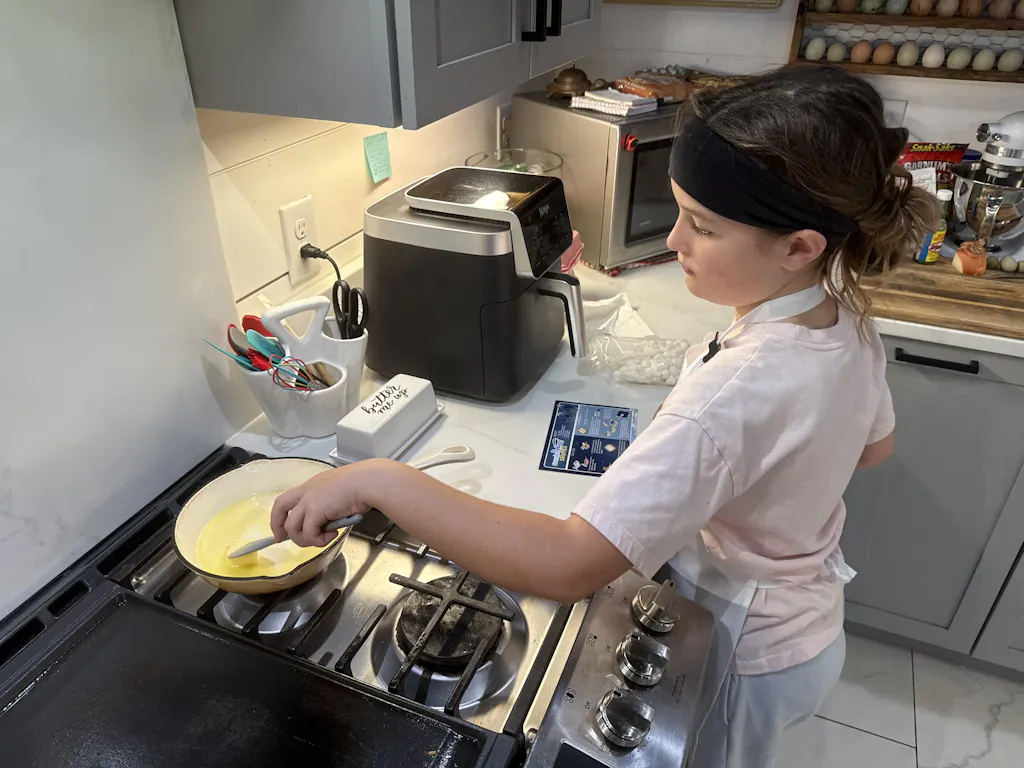
In an increasingly digital world, finding meaningful screen-free activities that captivate children's attention can be a challenge. Making frozen fruit snacks offers a wonderful antidote. It's a hands-on experience that engages multiple senses – the vibrant colors of the fruit, the feel of blending, the sweet scent, and ultimately, the delicious taste. This is where our mission at I'm the Chef Too! truly shines. We blend food, STEM, and the arts into one-of-a-kind "edutainment" experiences that encourage kids to step away from screens and engage with the world around them. Preparing these snacks together fosters creativity, problem-solving skills, and a sense of accomplishment, all while creating cherished family memories.
Ready to embark on a journey of delicious discovery every month? Join The Chef's Club and enjoy a new adventure delivered right to your door with free shipping on every box.
Beyond the Chill: The Educational Power of Kitchen Adventures
Making frozen fruit snacks isn't just about crafting a tasty treat; it's a vibrant, living classroom where children can explore fundamental STEM concepts without even realizing they're learning. At I'm the Chef Too!, our mission is precisely this: to transform everyday cooking into extraordinary learning experiences, blending food, STEM, and the arts into one-of-a-kind "edutainment." When kids are in the kitchen, they're not just mixing ingredients; they're conducting experiments, solving problems, and unleashing their creativity.
Mathematical Marvels
From the moment you gather your ingredients, math becomes an integral part of the process.
- Measuring: Scooping out half a cup of yogurt, adding a quarter teaspoon of vanilla, or dividing fruit into equal portions for popsicles introduces children to fractions, volume, and precise measurements. "If we have one cup of berries and we want to split it evenly into four molds, how much goes into each?" This isn't abstract math; it's tangible and delicious.
- Counting & Sequencing: Counting out popsicle sticks, deciding how many berries to add to each mold, or following the numerical steps of a recipe reinforces counting and sequencing skills.
- Estimation & Comparison: "Do we have enough strawberries for all our molds?" "Which fruit is heavier?" These questions encourage estimation and comparison.
Scientific Superpowers
The kitchen is a fantastic science lab, and making frozen fruit snacks offers a plethora of scientific explorations.
- States of Matter & Phase Change: The most obvious scientific principle at play is the change of state from liquid (or semi-liquid puree) to solid when freezing. Kids observe how water molecules slow down and arrange themselves into a crystalline structure. "Why does the fruit turn hard when we put it in the freezer?" "What happens when it melts?" These simple questions open doors to understanding concepts like temperature, heat transfer, and molecular motion.
- Solubility & Mixtures: Blending fruits with yogurt or milk demonstrates how different ingredients mix to form a homogeneous (or sometimes heterogeneous, like a swirled popsicle!) mixture. Children learn about solubility and how some ingredients dissolve while others remain suspended.
- Taste Science: Experimenting with different fruit combinations helps children understand flavor profiles. "What happens if we add a little lemon juice to the strawberry puree?" They learn about acidity, sweetness, and how different tastes interact.
- Nutrition Science (Implicit): Discussing why we choose certain fruits introduces basic nutritional concepts without being preachy. "Berries are good for us because they help our bodies stay strong."
Artistic Expressions
Cooking is an art form, and frozen fruit snacks are a perfect canvas.
- Color Theory: Layering different fruit purees in a popsicle mold creates a rainbow effect, teaching children about color mixing and aesthetics. A vibrant yellow mango layer next to a deep purple blueberry layer isn't just pretty; it’s an exploration of visual balance.
- Texture & Form: Experimenting with chunky fruit pieces versus smooth purees, or using fun-shaped molds, explores different textures and forms. Just like an artist uses different mediums, a young chef learns to manipulate ingredients.
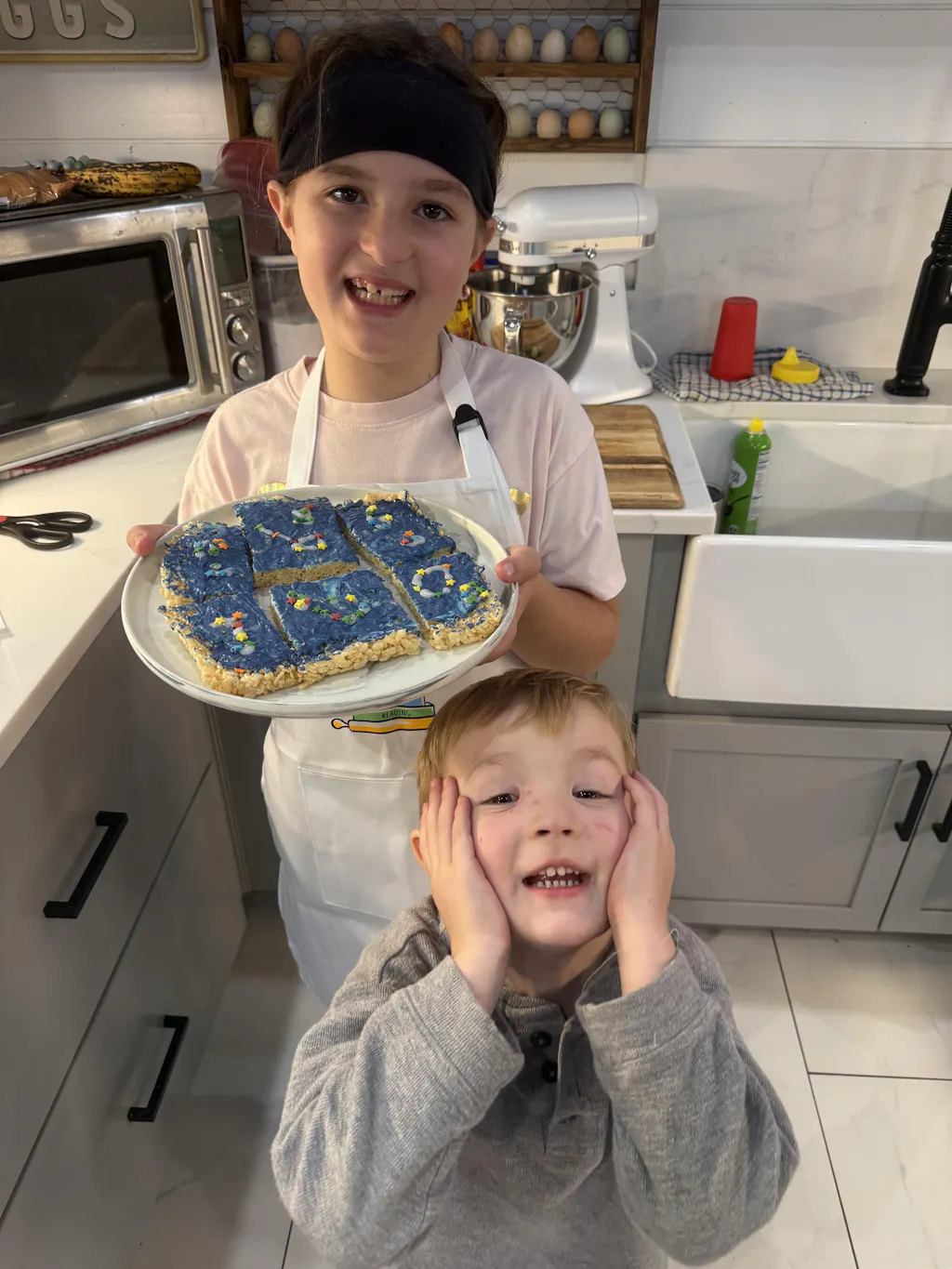
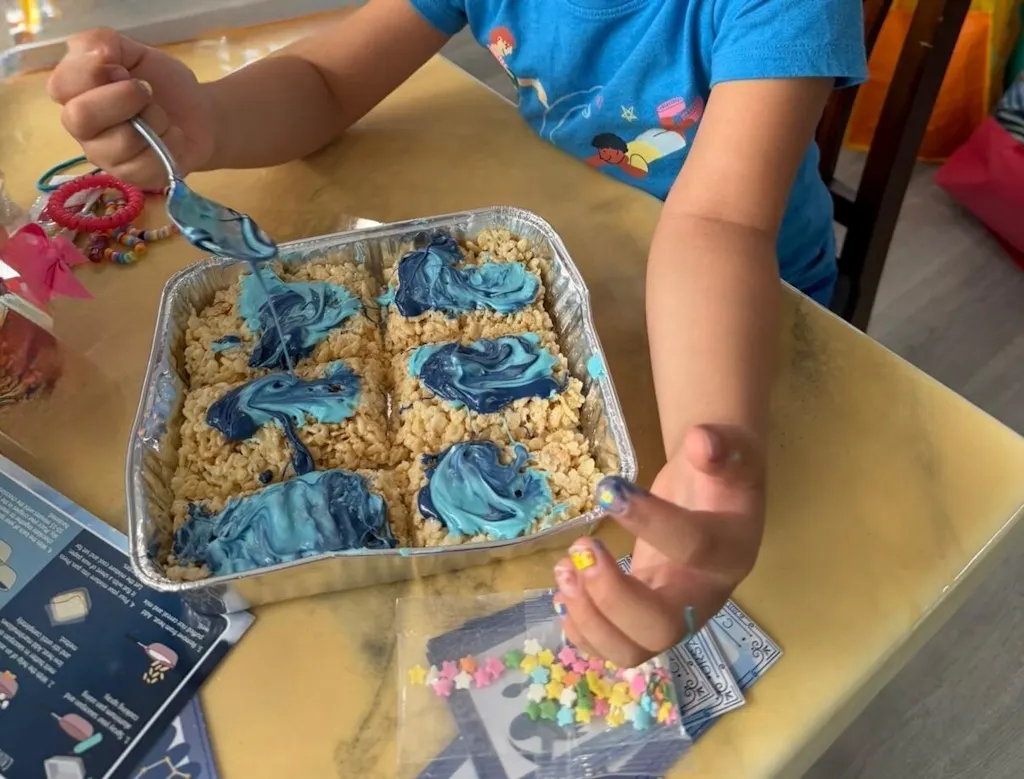
- Presentation: Decorating a frozen yogurt bark with sprinkles or creating a visually appealing fruit skewer encourages an appreciation for presentation, a key element in culinary arts.
Language & Literacy Lifts
Following a recipe builds essential literacy skills.
- Reading Comprehension: Reading and interpreting recipe instructions helps children develop comprehension skills and follow multi-step directions.
- Vocabulary Expansion: Learning new terms like "puree," "blend," "chill," "mold," and "garnish" expands their vocabulary in a practical context.
- Communication: Discussing the steps, asking questions, and explaining what they're doing enhances verbal communication.
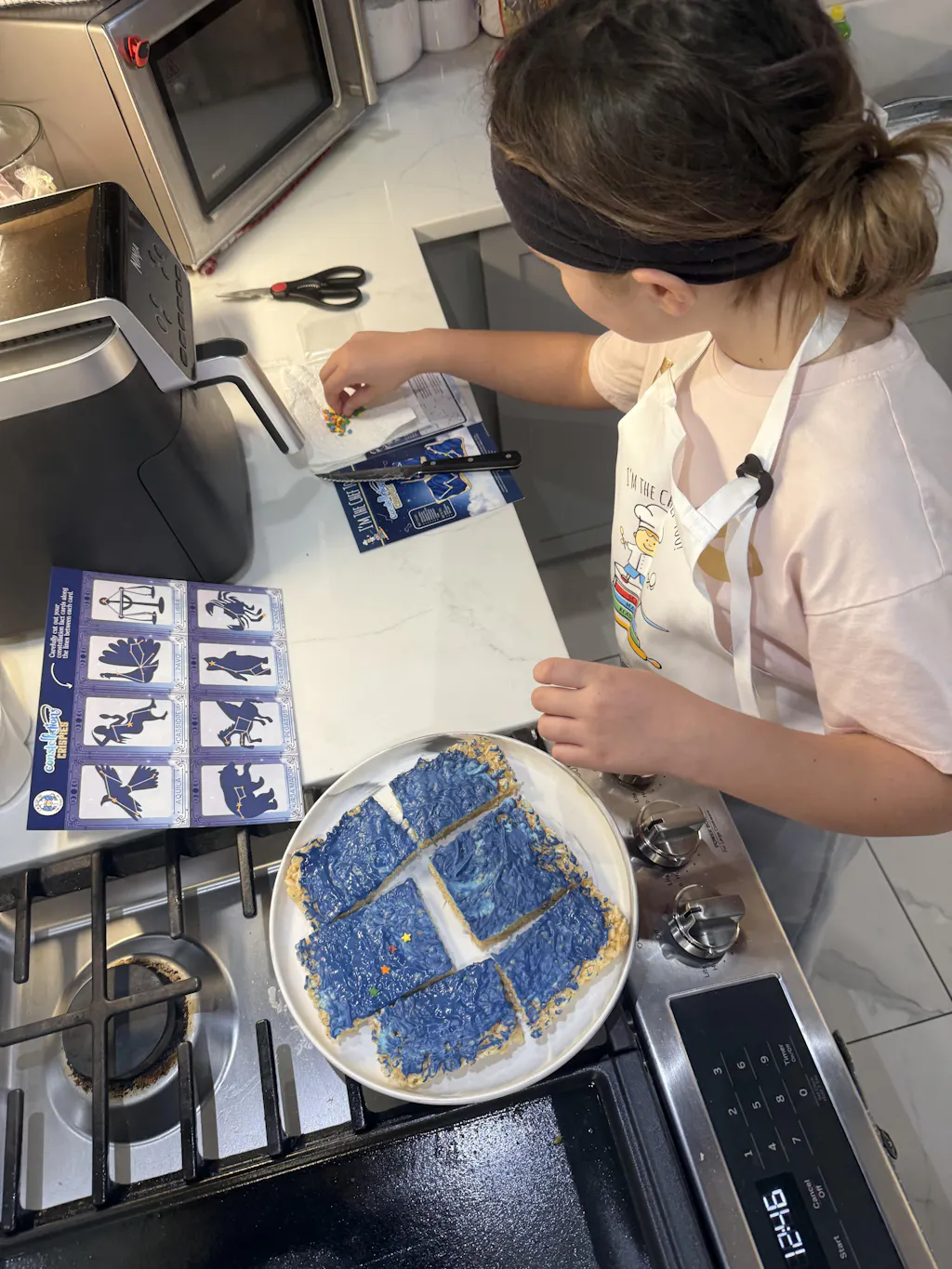
At I'm the Chef Too!, we craft experiences like our Galaxy Donut Kit, which not only teaches astronomy but also encourages kids to get creative with colors and edible designs. Similarly, making layered frozen fruit snacks engages this same artistic and scientific curiosity. This holistic approach ensures that learning is never a chore but an exciting, hands-on adventure.
Want to explore a whole universe of culinary-scientific adventures? Our monthly subscription boxes make learning fun and easy. Join The Chef's Club today and ignite your child's passion for discovery!
Crafting Your Own Ice-Cold Masterpieces: Essential Tips for Parents
Making delicious and healthy frozen fruit snacks for kids is incredibly rewarding, but a little preparation and knowledge can go a long way in ensuring success and safety. From choosing the right ingredients to involving your little chefs, these tips will help you create delightful icy treats every time.
Choosing the Right Fruits
The foundation of any great frozen fruit snack is, of course, the fruit itself!
- Seasonal & Ripe: Opt for fruits that are in season, as they'll be at their peak flavor and often more affordable. Ripe fruits are naturally sweeter, reducing the need for added sweeteners.
- Variety is the Spice of Life: Don't limit yourself to just one type. A mix of fruits offers a broader spectrum of nutrients and flavors. Think about vibrant berries (strawberries, blueberries, raspberries), tropical delights (mango, pineapple, kiwi), or classic stone fruits (peaches, cherries).
- Sweetness Levels: Some fruits are naturally sweeter (bananas, mangoes, grapes) and can balance out more tart options (kiwi, some berries).
- Frozen Fruit is Your Friend: Don't hesitate to use pre-frozen fruit! It's often picked at peak ripeness, retains its nutrients, and is convenient to have on hand for blending. Plus, using frozen fruit can make your mixtures thicker and chill faster.
Sweetening Naturally
While fruits offer natural sweetness, sometimes a little extra touch is desired, especially for kids who are accustomed to sweeter tastes.
- Fruit Purees: Blending naturally sweet fruits like dates, bananas, or dried apricots into your mixture can boost sweetness without refined sugar.
- Honey & Maple Syrup: These are excellent natural alternatives to granulated sugar. Use sparingly, as a little goes a long way. Remember that honey is not recommended for infants under one year old.
- Agave Nectar: Another plant-based option that can be used in moderation.
- Stevia/Monk Fruit: For those looking for zero-calorie sweeteners, plant-derived options like stevia or monk fruit can be used, but introduce them gradually as their taste can be potent.
Sneaking in Nutrition: The Art of Disguise
This is where the magic truly happens – boosting the nutritional content of your frozen fruit snacks without your kids batting an eye!
- Vegetable Ventures: Believe it or not, you can add vegetables! Spinach, kale, or even cooked sweet potato or carrot puree can be blended into dark fruit purees (like blueberry or cherry) completely undetected. They add vitamins and fiber without altering the taste significantly. Start with small amounts and increase gradually.
- Protein Power-Ups: Incorporate Greek yogurt, cottage cheese (blended smooth), or a scoop of nut butter (if no allergies) for added protein, which helps kids feel fuller longer.
- Healthy Fats: A spoonful of avocado (blended smooth), chia seeds, or flax seeds can add healthy fats and fiber. Chia seeds, in particular, absorb liquid and create a gel-like texture, which can be fun in popsicles.
- Whole Grains: Rolled oats, blended fine, can add fiber and a creamy texture to smoothie-based pops.
Dairy-Free & Allergy-Friendly Options
Catering to dietary restrictions doesn't mean sacrificing flavor or fun.
- Coconut Milk/Cream: Creates incredibly creamy and rich frozen treats, perfect for popsicles or "nice cream."
- Almond/Soy/Oat Milk: Excellent bases for thinner popsicles or smoothie-style frozen treats.
- Dairy-Free Yogurts: Many brands offer coconut, almond, or oat-based yogurts that can be used interchangeably with dairy yogurt for creamy textures.
- Nut-Free: If nut allergies are a concern, stick to pure fruit, seeds (like sunflower or pumpkin seeds), or seed butters (like sunbutter). Always double-check labels.
Tools of the Trade
Having the right equipment makes the process smoother and more enjoyable.
- Blender/Food Processor: Essential for pureeing fruits and making smooth mixtures. A high-speed blender will give you the creamiest results.
- Popsicle Molds: Available in various shapes and sizes, from classic rectangles to fun animal or character molds. Silicone molds are great for easy removal.
- Ice Cube Trays: A simple and effective alternative for smaller, bite-sized frozen fruit snacks.
- Popsicle Sticks: If your molds don't have reusable handles, wooden sticks are necessary.
- Baking Sheets & Parchment Paper: Useful for making frozen yogurt bark or freezing individual fruit pieces before coating.
- Measuring Cups & Spoons: Essential for those mathematical marvels we discussed earlier!
Kitchen Safety First
Involving kids in the kitchen is wonderful, but safety should always be the top priority.
- Adult Supervision: Always have an adult present.
- Blender Safety: Teach children about safe operation, keeping fingers away from blades. Adults should always handle sharp blades and plug/unplug the appliance.
- Cutting & Chopping: Depending on age, children can use plastic safety knives for softer fruits or assist with pre-cut fruit. Older children can learn knife skills under strict supervision.
- Slippery Surfaces: Clean up spills immediately to prevent slips and falls.
- Handwashing: Emphasize proper handwashing before and after handling food.
By following these tips, you're not just making frozen fruit snacks; you're setting up a successful, safe, and incredibly enriching culinary adventure for your family. This hands-on approach, much like the engaging projects in our Chef's Club subscription, transforms everyday activities into extraordinary learning experiences.
Not ready to subscribe just yet? Explore our full library of adventure kits available for a single purchase. Browse our complete collection of one-time kits to find the perfect theme for your little learner.
Recipes & Ideas: A Rainbow of Frozen Fruit Snacks for Every Kid
Now for the fun part: making the actual frozen fruit snacks! Here are some creative, delicious, and adaptable ideas to get you started, perfect for engaging your budding chefs.
Popsicles Galore: Endless Combinations
Popsicles are the quintessential frozen treat, and the possibilities for homemade versions are truly endless.
-
Classic Fruit Puree Pops:
- Strawberry-Banana Dream: Blend ripe strawberries and bananas with a splash of water or orange juice until smooth. Pour into molds and freeze. Simple, sweet, and always a hit.
- Mango Tango: Puree fresh or frozen mango chunks with a little coconut water. The natural sweetness of mango makes this incredibly flavorful.
- Very Berry Bliss: A mix of blueberries, raspberries, and blackberries blended with a touch of apple juice or water. Rich in antioxidants and vibrant in color.
-
Creamy Yogurt Pops:
- Blueberry Swirl Greek Yogurt Pops: Mix plain or vanilla Greek yogurt with a natural sweetener like honey. Mash some fresh blueberries and gently swirl them into the yogurt mixture for a beautiful marbled effect. Add some whole blueberries for texture. Pour into molds.
- Tropical Coconut Yogurt Pops: Blend coconut milk yogurt with pineapple and a touch of shredded coconut. A taste of paradise in every bite!
-
Layered & Hidden Veggie Pops:
- Rainbow Power Pops: Create distinct purees for different layers (e.g., strawberry, mango, spinach-banana, blueberry). Pour one layer into the mold, freeze for 30-60 minutes until firm, then add the next layer, repeating until full. This visual masterpiece is great for teaching color theory and patience!
- Green Monster Pops (Shhh!): Blend spinach with pineapple, banana, and a touch of coconut water. The pineapple and banana overpower the spinach taste, leaving a delicious, secretly healthy green pop.
- Chunky Fruit Pops: For older kids who enjoy texture, add small pieces of chopped fruit (like kiwi slices, whole raspberries, or melon chunks) directly into the puree or yogurt mixture before freezing.
Frozen Yogurt Delights
Beyond popsicles, frozen yogurt offers versatile snack options.
- Frozen Yogurt Bark: This is super easy and adaptable! Mix plain or vanilla Greek yogurt with a natural sweetener. Spread thinly onto a parchment-lined baking sheet. Let your kids sprinkle their favorite toppings: fresh berries, granola, a drizzle of nut butter, mini chocolate chips, or even a dash of cinnamon. Freeze until solid, then break into pieces. It’s like a deconstructed parfait!
- Frozen Yogurt Bites/Drops: Spoon small dollops of sweetened yogurt onto a parchment-lined tray and top with a single berry or a tiny sprinkle. Freeze until firm. These bite-sized treats are perfect for little fingers and mindful eating. You can also use ice cube tray-style molds, like those found in our Peppa Pig Muddy Puddle Cookie Pies kit, to create perfectly portioned treats!
Choco-Coated Wonders
Chocolate and fruit are a classic combination, and freezing takes them to a new level.
- Choco-Banana Pops: Peel ripe bananas, cut them in half or thirds, and insert a popsicle stick into each piece. Freeze for an hour until firm. Melt dark chocolate chips (or dairy-free chocolate). Dip the frozen banana pieces into the chocolate, then quickly roll them in crushed nuts (if no allergies), shredded coconut, or colorful sprinkles. Lay on parchment paper and refreeze until solid.
- Frozen Chocolate-Dipped Berries: Wash and dry large strawberries or raspberries. Dip half or fully in melted chocolate, then place on parchment paper to set in the freezer. A sophisticated yet simple treat!
Fruity "Nice Cream" & Sorbets
These are creamy, dairy-free alternatives to traditional ice cream.
- One-Ingredient Banana "Nice Cream": The easiest and most versatile! Peel and slice ripe bananas, then freeze solid. Blend the frozen banana slices in a food processor until completely smooth and creamy, like soft-serve ice cream. Serve immediately.
- Fruity Blends: Add other frozen fruits to your banana base – frozen strawberries for "strawberry nice cream," frozen mango for "mango nice cream."
- Quick Sorbet: Blend frozen fruit (like berries, peaches, or watermelon) with a splash of juice or water until it reaches a sorbet-like consistency. Serve immediately for a refreshing dessert.
"Instant" Frozen Snacks
Sometimes, the simplest things are the best!
- Frozen Grapes: Wash and dry grapes, then simply place them in a freezer-safe bag or container and freeze until solid. They become tiny, sweet, and incredibly refreshing pops.
- Frozen Berries: Blueberries, raspberries, and even sliced strawberries can be frozen whole for a quick, icy snack.
- Frozen Fruit Kabobs: Skewer chunks of various fresh fruits (melon, pineapple, berries) and freeze them. They're visually appealing and fun to eat!
Creative Presentation & Fun
Remember, at I'm the Chef Too!, we believe in making learning fun! Presentation can turn a simple snack into an exciting adventure.
- Mini Cups: Serve frozen fruit purees or "nice cream" in small, colorful paper cups with mini spoons.
- Cookie Cutters: For frozen yogurt bark, use cookie cutters to create fun shapes once it’s frozen.
- Edible Glitter & Sprinkles: A touch of edible glitter or natural sprinkles can make any frozen treat feel magical.
These recipes are just starting points. Encourage your children to experiment with their own fruit combinations, adding different spices like cinnamon or a tiny bit of ginger, or even mixing in safe, edible flowers for a truly artistic creation. This hands-on exploration mirrors the creativity encouraged in our Erupting Volcano Cakes kit, where kids learn about chemical reactions while making something delicious and exciting.
Ready to bring more hands-on learning and delicious fun into your home? Join The Chef's Club and get a new, exciting kit delivered every month!
Making it a Family Affair: Bonding Over Frozen Fun
One of the most profound benefits of making frozen fruit snacks isn't just the delicious outcome, but the process itself. It's a wonderful opportunity for family bonding, shared laughter, and meaningful connection. At I'm the Chef Too!, we believe in facilitating family bonding through engaging, screen-free educational alternatives. Cooking together isn't just about nutrition; it's about building relationships, fostering teamwork, and creating lasting memories.
Age-Appropriate Tasks for Every Little Chef
Involving children of all ages in the kitchen, even for simple tasks, instills a sense of ownership and capability.
-
Toddlers (1-3 years):
- Washing fruits (under supervision, with cool water).
- Tearing soft greens like spinach for a smoothie.
- Dropping pre-cut fruit into a blender (with lid off and power off).
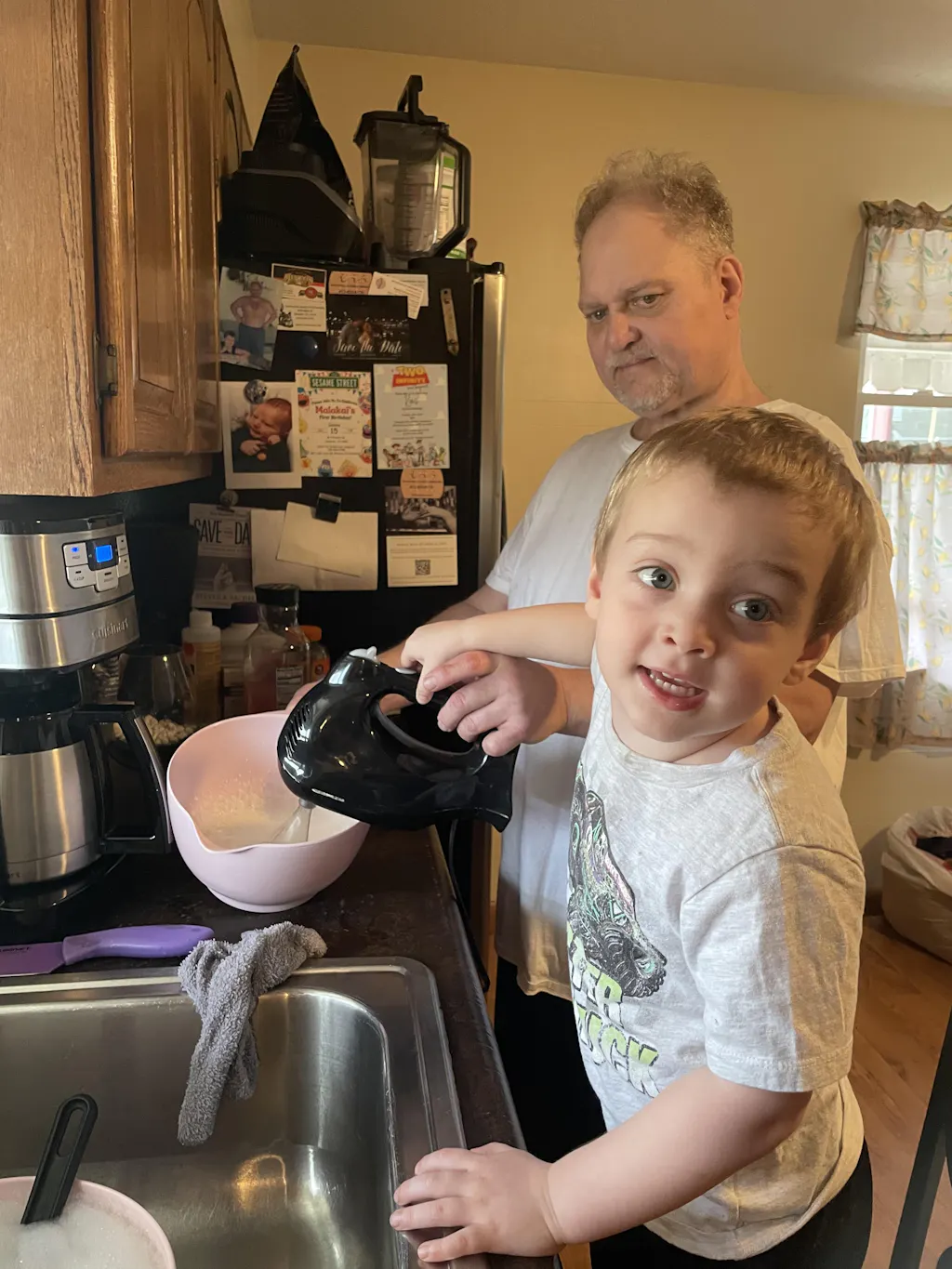
- Stirring simple mixtures with a spoon.
- Picking out popsicle sticks.
-
Preschoolers (3-5 years):
- Measuring ingredients (scooping fruit, pouring liquids into measuring cups).
- Mashing softer fruits like bananas or berries with a fork.
- Pouring mixtures into molds (with a small pitcher or adult assistance).
- Sprinkling toppings on frozen yogurt bark.
- Operating a child-safe blender button (with adult supervision).
-
School-Aged Kids (6+ years):
- Following simple recipe steps independently.
- Peeling fruits (e.g., bananas, oranges with easy-peel skin).
- Chopping softer fruits with a child-safe knife or under close supervision with a sharp knife.
- Operating a blender safely (with clear instructions).
- Experimenting with flavor combinations and designing layered pops.
- Helping with cleanup, fostering responsibility.
Encouraging Experimentation and Creativity
The kitchen is a safe space for experimentation. Encourage your children to try new combinations, guess what flavors will emerge, or design their own "signature" frozen treat. "What do you think would happen if we added a little cinnamon to our apple puree?" or "Which two colors would look best together in this layered pop?" These questions foster critical thinking, problem-solving, and a courageous approach to trying new things. This spirit of playful exploration is core to our values at I'm the Chef Too!, where every kit, from our Galaxy Donut Kit to our savory adventures, encourages creative freedom within a structured learning framework.
The Joy of Sharing and Pride in Creation
Once the frozen fruit snacks are ready, the real reward comes from sharing them! Children take immense pride in serving something they helped create. This act of sharing reinforces positive social behaviors and boosts self-esteem. It’s not just a snack; it’s a tangible representation of their hard work and creativity. The confidence gained from successfully completing a culinary project translates into other areas of their lives, encouraging them to tackle new challenges with enthusiasm.
Making frozen fruit snacks together transforms snack time from a routine refuel into an engaging, educational, and heartwarming family tradition. These moments are invaluable, weaving together the threads of learning, love, and deliciousness.
The I'm the Chef Too! Approach to Edutainment
At I'm the Chef Too!, we believe that learning should be an adventure, a delightful journey where curiosity is sparked, and creativity knows no bounds. Our mission is to seamlessly blend the worlds of food, STEM, and the arts into one-of-a-kind "edutainment" experiences that captivate children and foster a genuine love for learning. Making frozen fruit snacks at home perfectly embodies this philosophy, mirroring the very essence of what our kits deliver.
We understand the challenge parents face in finding activities that are both educational and truly engaging, especially in a world dominated by screens. That's why we've committed ourselves to providing screen-free alternatives that encourage hands-on exploration and tangible results. When your child is mashing berries for a smoothie pop or swirling yogurt for a frozen bark, they’re not just making food; they're actively participating in a scientific experiment, a math lesson, and an art project all at once.
Our unique approach is developed by mothers and educators who understand how children learn best – through doing, tasting, seeing, and experiencing. We teach complex subjects, from geology to astronomy, through the universally appealing medium of food. Just as a child learns about chemical reactions by observing their Erupting Volcano Cakes bubble over with deliciousness, they learn about states of matter and crystallization when preparing their own frozen fruit snacks.
Every I'm the Chef Too! kit is designed to spark that "aha!" moment, where a scientific principle clicks into place, a mathematical concept becomes clear, or an artistic vision comes to life – all culminating in a delicious creation. This process-oriented learning builds confidence, develops critical thinking skills, and encourages an experimental mindset. We focus on fostering a love for learning and building key skills rather than promising guaranteed outcomes, ensuring that every cooking adventure is about the journey of discovery and the joy of creating.
Whether it's through our meticulously curated kits or by inspiring you with homemade recipes like these frozen fruit snacks, our goal remains the same: to empower families to create joyful, educational memories together, one delicious, hands-on activity at a time.
Looking for more expertly designed STEM cooking adventures? Our monthly Chef's Club subscription delivers all the pre-measured dry ingredients and specialty supplies needed for a complete, delightful experience, right to your door with free shipping in the US!
Stocking Up Your Freezer: Storage & Make-Ahead Tips
Once you've mastered the art of making delicious frozen fruit snacks, you'll want to ensure they last and are readily available for those "snack attack" moments. Proper storage is key to maintaining their taste, texture, and freshness.
Best Practices for Storage
- Airtight Containers: The enemy of frozen treats is freezer burn, which occurs when air comes into contact with the food, causing ice crystals to form and dehydrate the surface. Always store your frozen fruit snacks in airtight containers or heavy-duty freezer bags.
- Individual Wrapping (for some items): For popsicles, it’s often best to wrap each individually in plastic wrap once fully frozen, then place them together in an airtight container or bag. This prevents them from sticking together and adds an extra layer of protection against freezer burn.
- Flat Surface to Start: When freezing items like frozen yogurt bark or chocolate-dipped fruit, ensure they are laid flat on a parchment-lined baking sheet until completely solid. Once firm, you can transfer them to an airtight container, stacking layers with parchment paper in between to prevent sticking.
- Label and Date: Even if you think you’ll remember, always label your containers with the date and contents. This helps you rotate your stock and ensures you consume them at their freshest.
Longevity of Frozen Fruit Snacks
Homemade frozen fruit snacks generally last well in the freezer for about 1 to 3 months.
- Pure Fruit Pops: Tend to last longest, up to 3 months, as they have high water content and minimal fats.
- Yogurt-Based Treats: Due to the dairy content, these are best consumed within 1 to 2 months for optimal taste and texture.
- Choco-Coated Items: The chocolate can protect the fruit, but for best quality, aim to consume these within 1 to 2 months to prevent the chocolate from blooming (developing a whitish film, which is harmless but can affect appearance).
Batch Cooking & Make-Ahead Strategies
The beauty of frozen fruit snacks is how easily they lend themselves to batch preparation.
- Weekend Prep: Dedicate an hour or two on a weekend to make a large batch of your children's favorite frozen fruit snacks. This ensures you have healthy options ready for busy weekdays.
- Double the Recipe: If you're already making one batch, it often takes little extra effort to double the recipe, filling up more molds or trays.
- Leftover Smoothies: Have leftover smoothie? Don't pour it out! Pour it into popsicle molds for an instant, healthy frozen treat. This is a great way to prevent food waste and always have a snack on hand.
- Pre-portioned Ingredients: If you know your kids love a certain combination, you can pre-portion fruit mixtures into freezer bags (without liquid) for quick blending later. Just add liquid (water, juice, yogurt) when ready to blend and freeze.
By planning ahead and storing your frozen fruit snacks properly, you’ll always have a delightful, healthy, and cooling treat ready to go, making snack time easier and more nutritious for the whole family.
Troubleshooting Common Frozen Treat Challenges
Even with the best intentions and ingredients, sometimes homemade frozen fruit snacks don't turn out quite as expected. Don't worry, these challenges are common, and we've got some solutions to help you perfect your icy creations!
Challenge 1: My popsicles are too icy/hard.
The Problem: This often happens when the mixture has too high a water content or not enough sugar/fat to interfere with the crystallization process. Pure fruit and water blends can be very icy.
The Fix:
- Add a Creamy Base: Incorporate Greek yogurt, coconut cream, or a ripe banana into your fruit puree. The fats and natural sugars help create a smoother, creamier texture.
- Natural Sweeteners: A small amount of honey, maple syrup, or agave nectar can act as an anti-freeze, making the pops less rock-solid. Remember, sweetness also enhances flavor.
- Blend More Thoroughly: Ensure your mixture is completely smooth with no ice chunks before freezing.
- Reduce Water: If your fruit is very watery (like watermelon), try reducing any added liquids or adding a thicker fruit like banana or avocado.
Challenge 2: My frozen fruit snacks aren't sweet enough.
The Problem: Kids are used to intense sweetness, and naturally sweetened treats can sometimes fall short of their expectations initially. Also, cold temperatures can dull flavor perceptions.
The Fix:
- Use Ripe Fruit: Always start with ripe, flavorful fruit. The riper the fruit, the sweeter it will naturally be.
- Taste Test Before Freezing: Always taste your mixture before pouring it into molds. It should taste slightly sweeter than you'd prefer, as freezing dulls sweetness.
- Add a Natural Sweetener: A small amount of honey, maple syrup, a few pitted dates (blended smooth), or a touch of ripe banana can boost sweetness naturally.
- Flavor Enhancers: A tiny pinch of salt (believe it or not, it enhances sweetness!) or a splash of vanilla extract can deepen the flavor profile without adding much sugar. Lemon juice can also brighten fruit flavors, making them seem sweeter.
Challenge 3: My popsicles are falling apart when I try to remove them from the mold.
The Problem: This is usually due to insufficient freezing time or a tricky mold.
The Fix:
- Freeze Longer: Ensure popsicles are frozen for at least 4-6 hours, or ideally, overnight, especially if they are large or dense.
- Warm Water Trick: To remove stubborn popsicles, run the outside of the mold under warm (not hot!) water for about 10-20 seconds. This gently loosens the edges without melting the entire pop. Don't submerge the top.
- Silicone Molds: If you're consistently having issues, consider investing in flexible silicone molds, which make removal much easier.
- Sturdy Sticks: Ensure your popsicle sticks are inserted deeply and are sturdy enough to handle the weight of the frozen pop.
Challenge 4: My children won't eat them because of the texture/color.
The Problem: Kids can be particular about how food looks or feels, especially if it's new or has unexpected components.
The Fix:
- Start Simple: Begin with familiar, sweet fruits your child already loves, like strawberry, banana, or mango.
- Involve Them in the Process: When children help make the snacks, they are more likely to try them. Let them choose fruits, pour, or sprinkle. This builds ownership and excitement.
- Fun Shapes & Colors: Use appealing molds and create vibrant, multi-colored layers. Visual appeal is huge for kids. Even beloved characters can make learning fun, like when kids make Peppa Pig Muddy Puddle Cookie Pies – the fun theme encourages engagement!
- "Secret" Veggies: As discussed, blend spinach or other mild greens into dark fruit purees. The color won't be noticeable, and the taste is easily masked.
- Don't Force It: Offer, but don't force. Kids may need to see a new food several times before they try it. Keep offering, and eventually, their curiosity might win out.
- Adjust Texture: If they dislike chunks, blend completely smooth. If they prefer more texture, add small, soft fruit pieces after blending the base.
By understanding these common challenges and implementing these solutions, you'll be well on your way to crafting perfect, kid-approved frozen fruit snacks that delight every time.
Conclusion
As we've explored, creating homemade frozen fruit snacks for kids is much more than just preparing a delicious treat; it’s an empowering journey into healthy eating, hands-on learning, and meaningful family bonding. From understanding the nutritional benefits and the science behind freezing to getting creative with vibrant recipes and troubleshooting common issues, we’ve covered everything you need to transform your kitchen into a hub of "edutainment." These simple, chilly delights offer a fantastic screen-free alternative, sparking curiosity and creativity in children while building essential life skills.
At I'm the Chef Too!, our mission is to blend food, STEM, and the arts into one-of-a-kind experiences that encourage exploration and discovery. Making frozen fruit snacks aligns perfectly with our philosophy, providing tangible, delicious adventures that teach complex subjects in an accessible, engaging way. You're not just making a snack; you're cultivating a love for learning, building confidence, and creating cherished memories that will last far longer than the last bite.
So, gather your fruits, choose your favorite molds, and invite your little chefs to join you in the kitchen. Embrace the opportunity to experiment, learn, and laugh together. The joy of creating something wholesome and delicious, from scratch, with your own hands, is a reward in itself.
Ready to embark on a new adventure every month? Don't let the fun stop here! Ignite your child's passion for discovery and healthy eating with our unique STEM cooking kits. Join The Chef's Club today and receive a new, exciting kit delivered right to your door with free shipping in the US. It's the perfect way to continue the "edutainment" journey and create even more unforgettable family moments!
FAQ Section
Q1: What are the best fruits to use for frozen fruit snacks for kids? A1: Almost any fruit can be used! Favorites include berries (strawberries, blueberries, raspberries), bananas, mangoes, pineapples, peaches, and grapes. Combining naturally sweet fruits like bananas and mangoes with slightly tart ones like berries often creates the best flavor balance. Using ripe, in-season fruit ensures the best sweetness and flavor.
Q2: How can I make frozen fruit snacks healthier? A2: Focus on using whole, ripe fruits as the primary ingredient. Minimize or avoid added sugars by letting the fruit's natural sweetness shine. For added nutrition, you can blend in a handful of spinach (often undetectable in dark fruit purees), a spoonful of chia seeds for fiber, or a dollop of Greek yogurt for protein. Opt for natural sweeteners like a touch of honey or maple syrup if needed, remembering honey is not suitable for infants under one year.
Q3: My child is a picky eater. How can I get them to try homemade frozen fruit snacks? A3: Involve them in the process! Let them pick the fruits, help blend (with supervision), and choose fun molds or toppings. Present the snacks in appealing ways, like colorful layers or fun shapes. Start with fruits they already like and introduce new ones gradually. Sometimes, simply calling them "rocket pops" or "magic wands" can pique their interest. Don't force it; keep offering, and their curiosity might win out.
Q4: Can I use frozen fruit instead of fresh fruit? A4: Absolutely! Frozen fruit is often picked at peak ripeness and flash-frozen, locking in nutrients and flavor. It's also incredibly convenient and can give your mixtures a thicker, colder base, which helps them freeze faster and sometimes results in a creamier texture. Just be sure to blend it thoroughly.
Q5: How long do homemade frozen fruit snacks last in the freezer? A5: When stored in airtight containers or individually wrapped and then placed in a freezer-safe bag, most homemade frozen fruit snacks will last for about 1 to 3 months. Pure fruit pops tend to last longer (closer to 3 months), while dairy-based or nut-butter-containing treats are best consumed within 1-2 months for optimal taste and texture. Always label with the date to keep track!
Q6: Are frozen fruit snacks good for teething babies? A6: Yes, many parents find soft frozen fruit purees (like banana or berry puree) frozen into small, easy-to-hold shapes (or even using specialized teething feeders) can be very soothing for teething babies. Always ensure the pieces are small enough to prevent choking hazards and supervise closely. Consult your pediatrician before introducing new foods to infants.
Q7: What if my frozen fruit snacks are too icy or hard? A7: This usually means there's too much water and not enough natural sugar or fat to create a creamy texture. Try adding a creamy base like Greek yogurt, coconut cream, or a ripe banana to your mixture. A small amount of honey or maple syrup can also act as a natural anti-freeze, making the texture softer. Blending until completely smooth also helps.
Q8: Can I make dairy-free frozen fruit snacks? A8: Definitely! Many delicious options exist. Use coconut milk, almond milk, or oat milk as your liquid base. You can also find dairy-free yogurts made from coconut, almond, or oat milk to create creamy, plant-based frozen treats. Pure fruit-based popsicles are naturally dairy-free.
Q9: What tools do I need to make frozen fruit snacks? A9: A good blender or food processor is essential for pureeing fruits. Popsicle molds (silicone ones are great for easy removal), popsicle sticks, and measuring cups/spoons are also very helpful. For frozen yogurt bark, you'll need a baking sheet and parchment paper.
Q10: How can I make frozen fruit snacks a learning experience for my child? A10: The kitchen is a natural classroom! Involve them in measuring ingredients (math), observing how liquids turn solid (science), choosing colorful fruit combinations (art), and following recipe steps (literacy). Discuss flavors, textures, and why certain ingredients are healthy. This hands-on, multi-sensory approach transforms cooking into a fun and educational "edutainment" activity, much like our I'm the Chef Too! kits!