Table of Contents
- Introduction: The Hidden Potential of Snack Time
- Why Snack Activities are More Than Just Eating: A Deeper Dive into Development
- The STEM & Arts Connection in the Kitchen
- Practical Tips for Parents: Making Snack Activities Manageable and Fun
- A World of Snack Activity Ideas: Beyond the Basic Recipe
- Tailoring Snack Activities to Different Ages and Stages
- The I'm the Chef Too! Difference: Blending Learning and Deliciousness
- Conclusion: Savoring the Learning Journey
- Frequently Asked Questions about Snack Activities for Kids
Ever found yourself staring into the pantry, wondering not just what to feed your child, but how to make that moment count for more than just filling a hungry tummy? If the daily refrain of "I'm hungry!" feels less like a request and more like a challenge to your creativity and patience, you're not alone. In a world brimming with screens and passive entertainment, finding opportunities for genuine, hands-on engagement with our children can feel like a quest. But what if we told you that the answer often lies right in your kitchen, waiting to be transformed?
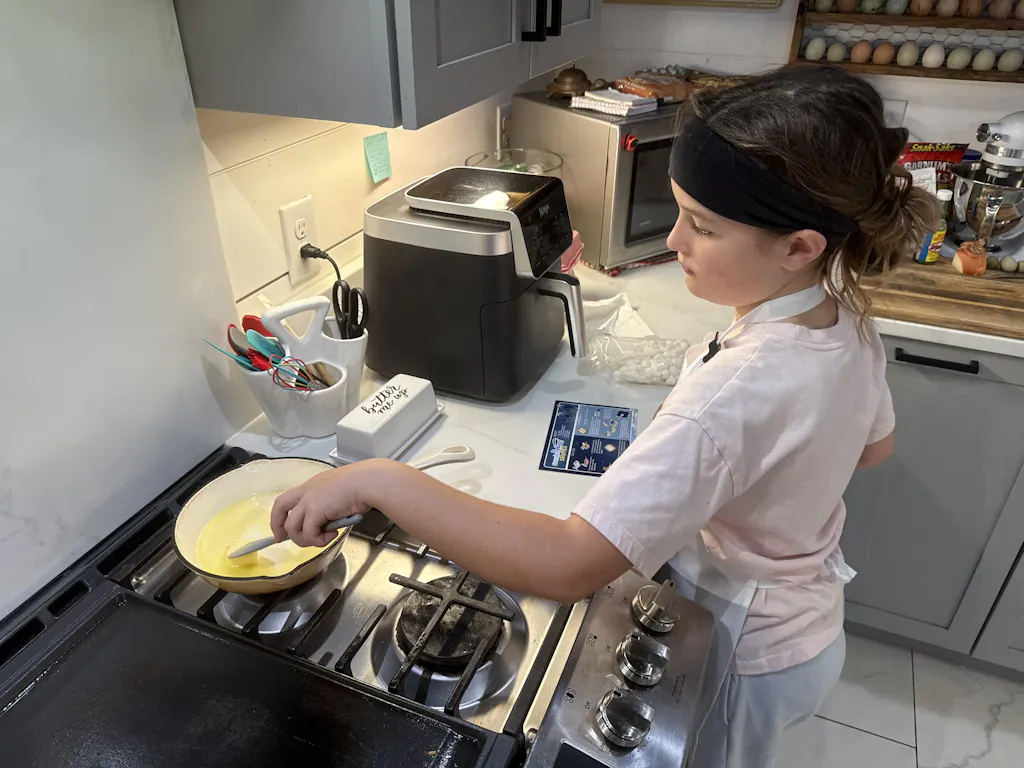
At I'm the Chef Too!, we believe that every interaction with food is a chance for "edutainment." Our mission is to seamlessly blend food, STEM, and the arts into one-of-a-kind experiences that spark curiosity and creativity in children, facilitate priceless family bonding, and offer a joyful, screen-free educational alternative. This post isn't just about recipes; it's a deep dive into transforming everyday snack time into a vibrant, enriching snack activity for kids. We'll explore the incredible educational potential hidden in simple ingredients, provide practical strategies for parents to foster a love for learning, and share how our unique approach, developed by mothers and educators, makes complex subjects tangible and delicious. By the end, you'll be armed with the inspiration and tools to turn snack preparation into a celebration of discovery, skill-building, and unforgettable family memories.
Introduction: The Hidden Potential of Snack Time
For many parents, snack time can often feel like a utilitarian necessity – a quick fix to curb hunger between meals, an energy boost after school, or simply a momentary distraction. We grab a bag of pretzels, slice an apple, or dole out some yogurt, often on autopilot. But what if we paused to reconsider this routine? What if snack time wasn't just about consumption, but about connection, creativity, and profound learning? This isn't a radical notion; it's an opportunity waiting to be embraced.
Think back to your own childhood. Do you remember the simple joy of helping in the kitchen, perhaps kneading dough with flour dusting your nose, or carefully stirring a pot under a watchful eye? These weren't just chores; they were sensory explorations, early lessons in responsibility, and moments of shared laughter. Today, the demands on parents are more complex than ever, and the temptation to outsource or simplify everything can be strong. Yet, the very act of preparing food with our children offers a unique pathway to holistic development that no pre-packaged solution can fully replicate.
This comprehensive guide aims to reframe your perception of "snack time" entirely. We'll delve into how transforming simple food preparation into a deliberate snack activity for kids can unlock a treasure trove of educational benefits, from foundational STEM concepts to artistic expression and crucial life skills. We'll outline practical strategies for making these activities accessible and enjoyable, explore a variety of engaging ideas, and illustrate how our approach at I'm the Chef Too! is perfectly aligned with fostering these experiences. Our goal is to empower you to view every carrot stick sliced and every cookie decorated as a stepping stone in your child's journey of discovery, confidence-building, and joyful learning, creating cherished family moments along the way.
Why Snack Activities are More Than Just Eating: A Deeper Dive into Development
The seemingly simple act of preparing and consuming snacks holds a surprising amount of untapped potential for children's development. It goes far beyond simply satisfying hunger; it’s a multi-sensory experience that engages various cognitive, physical, and emotional facets. By intentionalizing snack time into a structured snack activity for kids, we’re not just feeding their bodies, but also nurturing their minds and spirits.
The Power of Play-Based Learning
Children learn best through play. When we invite them into the kitchen to help create their snacks, we're essentially transforming the cooking process into a playful learning environment. This informal, hands-on approach allows children to experiment, make mistakes, and discover concepts naturally, without the pressure often associated with formal education. It's about letting them explore textures, observe changes, and understand cause-and-effect in a very real, tangible way. This inherent curiosity is what we strive to ignite at I'm the Chef Too!, where every kit is designed as an "edutainment" journey that feels like play but is packed with learning.
Fostering Independence and Life Skills
Giving children age-appropriate tasks during a snack activity empowers them. It teaches them about responsibility, follow-through, and the satisfaction of contributing to a shared goal. From washing fruits and vegetables to stirring ingredients, measuring, or even simply setting out plates, each task builds confidence and lays the groundwork for essential life skills. These aren't just skills for the kitchen; they're skills for life – problem-solving, planning, and self-sufficiency. Imagine the pride on your child's face when they present a snack they helped prepare, knowing they contributed to the family. This sense of accomplishment is invaluable.
Enhancing Family Bonding and Communication
In our busy lives, dedicated quality time can be scarce. A snack activity for kids offers a fantastic opportunity for meaningful family bonding. It’s a shared experience where parents and children work together, chat, laugh, and connect in a relaxed, joyful setting. This focused time away from screens strengthens relationships, improves communication, and creates lasting memories. It’s during these moments that children often feel most comfortable sharing their thoughts, asking questions, and feeling truly seen and heard.
Cultivating Healthy Eating Habits
Engaging children in the preparation of their food significantly increases their willingness to try new ingredients and healthier options. When they understand where food comes from, how it’s made, and have a hand in its creation, they develop a sense of ownership and curiosity. A child who helps chop vegetables for a healthy dip is far more likely to taste it than one simply presented with a plate of raw veggies. This involvement demystifies food and helps build a positive relationship with eating, moving away from picky eating tendencies towards adventurous palates.
A Screen-Free Alternative
In an increasingly digital world, finding engaging, screen-free activities is a priority for many parents. Cooking and baking offer a refreshing break from electronic devices, stimulating different parts of the brain and encouraging genuine interaction with the physical world. This is a core tenet of I'm the Chef Too! – providing tangible, hands-on experiences that captivate children's attention and redirect it towards creative, educational endeavors without a screen in sight.
By recognizing the multifaceted benefits of a snack activity for kids, we elevate snack time from a simple transaction to a rich, developmental experience. It’s about more than just the food; it’s about nurturing curious minds, building capable hands, and strengthening family bonds.
The STEM & Arts Connection in the Kitchen
The kitchen is a vibrant laboratory where science, technology, engineering, and mathematics (STEM) intersect with art, design, and creativity. When we turn snack preparation into a snack activity for kids, we naturally expose them to these critical disciplines in a fun, digestible way. At I'm the Chef Too!, this fusion of food, STEM, and the arts is the very heart of what we do, making learning an exciting, delicious adventure.
Science in Every Bite: Edible Experiments
Every recipe is a scientific experiment. Children observe chemical reactions, understand states of matter, and learn about nutrition.
- Chemistry: Watching ingredients change when mixed or heated (e.g., eggs firming up, sugar dissolving, yeast rising) is a fascinating introduction to chemical reactions. When we make Erupting Volcano Cakes, kids don't just bake; they witness a chemical reaction that makes their cakes bubble over with deliciousness, mimicking a volcanic eruption. This tangible experience makes abstract concepts like acid-base reactions incredibly memorable.
- Physics: Understanding how ingredients mix, the role of temperature in baking, or how different textures feel provides basic physics lessons. Measuring ingredients requires precision and an understanding of volume and weight.
- Biology/Nutrition: Learning about different food groups, where ingredients come from (e.g., milk from a cow, flour from wheat), and how food fuels our bodies is fundamental to biology and healthy living.
Engineering & Math: Building and Measuring
Cooking is inherently an exercise in engineering and mathematics.
- Measurement: Following a recipe requires accurate measurement – cups, spoons, ounces. This is hands-on practice with fractions, ratios, and basic arithmetic. "We need half a cup of flour," or "Let's double the recipe" become practical math problems.
- Sequencing & Problem-Solving: Recipes are step-by-step instructions, teaching children about sequencing and the importance of following directions. If something doesn't turn out as expected, it's a chance to problem-solve and understand why.
- Structure & Design: When building something like a fruit skewer or decorating a cookie, children are engaging in basic engineering principles – balancing, stacking, and creating visually appealing structures.
The Art of Culinary Creation: Taste, Texture, and Presentation
The kitchen is also a canvas for artistic expression.
- Color & Aesthetics: Children can explore color combinations with fruits, vegetables, and natural food dyes. Arranging ingredients on a plate or decorating a cupcake is an exercise in visual design and aesthetics.
- Sensory Exploration: Cooking engages all five senses: the smell of baking bread, the feel of dough, the vibrant colors of fresh produce, the sizzling sound of cooking, and, of course, the taste. This rich sensory input fosters appreciation for different ingredients and encourages adventurous eating.
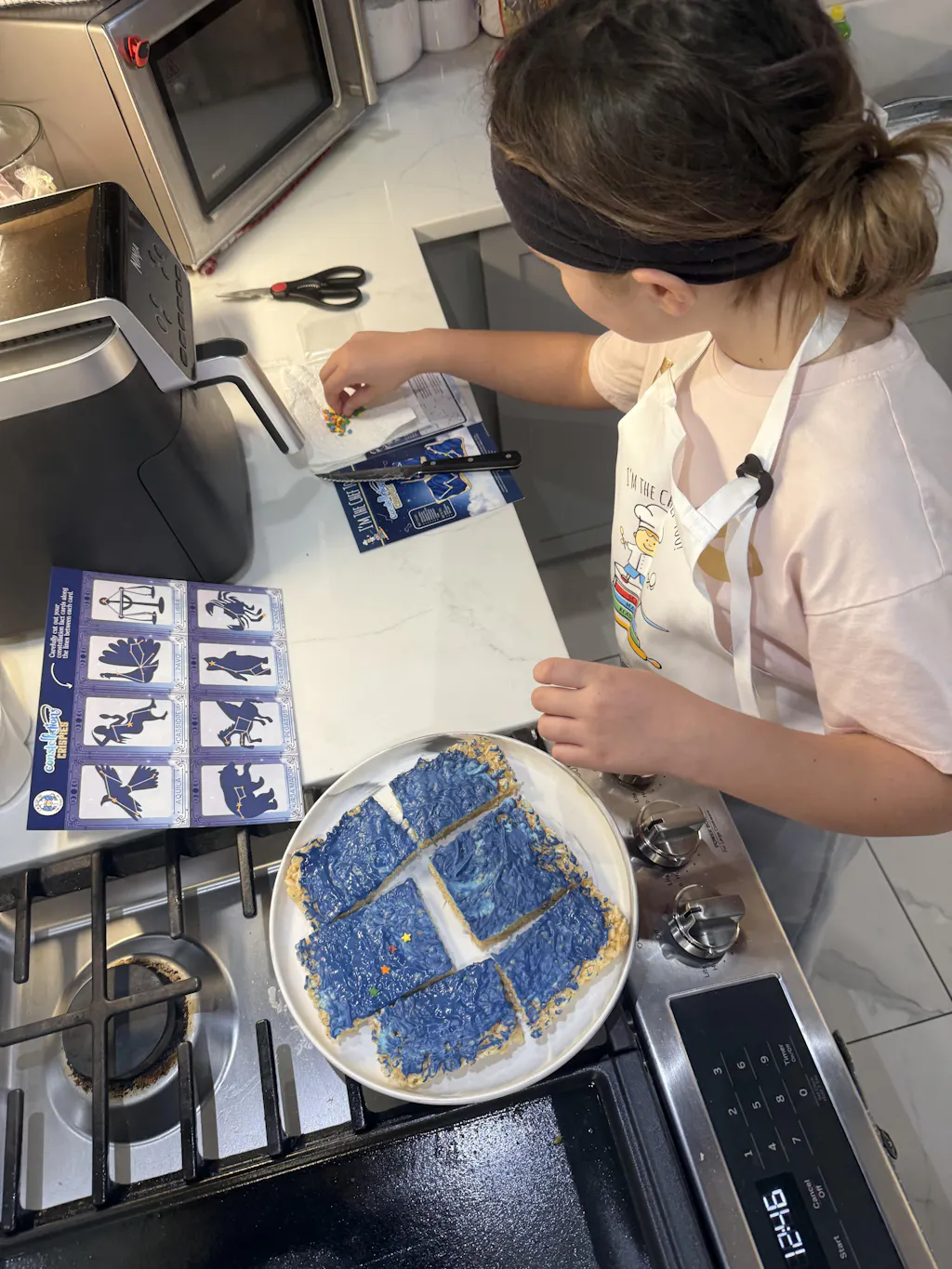
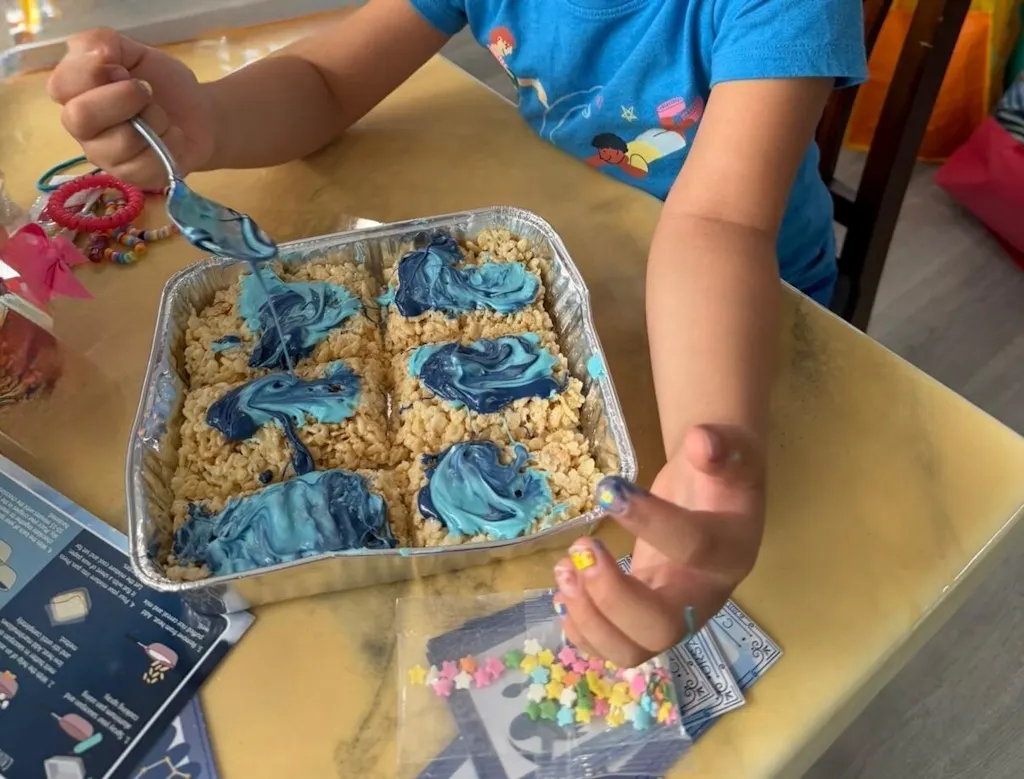
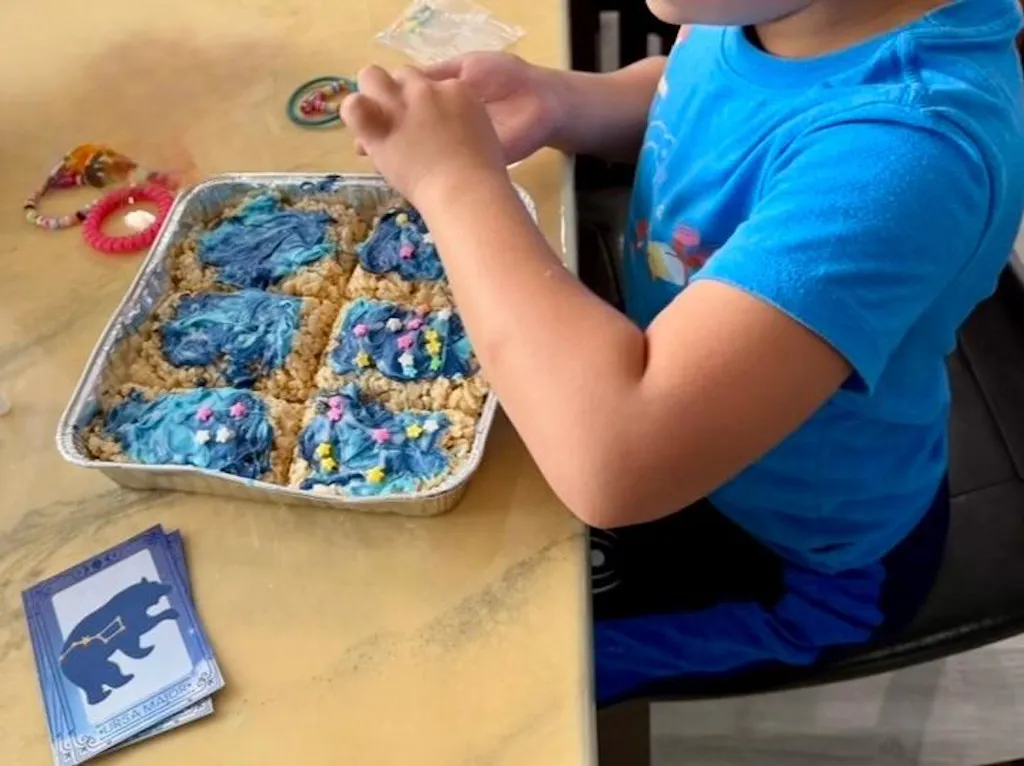
- Creativity & Imagination: From decorating cookies to creating "food art" (e.g., turning fruit slices into animal faces), children can unleash their imagination. Our Galaxy Donut Kit transforms basic donuts into edible planets and stars, allowing kids to explore astronomy while expressing their artistic flair through icing and sprinkles, creating their very own edible solar system. Even beloved characters can make learning fun, like when kids make Peppa Pig Muddy Puddle Cookie Pies, combining baking with imaginative play.
Technology: Tools of the Trade
While often overlooked, the kitchen is full of simple technologies that make cooking easier and more efficient. From blenders and mixers to ovens and stovetops, understanding how these tools work (and how to use them safely) introduces children to practical technology in their daily lives.
By embracing the kitchen as a STEM and arts hub, we open up a world of discovery for our children. It's not about making them scientists or artists overnight, but about fostering a love for inquiry, a willingness to experiment, and the confidence to create. This unique approach is at the core of I'm the Chef Too!'s mission – to make learning irresistible, one delicious adventure at a time. Ready for a new adventure every month? Join The Chef's Club and enjoy free shipping on every box, bringing these engaging experiences directly to your home.
Practical Tips for Parents: Making Snack Activities Manageable and Fun
The idea of turning every snack into an elaborate educational activity might sound daunting amidst the chaos of daily life. However, the key is not perfection, but intention and simplicity. With a few practical strategies, you can easily integrate a snack activity for kids into your routine without added stress.
1. Start Small and Simple
Don't feel pressured to create a gourmet masterpiece every time. Begin with very simple tasks and gradually increase complexity as your child gains confidence and skill.
- Toddlers (1-3 years): Focus on sensory exploration. Let them wash fruit, stir ingredients (with supervision), sprinkle toppings, or tear lettuce.
- Preschoolers (3-5 years): Introduce basic pouring, mashing (bananas, avocados), cutting soft ingredients with a plastic knife, and simple measuring.
- School-Aged Kids (6+ years): They can follow multi-step instructions, use kid-safe knives, crack eggs, read simple recipes, and handle more complex mixing.
2. Prioritize Safety First
The kitchen can be a dangerous place for unsupervised children. Always ensure adult supervision and teach safety rules from the start.
- Supervision is Key: Never leave young children unattended with hot stoves, sharp knives, or active appliances.
- Child-Friendly Tools: Invest in plastic knives, sturdy step stools, and mixing bowls that won't tip easily.
- Hygiene: Emphasize handwashing before and after handling food.
3. Embrace the Mess (Mostly!)
Cooking with kids will be messy. Anticipate it, prepare for it, and try to embrace it as part of the learning process.
- Designate a Workspace: Cover your counter or table with a placemat, cutting board, or newspaper for easier cleanup.
- Involve Them in Cleanup: Make washing hands, wiping spills, and putting away ingredients part of the activity. This teaches responsibility and life skills.
- Relax: A little flour on the floor is a small price to pay for the joy and learning happening.
4. Plan Ahead (A Little Bit)
You don't need an elaborate meal plan, but a bit of foresight can make a big difference.
- Choose Kid-Friendly Recipes: Select recipes with clear steps and ingredients that are easy for small hands to manage.
- Pre-Measure Challenging Ingredients: If a recipe calls for a tiny amount of a tricky ingredient, pre-measure it yourself to avoid frustration.
- Gather Ingredients & Tools: Have everything ready before you start to maintain momentum and reduce waiting time. This is where I'm the Chef Too! really shines – our kits come with pre-measured dry ingredients and specialty supplies, making the entire process convenient and stress-free for busy parents.
5. Offer Choices and Encourage Creativity
Give your child a sense of ownership by letting them make age-appropriate decisions.
- "Would you like to chop the cucumber or mix the dip?"
- "Which sprinkles should we use?"
- "How should we arrange these fruit slices?" This fosters independence and enthusiasm.
6. Focus on the Process, Not Just the Product
The goal is the experience, the learning, and the bonding, not a Michelin-star snack.
- Praise Effort: Acknowledge their hard work and enthusiasm, even if the final product isn't perfect.
- Learning from Mistakes: If something goes wrong, frame it as a learning opportunity rather than a failure. "Hmm, that didn't quite work. What do you think happened?"
- Enjoy the Moment: Savor the shared laughter, the quiet concentration, and the pride in their eyes.
By keeping these tips in mind, you can seamlessly integrate educational and fun snack activity for kids into your daily rhythm, creating cherished memories and fostering a love for learning that extends far beyond the kitchen. Want to dip your toes into our world of culinary adventures? Browse our complete collection of one-time kits and find the perfect theme for your little learner!
A World of Snack Activity Ideas: Beyond the Basic Recipe
Moving beyond simply handing over a pre-made snack, let’s explore how to transform even the simplest edibles into engaging, educational experiences. These aren't just recipes; they're springboards for discovery, creativity, and skill development, perfect for any snack activity for kids.
1. Deconstruct & Reconstruct: The Snack Board Adventure
Forget the individual plates! A "snack board" or "charcuterie for kids" is an instant hit and a fantastic way to introduce choice, categorization, and artistic arrangement.
- The Activity: Provide various healthy components – cheese cubes, whole-grain crackers, different colored bell pepper strips, cucumber rounds, grapes, berries, pretzels, small turkey or ham roll-ups, hard-boiled egg halves, and a couple of dips (hummus, yogurt dip, guacamole). Let your child arrange them on a board or large plate.
-
Educational Twist:
- Math: Count items, sort by color or type, discuss shapes.
- Science/Nutrition: Talk about food groups, where ingredients come from, and why certain foods are good for our bodies.
- Art: Encourage them to create patterns, faces, or scenes with the food.
- Life Skills: Independent selection, portion control, presentation.
-
Pro-Tip: Make it themed! A "Rainbow Snack Board," a "Farm Animal Snack Board," or a "Mystery Ingredient Board."
- Example: For a child interested in animals, they could use cucumber slices for turtle shells, blueberries for eyes, and pretzel sticks for legs.
2. Edible Art: Creative Decorating & Assembly
This category truly brings the "arts" into the snack activity for kids. It’s about using food as a medium for creative expression.
-
The Activity:
- Fruit Skewers: Provide cut fruit (melon chunks, strawberries, grapes, banana slices – brushed with lemon juice to prevent browning) and skewers. Let children design their own patterns and color combinations.
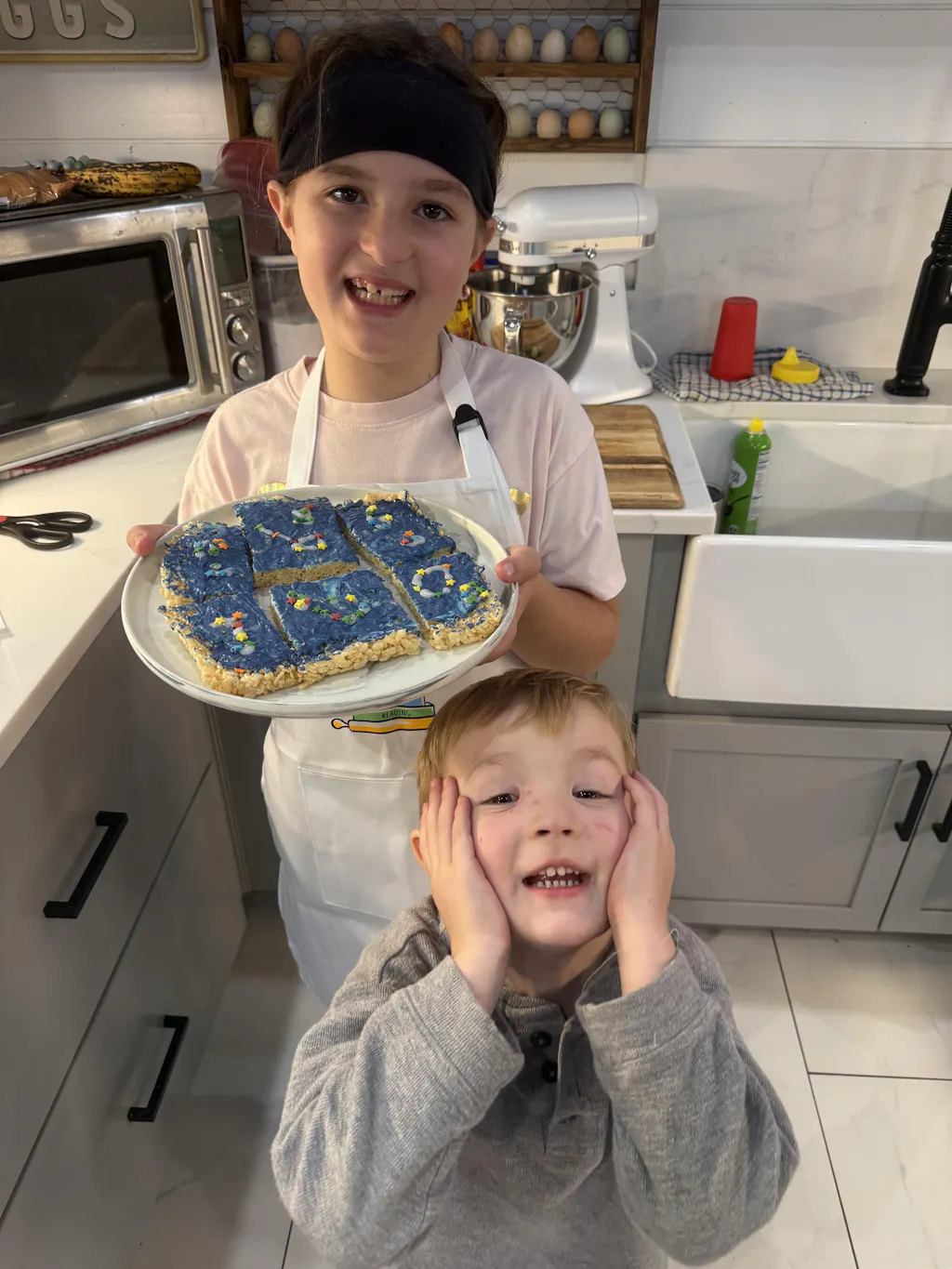
- Decorating Rice Cakes/Crackers: Offer rice cakes or whole-grain crackers, various spreads (nut butter, cream cheese, avocado mash), and toppings (banana slices, berries, shredded coconut, mini chocolate chips, sprinkles, seeds). They can create faces, landscapes, or abstract art.
- "Silly Face" Veggie Dips: Give them a base of hummus or yogurt dip and a variety of small veggie pieces (peas, corn, grated carrots, bell pepper slivers) to create edible faces.
-
Educational Twist:
- Art: Color theory, composition, symmetry, fine motor skills.
- Science: Discuss properties of different foods (sticky, crunchy, soft).
- Language: Describe their creations, tell stories about the faces.
- I'm the Chef Too! Connection: Our Peppa Pig Muddy Puddle Cookie Pies offer a fantastic example of turning simple baking into an artistic, imaginative snack activity!
3. Mini Kitchen Science: Simple Mixing & Observing
These activities highlight the scientific principles behind food preparation, making them a perfect snack activity for kids for budding scientists.
-
The Activity:
- Homemade Peanut Butter/Nut-Free Butter: With a food processor and roasted nuts/seeds, children can observe the transformation from solids to a creamy spread. Talk about emulsification and the different states of matter.
- Fruit Smoothies/Smoothie Bowls: Kids can choose ingredients, observe how they blend, and discuss different textures and flavors. Encourage them to predict what color their smoothie will be.
- Yogurt Parfaits: Layering yogurt, granola, and fruit. Discuss gravity and density as they stack.
- "Magic" Dips: Make a simple guacamole or a flavored cream cheese spread. Children can mash avocados, mix ingredients, and observe how the texture changes.
-
Educational Twist:
- Science: Chemical changes, physical changes, observation, prediction, sensory exploration (taste, smell, texture).
- Math: Measuring ingredients accurately.
- Life Skills: Following instructions, safe use of kitchen tools.
- I'm the Chef Too! Connection: For a powerful science demonstration, our Erupting Volcano Cakes are designed to teach chemical reactions through a fun, edible "eruption"! This brings science to life in a most delicious way.
4. Baking Basics: Simple Heat Transformations
While some recipes are more involved, many baking activities can be simplified into kid-friendly snack activities involving heat. Remember to always emphasize safety with ovens and hot surfaces.
-
The Activity:
- Mini Pizza Muffins/Bites: Use English muffin halves or pita bread as a base. Kids spread sauce, sprinkle cheese, and add toppings before baking.
- Homemade Granola Bars: Mix oats, honey/maple syrup, nut butter, and mix-ins. Press into a pan and bake.
- Muffins (Mini Banana/Zucchini): Simple one-bowl recipes where kids can mash ingredients, mix wet and dry components, and fill muffin liners.
- Roasting Chickpeas/Edamame: Toss with a little oil and seasoning, then roast for a crunchy, savory snack. Children can help toss and season.
-
Educational Twist:
- Science: Observing how heat changes food (browning, firming, melting).
- Math: Measuring, counting muffin cups, understanding baking times.
- Life Skills: Following a multi-step recipe, patience, understanding kitchen appliance safety.
- I'm the Chef Too! Connection: Our subscription boxes often feature baking projects that involve heat transformations, providing pre-measured ingredients and easy-to-follow instructions to make these activities accessible and fun. For ongoing culinary adventures and discoveries delivered right to your door, consider our flexible 3, 6, or 12-month pre-paid plans. They're perfect for gifting or long-term enrichment, offering incredible value with free shipping in the US! Join The Chef's Club today!
5. Global Snacking: Cultural Exploration Through Food
Introduce children to different cultures and cuisines through simple, international-inspired snacks.
-
The Activity:
- Ants on a Log (USA): Celery, peanut butter (or sunbutter), and raisins. Discuss the origin of the saying.
- Japanese Sushi Rolls (simplified): Use tortillas, cream cheese, and shredded carrots/cucumber/turkey. Roll and slice.
- Italian Bruschetta (simplified): Toast bread, let kids spread cream cheese or a mild tomato salsa.
- Mexican Guacamole & Chips: Kids can mash avocados and mix ingredients for guacamole.
-
Educational Twist:
- Geography/Culture: Discuss where the food comes from, learn new words, explore flags or traditions.
- Sensory Exploration: Introduce new flavors and textures.
- History: Share fun facts about the food's origins.
- I'm the Chef Too! Connection: Our kits often take children on a journey around the world, blending cultural themes with delicious STEM projects. For instance, creating edible planets with our Galaxy Donut Kit isn't just about space; it's about imagining worlds beyond our own, fostering a global perspective in a fun, delicious way.
By offering a diverse range of snack activity for kids, you're not just providing nourishment; you're cultivating a curious mind, developing practical skills, and creating a lifetime of happy, educational memories.
Tailoring Snack Activities to Different Ages and Stages
A successful snack activity for kids isn't one-size-fits-all. What excites a toddler might bore a ten-year-old, and what challenges a preschooler might be too simple for a middle schooler. Understanding the developmental stages of children allows us to tailor activities effectively, ensuring engagement, safety, and appropriate learning.
Toddlers (Ages 1-3): Sensory Exploration & Basic Motor Skills
At this stage, children are primarily focused on exploring the world through their senses and developing fine and gross motor skills. Keep activities very simple, safe, and highly supervised.
- Focus: Sensory input (touch, taste, smell, sight), cause-and-effect, simple vocabulary.
-
Tasks:
- Washing: Letting them wash fruits and vegetables in a bowl of water (supervised).
- Stirring: Using a large spoon to stir cold ingredients (e.g., yogurt with fruit).
- Mashing: Mashing soft foods like bananas or avocados with a fork.
- Pouring: Pouring pre-measured ingredients from a small cup into a larger bowl.
- Sprinkling: Adding sprinkles to cookies or fruit, or cheese to a cracker.
- Tearing: Tearing lettuce for a salad or soft bread.
- Benefits: Develops fine motor skills, hand-eye coordination, introduces textures and smells, builds vocabulary (e.g., "sticky," "smooth," "sweet").
- Realistic Expectation: Expect mess, short attention spans, and lots of tasting! The goal is exposure and sensory play, not a perfectly executed recipe.
Preschoolers (Ages 3-5): Following Simple Directions & Developing Independence
Preschoolers are eager helpers, capable of following 1-2 step directions, and starting to understand sequences. They love to feel independent and contribute.
- Focus: Following simple instructions, recognizing numbers and colors, pre-reading skills, developing small muscle control.
-
Tasks:
- Measuring: Using measuring cups and spoons for dry ingredients (pre-scooped to approximate amounts).
- Cutting: Using a plastic or dull butter knife to cut soft foods (e.g., bananas, strawberries, cooked pasta).
- Spreading: Spreading butter, cream cheese, or jam on bread/crackers.
- Mixing: Vigorously mixing ingredients in a bowl.
- Decorating: Arranging fruit slices, making "silly faces" on toast.
- Cracking Eggs: With supervision and a bowl to catch shells.
- Benefits: Enhances fine motor skills, strengthens hand muscles, introduces basic math concepts (measurement), fosters independence, encourages creativity.
- Realistic Expectation: They will still need guidance and supervision. The emphasis remains on the process and fun, though the output might start to resemble the intended snack!
Early Elementary (Ages 6-8): Reading Recipes & More Complex Tasks
Children in early elementary school are developing stronger reading and math skills and can handle more intricate tasks. They enjoy seeing a project through to completion.
- Focus: Reading simple recipes, understanding fractions (e.g., "half a cup"), using kitchen tools safely, problem-solving, planning.
-
Tasks:
- Reading Recipes: Following a recipe with visual cues or simple text.
- Precise Measuring: Accurately measuring both wet and dry ingredients.
- Chopping/Slicing: Using a kid-safe knife (with supervision) for harder vegetables.
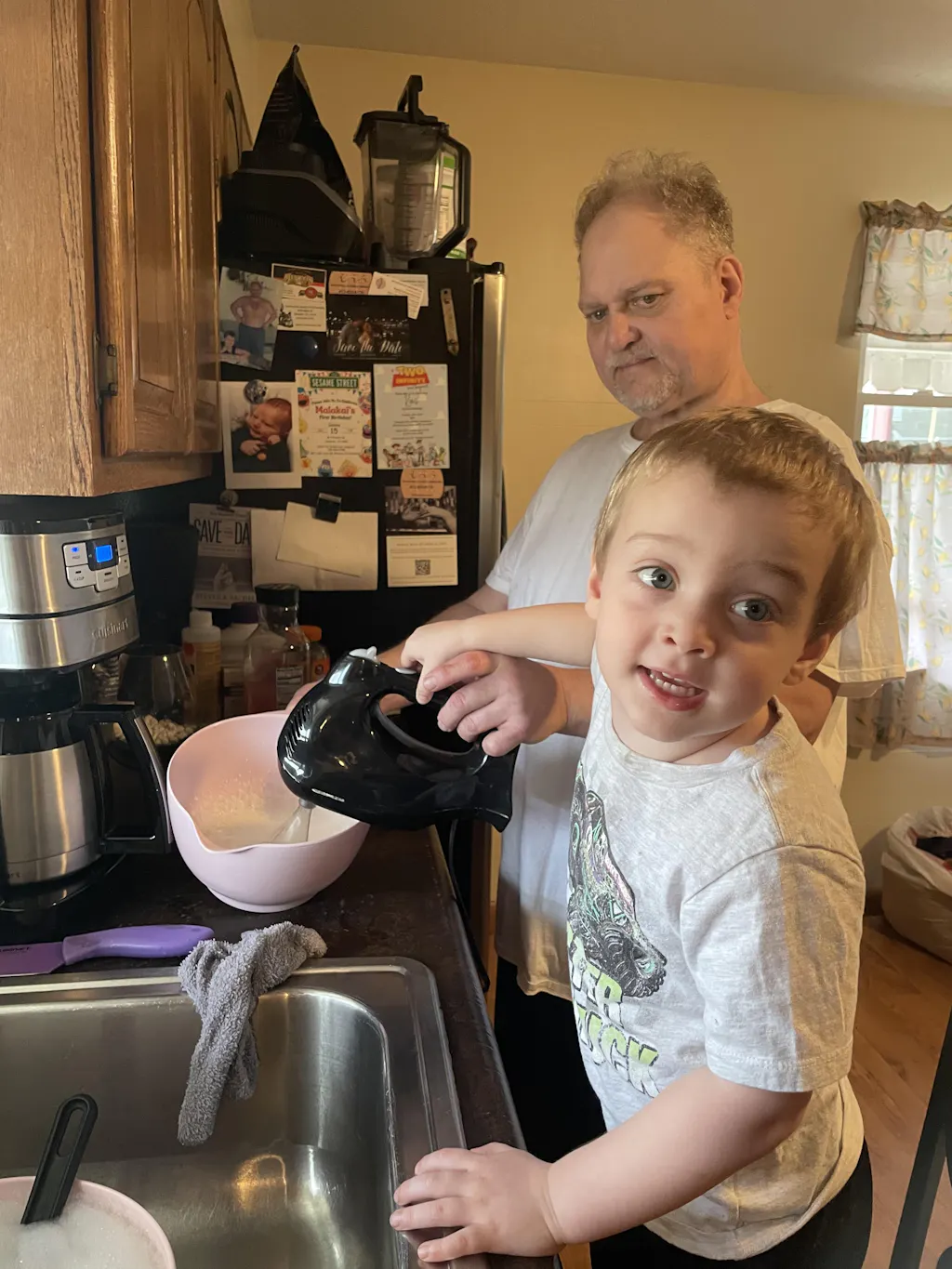
- Using Small Appliances: Operating hand mixers or blenders (with strict supervision and instruction).
- Rolling Dough: Rolling out cookie dough or mini pizza crusts.
- Assembling: Building fruit skewers, layered parfaits, or mini sandwiches.
- Benefits: Reinforces reading comprehension and math skills, develops advanced fine motor coordination, teaches patience and sequence, builds confidence in following instructions.
- Realistic Expectation: They're becoming more capable, but still require supervision, especially with heat or sharp objects. Encourage them to troubleshoot if something doesn't look right. For ongoing educational fun, consider our various subscription plans! Our 3, 6, and 12-month options offer flexibility and fantastic value, ensuring a stream of new, exciting snack activity for kids month after month. Join The Chef's Club today!
Upper Elementary/Middle School (Ages 9-12+): Independent Creation & Experimentation
At this age, children can often work more independently, are curious about "why" things happen, and enjoy experimenting.
- Focus: Understanding chemical reactions, experimenting with flavors, meal planning, adapting recipes, independent work, safety.
-
Tasks:
- Recipe Modification: Suggesting ingredient substitutions or flavor variations.
- Complex Baking/Cooking: Making yeast breads, more intricate pastries, or simple main dishes (with supervision).
- Advanced Knife Skills: Learning proper chopping techniques with real knives (with thorough safety training and supervision).
- Kitchen Gadgets: Safely using more complex kitchen equipment.
- Creative Presentation: Focusing on plating and garnish.
- Benefits: Fosters critical thinking, encourages creativity and innovation, develops advanced culinary skills, teaches independence and responsibility.
- Realistic Expectation: They can take on significant responsibility, but still need an adult present for safety, guidance, and to answer questions. Encourage them to research ingredients or techniques. This is a great age for them to help plan entire family meals!
By aligning your snack activity for kids with your child's developmental stage, you ensure that the experience is both challenging and enjoyable, setting them up for continued success and a lifelong love of learning and cooking. If you're looking for structured, educational activities that grow with your child's skills, remember to explore our full library of adventure kits available for a single purchase in our shop for a wide variety of engaging options.
The I'm the Chef Too! Difference: Blending Learning and Deliciousness
At I'm the Chef Too!, we understand the challenges and joys of raising children in a modern world. As mothers and educators ourselves, we envisioned a way to cut through the noise, reduce parental stress, and provide truly meaningful experiences for families. Our unique mission is to seamlessly blend food, STEM, and the arts into one-of-a-kind "edutainment" experiences, turning every baking session into a delightful snack activity for kids that’s both engaging and deeply educational.
Our Philosophy: Hands-On, Screen-Free Discovery
We are committed to sparking curiosity and creativity in children by providing tangible, hands-on, and delicious cooking adventures. In an age dominated by screens, our kits offer a refreshing alternative, encouraging children to interact with the physical world, engage all their senses, and learn through doing. We believe that the most profound lessons are often learned when children are actively involved, using their hands and their imaginations.
Developed by Experts: Moms and Educators
Our kits are not just random recipes; they are carefully curated experiences developed by mothers and educators. This means every activity is thoughtfully designed to be:
- Age-Appropriate: Tasks are broken down into manageable steps suitable for various age groups, ensuring success and building confidence.
- Educational: Each kit integrates specific STEM (Science, Technology, Engineering, Math) concepts and artistic elements. For example, our kits might explore chemical reactions by baking "erupting" treats or teach about geometry through decorating patterns. Imagine the wonder of creating edible planets with our Galaxy Donut Kit, transforming astronomy into a delicious, hands-on snack activity!
- Engaging: Themes are exciting and imaginative, transforming ordinary snacks into adventures like digging for "fossil" cookies or making "magical" potions. Even popular characters come to life, as seen with our Peppa Pig Muddy Puddle Cookie Pies, making learning relatable and fun.
Convenience Meets Creativity: A Parent's Dream
We know parents are busy. That's why we focus on convenience without compromising on creativity or educational value.
- Pre-Measured Dry Ingredients: No more frantic searching for obscure spices or messy measuring. Our kits include pre-measured dry ingredients, saving you time and reducing kitchen chaos.
- Specialty Supplies: From unique cookie cutters to themed decorations and educational guides, we provide everything needed for a complete experience, often including hard-to-find items.
- Clear Instructions: Our step-by-step instructions are easy for both parents and children to follow, ensuring a smooth and enjoyable activity.
- Family Bonding: Our kits are designed to be shared experiences, fostering communication, collaboration, and precious memories in the kitchen.
What to Expect: Realistic Rewards
While we don't promise your child will become a top scientist overnight, we do promise an enriching process. Through our snack activity for kids, you can expect your child to:
- Foster a Love for Learning: By making education fun and delicious, we ignite an intrinsic motivation to explore and discover.
- Build Confidence: Successfully completing a cooking project, from mixing to decorating, gives children a tremendous sense of accomplishment.
- Develop Key Skills: Fine motor skills, critical thinking, problem-solving, following instructions, and creativity are all naturally developed.
- Create Joyful Family Memories: These shared moments in the kitchen become cherished stories and traditions.
At I'm the Chef Too!, we're not just selling kits; we're delivering curated experiences that nourish the mind, body, and soul. We invite you to explore the magic of blending food, STEM, and the arts with us. For continued inspiration and a new adventure delivered to your door every month with free shipping in the US, there's no better choice than our monthly subscription. Join The Chef's Club and start creating delicious memories today!
Conclusion: Savoring the Learning Journey
We've journeyed through the incredible potential hidden within everyday snack time, transforming it from a mere necessity into a vibrant landscape of "edutainment." By embracing the concept of a snack activity for kids, we've seen how the kitchen becomes a dynamic laboratory and an artistic studio, where STEM and the arts merge seamlessly with the joy of creating delicious food. From the simplest act of stirring to the complex science of baking, every step is an opportunity to spark curiosity, build crucial life skills, and forge unforgettable family bonds.
Remember, the goal isn't culinary perfection, but rather the richness of the experience – the questions asked, the discoveries made, the laughter shared, and the confidence gained. It's about nurturing a love for learning that extends far beyond the plate, equipping our children with transferable skills and a positive relationship with food.
At I'm the Chef Too!, we are passionate about providing these unique, screen-free educational alternatives, meticulously developed by mothers and educators. Our mission is to make these valuable experiences accessible, convenient, and incredibly fun, ensuring that every family can embark on their own delicious journey of discovery.
Don't let another snack time pass by without harnessing its full potential. Ignite your child's curiosity, foster their creativity, and build lasting memories, one delicious snack activity for kids at a time. The adventure awaits!
Ready to elevate your family's snack time and embark on a new "edutainment" journey every month?
Join The Chef's Club today and enjoy free shipping on every box!
Frequently Asked Questions about Snack Activities for Kids
Q1: What makes a snack activity "educational"?
An educational snack activity goes beyond just eating. It involves children in the preparation process, exposing them to concepts from STEM (like measuring, observing chemical reactions, understanding properties of ingredients) and the arts (like color theory, design, creative presentation). It also fosters life skills such as following instructions, problem-solving, and independence. The key is engagement and intentional learning moments throughout the process.
Q2: How can I encourage my picky eater to participate in snack activities?
Involving picky eaters in food preparation is one of the most effective strategies to encourage them to try new foods. When children have a hand in making their food, they develop a sense of ownership and are more likely to taste it.
- Give Choices: Let them choose between two healthy ingredients or decorating options.
- Start Small: Begin with foods they already tolerate and introduce new components gradually.
- Focus on Fun: Make the activity about the process (e.g., mixing, decorating) rather than just eating.
- No Pressure: Don't force them to eat the finished product. Simply trying a bite or even just touching it is a win.
- Make it Themed: Link the snack to their favorite characters, animals, or stories. Our Peppa Pig Muddy Puddle Cookie Pies are a great example of making a snack irresistible through a fun theme.
Q3: What are some good "no-cook" snack activities for kids?
No-cook snack activities are fantastic for busy days or when involving very young children.
- Snack Boards/Charcuterie for Kids: Arrange various cheeses, fruits, veggies, crackers, and dips.
- Fruit Skewers: Let kids thread cut fruit onto skewers.
- Yogurt Parfaits: Layer yogurt, granola, and berries.
- Ants on a Log: Celery sticks with nut/seed butter and raisins.
- "Silly Face" Toast/Crackers: Use spreads (hummus, cream cheese) and veggie pieces/fruit to create faces.
- Homemade Guacamole: Kids can mash avocados and mix ingredients.
Q4: How can I incorporate STEM into a simple snack activity?
STEM is naturally present in cooking!
- Science: Discuss why ingredients change when mixed (e.g., batter getting thick) or why fruit browns. Observe how ingredients interact (like baking soda and vinegar creating bubbles).
- Technology: Talk about how kitchen tools like blenders or ovens work.
- Engineering: When building a fruit skewer or decorating a cake, discuss balance, structure, and design.
- Math: Measure ingredients (fractions!), count items, discuss shapes, and compare sizes. Our Erupting Volcano Cakes vividly demonstrate chemical reactions, making science delicious and exciting. And the Galaxy Donut Kit transforms donuts into an astronomy lesson!
Q5: What safety precautions should I take when cooking with kids?
Safety is paramount in the kitchen.
- Supervision: Always provide active adult supervision, especially with younger children or when using heat/sharp objects.
- Handwashing: Teach proper handwashing before and after handling food.
- Child-Friendly Tools: Use plastic knives, sturdy step stools, and mixing bowls that don't tip easily.
- Heat & Sharp Objects: Keep children away from hot stovetops, ovens, and sharp knives. Teach them about safe handling of even kid-safe tools.
- Allergies: Be mindful of any food allergies or sensitivities.
- Clean Up: Involve children in the cleanup process, teaching them responsibility.
Q6: How can I make snack activities stress-free for myself as a parent?
The key is preparation and setting realistic expectations.
- Simplify: Don't aim for gourmet. Simple activities are just as effective.
- Pre-Measure: For very young children or when short on time, pre-measure complex dry ingredients. Our I'm the Chef Too! kits do this for you!
- Choose the Right Time: Select a time when both you and your child are rested and not rushed.
- Embrace the Mess: Cover your workspace and be prepared for spills. Focus on the learning and bonding, not perfection.
- Delegate Clean-Up: Involve your child in putting things away and wiping down surfaces.
- Utilize Resources: Consider a subscription box like I'm the Chef Too! for convenient, pre-planned, and educational activities. Ready for a new adventure every month? Join The Chef's Club for ongoing fun and free shipping!
Q7: Are I'm the Chef Too! kits suitable for school groups or larger gatherings?
Absolutely! Our kits are designed for engaging learning experiences and can be adapted for larger groups. We offer versatile programs for schools, camps, and homeschool co-ops, available with or without food components, making them perfect for educational settings or special events. Learn more about our versatile programs for schools and groups. You can also browse our complete collection of one-time kits to find specific themes that fit your group's interests.