Table of Contents
- Introduction
- Understanding the "Why" Behind Picky Eating
- The Division of Responsibility in Feeding
- Essential Nutrients for Growing Explorers
- Breakfast Strategies for Picky Eaters
- Lunchtime: The Art of the Deconstructed Meal
- Dinner: 15-Minute Meals for Busy Families
- Transforming Picky Eating into STEM Exploration
- Case Study: From Food Refusal to Kitchen Assistant
- The Power of the "Safe Food"
- Handling the "Milk-Only" Toddler
- Sensory Play: It’s Okay to Play with Food!
- Batch Cooking for Sanity
- Kitchen Safety for Tiny Chefs
- Creating Joyful Family Memories
- Conclusion
- FAQ Section
Introduction
Have you ever spent an hour meticulously preparing a nutritious meal, only to have your toddler look at it with the suspicion of a seasoned detective and push the plate away with a firm "No"? If so, you are certainly not alone. At I'm the Chef Too!, we hear from parents every day who feel like the dinner table has become a theatrical stage for a high-stakes standoff. One day your child loves broccoli; the next, they act as if it’s a mysterious substance from another planet. This shift can be frustrating, but it’s actually a very common part of childhood development.
The purpose of this blog post is to transform those mealtime battles into moments of discovery and connection. We are going to dive deep into the world of toddler nutrition, explore the "why" behind picky eating, and provide you with a treasure trove of toddler recipes for picky eaters that are as fun to make as they are to eat. We will cover everything from "hidden veggie" masterpieces to deconstructed dinners that give your little one a sense of control.
Our main message is simple: feeding your toddler doesn't have to be a chore. By blending the science of STEM with the creativity of the arts—the very core of our mission here at I'm the Chef Too!—we can help you foster a positive relationship with food that lasts a lifetime. We believe that when children are empowered to explore ingredients through hands-on "edutainment," their curiosity often outweighs their caution. Ready for a new adventure every month? Join The Chef's Club and enjoy free shipping on every box.
Understanding the "Why" Behind Picky Eating
Before we get to the recipes, it helps to understand what is going on in that busy toddler brain. Between the ages of one and three, a child's growth rate actually slows down significantly compared to their first year of life. While an infant might gain 15 pounds in a year, a toddler typically only gains about 4 to 6 pounds. This biological shift means their appetite naturally fluctuates. Some days they might eat like a hungry lion, and other days they seem to survive on air and half a cracker.
There is also an evolutionary component at play called food neophobia—the fear of new foods. Historically, as toddlers became mobile and began exploring their environment, a healthy dose of suspicion toward unfamiliar plants or berries kept them safe from eating something toxic. In the modern kitchen, this translates to your child rejecting a green bean because it looks "different" than the pasta they had yesterday.
At I'm the Chef Too!, we view this stage not as a problem to be solved, but as a curiosity to be nurtured. We focus on building confidence rather than forcing consumption. When we invite children into the kitchen to participate in the process, we are giving them a sense of autonomy. We aren't just making dinner; we are conducting a delicious experiment!
The Division of Responsibility in Feeding
One of the most effective ways to reduce stress at the table is to follow the "Division of Responsibility" framework. This concept, widely respected by pediatric nutritionists, suggests that parents and children have very specific roles during mealtime.
Our Job as Parents/Educators:
- What food is served (choosing a variety of healthy, tasty options).
- When the meal or snack happens (maintaining a predictable routine).
- Where the eating occurs (ideally at a table, away from screens).
The Toddler’s Job:
- Whether to eat the food offered.
- How much of that food to consume.
By sticking to our roles, we remove the "battle of wills." If we provide a balanced plate and the child chooses only to eat the blueberries, we have done our job. Over time, this lack of pressure makes the child more willing to try the other items on the plate. If you find your child is particularly interested in the "how" of cooking, you can find the perfect theme for your little learner by browsing our complete collection of one-time kits.
Essential Nutrients for Growing Explorers
While we want to keep things light and fun, we also want to ensure our little ones get the fuel they need for their busy days. Here are a few key nutrients to keep in mind when browsing toddler recipes for picky eaters:
- Protein: Essential for muscle growth and repair. It doesn't just come from meat; think about beans, eggs, Greek yogurt, and even whole grains like quinoa.
- Healthy Fats: Toddlers need fat for brain development. Avocado, nut butters (spread thinly), and full-fat dairy are great sources.
- Fiber: To keep their digestive systems moving smoothly. Berries, pears, oatmeal, and "hidden" pureed veggies are excellent fiber boosters.
- Iron: Crucial for energy and brain function. If your toddler isn't a fan of steak, try iron-fortified cereals, spinach blended into smoothies, or lentils.
Breakfast Strategies for Picky Eaters
Breakfast is often the most successful meal of the day because toddlers are usually at their hungriest after a night of sleep. It's a great time to introduce new textures.
The "Build-Your-Own" Oatmeal Bar
Oatmeal is a nutritional powerhouse, but its texture can be a "no-go" for some kids. The key is to make it interactive.
- The Base: Use old-fashioned oats cooked with milk (or a fortified plant-based alternative) for extra creaminess and protein.
- The Science: Show them how the dry, flat flakes "grow" and get soft when they absorb the liquid.
- The Toppings: Set out small bowls of "choice." Blueberries, hemp hearts, a drizzle of maple syrup, or even a few dark chocolate chips.
- Why it works: Giving them the power to sprinkle their own toppings turns a bowl of mush into a personalized creation.
Banana Oat "Pancake" Coins
If your toddler loves finger foods, these are a winner.
- Recipe: Mash one ripe banana and mix it with one egg and a tablespoon of oat flour (or blended oats).
- Cooking: Drop small "coin-sized" dollops onto a griddle.
- The Twist: Call them "Golden Tokens" or "Dinosaur Scales."
- Benefit: They are naturally sweet without added sugar and are soft enough for little teeth to manage easily.
Breakfast Smoothie Popsicles
Sometimes a toddler just refuses to sit down for a meal. On those days, we turn breakfast into a frozen treat.
- Ingredients: Blend Greek yogurt, a handful of spinach (the fruit will hide the color if you use berries!), a frozen banana, and a splash of milk.
- The Activity: Pour the mixture into popsicle molds.
- Learning Moment: Talk about how liquids turn into solids in the freezer. This is a simple lesson in thermodynamics!
Give the gift of learning that lasts all year with a 12-month subscription to our STEM cooking adventures.
Lunchtime: The Art of the Deconstructed Meal
Lunch can be a struggle, especially if you are on the go. One of the best ways to serve toddler recipes for picky eaters at midday is to stop "mixing" things. Many toddlers are overwhelmed by complex textures or foods touching each other.
The Muffin Tin Buffet
This is perhaps the most famous "picky eater" hack for a reason.
- How to do it: Use a muffin tin and fill each well with a different, single-ingredient food.
- Ideas for the wells: One well of cheese cubes, one of cucumber "half-moons," one of turkey roll-ups, one of crackers, one of grapes (quartered for safety!), and one of hummus.
- The Psychology: It feels like a party! The small portions are non-threatening, and if they don't like the turkey, it hasn't "contaminated" the crackers.
"Sushi" Sandwich Rolls
Traditional sandwiches can be boring or hard to chew.
- Preparation: Flatten a piece of whole-wheat bread with a rolling pin (let the toddler help roll!). Spread a thin layer of cream cheese or sunbutter.
- The Fillings: Add a thin strip of bell pepper or a tiny sprinkle of grated carrot.
- The Roll: Roll it up tight and slice it into little "sushi" wheels.
- Engagement: Use child-safe chopsticks or "training" chopsticks to make it a fine-motor skill challenge.
Pesto Pasta "Trees"
Pasta is usually a safe food, but we can make it more nutritious.
- The Sauce: Blend basil, spinach, olive oil, and parmesan cheese.
- The Pasta: Use rotini or "corkscrew" pasta because the "trees" hold the sauce well.
- The Narrative: "We are giants eating a tiny green forest!"
- STEM Connection: Discuss how plants use sunlight to turn green—a basic intro to photosynthesis while they munch on their "trees."
Dinner: 15-Minute Meals for Busy Families
By dinner time, everyone is tired. This is when the most "food refusal" happens. We recommend keeping dinner simple, interactive, and predictable.
The Sneaky Veggie Quesadilla
We don't believe in "tricking" kids—we want them to eventually love veggies for what they are—but adding nutrition to a favorite food is just smart cooking!
- The Secret: Finely grate zucchini or carrots and squeeze out the moisture. Mix this directly into the shredded cheese.
- The Assembly: Place the cheese/veggie mix between two tortillas.
- The Result: The cheese melts around the veggies, creating a cohesive texture that even the most texture-sensitive toddler can handle.
- Why it works: It’s familiar. It’s crunchy. It’s "pizza-adjacent."
DIY Taco Bar
Similar to the muffin tin lunch, a taco bar gives the child control.
- The Components: Small bowls of beans, mild taco meat (or lentils), shredded lettuce, cheese, and sour cream.
- The Vessel: Use "scoop" chips or mini "street taco" tortillas.
- The Win: If your child only eats a pile of cheese and three black beans, that’s okay! They are being exposed to the colors and smells of the other ingredients without the pressure to eat them.
"Breakfast for Dinner" Scramble
When all else fails, go back to the basics.
- The Dish: Soft scrambled eggs with cheese and a side of fruit.
- The Fun: Use cookie cutters to turn toast into stars or hearts.
- Pro Tip: Add a tiny bit of cottage cheese to the eggs before scrambling. It boosts the protein and makes them incredibly fluffy.
To keep the momentum going, subscribe to the Chef’s Club for a monthly delivery of education and flavor.
Transforming Picky Eating into STEM Exploration
At I'm the Chef Too!, we believe the kitchen is the best laboratory in the house. When we frame cooking as a series of experiments, the fear of "eating" is replaced by the excitement of "discovering."
Color Chemistry in the Kitchen
If your child refuses "green things," try an afternoon of color exploration.
- The Activity: Use purple cabbage juice as a pH indicator. Watch it turn pink when you add lemon juice or blue when you add baking soda.
- The Connection: After playing with the "magic" cabbage juice, offer a tiny piece of raw cabbage or a purple grape. The child's brain now associates the color with a fun experiment rather than a forced chore.
- Related Kit: Explore astronomy by creating your own edible solar system with our Galaxy Donut Kit. It’s a fantastic way to talk about the colors of the universe while mixing up a delicious treat.
The Physics of Baking
Baking is all about transformations.
- The Activity: Make a simple batch of muffins. Watch how the liquid batter rises and turns into a solid cake.
- The Lesson: This is a chemical reaction!
- Related Kit: You can see a similar reaction on a grander scale with a chemical reaction that makes our Erupting Volcano Cakes kit bubble over with deliciousness. This kind of "edutainment" makes kids excited to participate in the kitchen, which naturally leads to more adventurous eating.
Case Study: From Food Refusal to Kitchen Assistant
Let’s look at a hypothetical scenario. Imagine a parent, Mark, whose two-year-old, Leo, will only eat white foods: plain pasta, white bread, and milk. Mark is worried about Leo’s nutrition but doesn't want to make mealtimes a battleground.
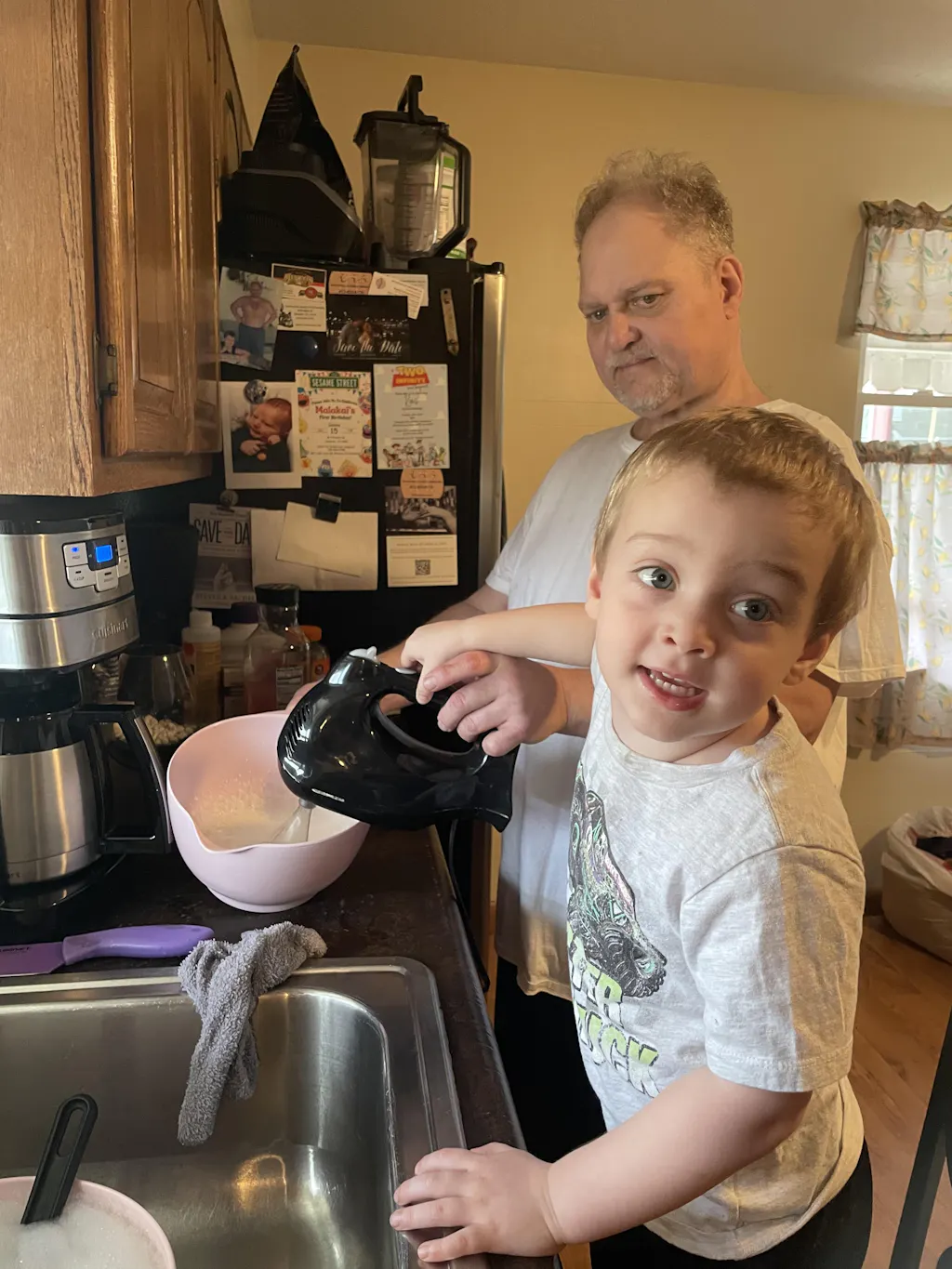
Instead of forcing a plate of broccoli, Mark starts by inviting Leo to "help" him make dinner. He gives Leo a plastic container with a lid and asks him to shake up some salad dressing. Leo feels important and involved. Next, they use a child-safe wavy cutter to slice a cucumber. Mark doesn't ask Leo to eat it; he just asks him to help "sort the green coins."
During the weekend, they work on a project together. They browse our complete collection of one-time kits and choose one that looks fun. Through this screen-free activity, Leo starts to see ingredients as toys and tools. Within a few weeks, because the pressure is gone and the fun has increased, Leo takes a "mouse bite" of a cucumber coin on his own. It’s not a total diet overhaul overnight, but it’s progress—and it’s a joyful memory for both of them.
The Power of the "Safe Food"
Whenever you are trying a new recipe for your picky eater, always include a "safe food" on the plate. A safe food is something you know your child generally likes and will eat.
If you are introducing a new turkey chili, serve it with a side of their favorite crackers or a small bowl of the fruit they love. This ensures that the child doesn't feel overwhelmed or anxious when they sit down. They know there is something on the plate for them, which makes them feel secure enough to potentially explore the "new" item.
Key Takeaway: Exposure is the goal, not a clean plate. Every time your child sees, smells, or touches a new food, they are one step closer to trying it.
Handling the "Milk-Only" Toddler
A common concern for parents is when a toddler seems to want only milk. While milk is a great source of calcium and vitamin D, drinking too much of it can actually lead to iron-deficiency anemia because the child feels too full to eat iron-rich solid foods.
If you’re in this cycle, we recommend:
- Limiting Milk to Meal Times: Try offering water between meals and snacks.
- Serving Milk in a Cup: Sometimes the bottle or sippy cup is more about comfort than hunger. Transitioning to an open cup or a straw cup can help.
- The "Milk Dessert" Rule: Offer the solid food first, and serve the milk alongside or after the meal.
- Flavor Transitions: If they love the creamy texture of milk, try transitioning to yogurt or smoothies, which bridge the gap between liquid and solid.
Sensory Play: It’s Okay to Play with Food!
We often tell kids "don't play with your food," but for a picky eater, playing is the best way to learn.
- Food Painting: Use pureed beets, spinach, and blueberries as "paints" on a piece of white bread.
- Vegetable Stamps: Use the ends of celery or bell peppers to dip in washable paint and stamp on paper.
- Sensory Bins: Dry pasta, beans, or rice make wonderful sensory bins. Let them bury plastic dinosaurs in a "swamp" of dried lentils.
- The Benefit: When children touch these textures with their hands in a low-pressure environment, they become less "scary" to touch with their mouths later.
Batch Cooking for Sanity
As parents, we are busy. You don't need to cook a five-star meal every night. Many of the best toddler recipes for picky eaters can be made in large batches and frozen.
| Meal | Prep Tip | Freezer Life |
|---|---|---|
| Hidden Veggie Meatballs | Mix finely chopped spinach and carrots into ground turkey or beef. | 3 Months |
| Sweet Potato Waffles | Use mashed sweet potato in your waffle batter. Toast them from frozen! | 2 Months |
| Mini Egg Frittatas | Bake eggs and cheese in a mini-muffin tin. | 2 Months |
| Smoothie Packs | Put fruit and spinach in bags; just add liquid and blend. | 6 Months |
Ready for a new adventure every month? Join The Chef's Club and enjoy free shipping on every box.
Kitchen Safety for Tiny Chefs
At I'm the Chef Too!, safety is our top priority. Cooking with toddlers requires constant adult supervision, but it’s a wonderful way to teach boundaries and motor skills.
- 12-24 Months: Can help with pouring pre-measured dry ingredients, stirring (with help), and "washing" vegetables in a bowl of water.
- 2-3 Years: Can help with mashing bananas, whisking eggs, using a rolling pin, and tearing lettuce for salad.
- Safety Rule: Always establish a "safe zone." This is a spot (like a sturdy learning tower or a specific chair) where they stay while "hot" or "sharp" work is happening.
Creating Joyful Family Memories
At the end of the day, feeding your child is about more than just calories; it’s about connection. When we stop viewing picky eating as a battle to be won and start seeing it as a developmental stage to be explored, the atmosphere in the kitchen shifts.
We are committed to helping you find that joy. Whether you are baking together on a rainy Sunday or trying a new "deconstructed" dinner on a Tuesday night, remember that your presence and your patience are the most important ingredients. Our kits are designed by mothers and educators who understand these challenges firsthand. We want to provide you with a screen-free alternative that sparks creativity and builds confidence in your little learner.
Conclusion
Navigating the world of toddler recipes for picky eaters can feel like a journey through an uncharted wilderness, but with the right tools and a bit of "edutainment," it becomes an adventure. We’ve explored why toddlers behave the way they do at the table, the importance of the Division of Responsibility, and shared numerous ways to make food fun, from muffin tin lunches to STEM-based kitchen experiments.
The most important takeaway is to stay patient and keep the pressure low. Your child's palate will evolve, and by involving them in the kitchen, you are giving them the confidence to one day try those "scary" green beans on their own terms.
Are you ready to make learning delicious? We invite you to continue this journey with us. Every month, we deliver a new, hands-on STEM adventure right to your door, complete with pre-measured dry ingredients and specialty supplies. It’s the perfect way to facilitate family bonding while teaching complex subjects through the magic of cooking. Give the gift of learning that lasts all year with a subscription to our Chef's Club today.
FAQ Section
How many times do I need to offer a food before my toddler will try it?
Research suggests it can take anywhere from 10 to 15 exposures (some studies say even more!) before a child is willing to voluntarily taste a new food. "Exposure" can mean seeing the food on your plate, helping to wash it, or even just smelling it. Don't give up after the third try!
Is it okay to hide vegetables in my toddler's food?
Yes, but with a caveat. Boosting nutrition by adding pureed veggies to sauces or muffins is a great strategy. However, we also recommend serving those same vegetables in their whole form on the side. This ensures they get the nutrients now while still becoming familiar with the actual look and taste of the vegetable for the future.
My toddler won't eat any meat. How can they get enough protein?
Most toddlers only need about 13 grams of protein a day, which is surprisingly easy to achieve. Two eggs, a cup of milk, or half a cup of Greek yogurt can meet a large portion of their daily needs. Beans, lentils, quinoa, and nut butters are also excellent plant-based protein sources.
Should I make my child take a "no-thank-you bite"?
While well-intentioned, forcing a bite can sometimes backfire by creating a negative association with that food. Instead, encourage them to "interact" with the food. Can they lick it? Can they touch it to their chin? Can they describe the color? This reduces anxiety and often leads to a voluntary bite later on.
What if my child only eats one type of food for three days straight?
This is called a "food jag," and it is very common. As long as they are generally healthy and growing, it’s usually not a cause for concern. Continue to offer a variety of other foods alongside their favorite, and the phase will likely pass as they get bored and look for something new.
How do I get my toddler involved in the kitchen without it being too messy?
Accept that there will be some mess—it’s part of the learning process! To minimize it, do the heavy prep work (like measuring flour) before inviting them in. Use large bowls to prevent spills, and keep a damp cloth nearby for quick clean-ups. Focus on one small task at a time, like "The Great Egg Stir."
At what age can children start using I'm the Chef Too! kits?
Our kits are designed to be a family experience! While older children can do more independently, toddlers love the sensory experience of mixing, pouring, and seeing the results of their "edutainment" adventures with adult help. Each kit provides a wonderful opportunity for screen-free bonding and hands-on learning.