Table of Contents
- Introduction
- The Science of Protein: Why It Matters for Your Little Explorer
- How Much Protein Does a Toddler Actually Need?
- The Power of the "Edutainment" Kitchen
- High-Protein Breakfast Recipes to Kickstart the Day
- Lunchtime Favorites: Protein-Packed and Kid-Approved
- Snack Time Science: Keeping Energy Levels High
- Dinner Success Stories: Protein for the Whole Family
- Overcoming the Picky Eater Phase
- Meat-Free Protein Options for Toddlers
- Beyond the Plate: Building Life Skills
- Safety First: Adult Supervision in the Kitchen
- Creating Joyful Family Memories
- A Realistic Approach to Nutrition
- Summary of Key Takeaways
- Conclusion
- Frequently Asked Questions (FAQs)
Introduction
Have you ever watched your toddler suddenly transform from a high-energy explorer into a tired, cranky little person right before nap time? It is a common scene in many homes: the "afternoon slump" hits, and suddenly, the smallest frustration leads to a big meltdown. Often, this dip in mood and energy isn't just about sleep; it is about fuel. As parents, we want to give our children the best start possible, and that begins with the food on their plates.
We often focus on getting them to eat their "greens," but there is another essential nutrient that acts as the foundation for their growing bodies: protein. Whether you are dealing with a picky eater who refuses anything that isn't a cracker or you are simply looking for fresh ways to keep your little one full and focused, finding the right toddler protein recipes can be a game-changer.
In this guide, we are going to explore why protein is so vital for development, how much your child actually needs (spoiler: it might be less than you think!), and provide a wealth of delicious, kitchen-tested recipes that make mealtime an adventure. At I'm the Chef Too!, our mission is to blend food, STEM, and the arts into one-of-a-kind "edutainment" experiences. We believe that when kids get hands-on in the kitchen, they aren't just making a meal; they are learning about the world around them.
By the end of this post, you will have a full toolkit of protein-rich ideas that spark curiosity and creativity in your children while facilitating joyful family bonding. Our main message is that providing your child with nutritious, protein-packed food doesn't have to be a chore—it can be a delicious adventure that builds confidence and creates lasting memories.
The Science of Protein: Why It Matters for Your Little Explorer
When we think of protein, we might imagine bodybuilders or athletes, but for a toddler, protein is the "master builder." Every single cell in your child’s body contains protein. It is responsible for building and repairing tissues, making enzymes and hormones, and supporting a healthy immune system. Because toddlers are growing at such a rapid pace, their demand for these "building blocks" is constant.
Think of protein as the structural support of a house. Just as you need sturdy beams to hold up the roof, your child needs protein to build strong muscles and bones. But it goes beyond just physical growth. Protein is also essential for brain development. It helps produce neurotransmitters, which are the chemical messengers that allow the brain to communicate. This means that a protein-rich diet can help support focus, mood regulation, and cognitive function.
Another major benefit of protein for toddlers is satiety. Have you noticed that your child is hungry again just thirty minutes after eating a bowl of sugary cereal? That is because carbohydrates digest quickly, leading to a spike and then a crash in energy. Protein takes longer to digest, which helps keep your child feeling full and satisfied for longer periods. This leads to more stable energy levels throughout the day—meaning fewer "hangry" outbursts for them and more peace of mind for you!
How Much Protein Does a Toddler Actually Need?
One of the most common worries we hear from parents is that their child isn't getting enough protein. However, according to the American Academy of Pediatrics, most children in developed countries actually get more than enough.
For toddlers aged 1 to 3, the daily requirement is roughly 13 grams of protein. To put that into perspective, here is what 13 grams looks like in common foods:
- Two small eggs (approx. 12g)
- Half a cup of Greek yogurt (approx. 10-12g)
- Two tablespoons of peanut butter (approx. 7-8g)
- Two ounces of chicken (approx. 14g)
As you can see, it doesn’t take a massive amount of food to meet their needs. The average toddler only needs about 2 to 3 servings of protein per day. If your child drinks milk or eats cheese, they are likely already halfway there! The goal isn't to overload them with protein but to incorporate it consistently into their meals and snacks to provide balanced energy.
If you are looking for a way to make this learning process even more exciting, consider how we approach education at I'm the Chef Too!. We love teaching complex subjects like biology and chemistry through tangible, hands-on cooking adventures. Ready for a new adventure every month? Join The Chef's Club and enjoy free shipping on every box to see how we turn every ingredient into a lesson!
The Power of the "Edutainment" Kitchen
At I'm the Chef Too!, we are committed to sparking curiosity and providing a screen-free educational alternative. We believe the kitchen is the best laboratory in the house. When you are making these toddler protein recipes, you aren't just preparing food; you are teaching your child about volume, temperature, chemical reactions, and even biology.
For example, when you whisk an egg, you are witnessing the denaturation of proteins—a scientific process where the protein structures unfold and bond together. When you bake a protein-packed muffin, you are seeing the interaction between leavening agents and heat.
By involving your toddler in the process—letting them pour the pre-measured lentils or stir the Greek yogurt—you are building their confidence and making them more likely to try new foods. A child who helps "build" their lunch is much more invested in eating it! Find the perfect theme for your little learner by browsing our complete collection of one-time kits to find even more ways to bring the classroom into the kitchen.
High-Protein Breakfast Recipes to Kickstart the Day
Breakfast sets the tone for the entire day. A protein-rich start can help your toddler stay focused during morning play and prevent that mid-morning meltdown.
1. Fluffy Greek Yogurt Pancakes
Greek yogurt is a secret weapon in toddler protein recipes. It adds a wonderful tang, keeps the pancakes moist, and significantly boosts the protein content compared to traditional mixes.
The STEM Connection: Talk to your child about how the baking soda reacts with the acidic yogurt to create tiny bubbles of carbon dioxide, which makes the pancakes fluffy!
- Ingredients: 1 cup flour, 1 tsp baking powder, 1/2 tsp baking soda, 1 cup Greek yogurt, 1 egg, and 1/4 cup milk.
- The Method: Whisk the dry ingredients, fold in the wet ingredients, and cook on a griddle.
- Little Chef Tip: Let your toddler help by "mashing" blueberries into the batter before flipping.
2. Rainbow Mini Egg Muffins
These are perfect for busy mornings because you can make them ahead of time. They are packed with protein and are a great way to "hide" some finely chopped veggies.
- Ingredients: 6 eggs, 1/4 cup milk, 1/2 cup shredded cheese, and finely chopped spinach or peppers.
- The Method: Whisk eggs and milk, stir in the rest, pour into a greased mini-muffin tin, and bake at 350°F for 15 minutes.
- Why it works: The small size is perfect for little hands, and the cheese makes the protein source very palatable for picky eaters.
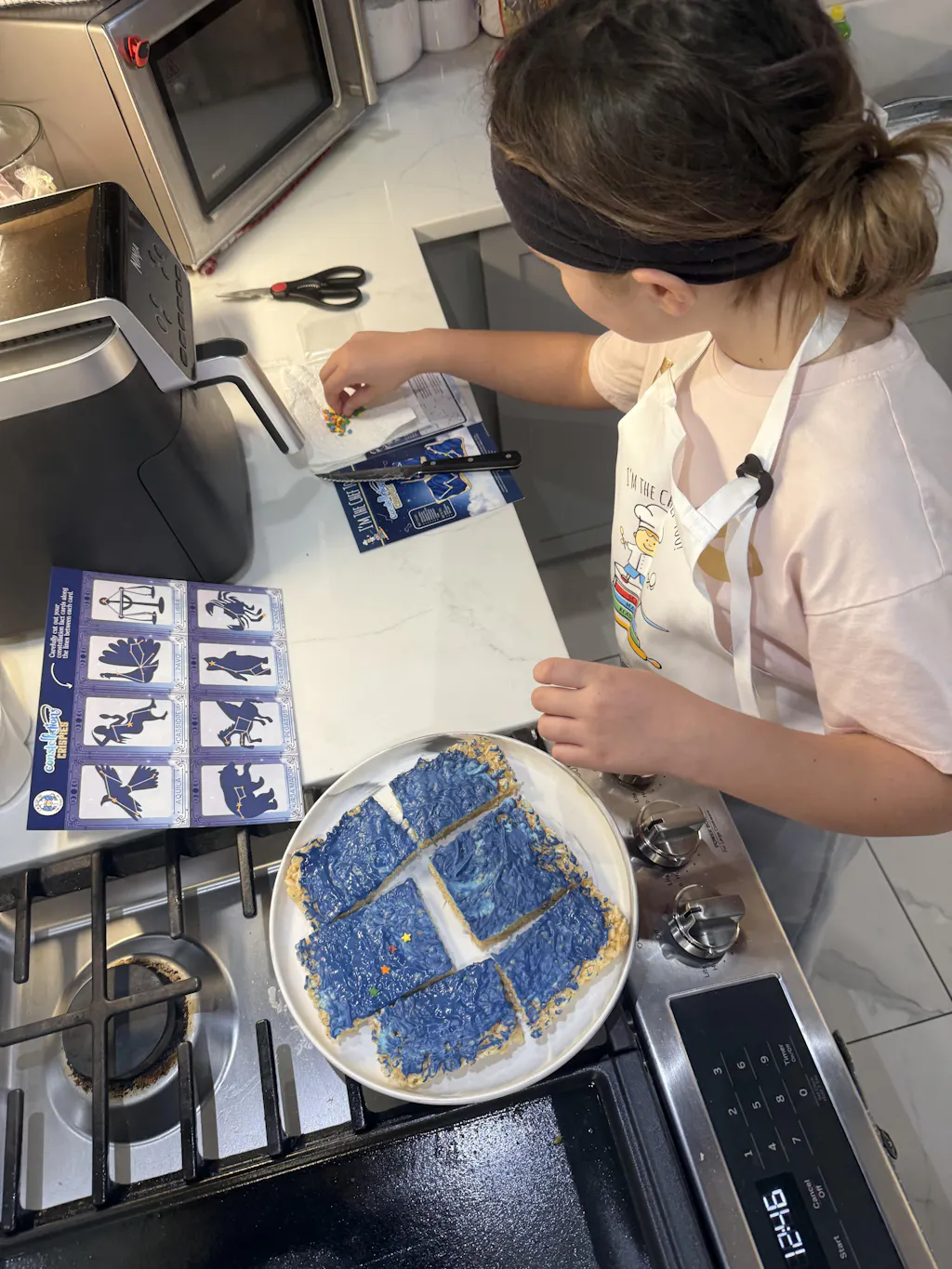
While you are waiting for your muffins to bake, you can explore astronomy by creating your own edible solar system with our Galaxy Donut Kit. It is a fantastic way to keep the learning going while you wait for breakfast to be served!
Lunchtime Favorites: Protein-Packed and Kid-Approved
Lunch is often the meal where toddlers get the most restless. Keeping things "finger-food" friendly is key.
3. Homemade Chicken and Sweet Potato Nuggets
Most toddlers love nuggets, but store-bought versions can be low in actual protein and high in fillers. By making your own, you control the ingredients. Adding mashed sweet potato provides extra vitamins and keeps the chicken moist.
- Ingredients: 1 lb ground chicken, 1/2 cup mashed sweet potato, 1/2 cup breadcrumbs, and a pinch of garlic powder.
- The Method: Mix the chicken and sweet potato, form into small discs, coat in breadcrumbs, and bake or air fry until golden.
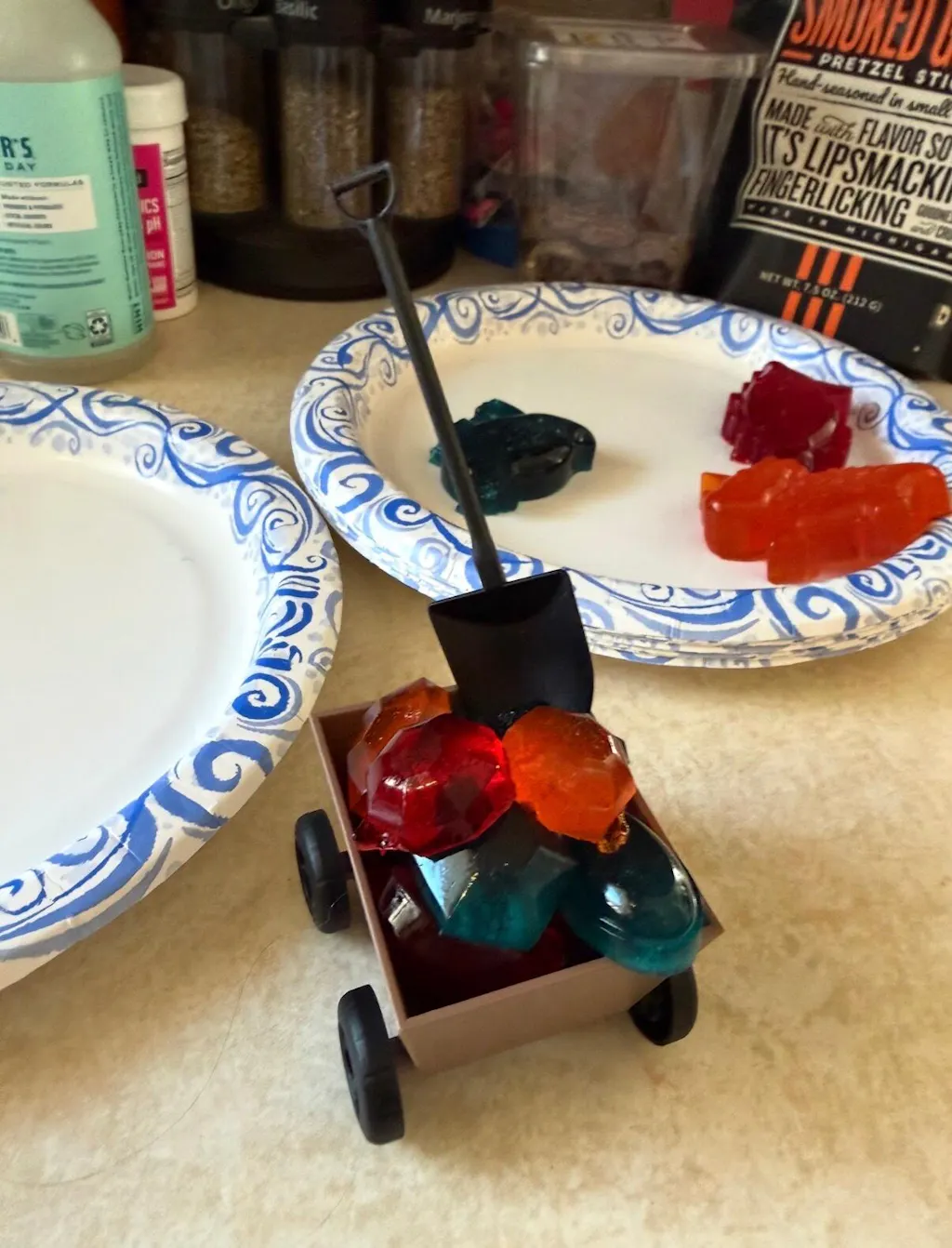
- The Adventure: Tell your child you are making "Gold Nuggets" like a real geologist!
4. Cheesy Lentil "Nuggets"
For a vegetarian option, lentils are a protein powerhouse. When mashed with cheese and breadcrumbs, they take on a texture very similar to meat, making them a hit with toddlers.
- Ingredients: 1 cup cooked red lentils (very soft), 1/2 cup shredded cheddar, 1/2 cup breadcrumbs, 1 egg.
- The Method: Combine all ingredients, form into small balls or nuggets, and bake at 375°F for 20 minutes.
- Family Bonding: Have a "dipping party" where you try these with hummus, yogurt dip, or mild salsa.
Ready for a new adventure every month? Join The Chef's Club and enjoy free shipping on every box to ensure you always have the supplies you need for your next kitchen discovery.
Snack Time Science: Keeping Energy Levels High
Snacks are a vital part of a toddler's diet because their stomachs are small and they burn energy quickly. Instead of reaching for processed puffs, try these protein-rich alternatives.
5. Creamy Hummus and "Trees"
Hummus is made from chickpeas, which are an excellent source of plant-based protein and fiber.
- Ingredients: 1 can chickpeas (rinsed), 1 tbsp tahini, 1 tbsp lemon juice, 1 clove garlic (optional), and olive oil.
- The Method: Blend everything until smooth.
- Interactive Play: Serve with "trees" (steamed broccoli florets) or "swords" (carrot sticks) to dip. This turns eating into a storytelling experience.
6. Peanut Butter (or SunButter) Banana Sushi
This is a fun, no-cook snack that kids can help assemble.
- Ingredients: Whole wheat tortilla, nut or seed butter, and a banana.
- The Method: Spread the butter on the tortilla, place the banana at the edge, roll it up tight, and slice into "sushi" rounds.
- Educational Moment: Talk about how the "sticky" butter acts like glue to hold the roll together!
Even beloved animals can make learning fun, like when kids make Wild Turtle Whoopie Pies. It’s a great way to talk about animal habitats while enjoying a sweet, protein-contained treat.
Dinner Success Stories: Protein for the Whole Family
Dinner is often the hardest time of day for parents. Everyone is tired, and the pressure to produce a "perfect" meal can be high. These toddler protein recipes are designed to be enjoyed by adults, too!
7. Turkey and Spinach Baby Meatballs
Meatballs are the ultimate toddler food. They are soft, easy to chew, and can be frozen for later. Adding spinach adds iron, while turkey provides lean protein.
- Ingredients: 1 lb ground turkey, 1/2 cup finely chopped spinach, 1/4 cup breadcrumbs, 1 egg, and 1/4 cup grated parmesan.
- The Method: Mix everything gently (don't overwork it, or they will be tough!), roll into 1-inch balls, and bake at 400°F for 15-18 minutes.
- Adult Version: Serve these over whole grain pasta with a robust marinara, while the toddler enjoys them as-is or with a little dipping sauce.
8. Greek Yogurt Pizza Dough
Yes, you can make pizza dough with yogurt! This is a fantastic "emergency" dinner because it requires no yeast and no rising time. It is significantly higher in protein than traditional dough.
- Ingredients: 1 cup Greek yogurt and 1 1/2 cups self-rising flour.
- The Method: Mix until a dough forms, knead for a minute, roll out, add toppings, and bake at 450°F for 10-12 minutes.
- Kitchen Science: Ask your child to feel the dough before and after kneading. Talk about how the gluten "stretches" like a rubber band.
Give the gift of learning that lasts all year with a 12-month subscription to our STEM cooking adventures. Our boxes provide a complete experience, including pre-measured dry ingredients and specialty supplies, making these "pizza nights" even easier to manage.
Overcoming the Picky Eater Phase
It is completely normal for toddlers to go through a phase of food neophobia—the fear of new foods. Often, this includes rejecting meat or textures that feel "stringy" or "tough." Here are some strategies to help integrate more protein without the power struggle:
- Change the Texture: Many toddlers don't dislike the taste of chicken; they dislike the effort of chewing it. Grinding meat or using soft protein sources like beans, tofu, or eggs can make a huge difference.
- Dip Everything: Toddlers love autonomy. Providing a healthy dip (yogurt-based ranch, hummus, or even a little sugar-free ketchup) can make a "scary" protein source feel more approachable.
- The "One-Bite" Rule: Encourage your child to try one tiny bite without pressure. If they don't like it, that's okay! It can take up to 15 exposures for a child to accept a new food.
- Involve Them in the "Story": Use a chemical reaction that makes our Erupting Volcano Cakes bubble over with deliciousness to show them that food is exciting. When they see the magic of the kitchen, they become more adventurous eaters.
Meat-Free Protein Options for Toddlers
Whether your family follows a vegetarian diet or you just want to incorporate more plants, there are plenty of meat-free toddler protein recipes.
9. Silken Tofu Smoothies
Silken tofu has a neutral flavor and a creamy texture, making it an incredible protein addition to fruit smoothies.
- Ingredients: 1/2 cup silken tofu, 1 cup frozen berries, 1/2 banana, and 1/2 cup milk of choice.
- The Method: Blend until smooth.
- The Benefit: Your toddler will think they are having a milkshake, but they are actually getting a high-protein, antioxidant-rich meal.
10. Quinoa and Cheese "Bites"
Quinoa is a rare plant source that is a complete protein, meaning it contains all nine essential amino acids.
- Ingredients: 1 cup cooked quinoa, 1 egg, 1/2 cup shredded cheese, and finely chopped steamed broccoli.
- The Method: Mix and press into a mini-muffin tin. Bake at 350°F for 15-20 minutes.
- Little Chef Tip: Let your toddler use their clean fingers to "press" the mixture into the tin.
Not ready to subscribe? Explore our full library of adventure kits available for a single purchase in our shop. These kits are a great way to test out the I'm the Chef Too! experience and see how hands-on learning changes the way your child interacts with food.
Beyond the Plate: Building Life Skills
Cooking with your toddler is about so much more than just nutrition. At I'm the Chef Too!, we see the kitchen as a place where key life skills are born.
- Confidence: When a toddler successfully pours flour without spilling (or even if they do spill!), they are learning coordination and self-efficacy.
- Math Skills: Counting eggs, measuring "half a cup," and seeing the passage of time on a kitchen timer are all early math concepts.
- Language Development: "Whisk," "simmer," "protein," and "knead" are all wonderful new words to add to their vocabulary.
- Patience: Waiting for the oven to beep is a tough but necessary lesson in delayed gratification!
Give the gift of learning that lasts all year with a 12-month subscription to our STEM cooking adventures. Our boxes are developed by mothers and educators who understand exactly how to tailor these lessons for young, curious minds.
Safety First: Adult Supervision in the Kitchen
While we encourage kids to be hands-on, safety is always our top priority. When making these toddler protein recipes, please remember:
- Adult Supervision: An adult should always be present and in charge of any heat sources, sharp knives, or electrical appliances.
- Age-Appropriate Tasks: Toddlers are great at stirring, mashing, and pouring. Leave the chopping and the hot stove work to the grown-ups.
- Hand Washing: Teach your little one the importance of washing hands before and after handling food, especially raw eggs or meat.
- Choking Hazards: Always ensure that foods are cut into age-appropriate sizes. Whole grapes, large chunks of meat, or whole nuts should be avoided for young toddlers.
Creating Joyful Family Memories
In the end, the most important "ingredient" in any of these recipes is the time you spend together. In our fast-paced world, finding a screen-free way to connect can be challenging. Cooking offers a unique opportunity to slow down, talk, and create something tangible.
Imagine years from now, your child won't just remember the protein-packed muffins they ate; they will remember the smell of the kitchen, the sound of your laughter as you both got flour on your noses, and the pride they felt when they served a "masterpiece" to the family. This is the heart of what we do at I'm the Chef Too!. We aren't just teaching kids to cook; we are helping you build a foundation of curiosity and love for learning that will stay with them for a lifetime.
A Realistic Approach to Nutrition
It is important to set realistic expectations. Some days, your toddler will love the turkey meatballs; other days, they might only want to eat the breadcrumbs. That is okay! Feeding a child is a marathon, not a sprint. By consistently offering a variety of these toddler protein recipes and keeping the atmosphere light and educational, you are doing a fantastic job.
We don't promise that your child will become a top scientist overnight, but we do promise that by focusing on the process—the whisking, the measuring, the tasting—you are fostering a love for learning and building their confidence one delicious bite at a time.
Summary of Key Takeaways
To recap, here is how you can master protein for your toddler:
- Know the Needs: Most toddlers only need about 13 grams of protein a day. Don't stress the numbers; focus on variety.
- Embrace Variety: Use eggs, Greek yogurt, beans, lentils, tofu, and lean meats to keep things interesting.
- Make it Fun: Use the "edutainment" approach. Turn mealtime into a science experiment or an art project.
- Involve Them: Kids are more likely to eat what they help create.
- Stay Patient: Picky eating is a phase. Keep offering healthy options without pressure.
Key Takeaway: Protein is the building block of growth, but the secret ingredient to a healthy eater is curiosity. When we turn the kitchen into a classroom, we nourish both the body and the mind.
Conclusion
We hope this guide has given you the inspiration and the practical tools you need to bring more protein-rich adventures into your kitchen. Whether you are whipping up a batch of Greek yogurt pancakes on a Saturday morning or baking "geologist" chicken nuggets for a quick Tuesday lunch, you are doing more than just feeding your child. You are teaching them, bonding with them, and setting them up for a lifetime of healthy, curious habits.
At I'm the Chef Too!, we are here to support you every step of the way. Our kits are designed to take the stress out of planning and to bring the "wow" factor back into learning. From geology to astronomy, we make the world’s most complex subjects delicious and accessible for your little chef.
Ready for a new adventure every month? Join The Chef's Club and enjoy free shipping on every box. Let’s make every meal an educational journey and every snack an opportunity for discovery. Subscribe today and start creating those delicious family memories!
Frequently Asked Questions (FAQs)
1. What if my toddler is allergic to eggs or dairy?
There are many excellent plant-based protein sources! Lentils, chickpeas, beans, tofu, and quinoa are all fantastic "complete" or "near-complete" proteins. You can substitute Greek yogurt with soy or pea-protein-based yogurts, and use flax eggs (1 tbsp ground flaxseeds + 3 tbsp water) in many baking recipes.
2. Can toddlers have too much protein?
While rare in a standard diet, excessive protein can put a strain on a toddler's developing kidneys. Stick to the recommended 2-3 small servings a day. If you are using protein powders or supplements, always consult with your pediatrician first, as most kids do not need them.
3. How do I get my toddler to eat meat if they hate the texture?
Try "tenderizing" the experience. Slow-cooked meats that shred easily are often better received than a grilled chicken breast. You can also finely mince meat and mix it into familiar foods like pasta sauce, mashed potatoes, or even "hidden" in veggie-packed muffins.
4. Are plant-based proteins as good as animal proteins?
Yes! While some plant proteins are "incomplete" (meaning they don't have all nine essential amino acids), eating a variety of plants throughout the day ensures your child gets everything they need. For example, pairing beans with rice or peanut butter with whole-grain bread creates a complete protein.
5. My toddler only wants to eat snacks. What should I do?
Shift your mindset! Instead of fighting for "three big meals," offer 5-6 "mini-meals" that are all balanced with a protein, a fat, and a fiber. A snack of cheese, crackers, and apple slices is a perfectly balanced mini-meal!
6. At what age can my child start helping in the kitchen?
Even children as young as 18 months can help with simple tasks like "dumping" pre-measured ingredients into a bowl or stirring with a sturdy spoon. As they get older, their tasks can become more complex. Always provide close supervision.
7. Does I'm the Chef Too! offer kits for children with dietary restrictions?
Many of our kits are naturally adaptable! We focus on the STEM and art of the experience, and many parents find they can easily swap out milk or flour for their preferred alternatives to suit their family's needs. We recommend reviewing the specific ingredient lists on our product pages.