Table of Contents
- Introduction
- Why Protein is the Ultimate Brain Fuel
- Understanding the Picky Eater Mindset
- The Drinkable Breakfast: Protein Smoothies and Shakes
- Pancakes and Waffles: The High-Protein Upgrade
- The Savory Side: Eggs and Beyond
- Grains with a Protein Boost
- Strategies for Stress-Free Mornings
- Kitchen STEM: Turning Breakfast into a Lesson
- A Guide to Protein Sources for Kids
- Sample High-Protein Weekly Menu for Picky Kids
- How Much Protein Does Your Child Actually Need?
- The Role of Supplements: Are Protein Powders Safe?
- Engaging the Senses: A Lesson in Food Science
- The "Leftover" Secret
- Cooking as a Bonding Experience
- Frequently Asked Questions (FAQ)
- Conclusion
Introduction
Does your morning routine feel like a high-stakes negotiation at a world summit? If you are a parent or educator, you probably know the "breakfast battle" all too well. One child refuses anything green, another only wants "white foods" like plain toast, and everyone is running five minutes behind schedule. We often hear from parents that getting a nutritious, high-protein meal into a picky eater feels nearly impossible. However, starting the day with protein isn’t just about filling bellies; it is about fueling brains for the big adventures ahead.
At I'm the Chef Too!, we believe that the kitchen is the ultimate laboratory. Our mission is to blend food, STEM, and the arts into one-of-a-kind "edutainment" experiences that spark curiosity and creativity. We know that when children are involved in the process of making their food, they are much more likely to try new things—even those protein-packed ingredients they usually avoid.
In this blog post, we will explore why protein is a game-changer for focus and energy, especially for children who might struggle with attention or sensory preferences. We will provide dozens of kid-approved, high-protein breakfast ideas that range from "hidden" protein pancakes to drinkable smoothies. We will also dive into the science of cooking and how you can turn your morning meal into a screen-free educational opportunity. Our goal is to help you build confidence in the kitchen while creating joyful family memories.
By the end of this guide, you will have a toolkit of recipes and strategies to ensure even the pickiest eaters get the start they deserve. Whether you are looking for a quick win on a Tuesday or a weekend kitchen experiment, we have you covered. Ready for a new adventure every month? Join The Chef's Club and enjoy free shipping on every box.
Why Protein is the Ultimate Brain Fuel
Before we dive into the recipes, it is important to understand why we emphasize protein so much. For kids, especially those in their peak growing years, protein is the building block of muscles, skin, and enzymes. But from an educational perspective, the most exciting role of protein is its impact on the brain.
Research has shown a direct link between what a child eats for breakfast and how they perform in the classroom. A high-carbohydrate breakfast—like a sugary cereal or a plain bagel with jelly—can cause a quick spike in blood sugar followed by a sharp "crash." This crash often leads to irritability, fatigue, and a loss of focus right around mid-morning. On the other hand, protein helps steady blood sugar levels, providing a slow and sustained release of energy.
For children with ADHD or those who find it hard to sit still, protein is even more critical. It helps produce neurotransmitters like dopamine and norepinephrine, which are essential for attention and learning. In fact, some studies suggest that children who eat a protein-rich breakfast show improved math and reading scores and lower levels of anxiety compared to those who skip breakfast or eat only simple carbs.
At I'm the Chef Too!, we love connecting these nutritional facts to real-life science. When we teach kids about how their bodies use fuel, we are teaching them biology in the most delicious way possible. Give the gift of learning that lasts all year with a 12-month subscription to our STEM cooking adventures.
Understanding the Picky Eater Mindset
"Picky eating" is often more than just a preference; it is a sensory experience. Some children are sensitive to textures—like the "lumpiness" of cottage cheese or the "sliminess" of a fried egg. Others are "beige eaters," preferring foods that are predictable and mild in flavor.
The key to introducing a high protein breakfast for picky kids is to work with their current preferences rather than against them. If your child loves waffles, we don't take the waffles away; we upgrade them. If your child loves chocolate, we find ways to incorporate protein into a chocolate-flavored shake.
We also advocate for "stealth health" and "involvement." While "hiding" ingredients can work in the short term, involving your child in the kitchen is the best long-term strategy for expanding their palate. When a child measures the flour, cracks the egg, or watches a "chemical reaction" happen in a bowl, they develop a sense of ownership over the meal. This is why our kits are designed to be hands-on; we want kids to feel like the lead scientist in their own kitchen.
The Drinkable Breakfast: Protein Smoothies and Shakes
Smoothies are a secret weapon for parents of picky eaters. They have a consistent texture, they can be made to taste like a milkshake, and you can pack an incredible amount of nutrition into a single straw.
The "Milkshake" Strategy
If your child is suspicious of anything that looks "healthy," start with a base they recognize. A Chocolate Peanut Butter Smoothie is almost always a hit. By using Greek yogurt or a high-protein milk (like soy or ultra-filtered cow’s milk), you can easily reach 20-30 grams of protein.
- The Science Tip: Talk to your kids about "emulsification." When you blend yogurt, fruit, and milk, you are creating a stable mixture of substances that wouldn't normally stay together. It’s chemistry in a glass!
Dreamsicle Protein Smoothie
For a fruitier option, try a "Dreamsicle" blend. Use frozen mango, a peeled orange, and vanilla protein powder. The citrus provides a bright flavor that masks the taste of the protein powder. You can even add hemp hearts for an extra boost of healthy fats and protein without changing the texture.
Make-Ahead Smoothie Packs
To save time on school mornings, you can prep smoothie "kits" over the weekend. Place your fruit, seeds, and protein powder into a silicone bag and store it in the freezer. In the morning, just dump the bag into the blender, add your liquid, and you are done in less than 60 seconds.
Pancakes and Waffles: The High-Protein Upgrade
Most kids will never turn down a pancake. The problem with traditional boxed mixes is that they are mostly refined flour and sugar. However, with a few simple swaps, you can turn this "treat" into a high-protein powerhouse.
Blender Cottage Cheese Pancakes
This is a game-changer for kids who hate the texture of cottage cheese. By throwing the cottage cheese into a blender with eggs and oats, you create a smooth, creamy batter that tastes exactly like a traditional pancake but packs a massive protein punch.
- STEM Connection: Watch how the bubbles form when the batter hits the hot griddle. This is a result of the leavening agent (like baking powder) reacting with the heat to create carbon dioxide gas. This makes the pancakes "fluffy." It’s a great way to talk about gas expansion!
Protein Waffles (Freezer Friendly)
You can make a big batch of protein waffles on Sunday and pop them in the toaster all week. Use a mix of oat flour and protein powder to keep them filling. To make them even more enticing, let your child "paint" their waffle with nut butter or Greek yogurt "frosting."
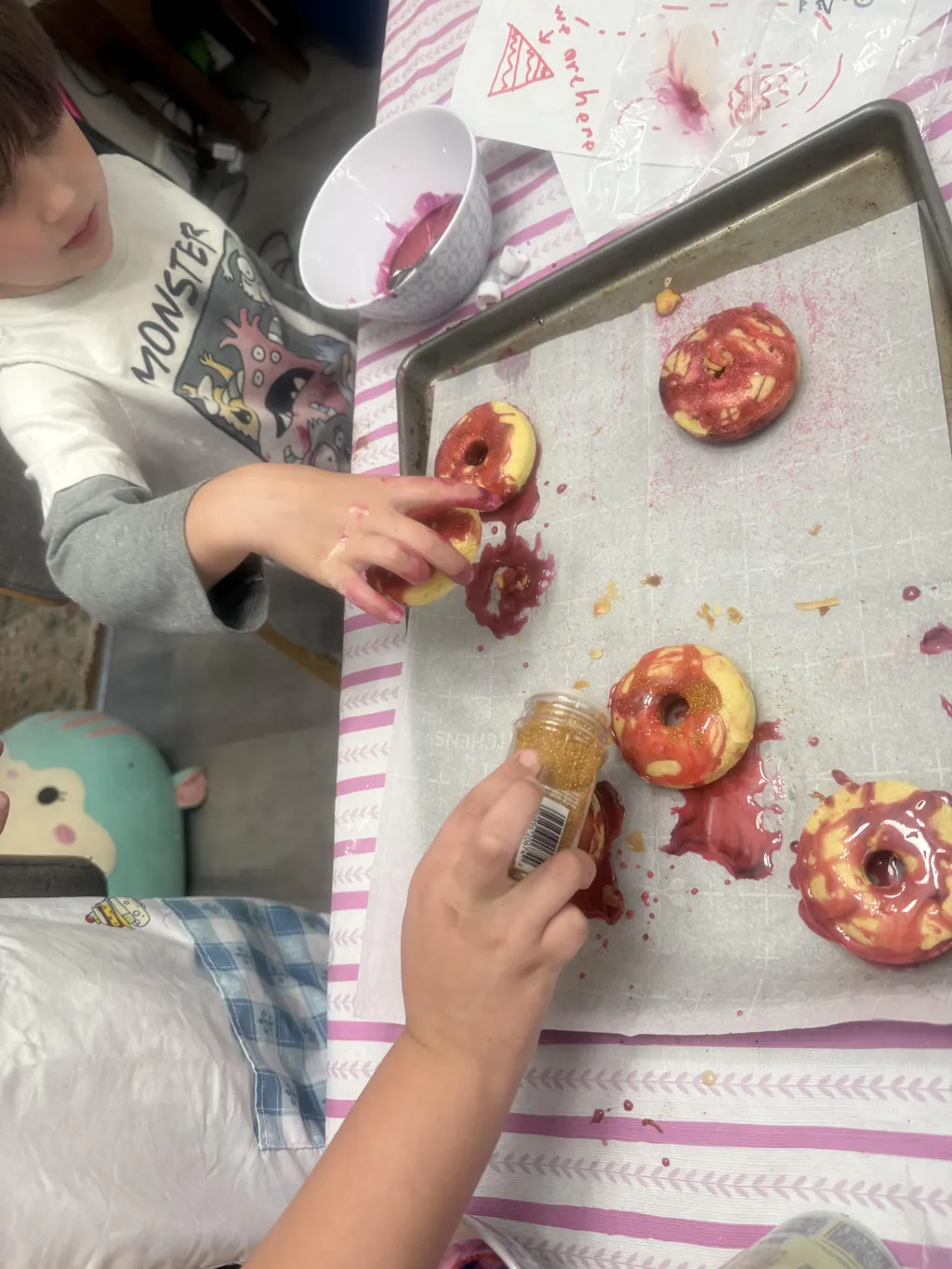
If your child loves the idea of food that looks like something else, they might enjoy exploring other themed treats. For instance, you could discuss geology while baking something that looks like the earth’s crust. Explore astronomy by creating your own edible solar system with our Galaxy Donut Kit.
The Savory Side: Eggs and Beyond
Eggs are often called the "gold standard" for protein because they contain all the essential amino acids your body needs. However, for a picky kid, a plain scrambled egg can be a tough sell.
Homemade Egg Bites
Inspired by the popular coffee shop version, these are small, crustless quiches baked in a muffin tin. The trick for picky eaters is to keep the "add-ins" very small. Diced ham or finely shredded cheese usually goes over well. If you have a child who loves to help, let them whisk the eggs—it’s great for developing fine motor skills!
Breakfast Biscuit "Bombs"
If your child loves bread, try stuffing a small amount of scrambled egg and cheese inside a piece of biscuit dough and baking it. It’s like a homemade "hot pocket." It hides the "scary" texture of the eggs inside a familiar, fluffy bun.
The Breakfast Burrito
A whole wheat tortilla filled with scrambled eggs and black beans is a fantastic way to get both protein and fiber. To make it more "fun," call it a "Breakfast Taco" and let them choose their toppings, like mild salsa or a dollop of Greek yogurt (which tastes remarkably like sour cream).
Grains with a Protein Boost
Oatmeal is a classic breakfast, but on its own, it is mostly carbohydrates. To make it a high protein breakfast for picky kids, you have to get creative with the "mix-ins."
Overnight Oats "Pudding"
Many kids refuse oatmeal because it is "mushy." Overnight oats have a different, more pudding-like texture that some children prefer. Mix old-fashioned oats with Greek yogurt and milk, then let it sit in the fridge. In the morning, it’s cold and creamy.
- Educational Activity: Have your child measure the liquid versus the solid oats. This is a lesson in "absorption." The oats "drink" the milk overnight, changing from hard and dry to soft and edible.
Quinoa Breakfast Porridge
While we usually think of quinoa as a dinner food, it is actually a complete protein and makes a wonderful hot cereal. It has a slightly nutty flavor and a fun, "poppy" texture. Serve it with a drizzle of honey and some sliced bananas.
High-Protein Cereal 2.0
If your child absolutely insists on cereal, don't despair. You can "fortify" their bowl. Use a high-protein milk (like soy) and add a handful of "crunchies" like hemp seeds or chopped almonds. It’s a simple way to add 5-10 grams of protein without a fight.
Strategies for Stress-Free Mornings
The key to a successful morning isn't just the food; it's the environment. If the house is chaotic, a picky eater is more likely to shut down and refuse to eat.
The "Protein Prep" Station
Set aside 15 minutes on Sunday to prep ingredients. Wash the berries, hard-boil a few eggs, and portion out the yogurt. When the components are ready to go, you are less likely to reach for a sugary cereal bar.
Screen-Free Transitions
At I'm the Chef Too!, we are big advocates for screen-free alternatives. Instead of having the TV on during breakfast, try a "table talk" card or a quick kitchen science question. "Why do you think the milk turns brown when we add cocoa powder?" This keeps their brains engaged and helps them focus on the sensory experience of eating.
The "Two Choices" Rule
Picky eaters often feel a lack of control. Give them back that control by offering two high-protein options. "Do you want the peanut butter toast or the yogurt parfait?" Both are wins for you, but the choice is theirs.
Kitchen STEM: Turning Breakfast into a Lesson
We believe that every meal is an opportunity to learn. When you are making a high protein breakfast for picky kids, you can sneak in some "edutainment" alongside the nutrition.
The Chemistry of Eggs
When you cook an egg, you are watching "denaturation" in action. The proteins in the egg are like tiny curled-up strings. When you apply heat, those strings uncurl and then bond back together, turning the liquid egg into a solid. This is a permanent chemical change—you can't turn a cooked egg back into a raw one!
The Physics of Smoothies
Why does adding frozen fruit make a smoothie thicker than adding ice? It’s all about the fiber and the way the cells in the fruit break down. This is a great way to talk about "viscosity" (how thick a liquid is).
Biology and Your Body
Explain to your child that their body is like a high-performance machine. The protein they are eating is like the "structural steel" used to build skyscrapers. It makes them strong and helps their brain send messages faster. When kids understand the purpose of the food, they are often more willing to eat it.
If your child is a fan of animals or nature, you can even relate protein to the animal kingdom. For example, how do turtles get the energy to swim across the ocean? Even beloved animals can make learning fun, like when kids make Wild Turtle Whoopie Pies.
A Guide to Protein Sources for Kids
Not all protein is created equal. If you are trying to hit those daily requirements, it helps to know which foods offer the most "bang for your buck." Here is a quick reference guide:
| Food Item | Protein Content (Approx.) |
|---|---|
| Greek Yogurt (1 cup) | 15 - 20g |
| Large Egg (1) | 6g |
| Cottage Cheese (1/2 cup) | 12 - 14g |
| Peanut Butter (2 tbsp) | 7 - 8g |
| Milk (1 cup cow/soy) | 8g |
| Pumpkin Seeds (1/4 cup) | 9g |
| Black Beans (1/2 cup) | 7g |
Note: Always supervise children in the kitchen, especially when using stoves, blenders, or knives. Safety is our top priority!
Sample High-Protein Weekly Menu for Picky Kids
To help you get started, here is a sample 5-day plan that balances convenience with nutrition.
- Monday: "Milkshake" Smoothie (Chocolate, banana, Greek yogurt, soy milk).
- Tuesday: Peanut Butter Banana Toast on whole-grain bread with a side of string cheese.
- Wednesday: Make-ahead Egg Muffins (cheddar cheese and tiny ham bits).
- Thursday: Vanilla Greek Yogurt Parfait with high-protein granola and strawberries.
- Friday: Blender Cottage Cheese Pancakes (make a double batch for the weekend!).
This variety ensures your child doesn't get "bored" and exposes them to different textures and flavors in a safe, controlled way. Ready for a new adventure every month? Join The Chef's Club and enjoy free shipping on every box.
How Much Protein Does Your Child Actually Need?
It is easy to get overwhelmed by numbers, but the good news is that most children can meet their protein needs quite easily if they eat a balanced diet. According to general health guidelines, here are the minimum daily requirements:
- Ages 1-3: 13 grams
- Ages 4-8: 19 grams
- Ages 9-13: 34 grams
A single cup of milk and a peanut butter sandwich can almost meet the entire daily requirement for a 5-year-old! The goal of a high-protein breakfast isn't necessarily to exceed these numbers but to distribute the protein throughout the day so that their energy stays stable. Instead of one giant protein-heavy dinner, we want to give them "fuel injections" at every meal.
The Role of Supplements: Are Protein Powders Safe?
Many parents ask if they should use protein powders for their picky eaters. The short answer is: they can be a helpful tool, but they shouldn't be the only source of protein.
If you choose to use a protein powder, look for one with a simple ingredient list and no artificial sweeteners. Whey protein and pea protein are generally well-tolerated by children. A half-scoop in a morning smoothie can be a great insurance policy for those days when they refuse everything else. However, remember that whole foods (like eggs, beans, and yogurt) also provide fiber, vitamins, and minerals that powders often lack.
At I'm the Chef Too!, we love using whole ingredients because they offer a more sensory learning experience. Smelling a fresh orange, feeling the texture of dry oats, and seeing a bright yellow egg yolk are all part of the educational journey.
Engaging the Senses: A Lesson in Food Science
One reason kids are picky is that they are overwhelmed by new sensory input. You can turn this into a game. Before breakfast, have a "Sensory Minute."
- Sight: What colors do you see on your plate? Are they bright or dull?
- Smell: Does the oatmeal smell sweet like cinnamon or earthy like grains?
- Touch: Is the pancake soft or crispy?
- Sound: What sound does the cereal make when you pour the milk?
By turning the focus to "investigation," you take the pressure off of "eating." When a child is a "scientist" investigating a new substance, they are often much more willing to take a "test bite." This approach is at the heart of everything we do. We want to foster a love for learning and build confidence, one delicious experiment at a time.
Find the perfect theme for your little learner by browsing our complete collection of one-time kits.
The "Leftover" Secret
Who says breakfast has to be "breakfast food"? In many cultures around the world, breakfast is simply a smaller version of dinner. If your picky eater loves chicken nuggets or beef stew, there is no rule saying they can't have those for breakfast!
Leftover grilled chicken can be sliced and put into a breakfast quesadilla. Leftover taco meat can be mixed with scrambled eggs. If it’s high in protein and your child likes it, it’s a perfect breakfast. This takes the pressure off you to create a "traditional" meal and ensures your child starts the day with something they actually enjoy.
Cooking as a Bonding Experience
Beyond the nutrition and the STEM lessons, the most important part of cooking with your kids is the connection. In our fast-paced, digital world, the kitchen is one of the few places where we can slow down and work together toward a common goal.
When you spend twenty minutes making high-protein waffles together, you are creating a "joyful family memory." You are showing your child that their health is important and that learning can be fun. This sense of security and belonging is just as important for their development as the protein they are eating.
Our kits are developed by mothers and educators who understand this balance. We want to provide you with the tools to make these moments happen effortlessly. Whether it's a chemical reaction that makes our Erupting Volcano Cakes bubble over with deliciousness or a simple morning smoothie, every moment in the kitchen counts.
Frequently Asked Questions (FAQ)
1. My kid hates the texture of eggs. What else can I give them?
If eggs are a "no-go," focus on Greek yogurt, cottage cheese (blended into pancakes), or nut butters. You can also try savory options like turkey sausage or even black beans in a burrito. Many kids also enjoy "breakfast protein boxes" with hard-boiled eggs (if they'll eat them cold), cheese cubes, and nuts.
2. Is it okay to hide protein powder in their food?
While involving them is better for long-term habits, adding a bit of unflavored protein powder to muffin batter or a smoothie is a perfectly fine way to ensure they are getting what they need on busy days. Just make sure the powder is kid-safe and doesn't contain caffeine or excessive supplements.
3. How can I make breakfast faster?
The "Make-Ahead" method is your best friend. Spend an hour on Sunday prepping "egg bites," freezing waffles, or making "smoothie packs." In the morning, you should only have to reheat or blend, which takes less than five minutes.
4. What is the best milk for protein?
Cow's milk and soy milk are the leaders, providing about 8 grams per cup. Ultra-filtered cow's milk (like Fairlife) can have up to 13 grams. Almond and coconut milks are very low in protein (usually 1 gram or less), so if you use those, you'll need to add protein from other sources.
5. My child is a "beige eater." How do I start?
Start with the "hidden" method. Blend cottage cheese into pancakes or use a white-colored protein powder in a banana smoothie. Gradually, you can introduce small "sprinkles" of new things, like hemp seeds on top of their buttered toast.
6. Can I use these ideas for school groups or camps?
Absolutely! High-protein, hands-on cooking activities are fantastic for educational settings. They teach measurement, following directions, and nutrition. Bring our hands-on STEM adventures to your classroom, camp, or homeschool co-op. Learn more about our versatile programs for schools and groups, available with or without food components.
Conclusion
Navigating the world of a picky eater can be challenging, but providing a high protein breakfast for picky kids doesn't have to be a chore. By understanding the science of how protein fuels the brain and using creative strategies to work with your child’s sensory preferences, you can transform your morning routine.
Remember, the goal isn't perfection; it's progress. Every time you involve your child in the kitchen, you are sparking their curiosity and building their confidence. You are teaching them that food is more than just something we eat—it’s a way to explore chemistry, biology, and the arts.
At I'm the Chef Too!, we are honored to be a part of your family’s journey. Our mission is to provide you with those "edutainment" experiences that make learning feel like an adventure. Whether you are whipping up a batch of blender pancakes or exploring the wonders of the galaxy through a donut kit, we are here to support you.
Ready to take the stress out of mealtime and turn every month into a new discovery? We invite you to join our community of families who are rediscovering the joy of the kitchen.
Ready for a new adventure every month? Join The Chef's Club and enjoy free shipping on every box.