Table of Contents
- Introduction
- Why Muffins are the Secret Weapon for Busy Mornings
- The STEM Behind the Muffin: Cooking as a Learning Tool
- Essential Ingredients for Nutrient-Dense Muffins
- Top 10 Sweet Breakfast Muffins for Kids
- Top 5 Savory Breakfast Muffins for Kids
- Getting Kids Involved: Age-Appropriate Kitchen Tasks
- A Hypothetical Case Study: The Weekend Baker
- Storage and Meal Prep Hacks
- I'm the Chef Too!: Bringing the Bakery Home
- Troubleshooting Common Muffin Mistakes
- Frequently Asked Questions (FAQ)
- Conclusion
Introduction
Have you ever wondered why the simple act of hand-delivering a warm, fluffy muffin to a sleepy toddler can suddenly turn a chaotic morning into a peaceful one? It is almost like magic. One minute you are dodging stray toy cars and hunting for matching socks, and the next, your little one is happily munching away on a nutrient-dense treat that you know is fueling their brain for the day ahead. As parents and educators, we are always on the hunt for that "holy grail" of breakfast: something that is quick, portable, delicious, and—most importantly—good for them.
The struggle to find the best breakfast muffins for kids is a common one. We want to avoid the sugar-laden, store-bought versions that lead to a mid-morning energy crash, but we also do not always have an hour to spend hovering over a hot stove on a Tuesday morning. This is where the beauty of the homemade muffin comes in. They are the ultimate meal-prep champions, allowing us to "stealth health" veggies into a snack that tastes like a treat.
In this post, we are going to dive deep into the world of breakfast muffins. We will explore why they are such a powerhouse for growing kids, the science behind how they bake, and share over 20 of our favorite recipes that range from sweet fruit blends to savory pizza-inspired bites. We will also discuss how you can turn your kitchen into a miniature laboratory, using muffin-making as a way to explore STEM (Science, Technology, Engineering, and Math) concepts with your children. Our mission at I’m the Chef Too! is to blend food, STEM, and the arts into one-of-a-kind "edutainment" experiences, and there is no better place to start than the breakfast table.
By the time you finish reading, you will have a full arsenal of recipes and tips to make your mornings smoother and your kids' bellies fuller. We believe that involving kids in the kitchen is about more than just making food; it is about sparking curiosity and creating joyful family memories. If you are ready for a new adventure every month? Join The Chef's Club and enjoy free shipping on every box.
Why Muffins are the Secret Weapon for Busy Mornings
Muffins have earned their spot as a staple in the modern family kitchen for several very practical reasons. If you are looking for a way to streamline your routine while maintaining high nutritional standards, here is why you should consider muffins your new best friend.
Portability and Convenience
Let's face it: some mornings, the "breakfast table" is actually the backseat of the minivan or a stroller on the way to daycare. Muffins are perfectly self-contained. They do not require forks, spoons, or plates (though a napkin is usually a good idea!). This portability makes them an excellent choice for kids who are slow to wake up and need to eat on the go.
Perfect for Meal Prep
One of the biggest advantages of muffins is how well they store. You can spend thirty minutes on a Sunday afternoon baking a double batch, and you have breakfast covered for the entire week. Most of the recipes we will discuss can be stored in an airtight container on the counter for a few days, in the fridge for a week, or in the freezer for up to three months.
Stealthy Nutrition
For parents of picky eaters, muffins are a canvas for creativity. You can easily grate carrots, mash bananas, or puree spinach into the batter. Because the texture of a muffin is so forgiving, these additions often go completely unnoticed by little taste buds, providing essential fiber, vitamins, and minerals.
Portion Control
Muffins are naturally portioned. For toddlers and young children, a mini-muffin is the perfect size for their small hands and appetites. It helps reduce food waste and ensures they are getting just the right amount of energy to start their day.
The STEM Behind the Muffin: Cooking as a Learning Tool
At I’m the Chef Too!, we believe the kitchen is the most exciting room in the house for a reason. It is a place where science literally comes to life. When you are making the best breakfast muffins for kids, you aren't just following a recipe; you are conducting a series of chemical reactions.
The Leavening Lesson
Have you ever explained to your child why a muffin rises? That is chemistry in action! When we mix baking soda or baking powder (a base) with an acidic ingredient like yogurt, applesauce, or lemon juice, it creates carbon dioxide gas. These tiny bubbles get trapped in the batter, causing the muffins to expand and become light and fluffy. It is a very similar process to what happens when you see a chemical reaction that makes our Erupting Volcano Cakes Kit bubble over with deliciousness.
States of Matter
Baking is a fantastic way to teach kids about states of matter. You start with solids (flour, sugar) and liquids (milk, oil, eggs). When you mix them, you create a semi-liquid batter. Then, with the addition of heat in the oven, that batter undergoes a physical change to become a solid muffin. Watching this transformation helps children grasp complex concepts through tangible, hands-on experience.
Measuring and Math
Measuring out 1 1/3 cups of flour or 3 teaspoons of baking powder is a practical application of math. Kids learn about fractions, volume, and sequencing. Following a recipe from start to finish also builds executive functioning skills—planning, organizing, and executing a task.
We love sparking this kind of curiosity in children. Our approach focuses on fostering a love for learning rather than just memorizing facts. If you want to continue this journey beyond breakfast, you can find the perfect theme for your little learner by browsing our complete collection of one-time kits.
Essential Ingredients for Nutrient-Dense Muffins
Before we get into the specific recipes, let’s talk about the building blocks. To make a muffin "the best" for kids, we want to look for ingredients that provide sustained energy rather than a quick sugar spike.
- Whole Grains: Instead of just using all-purpose white flour, try white whole wheat flour or oat flour. These contain more fiber, which helps keep kids full longer and keeps their blood sugar stable.
- Natural Sweeteners: Overripe bananas, unsweetened applesauce, and even sweet potato puree are excellent ways to add sweetness without pouring in cups of refined sugar. For a bit of extra sweetness, honey (for kids over one year old) or pure maple syrup are great options.
- Healthy Fats: Brain development in young children requires healthy fats. Ingredients like Greek yogurt, melted coconut oil, avocado, or nut butters add moisture to the muffins and provide essential nutrients.
- Protein Boosters: Eggs are the traditional binder, but you can also add hemp seeds, chia seeds, or flaxseed meal. These "super-seeds" are virtually tasteless but add a punch of protein and Omega-3 fatty acids.
- Vegetable Purees: Spinach, zucchini, and even beets can be added to muffin batters. They contribute moisture and a wealth of vitamins.
Top 10 Sweet Breakfast Muffins for Kids
These recipes focus on fruit-forward flavors and natural sweetness. They are perfect for kids who love a traditional bakery-style treat but with a much healthier profile.
1. ABC Baby Muffins (Apple, Banana, Carrot)
These are a favorite because they hit three different produce groups in one bite. They are incredibly moist, making them perfect for babies who are just starting on finger foods. The natural sweetness from the banana and apple means you can often skip the added sugar entirely.
2. Spinach Banana "Monster" Muffins
Don't let the bright green color scare you! When you blend fresh baby spinach with ripe bananas, the spinach flavor completely disappears, leaving behind a vibrant, fun-colored muffin that tastes just like banana bread. We like to call these "Hulk Muffins" or "Frog Muffins" to make them even more exciting for little ones.
3. Blueberry Banana Yogurt Muffins
Greek yogurt is the secret ingredient here. It makes the muffins incredibly fluffy and adds a nice boost of protein. The blueberries provide antioxidants and little "bursts" of flavor that kids love. This is a great alternative to high-sugar blueberry muffins found in coffee shops.
4. Applesauce Cinnamon Muffins
These are a classic. Using unsweetened applesauce keeps the calorie count lower while keeping the muffin tender. A hint of cinnamon provides that warm, comforting aroma that makes the whole house smell like a bakery.
5. Pumpkin Zucchini Muffins
This is the ultimate "veggie-load" muffin. Pumpkin is high in Vitamin A and fiber, while zucchini adds moisture without changing the flavor. During the fall, these are a hit, but they are delicious year-round. You can even add a few mini chocolate chips to make them feel like an extra special treat.
6. Healthy Strawberry Chickpea Flour Muffins
Using chickpea flour (also known as besan) is a fantastic way to make a gluten-free muffin that is high in protein. The strawberries add a bright, summery flavor. If you have berries that are slightly past their prime, this is the perfect way to use them up and reduce food waste.
7. Sweet Potato Spice Muffins
Sweet potatoes are a nutritional powerhouse, offering potassium and fiber. When mashed and added to a muffin batter with a bit of nutmeg and ginger, they create a dense, satisfying breakfast that tastes almost like a holiday pie.
8. Carrot Cake Muffins
Think of these as the healthier cousin of the dessert. We use grated carrots, raisins, and a bit of crushed pineapple for sweetness. You can top them with a little smear of Greek yogurt or cream cheese for a fun "frosting" effect that is still healthy enough for breakfast.
9. Banana Oatmeal Blender Muffins
These are a busy parent's dream. You put all the ingredients—oats, bananas, eggs, and a little vanilla—into a blender and whiz it up. There is no flour involved, as the oats provide the structure. They are naturally gluten-free and have a texture similar to baked oatmeal.
10. Lemon Blueberry Greek Yogurt Muffins
For a bright, zingy start to the day, these are unbeatable. The lemon zest provides a fresh scent that can help wake up sleepy brains, while the yogurt keeps them moist for days.
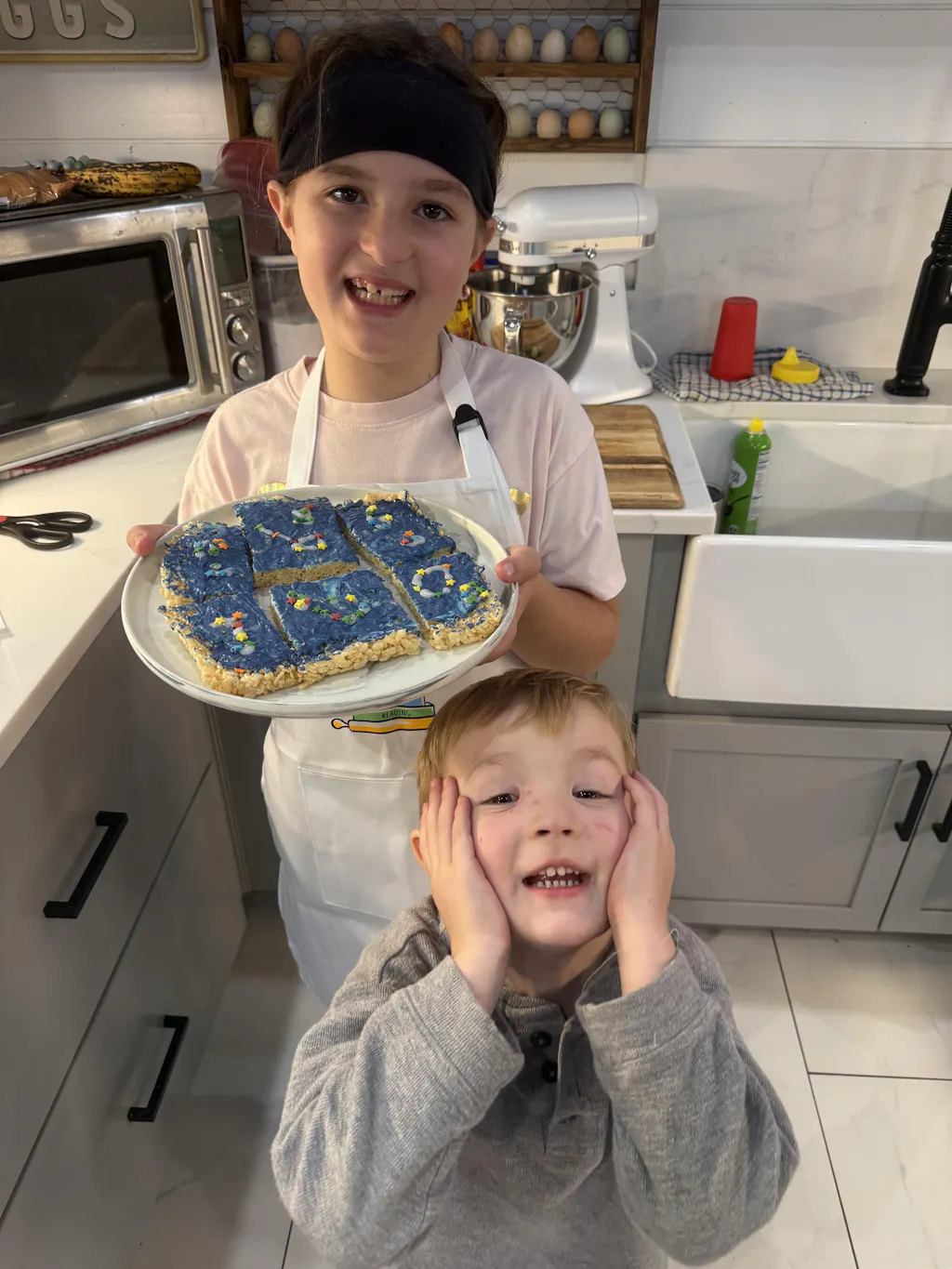
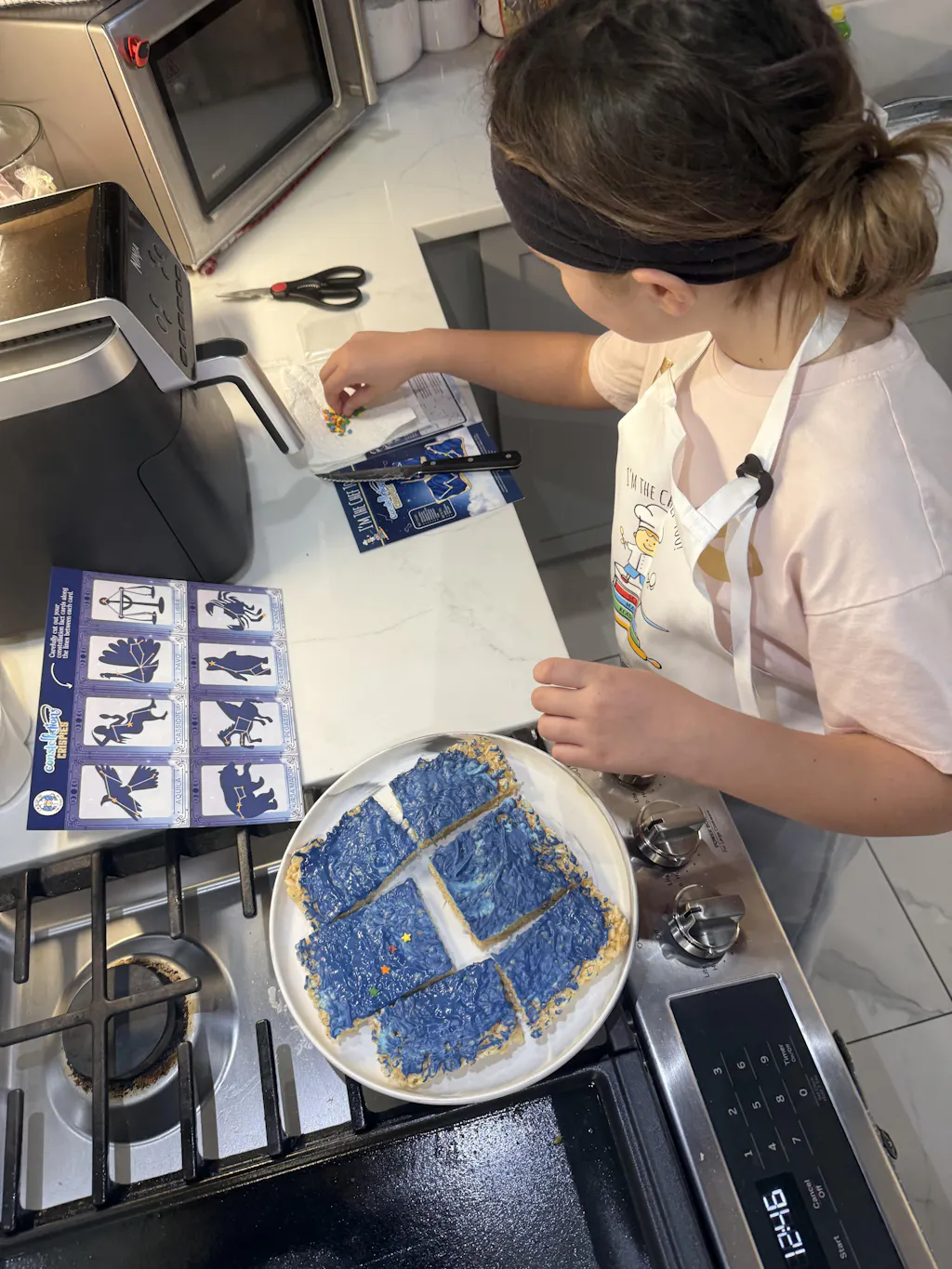
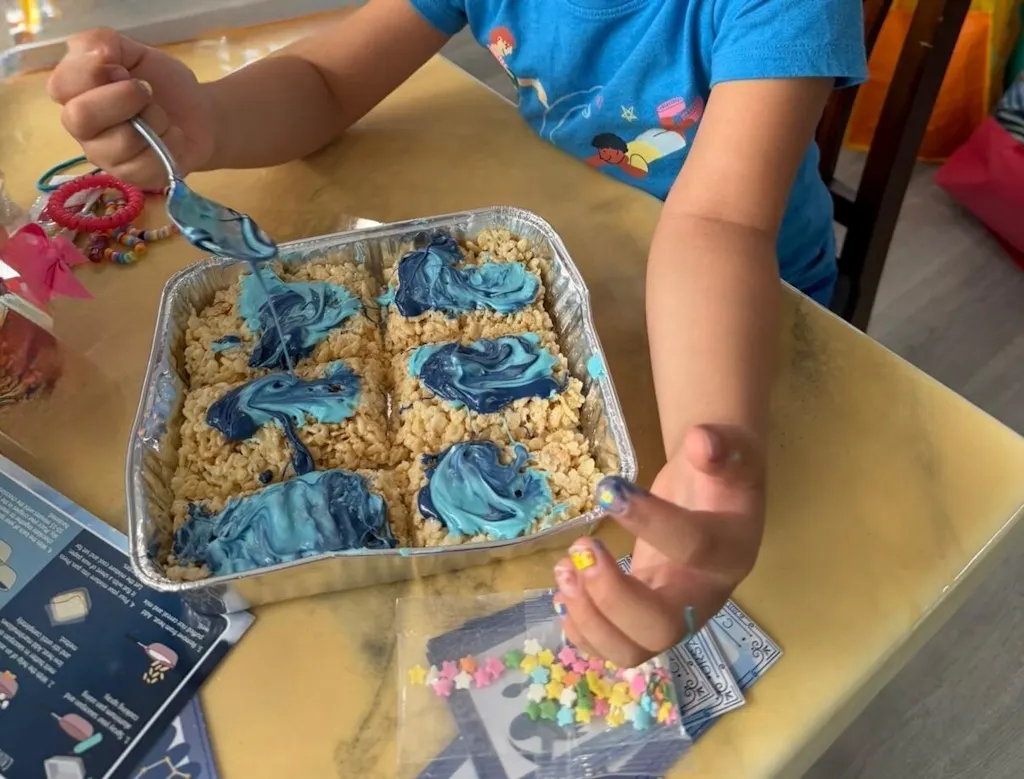
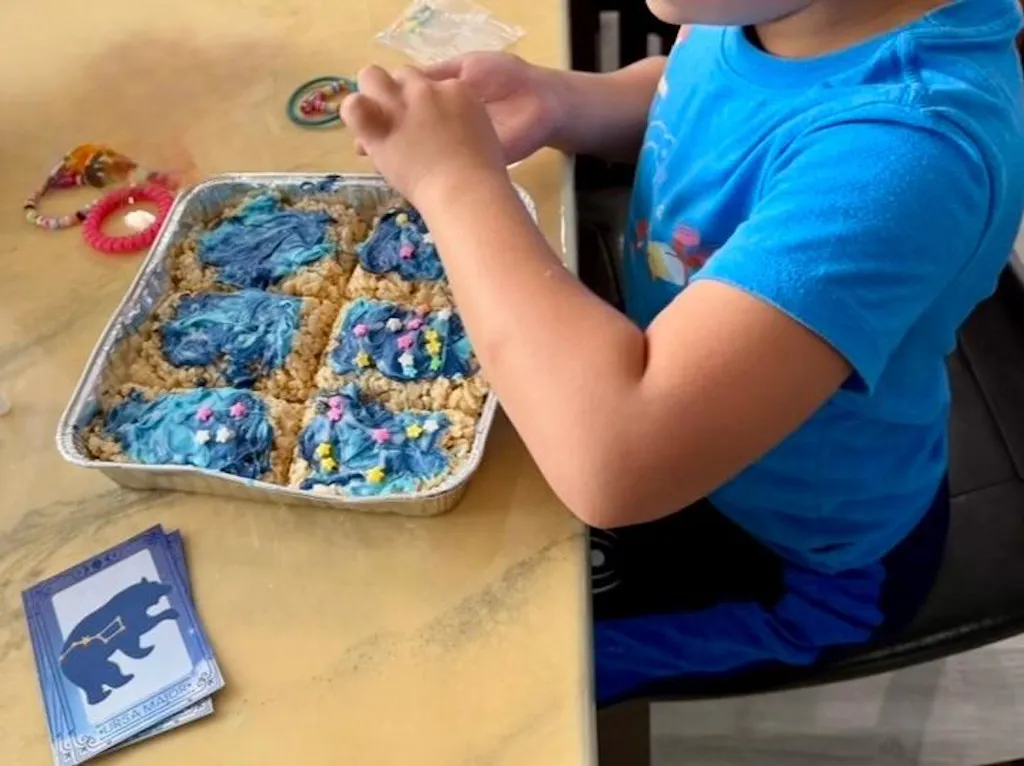
If your child loves exploring the science of baking with these sweet treats, they might also enjoy our Galaxy Donut Kit, where they can explore astronomy by creating their own edible solar system.
Top 5 Savory Breakfast Muffins for Kids
Not every child has a sweet tooth in the morning. Savory muffins are an excellent way to provide high-protein, veggie-packed meals that feel more like "real food."
11. Pizza Muffins
Imagine all the flavors of a pepperoni pizza but in a healthy, whole-grain muffin. We use whole wheat flour, a bit of tomato paste, dried oregano, and shredded mozzarella cheese. You can even finely chop some bell peppers or mushrooms to hide inside.
12. Quinoa Egg Muffins
These are essentially mini-omelets baked in a muffin tin. By adding cooked quinoa to the egg mixture, you add complex carbohydrates and a satisfying texture. Add some spinach and feta for a sophisticated (but kid-friendly) bite.
13. Savory Veggie and Cheese Muffins
These are great for using up whatever is in the crisper drawer. Broccoli, corn, and shredded cheddar are a winning combination. These muffins are sturdy and hold up well in a lunchbox if you have leftovers.
14. Spinach and Feta Muffins
For kids who enjoy bolder flavors, the saltiness of the feta pairs perfectly with the earthiness of the spinach. These are a great way to introduce different types of cheeses to your child's palate.
15. Butternut Squash and Bacon Egg Muffins
The sweetness of the roasted butternut squash balances perfectly with the salty crunch of a little bit of bacon. These are high in protein and very filling, making them a great choice for a long day at school or preschool.
Ready for a new adventure every month? Join The Chef's Club and enjoy free shipping on every box.
Getting Kids Involved: Age-Appropriate Kitchen Tasks
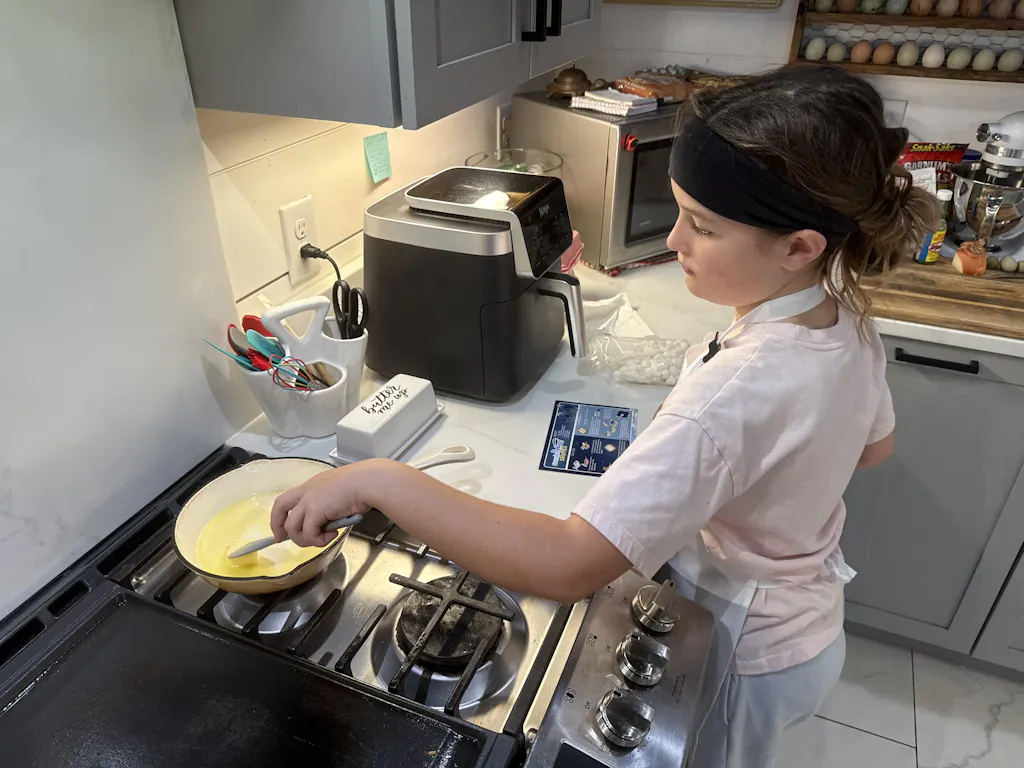
At I'm the Chef Too!, our mission is to spark curiosity and creativity through tangible, hands-on adventures. Baking muffins is the perfect way to get children into the kitchen. Not only does it teach them where their food comes from, but it also builds their confidence.
Here is how you can involve children of different ages in the muffin-making process:
Toddlers (Ages 2-4)
At this age, it is all about sensory exploration and fine motor skills.
- Lining the Tins: Let them put the paper liners into the muffin holes. It is great for hand-eye coordination.
- Mashing: Give them a bowl of bananas and a potato masher. It is a fun, squishy task that they will love.
- Pouring: If you have pre-measured dry ingredients, let them pour them into the large mixing bowl.
- The "Secret" Ingredient: Let them be the ones to "hide" the spinach or carrots in the batter.
Preschoolers and Young School-Aged Kids (Ages 5-7)
Kids in this age group are ready for a bit more responsibility.
- Measuring: Teach them how to level off a measuring cup with a flat edge. This is a great introduction to basic fractions.
- Cracking Eggs: This takes practice! Have them crack eggs into a separate small bowl first to ensure no shells get into the main batter.
- Stirring: Let them mix the wet and dry ingredients together. This is a good time to explain why we don't "over-mix" (it keeps the muffins from getting tough!).
- Scooping: Use a cookie scoop or a measuring cup to help them portion the batter into the tins.
Older Children (Ages 8+)
Older kids can often take the lead on the recipe with adult supervision.
- Reading the Recipe: Have them read the instructions aloud and gather all the necessary tools.
- Operating the Oven: With supervision, they can learn how to preheat the oven and carefully set the timer.
- Creative Variations: Encourage them to come up with their own "mix-ins." What would happen if we added sunflower seeds? Or what if we used pears instead of apples?
By involving them, you are facilitating family bonding and providing a screen-free educational alternative. Even beloved animals can make learning fun, like when kids make Wild Turtle Whoopie Pies.
A Hypothetical Case Study: The Weekend Baker
Imagine a parent, Sarah, who has a 6-year-old son named Leo. Leo is a high-energy kid who loves dinosaurs and isn't particularly fond of sitting still for breakfast. Sarah wants to find a way to make their Saturday mornings more productive and educational without it feeling like "school."
Sarah decides to try making the "Spinach Banana Monster Muffins." She tells Leo they are making "Dinosaur Jungle Muffins." Together, they look at the vibrant green spinach leaves and talk about how herbivores (like the Brachiosaurus) loved to eat greens to grow big and strong.
Leo helps by stuffing the spinach into the blender—a task he finds hilarious. He watches as the blender turns the solid leaves and yellow bananas into a bright green liquid. This sparks a conversation about how the blender works (engineering!) and how things change shape. When the muffins come out of the oven, Leo is so proud of his "jungle" creation that he eats two of them without a single complaint about the vegetables.
Through this simple activity, Sarah and Leo have bonded, Leo has practiced his motor skills, and he’s started his day with a nutrient-dense meal. This is exactly the kind of "edutainment" we strive for at I'm the Chef Too!.
Storage and Meal Prep Hacks
To truly make these the best breakfast muffins for kids, you need to know how to keep them fresh. There is nothing worse than a soggy or rock-hard muffin on a Wednesday morning.
Cooling is Key
Never put warm muffins into a storage container. The residual heat will create steam, which turns into moisture and makes the muffins soggy. Always let them cool completely on a wire rack first.
The Airtight Container
For short-term storage (2-3 days), an airtight container on the counter is fine. If your house is particularly warm, the fridge is a safer bet to prevent mold, especially for muffins that contain a lot of fruit or moisture.
Freezing for the Win
This is our favorite tip. Most muffins freeze beautifully. Place the cooled muffins in a single layer on a baking sheet and freeze for an hour. Once they are "flash-frozen," you can toss them all into a reusable silicone bag or a freezer-safe container. This prevents them from sticking together.
Reheating
To serve, you can simply pull a muffin out the night before and let it thaw in the fridge. If you are in a rush, 20-30 seconds in the microwave will make it taste "oven-fresh." For savory egg muffins, we recommend 30-45 seconds to ensure the center is warm.
I'm the Chef Too!: Bringing the Bakery Home
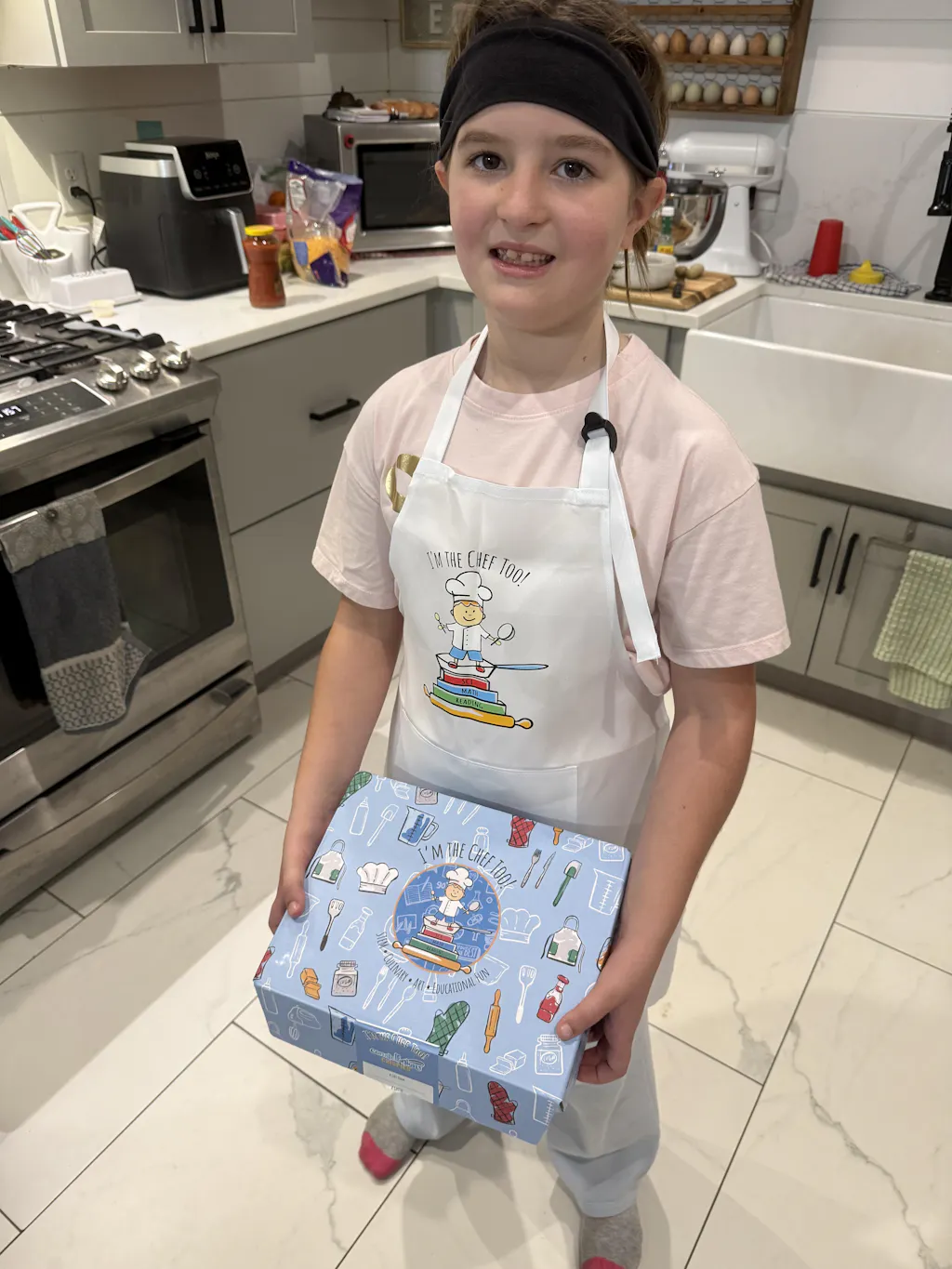
While baking from scratch is a wonderful experience, we know that life is busy. Sometimes you want the educational experience and the fun of cooking without the stress of meal planning and grocery shopping. That is where our kits come in.
We are committed to sparking curiosity and creativity in children by providing everything you need for a delicious adventure. Each of our kits is developed by mothers and educators to ensure they are not only fun but also grounded in real-world learning. Whether you are exploring geology with volcano cakes or astronomy with galaxy donuts, each box is a complete experience.
We provide pre-measured dry ingredients and specialty supplies, delivered right to your door. This convenience allows you to focus on what matters most: spending quality time with your children. Give the gift of learning that lasts all year with a 12-month subscription to our STEM cooking adventures.
Troubleshooting Common Muffin Mistakes
Even the best chefs have "muffin mishaps" occasionally. If your muffins aren't turning out quite right, here are a few things to check:
- They are too tough: This usually happens from over-mixing. When you mix flour with liquid, gluten starts to develop. Too much mixing makes the gluten strong and elastic, resulting in a rubbery muffin. Stir just until the flour disappears.
- They didn't rise: Check the expiration date on your baking powder or soda. These leavening agents lose their potency over time. Also, make sure you didn't forget them entirely!
- They are sticking to the liners: Some low-fat or sugar-free muffins tend to stick more. Try using silicone muffin liners or spraying your paper liners with a tiny bit of non-stick spray.
- The tops are flat: Your oven might not be hot enough. Most muffins need a burst of high heat (usually 375°F or 400°F) to activate the leavening agents and create that classic domed top.
Frequently Asked Questions (FAQ)
Can I make these muffins gluten-free?
Yes! Many of these recipes work well with a 1:1 gluten-free flour blend. Oat flour is also an excellent gluten-free option for muffins, providing a hearty texture and plenty of fiber.
How do I get my child to eat the "green" muffins?
Presentation is everything! Use fun names like "Monster Muffins," "Incredible Hulk Muffins," or "Jungle Muffins." You can also try serving them with a fun "dip" like Greek yogurt or a little bit of almond butter.
Are these muffins suitable for babies?
Many of the fruit-based recipes, like the ABC Baby Muffins or Applesauce Muffins, are perfect for babies practicing baby-led weaning. Just be sure to omit any honey for children under one year old and cut the muffins into age-appropriate sizes to prevent choking.
Can I substitute the eggs in these recipes?
Absolutely. For a vegan option, you can use a "flax egg" (1 tablespoon ground flaxseed mixed with 3 tablespoons water, let sit for 5 minutes). Applesauce or mashed banana can also act as binders in many muffin recipes.
What is the best way to involve a very young toddler?
Focus on the sensory aspects. Let them touch the flour, smell the cinnamon, and help put the liners in the tin. Even if they aren't "helping" in a traditional sense, they are learning through observation and touch.
Conclusion
Finding the best breakfast muffins for kids doesn't have to be a daunting task. By focusing on whole-food ingredients, experimenting with both sweet and savory flavors, and involving your little ones in the process, you transform a simple meal into a powerful tool for health and education.
Muffins represent the best of what we do at I'm the Chef Too!: they are tangible, hands-on, and delicious. They foster a love for learning and help build confidence in the kitchen, all while creating joyful family memories that last far longer than the muffins themselves. Whether you are baking a batch of "Monster Muffins" on a rainy Tuesday or exploring the stars with a donut kit on the weekend, the goal is the same: to spark curiosity and make learning fun.
Are you ready to turn your kitchen into a center of discovery? We invite you to join our community of families who believe that education should be an adventure. Ready for a new adventure every month? Join The Chef's Club and enjoy free shipping on every box. Let's start cooking up some brilliance together!