Table of Contents
- The Allure of Fruit Snacks: Why Parents & Kids Love Them
- Understanding the "Fruit Snack" Spectrum: From Purees to Gummies
- The Critical Question: At What Age Can Kids Safely Eat Commercial Fruit Snacks?
- Beyond Fruit Snacks: A Broader Look at Choking Hazards in Children's Diets
- Homemade vs. Store-Bought: Crafting Healthier Alternatives
- Fostering Healthy Eating Habits: A Holistic Approach
- I'm the Chef Too!: Blending Learning and Deliciousness
- Conclusion
- FAQ Section
Do you ever find yourself staring at a bag of colorful fruit snacks, a moment of delightful anticipation for your child quickly followed by a nagging question in your mind: "Are these truly safe for my little one, and if so, when?" This is a perfectly natural dilemma for parents. In a world brimming with convenient options, discerning the right time to introduce certain foods, especially those with varying textures and ingredients, can feel like navigating a culinary minefield. As busy parents and educators ourselves, we at I'm the Chef Too! understand this challenge intimately. We know that every snack-time decision comes with a desire to nourish, engage, and protect our children, all while fostering a positive relationship with food.
This comprehensive guide is designed to cut through the confusion, providing clear, expert-backed insights into when kids can safely enjoy fruit snacks and other common tricky foods. We'll delve into the crucial factors of age, texture, and nutritional content, equipping you with the knowledge to make informed choices. Beyond just the "when," we'll explore practical tips for safe serving, discuss the broader landscape of choking hazards, and offer delightful, healthy alternatives that not only tantalize taste buds but also spark curiosity and learning. Our mission at I'm the Chef Too! is to blend food, STEM, and the arts into one-of-a-kind "edutainment" experiences, and we believe that even snack time can be an opportunity for discovery and bonding. So, let’s embark on this delicious journey to ensure our children’s eating adventures are both safe and enriching.
The Allure of Fruit Snacks: Why Parents & Kids Love Them
Fruit snacks hold a special place in the hearts of children and, let's be honest, often in the snack bags of parents too. Their vibrant colors, appealing shapes, and sweet taste make them an instant hit with youngsters. For parents, they represent a convenient, portable, and often perceived "healthier" alternative to traditional candies. They're easy to toss into a lunchbox, pull out during a car ride, or offer as a quick pick-me-up between activities. This combination of child appeal and parental convenience has cemented their status as a modern-day childhood staple.
However, beneath the surface of convenience and appeal lies a complex nutritional profile and a spectrum of textures that warrant a closer look. What exactly are "fruit snacks," and how do they differ from, say, a piece of actual fruit? Understanding this distinction is the first step in making informed decisions about when and how to introduce them to your child's diet.
Many commercial fruit snacks, despite their name, often contain a high percentage of added sugars, artificial flavors, and colors, with very little actual fruit content. They are designed to be shelf-stable and appealing, but this often comes at the expense of genuine nutritional value. Furthermore, their chewy, sometimes sticky texture can pose a significant choking risk for younger children, a concern that extends beyond just "gummy bears" and encompasses a wide array of similar products.
As parents and educators, we're constantly seeking ways to provide delicious and nutritious options for our children. Sometimes, the easiest option isn't always the best. But fear not, this doesn't mean banishing all sweet treats! It simply means approaching them with awareness and understanding. We believe in sparking curiosity and creativity in children, and that includes encouraging them to understand what they eat and how it impacts their bodies. This holistic approach to food is at the core of our educational philosophy at I'm the Chef Too!, where every recipe is a learning opportunity.
Understanding the "Fruit Snack" Spectrum: From Purees to Gummies
When we talk about "fruit snacks," it’s important to recognize that this term can encompass a wide range of products and preparations. This spectrum is crucial in determining the appropriate age for consumption.
1. Mashed or Pureed Fruit: At the earliest stages of solid food introduction, typically around 6 months, babies can safely enjoy mashed or pureed fruits like apples, bananas, pears, and peaches. These are the most natural and nutritious "fruit snacks" you can offer. They are soft, easy to swallow, and packed with essential vitamins and fiber. You can even blend your own fruit purees at home, giving you complete control over ingredients and freshness. This is an excellent way to introduce new flavors and textures without any hidden sugars or artificial additives.
2. Soft, Baked Fruit Bars or Pouches: As babies grow and develop more chewing skills, often around 9-12 months, parents might introduce soft, baked fruit bars (made specifically for infants) or fruit pouches. These are typically made with blended fruits and sometimes grains like oats, offering a slightly thicker texture than purees. While convenient, it's vital to read labels carefully, as some of these products can still contain added sugars, even if marketed for babies. Always prioritize options with minimal ingredients and no added sweeteners.
3. Commercial "Gummy" Fruit Snacks: This is where the term "fruit snack" often causes the most confusion and concern. These are the chewy, often brightly colored, processed items resembling gummy candies that are popular with older kids. Their texture—sticky, sometimes hard, and often requiring significant chewing—is the primary reason for age restrictions.
- Softer, more dissolvable fruit snacks: Some brands offer fruit snacks that are specifically designed to be softer and more easily dissolvable. These might be suitable for children around 2 years old, provided they chew very well and are closely supervised. Brands like Annie's fruit snacks are often cited as examples of this softer category.
- Traditional chewy, hard, or sticky gummies (like gummy bears): For these types, which are harder to chew and more likely to get stuck, it is strongly recommended to wait until children are 3 to 4 years old. The risk of choking is significantly higher with these products due to their resistance to chewing and tendency to form a sticky bolus that can obstruct the airway.
The key takeaway here is that "fruit snack" is not a monolithic category. The age at which your child can safely consume them depends almost entirely on their texture, their ability to chew and swallow effectively, and the ingredients they contain. Our educational philosophy at I'm the Chef Too! emphasizes tangible, hands-on learning, and understanding the physical properties of food—like texture—is a vital part of that education, even for young children.
The Critical Question: At What Age Can Kids Safely Eat Commercial Fruit Snacks?
The overarching recommendation from pediatricians and nutrition experts is generally to avoid commercial gummy fruit snacks until a child is at least 2 years old, and often closer to 3 or 4 years old for harder, chewier varieties. This recommendation isn't arbitrary; it's rooted in critical developmental milestones and significant safety concerns.
Choking Hazards: The Primary Concern
The most pressing reason for delaying the introduction of commercial fruit snacks is the choking hazard they present. Young children's airways are much smaller than adults', and their chewing and swallowing mechanisms are still developing.
- Immature Chewing Skills: Toddlers, especially those under three, are still perfecting their chewing. They may not grind food thoroughly enough before attempting to swallow. Gummy fruit snacks, being chewy and often resistant to breakdown, can easily become lodged in the throat.
- Sticky Texture: Many fruit snacks are inherently sticky. If a child doesn't chew them adequately, a large, sticky piece can get stuck, making it incredibly difficult to dislodge. This is particularly dangerous as it can block the airway completely.
- Shape and Size: Some fruit snacks come in shapes or sizes that can perfectly occlude a young child's airway. While not as universally round as a whole grape or hot dog slice, their irregular shapes combined with stickiness can still pose a high risk.
- Lack of Full Dentition: Younger toddlers may not have all their molars, which are essential for grinding tough or chewy foods. This further compounds the chewing difficulty.
Beyond just the physical risk, it's important to foster a mindful eating environment. Children should always be seated and supervised when eating, especially when consuming foods that could be potential choking hazards. Eating on the go, in a car, or while playing significantly increases the risk, regardless of the child's age or the food in question.
Age-Specific Guidelines & Texture
Let’s break down the age recommendations more specifically, keeping in mind the variability of textures:
- Under 2 Years Old: Strongly avoid commercial gummy fruit snacks. At this age, a child’s chewing and swallowing skills are generally not developed enough to safely handle the chewy and sticky texture. Focus on pureed or very soft, mashed fresh fruits.
- 2 Years Old: If you choose to introduce fruit snacks at this age, opt for very soft, easily dissolvable varieties. These should be able to be squished between your fingers with minimal effort. Even then, offer them in small pieces, one at a time, and ensure constant adult supervision while the child is seated and focused on eating. This is also an age where we encourage activities that develop fine motor skills and hand-eye coordination, much like the gentle manipulations involved in preparing our fun-themed treats. Ready for a new adventure every month? Join The Chef's Club and enjoy free shipping on every box, providing age-appropriate, hands-on learning!
- 3-4 Years Old: This is generally considered a safer age for chewier fruit snacks and traditional gummies. By this point, most children have developed more mature chewing muscles and molars. However, vigilance is still key. Continue to supervise, ensure they are seated, and teach them to take small bites and chew thoroughly. Even at this age, sticky candies can pose dental risks.
Navigating Added Sugars and Nutrition
Beyond choking, another significant concern with commercial fruit snacks is their nutritional profile. The Dietary Guidelines for Americans recommend avoiding added sugars for children under 2 years old. Many fruit snacks are unfortunately loaded with them.
- High Sugar Content: Despite names that suggest health, many fruit snacks have sugar as one of their primary ingredients. Excessive sugar consumption in early childhood can contribute to dental cavities, poor eating habits, and an increased risk of childhood obesity.
- Lack of Fiber: Unlike whole fruits, which are rich in dietary fiber crucial for digestive health, most fruit snacks offer very little. The "fruit" content often comes from concentrated fruit juices, which strip away much of the beneficial fiber.
- Artificial Additives: Many brands use artificial colors, flavors, and preservatives to enhance appeal and shelf life. While regulated, concerns exist about the long-term effects of these additives on children's health and behavior.
While a strict avoidance of all added sugars after age 2 might be unrealistic in many households, especially those with older siblings or social engagements, the goal should be minimization. Focus on offering treats as occasional indulgences rather than daily staples. When you choose to offer a sweet treat, consider making it a part of a larger, balanced meal or snack, and always encourage water alongside to help with dental hygiene.
At I'm the Chef Too!, our commitment is to provide enriching activities that teach valuable life skills, including healthy eating principles. Our kits are designed to be a delightful screen-free educational alternative, empowering children to create delicious treats while learning about the science behind food.
Beyond Fruit Snacks: A Broader Look at Choking Hazards in Children's Diets
Understanding when your child can safely eat fruit snacks is part of a larger conversation about food safety for young children. Many common foods can pose a choking risk due to their shape, size, or texture. Being aware of these hazards and how to prepare foods appropriately is paramount for any parent or caregiver.
Key Principles of Safe Eating for Little Ones
Before delving into specific foods, let’s establish some universal rules for safe eating:
- Always Supervise: Never leave a young child unattended while they are eating.
- Sit Down to Eat: Children should always be seated upright in a high chair or at a table when eating. Avoid eating in cars, strollers, or while walking or running. Distractions can increase choking risk.
- Encourage Slow Eating: Teach children to take small bites and chew their food thoroughly.
- Offer Water: Having water available can help wash down food and prevent dryness that can make swallowing difficult.
- Know CPR and First Aid: Be prepared for an emergency. Learning infant and child CPR can be lifesaving.
- Avoid Meals While Distracted: Turn off screens, minimize toys, and create a calm environment for eating.
These principles form the foundation of safe meal times, setting the stage for enjoyable and worry-free culinary exploration.
Common Choking Hazards (and How to Prepare Them Safely)
The USDA Special Supplemental Nutrition Program for Women, Infants, and Children (WIC) provides excellent guidelines on foods to avoid or modify for young children. Here are some of the most common culprits and how to handle them:
1. Grapes & Berries
- Hazard: Whole, round shape can perfectly block a child’s airway.
-
When Safe:
- 8-9+ months: Dice grapes into very small pieces.
- 14+ months: Quarter grapes lengthwise.
- 24+ months: Halve grapes lengthwise.
- 4 years+: Can usually eat whole grapes, but always while sitting down and with supervision.
- Tip: Always cut grapes lengthwise, not crosswise, to eliminate the round shape.
2. Hot Dogs & Meats
- Hazard: Hot dogs are a classic choking hazard due to their cylindrical shape and compressible, yet firm, texture. Large chunks of meat can also be difficult to chew.
-
When Safe:
- 1 year+: Hot dogs can be introduced, but they must be diced into very small, non-round pieces. Cutting them into rounds creates a perfect plug for the airway. Instead, slice lengthwise and then cut into very small crescent-shaped pieces.
- For other meats (chicken, turkey):
- 8-9+ months: Finely shredded or ground cooked meats can be offered.
- 18-20+ months: As chewing skills advance, larger, very thinly sliced pieces can be introduced, always ensuring they are super tender.
- Tip: Look for lower sodium options for lunch meats and serve them sparingly. Our "edutainment" approach can even turn learning about nutrition into a game, encouraging children to explore different protein sources through fun cooking activities.
3. Nuts & Seeds (and Butters)
- Hazard: Whole nuts and seeds are hard, difficult to chew, and can be easily inhaled. Large, sticky spoonfuls of nut butter can also pose a choking risk.
-
When Safe:
- 6+ months: Smooth nut and seed butters (like peanut butter) can be introduced early as an allergen. However, mix a small amount into a puree, yogurt, or spread a very thin layer on toast. Never offer a spoonful of nut butter by itself.
- 4+ years: Whole nuts and seeds are generally considered safe after age 4, provided the child chews thoroughly and is supervised.
- Tip: Always offer nut butters thinly spread or mixed into other foods. For older children, teach them to sit and chew nuts carefully.
4. Popcorn, Chips, Pretzels, & Similar Snacks
- Hazard: These items can be hard, sharp, or have irregular shapes that are difficult to chew and can get stuck. Popcorn kernels, in particular, are small, lightweight, and can easily be inhaled into the lungs.
-
When Safe:
- 4+ years: Popcorn, chips, and large, hard pretzels are generally recommended for children over 4 years old.
- Tip: For younger children, look for puffed snacks that dissolve quickly in the mouth.
5. Hard Candies & Marshmallows
- Hazard: Hard candies (lollipops, jelly beans, caramels) are a significant choking risk due to their shape, hardness, and difficulty in dissolving or chewing. Marshmallows are soft and squishy but can form a sticky, difficult-to-dislodge mass.
-
When Safe:
- 4+ years: Hard candies and marshmallows are generally not recommended until age 4 or even older.
-
Tip: These should be very occasional treats. For younger children, choose soft, dissolvable candies if you opt for them at all, or better yet, make healthier versions together! Our
Galaxy Donut KitGalaxy Donut Kit provides a fun way to explore astronomy through edible creations, offering a sweet reward that’s also a learning experience.
6. Raw Vegetables & Fruits (Hard Chunks)
- Hazard: Large, raw, hard pieces of vegetables (like carrots, celery, bell peppers) and fruits (like apples) can be difficult for young children to chew thoroughly.
-
When Safe:
- 6+ months: Steamed, soft-cooked vegetables and pureed fruits are appropriate.
- 12+ months: Shredded raw apple.
- 16-18+ months: Thinly sliced raw apple.
- 36+ months: Whole raw apples (sitting down and with parental supervision).
- Tip: Always cook harder vegetables until soft for younger children, or grate them finely. For fruits, shred or thinly slice.
Making food fun and safe is a core part of what we do at I'm the Chef Too! Our kits are developed by mothers and educators, ensuring that every activity, like our Erupting Volcano Cakes Erupting Volcano Cakes that explores chemical reactions, is both educational and appropriate for various age groups, always with the implicit understanding of adult supervision. If you're looking for more unique ways to blend food and learning, why not Browse our complete collection of one-time kits and find your next family adventure?
Homemade vs. Store-Bought: Crafting Healthier Alternatives
Given the concerns surrounding commercial fruit snacks, many parents are turning to homemade alternatives, which offer greater control over ingredients, sugar content, and texture. This approach aligns perfectly with our philosophy at I'm the Chef Too! – fostering creativity and understanding through hands-on food experiences.
Making Your Own "Fruit Snacks"
Creating your own fruit-based snacks at home can be a fun family activity and a fantastic way to introduce children to the science and art of cooking.
-
Fruit Puree Jellies:
- Concept: Blend real fruit (berries, mango, peaches) into a smooth puree. Sweeten lightly with a touch of honey (only for children over 1 year old) or maple syrup if needed, or rely on the natural sweetness of the fruit.
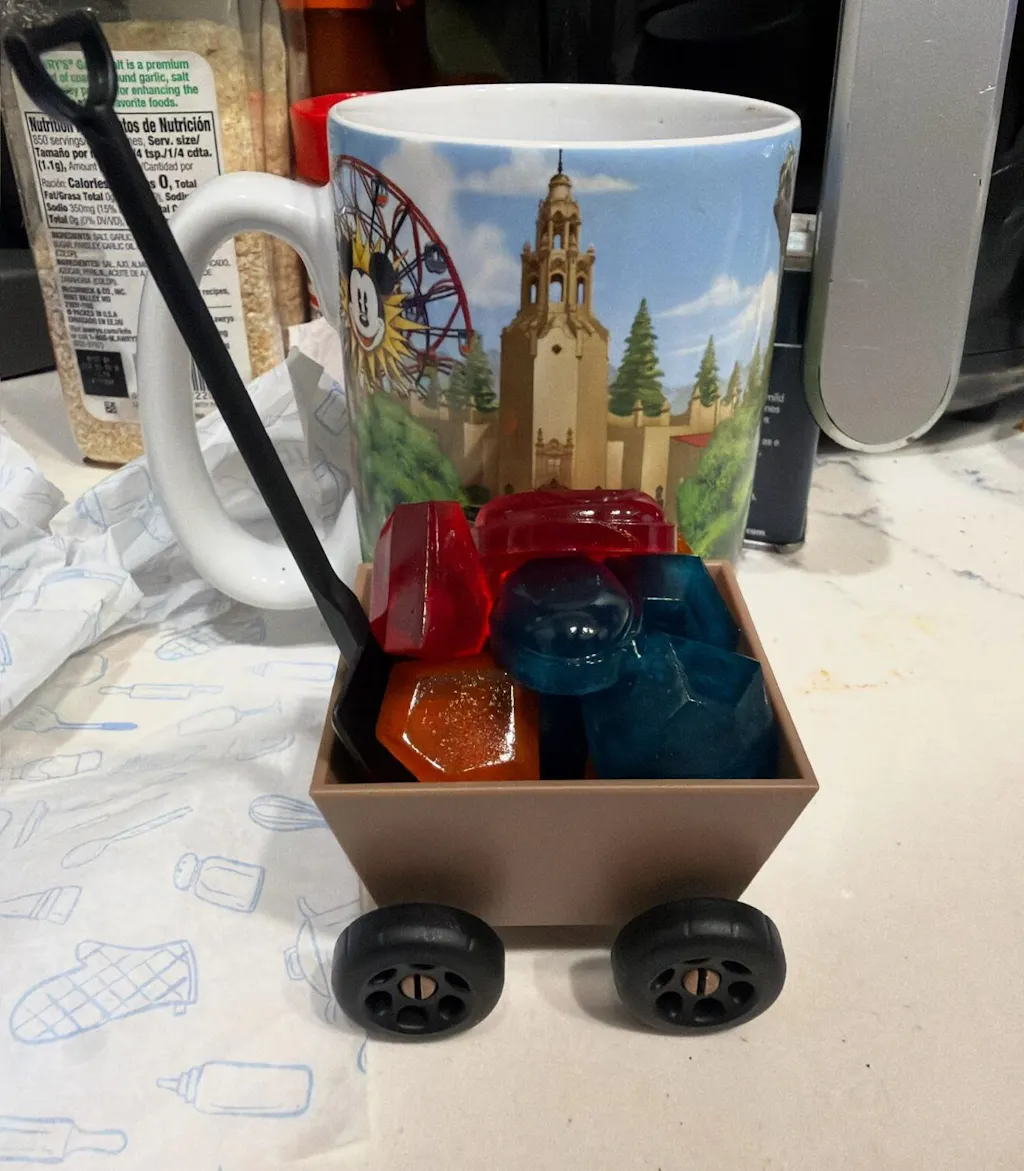
- The Science: Gently heat the puree and mix in gelatin (an animal protein that creates a jelly-like texture) or agar-agar (a plant-based alternative). Pour into silicone molds (fun shapes!), chill until firm, and pop them out.
- Benefits: You control the sugar, ensure real fruit is used, and can adjust the softness to your child's chewing ability.
- I'm the Chef Too! Connection: This is a perfect example of blending food and STEM! Children can observe the transformation from liquid puree to solid jelly, exploring states of matter and the properties of different ingredients. It’s a tangible, hands-on cooking adventure that results in a delicious, healthy treat.
-
Baked Fruit Leather:
- Concept: Puree fruit (apples, berries, peaches) until smooth. Spread thinly on a parchment-lined baking sheet.
- The Science: Bake at a very low temperature for several hours until the fruit puree dries out and becomes pliable, like leather. You're essentially dehydrating the fruit.
- Benefits: A concentrated fruit flavor without added sugars, and a chewy texture that's often softer than commercial gummies.
- I'm the Chef Too! Connection: This activity introduces concepts of dehydration and preservation, showing how food changes under different conditions. It's a fantastic screen-free educational alternative that teaches practical kitchen skills.
-
Frozen Fruit Bites:
- Concept: Blend yogurt with fruit puree. Spoon into small silicone molds or ice cube trays and freeze.
- Benefits: A refreshing, healthy, and easy-to-eat snack, especially during warmer months. The cold temperature can also be soothing for teething babies.
- I'm the Chef Too! Connection: Discussing the properties of freezing, how liquids turn to solids, and the different textures that result from temperature changes is a great way to bring STEM into the kitchen.
By engaging in these activities, you’re not just making snacks; you’re facilitating family bonding, sparking curiosity, and building confidence in the kitchen. Our mission is to transform everyday cooking into extraordinary learning experiences, and these homemade "fruit snack" projects are a perfect fit.
Smart Shopping Tips for Commercial Options
If store-bought fruit snacks are sometimes a necessity for convenience, strategic shopping can help you choose the best options available:
- Read the Ingredient List First: Look for products where real fruit (not just fruit juice concentrate) is among the first few ingredients. Prioritize whole fruit, fruit purees, or dried fruit.
- Check for Added Sugars: Look at the "Added Sugars" line on the nutrition label. Aim for as low a number as possible, ideally zero for younger children. Be aware that sugars can hide under many names (high-fructose corn syrup, dextrose, glucose, malt syrup, cane sugar, etc.).
- Prioritize Fiber Content: A good fruit snack should offer some dietary fiber, indicating a more whole-food composition rather than just sugar and fruit juice.
- Avoid Artificial Colors and Flavors: Opt for products that use natural colorings (like vegetable juices) and natural flavors.
- Assess Texture: This is critical for safety. Before buying, try to feel the snack through the packaging if possible, or purchase a small quantity to test. Does it squish easily? Does it dissolve quickly? If it’s hard or overly chewy, save it for older children.
- Look for Reputable Brands: Some brands are specifically geared towards children's nutrition and prioritize healthier ingredients.
Remember, even with "healthier" commercial options, moderation is key. These should be occasional treats, not daily staples. Integrating activities like making these healthier alternatives or exploring our cooking STEM kits can provide wonderful screen-free educational opportunities for your children. If you're looking for ongoing culinary adventures delivered right to your door, our monthly Chef's Club subscription offers exactly that, with free shipping and all the pre-measured dry ingredients and specialty supplies you need.
Fostering Healthy Eating Habits: A Holistic Approach
Beyond the specific recommendations for fruit snacks and choking hazards, cultivating a positive and healthy relationship with food is one of the greatest gifts we can give our children. This involves more than just what they eat; it's also about how they eat, when they eat, and their overall interaction with food.
Mindful Eating Practices
Encouraging mindful eating from a young age can help children develop a healthier relationship with food and better self-regulation.
- Tune into Hunger and Fullness Cues: Help children recognize when they are truly hungry and when they are comfortably full. Avoid pressuring them to "clean their plate" or restricting food unnecessarily.
- Slow Down and Savor: Encourage children to eat slowly, chew thoroughly, and notice the tastes, textures, and smells of their food. This improves digestion and allows the brain time to register fullness.
- Minimize Distractions: Eating in front of screens (TV, tablets, phones) can lead to mindless overeating and decreased enjoyment of the meal. Establish screen-free mealtimes to promote focus on food and family conversation.
- Involve Them in the Process: When children help prepare food, they are often more engaged and willing to try new things. This is the cornerstone of I'm the Chef Too!’s philosophy – turning every meal into an exciting culinary journey.
The Role of Family Meals
Family mealtimes are incredibly powerful. They offer more than just nourishment; they provide opportunities for connection, communication, and modeling healthy behaviors.
- Connection and Communication: Sharing meals fosters family bonding and provides a dedicated time for conversation, strengthening relationships.
- Modeling Healthy Choices: Children learn by observing. When parents and caregivers demonstrate healthy eating habits, children are more likely to adopt them. This includes trying new foods, eating a variety of fruits and vegetables, and enjoying treats in moderation.
- Exposure to Variety: Family meals often expose children to a wider array of foods, textures, and flavors than they might encounter eating alone.
- Developing Social Skills: Mealtimes teach children important social skills, such as sharing, polite conversation, and table manners.
Making food a shared experience, full of laughter and learning, is what we at I'm the Chef Too! champion. We believe that meal preparation and consumption can be vibrant canvases for discovery, where chemistry comes alive in baking, and geography is explored through global cuisines.
Making Food Fun & Educational
This is where our unique approach at I'm the Chef Too! truly shines. We are passionate about turning the kitchen into a classroom where children learn through doing.
- Hands-On Exploration: Instead of just being passive recipients of food, kids become active participants in its creation. They learn about ingredients, measurements, chemical reactions, and the journey from raw materials to a delicious dish.
- Sparking Curiosity: Why does bread rise? What makes a cake fluffy? How do colors mix in icing? These questions become exciting investigations in our kits. This kind of inquiry-based learning is what fuels a lifelong love for knowledge.
-
Integrating STEM and Arts: Our kits seamlessly weave together science (e.g., the states of matter in our
Erupting Volcano CakesErupting Volcano Cakes), technology (e.g., using kitchen tools), engineering (e.g., designing edible structures), and math (e.g., measuring ingredients), all while encouraging artistic expression through decorating. - Building Confidence and Skills: Successfully following a recipe, even with help, builds confidence, problem-solving skills, and fine motor coordination. These are transferable skills that benefit children in all areas of life.
- Screen-Free Engagement: In an increasingly digital world, our kits offer a wonderful, hands-on, screen-free educational alternative that engages all the senses. It’s a chance to step away from screens and connect with family over a shared, delicious goal.
Whether it’s making a healthier version of "fruit snacks" or embarking on a full culinary adventure, involving children in the food process transforms eating from a chore into a joy-filled learning opportunity.
I'm the Chef Too!: Blending Learning and Deliciousness
At I'm the Chef Too!, our core mission is simple yet profound: we blend food, STEM, and the arts into one-of-a-kind "edutainment" experiences. We are dedicated to igniting curiosity and creativity in children, facilitating invaluable family bonding, and providing a meaningful, screen-free educational alternative that truly engages young minds.
We believe that the kitchen is one of the most dynamic classrooms there is. It's a place where abstract scientific concepts become tangible, artistic expression knows no bounds, and mathematical principles are applied in a delicious way. Our unique approach involves teaching complex subjects through hands-on, delicious cooking adventures developed by mothers and educators who understand both the challenges and joys of raising curious kids.
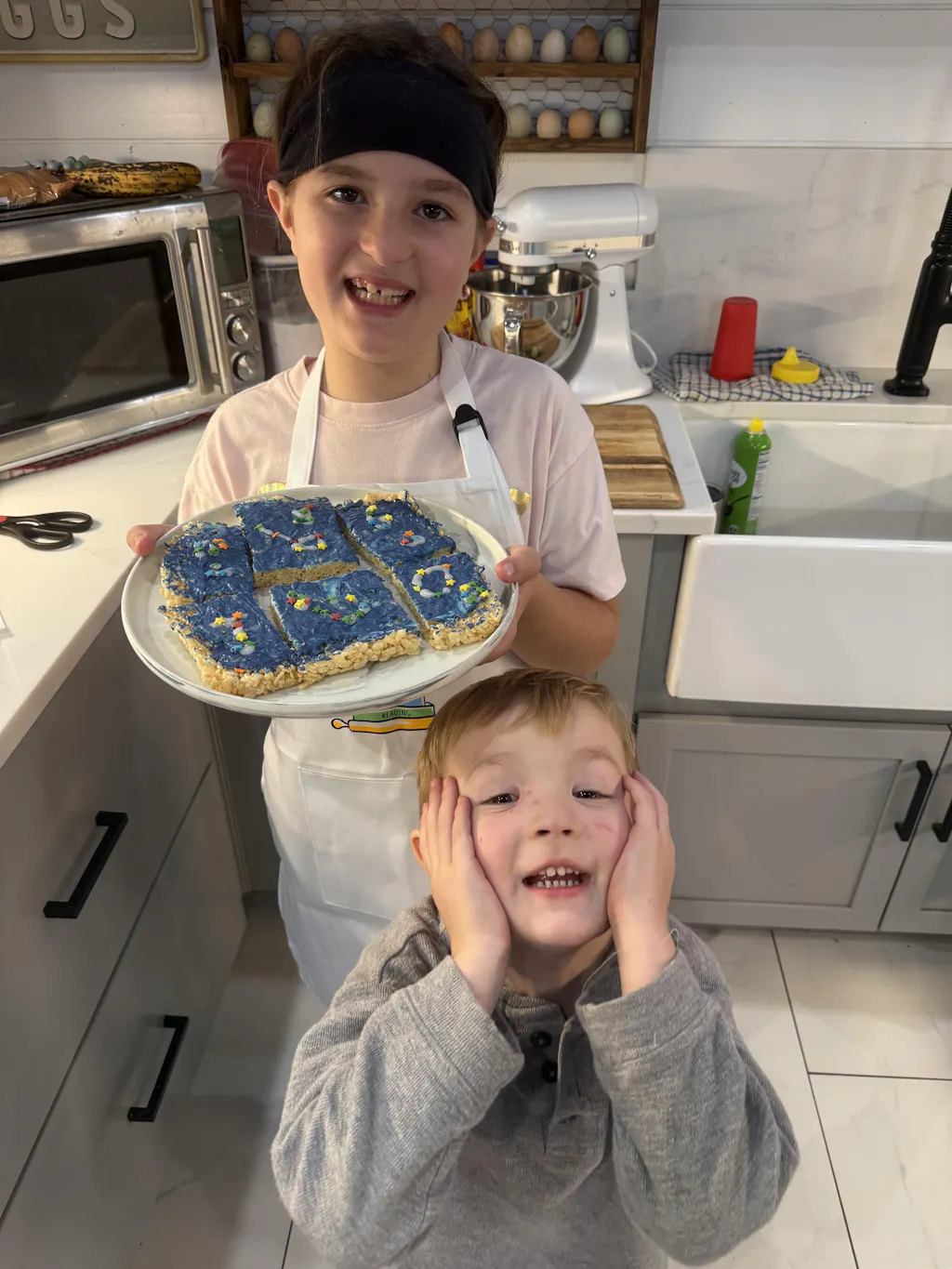
Imagine your child exploring the geology of the earth by creating a layered edible masterpiece, or delving into the wonders of outer space while decorating Galaxy Donut Kit Galaxy Donut Kit. These aren't just recipes; they are carefully crafted learning journeys that turn mealtime and snack preparation into an exciting exploration. We focus on the benefits of the process: fostering a deep love for learning, building confidence with every successful bake, developing key cognitive and motor skills, and, perhaps most importantly, creating joyful, lasting family memories around the kitchen table.
We meticulously design each kit to be a complete experience, containing pre-measured dry ingredients and specialty supplies, making it incredibly convenient for busy families. With I'm the Chef Too!, you're not just getting a box of ingredients; you're receiving an invitation to discover, create, and bond. Ready for a new adventure every month? Join The Chef's Club and enjoy free shipping on every box, bringing a fresh wave of culinary education and family fun directly to your door.
Not ready for a subscription just yet? That’s perfectly fine! You can still dive into the fun and learning. Explore our full library of adventure kits available for a single purchase in our shop. Find the perfect theme to spark your little learner's imagination and get a taste of the magic we bring to kitchens everywhere.
Conclusion
Navigating the world of children's nutrition and snack choices can feel overwhelming, especially when faced with the irresistible appeal of fruit snacks. We've learned that while mashed or pureed fruits are wonderful for infants as early as 6 months, commercial gummy fruit snacks require careful consideration. Due to significant choking hazards and often high sugar content, it's generally best to wait until children are at least 2 years old for very soft varieties, and preferably 3 to 4 years old for chewier, stickier options, always with vigilant supervision.
Beyond fruit snacks, understanding common choking hazards and practicing safe eating habits—like ensuring children are seated and supervised—is crucial for every parent. We encourage a holistic approach to eating: fostering mindful consumption, making family meals a priority, and turning food preparation into an engaging, educational experience.
At I'm the Chef Too!, we believe that every meal can be an adventure, a chance to blend learning with delicious creativity. Our cooking STEM kits are designed to do just that, offering a screen-free educational alternative that sparks curiosity, builds confidence, and creates cherished family moments. Why settle for mundane snacks when you can embark on a culinary journey of discovery?
Are you ready to transform your kitchen into a dynamic learning lab and share unforgettable moments with your child? Give the gift of learning that lasts all year with a 12-month subscription to our STEM cooking adventures, or explore our flexible 3 and 6-month plans. A new, exciting kit, complete with pre-measured ingredients and specialty supplies, will arrive at your door every month with free shipping. Join The Chef's Club today and start creating delicious memories that blend food, STEM, and art into truly unique "edutainment" experiences!
FAQ Section
Q1: What is the absolute earliest age a child can have ANY type of "fruit snack"?
A1: If we're talking about pureed or mashed real fruit (like applesauce or mashed banana), babies can generally start having these as early as 6 months when they begin solid foods. However, commercial gummy fruit snacks with chewy textures and added sugars should be avoided until at least 2 years old, and often closer to 3-4 years old depending on texture and your child's chewing abilities.
Q2: Why are commercial fruit snacks considered a choking hazard?
A2: Commercial fruit snacks often have a chewy, sticky texture that is difficult for young children (whose chewing and swallowing skills are still developing) to break down. They can easily get lodged in a child's small airway, forming a sticky mass that is hard to dislodge.
Q3: Are there any "healthy" fruit snacks I can buy for a toddler?
A3: While "healthy" is subjective, look for commercial options that prioritize real fruit (not just juice concentrate) as the first ingredient, have no or very low added sugars, and contain no artificial colors or flavors. Most importantly, ensure the texture is very soft and easily dissolvable for younger toddlers (2+ years) and always supervise. Homemade fruit purees or baked fruit leathers are often the healthiest alternatives.
Q4: My 3-year-old insists on eating fruit snacks. What should I do?
A4: At 3 years old, if they have good chewing skills and are supervised, softer fruit snacks might be acceptable in moderation. Choose the softest, least sticky varieties available. Always ensure they are seated and focused on eating. This is also a great opportunity to involve them in making homemade fruit treats, like fruit puree jellies, which allows you to control ingredients and turns it into a fun, educational activity.
Q5: Besides fruit snacks, what other common foods are choking hazards for young children?
A5: Many foods can be choking hazards. Key culprits include whole grapes, hot dogs (especially cut into rounds), nuts and seeds, large chunks of meat, popcorn, chips, hard candies, marshmallows, and large, raw chunks of vegetables or fruit. The key is to modify these foods (dicing, shredding, cooking until soft) and ensure children are supervised and seated while eating.
Q6: How can I encourage my child to eat more real fruit instead of commercial fruit snacks?
A6: Make real fruit fun and accessible! Offer a variety of colorful fruits, cut into interesting shapes. Involve your child in choosing fruits at the grocery store and in preparing them. Smoothies, fruit skewers, or homemade fruit purees (perhaps frozen into fun shapes) can be appealing alternatives. Leading by example and having real fruit readily available also makes a big difference. Our I'm the Chef Too! kits turn healthy eating into an exciting adventure, making children eager to explore ingredients and create delicious, nutritious treats.
Q7: What are the risks of too much added sugar for young children?
A7: Excessive added sugar in early childhood can contribute to dental cavities, an increased risk of childhood obesity, and can lead to a preference for sweet foods over more nutritious options, potentially impacting long-term eating habits. The Dietary Guidelines for Americans recommend avoiding added sugars for children under 2 years old, and minimizing them for older children.
Q8: Should I be worried about the caffeine in chocolate or cocoa powder for my child?
A8: While chocolate does contain caffeine, the amounts in typical child-sized portions (e.g., a small piece of a chocolate chip muffin) are generally very low compared to adult beverages. Most experts agree that occasional exposure to chocolate after age 1 is fine, especially if it's not being used as a reward or a primary food source. For cocoa powder, "Dutch process" varieties have most of the caffeine removed. The main concern with chocolate for young children often relates more to added sugars than caffeine content.