Table of Contents
- Understanding Food Allergies: More Than Just a Snack Choice
- Navigating the Supermarket Aisle: Your Allergy-Free Shopping Strategy
- A Treasure Trove of Allergy-Free Snacks for Kids to Buy
- School & Beyond: Packing Safe Snacks for Every Adventure
- Beyond Snacking: Fostering Learning & Creativity in the Kitchen
- Building Confidence and Culinary Curiosity
- Setting Realistic Expectations
- Conclusion
- FAQ: Your Allergy-Free Snacking Questions Answered
Picture this: your child's eyes light up at the thought of snack time. Their friends are eagerly unwrapping treats, and you desperately want your little one to join in the fun, worry-free. But for families managing food allergies, this simple joy can often be overshadowed by a constant wave of anxiety. It's a reality for millions of parents – approximately 1 in 13 children, or about two children in every classroom, live with a food allergy. This statistic isn't just a number; it represents countless moments of careful scrutiny, label deciphering, and the never-ending quest for safe, delicious, and convenient options.
We understand this challenge deeply at I'm the Chef Too!, where our mission is to create joyful, educational experiences that bring families together. Safety, especially around food, is paramount to us. That's why we've poured our expertise into creating this comprehensive guide, designed to empower you with the knowledge and resources to confidently navigate the world of store-bought allergy-free snacks. Our goal is to transform snack time from a source of stress into another opportunity for fun, nourishment, and discovery, ensuring every child can enjoy safe treats while fostering a love for learning in and out of the kitchen.
In this guide, we'll delve into understanding common food allergens, equip you with smart shopping strategies, explore a vast array of readily available allergy-free snacks, and discuss how to keep your child safe in school and beyond. We’ll also highlight how our unique blend of food, STEM, and the arts provides a holistic approach to child development, emphasizing that even the simplest act of preparing a safe snack can be a profound learning experience.
Understanding Food Allergies: More Than Just a Snack Choice
Before we dive into delicious options, it’s crucial to understand what food allergies truly are. A food allergy is a serious medical condition where the body’s immune system mistakenly identifies a harmless food protein as a threat. When the child eats that food, their immune system overreacts, releasing chemicals that cause a range of symptoms, from mild (like hives or an upset stomach) to severe and life-threatening (like anaphylaxis). This is distinctly different from a food intolerance, which involves the digestive system and typically causes less severe symptoms like discomfort or gas, but not an immune response. For those with food allergies, strict avoidance of the allergen is the only way to prevent a reaction.
The U.S. Food and Drug Administration (FDA) recognizes nine major food allergens responsible for most allergic reactions:
- Milk: Found in dairy products like cheese, yogurt, butter, and many processed foods.
- Eggs: Common in baked goods, mayonnaise, and some pastas.
- Peanuts: A legume often found in snacks, candies, and some Asian cuisines.
- Tree Nuts: A broad category including almonds, cashews, walnuts, pecans, pistachios, and more.
- Soy: Present in tofu, soy milk, soy sauce, and a multitude of processed foods.
- Wheat: A common grain in bread, pasta, cereals, and many baked items.
- Fish: Including species like salmon, tuna, cod, and tilapia.
- Crustacean Shellfish: Such as shrimp, crab, and lobster.
- Sesame: Increasingly recognized as a major allergen, found in tahini, hummus, and some baked goods.
Understanding these "Top 9" is your first line of defense. However, it's important to remember that a child can be allergic to virtually any food, so always be vigilant and consult with your child’s doctor or an allergist for personalized guidance. The journey of managing food allergies requires constant attention, but with the right information and resources, it becomes a manageable part of life.
Navigating the Supermarket Aisle: Your Allergy-Free Shopping Strategy
Walking through the grocery store can feel like navigating a minefield when you're searching for allergy-free options. The good news is that awareness is growing, and more companies are offering safe choices. But it still requires a savvy approach.
The Power of the Label: Your Best Friend in the Aisle
Food labels are your most critical tool. The FDA requires that all packaged foods containing a "Top 9" allergen must clearly state it on the label in plain language, either in the ingredient list or in a "Contains" statement immediately following it.
- Read Every Label, Every Time: Manufacturers can change ingredients or processing methods without notice. What was safe last month might not be safe today. Make it a habit to check labels meticulously, even for products you buy regularly.
-
"Contains" vs. "May Contain":
- "Contains" statements mean the allergen is a direct ingredient. Avoid these for your child's specific allergies.
- "May Contain" / "Processed in a Facility With" / "Produced on Shared Equipment With" are advisory statements for potential cross-contamination. These are not legally required by the FDA but are used voluntarily by manufacturers. The decision to consume products with these warnings is personal and should be discussed with your child's allergist, as even trace amounts can trigger a severe reaction in highly sensitive individuals.
- Beware of Hidden Ingredients: Allergens can hide under various names. For example, milk can be listed as casein, whey, or lactalbumin. Soy can appear as lecithin or hydrolyzed vegetable protein. Wheat might be semolina or farina. Familiarize yourself with these alternative names for your child’s specific allergens.
Certified Allergen-Free Brands: A Beacon of Trust
Many brands have emerged with a dedicated focus on producing foods free from common allergens. These companies often go above and beyond standard requirements, implementing strict protocols to prevent cross-contamination in their facilities. While we always encourage you to read every label, exploring brands known for their commitment to allergy-friendliness can significantly simplify your shopping experience. Look for certifications like "Certified Gluten-Free," "Peanut-Free," or labels that explicitly state "Free From the Top 9 Allergens." These brands offer a level of peace of mind that is invaluable to allergy parents.
Beyond the "Free From" Claims: What Else to Consider
- Simple Ingredients: Often, the less complicated the ingredient list, the better. Whole, unprocessed foods like fresh fruits and vegetables are inherently allergy-free (unless your child has a specific allergy to that fruit or vegetable itself).
- Organic vs. Allergen-Free: Don't confuse organic or natural claims with allergen-free. These terms relate to agricultural practices and ingredients, not necessarily allergen content or cross-contamination prevention.
- Store Brands: Many grocery store brands are increasing their allergy-friendly offerings. Always check their labels as diligently as you would national brands.
Navigating the supermarket with these strategies in hand will make finding safe snacks much more manageable. And remember, the more confident you become in identifying safe products, the more smoothly your family's routine will run, leaving more time for engaging activities. Perhaps even some delicious, educational fun with one of our one-time kits from our main shop collection! These kits provide fantastic, ready-to-go adventures that blend STEM with culinary creativity, perfect for screen-free learning.
A Treasure Trove of Allergy-Free Snacks for Kids to Buy
The market for allergy-free snacks is constantly expanding, offering more variety and convenience than ever before. Here's a curated list of categories and specific examples of allergy free snacks for kids to buy, keeping in mind the "Top 9" allergens. Remember, always check the label for your child's specific allergies, as formulations can vary by brand and product line.
Whole Food Wonders: Naturally Allergen-Free
These are your best bet for foundational allergy-free snacking. They are usually minimally processed and often don't even have a label to scrutinize!
- Fresh Fruits: Apples, bananas, oranges, berries, grapes, melon slices. These are nature's perfect snacks—packed with vitamins, fiber, and natural sweetness. Cut them into fun shapes using cookie cutters for an extra special touch!
- Fresh Vegetables: Carrot sticks, cucumber slices, bell pepper strips, cherry tomatoes. Pair them with safe dips (like a homemade, sesame-free hummus or dairy-free ranch) for added appeal.
- Fruit & Veggie Pouches: Brands like GoGo Squeez offer a convenient, mess-free way to get fruit and vegetable servings on the go. Be mindful of newer varieties that might include dairy (yogurt) or other ingredients.
- Applesauce: A classic kid-friendly snack. Opt for unsweetened varieties to minimize added sugars. Individual cups or pouches are perfect for lunchboxes.
- Dried Fruit: Raisins, dried cranberries, apricot halves, apple rings. These are naturally sweet and chewy, providing concentrated nutrients. Be aware that some dried fruits may be processed in facilities with nuts, so check for cross-contamination warnings. Also, consider age appropriateness, as some dried fruits can be a choking hazard for very young children.
- Freeze-Dried Fruit: Offers a delightful crunch without the stickiness of regular dried fruit. It's lightweight, shelf-stable, and usually just fruit! Varieties like strawberries, bananas, and apples are popular.
Crunchy & Savory Delights: Satisfying the Crave
Sometimes, kids just need a good crunch! These options deliver on texture and flavor.
- Popcorn: Plain, air-popped popcorn is a fantastic whole-grain snack. Brands like SkinnyPop (check specific flavors) are often free from the Top 9 allergens. Avoid buttered or flavored varieties unless you've thoroughly checked ingredients for dairy, soy, or other allergens.
- Rice Cakes: Simple and versatile. Lightly salted varieties can be topped with safe spreads like sunflower seed butter or jam. Ensure your chosen brand doesn't contain dairy or soy.
- Veggie Straws/Chips: While not a substitute for fresh vegetables, brands like Harvest Snaps (baked green pea snacks) or Off The Eaten Path Veggie Chips can offer a satisfying crunch. Always scrutinize labels for hidden allergens.
- Chickpea Puffs/Chips: Brands like Hippeas offer a delicious, cheesy-tasting puff made from chickpeas, which are naturally gluten-free and often free from many common allergens. They provide a good source of plant-based protein and fiber.
- Beef/Turkey Jerky: A great source of protein for sustained energy. Many brands of plain jerky are allergy-free, but always check for marinades or seasonings that might contain soy, wheat (gluten), or other allergens. Chomps Mini Turkey Jerky Meat Snack Stick is an example to check out.
Sweet Treats & Bars: For When a Craving Strikes
Every child deserves a treat! Thankfully, many companies are making delicious options accessible.
- Allergy-Friendly Granola Bars/Minis: This category has seen significant innovation. Brands like MadeGood and 88 Acres (which focuses on being free from the Top 9) offer granola bars and mini versions that are often made with hidden vegetable ingredients for an extra nutritional boost. They come in various flavors and are perfect for lunchboxes or after-school snacks.
- Allergy-Friendly Cookies: Partake Foods, Enjoy Life, and MadeGood all offer a wide range of cookies that are specifically formulated to be free from common allergens. From crunchy to soft-baked, these brands ensure kids can enjoy a classic treat safely.
- Fruit Bars: "That's It" bars, for example, are made with just fruit – often only two ingredients! These are a simple, clean, and naturally sweet option.
- Allergy-Friendly Fruit Snacks & Candy: For a special occasion or a small treat, brands like YumEarth specialize in candies and fruit snacks free from the Top 9 allergens, and often artificial colors and flavors as well.
Spreads & Dips: Enhancing Other Snacks
These aren't standalone snacks but are fantastic for pairing with fruits, vegetables, or safe crackers.
- Seed Butters: Sunflower seed butter (SunButter is a well-known brand) and pumpkin seed butter (88 Acres also offers this) are excellent alternatives to peanut and tree nut butters. They provide protein and healthy fats. Always ensure the specific product is made in a dedicated nut-free facility if severe allergies are a concern.
- Hummus: A delicious dip for veggies or rice crackers. Traditional hummus contains tahini (sesame paste), so if sesame is an allergen, look for a sesame-free variety or make your own.
- Dairy-Free Dips: Options like dairy-free ranch or French onion dips are becoming more common, perfect for pairing with veggie sticks.
Exploring this vast landscape of allergy-free snacks opens up a world of possibilities for your child. And beyond just eating, imagine the joy of creating these treats together! At I'm the Chef Too!, we believe that learning happens best when it's hands-on and engaging. That's why our approach integrates food, STEM, and the arts into unique "edutainment" experiences. For families looking for continuous learning and delicious adventures, we highly recommend joining The Chef's Club. A new, exciting adventure is delivered to your door every month with free shipping in the US, making it easier than ever to spark curiosity and creativity in your child, all while creating lasting family memories.
School & Beyond: Packing Safe Snacks for Every Adventure
The challenges of finding allergy-free snacks extend beyond your home kitchen. Schools, playdates, and travel all present unique scenarios that require careful planning and communication. Ensuring your child's safety and inclusion in these environments is paramount.
Navigating School Policies: Knowledge is Power
Every school district and individual school may have its own specific allergy policies. These can range from "peanut-aware" to "nut-free" or even "allergen-specific free zones."
- Communicate Early and Often: As soon as you know your child's classroom assignment, reach out to their teacher, school nurse, and administration. Provide them with a detailed allergy action plan from your doctor, clearly listing allergens, symptoms, and emergency procedures.
- Understand Classroom-Specific Allergies: Ask for a list of allergies within your child’s specific classroom. This helps you be mindful not just of your child’s needs, but also of their classmates'. What you pack for your child might need to be safe for others, too.
- Label Everything: If you're sending snacks or treats for a class party, make sure every item is clearly labeled with ingredients. This provides transparency and peace of mind for school staff and other parents.
Preventing Cross-Contamination: A Daily Practice
Cross-contamination is a significant concern, especially in high-contact environments like schools. Trace amounts of an allergen can transfer from one surface to another, posing a risk.
- Dedicated Storage: Use separate, clearly labeled containers for your child's allergy-free snacks. If possible, have a designated "allergy-safe" shelf in the fridge or pantry at home.
- Cleanliness is Key: Always prepare allergy-free snacks on clean surfaces with clean hands and utensils. Encourage your child to wash their hands before and after eating at school.
- No Sharing Policy: Teach your child the "no sharing" rule for food. While difficult for young children, it's a crucial safety measure.
- Reviewing Activity Zones: Beyond the lunchroom, consider other areas where food might be present: science projects, art class (some glues or craft supplies contain allergens), or even bus rides. Discuss these with school staff.
On-the-Go Convenience: Smart Packing
For school lunches, after-school activities, or family outings, convenience doesn't have to sacrifice safety.
- Individual Portions: Many store-bought allergy-free snacks come in individual serving sizes, which is ideal. For bulk items, portion them into small, reusable containers or snack bags at home.
- Cooler Bags & Ice Packs: For perishable items like fruit, veggies, or seed butter sandwiches, a good insulated lunch bag with an ice pack is essential.
- Emergency Kit: Always pack an emergency allergy kit (EpiPen, antihistamines) and ensure school staff know where it is and how to use it.
Beyond School: Playdates and Travel
- Playdate Communication: Before a playdate, communicate clearly with the host parent about your child's allergies. Offer to send along safe snacks or even a meal for your child. Sharing resources, like this guide on allergy free snacks for kids to buy, can also be helpful for them.
- Travel Planning: Whether it's a road trip or a flight, always pack more allergy-free snacks than you think you'll need. Airport and airplane food options are often limited and can pose cross-contamination risks. Research restaurants and grocery stores at your destination in advance.
Mastering the art of safe snacking extends beyond just buying the right products; it involves proactive communication, diligent preparation, and a commitment to ongoing education. This holistic approach ensures your child can participate fully in all of life’s adventures, big and small, knowing they are safe and supported.
Beyond Snacking: Fostering Learning & Creativity in the Kitchen
While identifying and buying safe snacks is paramount for allergy families, we believe the kitchen offers so much more than just fuel. At I'm the Chef Too!, our core mission is to blend food, STEM, and the arts into one-of-a-kind "edutainment" experiences. We are deeply committed to sparking curiosity and creativity in children, facilitating precious family bonding, and providing a screen-free educational alternative that truly engages young minds.
Think about it: every step of preparing food, from selecting ingredients (and ensuring they are allergy-free!) to mixing, baking, and decorating, is a learning opportunity.
Hands-on Learning with Delicious Outcomes
Cooking isn't just about making food; it's a dynamic, multi-sensory classroom. When kids are involved in the cooking process, they naturally engage with fundamental STEM concepts:
- Math: Measuring ingredients (fractions, volume), counting, timing.
- Science: Understanding chemical reactions (like yeast rising, or ingredients binding together), states of matter (solids, liquids, gases), temperature changes. For instance, children can observe a chemical reaction that makes our Erupting Volcano Cakes bubble over with deliciousness – a fantastic way to learn about acids and bases!
- Engineering: Following instructions, sequencing steps, problem-solving when something doesn't go quite as planned.
- Art: Decorating, plating, color theory, design. Creating an edible solar system with our Galaxy Donut Kit isn't just baking; it's a lesson in astronomy and artistic expression! Even beloved characters can make learning fun, like when kids make Peppa Pig Muddy Puddle Cookie Pies – a fantastic way to introduce measuring and mixing while enjoying a beloved character.
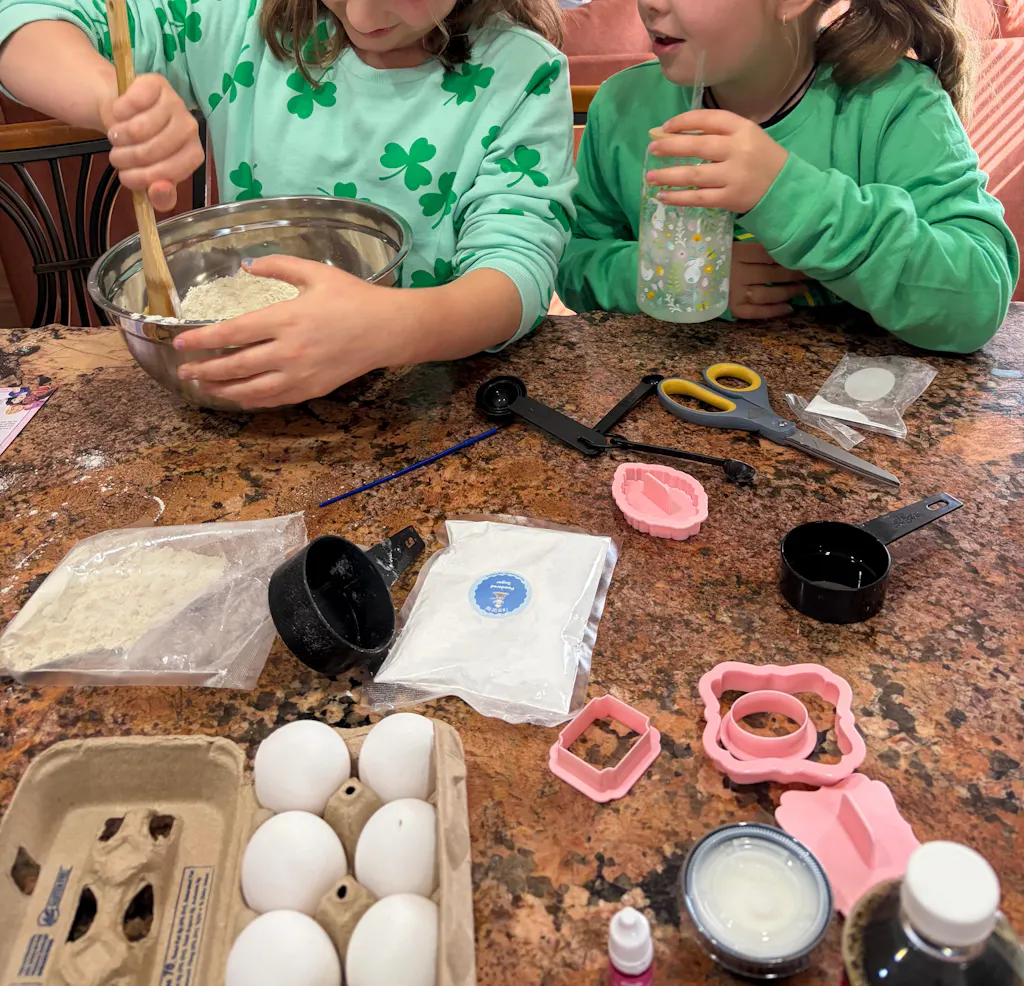
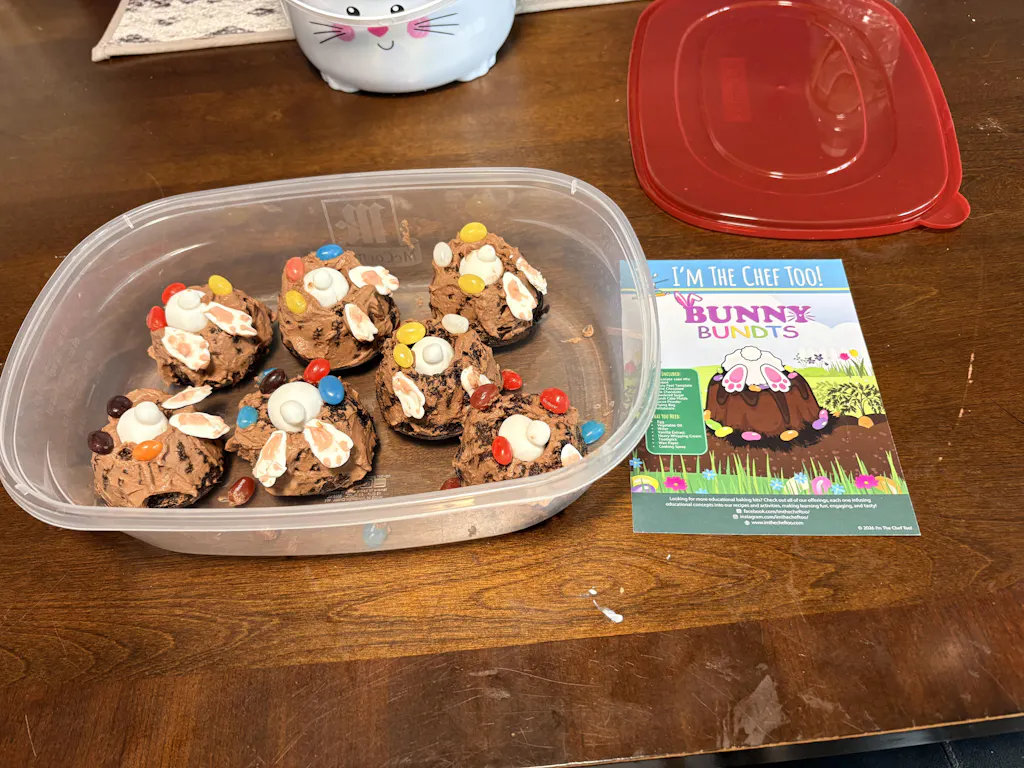
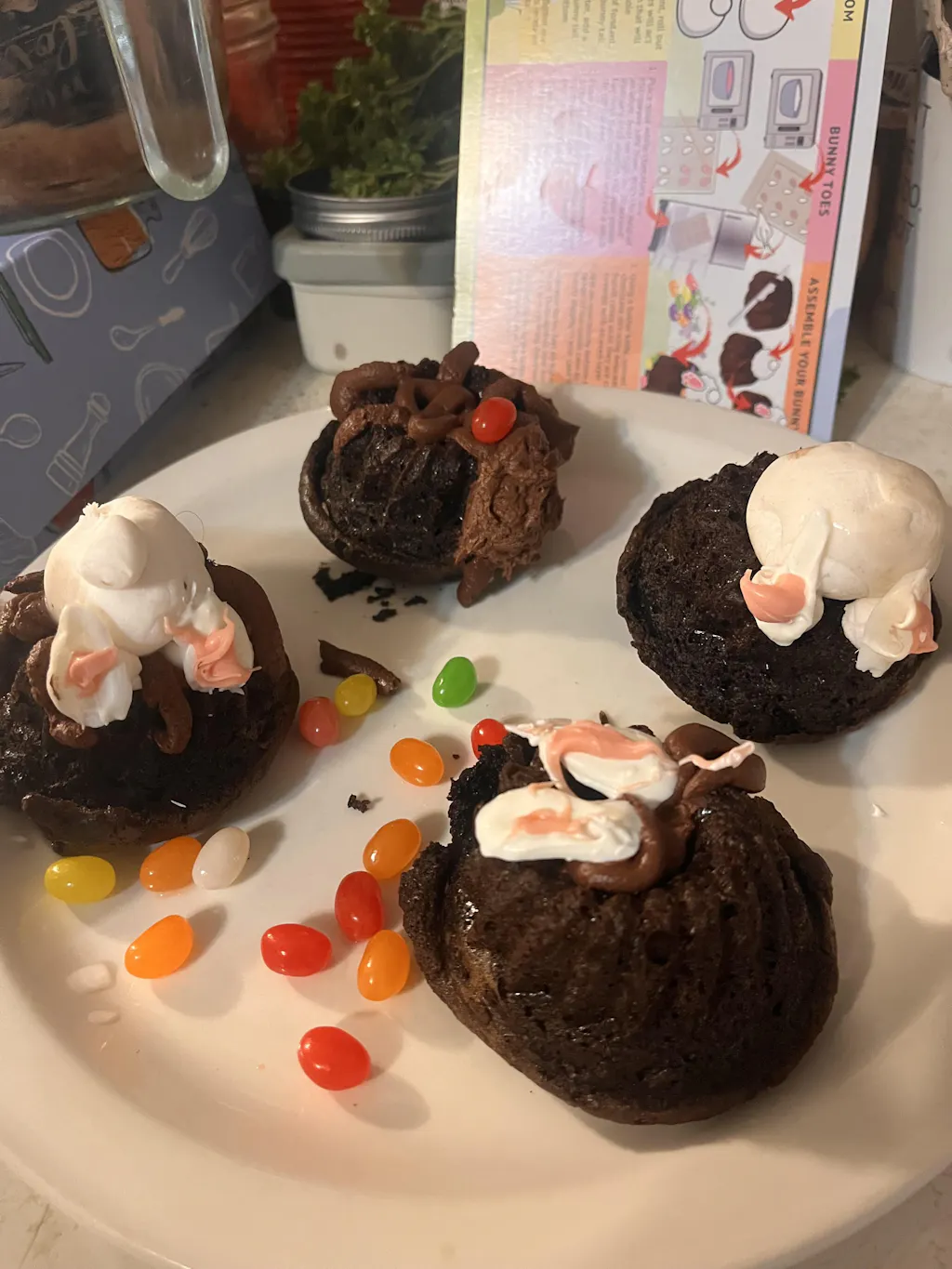
Our unique approach is developed by mothers and educators, ensuring that each adventure is not only fun and delicious but also thoughtfully designed to impart tangible skills and knowledge. We provide pre-measured dry ingredients and specialty supplies, making it convenient for you to jump right into the learning without the hassle of extensive grocery shopping – especially helpful when sourcing specific allergy-free ingredients for complex recipes.
Family Bonding and Screen-Free Engagement
In a world increasingly dominated by screens, finding engaging, enriching activities that bring families together can be a challenge. Our kits offer a perfect solution. Spending time in the kitchen together, collaborating on a recipe, and sharing the fruits of your labor creates indelible memories and strengthens family bonds. It’s a space for conversation, laughter, and shared discovery. This hands-on, interactive experience naturally pulls children away from digital devices and into a world where their senses are fully engaged, fostering creativity and a love for practical skills.
Imagine the pride on your child's face as they present their culinary creation, knowing they learned something new while having a blast. This sense of accomplishment is a powerful builder of confidence and self-esteem.
Ready to embark on a journey of continuous discovery and delicious learning? Join The Chef's Club today! A new, exciting culinary STEM adventure arrives at your door every month with free shipping in the US. It's the perfect way to keep the learning and fun going, offering the flexibility of 3, 6, and 12-month pre-paid plans that are perfect for gifting or long-term enrichment. Each box is a complete experience, designed to spark joy and curiosity.
Building Confidence and Culinary Curiosity
For children with food allergies, the world can sometimes feel restrictive. They might feel left out or different when others are enjoying foods they cannot. By involving them in the process of identifying safe allergy free snacks for kids to buy, preparing meals, and exploring new recipes, we can help them develop a sense of empowerment and confidence.
- Empowerment Through Knowledge: When a child understands their allergies and how to make safe choices, they gain a critical life skill. They learn to advocate for themselves, to ask questions, and to read labels as they grow older. This knowledge isn't a burden; it's a shield that builds self-reliance.
- Adventurous Eating (Within Safe Parameters): Rather than focusing on what they can't have, cooking together allows you to explore the vast array of delicious foods they can enjoy. This encourages adventurous eating and helps them develop a diverse palate within their safe dietary needs. It also demystifies ingredients and cooking methods, making food less intimidating.
- Control and Comfort: Knowing what goes into their food provides a sense of control and comfort for both children and parents. This is especially true when preparing foods for social events or school, where the unknown can be a major source of anxiety.
At I'm the Chef Too!, we recognize that every child's journey is unique. Our kits are designed to be adaptable and encourage creativity, often providing opportunities for substitutions or modifications based on dietary needs, always with adult supervision. Our goal is to foster a love for learning, build confidence in the kitchen, and create joyful family memories through hands-on, screen-free "edutainment."
By joining The Chef's Club, you're not just signing up for a box of ingredients; you're investing in a continuous stream of opportunities for your child to learn, grow, and explore in a way that’s safe, fun, and incredibly rewarding. Our educational philosophy emphasizes that every child deserves the chance to discover the magic of science, technology, engineering, and math through the art of cooking, without fear.
Setting Realistic Expectations
It’s important to remember that introducing your child to allergy-free cooking and snacking is a journey, not a destination. You won't necessarily transform your child into a top scientist or a master chef overnight. Our focus at I'm the Chef Too! is not about guaranteeing specific educational outcomes, but rather on celebrating the process itself.
The true benefits lie in:
- Fostering a love for learning: By making education fun and delicious.
- Building confidence: Through successful culinary creations and understanding their food.
- Developing key skills: From fine motor coordination to critical thinking.
- Creating joyful family memories: These shared experiences are priceless.
Always remember that all kitchen activities, especially with children, require attentive adult supervision to ensure safety and guidance. Our kits provide the framework, but your involvement makes the magic happen. Whether you're carefully selecting allergy free snacks for kids to buy at the grocery store or embarking on a full-fledged culinary science experiment, every step is a valuable opportunity for growth and connection. If you're looking for an incredible variety of safe, engaging, and educational experiences, be sure to browse our complete collection of one-time kits and find the perfect theme for your little learner!
Conclusion
Navigating the world of allergy-free snacks for kids can feel daunting, but it doesn't have to be. By understanding common allergens, developing smart shopping strategies, and leveraging the growing market of allergy-friendly products, you can confidently provide your child with safe, delicious, and convenient options for every occasion. From fresh fruits and crunchy veggie sticks to dedicated allergy-free brands offering cookies and granola bars, a world of possibilities awaits.
At I'm the Chef Too!, we believe that managing food allergies is just one part of a child's incredible journey of growth and discovery. We are dedicated to supporting families by blending food, STEM, and the arts into unique "edutainment" experiences that spark curiosity, foster creativity, and build confidence. Our kits, developed by mothers and educators, offer a tangible, hands-on, and delicious way to learn complex subjects, facilitating invaluable family bonding moments away from screens.
Empowering your child with knowledge, involving them in safe food preparation, and creating joyous culinary adventures are gifts that extend far beyond snack time. They build resilience, foster a love for learning, and create memories that will last a lifetime.
Ready to infuse your home with delightful learning and delicious fun? Stop wondering what to do next and open the door to a world of culinary STEM adventures.
Join The Chef's Club today! A new, exciting journey is delivered to your door every month with free shipping in the US. Choose from our flexible 3, 6, and 12-month pre-paid plans, perfect for gifting or ensuring a year-round supply of screen-free educational fun. Each box is a complete experience, containing pre-measured dry ingredients and specialty supplies, ready for your child to explore, create, and taste. Let's make every snack and every meal an opportunity for discovery!
FAQ: Your Allergy-Free Snacking Questions Answered
Q1: What are the "Top 9" food allergens I need to be most aware of?
A: The "Top 9" food allergens recognized by the FDA are milk, eggs, peanuts, tree nuts, soy, wheat, fish, crustacean shellfish, and sesame. These are responsible for the vast majority of severe allergic reactions.
Q2: How can I prevent cross-contamination when packing allergy-free snacks for my child?
A: To prevent cross-contamination:
- Always prepare allergy-free snacks on clean surfaces with clean hands and utensils.
- Use separate cutting boards, plates, and cooking tools if you're preparing allergen-containing foods simultaneously.
- Pack snacks in clearly labeled, dedicated containers.
- Teach your child not to share food with others, especially at school or playdates.
- Ensure your child washes their hands thoroughly before and after eating.
Q3: Are "allergy-friendly" and "gluten-free" the same thing?
A: No, "allergy-friendly" is a broader term, usually meaning free from multiple common allergens (like the Top 9). "Gluten-free" specifically means free from gluten, a protein found in wheat, barley, and rye. While wheat is one of the Top 9 allergens, a product can be gluten-free but still contain other major allergens like milk, eggs, or nuts. Always check the full allergen statement on the label.
Q4: What's the best way to introduce new allergy-free snacks to my child?
A: Introduce new snacks gradually, especially if your child is hesitant. Pair them with familiar, beloved foods. Make it a fun experience – let them help pick out a new snack at the store (after you've vetted the label!) or involve them in preparing it. Remember, consistency and patience are key.
Q5: Where can I find more reliable resources on food allergies?
A: Excellent resources include:
- Food Allergy Research & Education (FARE): www.foodallergy.org
- The American Academy of Allergy, Asthma & Immunology (AAAAI): www.aaaai.org
- Your child’s allergist or pediatrician is always your primary source for personalized medical advice.
Q6: What kind of educational activities does I'm the Chef Too! offer?
A: At I'm the Chef Too!, we offer hands-on cooking STEM kits that blend culinary arts with science, technology, engineering, and math. Our unique "edutainment" experiences involve making delicious treats while exploring concepts like chemical reactions, fractions, geology, astronomy, and more. Each kit includes pre-measured dry ingredients and specialty supplies for a complete, screen-free learning adventure. You can explore our diverse range of themes by browsing our complete collection of one-time kits or get a new surprise adventure delivered monthly by joining The Chef's Club.