Table of Contents
- Introduction
- The Science of Protein: Why Your Child Needs It
- 1. The "Powerhouse" Turkey and Cheese Pinwheels
- 2. Hard-Boiled Egg "Snowmen"
- 3. Greek Yogurt Parfait Bar
- 4. DIY "Lunchables" with a Healthy Twist
- 5. Chicken Salad "Scoopers"
- 6. The "Galaxy" Black Bean Dip
- 7. Quinoa Salad with "Confetti" Veggies
- 8. Hummus and Chicken Pita Pockets
- 9. Cottage Cheese and Pineapple Bowls
- 10. Baked Tofu "Nuggets"
- 11. Edamame "Poppers"
- 12. Beef Jerky and Cheese Kabobs
- 13. Tuna Salad in Lettuce Wraps
- 14. Lentil Soup in a Thermos
- 15. Almond Butter and Banana "Sushi"
- 16. Turkey Meatball Sliders
- 17. Cheese and Nut Butter Stuffed Celery
- 18. Chicken Quesadillas with Hidden Beans
- 19. Roast Beef and Provolone Roll-ups
- 20. Chickpea "Crouton" Salad
- 21. Pasta Salad with Chickpea Pasta
- 22. Ham and Egg "Muffins"
- 23. Salmon Cakes
- 24. Refried Bean and Cheese Burritos
- 25. The "Wild" Turtle Whoopie Pies (A Protein-Adjacent Treat!)
- The Importance of Adult Supervision and Safety
- Making Lunch an "Edutainment" Experience
- A Case Study: The "Science Lab" Bento Box
- Tips for Success with High-Protein Lunches
- Creating Joyful Family Memories
- Addressing Common Concerns (The "What Ifs")
- The I'm the Chef Too! Philosophy
- Summary of Key Takeaways
- Frequently Asked Questions (FAQs)
- Conclusion
Introduction
Have you ever noticed your child coming home from school looking absolutely exhausted, perhaps a bit "hangry," or simply moving in slow motion? We have all been there. It is the dreaded mid-afternoon slump. As parents and educators, we often find ourselves staring into the refrigerator at 7:00 AM, wondering how to pack a lunch that does more than just fill a belly. We want to provide fuel that powers their brains for math, their muscles for recess, and their creativity for art class. The secret ingredient to a successful, high-energy school day is often found in one specific macronutrient: protein.
At I’m the Chef Too!, we believe that every meal is an opportunity for a new adventure. Our mission is to blend food, STEM, and the arts into one-of-a-kind "edutainment" experiences that spark curiosity. While we love the magic of a kitchen experiment, we know that the foundation of a great day starts with a nutritious lunch. Protein is the literal building block of a child's growing body, yet finding kids protein lunch ideas that are actually "kid-approved" can feel like solving a complex chemistry equation.
In this comprehensive guide, we are going to dive deep into the world of protein-packed lunches. We will explore why protein matters from a biological perspective, how much your little chef actually needs, and provide 25 creative, delicious, and easy-to-prep ideas that will make the lunchbox the highlight of their day. From "sushi" wraps to bento-style protein boxes, we are here to help you turn lunch prep into a joy rather than a chore.
Our goal is to foster a love for learning and health in your home. By the end of this post, you will have a toolkit of ideas that build confidence in the kitchen and create joyful family memories. Ready for a new adventure every month? Join The Chef's Club and enjoy free shipping on every box to keep the educational momentum going long after the lunchbox is empty.
The Science of Protein: Why Your Child Needs It
Before we jump into the recipes, let’s look at the "why" behind the protein. At I’m the Chef Too!, we love explaining the science behind the food! Protein is often called the "building block of life," and for good reason. It is made up of amino acids, which are the chemical compounds that help repair tissues, build muscles, and produce enzymes and hormones.
For a growing child, protein is essential for:
- Muscle Development: As kids run, jump, and play, their muscles undergo tiny amounts of wear and tear. Protein helps repair and strengthen those muscles.
- Brain Function: Certain amino acids help produce neurotransmitters, the messengers in the brain that help kids stay focused during a long afternoon of lessons.
- Satiety: Unlike simple carbohydrates that burn off quickly, protein takes longer to digest. This means your child feels fuller for longer, preventing that 2:00 PM energy crash.
- Immune Support: Many components of the immune system, such as antibodies, are made of protein.
How much do they actually need? While every child is unique, general guidelines suggest that toddlers (ages 2-3) need about 13-14 grams per day, school-aged children (ages 4-8) need about 19 grams, and older children (ages 9-13) need about 34 grams. Our kids protein lunch ideas aim to provide a significant portion of this daily requirement in one fun, delicious package.
1. The "Powerhouse" Turkey and Cheese Pinwheels
Pinwheels are a classic for a reason—they are fun to look at and even more fun to eat! By using a whole-wheat tortilla, lean turkey breast, and a slice of cheddar cheese, you are creating a balanced meal. The "STEM" moment here is the rolling process; it teaches children about layers and structural integrity.
To make these, spread a thin layer of cream cheese or hummus on a tortilla. Layer the turkey and cheese, then roll it tightly. Slice into one-inch rounds. This simple meal provides roughly 12-15 grams of protein depending on the thickness of the meat.
2. Hard-Boiled Egg "Snowmen"
Eggs are a protein superstar, containing about 6 grams of protein each. To make these more engaging, pack two hard-boiled eggs with a side of "buttons" (peas or carrot bits). You can even use a toothpick (under supervision) to stack them like snowmen.
For parents looking to expand their child's culinary horizons beyond the lunchbox, you can find the perfect theme for your little learner by browsing our complete collection of one-time kits. Learning about the biology of an egg can be just as fun as eating one!
3. Greek Yogurt Parfait Bar
Greek yogurt is a protein heavyweight, often containing double the protein of regular yogurt. We recommend packing the yogurt in a sealed container and putting the "mix-ins" in a separate compartment of a bento box. This keeps the granola crunchy and the fruit fresh.
A half-cup of Greek yogurt can provide up to 12 grams of protein. Add a sprinkle of hemp seeds or crushed nuts (if allowed at school) for an extra boost. This is a great way to let your child "engineer" their own meal.
4. DIY "Lunchables" with a Healthy Twist
Skip the store-bought versions and create your own "edutainment" lunch box. Use high-quality deli meats (turkey, ham, or roast beef), slices of real cheese, and whole-grain crackers.
This DIY approach allows you to control the ingredients while giving your child the tactile experience of building their own "cracker sandwiches." It’s a lesson in geometry and flavor profiles!
5. Chicken Salad "Scoopers"
Turn a standard chicken salad into a fun activity by serving it with bell pepper "boats" or sturdy cucumber rounds instead of bread. Use Greek yogurt instead of mayo to increase the protein content and add a tangy flavor.
The crunch of the vegetables combined with the creamy chicken provides a sensory experience that kids love. This is one of our favorite kids protein lunch ideas because it’s easy to meal-prep on a Sunday evening.
6. The "Galaxy" Black Bean Dip
Beans are an incredible source of plant-based protein and fiber. Blend black beans with a little lime juice and cumin to create a "space-themed" dip. Pair this with colorful veggie sticks or baked pita chips.
Speaking of space, if your child is a fan of all things cosmic, they might love to explore astronomy by creating their own edible solar system with our Galaxy Donut Kit. It's a wonderful way to combine a high-protein lunch with a high-creativity weekend activity!
7. Quinoa Salad with "Confetti" Veggies
Quinoa is a rare plant source that is a "complete" protein, meaning it contains all nine essential amino acids. Many kids enjoy the tiny, "pop-in-your-mouth" texture of quinoa. Mix it with finely diced cucumbers, peppers, and feta cheese for a colorful "confetti" salad.
8. Hummus and Chicken Pita Pockets
Stuff a whole-wheat pita with a generous smear of hummus and sliced grilled chicken. The combination of chickpeas (in the hummus) and chicken provides a double-hit of protein that will keep them fueled for the long haul.
9. Cottage Cheese and Pineapple Bowls
Cottage cheese is often overlooked, but it is packed with casein protein, which digests slowly and provides a steady release of energy. The sweetness of the pineapple helps balance the savory cheese, making it a hit with kids who have a sweet tooth.
10. Baked Tofu "Nuggets"
If you are looking for a vegetarian option, firm tofu pressed and baked until crispy is a fantastic alternative to chicken nuggets. Season them with nutritional yeast for a "cheesy" flavor and an extra protein kick.
We love teaching kids about the transformation of ingredients—how a soft block of tofu becomes a crunchy nugget is a lesson in textures and heat transfer!
11. Edamame "Poppers"
Steam some edamame in the pods and sprinkle with a tiny bit of sea salt. Kids love the "pop" of the beans coming out of the pods. It’s a great "fidget" food that also happens to be a nutritional powerhouse.
Give the gift of learning that lasts all year with a 12-month subscription to our STEM cooking adventures and discover even more ways to make vegetables the star of the show.
12. Beef Jerky and Cheese Kabobs
For older kids, high-quality beef jerky (look for low-sodium options) paired with cheese cubes on a blunt skewer can be a very satisfying lunch. It’s high in protein and easy to eat on the go.
13. Tuna Salad in Lettuce Wraps
Tuna is an excellent source of Omega-3 fatty acids and protein. To avoid a soggy sandwich, pack the tuna salad in a container and provide large Romaine lettuce leaves for "wrapping." This keeps the lunch interactive and fresh.
14. Lentil Soup in a Thermos
On chilly days, nothing beats a warm soup. Lentils are tiny but mighty, providing a huge amount of protein and iron. A well-insulated thermos will keep the soup at a safe, warm temperature until lunch.
This is a great chance to talk about thermal energy! How does the thermos keep the soup warm? It's a real-world science lesson in every spoonful.
15. Almond Butter and Banana "Sushi"
If your school is nut-free, use sunflower seed butter. Spread it on a tortilla, place a whole peeled banana inside, roll it up, and slice it into "sushi" rounds. This provides healthy fats and protein to keep energy levels stable.
16. Turkey Meatball Sliders
Leftover meatballs make for an amazing lunch. Place two turkey meatballs inside small whole-grain slider buns with a tiny bit of marinara sauce. It feels like a special treat but is actually a protein-dense meal.
Speaking of treats that look like one thing but teach another, have you seen how we explore geology? We use a similar "volcanic" energy to teach kids about the earth’s crust through a chemical reaction that makes our Erupting Volcano Cakes bubble over with deliciousness.
17. Cheese and Nut Butter Stuffed Celery
Commonly known as "Ants on a Log," this classic can be upgraded by using different "ants" like dried cranberries or seeds. The celery provides hydration, while the nut or seed butter provides the protein.
18. Chicken Quesadillas with Hidden Beans
Smashed white beans can be hidden inside a cheese and chicken quesadilla. Your child gets the familiar taste of a cheesy quesadilla, while you know they are getting an extra boost of fiber and protein.
19. Roast Beef and Provolone Roll-ups
Simple, effective, and delicious. High-quality roast beef rolled around a piece of provolone cheese is a great low-carb, high-protein option for kids who might be tired of bread.
20. Chickpea "Crouton" Salad
Roast chickpeas until they are crunchy and use them as "croutons" on top of a simple green salad with grilled chicken. The chickpeas add a delightful crunch and a layer of plant-based protein.
21. Pasta Salad with Chickpea Pasta
Switch out traditional wheat pasta for pasta made from chickpeas or lentils. These modern alternatives look and taste very similar to regular pasta but have significantly more protein per serving. Mix with pesto, mozzarella pearls, and cherry tomatoes.
22. Ham and Egg "Muffins"
Whisk eggs with diced ham and a little spinach, pour into a muffin tin, and bake. These "egg muffins" are perfectly portioned for little hands and can be eaten cold or room temperature.
23. Salmon Cakes
If your child enjoys seafood, salmon cakes made from canned salmon and whole-wheat breadcrumbs are a fantastic way to get those essential brain-building fats and proteins into their diet.
24. Refried Bean and Cheese Burritos
A simple bean and cheese burrito, wrapped in foil to stay warm or served cold, is a classic high-protein lunch. Use pinto or black beans for the best nutritional profile.
25. The "Wild" Turtle Whoopie Pies (A Protein-Adjacent Treat!)
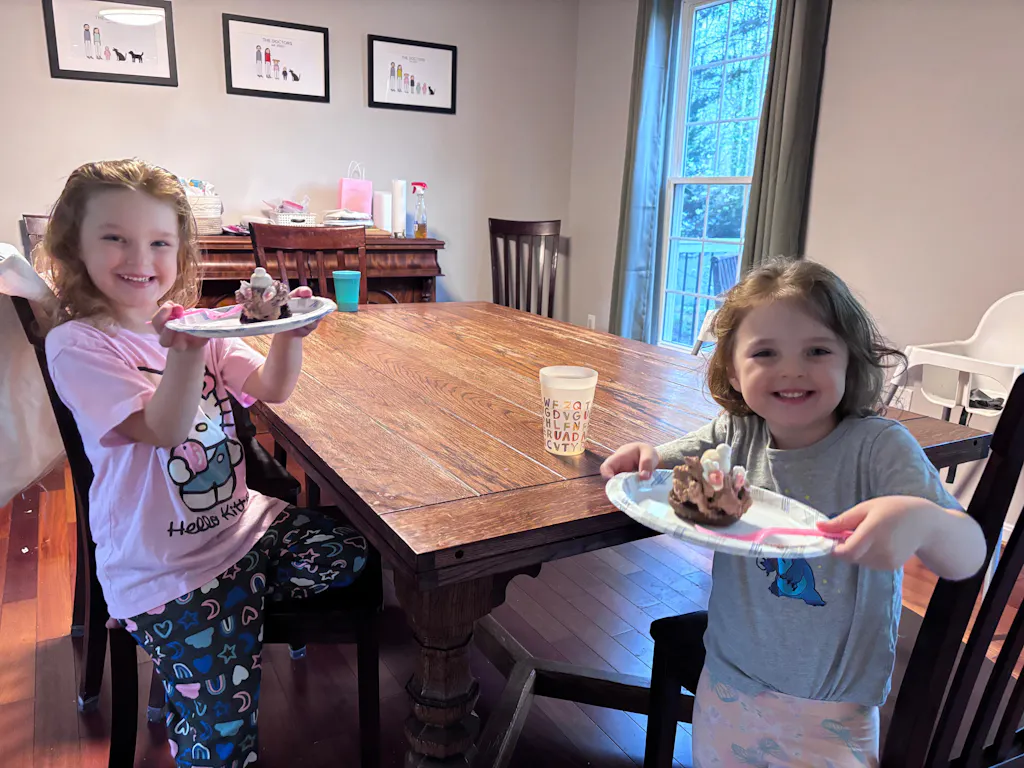
Every good lunch deserves a small treat. While we focus on protein for the main course, we love making the entire experience fun. Even beloved animals can make learning fun, like when kids make Wild Turtle Whoopie Pies. These kits are a great way to reward a week of healthy eating with a hands-on baking project that teaches biology and kitchen skills!
The Importance of Adult Supervision and Safety
While we want our children to be independent and confident in the kitchen, safety is always our top priority. When preparing these kids protein lunch ideas, please ensure that all cutting, boiling, and oven use is performed by an adult or under very close adult supervision.
In our I’m the Chef Too! kits, we design activities that are age-appropriate, but the "chef-in-chief" (that's you!) is always the most important safety officer. Teaching your child how to handle kitchen tools safely is a vital part of their "edutainment" journey. It builds respect for the process and ensures that the kitchen remains a place of joy and discovery.
Making Lunch an "Edutainment" Experience
How do we take a simple lunch and turn it into a learning moment? It’s all in the presentation and the conversation.
A parent looking for a screen-free activity for their 7-year-old who loves biology might pack the "Snowman" eggs and talk about how the white of the egg is mostly protein, while the yolk contains important vitamins. You could even challenge your child to draw a "protein map" of their lunchbox, identifying which foods help their muscles and which ones help their brain.
At I’m the Chef Too!, we are committed to providing these screen-free alternatives. We know that when kids are involved in the process—whether it's choosing the "confetti" for their quinoa or rolling their own pinwheels—they are much more likely to eat and enjoy their food. This builds a positive relationship with nutrition that can last a lifetime.
Ready for a new adventure every month? Join The Chef's Club and enjoy free shipping on every box to bring this spirit of discovery into your home on a regular basis. Our kits are developed by mothers and educators who understand exactly what it takes to engage a child’s imagination while teaching complex subjects like chemistry, physics, and math through the delicious medium of food.
A Case Study: The "Science Lab" Bento Box
Let’s imagine a hypothetical scenario. Meet Sarah, a parent of an 8-year-old named Leo. Leo is currently obsessed with space and chemistry, but he has been struggling to finish his lunch at school. Sarah decides to turn his lunch into a "Science Lab" adventure.
She packs a "Galaxy" Black Bean Dip (astronomy and biology) with star-shaped red peppers (geometry). She adds a hard-boiled egg and tells Leo that the egg is a "cell model" (life science). For a snack, she includes edamame "poppers," explaining how the plant grows in a pod (botany).
Because Leo was involved in the "research" (picking the shapes and helping with the dip), he feels a sense of ownership over his lunch. He isn't just eating beans and eggs; he is conducting a delicious experiment. This transition from passive eating to active "edutainment" is what we strive for in every kit we create.
If you are an educator or a homeschool parent looking to bring this kind of excitement to a larger group, we have options for you too. Bring our hands-on STEM adventures to your classroom, camp, or homeschool co-op. Learn more about our versatile programs for schools and groups, available with or without food components. It's a fantastic way to make science tangible and tasty for a whole group of little learners.
Tips for Success with High-Protein Lunches
Transitioning to new kids protein lunch ideas can sometimes meet with a little resistance. Here are some practical tips to ensure a smooth transition:
- Start Small: Don't overhaul the entire lunchbox overnight. Introduce one new high-protein item alongside a familiar favorite.
- The "Dip" Factor: Almost anything tastes better to a child when there is a dip involved. Hummus, Greek yogurt ranch, or even a little bit of honey mustard can make protein sources like chicken or tofu much more appealing.
- Temperature Matters: Invest in a high-quality insulated lunch bag and a good thermos. Nobody likes lukewarm chicken or warm yogurt. Keeping food at the right temperature is not just a safety issue; it's a taste issue.
- Involve Them in the Shop: Let your child pick out the type of cheese or the color of the peppers. When they have a say in the "supplies," they are more invested in the "project."
- Keep it Colorful: We eat with our eyes first! A bento box filled with red peppers, green edamame, white cheese, and purple grapes is much more inviting than a brown paper bag with a beige sandwich.
If you find that your child is particularly drawn to a certain theme, like geology or space, use that as your "hook." Not ready to subscribe? Explore our full library of adventure kits available for a single purchase in our shop to find the perfect theme that matches their current interest.
Creating Joyful Family Memories
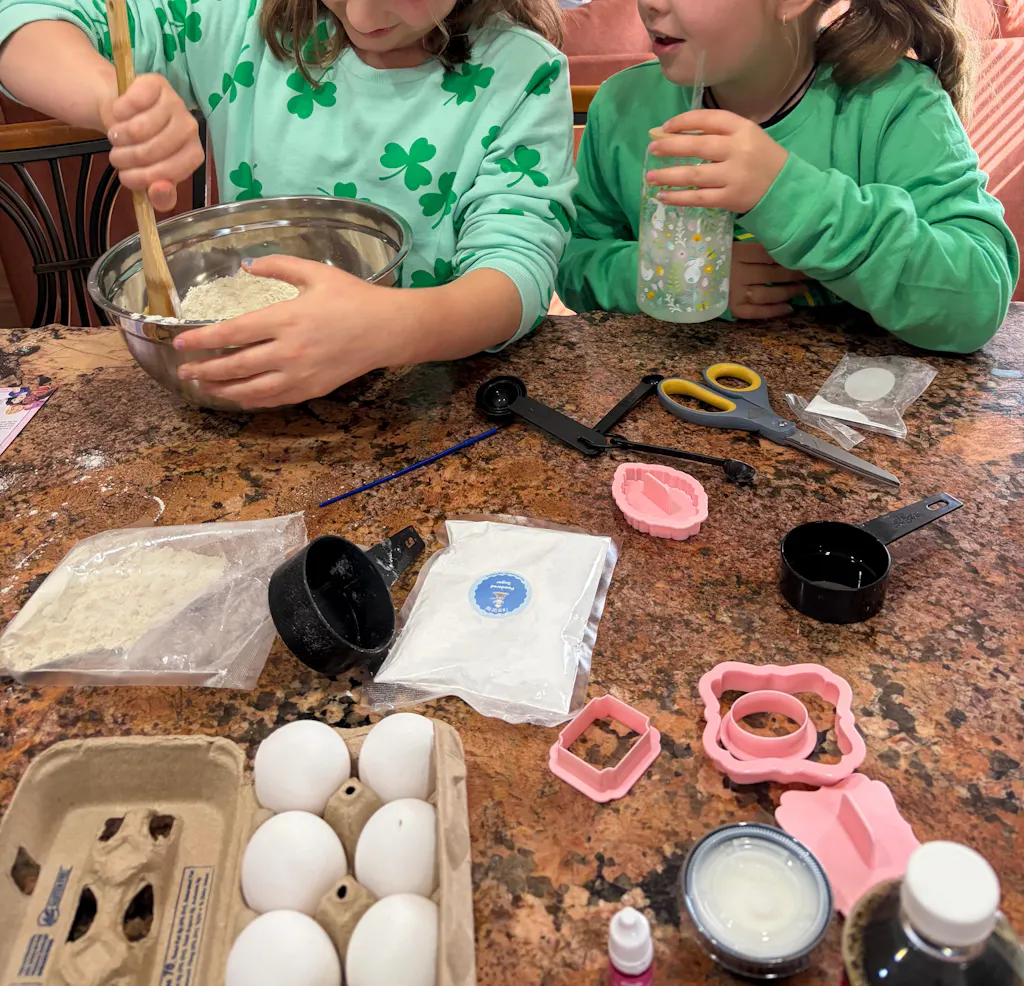
At the heart of I’m the Chef Too! is the desire to facilitate family bonding. The time spent in the kitchen—whether you are prepping school lunches on a Sunday or embarking on a full STEM cooking adventure on a Saturday—is precious. These are the moments where conversations happen, where "mistakes" become learning opportunities, and where confidence is built.
When a child successfully peels a hard-boiled egg for the first time or helps whisk the dressing for a pasta salad, they are learning that they are capable. They are learning that they can create something nourishing and delicious. This sense of self-efficacy is one of the greatest gifts we can give our children.
Our kits are designed to be complete experiences, containing pre-measured dry ingredients and specialty supplies, making it easy for you to focus on the fun and the learning rather than the mess and the shopping list. Give the gift of learning that lasts all year with a 12-month subscription to our STEM cooking adventures and make these memories a monthly tradition.
Addressing Common Concerns (The "What Ifs")
What if my child is a picky eater? This is perhaps the most common question we get. Picky eating is often a way for children to exert control over their environment. By using the "edutainment" approach—turning food into a science experiment or a work of art—you take the pressure off the act of "eating" and put the focus on "discovery."
What if I don't have time for fancy lunches? Many of the kids protein lunch ideas we've shared, like turkey roll-ups or cottage cheese bowls, take less than five minutes to assemble. You don't need to be a gourmet chef to provide a high-protein lunch; you just need a few key staples in your pantry and fridge.
What if my child's school has strict nut policies? We always recommend checking your school's specific guidelines. Many of our suggestions, like beans, seeds, eggs, and dairy, are naturally nut-free and provide excellent protein alternatives.
The I'm the Chef Too! Philosophy
We are more than just a subscription box company; we are a team of mothers and educators dedicated to changing the way children learn. We believe that the kitchen is the best laboratory in the world. By teaching complex subjects through tangible, hands-on, and delicious cooking adventures, we are helping to spark a lifelong love for learning.
Our approach isn't about creating "top scientists" or "master chefs" (though those are wonderful outcomes!). It’s about the process. It’s about the "Aha!" moment when a child sees a cake erupt or understands how a liquid becomes a solid. It’s about the confidence that comes from mastering a new skill and the joy of sharing a meal with family.
When you pack a protein-rich lunch, you are supporting that philosophy. You are giving your child the physical and mental fuel they need to be the best "kitchen explorer" they can be.
Summary of Key Takeaways
- Protein is Essential: It supports muscle growth, brain function, and keeps kids full throughout the school day.
- Variety is Key: From animal proteins like turkey and eggs to plant-based stars like beans and quinoa, there are endless ways to keep lunch interesting.
- Involvement Matters: Kids are more likely to eat healthy foods when they are involved in the "edutainment" of meal prep.
- Safety First: Always prioritize adult supervision in the kitchen to ensure a fun and safe experience.
- STEM is Everywhere: Even a simple lunchbox can be a lesson in biology, chemistry, and physics.
Ready for a new adventure every month? Join The Chef's Club and enjoy free shipping on every box. Each box is a complete experience, delivered right to your door, perfect for gifting or long-term enrichment.
Frequently Asked Questions (FAQs)
How can I keep protein-rich lunches fresh until noon?
The best way to keep lunches fresh is to use an insulated lunch bag with at least two ice packs. For hot items like lentil soup or meatballs, a high-quality stainless steel thermos is essential. Pre-heating the thermos with boiling water for a few minutes before adding the food will help it stay warm even longer.
What are the best plant-based protein sources for kids?
Beans (black, pinto, kidney), lentils, chickpeas, edamame, tofu, and seeds (chia, hemp, pumpkin) are all fantastic plant-based protein sources. Quinoa is also an excellent choice as it is a complete protein. Combining different plant proteins throughout the day ensures your child gets all the amino acids they need.
Is it possible to pack too much protein?
While protein is important, balance is key. A healthy lunch should also include complex carbohydrates (like whole grains), healthy fats, and plenty of fiber from fruits and vegetables. Focus on providing a variety of nutrients rather than just one macronutrient.
My child doesn't like the texture of meat. What should I do?
Many kids struggle with the texture of certain meats. Try offering "hidden" proteins like smashed beans in a quesadilla, or smoother textures like Greek yogurt, cottage cheese, or hummus. Eggs and tofu also offer different textures that might be more appealing to your child.
Can these lunch ideas be made ahead of time?
Absolutely! Many of these ideas, like hard-boiled eggs, pasta salads, and "egg muffins," can be prepared on Sunday and kept in the fridge for several days. This makes the morning rush much more manageable.
Conclusion
Packing a lunch that is both nutritious and exciting doesn't have to be a source of stress. By focusing on these kids protein lunch ideas, you are providing your child with the foundation they need to succeed in the classroom and on the playground. Remember, the goal isn't perfection; it's about fostering a love for healthy food and a curiosity about the world around them.
At I’m the Chef Too!, we are honored to be a part of your family’s educational journey. Whether you are building a "sushi" roll at the kitchen counter or exploring the stars with our Galaxy Donut Kit, we are here to provide the tools, the science, and the fun.
Ready for a new adventure every month? Join The Chef's Club and enjoy free shipping on every box. Give your child the gift of learning that lasts all year and create memories that will be cherished long after they've outgrown their lunchbox. Let’s make every meal an adventure!