Table of Contents
- Introduction
- Why Meat is a Superfood for Growing Minds
- The Picky Eating Phase: Normalizing the "No"
- Safety First: The Science of Doneness
- 1. Homemade "Cheesy Mac" Hamburger Helper
- 2. Mini Meatloaf Muffins
- 3. Mild Beef Taco Pasta One-Pot
- 4. Turkey and Sweet Potato Sliders
- 5. The "Hidden Veggie" Beef Meatballs
- 6. Slow Cooker Shredded Beef Ragu
- 7. Mild Chicken or Beef Quesadillas
- 8. Beef and Apple "Sausage" Patties
- 9. Baked Ravioli Casserole
- 10. Shepherds Pie "Craters"
- 11. Soft Beef and Broccoli "Trees"
- 12. Beef and Bean Burritos (Deconstructed)
- 13. Homemade Chicken or Beef "Nuggets"
- 14. Skillet Breakfast Scramble
- 15. Mini Spaghetti and "Meatball Pops"
- The Power of Presentation: Dips, Shapes, and Picks
- Cooking Together: A Screen-Free Learning Adventure
- Group Learning and Social Emotional Growth
- Frequently Asked Questions (FAQ)
- Conclusion
Introduction
Have you ever meticulously prepared a nutritious meal, only to have your toddler treat it like a high-stakes chemistry experiment—poking, prodding, and eventually launching a piece of steak across the kitchen? If you’ve spent your dinner hour negotiating "just one bite" of chicken or watching your little one pick every speck of ground beef out of their pasta, you are certainly not alone. Transitioning from the easy-to-please baby stage to the opinionated toddler years can make mealtime feel like a battle of wills. However, at I’m the Chef Too!, we believe that the kitchen shouldn't be a place of stress, but a laboratory of discovery and a playground for the senses.
The purpose of this guide is to transform the way you think about feeding your growing child. We aren't just looking for ways to "sneak" nutrients into their diet; we want to foster a genuine curiosity for food and a love for the culinary arts. In the following sections, we will explore the vital nutritional benefits of meat for young children, share expert strategies for overcoming picky eating, and provide 15 delicious, tried-and-true recipes that the whole family can enjoy. From "edutainment" experiences to practical kitchen safety, we’ve got you covered.
Our main message is simple: by blending the science of nutrition with the art of fun, hands-on cooking, you can help your child develop healthy habits that last a lifetime while creating joyful family memories. Whether you are a seasoned home cook or looking for a screen-free educational alternative to occupy a rainy afternoon, these toddler meat recipes are designed to spark creativity and nourish growing bodies.
Why Meat is a Superfood for Growing Minds
When we think about "superfoods," we often picture kale or blueberries, but for a toddler, a simple serving of beef or poultry is a nutritional powerhouse. During the first few years of life, children undergo rapid physical and cognitive development. This growth requires a high density of specific minerals and vitamins that meat provides in a highly "bioavailable" form—meaning the body can absorb and use them easily.
The Power of Iron and Zinc
Iron is perhaps the most critical nutrient for toddlers. It is essential for the production of hemoglobin, which carries oxygen to the brain and muscles. Iron deficiency can lead to fatigue, irritability, and even delayed cognitive development. While iron is found in plants (non-heme iron), the heme iron found in beef, lamb, and dark poultry meat is much more efficiently absorbed by the body. Just a small serving of ground beef can provide a significant portion of a child's daily requirement.
Zinc is another hero found in meat. It plays a vital role in immune function and cell growth. A toddler who gets enough zinc is better equipped to fight off common playground colds and reach their growth milestones. By incorporating these toddler meat recipes into your weekly rotation, you are providing the building blocks for a strong, healthy child.
B-Vitamins and Choline
Meat is also rich in B-vitamins, particularly B12, which is crucial for nervous system health. Additionally, beef is a source of choline, a nutrient that supports brain development and mood regulation. At I’m the Chef Too!, our mission is to blend food and STEM, and understanding the chemistry of nutrition is the first step in that journey. When you serve a balanced meal, you are essentially fueling a tiny, complex biological machine!
The Picky Eating Phase: Normalizing the "No"
It is completely normal for a toddler who once ate everything to suddenly become suspicious of any food that isn't a plain cracker. This phase, often called food neophobia, is a survival instinct from our evolutionary past—children became wary of new plants once they were mobile enough to forage.
Texture and the Sensory Experience
For many toddlers, the "no" isn't about flavor; it’s about texture. Meat can be chewy, stringy, or dry if not prepared correctly. This is where the STEM aspect of cooking comes in. By changing the physical state of the meat—grinding it, slow-cooking it until it shreds, or mashing it into a soft meatball—we make it more sensory-friendly for little mouths.
We encourage parents to let their children explore these textures in a low-pressure environment. Maybe today they just touch the meat or help you stir the (cool) ingredients. If you’re looking to dive deeper into how different shapes and colors affect a child's interest in food, you might Find the perfect theme for your little learner by browsing our complete collection of one-time kits.
Removing the Pressure
One of the best things you can do for a picky eater is to stop "policing" the plate. When we provide a "pleasurable atmosphere" and eat the same meal as our kids, we normalize the experience. If they see you enjoying a savory taco or a juicy slider, their natural curiosity will eventually win out. Remember, it can take 10 to 15 exposures to a new food before a child is willing to try it. Patience is the secret ingredient in every recipe.
Safety First: The Science of Doneness
Before we jump into the kitchen, let's talk about the most important "S" in STEM: Safety. When cooking meat for toddlers, ensuring it is cooked to the proper internal temperature is non-negotiable to prevent foodborne illness.
- Ground Beef and Poultry: Always cook ground meats to an internal temperature of 160°F (71°C). For ground turkey or chicken, aim for 165°F.
- The Thermometer Tool: We highly recommend using an instant-read meat thermometer. It’s a great way to show kids how scientists use tools to measure data! Insert it into the thickest part of the meatball or meatloaf to get an accurate reading.
- Resting Time: Letting meat rest for a few minutes after cooking allows the juices to redistribute, making it more tender and easier for your toddler to chew.
Ready for a new adventure every month? Join The Chef's Club and enjoy free shipping on every box. This monthly subscription is a fantastic way to keep the safety lessons and the fun going all year long.
1. Homemade "Cheesy Mac" Hamburger Helper
This is a classic for a reason. It combines the comfort of pasta with the nutritional punch of beef. By making it at home, you control the salt and the quality of the ingredients.
The STEM Connection: Watch how the dry pasta absorbs the beef broth, changing from a hard solid to a soft, edible texture!
- Ingredients: Lean ground beef, elbow macaroni, beef broth, tomato paste, garlic powder, and lots of real cheddar cheese.
- Instructions: Brown the beef with a little grated onion (grating prevents "onion chunks" that toddlers might reject). Stir in the tomato paste and spices. Add the broth and dry pasta. Simmer until the pasta is tender and the liquid has transformed into a thick sauce. Stir in the cheese at the very end for that signature gooey finish.
- Why Toddlers Love It: It’s soft, familiar, and the cheese acts as a "bridge" flavor they already trust.
2. Mini Meatloaf Muffins
Traditional meatloaf can be intimidating to a child. A "muffin," however, is a fun, handheld shape they recognize.
- Ingredients: Ground beef (or a mix of beef and pork), breadcrumbs, an egg (the binder!), and finely grated carrots or zucchini.
- Instructions: Mix the ingredients in a large bowl. This is a great task for a toddler with clean hands! Press the mixture into a greased muffin tin. Bake until the internal temperature reaches 160°F.
- The "Secret" Ingredient: Adding finely grated vegetables provides moisture, making the meatloaf easier to chew, while adding a boost of vitamins.
- Cooking Tip: If your child loves geology, you could explain that these are like "edible boulders." For more earth-science fun, you can see a chemical reaction that makes our Erupting Volcano Cakes bubble over with deliciousness.
3. Mild Beef Taco Pasta One-Pot
Tacos are great, but they can be messy and hard for toddlers to navigate. This one-pot pasta version keeps all the flavor in a format that's easy to spear with a fork.
- Ingredients: Ground beef, mild taco seasoning (look for low-sodium versions), rotini pasta, and corn.
- Instructions: Brown the beef, add the seasoning, and then cook the pasta directly in the pot with broth or water. The starch from the pasta creates a built-in sauce.
- Make it Fun: Serve this with a "topping bar" where your toddler can choose to add a dollop of yogurt (a great sour cream substitute) or a sprinkle of cheese. Giving them a sense of control often leads to more adventurous eating.
4. Turkey and Sweet Potato Sliders
Using Hawaiian rolls provides a slight sweetness that toddlers naturally gravitate towards.
- Ingredients: Ground turkey, mashed sweet potato (the "secret" moisture maker), and small buns.
- Instructions: Mix the mashed sweet potato into the ground turkey before forming small patties. The sweet potato ensures the turkey doesn't dry out—a common reason kids reject poultry. Pan-fry until cooked through and serve on the soft rolls.
- Nutritional Win: You’re getting Vitamin A from the potato and lean protein from the turkey.
5. The "Hidden Veggie" Beef Meatballs
Meatballs are the ultimate finger food. By making them small—"space marble" size—they become less daunting.
- Ingredients: Ground beef, spinach (blended into a puree), parmesan cheese, and an egg.
- Instructions: Puree the spinach with the egg before mixing it into the beef. This turns the meat a slightly fun green color (tell them they are "Explorer Globes!") and ensures they get their greens without a struggle.
- Edutainment Idea: Explore astronomy by creating your own edible solar system with our Galaxy Donut Kit. You can use the same "planetary" theme when serving these meatballs!
6. Slow Cooker Shredded Beef Ragu
Texture is king for toddlers. Slow-cooked meat that falls apart with a spoon is often much more acceptable than a piece of steak that requires heavy chewing.
- Ingredients: Beef chuck roast, tomato sauce, carrots, and celery.
- Instructions: Place everything in the slow cooker for 6-8 hours. Shred the meat thoroughly and serve over a large, flat pasta like pappardelle or even over mashed potatoes.
- Why it Works: The long cooking process breaks down the connective tissues (collagen) into gelatin, making the meat incredibly soft and flavorful.
7. Mild Chicken or Beef Quesadillas
The "crunch" factor is a big deal for kids. The contrast between a crispy tortilla and a soft, meaty filling is very appealing.
- Ingredients: Flour tortillas, shredded cheese, and very finely minced cooked beef or chicken.
- Instructions: Sprinkle a tiny amount of meat and a lot of cheese onto half a tortilla. Fold and cook in a pan until the cheese is melted.
- Tips for Success: Cut the quesadilla into "pizza triangles" or use a fun cookie cutter to make star or heart shapes.
8. Beef and Apple "Sausage" Patties
Combining savory meat with sweet fruit is a classic toddler-pleasing strategy.
- Ingredients: Ground beef, finely grated apple (peeled), and a pinch of cinnamon.
- Instructions: Mix and form into small, thin patties. The apple juice keeps the beef moist and provides a familiar flavor bridge.
- The Science of Flavor: Toddlers have more taste buds than adults, which is why strong flavors can be overwhelming. The sweetness of the apple helps balance the richness of the beef.
9. Baked Ravioli Casserole
Think of this as a "lazy lasagna." It uses store-bought cheese ravioli layered with a meaty tomato sauce.
- Ingredients: Cheese ravioli (fresh or frozen), ground beef, and marinara sauce.
- Instructions: Brown the beef and mix it with the sauce. Layer the ravioli and sauce in a baking dish, top with cheese, and bake.
- Family Style: This is a perfect meal to serve "family style" in the center of the table, allowing your toddler to see everyone else digging in.
10. Shepherds Pie "Craters"
This is a great way to serve beef, peas, and carrots all under a cozy blanket of mashed potatoes.
- Ingredients: Ground beef, frozen peas and carrots, and mashed potatoes.
- Instructions: Cook the beef and veggies together in a skillet. Place in small, oven-safe ramekins. Top with a thick layer of mashed potatoes. Use a spoon to make "craters" in the top and bake until the peaks are golden.
- Engaging the Senses: Let your child help "mash" the potatoes. It’s a great way to develop fine motor skills and get them involved in the process.
11. Soft Beef and Broccoli "Trees"
Many kids who won't eat steak will eat "beef and broccoli" if the flavors are mild and the textures are right.
- Ingredients: Thinly sliced beef (cut against the grain), broccoli florets, and a mild soy-sauce/honey glaze.
- Instructions: The key here is to steam the broccoli until it's very soft and to slice the beef into tiny, bite-sized ribbons.
- Creative Play: Call the broccoli "tiny trees" and the beef "mountain paths." Imaginary play is a cornerstone of our "edutainment" philosophy.
12. Beef and Bean Burritos (Deconstructed)
Sometimes, putting everything together is too much for a toddler. A deconstructed burrito allows them to explore each ingredient separately.
- Ingredients: Seasoned ground beef, black beans (rinsed), rice, and shredded cheese.
- Instructions: Serve small piles of each ingredient on a partitioned plate.
- Learning through Choice: This encourages the child to decide which "scientific specimen" they want to taste first. Give the gift of learning that lasts all year with a 12-month subscription to our STEM cooking adventures. This approach to learning extends far beyond the dinner table!
13. Homemade Chicken or Beef "Nuggets"
Skip the drive-thru and make a version that is packed with nutrition and real meat.
- Ingredients: Ground beef or chicken, breadcrumbs, and a little parmesan cheese.
- Instructions: Form the meat into small nuggets, coat in breadcrumbs, and bake or air-fry.
- Dipping Science: Serve with a variety of "potions" (dips) like yogurt-ranch, mild BBQ sauce, or even applesauce. Dipping is a sensory activity that many toddlers find irresistible.
14. Skillet Breakfast Scramble
Who says meat is just for dinner? A morning dose of protein can help stabilize a toddler's energy levels for a day of play.
- Ingredients: Eggs, a small amount of leftover ground beef or crumbled sausage, and diced peppers.
- Instructions: Scramble everything together in a pan. The eggs act as a soft, pillowy base for the meat.
- Convenience: Ready for a new adventure every month? Join The Chef's Club and enjoy free shipping on every box. While our kits provide all the dry ingredients you need for specialized projects, having these quick meat-based breakfast ideas on hand makes everyday life easier.
15. Mini Spaghetti and "Meatball Pops"
Spaghetti is a toddler rite of passage. To make it easier (and less messy), try making the meatballs tiny and serving them on kid-safe food picks.
- Ingredients: Spaghetti noodles, tomato sauce, and bite-sized meatballs.
- Instructions: Toss the noodles in sauce. Serve the meatballs on the side with colorful food picks.
- Note on Mess: Messy eating is actually a form of sensory play! It helps children understand the physical properties of their food. Just keep a few napkins handy.
The Power of Presentation: Dips, Shapes, and Picks
As we’ve seen in these toddler meat recipes, how you serve the food is often just as important as what you serve. At I’m the Chef Too!, we use the arts to make STEM more accessible, and you can use the same principle at home.
The "Dipping" Strategy
If your toddler is hesitant to try a piece of meat, offer a dip. Dips provide a sense of play and allow the child to customize the flavor. Hummus, mild salsa, yogurt, or even a tiny bit of maple syrup for savory sausages can be the "bridge" that leads to a successful bite.
Using Muffin Tins and Partitioned Plates
A large, overflowing plate can be overwhelming for a small child. Using a muffin tin to serve a "tasting menu" of different meats, veggies, and grains makes the meal feel like a discovery mission. It also prevents different foods from touching, which is a major win for many toddlers.
Creative Naming
Instead of "meatloaf," try "Power Cubes." Instead of "shredded beef," try "Lion’s Mane." When we use imaginative language, we tap into a child's natural sense of wonder. Not ready to subscribe? Explore our full library of adventure kits available for a single purchase in our shop. You’ll find plenty of inspiration for how to name and theme your kitchen creations there!
Cooking Together: A Screen-Free Learning Adventure
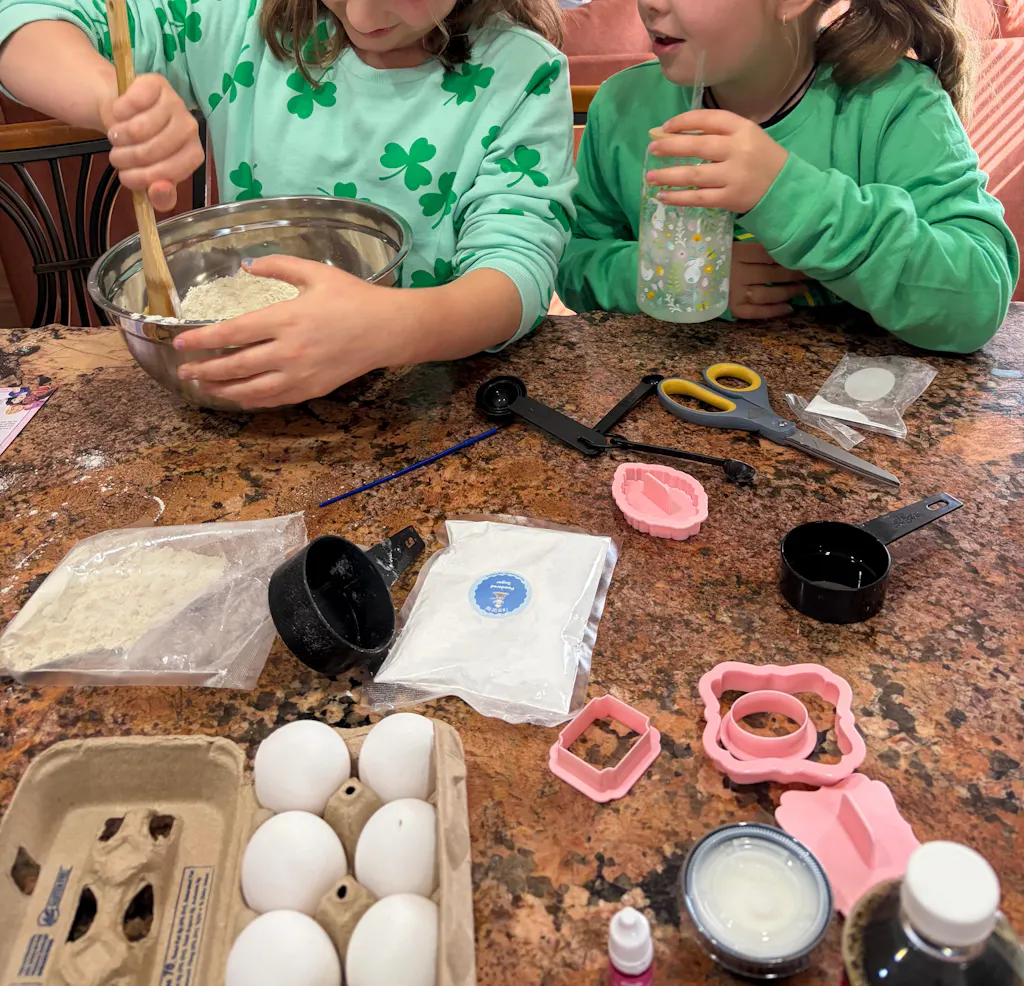
One of the most effective ways to get a child interested in these toddler meat recipes is to involve them in the cooking process. Cooking is a tangible, hands-on way to teach complex subjects like math (measuring), science (changing states of matter), and art (plating).
Age-Appropriate Tasks for Toddlers (Ages 1-3)
- Washing Vegetables: Give them a bowl of water and some carrots or celery to "scrub."
- Stirring: Let them help stir room-temperature ingredients in a large, stable bowl.
- Mashing: Use a potato masher or even clean hands to help mix meatball or meatloaf ingredients.
- Sprinkling: Let them be the "Seasoning Scientist" by sprinkling cheese or dried herbs over a dish.
By involving them, you are building their confidence and fostering a love for learning. They are much more likely to try a "Meatball Pop" if they were the ones who helped roll the meat into a ball! This philosophy is at the heart of everything we do. We want to provide families with a screen-free educational alternative that doesn't feel like "work"—it feels like an adventure.
Group Learning and Social Emotional Growth
If you are an educator or a homeschool co-op leader, these cooking activities are excellent for group settings. Cooking together teaches children about cooperation, following directions, and patience. Bring our hands-on STEM adventures to your classroom, camp, or homeschool co-op. Learn more about our versatile programs for schools and groups, available with or without food components. Whether you’re teaching a group of ten or just your own little one, the kitchen is the ultimate classroom.
Frequently Asked Questions (FAQ)
1. What is the best meat to start with for a toddler?
Ground beef is often the best starting point because it is naturally soft and easy to chew. It’s also incredibly versatile and can be incorporated into many familiar dishes like pasta or mild tacos.
2. How can I make meat easier for my toddler to chew?
Focus on cooking methods that add moisture, such as slow-cooking, pressure-cooking, or braising. You can also mix finely grated vegetables (like zucchini or carrots) into ground meat to keep it tender. Always ensure you cut pieces into small, manageable sizes.
3. My toddler refuses all meat. Should I be worried?
Occasional food strikes are very common. Focus on offering a variety of iron-rich foods, including beans, lentils, and fortified cereals, while continuing to offer meat in a low-pressure way. If you have concerns about your child's growth or specific nutrient levels, always consult with your pediatrician.
4. Is it safe to give my toddler "medium-rare" meat?
For safety reasons, it is recommended to cook all meat for toddlers to a "well-done" state. Ground beef should reach 160°F and poultry 165°F to ensure all harmful bacteria are destroyed.
5. How much meat does a toddler actually need?
A toddler doesn't need a huge amount of meat to reap the benefits. Just 1 to 2 ounces of protein-rich food per day is often enough to help meet their nutritional requirements.
6. Can I use these recipes for meal prepping?
Absolutely! Many of these recipes, like the mini meatloaf muffins and meatballs, freeze beautifully. You can make a large batch, freeze them individually, and pull out exactly what you need for a quick, nutritious lunch or dinner.
Conclusion
Navigating the world of toddler meat recipes doesn't have to be a daunting task. By understanding the vital role that iron, zinc, and protein play in your child's development, you can approach mealtime with a sense of purpose. Remember that the "picky" phase is a normal part of growing up, and your role is to provide a safe, fun, and encouraging environment for exploration.
From the "edutainment" of making "Erupting Volcano Cakes" to the daily ritual of a family dinner, every moment in the kitchen is an opportunity to spark curiosity and creativity. We hope these 15 recipes provide you with a solid foundation for many delicious adventures. By blending the science of STEM with the joy of cooking, we are helping the next generation of thinkers, creators, and healthy eaters.
Ready for a new adventure every month? Join The Chef's Club and enjoy free shipping on every box. Our kits are designed by educators and mothers to ensure that every experience is not only delicious but also deeply educational. Join our community today and start making memories that last a lifetime!