Table of Contents
- Introduction
- Why Spinach is a Superfood for Little Learners
- The Magic of "Branding" Your Greens
- Breakfast: Starting the Day with Green Power
- The Ultimate Sweet Spinach Muffin: A Deep Dive
- Lunch and Dinner: Savory Spinach Success
- Snacks and Sides: Fun on the Go
- Bringing STEM into the Kitchen
- Tips for Involving Your Toddler Safely
- Storing and Prepping for Success
- Creating Joyful Family Memories
- Frequently Asked Questions (FAQ)
- Conclusion
Introduction
Have you ever watched your toddler stare down a single piece of spinach as if it were a tiny green monster from another dimension? If you have, you are certainly not alone. The "green food" phase is a rite of passage for almost every parent, often marking the transition from a baby who ate everything to a toddler who has very specific opinions about the color of their dinner. At I'm the Chef Too!, we see these moments not as a struggle, but as an incredible opportunity for discovery. We believe that the kitchen is the ultimate laboratory where food, STEM, and the arts collide to create "edutainment" experiences that spark curiosity.
Our mission is to help families blend learning with deliciousness, transforming the way children interact with their food. When it comes to finding the perfect spinach recipe toddler tastes will actually approve of, the secret often lies in the presentation and the process. In this blog, we are going to explore why spinach is a nutritional powerhouse for growing bodies and share a wide variety of recipes that range from "sneaky" greens to "proudly" green. We will cover everything from blender muffins and vibrant smoothies to savory fritters and pasta sauces, all while showing you how to turn these kitchen moments into a screen-free educational adventure.
By the end of this guide, you’ll have a full toolkit of ideas to help your little learner embrace the power of leafy greens. Whether you are looking for a quick breakfast or a fun weekend baking project, we’ve got you covered. Ready for a new adventure every month? Join The Chef's Club and enjoy free shipping on every box.
Why Spinach is a Superfood for Little Learners
Before we dive into the recipes, it’s helpful to understand why we are so passionate about this particular leafy green. Spinach is often called a "superfood," and for toddlers, it really does live up to the name. It is packed with plant-based iron, which is essential for healthy development and energy levels. Beyond iron, it provides a healthy dose of fiber for digestion, Vitamin A for vision, and Vitamin C for a strong immune system.
At I'm the Chef Too!, we love using spinach because it’s a "chameleon" ingredient. It can be blended into a silky-smooth puree, chopped finely into muffins, or even baked into "chips." For a toddler, the texture of a whole spinach leaf can be overwhelming. Their mouths are still learning how to process different fibrous textures. By incorporating spinach into familiar foods, we help them build a positive relationship with the flavor and the color before the "fear of the unknown" kicks in during the preschool years.
Teaching children where their food comes from is a core part of our philosophy. When you’re preparing a spinach recipe toddler meals require, take a moment to show them the raw leaves. Let them feel the crinkle of the spinach and talk about the "Green Power" inside. If you want to dive deeper into the science of nature and food, you can find the perfect theme for your little learner by browsing our complete collection of one-time kits.
The Magic of "Branding" Your Greens
Sometimes, the hurdle isn't the taste—it's the name! We have found that "branding" food can completely change a toddler's perspective. If you call it a "Spinach and Egg Scramble," they might say no. But if you call it "Dragon Eggs" or "Hulk Scramble," suddenly it’s an adventure.
Here are a few of our favorite nicknames for spinach-based recipes:
- Hulk Muffins: Because they are bright green and make you strong!
- Monster Pancakes: Perfect for a silly Saturday morning.
- Frog Smoothies: A fun way to explain a vibrant green drink.
- Fairy Leaf Pasta: For those who love a bit of whimsy in their meal.
By using imaginative names, you’re engaging their creativity—one of the key pillars of our edutainment mission. You aren't just feeding them; you are inviting them into a story. This approach builds confidence in the kitchen and makes trying new things a joyful experience rather than a chore.
Breakfast: Starting the Day with Green Power
Breakfast is often the easiest time to introduce a spinach recipe toddler palates will accept because many breakfast foods are easily blended.
1. Spinach Banana "Monster" Pancakes
Pancakes are a toddler staple, and adding spinach is as simple as tossing a handful into the blender with your wet ingredients. The banana provides natural sweetness, while the spinach adds a brilliant emerald hue.
The STEM Connection: Talk to your child about "Liquids vs. Solids." Watch how the solid leaves disappear into the liquid milk and egg mixture to create a green "solution."
2. Green Goddess Scrambled Eggs
This is a fun twist on the classic "Green Eggs and Ham." By blending 2-3 eggs with a small handful of fresh baby spinach before hitting the pan, you get a uniform, bright green color that looks like something out of a storybook.
Pro-Tip: Serve these with a side of "small trees" (steamed broccoli) to continue the botanical theme!
3. Spinach and Pear Breakfast Puffs
For the younger toddlers who are still practicing their pincer grasp, homemade puffs are a fantastic snack or light breakfast. You can blend spinach with applesauce or pear puree, mix with a bit of flour and cinnamon, and pipe small dots onto a baking sheet.
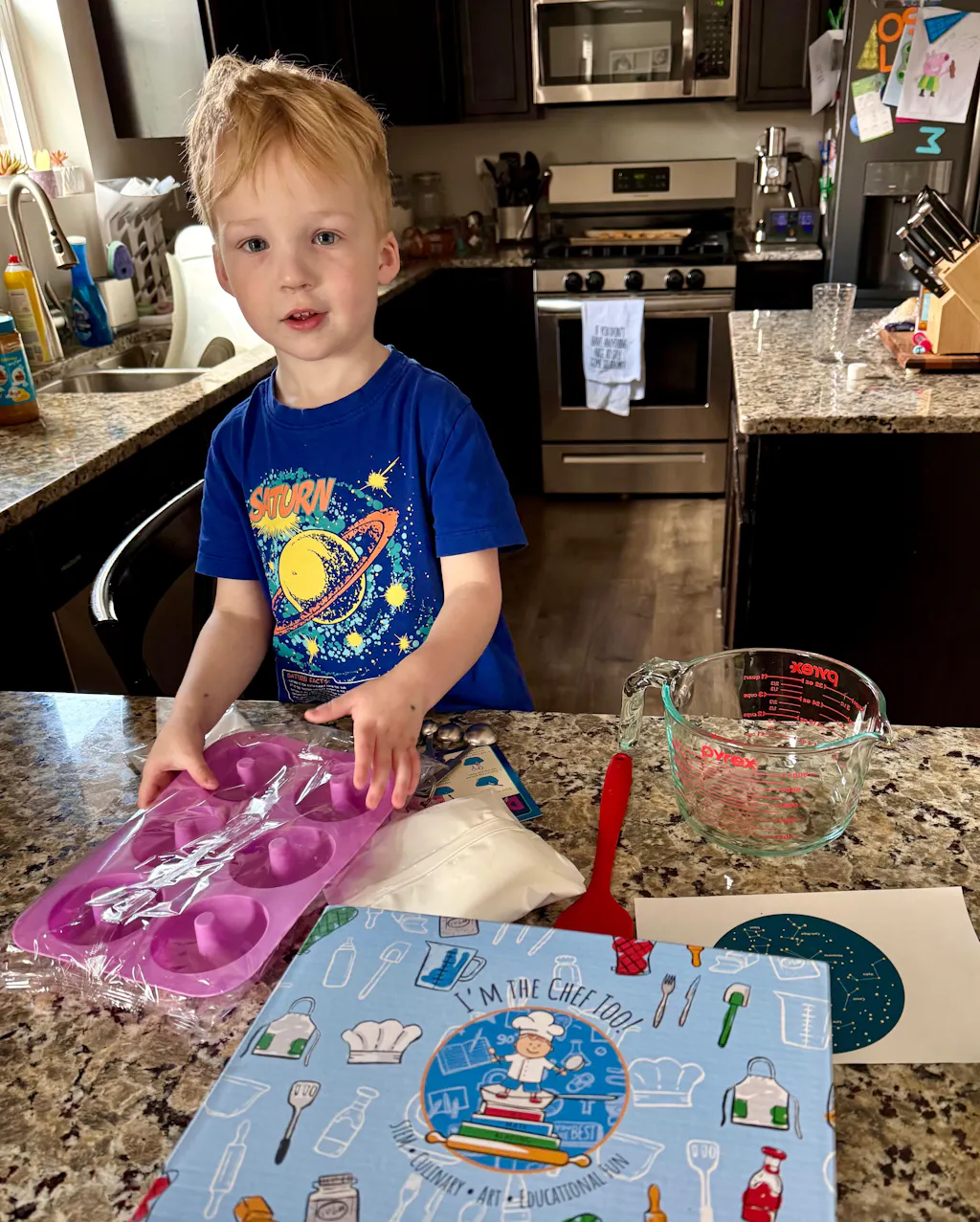
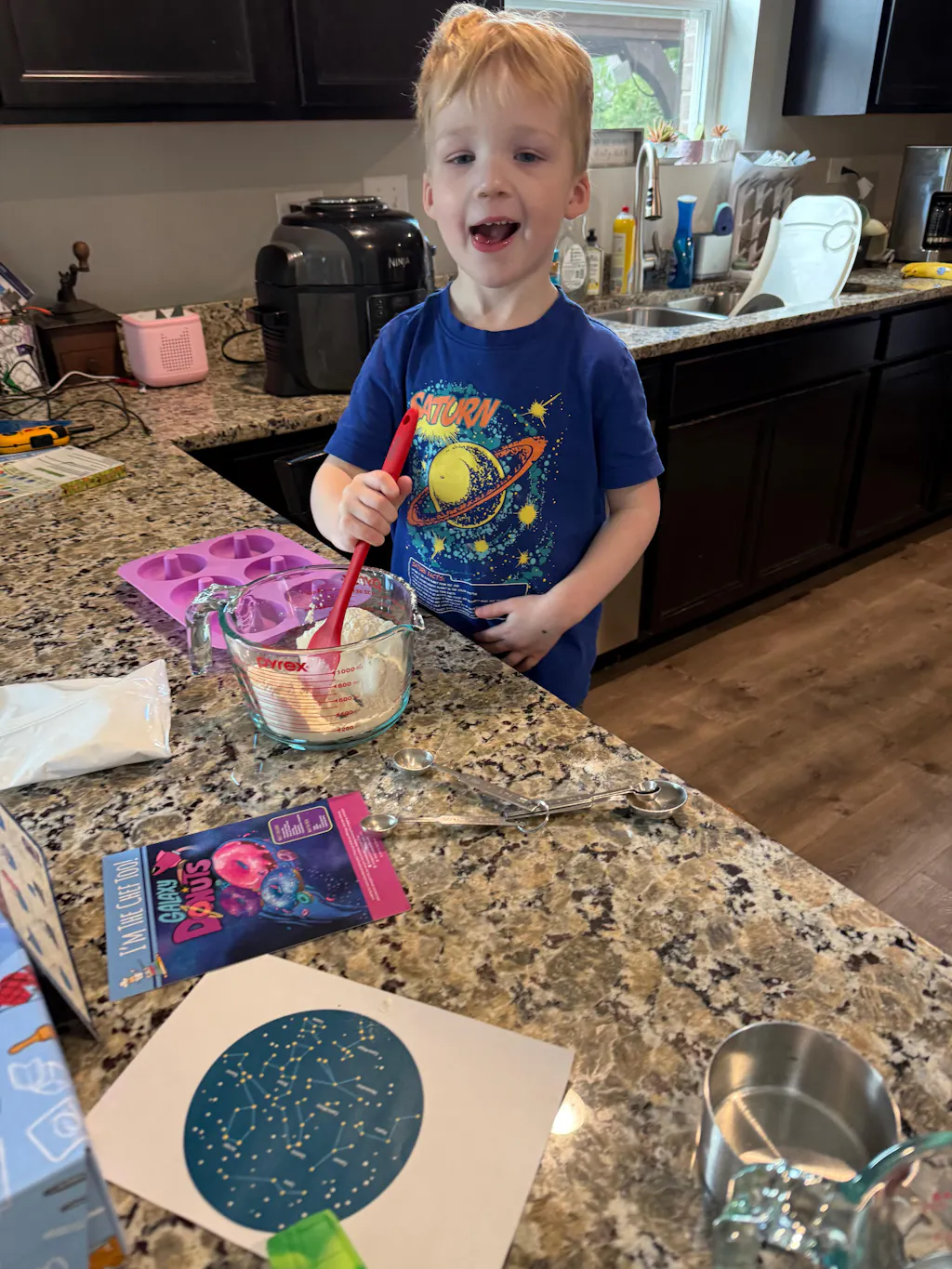
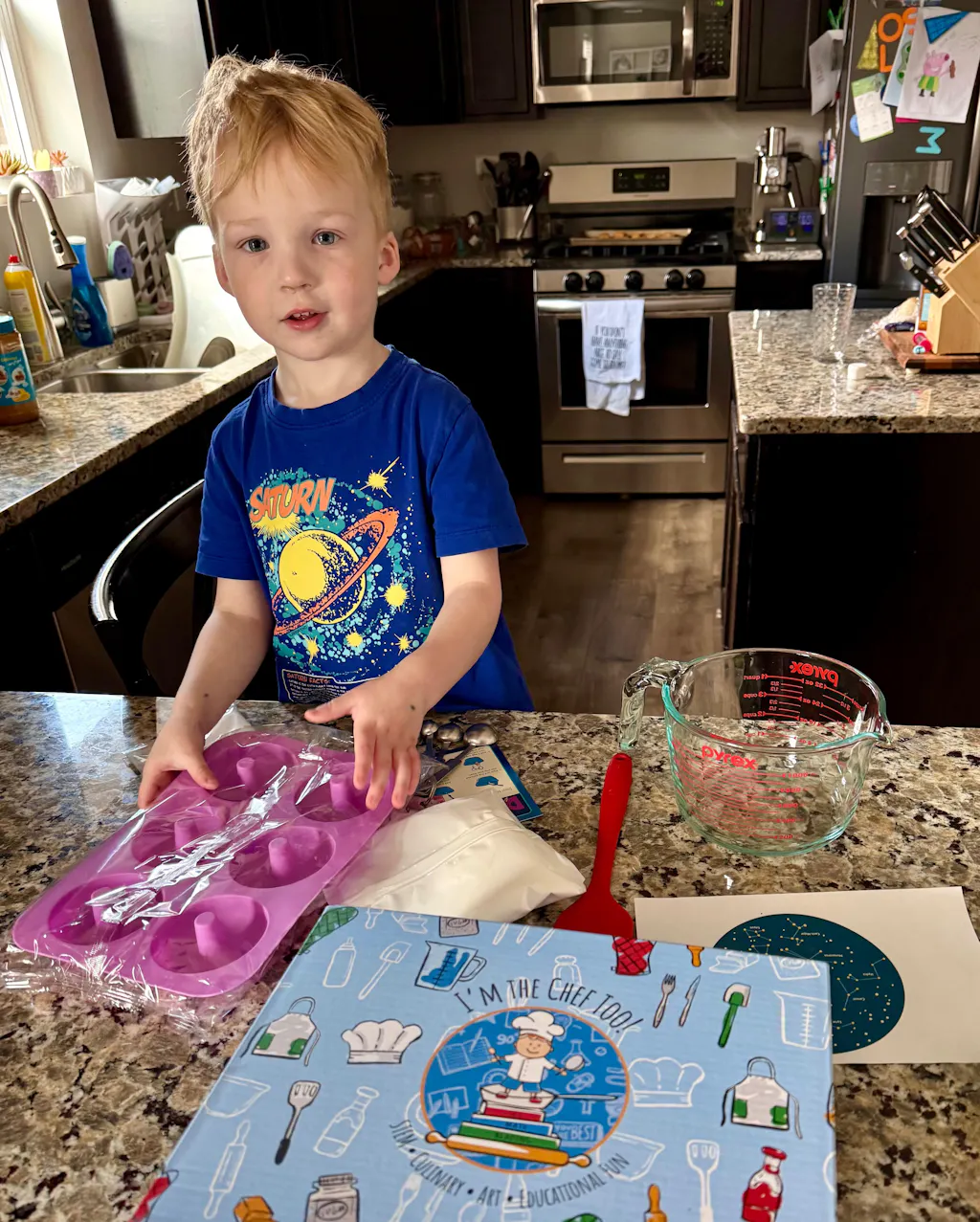
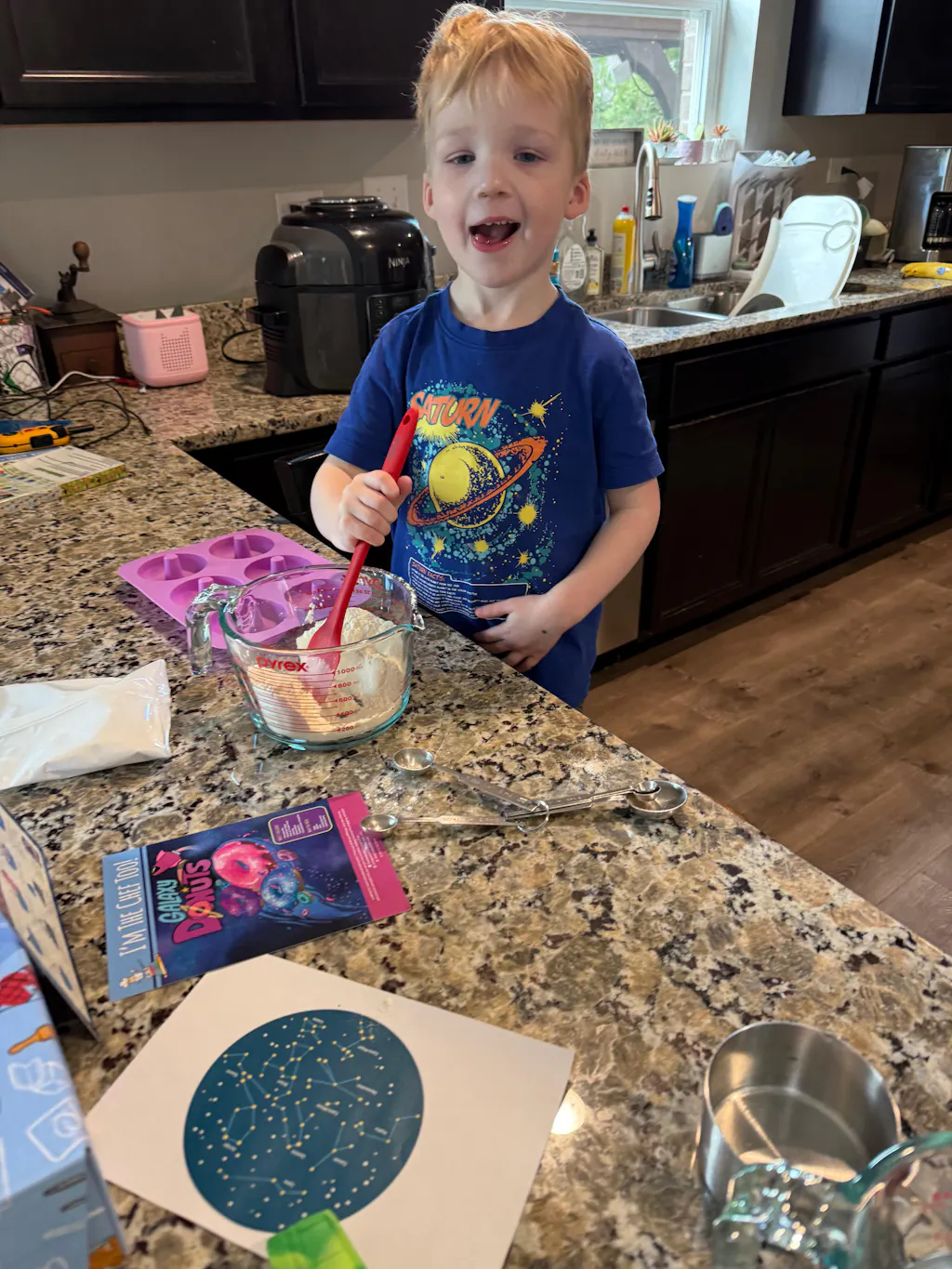
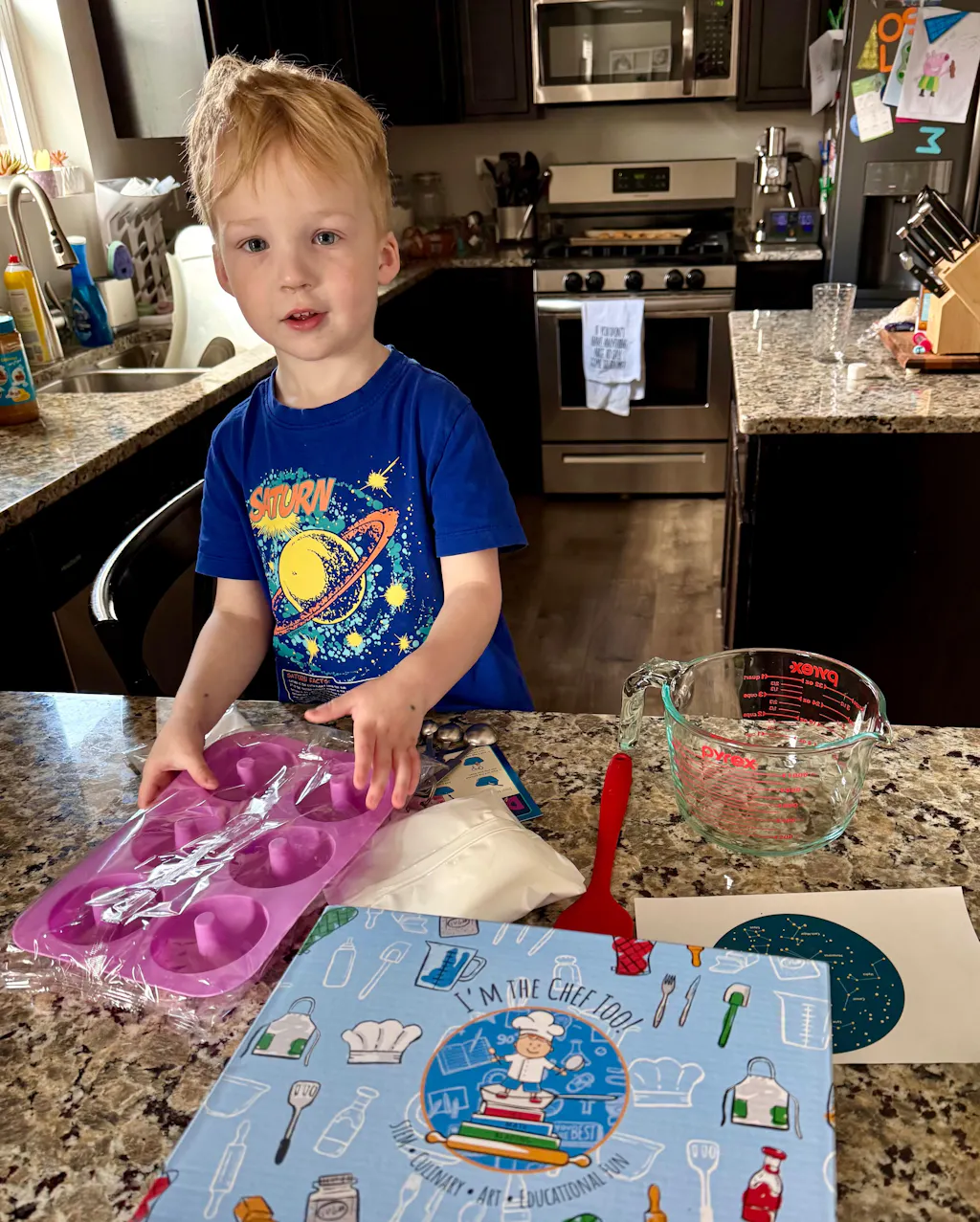
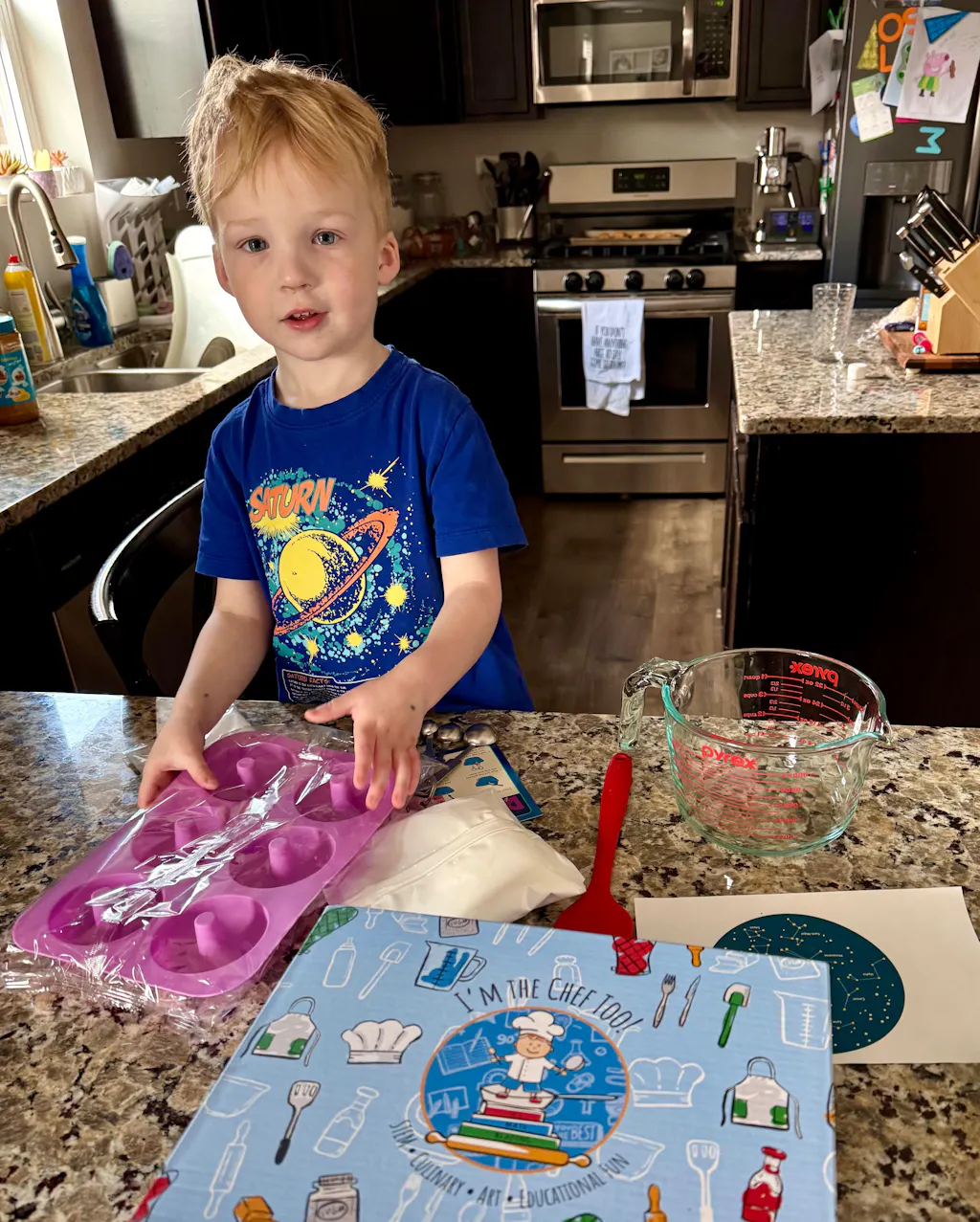
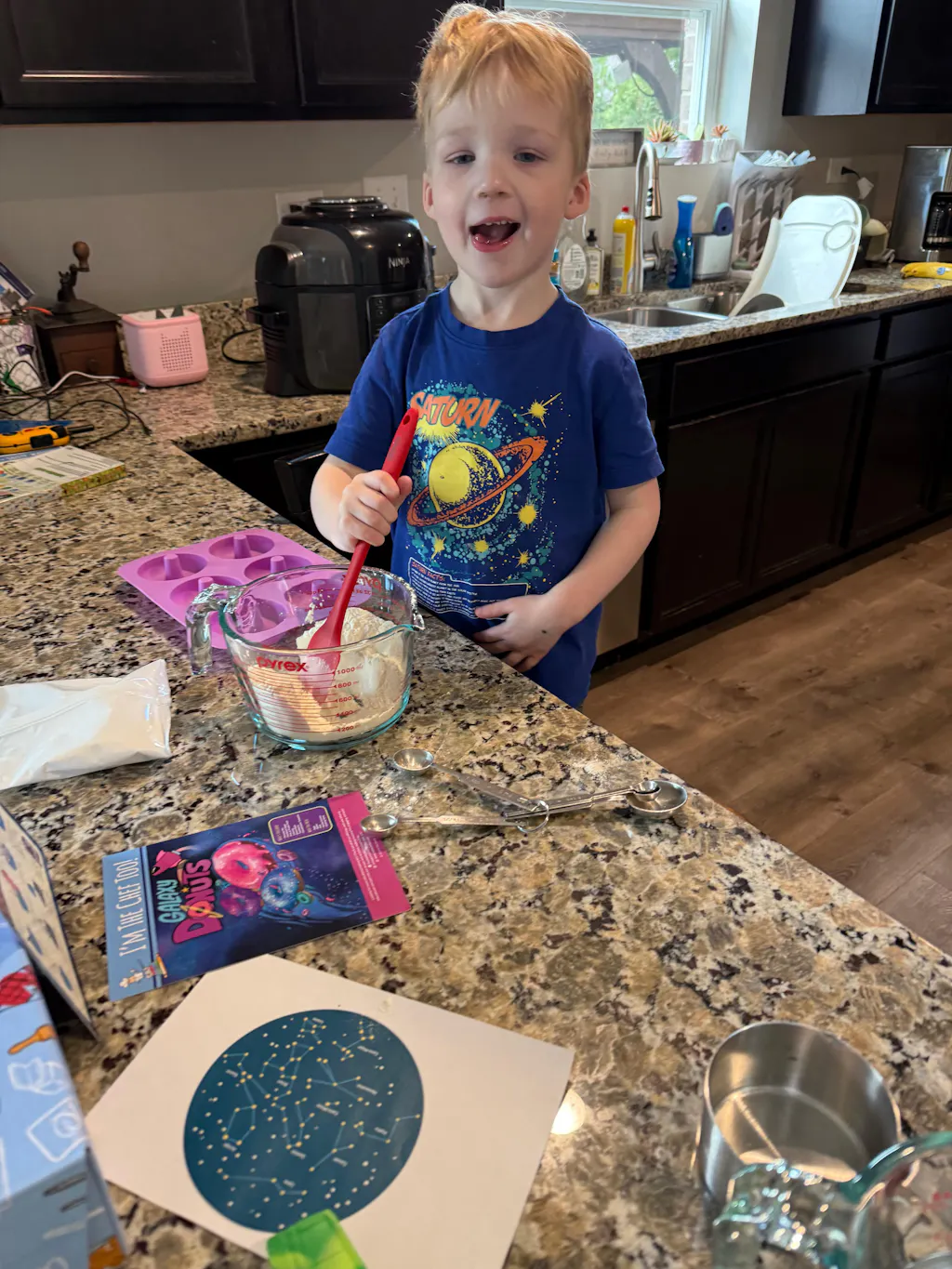
If your child loves exploring textures and shapes, they might also enjoy our other hands-on kits. For example, kids can explore astronomy by creating their own edible solar system with our Galaxy Donut Kit.
The Ultimate Sweet Spinach Muffin: A Deep Dive
One of the most requested recipes we see is for a reliable, fluffy spinach muffin. This is the gold standard for many parents because it’s portable, freezer-friendly, and tastes like a treat.
Ingredients and Substitutions
To make a great spinach muffin, you’ll need:
- Fresh Baby Spinach: We recommend about 4 packed cups. Fresh spinach blends much smoother than frozen.
- Ripe Bananas: These provide the moisture and sweetness. The spottier, the better!
- Honey or Maple Syrup: A touch of natural sweetener. (Note: Avoid honey for infants under one year old).
- Flour: You can use all-purpose, whole wheat, or even oat flour for a gluten-free version.
- Healthy Fats: Melted butter or coconut oil adds richness.
The Scientific Process
When you blend the spinach with the milk, egg, and banana, you are creating an emulsion. You want to blend until there are no visible "bits" of green—just a smooth, vibrant liquid. This ensures that the texture of the muffin remains soft and cake-like, which is much more appealing to picky eaters.
Family Bonding Tip: Let your toddler be the "Button Master." Supervised by an adult, they can help start the blender and watch the colors swirl together. This simple act makes them feel like a scientist in a lab! If your child loves these kinds of transformations, you can give the gift of learning that lasts all year with a 12-month subscription to our STEM cooking adventures.
Lunch and Dinner: Savory Spinach Success
Moving into the later parts of the day, a spinach recipe toddler meals can center around usually involves pasta, rice, or finger foods.
4. Spinach Pesto "Hulk" Pasta
Traditional pesto uses basil, but you can swap half (or all) of the basil for spinach to create a milder, more nutrient-dense sauce. Use a blender to combine spinach, olive oil, a bit of parmesan, and sunflower seeds (a great nut-free alternative for schools).
The Kitchen Lab: Pesto is a great way to talk about "Extraction." We are extracting the flavor and color from the leaves to create a delicious sauce. Toss it with fun pasta shapes like bowties or rotini to capture the sauce.
5. Sweetcorn and Spinach Fritters
Fritters are excellent for toddlers because they are easy to hold and have a satisfying "crunch" on the outside while remaining soft inside. Pulse corn, chopped spinach, flour, and an egg in a food processor, then pan-fry in small dollops.
Case Study: Imagine a parent looking for a screen-free weekend activity for their 3-year-old who is obsessed with building things. You can treat these fritters like "edible bricks." While you’re in the building mood, you could even try a chemical reaction that makes our Erupting Volcano Cakes Kit bubble over with deliciousness.
6. Cheesy Spinach Rice Casserole
Rice is a comfort food for many children. By finely chopping spinach and folding it into warm rice with a bit of mozzarella and mild cheddar, the spinach "melts" into the cheese. It’s a great way to introduce the flavor of cooked greens in a familiar, creamy context.
Snacks and Sides: Fun on the Go
Sometimes the best way to get those greens in is through a quick snack during a busy afternoon of play.
7. Deceptively Purple Smoothie
If your toddler is currently in a "no green allowed" phase, use the power of color theory! Blueberries and blackberries are so pigment-rich that they will easily hide the color of a handful of spinach. Your child sees a purple "Power Shake," but you know it’s packed with leafy goodness.
8. Spinach and Ricotta Pinwheels
Using store-bought puff pastry, spread a thin layer of ricotta mixed with finely chopped spinach. Roll it up, slice into rounds, and bake. The result is a flaky, buttery pastry that hides the greens in beautiful swirls.
Educational Moment: This is a fantastic time to talk about "Geometry." Look at the circles and spirals you’ve created! At I'm the Chef Too!, we love how cooking can teach math concepts like measurement and shapes in a tangible way. Ready for a new adventure every month? Join The Chef's Club today.
Bringing STEM into the Kitchen
At I'm the Chef Too!, we don't just see a recipe; we see a lesson plan. When you're making a spinach recipe toddler meals are based on, you're actually teaching several scientific concepts:
- Biology: Where does spinach grow? Talk about roots, stems, and leaves. Explain how plants use sunlight to make food (photosynthesis), which is why they are green!
- Chemistry: Watch how the color of spinach changes when it's cooked. Raw spinach is bright green, but when heated, the cell walls break down, and the color can become a deeper, darker forest green.
- Physics: Use a salad spinner to dry the spinach. This is a perfect demonstration of centrifugal force—the water is pushed outward as the spinach spins!
We believe that by making these connections, children develop a deeper appreciation for the world around them. It’s not just about eating your vegetables; it’s about understanding the amazing world of science that makes those vegetables possible.
Tips for Involving Your Toddler Safely
Cooking with a toddler requires a bit of patience and a lot of supervision, but the rewards are worth it. Here are some age-appropriate tasks for your little chef:
- Tearing the Leaves: Let them tear the spinach leaves into smaller pieces. It’s great for fine motor skills.
- Washing: Give them a bowl of water and let them "wash" the spinach. It’s a sensory experience they will love.
- Measuring: While you should handle the exact pouring, they can help "dump" pre-measured ingredients into the bowl.
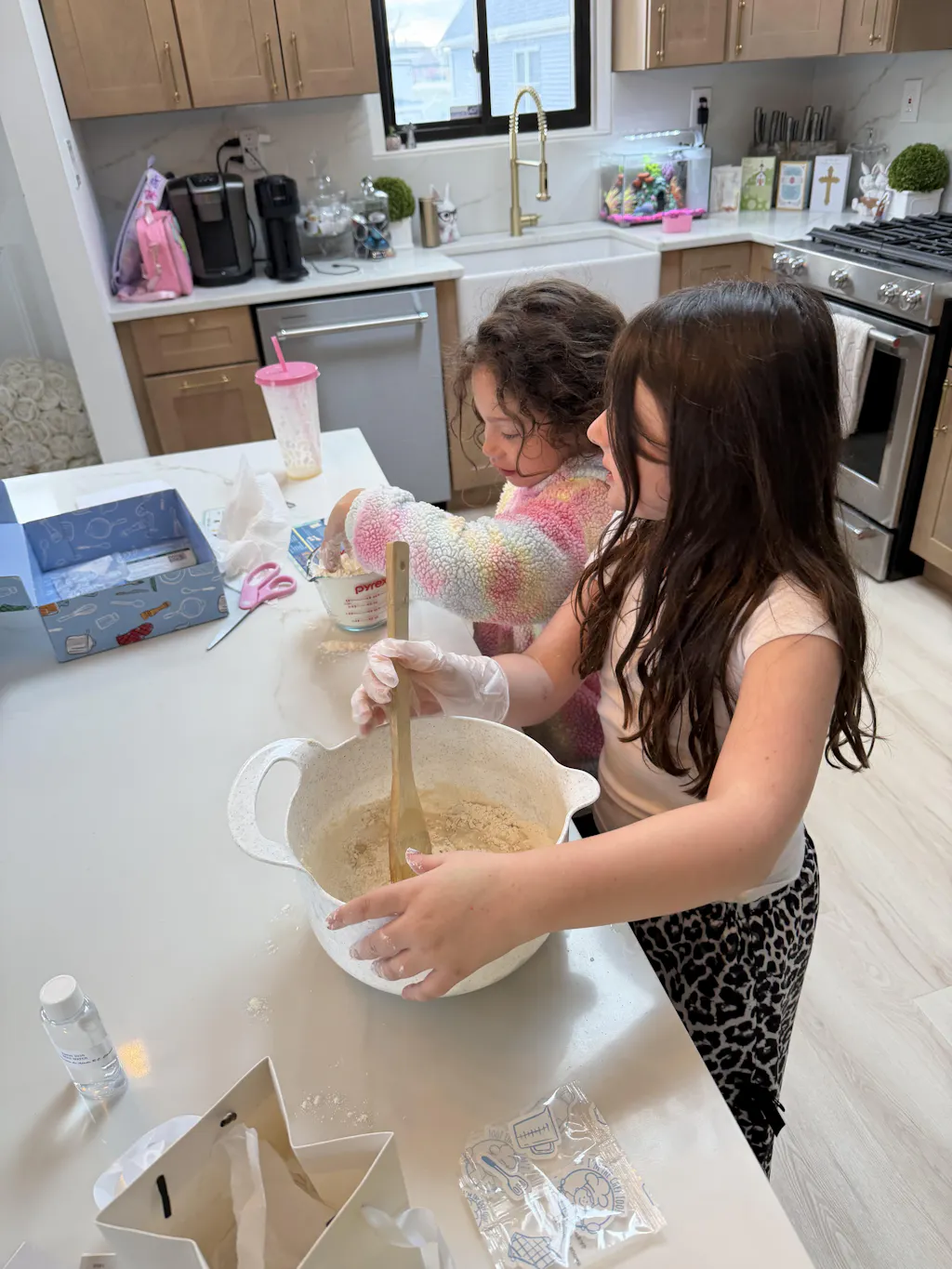
- Mixing: A sturdy wooden spoon and a heavy bowl are a toddler's best friends.
By involving them, you reduce "food neophobia" (the fear of new foods). When a child helps make the "Hulk Muffins," they are much more likely to actually taste them. If you’re looking for more ways to engage your little one in the kitchen, not ready to subscribe? Explore our full library of adventure kits available for a single purchase in our shop.
Storing and Prepping for Success
As busy parents, we know that time is the most valuable ingredient. Many of these spinach recipes are perfect for batch cooking.
- Freezing Muffins and Waffles: These can be frozen for up to 3 months. Just pop them in the toaster or microwave for a quick breakfast.
- Spinach Puree Cubes: You can blend a large bag of spinach with a little water or lemon juice and freeze the mixture in ice cube trays. Toss a "green cube" into any pasta sauce, soup, or smoothie later in the week.
- Prep Ahead: Chop or blend your spinach on Sunday so it's ready to be added to eggs or pancakes throughout the week.
Creating Joyful Family Memories
At the heart of every spinach recipe toddler meals incorporate is the desire to nurture our children. At I'm the Chef Too!, we focus on the joy of the process. Even if your toddler only takes one bite, the time you spent together in the kitchen—measuring, laughing, and learning—is a win.
We want to move away from the "hidden veggie" mindset where food is a trick, and move toward a "celebrated veggie" mindset where food is an adventure. When we treat spinach like a cool ingredient that gives us "superpowers" or changes the color of our muffins, we are fostering a love for learning that will stay with them long after the toddler years.
Even beloved animals can make learning fun, like when kids make Wild Turtle Whoopie Pies, showing that green can be delicious in many different forms!
Frequently Asked Questions (FAQ)
1. Can I use frozen spinach instead of fresh in these recipes?
Yes! You can use frozen spinach, but there are a few things to keep in mind. Frozen spinach contains a lot of water. If you are adding it to muffins or pancakes, make sure to thaw it and squeeze out as much liquid as possible first, otherwise, your batter will be too runny. Also, the color of frozen spinach is often a darker, duller green compared to the vibrant "neon" green you get from fresh baby spinach.
2. My toddler is very sensitive to textures. What's the best way to serve spinach?
For texture-sensitive children, the blender is your best friend. Blending spinach into a completely smooth liquid (like in a smoothie or muffin batter) removes the "leafy" texture entirely. As they get more comfortable, you can move toward finely chopped spinach in things like fritters or pasta sauce.
3. Is it okay to "hide" spinach in their food?
While "sneaking" veggies can help get nutrients into a picky eater, we recommend being honest when they ask. You can say, "Yes, there is spinach in here! That’s what makes it this cool green color and gives you energy to play." This builds trust and helps them associate the green color with a flavor they already enjoy.
4. How can I make spinach taste less "bitter"?
Spinach is actually one of the mildest greens, but it can have a slightly earthy taste. Pairing it with sweet fruits like bananas, pears, or pineapples helps balance that earthiness. In savory dishes, a little bit of acidity (like a squeeze of lemon) or creaminess (like cheese or yogurt) can also mellow out the flavor.
5. At what age can I start introducing spinach?
Spinach can be introduced as soon as your baby starts solids (usually around 6 months), often as a smooth puree. For toddlers (ages 1-3), you can start experimenting with the more "grown-up" textures and recipes mentioned in this blog. Always ensure the food is prepared in a way that is safe for their current chewing and swallowing abilities.
6. Will eating a lot of spinach turn my toddler's skin green?
No, don't worry! While eating excessive amounts of orange vegetables like carrots can sometimes lead to a harmless orange tint (carotenemia), spinach doesn't have the same effect. It will just provide them with lots of healthy vitamins and minerals!
Conclusion
Finding the right spinach recipe toddler palates will love doesn't have to be a daunting task. By focusing on simple, everyday language and turning the kitchen into a space for "edutainment," you can transform a simple meal into a memorable learning experience. From the chemistry of a perfectly risen muffin to the biology of a green leaf, every ingredient tells a story.
At I'm the Chef Too!, we are committed to sparking curiosity and creativity in children. We believe that by blending food, STEM, and the arts, we can facilitate family bonding and provide a screen-free alternative to traditional learning. Remember, the goal isn't just a clean plate; it's about fostering a love for learning, building confidence in the kitchen, and creating joyful memories that will last a lifetime.
Whether you're making "Hulk Muffins" or a "Blueberry Power Shake," you're doing more than just feeding your child—you're teaching them. And if you’re ready to take the guesswork out of your next kitchen adventure, we would love to have you join our community.
Give the gift of learning that lasts all year. Join The Chef's Club today and enjoy a new, hand-delivered STEM cooking adventure every single month!