Table of Contents
- Introduction
- Why Bake Desserts with Kids? The Sweet Benefits
- Setting Up for Sweet Success: Preparation & Safety First
- Age-Appropriate Tasks: Little Hands, Big Help
- Our Favorite Easy Desserts to Make with Kids
- The STEM & Arts of Dessert Making: A Deeper Dive
- Making it a Regular Family Tradition
- Troubleshooting & Tips for Smooth Sailing
- Conclusion
- FAQ Section
Introduction
Imagine a quiet Saturday afternoon, the tantalizing aroma of warm vanilla and melting chocolate filling your home, and the joyous giggles of your children as they proudly present a freshly baked treat. It's more than just baking; it's an experience. In a world increasingly dominated by screens, finding engaging, hands-on activities that truly capture a child's imagination can feel like a quest. But what if the answer was right in your kitchen?
This post is your comprehensive guide to unlocking the magic of making easy desserts with kids. We'll explore not just delicious recipes, but also the incredible benefits that come from little hands getting messy with flour and sprinkles. From fostering crucial life skills to sparking a genuine love for STEM (Science, Technology, Engineering, and Math) and the arts, baking together offers a unique blend of education and pure fun. Our goal is to empower you to create lasting memories, build confidence in your children, and enjoy the sweet rewards of shared culinary adventures.
Why Bake Desserts with Kids? The Sweet Benefits
Baking with children is far more than just whipping up a tasty treat; it’s a powerhouse of developmental benefits wrapped in a delicious package. At I'm the Chef Too!, our mission is to blend food, STEM, and the arts into one-of-a-kind "edutainment" experiences, and nowhere is this more evident than in the simple act of baking.
When children step into the kitchen, even for the easiest dessert recipe, they embark on a journey of discovery that touches upon multiple learning domains:
-
STEM Skills in Action:
- Science: Every recipe is a delicious science experiment! Kids observe chemical reactions (like yeast making bread rise, or baking soda reacting with acid to create bubbles in our Erupting Volcano Cakes kit), learn about states of matter (melting butter, freezing ice cream), and understand how heat transforms ingredients. They see firsthand how ingredients combine and change, laying foundational knowledge for scientific inquiry.
- Technology: Using kitchen gadgets, from hand mixers to blenders, introduces children to practical technology in a safe, supervised way. They learn about different functions and how tools can make tasks easier.
- Engineering: Designing a cookie, layering a parfait, or even just arranging sprinkles on a cupcake involves basic engineering principles. Children think about structure, balance, and aesthetics. How will this tower of cookies stay upright? How can I evenly distribute the frosting?
- Math: Measuring ingredients is a direct application of fractions, volume, and counting. "How many scoops of flour do we need?" "If we double the recipe, how much sugar is that?" They learn to tell time for baking, understand temperature, and even calculate serving sizes. These are real-world math lessons that feel like play.
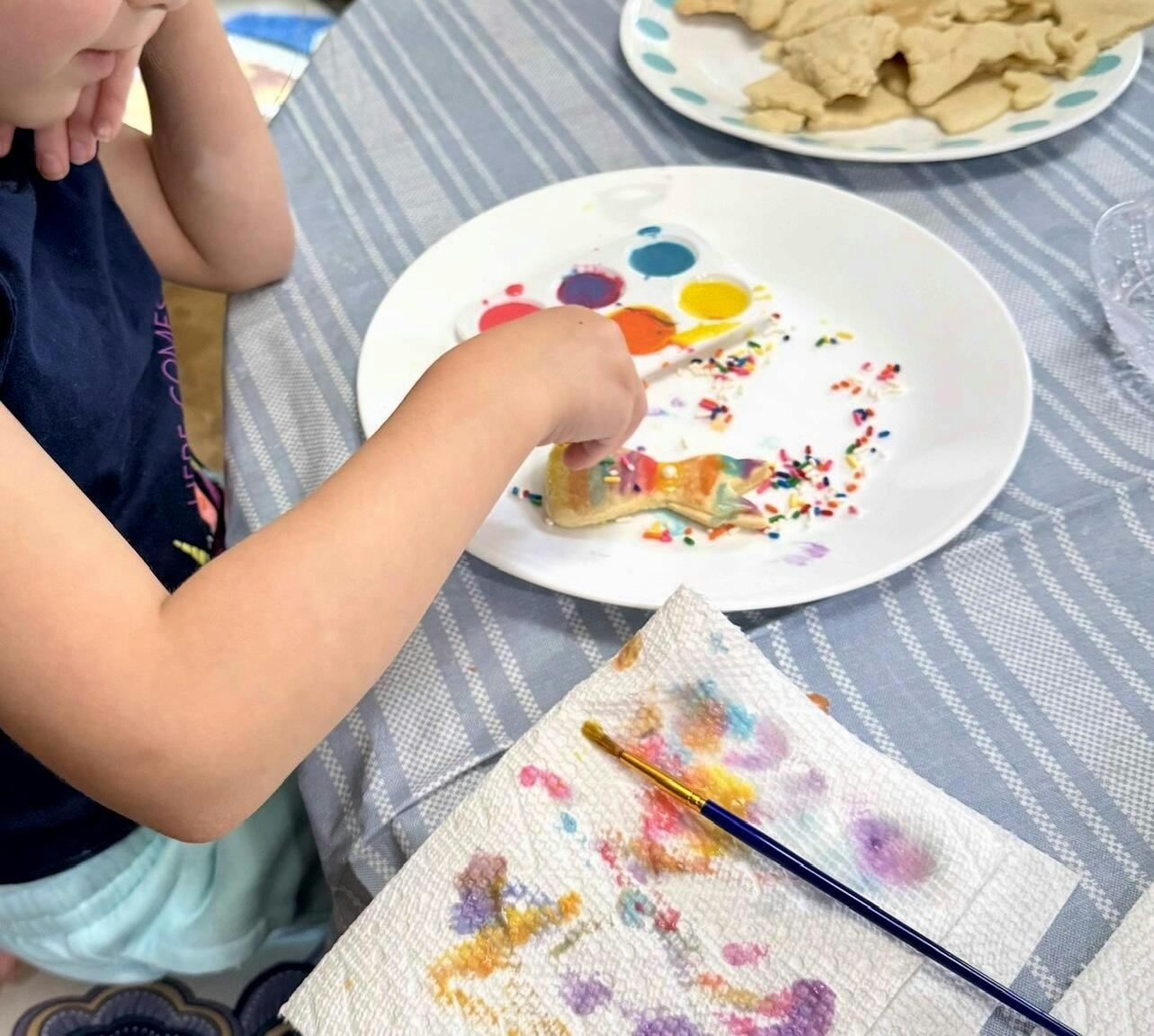
- Arts & Creativity Unleashed: Baking is an edible art form. From decorating cookies with vibrant icing to arranging fruit on a tart, children express their creativity and develop an eye for aesthetics. They learn about color theory, texture, and presentation. Our kits, like the Galaxy Donut Kit, are designed to ignite this artistic spark, transforming simple ingredients into a cosmic masterpiece.
- Fine Motor Skills & Dexterity: Tasks like stirring, pouring, kneading, rolling, and decorating with small items (like sprinkles or chocolate chips) are fantastic for developing fine motor control and hand-eye coordination. These are crucial skills for writing, drawing, and countless other daily activities.
- Life Skills & Independence: Following a recipe teaches children to follow instructions, sequence tasks, and problem-solve. They gain confidence in their ability to contribute to household chores and prepare food for themselves and others. This fosters a sense of responsibility and self-sufficiency.
- Family Bonding & Connection: In today's busy world, screen-free, quality time is precious. Baking together provides a wonderful opportunity for family bonding. It’s a shared experience where conversation flows naturally, laughter is abundant, and memories are made. These are the moments that strengthen family ties and create joyful traditions.
- Sensory Exploration: The kitchen is a feast for the senses. Children engage with the smells of vanilla, cinnamon, and chocolate, the feel of sticky dough or smooth frosting, the sounds of bubbling batter, and, of course, the delicious tastes of their creations. This multi-sensory engagement enriches their learning experience.
At I'm the Chef Too!, our unique approach, developed by mothers and educators, is all about making learning tangible, hands-on, and utterly delicious. We believe that by creating these engaging experiences, we can spark curiosity and creativity in children, facilitating family bonding and providing a wonderful screen-free educational alternative. Ready for a new adventure every month? Join The Chef's Club and enjoy free shipping on every box.
Setting Up for Sweet Success: Preparation & Safety First
Embarking on a baking adventure with kids is exciting, but a little preparation goes a long way in ensuring it’s a fun and safe experience for everyone. Remember, the goal isn't perfection; it's participation, learning, and creating joyful memories.
Adult Supervision: Your Guiding Hand
This is paramount. While we encourage children to be as independent as possible, adult supervision is always required in the kitchen, especially when dealing with hot ovens, sharp tools, or electrical appliances. Think of yourself as a coach, guiding them through the steps, answering questions, and stepping in when safety is a concern.
Kitchen Safety Essentials
Before you even crack an egg, establish some basic kitchen rules:
- Handwashing: The golden rule! Always wash hands thoroughly with soap and water before and after handling food. Make it a fun ritual.
- Hot Surfaces: Teach children about the dangers of hot stoves, ovens, and bakeware. Use oven mitts together and explain that "hot" means "don't touch."
- Sharp Tools: Knives, graters, and even some cookie cutters can be sharp. For younger children, pre-cut ingredients or use kid-safe nylon knives for soft items. For older kids, teach proper knife safety and always supervise.
- Electrical Appliances: Show them how to safely plug and unplug appliances. Explain that water and electricity don't mix. Only use appliances under direct adult supervision.
- Spills and Slips: Clean up spills immediately to prevent falls. Keep the floor clear of toys or obstacles.
- Hair and Clothing: Tie back long hair and ensure loose clothing is tucked away to prevent it from catching fire or getting caught in machinery.
These foundational skills will serve them well as they grow into more mature and confident bakers.
Creating a Child-Friendly Workspace
Making the kitchen accessible goes a long way in fostering independence:
- Kitchen Helper Stools: These are fantastic for toddlers and preschoolers, allowing them to safely reach the counter and participate at your level. A regular step stool works well for older kids who still need a boost.
- Accessible Ingredients & Tools: Lay out all ingredients and necessary tools before you start. This minimizes interruptions and keeps their attention. For younger children, pre-measure dry ingredients into separate bowls. This is where I'm the Chef Too! shines – our kits come with pre-measured dry ingredients, taking a lot of the prep work out for you!
- Designated Space: If possible, give them their own small section of the counter where they can mix or decorate without feeling cramped.
- Aprons: Not just for fun, aprons help protect clothing from spills and splatters, reducing cleanup stress.
Managing Expectations: Embrace the Mess!
Let's be real: baking with kids can be messy. Flour will inevitably end up on the floor, and sprinkles will somehow migrate to every corner of the kitchen. Embrace it! Focus on the process, not a perfect outcome. Acknowledge that messes happen and are part of the learning experience.
- Prioritize Fun: If the atmosphere is stressful because of mess, kids won't want to participate. A little flour on the nose is a sign of a good time!
- Involve Them in Cleanup: Teach them that cleanup is part of the baking process. Even toddlers can help wipe down surfaces with a damp cloth or put away non-breakable items. This reinforces responsibility.
- Focus on the Process, Not Perfection: The cookies might not be perfectly round, the frosting might be a bit lopsided, but the joy and pride your child feels in their creation will be immeasurable. Celebrate their effort and enthusiasm.
By setting up a safe, organized, and encouraging environment, you're paving the way for countless happy and educational baking adventures. Give the gift of learning that lasts all year with a 12-month subscription to our STEM cooking adventures, available through The Chef's Club.
Age-Appropriate Tasks: Little Hands, Big Help
One of the keys to successful baking with kids is assigning tasks that match their developmental stage. This keeps them engaged, prevents frustration, and ensures safety. Remember, every child develops at their own pace, so these are general guidelines.
Toddlers (Ages 2-4): The Sensory Explorers
Toddlers thrive on sensory experiences and simple actions. They love to help, even if it's just for a few minutes. Focus on tasks that involve big movements and don't require precision.
- Stirring: Give them a sturdy spoon and a bowl with pre-measured ingredients (like dry flour and sugar, or wet ingredients like milk and oil) and let them stir away. This builds arm strength and coordination.
- Pouring: From a small pitcher, let them pour pre-measured liquids into a bowl. This teaches control and develops fine motor skills.
- Washing Fruit: A bowl of water and some berries or grapes provides a fun, tactile task.
- Adding Sprinkles/Toppings: This is a universal toddler favorite! Let them sprinkle liberally on cookies, cupcakes, or even a simple bowl of yogurt. This is great for fine motor skills and creativity.
- Mashing: Mashing bananas for banana bread or cooked potatoes is wonderfully satisfying for little hands.
- Pressing Buttons: With supervision, let them press the "start" button on a mixer (once you've assembled it) or the timer.
- Tearing: Tearing lettuce for a salad (not a dessert, but a general kitchen skill) or soft bread for croutons. For desserts, they can help crumble soft cookies for a pie crust or our Dirt Cake with Worms (a fantastic kit idea!).
Preschoolers (Ages 4-6): The Eager Helpers
Preschoolers are ready for slightly more complex tasks and can follow two- or three-step instructions. They're developing more dexterity and a longer attention span.
- Scooping: Using measuring cups or spoons to scoop ingredients like flour, sugar, or oats (with some initial guidance on leveling).
- Simple Measuring: With pre-measured ingredients, they can learn to level off a cup of flour or count out spoonfuls.
- Cracking Eggs: This can be messy, but it's a huge confidence booster! Teach them to crack eggs into a separate bowl first to catch any shell pieces.
- Kneading Dough: For softer doughs like cookie or bread dough, kneading is a fantastic sensory and motor skill activity.
- Spreading Frosting: Give them an offset spatula or butter knife and let them spread frosting on cupcakes or brownies.
- Cutting Soft Ingredients: With kid-safe knives, they can cut soft fruits (like bananas or strawberries) for fruit salads or toppings.
- Using Cookie Cutters: Rolling out dough and pressing out shapes is always a hit.
Early Elementary (Ages 6-8): The Aspiring Chefs
At this age, many children are starting to read, which opens up a whole new world of recipe following. They can handle more precise tasks and understand basic concepts of measurement and sequencing.
- Reading Simple Recipes: Encourage them to read through the recipe steps aloud. This builds literacy skills and comprehension.
- Accurate Measuring: They can now accurately measure dry and liquid ingredients, understanding the difference between a cup and a tablespoon.
- Using Hand Mixers (Supervised): With careful instruction, they can operate a hand mixer for batters or frostings.
- Rolling Dough: They can roll out dough for cookies, pies, or even our Galaxy Donut Kit, which involves shaping and decorating.
- Decorating: More intricate decorating with piping bags (simple tips), drawing with icing, or creating patterns with sprinkles.
- Simple Stove-Top Tasks (with close supervision): Stirring melting chocolate or marshmallows over low heat (e.g., for Rice Krispie Treats).
Upper Elementary & Pre-Teens (Ages 9-12+): The Junior Bakers
These older children are ready to take on more responsibility and understand the "why" behind baking processes. They can often follow multi-step recipes with minimal assistance.
- Following Multi-Step Recipes Independently: They can now manage recipes with several ingredients and more complex instructions.
- Understanding Baking Science: Explain why baking soda reacts, or why chilling dough is important. This connects their actions to scientific principles. Our Erupting Volcano Cakes kit is perfect for exploring chemical reactions in a fun, edible way!
- Using the Oven (with Supervision): Teach them how to safely preheat, insert, and remove items from the oven.
- More Complex Decorating: They can experiment with different piping techniques, fondant, or intricate designs.
- Adapting Recipes: Encourage them to think about substitutions or how to tweak a recipe to their liking (e.g., adding different flavors or mix-ins).
- Meal Planning: Involve them in choosing recipes and creating a shopping list.
Our I'm the Chef Too! kits are thoughtfully designed to offer age-appropriate challenges and learning opportunities for various age groups, ensuring a rewarding experience for every child. You can Browse our complete collection of one-time kits to find the perfect fit for your little learner.
Our Favorite Easy Desserts to Make with Kids
Now for the fun part – the recipes! We've rounded up some of the easiest, most engaging, and most delicious desserts that are perfect for little hands and budding bakers. Each one offers unique learning opportunities and a chance for memorable family fun.
1. No-Bake Wonders: Instant Gratification & Minimal Heat
No-bake desserts are fantastic for starting out, especially with younger children or when you're short on time. They minimize the use of hot appliances, reducing safety concerns and speeding up the gratification factor.
-
Rice Krispie Treats (Classic & Chocolate):
- Why they're great: These are the ultimate beginner-friendly treat. The process is simple: melt, mix, press. Kids adore the gooey texture and the quick turnaround from ingredients to edible treat.
- Kid Involvement: Toddlers can add the cereal to the marshmallow mixture and stir (with help). Preschoolers can help press the mixture into the pan. Older kids can manage the melting of butter and marshmallows (with supervision) and experiment with adding chocolate chips or sprinkles.
- Learning: Observation of states of matter (solids melting into liquids), basic measurement, and understanding how different ingredients combine to create a new texture.
-
Haystack Cookies & Butterscotch Cornflake Cookies:
- Why they're great: Similar to Rice Krispie treats, these involve melting chocolate or butterscotch chips and mixing with crunchy cereal or pretzels. They're quick, easy, and satisfyingly crunchy.
- Kid Involvement: Melting the chips (adult supervision for microwave/double boiler), mixing the ingredients, and spooning clusters onto parchment paper.
- Learning: Temperature changes, simple mixing techniques, and fine motor skills for portioning.
-
Puppy Chow (Muddy Buddies) & Oreo Fluff:
- Why they're great: These treats are all about mixing, shaking, and delightful textures. Puppy Chow involves coating cereal in chocolate and peanut butter, then shaking in powdered sugar. Oreo Fluff is a creamy, no-bake delight.
- Kid Involvement: Shaking the bag for Puppy Chow is immensely fun for all ages! Crushing Oreos for Oreo Fluff or Sand Pudding Cups is a satisfying task. Mixing whipped topping and other ingredients for fluff recipes.
- Learning: Cause and effect (shaking coats the cereal), understanding different textures (crunchy, creamy), and basic ingredient combining.
-
Sand Pudding Cups & Dirt Cake with Worms:
- Why they're great: These layered desserts are a fantastic canvas for creativity and storytelling. They're also incredibly easy to assemble.
- Kid Involvement: Crushing cookies (a great way to release energy!), layering pudding, crushed cookies, and whipped cream, and, of course, adding gummy worms or other "critters."
- Learning: Sequencing (layering in order), fine motor skills for assembly, and imaginative play. You can even find a kit for Dirt Cake with Worms to make it even easier!
-
Fruity Pebble Treats & Popcorn Bars:
- Why they're great: Colorful and fun variations on the classic marshmallow-cereal treat. They offer a burst of color and unique flavors.
- Kid Involvement: Similar to Rice Krispie Treats, kids can help mix and press. They'll love the vibrant colors of the Fruity Pebbles.
- Learning: Color recognition, texture differences, and simple mixing.
-
Fruit Dips & Caramel Apple Nachos:
- Why they're great: These offer a slightly healthier twist while still being incredibly appealing. They focus on assembly and dipping fun.
- Kid Involvement: Mixing cream cheese and other ingredients for the dip, arranging apple slices or other fruits on a platter, drizzling caramel or chocolate.
- Learning: Healthy eating choices, presentation skills, and simple mixing.
-
Stuffed Dates & Baked Pears:
- Why they're great: Healthier, naturally sweet options that are simple to prepare and introduce different types of fruits.
- Kid Involvement: Pitting dates and stuffing them with nut butter or cream cheese, coring pears and adding cinnamon or a touch of maple syrup before baking (adult assistance for oven).
- Learning: Exploring new ingredients, basic food preparation, and understanding how baking changes the texture and flavor of fruit.
-
Chia Seed Puddings (Peach, Chocolate, Coconut):
- Why they're great: These are super simple, often requiring just mixing and chilling overnight. They introduce a unique texture and are highly customizable.
- Kid Involvement: Measuring liquids and chia seeds, stirring well, choosing flavorings (cocoa, fruit puree), and layering in jars.
- Learning: Observation of absorption (chia seeds thickening), patience (waiting overnight), and healthy ingredient exploration.
Many of our I'm the Chef Too! kits incorporate similar no-bake or minimal-bake steps, focusing on hands-on assembly and creative decoration to spark curiosity without the oven. Browse our complete collection of one-time kits to find your next no-fuss adventure.
2. Simple Baked Delights: Oven Fun (with Supervision!)
Introducing the oven (always with close adult supervision!) opens up a world of possibilities and teaches children about the magic of heat transformation. These recipes are designed to be straightforward, focusing on fundamental baking techniques.
-
3-Ingredient Cookies (Sugar, Peanut Butter) & 3-Ingredient Banana Bread:
- Why they're great: The simplicity of these recipes makes them incredibly approachable for young bakers. They require minimal ingredients but yield satisfying results.
- Kid Involvement: Mixing the few ingredients, rolling dough into balls, pressing with a fork (for peanut butter cookies), or mashing bananas for the bread.
- Learning: Basic chemistry (how ingredients combine), measurement, understanding dough consistency, and the transformation of dough in the oven.
-
Cake Mix Cookies (Strawberry, Funfetti):
- Why they're great: These are a fantastic shortcut that still gives kids the full baking experience without needing a pantry full of ingredients.
- Kid Involvement: Adding eggs and oil to the cake mix, mixing, scooping onto baking sheets, and adding extra sprinkles or chocolate chips.
- Learning: Following simple instructions, mixing techniques, and seeing how a few additions can create a whole new treat.
-
Muffins (Banana, Pumpkin, Apple):
- Why they're great: Muffins are quick to make, quick to bake, and individually portioned, making them a top choice for baking with young ones. They're versatile and forgiving.
- Kid Involvement: Mixing wet and dry ingredients separately then combining, scooping batter into muffin liners (great for fine motor control), and adding mix-ins like chocolate chips or nuts.
- Learning: Understanding wet vs. dry ingredients, portion control, and the concept of leavening (how muffins rise).
-
Dump Cakes (Pumpkin, Peach) & Easy Peach Cobbler:
- Why they're great: These recipes are incredibly easy, often involving just layering ingredients in a pan and baking. They produce warm, gooey, comforting desserts.
- Kid Involvement: Layering fruit, cake mix, and butter, or arranging biscuit dough for cobbler.
- Learning: Observation of how flavors meld and how ingredients transform during baking with minimal stirring.
-
Small Batch Cakes/Cookies:
- Why they're great: Less intimidating than a full-sized cake, these recipes are perfect for practicing cake decorating or just making a quick treat without too many leftovers.
- Kid Involvement: All steps of baking, scaled down, allowing them to feel more in control of the entire process.
- Learning: Proportionality, understanding smaller quantities, and focusing on attention to detail.
-
Chocolate Lava Cakes:
- Why they're great: These individual cakes are surprisingly simple and offer a wow factor with their molten chocolate centers.
- Kid Involvement: Melting chocolate and butter (supervised), whisking eggs and sugar, and carefully pouring batter into ramekins.
- Learning: Observing the transformation of chocolate, understanding different consistencies, and the magic of a gooey center.
-
Homemade Soft Pretzels:
- Why they're great: While they involve yeast, the process is incredibly hands-on and rewarding. Kids love shaping the dough and seeing it puff up.
- Kid Involvement: Kneading dough, rolling out ropes, and shaping the pretzels. Adult supervision is crucial for the boiling step.
- Learning: Understanding yeast activation, the science of dough rising, and developing advanced fine motor skills through shaping.
At I'm the Chef Too!, our unique kits often include baking steps, providing pre-measured ingredients and easy-to-follow instructions to ensure a seamless and enjoyable experience. Give the gift of learning that lasts all year with a 12-month subscription to our STEM cooking adventures, available through The Chef's Club.
3. Creative & Themed Treats: Unleashing Imagination
This category is where the "Art" in STEM & Arts truly comes alive. These desserts are fantastic for encouraging imaginative play, artistic expression, and storytelling through food.
-
Erupting Volcano Cakes:
- Why they're great: This is a showstopper that perfectly blends science and fun! Kids get to create a delicious cake that actually "erupts."
- Kid Involvement: Mixing the cake batter, preparing the "lava" (often a simple glaze with a baking soda/vinegar reaction component), and decorating the volcano landscape.
- Learning: Observing a chemical reaction firsthand (acid-base reaction creating fizz), understanding cause and effect, and engaging in imaginative play by creating a miniature edible world. Our Erupting Volcano Cakes kit is specifically designed to make this educational and delicious adventure accessible and exciting for kids!
-
Galaxy Donut Kit:
- Why they're great: These aren't just donuts; they're edible canvases for exploring astronomy and art. The vibrant colors and shimmering glazes make them truly out of this world.
- Kid Involvement: Mixing and forming the donut dough (or using pre-made donuts), preparing colorful glazes, and decorating with edible glitter and sprinkles to create cosmic patterns.
- Learning: Color mixing, basic astronomy concepts (planets, stars, galaxies), and artistic design. Our Galaxy Donut Kit provides all the specialty supplies needed to create these stunning, educational treats.
-
Strawberry Shortcake Kabobs:
- Why they're great: A fun, deconstructed take on a classic dessert. The skewer format makes them easy to assemble and eat.
- Kid Involvement: Threading strawberries and cake pieces onto skewers, and drizzling with melted vanilla candy coating or whipped cream.
- Learning: Pattern recognition, fine motor skills for threading, and creative assembly.
-
Birthday Cake Popcorn:
- Why they're great: A sweet and salty treat that's incredibly customizable with colors and flavors.
- Kid Involvement: Popping popcorn (adult supervision for stove/popper), melting marshmallows and butter, mixing in cake mix and sprinkles.
- Learning: Experimenting with textures and flavors, and understanding how different ingredients combine to create a fun, festive snack.
-
Cream Cheese Mints:
- Why they're great: These melt-in-your-mouth treats are perfect for small hands to shape and color.
- Kid Involvement: Mixing ingredients to form a dough, adding food coloring, and shaping the mints into various forms or pressing into molds.
- Learning: Tactile exploration, color mixing, and developing fine motor skills through shaping.
-
Chocolate Chip Cookie Pizza/Cake:
- Why they're great: A giant cookie that serves as a blank canvas for artistic decoration. It's less intimidating than a traditional cake.
- Kid Involvement: Spreading the cookie dough, baking (supervised), and then decorating with frosting, candies, and fruit toppings.
- Learning: Large-scale design, understanding how different toppings affect taste and texture, and collaborative decorating.
-
Stained Glass Window Cookies:
- Why they're great: These beautiful cookies are a delightful blend of baking and art, with a magical "stained glass" effect created by melted candies.
- Kid Involvement: Rolling out cookie dough, cutting out shapes and centers, crushing hard candies, filling the centers, and observing the candy melt and harden.
- Learning: Observing melting and solidification, light refraction (how light passes through the candy), and intricate design.
These themed and creative desserts are at the heart of what we do at I'm the Chef Too!. We believe in teaching complex subjects through tangible, hands-on, and delicious cooking adventures developed by mothers and educators. Ready for a new adventure every month? Join The Chef's Club and enjoy free shipping on every box.
The STEM & Arts of Dessert Making: A Deeper Dive
At I'm the Chef Too!, we don't just make delicious food; we use it as a powerful vehicle for learning. Every time your child measures, mixes, or decorates a dessert, they are engaging with fundamental principles of Science, Technology, Engineering, and Math (STEM), alongside developing their artistic flair.
Science in the Sweet Spot
-
Chemical Reactions: Baking is essentially kitchen chemistry!
- Leavening: When baking soda or baking powder reacts with moisture and heat, they release carbon dioxide gas, causing cookies to spread and cakes to rise. This is the "fizz" you see in our Erupting Volcano Cakes kit!
- Maillard Reaction: The browning of cookies and cakes in the oven isn't just about color; it's a complex chemical reaction between amino acids and reducing sugars that creates hundreds of new flavor compounds.
- Emulsification: When you whisk oil and vinegar together for a dressing, or egg yolks into melted chocolate, you're creating an emulsion, where two normally unmixable liquids are dispersed within each other.
- States of Matter: Kids observe liquids (milk, oil) becoming solids (baked goods), or solids (chocolate, butter) melting into liquids and then solidifying again. Freezing ice cream demonstrates liquid to solid transformation.
- Density: Layered desserts like trifles or parfaits offer a visual lesson in density. Heavier ingredients settle at the bottom, while lighter ones float on top.
- Heat Transfer: Understanding how heat from the oven transfers to the food, cooking it from the outside in, or how a double boiler gently melts chocolate.
Technology in the Kitchen
- Kitchen Gadgets: From simple hand mixers to blenders, scales, and stand mixers, children learn to operate and understand the purpose of various tools. They discover how technology can make cooking tasks more efficient and precise.
- Thermodynamics: Even using an oven timer or thermometer introduces them to the technology of temperature control and timing.
Engineering Edibles
- Structure and Stability: When building a layered dessert, designing a gingerbread house, or even just making sure a cookie holds its shape, children are engaging in basic structural engineering. They consider how ingredients will support each other.
- Design and Function: How will the frosting hold its shape? How can we make sure these cookie pieces fit together? These questions lead to practical problem-solving and design thinking.
Math Made Delicious
- Measurement: This is perhaps the most obvious. Children learn about volume (cups, tablespoons, teaspoons), weight (grams, ounces if using a scale), and fractions (half a cup, quarter teaspoon). Doubling or halving a recipe introduces multiplication and division.
- Counting: Counting ingredients, counting scoops, or counting out candies for decoration.
- Time: Understanding baking times, chill times, and how long it takes to complete a recipe.
- Temperature: Learning about oven temperatures and how they affect the outcome.
- Geometry: Recognizing shapes when cutting cookies or designing patterns.
The Art of Food
- Color Theory: Mixing food coloring to create new hues for frosting, or choosing complementary colors for decorations. Our Galaxy Donut Kit is a prime example of edible color artistry!
- Texture and Form: Experimenting with different textures (smooth frosting, crunchy sprinkles, chewy cookies) and creating appealing forms.
- Presentation and Plating: Learning how to arrange food attractively on a plate or in a serving dish. This develops an eye for aesthetics and attention to detail.
- Creativity and Expression: The kitchen becomes a studio where children can express their unique ideas and personalize their creations. There's no single "right" way to decorate a cookie!
At I'm the Chef Too!, we are committed to sparking curiosity and creativity in children by providing these rich, multi-disciplinary experiences. We believe that by making learning fun and hands-on, we can foster a lifelong love for exploration and discovery. Our kits are developed by mothers and educators, ensuring that every cooking adventure is not only delicious but also deeply educational. Ready for a new adventure every month? Join The Chef's Club and enjoy free shipping on every box.
Making it a Regular Family Tradition
Turning baking into a regular family tradition is a wonderful way to reinforce learning, strengthen bonds, and create cherished memories. It doesn't have to be a grand, elaborate affair every time; consistency is key.
- Schedule a "Bake Day": Pick a regular day or time – perhaps a Saturday morning, or a quiet Sunday afternoon. Knowing when to expect their kitchen adventure can build excitement for your kids. It becomes a special, anticipated event.
- Let Kids Choose Recipes: Giving children agency in choosing what they want to bake significantly increases their enthusiasm and engagement. Provide a few pre-approved, easy options and let them make the final decision. This also helps cater to their preferences and encourages them to try new things.
- Document the Fun: Take photos! Capture those flour-dusted faces, proud smiles, and delicious creations. These visual memories will be treasured for years to come. You can even create a family cookbook of their favorite recipes they've helped make.
- Share the Treats: The joy of baking isn't just in the making, it's also in the sharing. Encourage your children to share their delicious creations with neighbors, friends, or family members. This teaches generosity and the satisfaction of bringing joy to others. A small plate of homemade cookies delivered by a proud young baker is always a delight!
- Consider a Monthly Subscription for New Adventures: To keep the inspiration flowing and ensure you always have a new, exciting project ready, consider a monthly baking kit subscription. Our Chef's Club delivers a fresh, themed "edutainment" experience right to your door every month, complete with pre-measured dry ingredients and specialty supplies. It takes the guesswork out of planning and shopping, making it easier to maintain this wonderful family tradition. Ready for a new adventure every month? Join The Chef's Club and enjoy free shipping on every box.
Troubleshooting & Tips for Smooth Sailing
Even with the easiest recipes and the best intentions, baking with kids can sometimes present challenges. Here are some practical tips to help you navigate common hurdles and ensure a positive experience.
-
Mess Management:
- Aprons are your friends: Not just for fun, they save clothes!
- Designated Workspace: Keep ingredients and tools confined to one area of the counter.
- Mise en Place (Everything in its Place): Pre-measure ingredients and have them ready in separate bowls. This minimizes spills and keeps the flow going. This is a core benefit of I'm the Chef Too! kits, as we provide pre-measured dry ingredients for convenience and less mess.
- Quick Cleanups: Have a damp cloth or paper towels handy for immediate spills. Involve kids in wiping down surfaces after the activity.
- Floor Protection: A large mat or old sheet under their workspace can catch spills and make cleanup easier.
-
Short Attention Spans:
- Choose Quick Recipes: Opt for no-bake treats or recipes with minimal steps and short baking times. Instant gratification keeps them engaged.
- Break Tasks: Divide the recipe into smaller, manageable tasks. Let them do one step, then take a short break, or switch to a different activity before returning.
- Keep it Fun: Play music, tell stories, or turn it into a game. The atmosphere is just as important as the activity itself.
- Accept Help in Bursts: It's okay if they only participate for 10 minutes. Celebrate their contribution, no matter how brief.
-
Picky Eaters:
- Let Them Choose: If they're involved in choosing the recipe, they're more likely to try the finished product.
- Involve Them in the Process: Studies show that children are more likely to eat foods they've helped prepare.
- Make it Fun: Use cookie cutters in their favorite shapes, add colorful sprinkles, or create themed treats like our Erupting Volcano Cakes kit or Galaxy Donut Kit.
- Don't Pressure: Offer, but don't force. Keep it a positive experience, even if they don't eat much of the final product.
-
When Things Go Wrong:
- Embrace Imperfection: The cookies might be lopsided, the cake might sink, but that's part of learning. Focus on the effort and the fun.
- Problem-Solving: If something goes awry, use it as a learning opportunity. "What do you think happened here? How can we fix it next time?" This teaches resilience and critical thinking.
- Have a Backup Plan: Keep some store-bought cookies or a simple fruit snack on hand, just in case the baking adventure doesn't yield an edible result.
-
Beyond Desserts: Transferable Skills:
- Remind children that the skills they learn making desserts – measuring, following instructions, kitchen safety – are transferable to all kinds of cooking. Encourage them to try helping with dinner prep or making their own snacks.
For parents and educators seeking hassle-free fun and guaranteed success, remember that our kits are designed to simplify the process. They come with pre-measured dry ingredients and specialty supplies, taking the stress out of planning and shopping. This allows you to focus on the joy of the activity and the learning moments it provides. Explore our full library of adventure kits available for a single purchase in our shop.
Conclusion
Baking easy desserts with kids is an incredibly rewarding endeavor, transforming simple ingredients into cherished memories and invaluable life lessons. We’ve seen how these sweet adventures go beyond just delicious treats, nurturing crucial STEM skills like measurement and chemical reactions, fostering artistic expression through vibrant decorations, and building confidence with every successful stir and sprinkle. Most importantly, it's a wonderful way to create screen-free, joyful family moments that strengthen bonds and leave a lasting impression.
At I'm the Chef Too!, we believe in the power of hands-on "edutainment" to spark curiosity and creativity in children. Our unique approach, developed by mothers and educators, ensures that every cooking adventure is not only delicious but also a rich learning experience, making complex subjects tangible and fun.
Don't let the thought of mess or complexity deter you. Start simple, embrace the process, and watch your children light up with pride as they create their very own masterpieces. The kitchen is a magical classroom, and with a little guidance, your child can become a confident and curious young chef.
Ready to embark on a new culinary and educational journey every month? Take the guesswork out of baking and ignite a lifelong love for learning in your child. Join The Chef's Club today and enjoy free shipping on every box. Let's make some sweet memories together!
FAQ Section
Q: What age can kids start baking?
A: Children can start helping in the kitchen as early as two years old! Toddlers can handle simple tasks like stirring, pouring pre-measured ingredients, or adding sprinkles. As they grow, their involvement can increase, with preschoolers helping with simple measuring and cracking eggs, and elementary-aged children reading recipes and operating some appliances under supervision. The key is to match tasks to their developmental stage and always ensure adult supervision.
Q: How do I keep the kitchen clean when baking with kids?
A: Mess is part of the fun, but a few strategies can help! Lay out all ingredients and tools beforehand (mise en place) to minimize frantic searching. Use aprons for both you and your child. Have a damp cloth or paper towels ready for immediate spills. Consider placing a large mat or old sheet under their workspace to catch flour or sprinkles. Most importantly, involve them in the cleanup process – even little ones can help wipe down surfaces.
Q: What are the best "first" desserts for kids to make?
A: No-bake desserts are fantastic for beginners, as they don't involve hot ovens. Recipes like Rice Krispie Treats, Haystack Cookies, or simple fruit dips are excellent starting points. For baked goods, 3-ingredient cookies (like sugar or peanut butter cookies) or simple muffins are ideal because they require minimal ingredients and straightforward steps, building confidence quickly.
Q: How do I make baking educational?
A: Baking is inherently educational! You can highlight STEM concepts by talking about:
- Math: Counting scoops, discussing fractions when measuring, or setting timers.
- Science: Observing how ingredients change when mixed (e.g., liquid to solid), or how baking soda makes things rise.
- Engineering: Discussing how to build layers in a parfait or how a cookie holds its shape.
- Art: Encouraging creativity with decorations, color mixing, and presentation. At I'm the Chef Too!, our kits are specifically designed to weave these educational elements into every delicious adventure.
Q: Are I'm the Chef Too! kits suitable for beginners?
A: Absolutely! Our kits are designed with children of various ages and skill levels in mind. They come with pre-measured dry ingredients, easy-to-follow instructions, and all the specialty supplies needed, making the baking process simple and enjoyable for beginners. We focus on hands-on activities that spark curiosity and creativity, ensuring a rewarding "edutainment" experience for everyone. Whether you're just starting your baking journey or looking for new adventures, our kits are a perfect fit.