Table of Contents
- Introduction
- The Dinner Dilemma: A Challenge with Hidden Potential
- Our Philosophy: Edutainment Through Culinary Adventures
- Strategy 1: Involve Them! The Power of Participation
- Strategy 2: Theme It Up! Adventures on a Plate
- Strategy 3: Play with Presentation & Format
- Strategy 4: Sneak in the Good Stuff (Without Them Knowing!)
- Strategy 5: Classic Kid-Favorites, Reimagined
- The Role of I'm the Chef Too! in Your Kitchen Adventures
- Practical Tips for Stress-Free Fun Dinners
- Beyond the Plate: Building Lifelong Skills
- Conclusion
Introduction
Does the mention of "dinner time" often evoke a sigh, a groan, or even a full-blown argument in your household? You're certainly not alone. For many parents, transforming a pile of ingredients into a meal that pleases everyone – especially the littlest, pickiest eaters – can feel like an Olympic sport. We’ve all been there, staring at a plate of perfectly good food that’s being eyed with suspicion, pushed around, or outright rejected. But what if dinner could be more than just a battle to get nutrients into tiny bodies? What if it could be a source of joy, curiosity, and genuine family connection?
At I'm the Chef Too!, we believe that the kitchen is one of the most exciting classrooms your child will ever encounter. Our mission is to seamlessly blend food, STEM, and the arts into one-of-a-kind "edutainment" experiences. We are dedicated to sparking curiosity and creativity in children, facilitating precious family bonding, and providing a truly screen-free educational alternative. This post is dedicated to showing you how to turn the everyday challenge of preparing dinner into a delightful adventure, fostering a love for learning, building confidence, and creating joyful family memories that extend far beyond the dinner table. We'll explore practical strategies and imaginative concepts that make "fun dinner ideas for kids" not just a dream, but a delicious reality.
The Dinner Dilemma: A Challenge with Hidden Potential
Before we dive into the fun, let's acknowledge the reality. Modern family life is busy. Between school, extracurriculars, work, and the endless to-do list, finding the time and energy to whip up elaborate, kid-friendly meals every single night can feel overwhelming. Add to that the common hurdle of picky eaters, and suddenly, dinner isn't just a meal; it's a negotiation, a performance, or sometimes, a quiet surrender.
However, within this challenge lies immense potential. The kitchen is a vibrant laboratory, an art studio, and a stage all rolled into one. It’s a place where children can engage their senses, ask questions, experiment, and develop crucial life skills without even realizing they’re learning. When we shift our perspective from "feeding the kids" to "cooking with the kids," dinner transforms from a chore into a shared experience, ripe with opportunities for growth and connection. It’s about more than just getting them to eat their vegetables; it’s about nurturing their innate curiosity, building their confidence, and strengthening family bonds.
Our Philosophy: Edutainment Through Culinary Adventures
At I'm the Chef Too!, we understand the magic that happens when children are truly engaged. Our unique approach to learning is rooted in the belief that the most profound lessons are often the most tangible and hands-on. Developed by mothers and educators, our STEM cooking adventures bring complex subjects to life through delicious, edible creations. Imagine your child learning about chemical reactions by watching dough rise, exploring geography by making an international dish, or understanding fractions while dividing ingredients. This is the essence of "edutainment" – learning so fun, it feels like play.
We are committed to providing experiences that go beyond textbooks and screens. Our kits offer a complete, convenient solution for parents and educators looking to enrich their children's lives. Each box is a complete experience, containing pre-measured dry ingredients and specialty supplies, making it easy to dive into a new adventure without the hassle of grocery shopping or recipe hunting. Ready for a new adventure every month? Join The Chef's Club and enjoy free shipping on every box. It’s the perfect way to keep the learning and fun flowing consistently.
Strategy 1: Involve Them! The Power of Participation
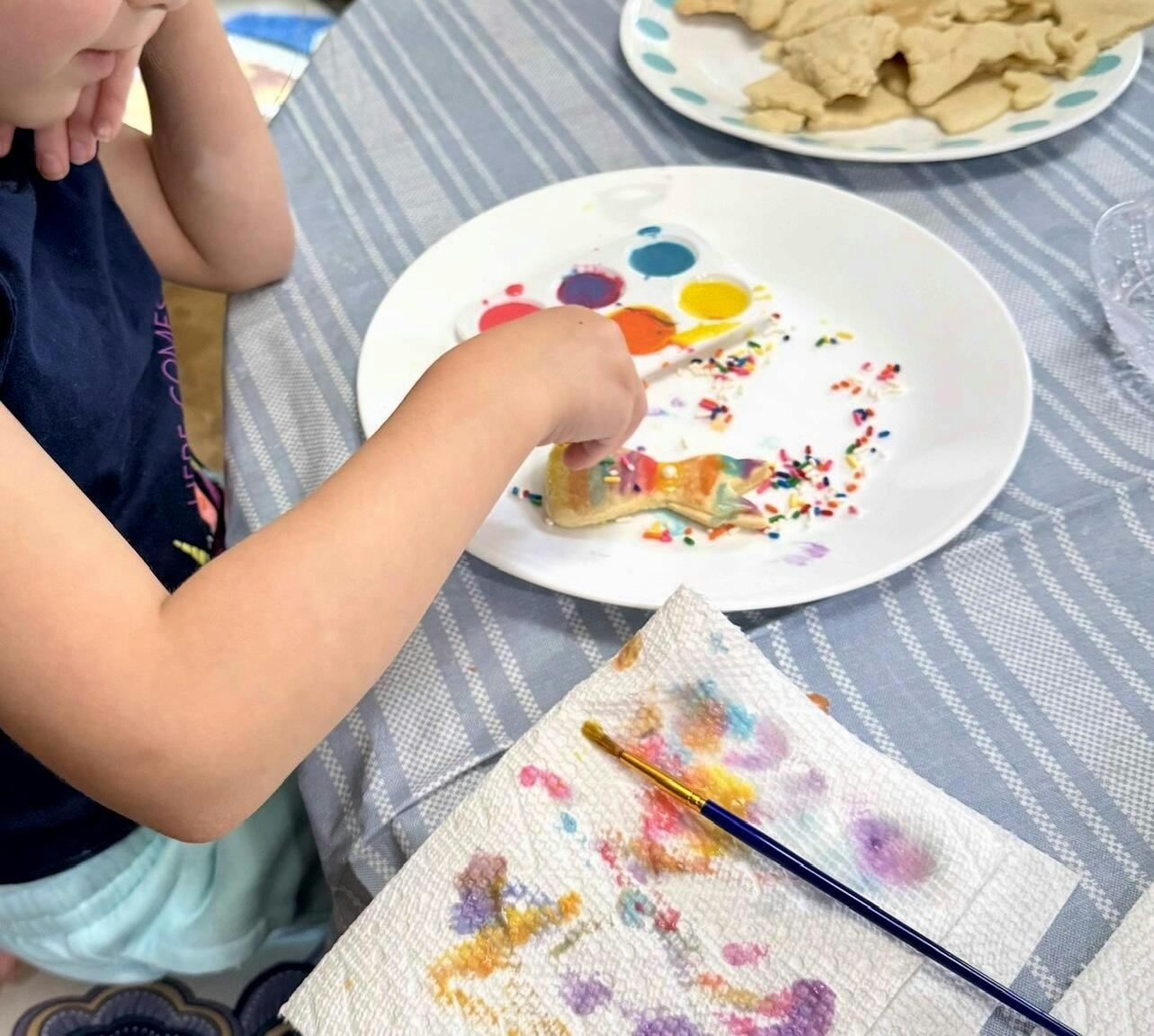
One of the most effective ways to make dinner fun for kids – and increase the likelihood they’ll actually eat it – is to involve them in the cooking process. When children become active participants, they shift from being passive consumers to proud creators. This sense of ownership can dramatically reduce mealtime resistance and open doors to incredible learning opportunities.
From Consumer to Creator: Age-Appropriate Tasks
The key to successful kitchen involvement is assigning tasks that are appropriate for your child's age and skill level, always with adult supervision for safety.
- Toddlers (1-3 years): Even the youngest chefs can help! They can wash fruits and vegetables (in a bowl of water, of course), tear lettuce for salads, stir ingredients in a large bowl (with supervision), or hand you pre-measured items. Simple tasks like pressing buttons on a food processor (with your hand over theirs) or decorating cookies can be thrilling.
- Preschoolers (3-5 years): These enthusiastic helpers can do more with supervision. Think pouring pre-measured ingredients, mashing soft foods (like avocados for guacamole or cooked potatoes), stirring batters, kneading dough, and using cookie cutters. They can also help set the table, count plates, and arrange napkins.
- Early Elementary (5-8 years): This age group is ready for tasks that build fine motor skills and introduce basic kitchen tools. They can measure dry ingredients with measuring cups and spoons (a great math lesson!), whisk eggs, spread sauces, peel vegetables with a swivel peeler, and use kid-safe knives for soft foods. Our kits, like the Peppa Pig Muddy Puddle Cookie Pies or the Erupting Volcano Cakes Kit, are designed with these age groups in mind, providing pre-measured ingredients and step-by-step instructions that make involvement easy and fun.
- Late Elementary & Pre-Teens (8+ years): Older children can take on more responsibility, including reading recipes, chopping vegetables (with proper instruction and supervision), sautéing ingredients (under direct supervision), and even planning simple meals. This is an excellent time to introduce concepts like meal prep and understanding different cooking methods.
Learning Through Doing: STEM & Art in Action
Every step of cooking offers a chance for learning.
- Math: Measuring ingredients (fractions, volume), counting items, setting timers. "We need 1/2 cup of flour. How many 1/4 cups is that?"
- Science: Observing physical and chemical changes (dough rising, butter melting, water boiling, ingredients mixing to form new textures). What makes our Erupting Volcano Cakes bubble over? That's a classic acid-base chemical reaction in action!
- Language Arts: Reading and following recipe instructions, expanding vocabulary (e.g., sauté, simmer, whisk, knead).
- Fine Motor Skills: Stirring, pouring, kneading, chopping, decorating.
- Art & Creativity: Arranging food on the plate, decorating cookies or cakes, experimenting with colors and textures.
- Geography & Culture: Exploring ingredients and dishes from different parts of the world. "Where does pasta come from?"
Setting Realistic Expectations
It’s important to remember that involving kids in the kitchen will likely mean more mess and a slower pace. That’s perfectly normal! Focus on the process, the shared experience, and the learning, rather than a perfectly clean kitchen or a gourmet meal. A little mess is a small price to pay for fostering a love for learning and creating lasting memories. The goal isn't to turn your child into a professional chef overnight, but to ignite their curiosity and build foundational skills.
Strategy 2: Theme It Up! Adventures on a Plate
Themes can transform an ordinary dinner into an extraordinary event. Kids thrive on imagination, and bringing a theme to the dinner table can make even the most reluctant eater curious. It's about creating an experience, not just a meal.
Transforming the Ordinary: Why Themes Work
Themes add an element of novelty and excitement. They can turn picky eating into playful exploration. When food is part of a story or an adventure, children are often more willing to try new flavors and textures.
-
Global Adventures: "Passport to Flavor" Nights
- Italian Night: This is a classic for a reason! Make mini pizzas on English muffins or pita bread, letting each child choose their toppings. Discuss the different regions of Italy and the foods they are known for. Or try making homemade pasta shapes – a fantastic way to explore geometry and physics in the kitchen. For a quick and fun activity, consider a "Pizza on a Stick" or "Muffin-Tin Lasagnas" approach, allowing kids to assemble their own.
- Mexican Fiesta: Set up a "build-your-own" taco or quesadilla bar. Offer various fillings: seasoned ground meat, black beans, corn, cheese, lettuce, salsa, and guacamole. Kids love the autonomy of creating their own plate. You can also make "Brief Burritos" or "Barbecue Chicken Quesadillas." This is a great way to talk about different cultures and the origins of ingredients.
- Asian Inspired: Try homemade spring rolls or "deconstructed" stir-fry bowls where kids pick their protein and veggies before you cook them. Explore the different spices and sauces used in Asian cuisine.
-
Nature & Science Themes: Edible Experiments
- Volcano Eruptions: Our Erupting Volcano Cakes Kit is a perfect example of how to make science delicious. Kids mix ingredients that create a safe, edible "lava" that bubbles over their chocolate cakes. It’s a fantastic way to demonstrate chemical reactions (acid-base reactions with baking soda and vinegar/citric acid) in a tangible, exciting way.
- Cosmic Cuisine: With our Galaxy Donut Kit, children explore astronomy by creating their own edible solar system. Decorating donuts with vibrant glazes and sprinkles becomes a lesson in planetary colors and patterns. You can discuss the planets, stars, and galaxies while enjoying a sweet treat.
- Dinosaur Dig: Create a "Fudgy Fossil Dig" where chocolate "dirt" hides edible "fossils" (e.g., bone-shaped cookies, pretzel sticks). This ties into paleontology and geology. You can make "dinosaur eggs" out of meatballs or mashed potato.
- Garden Patch Meal: Focus on fresh, colorful vegetables. Make a "rainbow salad" or "vegetable garden pizza" where veggies are arranged to look like rows in a garden. Talk about where different vegetables come from and how they grow.
-
Storybook & Character Themes: Bringing Stories to Life
- Peppa Pig Adventure: Even beloved characters can make learning fun, like when kids make Peppa Pig Muddy Puddle Cookie Pies. This kit turns a favorite story into a delicious, hands-on activity, encouraging imaginative play while baking.
- Fairy Tale Feasts: Imagine "Dragon Fire" spaghetti (spaghetti with red sauce and a sprinkle of "dragon scales" – cheese) or "Princess Sandwiches" cut into crown shapes.
- Sports Theme: Make "football field" sandwiches (rectangular sandwiches with edible "yard lines" drawn with cream cheese) or "basketball" meatballs.
By linking dinner to a theme, you're not just serving food; you're serving an experience. This approach sparks creativity, encourages imaginative play, and makes trying new foods part of an exciting adventure.
Strategy 3: Play with Presentation & Format
Sometimes, it’s not just what you serve, but how you serve it. Kids are incredibly visual, and playful presentation can make even simple foods irresistible. Changing the format or shape of food can turn a "no thank you" into a "more, please!"
Miniaturization Magic
Small, bite-sized portions are inherently appealing to children. They're easy to handle, less intimidating, and just plain cute!
-
Muffin-Tin Meals: Almost anything can be made in a muffin tin, making for perfect portion control and fun, individual servings.
- Muffin-Tin Lasagnas: Layer pasta, sauce, cheese, and meat (or veggies) in muffin cups for individual, easy-to-eat portions.
- Mini Meat Loaf: Bake meatloaf in muffin tins for quick-cooking, kid-sized portions.
- Mini Quiches or Frittatas: Great for using up leftover vegetables or adding protein.
- Mini Mac & Cheese Dogs: A fun twist on two kid favorites.
- Skewers & Kabobs: Food on a stick is always a hit! Alternate colorful vegetables (cherry tomatoes, bell peppers, zucchini) with protein (chicken pieces, meatballs, tofu). This is also a great way to practice fine motor skills when assembling.
-
"Pizza Everything": Pizza is a universal kid-favorite, and its versatility is endless.
- English Muffin or Bagel Pizzas: Quick, easy, and personalizable.
- Pizza Roll-Ups: Spread sauce and cheese on tortillas, roll them up, slice, and bake.
- Pizza Muffins: Use biscuit dough or crescent rolls in muffin tins for deep-dish mini pizzas.
- Waffle-Iron Pizzas: A unique way to get a crispy crust!
- Pizza Sandwiches: A grilled cheese meets pizza.
Deconstructed Dinners: Empowering Choice
Offering components separately allows children to assemble their own meals, giving them a sense of control and reducing mealtime pressure.
- Taco Bar: As mentioned before, a taco bar is a winner. Offer soft tortillas and hard shells, and a variety of fillings: ground beef or chicken, black beans, shredded cheese, lettuce, diced tomatoes, sour cream, and salsa.
- Baked Potato Bar: Bake potatoes until fluffy, then offer toppings like chili, shredded cheese, sour cream, chives, bacon bits, and steamed broccoli.
- Burger Bar: Offer mini burger patties, small buns, and a range of toppings like cheese, lettuce, tomato, pickles, and various condiments.
- "Lunchable" Style Dinners: Arrange cheese, crackers, sliced deli meat, and some fruit or veggie sticks on a divided plate. It feels like a special treat.
Creative Shapes & Colors
A little creativity with shape and color can go a long way in making food appealing.
- Cookie Cutters: Use fun cookie cutters on sandwiches, pancakes, cheese slices, or even thinly sliced vegetables like cucumbers or bell peppers.
- Rainbow Plates: Encourage your child to "eat the rainbow" by including a variety of colorful fruits and vegetables on their plate. This naturally introduces the concept of balanced nutrition.
- Animal Shapes: Create animal faces with fruit slices on oatmeal or make "spider" hot dogs by cutting the ends before boiling so they curl up.
Remember, the goal is to make dinner visually exciting and interactive. This encourages exploration and enjoyment, turning mealtime into a positive experience. For parents seeking to simplify this process while maintaining the fun and educational value, we offer a wide range of convenience. Not ready to subscribe? Explore our full library of adventure kits available for a single purchase in our I'm the Chef Too! shop.
Strategy 4: Sneak in the Good Stuff (Without Them Knowing!)
While we advocate for involving kids and celebrating new foods, sometimes you just need to ensure they get those vital nutrients. "Sneaky" strategies can be your best friend, especially for particularly resistant eaters.
Blending & Mashing: The Art of Disguise
- Sauces & Soups: Puree cooked carrots, zucchini, spinach, or sweet potatoes and blend them into pasta sauces, soups, or even mac and cheese. The flavors are often masked by the stronger taste of the main dish.
- Meatballs & Meat Loaf: Finely grate or finely chop vegetables like carrots, zucchini, mushrooms, or bell peppers and mix them into ground meat for meatballs, meatloaf, or sloppy joes. They often cook down and blend seamlessly.
- Smoothies: A classic way to hide greens. Blend spinach or kale with fruit (berries, bananas), yogurt, and a splash of milk or juice. The fruit's sweetness often masks the vegetable flavor.
Grated Goodness & Smart Swaps
- Baked Goods: Grate zucchini into muffins, bread, or even brownies. Finely grated carrots can be added to pancakes or quick breads.
- Pasta Dishes: Add finely chopped broccoli or cauliflower to pasta dishes. They can be cooked until very soft and then mashed slightly to blend with the sauce.
-
Smart Swaps:
- Whole Wheat Alternatives: Gradually introduce whole wheat pasta or bread. Start by mixing half whole wheat and half white.
- Vegetable "Noodles": Try spiralized zucchini or sweet potato noodles mixed with regular pasta, or as a base for sauces.
- Cauliflower Rice: Mix riced cauliflower with regular rice, or use it as a base for curries or stir-fries.
- Sweet Potato Fries: A healthier and often more appealing alternative to regular potato fries.
The "Dip" Strategy
Kids love to dip! Capitalize on this by offering healthy dips with vegetables.
- Hummus: A great source of protein and fiber.
- Guacamole: Healthy fats and delicious flavor.
- Yogurt-Based Dips: Mix plain yogurt with herbs and a squeeze of lemon for a creamy, healthy dip for cucumber slices, carrot sticks, or bell pepper strips.
- Nut Butter: Serve apple slices or celery sticks with peanut or almond butter.
While these strategies are helpful, we always encourage a balanced approach. Continue to offer vegetables in their natural form alongside the "hidden" ones, and involve your child in cooking them whenever possible. Exposure and positive experiences are key to fostering a varied palate over time.
Strategy 5: Classic Kid-Favorites, Reimagined
Sometimes, the best fun dinner ideas for kids come from taking their beloved classics and giving them a playful, creative twist. This maintains familiarity while introducing novelty and engagement.
Pizza Reinvented
Beyond the muffin-tin and waffle-iron pizzas we mentioned, there are countless ways to make pizza night exciting.
- Homemade Dough Adventure: Making pizza dough from scratch is a fantastic science lesson! Discuss how yeast makes the dough rise (biology/chemistry). Kids can knead the dough, stretch it, and then customize their own mini pizzas.
- Pizza Pinwheels: Roll out pizza dough, spread with sauce, cheese, and toppings, roll it up like a jelly roll, slice into pinwheels, and bake. These are perfect for little hands.
- Pizza Stuffed Peppers: Halve bell peppers, fill with pizza ingredients, and bake.
- "The Elvis Sandwich" (Pizza Style): A fun, quirky idea from the top search results, adapting it to a pizza theme could mean a sweet and savory pizza with banana, peanut butter, and maybe a drizzle of chocolate, or a savory one with unique toppings.
Pasta Power
Pasta is a staple in most households, and it's incredibly versatile for making fun.
- Pasta Shapes & Colors: Explore different pasta shapes (bowties, spirals, shells, wagon wheels) and even naturally colored pasta (spinach pasta for green, beet pasta for red).
- Meatball Mostaccioli or Stroganoff: Classics that can be made fun by adding colorful vegetables or unique pasta shapes. Discuss the origin of pasta and different Italian regions.
- "Noodle Nests": Twirl spaghetti into individual "nests" and top with a meatball "egg" and sauce.
- Peanut Butter Noodles: A simple, kid-friendly option with a unique flavor profile, blending savory and sweet.
Burger & Hot Dog Fun
These American classics can be transformed into engaging dinner ideas.
- Mini Barbecue Meat Loaf: Instead of a large loaf, bake individual mini meatloaves in muffin tins. Kids can help mix the ingredients and shape the loaves.
- Chili Dog Pizza: Use a pizza crust as a base, spread with chili, top with sliced hot dogs and cheese, then bake. A fun fusion!
- Corn Dog Twists: Wrap hot dogs in crescent roll dough and twist before baking for a fun, easy-to-eat version.
- Loaded Pulled Pork Cups: Use biscuit dough to create cups, fill with pulled pork and cheese, and bake.
Breakfast for Dinner
Few things excite kids more than the idea of breakfast for dinner! It's unexpected and often involves foods they already love.
- French Toast Sticks: Easy for dipping and eating. Serve with fruit and yogurt.
- Pancake "Pizzas": Make large pancakes, then let kids "decorate" them with fruit, yogurt, and a sprinkle of granola or chocolate chips.
- Omelet Muffins: Whisk eggs with cheese and chopped veggies, pour into muffin tins, and bake for individual, portable omelets.
- Peanut Butter-Banana Yogurt Parfaits: While usually breakfast, this can be a light and fun dinner, especially on a hot evening, incorporating fruit, dairy, and protein.
The beauty of reimagining these classics is that they often involve components that children can easily help with, from mixing and shaping to decorating and assembling. This direct involvement is where the real fun and learning happen.
The Role of I'm the Chef Too! in Your Kitchen Adventures
We understand that even with the best intentions, coming up with new, creative, and educational dinner ideas every night can be a challenge. That's where I'm the Chef Too! steps in. Our award-winning kits are designed to take the guesswork out of "edutainment" in the kitchen, making it accessible and enjoyable for every family.
Convenience Meets Creativity
Our kits are meticulously developed by mothers and educators to ensure they are both fun and genuinely educational. We provide:
- Pre-measured dry ingredients: No last-minute grocery runs or measuring mishaps.
- Specialty supplies: Unique molds, cutters, or decorating tools that make each project special.
- Easy-to-follow instructions: Designed for children to participate actively, with clear steps for grown-up helpers.
- Built-in STEM & Art lessons: Each kit focuses on a different scientific principle, artistic concept, or cultural exploration, seamlessly integrated into the cooking process. For instance, our Galaxy Donut Kit isn't just about baking; it's about exploring astronomy through edible art.
We are committed to sparking curiosity and creativity in children, fostering family bonding, and providing a screen-free educational alternative that's truly unique. Imagine the delight on your child's face as they learn about geology while making Erupting Volcano Cakes, or discover the magic of chemical reactions with our other exciting kits.
Our "Chef's Club" subscription is the ultimate solution for ongoing educational fun. A new adventure is delivered right to your door every month with free shipping in the US. It's the perfect way to keep the inspiration fresh and the learning continuous, ensuring you always have a fantastic, screen-free activity ready to go. We offer flexible 3, 6, and 12-month pre-paid plans, perfect for gifting or long-term enrichment. Join The Chef's Club and unlock a world of culinary discovery for your child.
Not ready for a subscription just yet? No problem! You can still experience the magic. Browse our complete collection of one-time kits to find the perfect theme for your little learner and start your culinary adventure today.
Practical Tips for Stress-Free Fun Dinners
Making dinner fun for kids is a journey, not a destination. It requires patience, flexibility, and a willingness to embrace the process. Here are some practical tips to make your culinary adventures smoother and more enjoyable.
Meal Planning & Prep: Your Secret Weapons
- Involve Kids in Planning: Let your children look through cookbooks or online recipes with you and choose one or two meals for the week. This gives them a sense of control and increases their enthusiasm.
- Theme Nights: Designate specific nights for certain types of meals (e.g., "Taco Tuesday," "Pizza Friday," "Breakfast for Dinner Monday"). This creates anticipation and simplifies planning.
- Batch Cooking & Freezer Meals: Prepare larger quantities of components like cooked ground meat, roasted vegetables, or pasta sauce on a less busy day. Freeze portions for quick assembly later in the week. Mini meatloaves or muffin-tin lasagnas are great for this!
- Mise en Place: Before you start cooking with kids, gather and pre-measure as many ingredients as possible. This reduces chaos and keeps the flow smooth. Our kits come with pre-measured dry ingredients, which is a huge time-saver!
Kitchen Safety First
Always prioritize safety when cooking with children.
- Adult Supervision is Key: Never leave children unattended, especially near hot stoves, ovens, or sharp utensils.
- Age-Appropriate Tools: Provide kid-safe knives (nylon or blunt-edge plastic), non-slip cutting boards, and sturdy step stools.
- Teach Safety Rules: Emphasize washing hands, staying away from hot surfaces, and how to properly handle utensils.
- Fire Safety: Keep a fire extinguisher handy and teach kids about smoke detectors.
Embrace the Mess
Cooking with kids is inherently messy. Flour will fly, spills will happen, and sticky fingers are inevitable. See the mess as a sign of engagement and learning, not a failure. Have cleaning supplies ready and involve kids in the cleanup process too – it's part of the life skill!
Patience & Persistence
Not every meal will be a hit, and that's okay. Some days, your child might be enthusiastic, and other days, they might rather play. Don't force it. Keep offering opportunities and celebrate small victories, like trying a new food or helping with a new task. Consistent, positive exposure is more effective than pressure.
Celebrate Small Victories
Did your child try a tiny bite of broccoli? Did they help stir the sauce without spilling? Acknowledge and praise these efforts. Positive reinforcement makes them more likely to try again. Focus on the effort and the experience, not just the clean plate.
Ongoing Learning and Inspiration
To keep the fun dinner ideas flowing and the learning consistent, consider an ongoing source of inspiration. Our monthly Chef's Club subscription delivers new, exciting STEM cooking adventures right to your door. It’s designed to spark curiosity month after month, providing all the pre-measured dry ingredients and specialty supplies needed for a complete, delightful experience.
For schools, camps, and homeschool groups, we also offer versatile programs that bring our hands-on STEM adventures to larger settings. These programs are available with or without food components to suit various needs and environments. Learn more about our versatile programs for schools and groups.
Beyond the Plate: Building Lifelong Skills
Making dinner fun for kids isn't just about getting them to eat; it's about nurturing a wide range of essential life skills that extend far beyond the kitchen.
- Nutritional Literacy: When children help prepare meals, they naturally learn about different ingredients, food groups, and the importance of a balanced diet. They begin to understand where their food comes from and how it nourishes their bodies.
- Problem-Solving & Critical Thinking: What happens if we add too much liquid? How can we make this sauce thicker? Cooking encourages children to think critically, adapt, and troubleshoot. They learn to follow instructions, but also to improvise when necessary.
- Creativity & Experimentation: The kitchen is a canvas for creativity. Children can experiment with flavors, textures, and presentations. This fosters an imaginative mindset that can be applied to all areas of life.
- Confidence & Independence: There's immense pride in saying, "I made this!" Successfully contributing to a meal boosts a child's self-esteem and sense of capability. This newfound confidence can spill over into other academic and social settings.
- Fine Motor Skills & Hand-Eye Coordination: Tasks like stirring, pouring, kneading, cutting, and decorating refine fine motor skills and improve hand-eye coordination, which are crucial for development.
- Following Directions & Sequencing: Recipes require careful attention to steps and order. This teaches children the importance of following instructions and understanding sequential processes.
- Patience & Delayed Gratification: Waiting for dough to rise, for cookies to bake, or for a dish to cool teaches patience and the concept of delayed gratification – valuable lessons in our fast-paced world.
- Family Connection & Communication: Cooking together creates a shared activity that encourages conversation, laughter, and bonding. It's a time for parents and children to connect without the distractions of screens or busy schedules. These shared experiences become cherished family memories.
By investing time in making dinner fun and involving your children, you're not just feeding them; you're equipping them with valuable skills, fostering their development, and strengthening the fabric of your family.
Conclusion
The quest for "fun dinner ideas for kids" is more than just a search for recipes; it's an opportunity to transform a daily necessity into a source of joy, learning, and connection. By embracing creativity, involving your children in the cooking process, and adopting playful presentation techniques, you can turn mealtime from a chore into a cherished family adventure. Remember, it's about the journey – the laughter, the learning, the occasional mess – as much as it is about the delicious destination.
At I'm the Chef Too!, we are passionate about making this journey accessible and exciting for every family. Our unique blend of food, STEM, and the arts is designed to spark curiosity, build confidence, and create lasting memories, all while keeping screens off and hands busy. We believe that every child deserves the chance to explore, create, and learn in the most delicious way possible.
Ready to infuse your kitchen with more fun, learning, and unforgettable family moments? Join The Chef's Club and unlock a world of culinary discovery for your child. A new, exciting, and educational adventure awaits, delivered right to your door every month!
FAQ
How do I handle picky eaters when trying new fun dinner ideas?
Handling picky eaters requires patience and consistency.
- Involve them: As discussed, children are more likely to try foods they helped prepare.
- Offer choices: Give them limited, healthy options (e.g., "Do you want carrots or cucumbers with dinner?").
- Don't force it: Avoid pressuring them to eat. This can create negative associations with food. Keep offering small portions of new foods alongside familiar favorites.
- Lead by example: Eat a variety of foods yourself and show your enjoyment.
- Make it fun: Use themes, cookie cutters, or silly names for food.
- One bite rule: Encourage them to just try one "no thank you" bite. If they don't like it, that's okay.
What if my child isn't interested in cooking?
Not all children will immediately jump at the chance to cook.
- Start small: Begin with very simple tasks that require minimal commitment, like washing vegetables or stirring.
- Focus on their interests: If they love dinosaurs, try a dinosaur-themed meal. If they love space, try our Galaxy Donut Kit.
- Make it a game: Turn tasks into a race or a challenge.
- Don't force it: Offer the opportunity, but don't make it a chore. Sometimes, simply observing you having fun in the kitchen can pique their interest over time.
- Use a kit: Our I'm the Chef Too! kits are designed to be so engaging and fun that they often draw in even reluctant participants with their exciting themes and delicious outcomes.
How can I make healthy meals fun for kids?
- Color and variety: Aim for a rainbow of colors on the plate using different fruits and vegetables.
- Presentation: Use cookie cutters, arrange food into shapes, or create "mini" versions of meals.
- Dips: Offer healthy dips like hummus, guacamole, or yogurt-based dips for vegetables.
- Involve them in growing: If possible, grow some herbs or vegetables together. Children are more likely to eat what they helped cultivate.
- Experiment with flavors: Introduce different herbs and spices to make healthy food exciting.
What age is appropriate for cooking with kids?
Children can start helping in the kitchen as toddlers (around 18 months to 2 years old) with very simple, supervised tasks like washing vegetables or stirring ingredients. As they grow, they can take on more complex tasks, with increasing independence as they reach elementary school age and beyond. The key is always age-appropriate tasks and constant adult supervision. Our kits are designed with specific age ranges in mind, making it easy to find an activity that's just right for your child's developmental stage.
How can I make meal prep easier for fun dinners?
- Plan ahead: Dedicate time once a week to plan your meals and make a grocery list.
- Prep components: Chop vegetables, cook grains, or pre-cook proteins on a less busy day.
- Utilize kitchen gadgets: A food processor, slow cooker, or air fryer can significantly cut down on active cooking time.
- One-pan/one-pot meals: Minimize cleanup by choosing recipes that use fewer dishes.
- Embrace convenience: Consider using pre-made dough, rotisserie chicken, or pre-cut vegetables when time is short. And, of course, our Chef's Club subscription provides pre-measured dry ingredients, saving you a huge amount of prep work!